
17 min 44 sec
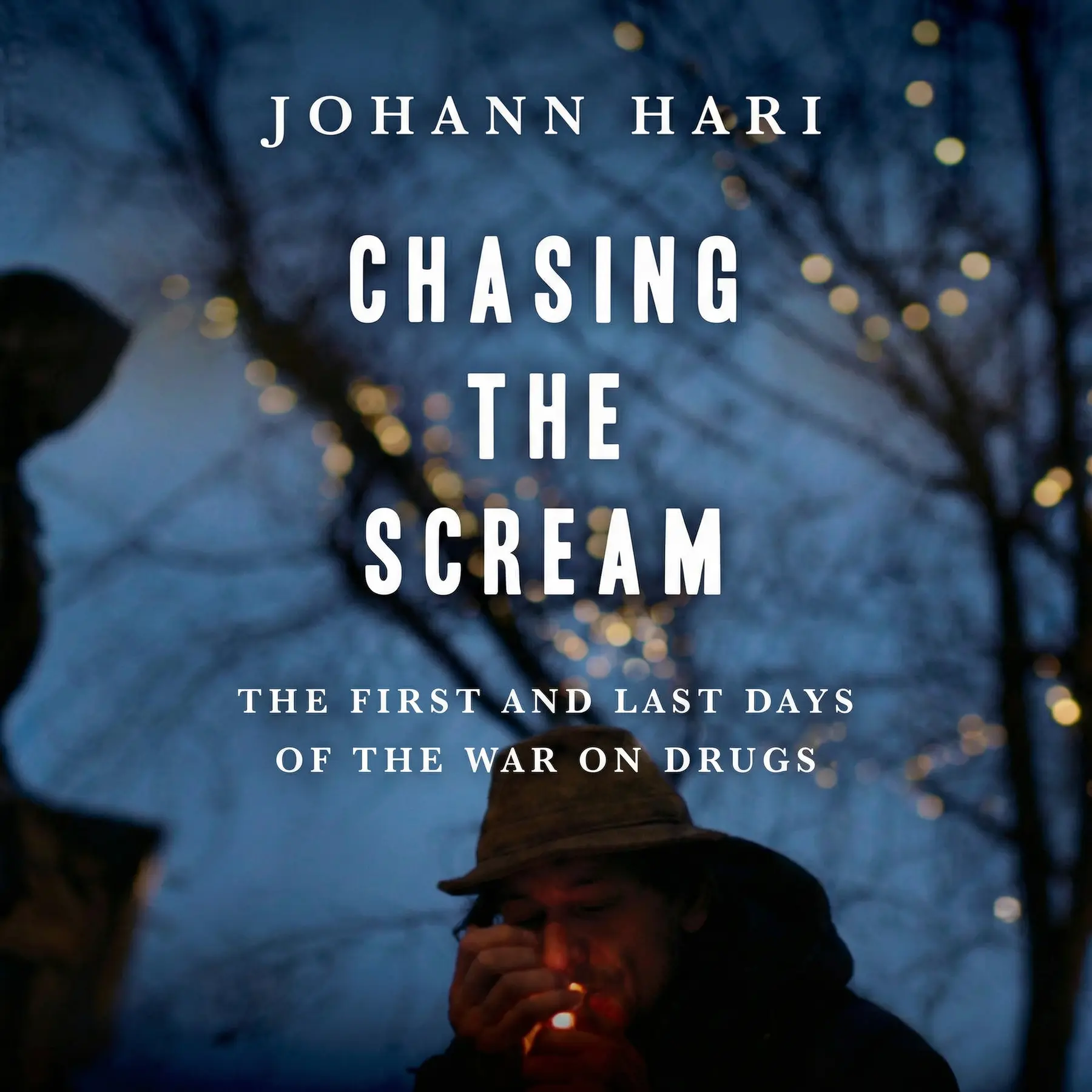
Chasing the Scream: The First and Last Days of the War on Drugs
By Johann Hari
Explore the century-long history of the drug war. This summary reveals the surprising racial motivations, the true nature of addiction, and why current prohibition strategies often backfire and increase violence.
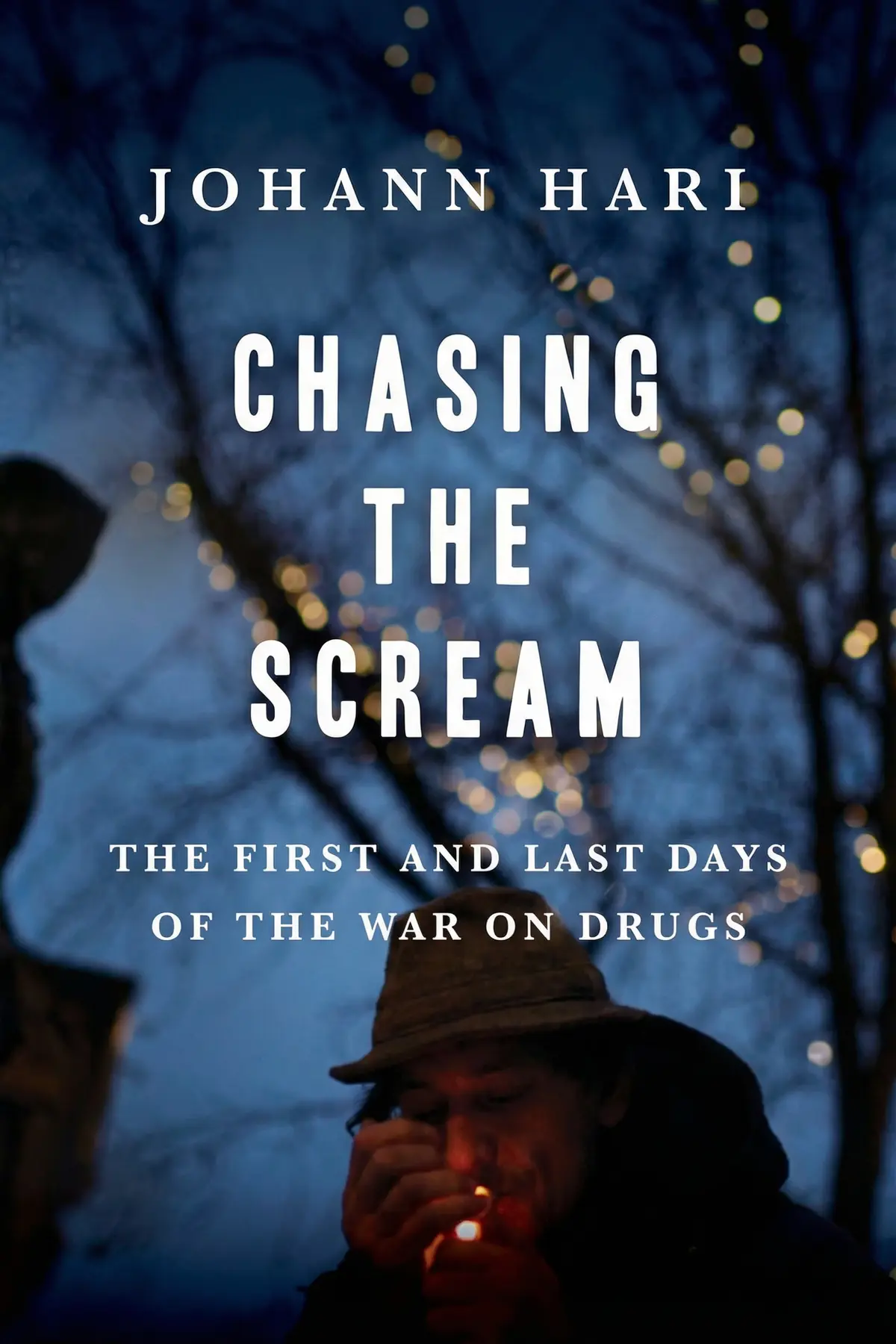
Table of Content
1. Introduction
1 min 18 sec
We have been living in the shadow of a global conflict for over a century, yet few of us truly understand its origins or its actual impact. When we hear the phrase “War on Drugs,” we often envision a righteous battle against a clear-cut evil. We imagine brave agents dismantling cartels to protect children and communities from the scourge of addiction. But what if the very foundations of this war were built on a misunderstanding of human nature and a desire to control specific groups of people? What if the tactics used to fight this war are actually the primary reason for the violence and chaos we see in the headlines?
Johann Hari’s exploration into this topic suggests that our current approach is not just failing; it is actively making the problem worse. By looking back at the first and last days of this struggle, we can see a throughline of policy decisions that favored punishment over healing and exclusion over integration. This journey isn’t just about the history of substances like heroin or cocaine; it’s about how we treat our most vulnerable neighbors and whether we are willing to follow evidence where it leads, even if it contradicts a century of rhetoric. As we move through these ideas, we will uncover the hidden motives behind prohibition, the scientific reality of why people become addicted, and the potential for a more peaceful, regulated future.
2. The Era Before Prohibition
1 min 55 sec
Before drugs were criminalized, they were common household items found in pharmacies and department stores. Discover the world where these substances were simply considered medicine.
3. The Architect of Global Prohibition
1 min 57 sec
One man was primarily responsible for turning the American drug war into a worldwide mission. Explore the motivations and methods of Harry Anslinger.
4. Racial Suppression as a Core Driver
1 min 59 sec
Beneath the surface of drug policy lies a history of racial discrimination. Learn how enforcement targets were chosen based on skin color rather than health.
5. The Invention of a Criminal Market
1 min 47 sec
Criminalizing a product doesn’t make it disappear; it simply transfers control to those willing to break the law. Discover how prohibition creates the cartels it fights.
6. The Violence of Competition
1 min 39 sec
Removing a top drug dealer doesn’t reduce crime; it often leads to a bloody power struggle. Explore the counterintuitive reality of drug enforcement.
7. The Environmental Roots of Addiction
1 min 53 sec
Is addiction caused by the chemicals in drugs or the conditions of our lives? Revisit the science that challenges our understanding of substance abuse.
8. Decriminalization and Human Connection
1 min 55 sec
What happens when a country stops punishing drug users and starts helping them? Learn about the transformative results of policy shifts in Europe.
9. The Practical Case for Legalization
1 min 56 sec
Beyond decriminalization lies the possibility of full regulation. Discover the economic and safety arguments for taking control of the drug market.
10. Conclusion
1 min 25 sec
The history of the War on Drugs is a cautionary tale of what happens when fear and prejudice are allowed to dictate public policy. For over a century, the global community has followed a path of prohibition that was never truly designed to solve the problem of addiction, but rather to control people and simplify complex social issues. We have seen that this approach doesn’t just fail to stop drug use; it actively creates the very violence and crime we fear. By criminalizing substances, we have funded cartels, destroyed lives through incarceration, and ignored the deep-seated emotional pain that drives people to use drugs in the first place.
However, there is a clear path forward. The evidence from countries like Portugal and Switzerland shows that a shift toward compassion and health-based strategies can work. When we treat addiction as a social and medical issue rather than a criminal one, we start to see progress. The throughline of this entire journey is that human connection is the ultimate antidote to the problems we associate with drugs. As we consider the future of drug policy, we must ask ourselves if we are ready to trade the rhetoric of war for the reality of healing. The first step is to recognize that those struggling with addiction are our neighbors and fellow citizens, deserving of care and a place in our communities. By moving toward regulation and support, we can finally end the century of screaming and start building a society that values restoration over retribution.
About this book
What is this book about?
Chasing the Scream offers a deep dive into the origins and consequences of the global conflict known as the War on Drugs. It traces the history back to its architect, Harry Anslinger, and examines how early twentieth-century anxieties regarding race and modernity transformed common pharmaceutical products into symbols of societal decay. The book challenges the conventional wisdom that addiction is purely a chemical phenomenon, instead pointing toward social isolation and trauma as the primary drivers of substance abuse. By highlighting the failures of punitive enforcement and the successes of compassionate alternatives in places like Portugal and Switzerland, the narrative provides a compelling argument for a radical shift in policy. The promise is a future where compassion and regulation replace the cycle of violence and incarceration.
Book Information
About the Author
Johann Hari
Johann Hari is an acclaimed author and journalist whose work has appeared in prestigious publications including The New York Times, the Los Angeles Times, The Guardian, and The New Republic. Known for his deep investigative reporting and engaging storytelling, he also wrote God Save the Queen?, a satirical examination of the British monarchy. His work often focuses on social issues, mental health, and the systemic forces that shape human behavior.
Ratings & Reviews
Ratings at a glance
What people think
Listeners consider this work a highly accessible and enlightening investigation into the nature of addiction, underpinned by extensive research and solid documentation. The prose is captivating, as one listener points out the way it integrates individual narratives to reveal darker underlying motivations. They value the book's innovative viewpoint on substance abuse, with one review emphasizing its scientific evidence-based approach.
Top reviews
Eleni
Chasing the Scream is a haunting, deeply researched exploration that challenges every preconceived notion about why people fall into the trap of addiction. Johann Hari takes us on a global journey, from the streets of Vancouver to the labs of the famous Rat Park experiment, proving that the opposite of addiction isn't sobriety, but connection. Honestly, the way he weaves together the tragic history of Billie Holiday and the obsession of Harry Anslinger is nothing short of masterful. It is a heartbreaking reminder that our current policies are rooted more in fear and racism than in any actual science or desire for public safety. This book doesn't just ask for your attention; it demands your compassion for a population we have spent a century dehumanizing. It’s an essential, eye-opening read for anyone who cares about social justice or the future of our communities.
Show moreTeng
Ever wonder why the War on Drugs feels like a never-ending cycle of failure despite the billions of dollars we pour into it? Hari provides a staggering amount of evidence to suggest that our entire approach is fundamentally broken and based on a misunderstanding of human nature. By traveling across the globe, he documents how compassion-based policies are actually producing better results than the punitive systems favored in the United States. Personally, the stories about the 'rat park' and the Vietnam veterans who effortlessly quit heroin upon returning home were the most persuasive parts of the book. The writing is engaging and well-documented, making even the most complex sociological concepts feel relatable and urgent. This is not just a book about drugs; it is a profound look at how we treat the most vulnerable members of our society.
Show moreChamnong
As someone who grew up in the D.A.R.E. era, I found this book to be a radical departure from everything I was taught as a child. Johann Hari dives deep into the sociological roots of addiction, moving past the idea of 'chemical hooks' to look at the impact of trauma and social isolation. The examples of Vancouver’s harm reduction efforts and Switzerland’s heroin clinics offer a glimpse into a world where we treat addicts as patients rather than criminals. It is a deeply emotional read that doesn't shy away from the horrific violence of the drug cartels or the sinister motives behind early prohibition laws. Not gonna lie, I shed a few tears during the sections on Gabor Maté’s work with the marginalized populations of the Downtown Eastside. This is the kind of writing that doesn't just inform you; it changes the way you look at the person on the street corner.
Show moreAir
Wow, this was an incredibly powerful read that manages to add a layer of humanity to a topic that is usually buried in dry statistics. Johann Hari’s personal connection to the subject matter is evident on every page, which makes the narrative feel intimate rather than clinical. He successfully argues that the drug war is actually a war on people, particularly those who are already struggling with severe trauma and social dislocation. The scientific evidence he cites, especially regarding the 'Rat Park' experiments, provides a sturdy backbone for his more emotional appeals for decriminalization. Frankly, I think every politician and law enforcement officer needs to read this to understand why our current methods are failing so spectacularly. It is a rare book that manages to be both an intellectual powerhouse and a deeply moving call to action.
Show moreKatya
Picked this up on a recommendation and it’s easily the most eye-opening thing I’ve read this year regarding social policy and human psychology. The way Hari contrasts the brutal violence of the Mexican drug war with the peaceful, health-focused approach in Portugal is truly staggering. He highlights how the 'Iron Law of Prohibition' actually makes drugs more potent and dangerous, creating a vicious cycle of escalating harm that helps no one but the cartels. The stories of the undercover agents and the brave activists fighting for change are woven together in a way that keeps the pages turning effortlessly. I appreciated the extensive documentation and the way he gives voice to those who are usually silenced by the mainstream media. This is a brilliant piece of investigative journalism that offers a realistic path forward for a world that is currently drowning in addiction and violence.
Show moreTern
Look, the reality of addiction is far more complex than a 'chemical hook,' and Hari proves it beautifully in this expansive work. He argues that the environment—the cage we live in—is the primary driver of substance abuse, rather than the drugs themselves. This perspective is backed by scientific evidence and historical examples that make the traditional 'War on Drugs' look like a barbaric relic of the past. I was particularly struck by the success of Portugal’s decriminalization model, which prioritizes health and integration over punishment and isolation. While the writing can occasionally feel a bit breathless and sensational, the underlying message is too urgent to ignore. If we want to solve the overdose crisis, we have to stop chasing the scream and start building a society worth living in. It’s a transformative piece of journalism that stayed with me long after I turned the final page.
Show moreElena
Finally finished this mammoth journey through the history of prohibition and I must say it was an enlightening experience. Hari has a knack for finding the human element in policy, specifically by focusing on the 'villains' like Harry Anslinger who helped birth the modern drug war. The book is immensely readable, almost like a thriller at times, which helps make the dense history of narcotics laws feel accessible to the average reader. To be fair, some chapters felt a bit over-simplified, and I occasionally wondered if he was sacrificing scientific nuance for the sake of a more compelling narrative flow. Despite those minor gripes, the sheer volume of research and the personal stories from places like Mexico and Uruguay make this a vital contribution to the debate. It definitely provides a fresh perspective that challenges the status quo of criminalization.
Show moreRyan
The chapter on Billie Holiday stayed with me long after I closed the book because it exposed the dark, racist underpinnings of our drug laws. It turns out that Harry Anslinger wasn't just a bureaucrat; he was a man driven by a specific, terrifying vision of social control that targeted minority communities. While I found Hari’s prose a bit overly dramatic at certain points, the historical research he presents is undeniably thorough and eye-opening for those unfamiliar with the era. This book does an excellent job of synthesizing various dimensions of the drug war into one engaging tapestry of human suffering and potential hope. I think it serves as a great introduction to the topic, even if it occasionally feels like a 'best of' collection of drug policy arguments. I would recommend this to anyone looking to understand how we got into this mess in the first place.
Show moreMeen
Not what I expected from a book about drug policy, as it reads more like a collection of interlocking biographies than a standard non-fiction text. From the history of 'Mrs. Winslow’s Soothing Syrup' to the modern-day struggle of addicts in Arizona’s prisons, the breadth of this book is impressive. To be fair, Hari’s habit of 'discovering' truths that have been known in academic circles for decades can be a bit grating to some readers. However, for a general audience, this is a fantastic way to digest the complicated history and science of narcotics and prohibition without getting bogged down. It strikes a good balance between storytelling and information gathering, even if it leans a bit heavily on the emotional side of the spectrum. Overall, it is a solid read that will definitely spark some intense conversations at your next book club meeting.
Show moreMoon
To be fair, I approached this with a massive grain of salt because of Hari’s checkered journalistic history. There are moments where the 'journey of discovery' feels a bit too polished, almost like he’s shaping the facts to fit a pre-determined narrative. However, even if you question some of his dramatic flair, the core policy arguments regarding decriminalization in Portugal are incredibly difficult to ignore. Frankly, the world of addiction is far more nuanced than this book suggests, yet it serves as a powerful, albeit flawed, catalyst for change. It’s a compelling read for the choir, but skeptical readers might find the 'Noble Truth' approach a bit manipulative and sensationalist in its delivery.
Show moreReaders also enjoyed

Adults in The Room: My Battle With Europe’s Deep Establishment
Yanis Varoufakis
21 Lessons for the 21st Century
Yuval Noah Harari

A Different Kind of Power: A Memoir
Jacinda Ardern
Age of Anger: A History of the Present
Pankaj Mishra

Afropean: Notes From Black Europe
Johny Pitts
A Higher Loyalty: Truth, Lies and Leadership
James Comey
Age of Propaganda: The Everyday Use and Abuse of Persuasion
Anthony Pratkanis
AUDIO SUMMARY AVAILABLE
Listen to Chasing the Scream in 15 minutes
Get the key ideas from Chasing the Scream by Johann Hari, plus 5,000+ more titles in English and Thai.
- 5,000+ titles
- Listen as much as you want
- 7-day free trial
- Cancel anytime







