
A Life Decoded: My Genome: My Life
J. Craig Venter
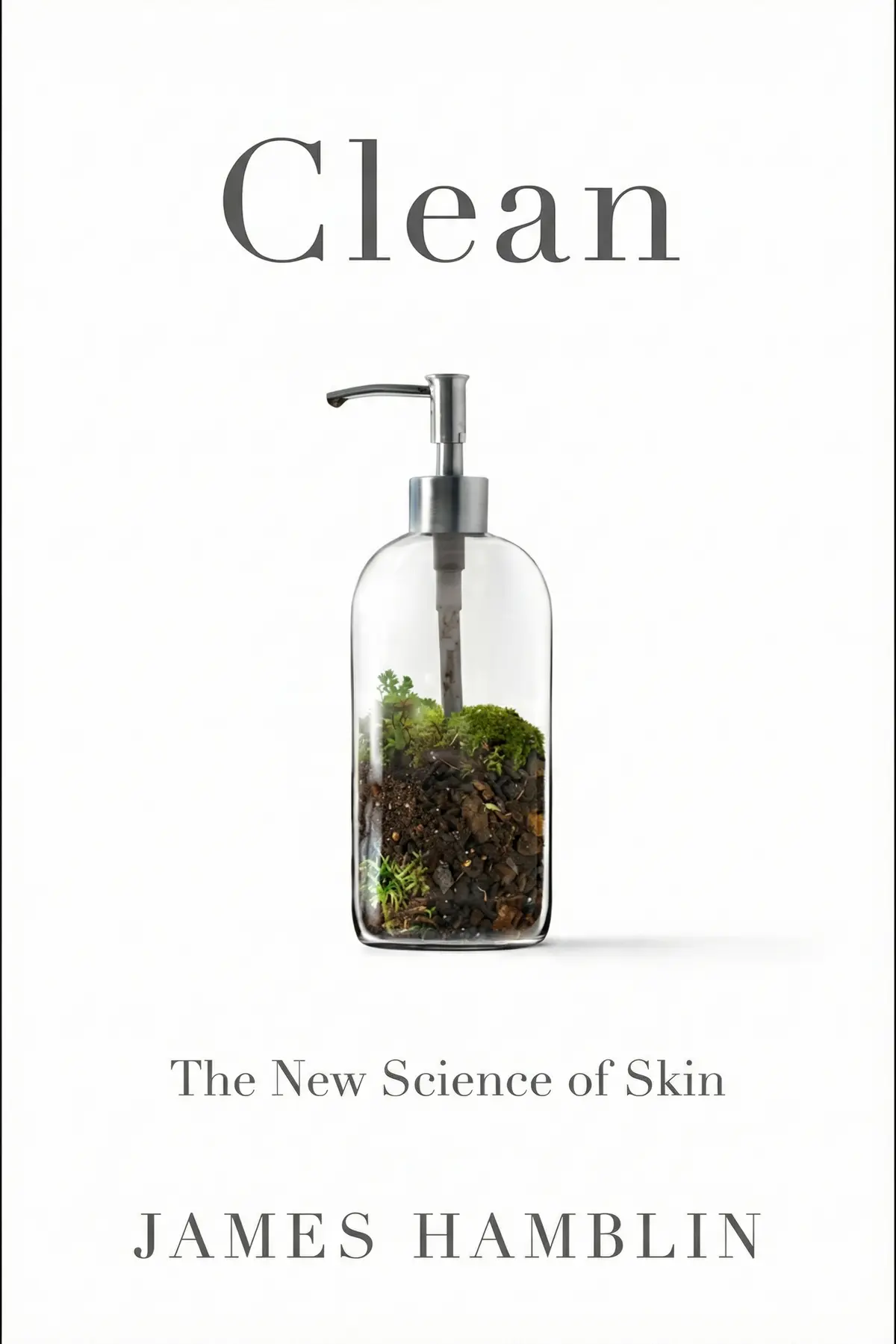
Clean explores the unexpected science behind our skin's ecosystem, revealing how modern hygiene habits and marketing myths may be harming our health by disrupting the natural microbes that keep us resilient.
1 min 25 sec
We live in an age of unprecedented sanitation. From the moment we wake up, we are surrounded by products designed to scrub, scent, and sanitize every inch of our bodies. We’ve been taught that cleanliness is not just a virtue, but a fundamental requirement for health and social acceptance. But what if our modern obsession with being ‘clean’ is actually backfiring? What if the very rituals we use to protect ourselves are actually weakening our primary defense: our skin?
In this exploration of James Hamblin’s work, we are going to dive deep into the invisible world of the skin microbiome. This isn’t just a book about skipping a shower; it’s a profound look at how our bodies co-evolved with trillions of microbes and how we’ve spent the last century trying to kill them off. The central throughline of this journey is the realization that our skin is not a static wall to be bleached and polished, but a living, breathing ecosystem that requires balance, not destruction.
Throughout this summary, we’ll trace the history of how soap went from a niche product to a cultural necessity, fueled by the birth of modern advertising. We will look at why some of the most rural communities have the lowest rates of allergies and what our four-legged friends might be able to tell us about our internal health. By the end, you’ll see the products in your bathroom cabinet in a completely new light, and you might just find yourself ready to simplify your life for the sake of your biology.
2 min 10 sec
What happens when a medical doctor decides to abandon his daily shower for five years? Discover how this radical experiment reveals the surprising ways our skin manages its own health when left alone.
2 min 08 sec
From the social hubs of Roman baths to the spiritual rituals of ancient Jerusalem, explore how the human definition of cleanliness has transformed from a communal activity to a clinical obsession.
1 min 56 sec
Learn how the soap industry transformed from a basic utility into a marketing powerhouse, using psychological tactics and media innovation to convince generations that they were fundamentally ‘unclean’.
1 min 59 sec
In a world of ‘clean’ beauty and ‘pure’ ingredients, how can we tell the difference between medical science and clever branding? Peer behind the curtain of the unregulated skincare market.
1 min 52 sec
Why do children raised on traditional farms have lower rates of asthma and allergies? Explore the ‘hygiene hypothesis’ and how our obsession with sterility might be confusing our internal defenses.
1 min 55 sec
For decades, we’ve been told that killing 99.9% of germs is the gold standard for health. Discover the long-term impact of chemical antimicrobials and the surprising shift back to probiotics.
1 min 49 sec
Can a dog’s nose detect cancer or Parkinson’s through the skin? Journey into the world of ‘volatiles’ and learn how our skin’s unique microbial signature could be the next frontier in medicine.
1 min 56 sec
Hygiene is a personal habit, but it’s also a global health crisis. Explore why the future of health requires us to balance our modern love of sterility with a desperate need for basic sanitation worldwide.
1 min 51 sec
As we wrap up our journey through the world of skin and science, the most important takeaway is a shift in perspective. Our skin is not an enemy to be conquered or a dirty surface to be bleached. It is a living, complex ecosystem that has been finely tuned over millions of years to protect us. The modern hygiene industry has spent over a century convincing us otherwise, creating a culture of over-cleaning that may be contributing to the very health problems we are trying to avoid.
The evidence is clear: while basic hygiene like washing your hands remains essential for public health, the daily full-body scrub with harsh detergents is often unnecessary and potentially harmful. By embracing a ‘less is more’ approach, we can allow our skin’s natural microbiome to flourish, training our immune systems and maintaining our body’s natural resilience. We’ve seen how rural living, exposure to nature, and even the company of pets can enrich our microbial diversity and protect us from chronic conditions.
So, what can you do today? Start by questioning the routine. You don’t have to go to the extreme of never showering, but you can try simplifying. Use soap where it’s needed for hygiene, and let water do the rest for the rest of your body. Pay attention to how your skin responds when you stop stripping away its natural oils. Most importantly, share these ideas. The more we talk about the science of the microbiome and challenge the artificial standards of ‘perfection’ sold to us by marketers, the more we can move toward a culture that values true biological health over the mere appearance of cleanliness. Your skin is your most vital connection to the world—it’s time we started treating it like the living miracle it is.
Clean is an eye-opening investigation into the multi-billion-dollar hygiene and skincare industries. Physician and journalist James Hamblin challenges the conventional wisdom of the daily scrub, arguing that our obsession with clinical cleanliness has actually compromised our skin’s natural defenses. By examining the history of soap, the rise of sophisticated marketing, and the latest research into the skin microbiome, the book reveals why less might truly be more when it comes to personal care. The book promises a journey from the ancient Roman baths to the modern labs of probiotic skincare startups. It explains how the immune system is trained by exposure to the natural world and how our current lifestyle of indoor living and harsh detergents might be contributing to a rise in chronic skin conditions. Ultimately, it offers a liberating perspective on what it means to be truly healthy, suggesting a simpler, more biologically informed approach to our daily routines.
James Hamblin is a highly respected staff writer for The Atlantic, where he covers health and science. In addition to his work as a journalist, he serves as a lecturer in public health policy at Yale University. Hamblin is also a physician specializing in public health and preventative medicine, bringing a unique medical perspective to his investigative reporting on modern lifestyle and wellness trends.
Listeners find this work to be deeply researched and filled with stimulating insights, making for an incredible and engaging listen with a great sense of wit. They value the book’s take on dermatology, with one listener emphasizing its focus on protecting the skin's microbiome, while others mention noticing improvements in their acne. Listeners appreciate the high quality of the writing and find the content revelatory, with one noting that it offers clarity in our product-crazed skincare moment.
Wow. This book was a total perspective shifter for me. James Hamblin manages to turn the mundane act of showering into a fascinating exploration of biology, history, and corporate marketing. I was especially gripped by the science of the skin microbiome and those weird Demodex mites that apparently live on all our faces. To be fair, I went into this thinking it was just a guide on how to stop using soap, but it’s so much more than that. It’s an incredibly well-researched look at how we’ve been sold a version of 'clean' that might actually be making us less healthy. His writing style is witty and conversational, making complex medical concepts feel like a chat over coffee. If you’ve ever wondered why your skin is constantly dry despite using a dozen serums, you need to read this. It’s a witty, eye-opening journey that made me realize how little I actually knew about my own body's largest organ.
Show moreThe chapter on the tiny mites living on our faces was both horrifying and strangely comforting. James Hamblin has a gift for taking gross-sounding science and making it feel essential to our understanding of ourselves. This isn't just a book about skin; it’s a book about how we coexist with the microscopic world. I found his medical background gave the 'no-soap' experiment a lot of credibility that a lifestyle influencer just wouldn't have. It's funny, insightful, and doesn't take itself too seriously. I specifically appreciated how he tackled the 'probiotic' trend with a healthy dose of skepticism. While he's a physician, the tone remains accessible and never feels like a lecture. This is exactly the kind of science writing we need more of. It provides much-needed clarity in a world where we are constantly bombarded with conflicting health advice. Truly a must-read for the modern age.
Show moreFrankly, this is the most important book I’ve read regarding my health in years. We are so used to nuking our skin with harsh chemicals that we’ve forgotten how to let our bodies function naturally. Hamblin’s exploration of the skin microbiome is cutting-edge and explained with such clarity. I loved learning about how our obsession with being 'clean' might actually be contributing to the rise in autoimmune issues and allergies. The book is well-paced and kept me laughing even when the subject matter got a bit clinical. It’s rare to find a doctor who can write this well for a general audience without dumbing things down too much. Whether you're a skincare addict or someone who barely splashes water on their face, you'll find something valuable here. It's a brilliant, humor-filled look at the science of the skin that everyone should pick up.
Show moreAfter hearing the author talk on a podcast about his decision to stop showering, I knew I had to grab a copy. It’s not just a memoir about being smelly, though! Hamblin dives deep into how the skincare industry essentially invented problems so they could sell us the solutions. I loved the breakdown of how soap actually works on a molecular level and the way our skin relies on 'good' bacteria to stay healthy. Look, I’m not ready to give up my daily shower just yet, but I’ve definitely cut back on the harsh soaps after reading this. The humor is dry and the research is clearly thorough. My only complaint is that the organization is a bit chaotic. One minute we’re talking about the history of the FDA and the next we’re in an Amish community. Still, it’s a thought-provoking read that will make you rethink your entire bathroom routine.
Show moreAs someone who has spent a fortune at Sephora on expensive collagen creams, this was a massive wake-up call. Hamblin explains that most of these products can't even penetrate the skin because the molecules are too big! It’s all just clever marketing and advertising tricks designed to make us feel 'unclean.' The book is packed with these kinds of 'aha' moments that make you question everything in your medicine cabinet. I found the sections on the skin microbiome particularly enlightening and have actually seen my acne improve by doing less to my face. To be fair, the book does meander quite a bit into social commentary that doesn't always feel necessary. However, the core message about supporting our body’s natural ecosystem is incredibly powerful. It’s an entertaining and enlightening read for anyone caught in the cycle of product-crazed skincare trends.
Show morePicked this up because I wanted validation that my minimal skincare routine was actually okay, and I got exactly that. Hamblin is a fun contrarian who isn't afraid to call out the beauty industry for being a total sham. The way he traces the origins of brands like Palmolive back to the 1800s was a highlight for me. It’s wild how much of our 'hygiene' is just a result of early 20th-century marketing campaigns! The book is written in a very nonchalant, easy-to-digest way. I did think some chapters felt like filler, especially when he goes off on long tangents about urban planning. But when he sticks to the skin and the microbiome, it’s golden. My skin has actually felt much better since I started using soap only on the 'oily' parts as he suggests. It’s a solid, informative read with a great sense of humor.
Show moreWhat does it actually mean to be 'clean' in a world dominated by antibacterial everything? This book provides a much-needed reality check on our modern hygiene habits. Hamblin is a lively writer who makes the history of the FDA and the science of skin flora surprisingly compelling. I appreciated his honesty about his own transition away from soap and the reactions he got from people. However, I agree with other reviewers that the book could have used a sharper editorial eye to keep it on track. Some of the anecdotes are left half-finished, which can be frustrating. Still, the overall message about the necessity of a healthy microbiome is something I’ll be thinking about for a long time. It’s an eye-opening book that offers a lot of clarity in our currently product-crazed moment. Definitely worth a read if you want to understand the 'why' behind your daily routine.
Show moreEver wonder why we are so obsessed with scrubbing ourselves raw every single morning? This book attempts to answer that, but the results are a bit of a mixed bag. On one hand, the history of soap marketing and the rise of giants like Johnson & Johnson is genuinely interesting. On the other hand, the narrative feels a bit overstuffed and distracted at times. Hamblin is a fun, contrarian writer, but he spends a lot of time wandering through different vignettes that don’t always connect back to a central point. Frankly, I was hoping for more hard science on the microbiome and less travelogue-style commentary on the beauty industry. It’s an accessible read, but if you already have a basic understanding of public health, you might find yourself skimming large sections. It’s a good idea that goes a little flat in the middle, leaving me wanting more depth and fewer half-finished anecdotes.
Show moreTo be fair, Hamblin is an incredibly engaging writer, but this book feels like three different manuscripts forced into one. You have a history of hygiene, a critique of the cosmetic industry, and a personal experiment with not bathing. Individually, these topics are fascinating. Together, they create a busily overstuffed narrative that left me feeling more distracted than informed. I also felt he missed a huge opportunity to discuss the privilege inherent in his 'no-soap' lifestyle. He briefly mentions his own experience, but ignores the cultural and racial pressures that make 'not showering' an impossibility for many people. The section on Central Park's development was especially frustrating for its lack of historical context regarding the displaced residents. While there is a lot of good information here, the lack of focus and the occasional blind spots kept me from fully enjoying it.
Show moreI really wanted to love this, but I found myself fighting back a heavy yawn for most of the middle chapters. After reading Hamblin’s previous book, 'If Our Bodies Could Talk,' I expected a lot of dense information, but this felt surprisingly lightweight. The author spends way too much time traveling and contemplating the industry without providing real, actionable insights. Truth is, about fifty percent of this felt like filler content that a good editor should have cut. There is a glaring omission regarding the cultural pressures of cleanliness for people of color, and the section on Central Park felt like revisionist history by ignoring Seneca Village. It’s aggressively average and lacks the scientific punch I was looking for. If you want a deep dive into skin science, this isn't it. It’s mostly just a series of short, shallow observations that never quite reach a satisfying conclusion.
Show moreJ. Craig Venter
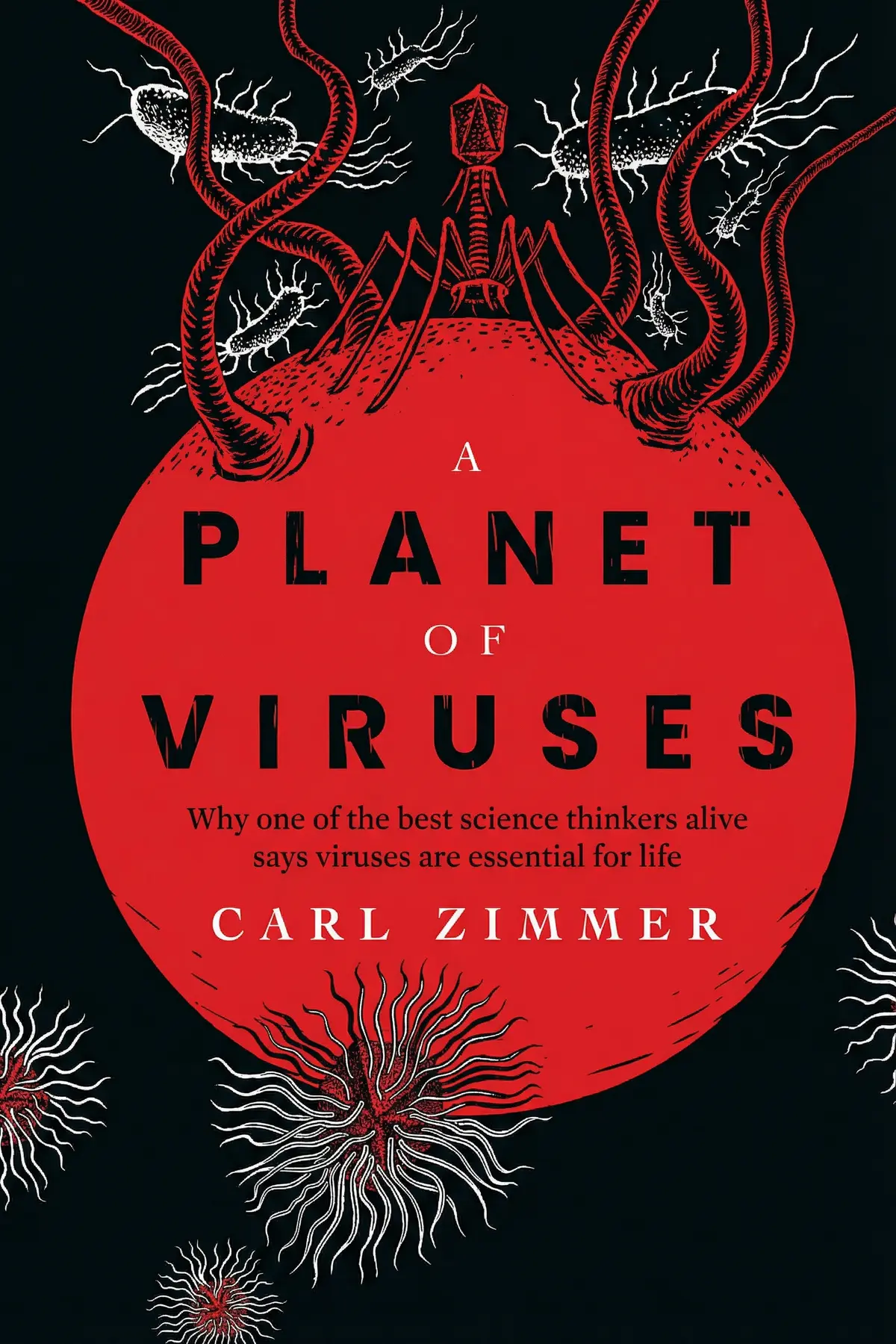
Carl Zimmer
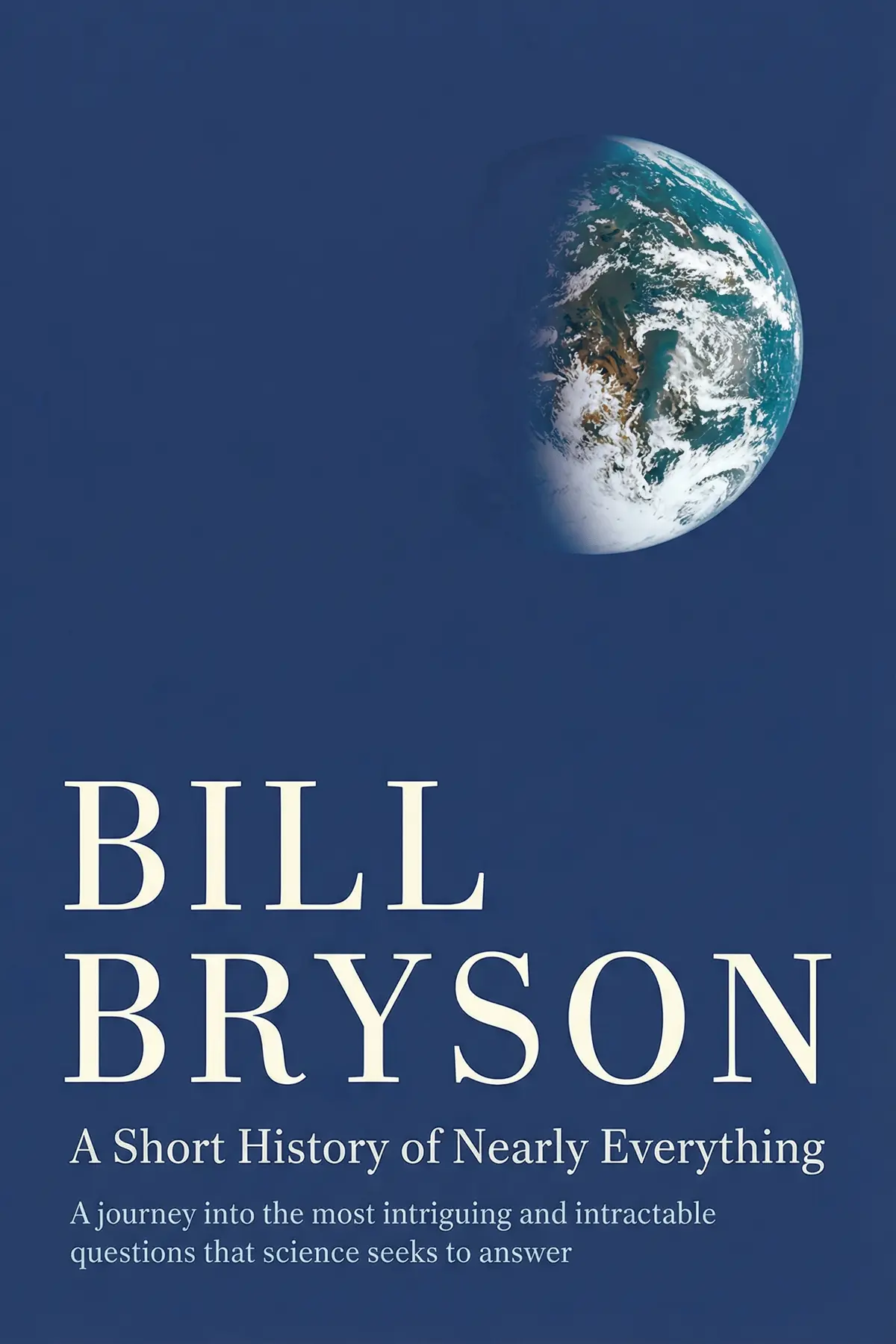
Bill Bryson
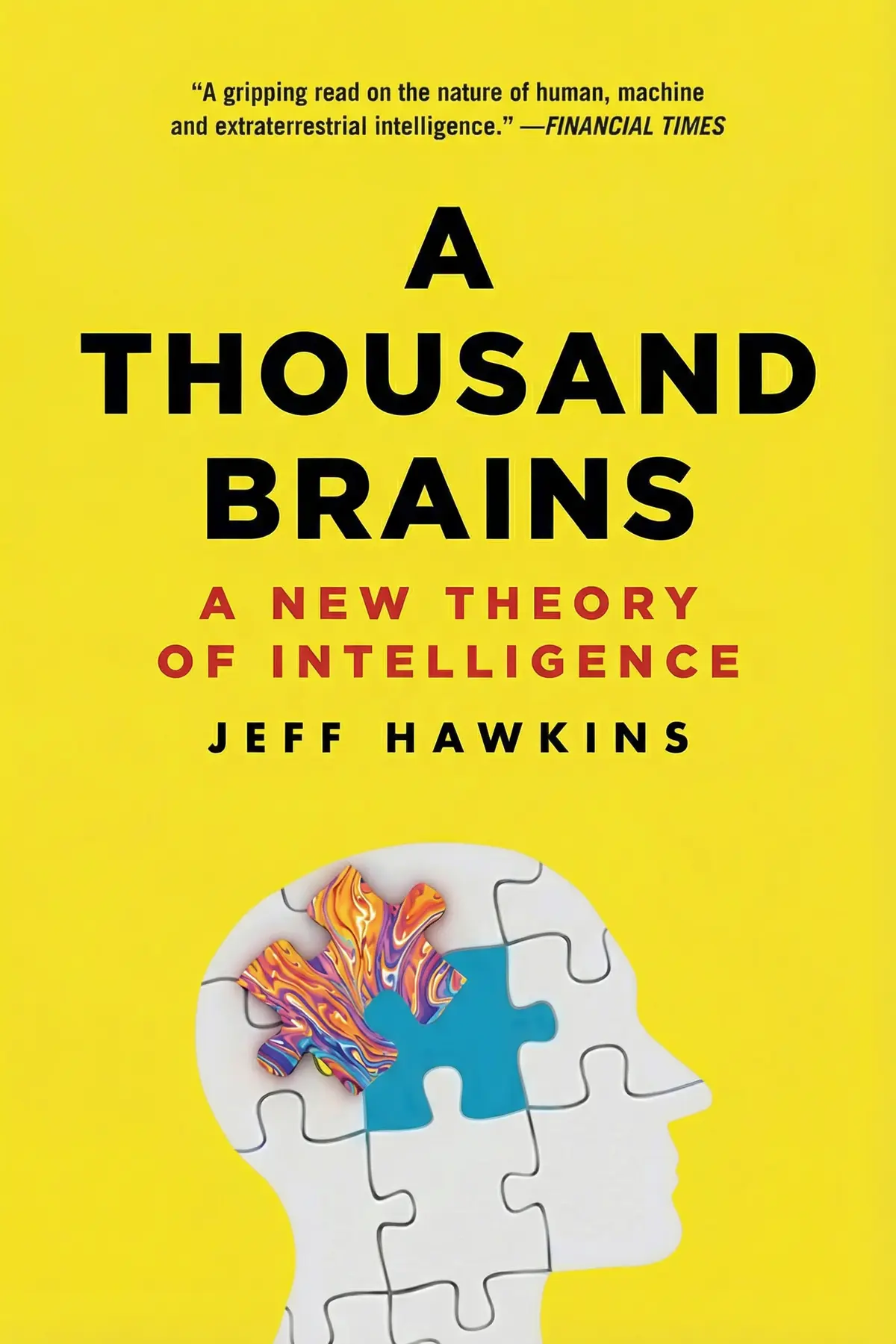
Jeff Hawkins
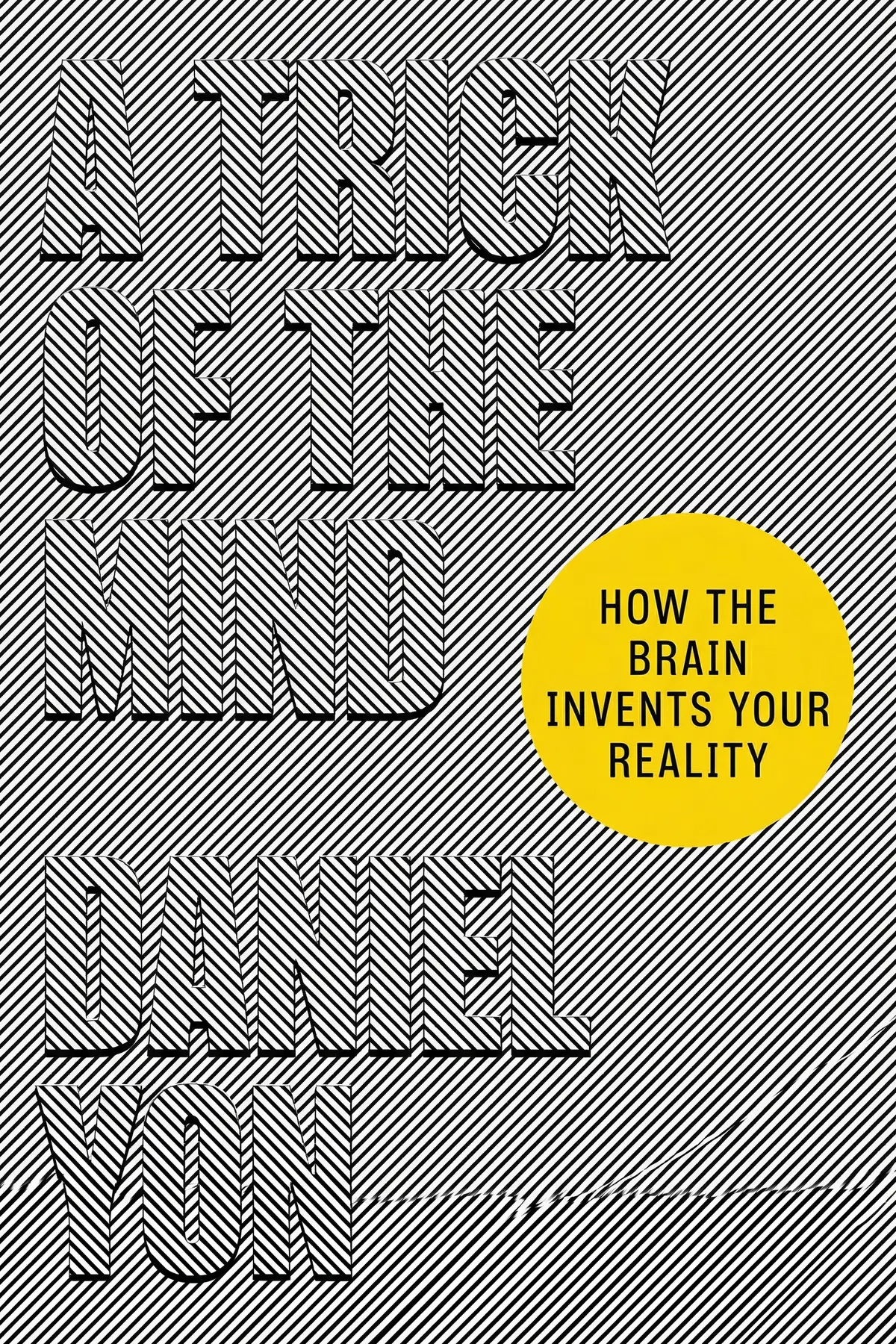
Lisa Kaltenegger
AUDIO SUMMARY AVAILABLE
Get the key ideas from Clean by James Hamblin, plus 5,000+ more titles in English and Thai.







