
28 min 20 sec
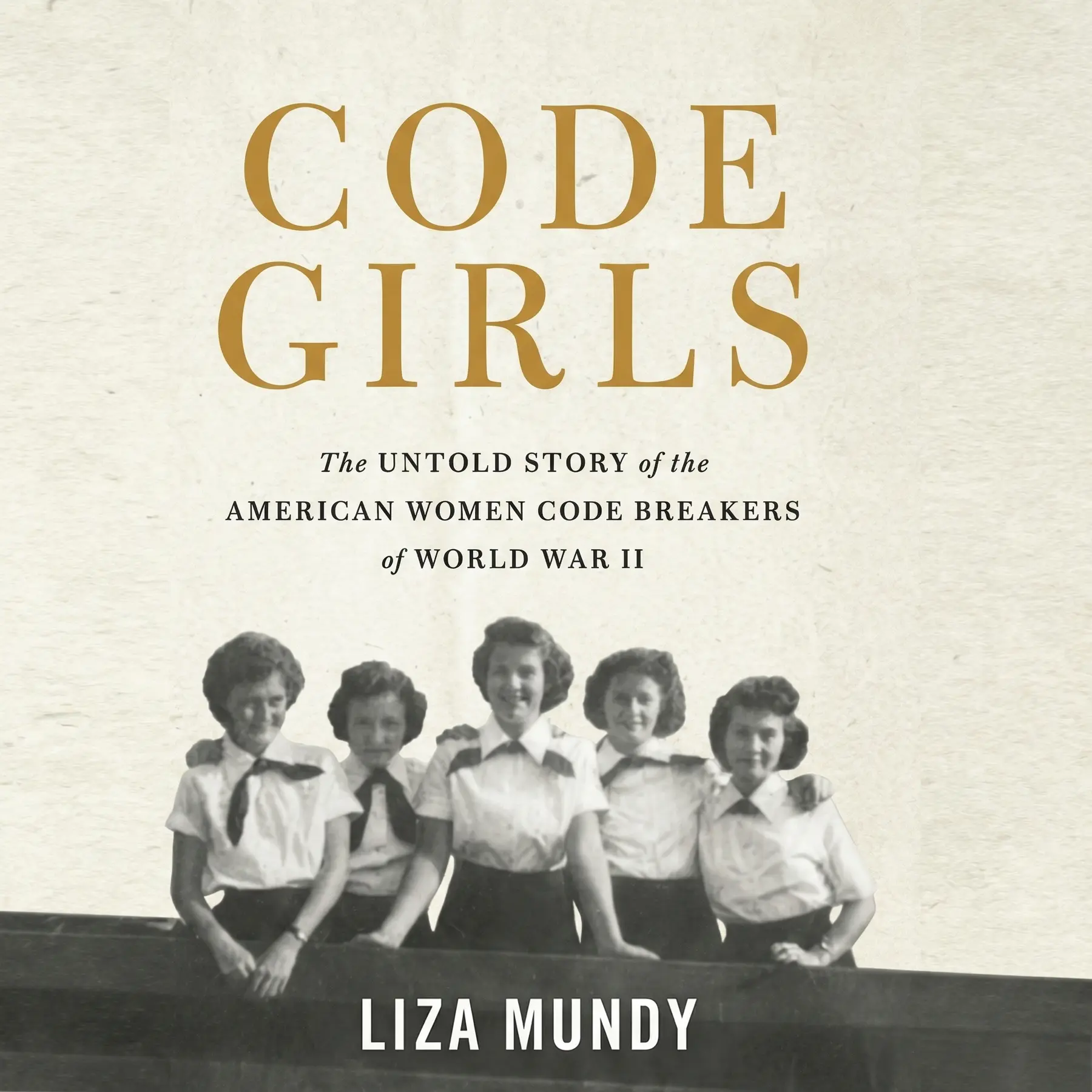
Code Girls: The Untold Story of the American Women Code Breakers of World War II
By Liza Mundy
Discover the hidden history of more than ten thousand American women who served as codebreakers during World War II, a secret labor force that shortened the war and changed the course of military intelligence.
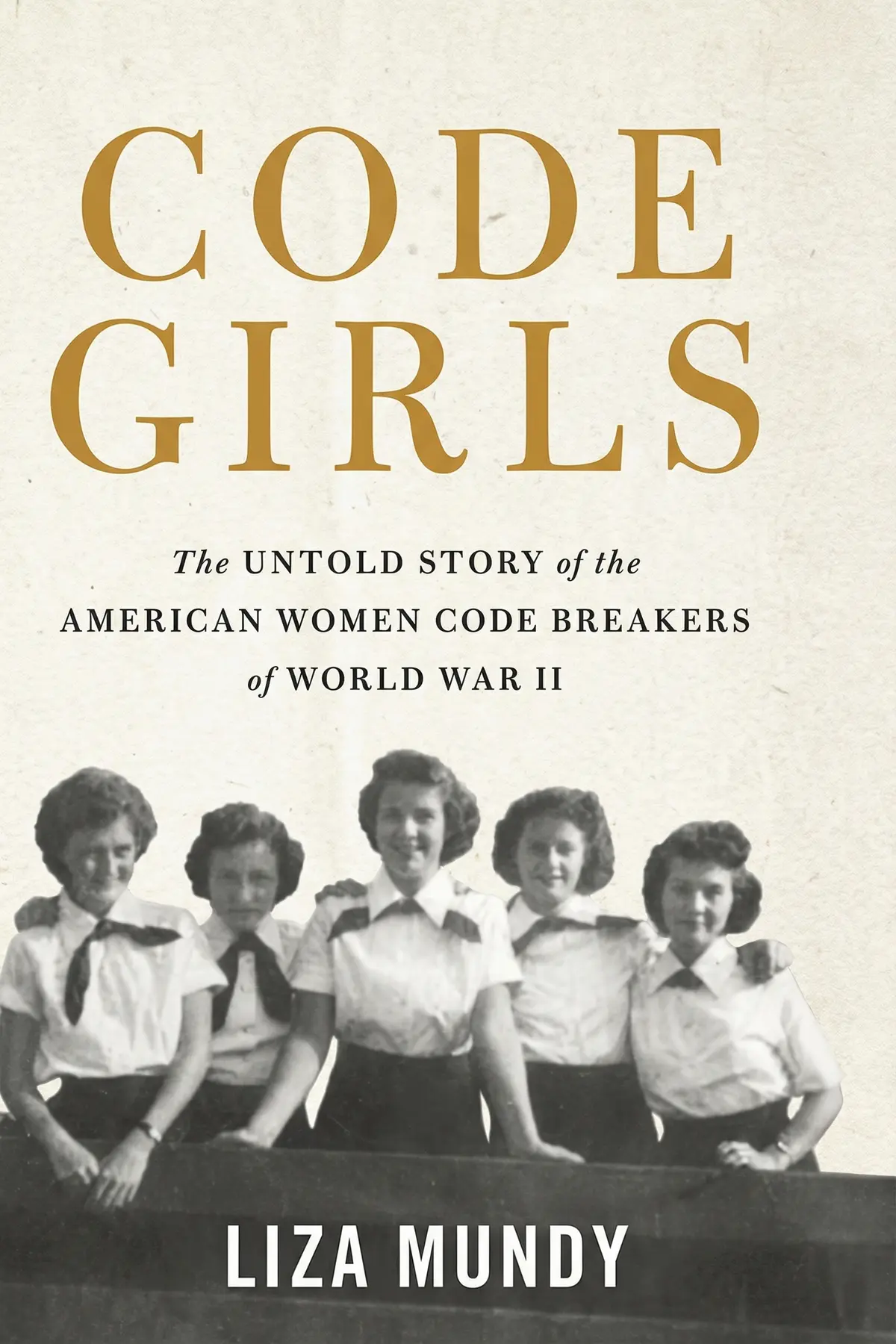
Table of Content
1. Introduction
2 min 03 sec
Imagine living in a world where your future was essentially written before you were even born. In the 1930s and early 1940s, for a young American woman, the path was narrow. You were expected to be a daughter, then a wife, and eventually a mother. If you were among the ambitious few who sought out a college education, the reward at the end of that journey was almost always the same: a career as a schoolteacher. There were no corporate ladders for women to climb, and no halls of power to walk. But then, the world caught fire.
As the United States moved toward the brink of World War II, a silent and desperate recruitment effort began. The military needed brains—specifically, they needed the kind of sharp, analytical minds that could unravel the most complex mathematical puzzles ever devised. They turned to the one demographic that was highly educated but largely underutilized: women. Thousands of young women from across the country received cryptic invitations. Some were seniors at elite colleges; others were teachers in rural towns. They were asked simple but strange questions: Do you like crossword puzzles? Are you engaged to be married?
Without knowing exactly what they were signing up for, these women moved to Washington, D.C., and entered a world of total secrecy. They became the “Code Girls.” For decades, their story remained buried under a mountain of classified documents and the pervasive sexism of the post-war era. They were the invisible architects of the Allied victory, working in the shadows to intercept and decode the secret plans of the Axis powers. Their labor not only shortened the war and saved countless lives but also represented a monumental shift in the role of women in the professional world. In this summary, we will uncover the clandestine history of these codebreakers, explore the technical genius of their work, and witness the profound impact they had on the global stage. This is the story of how a generation of women decoded a war and, in the process, began to decode their own potential.
2. The Gendered Foundations of Cryptography
2 min 42 sec
Discover why the military once believed that women were uniquely suited for the grueling, repetitive work of breaking codes, and how this bias opened the door for female pioneers.
3. The Forerunners of Female Intelligence
2 min 25 sec
Meet the visionary women who paved the way for the wartime force, from cracking Shakespearean hoaxes to deciphering Japanese naval codes.
4. Recruitment Under the Shadow of Pearl Harbor
2 min 11 sec
How the shock of a surprise attack led the U.S. military to hunt for ‘patriotic’ women with a knack for puzzles and a talent for math.
5. The Social Revolution of the Government Girls
2 min 14 sec
Explore the vibrant and stressful world of the ‘G-Girls’ in wartime Washington, where independence and secret work collided.
6. Genevieve Grotjan and the Purple Machine
2 min 13 sec
Go inside the room as a brilliant mathematician identifies the pattern that broke the most sophisticated Japanese cipher of the war.
7. The Silent War Against the Japanese Fleet
2 min 12 sec
How a sorting line of women at Arlington Hall used the 2468 code to track and sink the Japanese transport system.
8. Deception and the D-Day Invasion
2 min 23 sec
Learn how the ‘Code Girls’ wrote the fake messages that tricked Hitler and ensured the success of the Normandy landings.
9. The Psychological Toll of Secret Knowledge
2 min 15 sec
Step into the shoes of the women who knew the war’s darkest secrets and greatest victories before the rest of the world.
10. Secrecy and the Struggle for Post-War Recognition
2 min 25 sec
Discover how the end of the war brought a new battle against erasure, as the Code Girls’ contributions were classified and their veteran status denied.
11. The Evolution of Intelligence and the Digital Age
1 min 58 sec
How the work of 1940s codebreakers laid the mathematical and structural groundwork for modern cybersecurity and the NSA.
12. A Legacy Reclaimed
1 min 44 sec
Reflect on the long journey to honor these unsung heroines and what their story teaches us about the resilience and brilliance of women in crisis.
13. Conclusion
1 min 35 sec
The story of the Code Girls is more than just a forgotten chapter of military history; it is a fundamental narrative about the power of the human intellect and the slow, often painful progress of social change. For four long years, over ten thousand women lived a double life, serving as the hidden guardians of Allied security while maintaining a public image of ordinary clerical workers. They cracked the most sophisticated machines of their era, manipulated the movements of global armies, and witnessed the end of the most destructive war in history from the keys of their typewriters and the worksheets on their desks.
While the post-war era attempted to push these women back into the domestic sphere and erase their professional triumphs, their impact could not be truly undone. They laid the groundwork for the modern intelligence state and the digital revolution, proving once and for all that the capacity for high-level technical work has nothing to do with gender. The silence they kept for seventy years was a final act of service to their country, but the breaking of that silence is a gift to us all.
As we move forward, the lesson of the Code Girls is clear: brilliance knows no bounds, and history is often written by those who are least expected to lead. Their legacy calls on us to recognize the unsung contributors in our own time and to remember that the most significant breakthroughs often happen when we finally open the doors of opportunity to everyone. These women were the invisible architects of victory, and by finally honoring them, we complete the picture of what it truly took to win the war and shape the modern world.
About this book
What is this book about?
Code Girls reveals the long-concealed contributions of a massive female workforce that formed the backbone of American intelligence during the 1940s. While history books often focus on the battlefield, this narrative shifts the spotlight to the desks and machines of Washington, D.C., where young women—recruited from colleges and small towns—deciphered enemy communications that led to crucial Allied victories. The book explores how these women broke complex Japanese and German ciphers, including the formidable Purple and Enigma systems. Beyond the technical triumphs, it examines the personal lives and social shifts experienced by these pioneers, who found unprecedented freedom and professional purpose in the midst of global conflict. It is a story of intellectual rigor, the burden of secrecy, and the systemic sexism that nearly erased their legacy from the annals of history.
Book Information
About the Author
Liza Mundy
Liza Mundy is an award-winning journalist and the author of several influential books, including the New York Times bestseller The Richer Sex. Her work has appeared in prestigious publications such as TIME, the Guardian, the New Republic, and Slate. Previously a reporter at the Washington Post, Mundy is also a senior fellow at the think tank New America, where she is recognized as a leading expert on women’s issues and the evolving landscape of work.
Ratings & Reviews
Ratings at a glance
What people think
Listeners find this account a gripping listen that shares an intriguing story of American women serving as code breakers in World War II. The book is meticulously researched and offers deep insights, rendering it essential material for history courses. Listeners enjoy the prose, with one noting it follows a simple-to-track narrative flow, and they consider it eye-opening for providing fresh viewpoints on the topic. Listeners applaud how the book depicts female empowerment, showcasing the incredible women who contributed to the code-breaking operations.
Top reviews
Anucha
Wow, what an incredible tribute to the thousands of women whose contributions were literally kept secret for decades. Liza Mundy has crafted an engrossing narrative that shines a much-needed light on the female mathematicians and teachers who were the backbone of American cryptanalysis during WWII. It is shocking to realize how these heroes were almost erased from our history books simply because of their gender and the classified nature of their work. The book is meticulously researched, using declassified documents to bring women like Dot Braden to life in a way that feels both personal and monumental. I was particularly moved by the descriptions of their dedication, working long hours in sweltering D.C. offices while being told to tell their families they were just doing secretarial work. This is female empowerment at its finest. If you enjoyed The Imitation Game, you absolutely must read this to see how the American side of the operation functioned. It’s an enlightening, required read for anyone interested in the real stories behind the Allied victory.
Show moreJames
As someone who has always loved math and history, I found Mundy’s account of these 'human computers' absolutely riveting. It’s rare to find a non-fiction book that manages to be both educational and deeply emotional at the same time. The scale of the operation—over ten thousand women—is mind-blowing. These women weren't just 'helping'; they were essential to the victory. I was especially struck by the chapter on Elizebeth Smith, whose story alone deserves a whole movie. The author does a great job of explaining the high stakes and the immense pressure these young women were under. Some parts are heart-wrenching, especially when you realize how many of them had to return to 'ordinary' lives and never speak of their achievements. This book isn't just a history lesson; it's an act of justice for these women. I’ve already recommended it to everyone in my book club!
Show moreNadia
Liza Mundy has done an extraordinary job digging through declassified documents to piece together a history that was almost lost to time. I was completely gripped by the stories of these women who were recruited from small towns and elite colleges alike to perform work that changed the course of the war. The writing is clear and the pacing is excellent for a history book. It really gives you a flavor of what life was like during the 1940s—the secrecy, the patriotism, and the sudden shift in societal roles. Seeing how these women proved their intellectual worth against the prevailing stereotypes of the time was incredibly satisfying. I also loved the updated version which includes stories from readers who discovered their own family members were 'code girls.' It’s a beautiful, essential piece of history that finally gives these ladies the recognition they deserve.
Show moreSureerat
Picked this up because my grandmother used to hint at 'government work' she did in D.C. during the forties, and this book felt like reading her secret history. It is a stunning, emotional look at a generation of women who were told to do the impossible and then never talk about it. Mundy captures the spirit of the era perfectly—the urgency, the fear, and the incredible brilliance of these young women. The book is packed with fascinating facts and personal stories that make the history feel alive. It’s more than just a book about codes; it’s a book about what women are capable of when given the chance to lead. I actually shed a few tears during the conclusion when discussing the legacy of these women. Truly an awe-inspiring read that everyone should have on their shelf. We owe these women a debt of gratitude that can never be fully repaid.
Show moreParichat
Finally got around to reading this after seeing it on so many history lists, and for the most part, it lived up to the hype. Mundy provides a very detailed account of the recruitment process from the Seven Sisters colleges and the grueling training these women underwent to break Japanese and German codes. The writing style is generally easy to follow, making complex military history feel accessible to a layperson. I found the sections on the impact of their work on the Pacific Theater especially fascinating. However, I’ll admit the book felt a bit bogged down in the middle with what I’d call domestic fluff. There’s a lot of focus on their living arrangements, train rides, and social lives that occasionally distracted from the actual codebreaking. Still, the overall message of female brilliance and patriotism is powerful. It’s a solid 4-star read that fills a massive gap in our understanding of the war effort.
Show morePreeda
Ever wonder what thousands of college-educated women were doing while the men were off at the front during World War II? This book provides a fascinating answer that goes way beyond the 'Rosie the Riveter' trope we all know. Mundy explores how the Army and Navy recruited women with backgrounds in Latin, Greek, and mathematics to tackle the most difficult codes of the era. The narrative style is engaging, and it brings a totally new perspective to the subject of wartime intelligence. I liked how the book balanced the big-picture military successes with the personal struggles of the women, such as facing sexism in a male-dominated environment. My only minor gripe is that the chronology can be a bit wonky, jumping back and forth between WWI and various recruitment phases. Regardless, it is an eye-opening read that makes you appreciate the grace and intelligence of the women who helped win the war.
Show moreEmily
After hearing about The Imitation Game for years, it was refreshing to finally get the American side of the story told so vividly. This book is a carefully researched account that brings a new perspective to WWII history. It’s not just about the geniuses at the top; it’s about the collective effort of thousands of women working behind the scenes. The book is written in an easy-to-follow style that makes you feel like you're right there in the hot, cramped offices with them. I found the parts about Vint Hill and the various naval bases particularly interesting as they provided a local context I hadn't heard before. While there is a lot of information to digest, the author does a good job of keeping the human element at the forefront. It’s a great read for anyone who loves learning about the 'hidden' figures of history.
Show moreNina
The truth is, I had very mixed feelings about this one despite my interest in the subject matter. On one hand, I applaud the author for highlighting these unsung heroes who saved countless lives through their tireless efforts. On the other hand, the structure felt incredibly disjointed. It often read like a collage of hundreds of different people, where a 'Jane Doe' is introduced for two paragraphs and then never mentioned again. This made it difficult to form an emotional connection with anyone other than a few main figures like Elizebeth Smith. To be fair, the research is exhaustive, but the sheer volume of names and domestic details—like what they ate or who they were dating—surrounded the actual work with too much filler. I was hoping for a more technical deep-dive into the cryptanalysis itself. It’s an important historical record, but as a narrative, it frequently loses its momentum.
Show moreSelin
Look, this book is undoubtedly important for the historical record, but the execution felt a bit uneven at times. I appreciate that the author wanted to give every woman she found in the records her moment in the sun, but it led to a recitation of names that became hard to track. I’d find myself interested in one person’s journey, only for the chapter to end suddenly and shift to a different group entirely. It felt a bit disjointed, like a series of essays rather than a smooth narrative. To be honest, some of the technical parts about how the codes were set up were a bit over my head, though that might just be my lack of math skills! While it’s an enlightening look at female empowerment and the war effort, it requires a bit of patience to get through the slower sections about their domestic lives.
Show moreMia
Not what I expected based on the title and the glowing blurbs I had seen online. I went into this expecting a heavy focus on the actual decoding operations and the mechanics of how they broke the Japanese 'Purple' code. Instead, I found myself wading through endless pages about train rides, letters to boyfriends, and what the women wore to dances. It felt like a collection of anecdotes that never quite coalesced into a compelling story. Much of the book was repetitive, constantly hammering home the point that women were important without giving enough detail on the 'how.' Honestly, it was one of the most boring non-fiction books I’ve picked up in a while. I appreciate the research, but it could have been half the length and twice as effective. If you want a technical look at cryptology, this isn't it. It’s more of a social history of young women in D.C. during the 1940s.
Show moreReaders also enjoyed

A Splendid Exchange: How Trade Shaped the World
William J. Bernstein
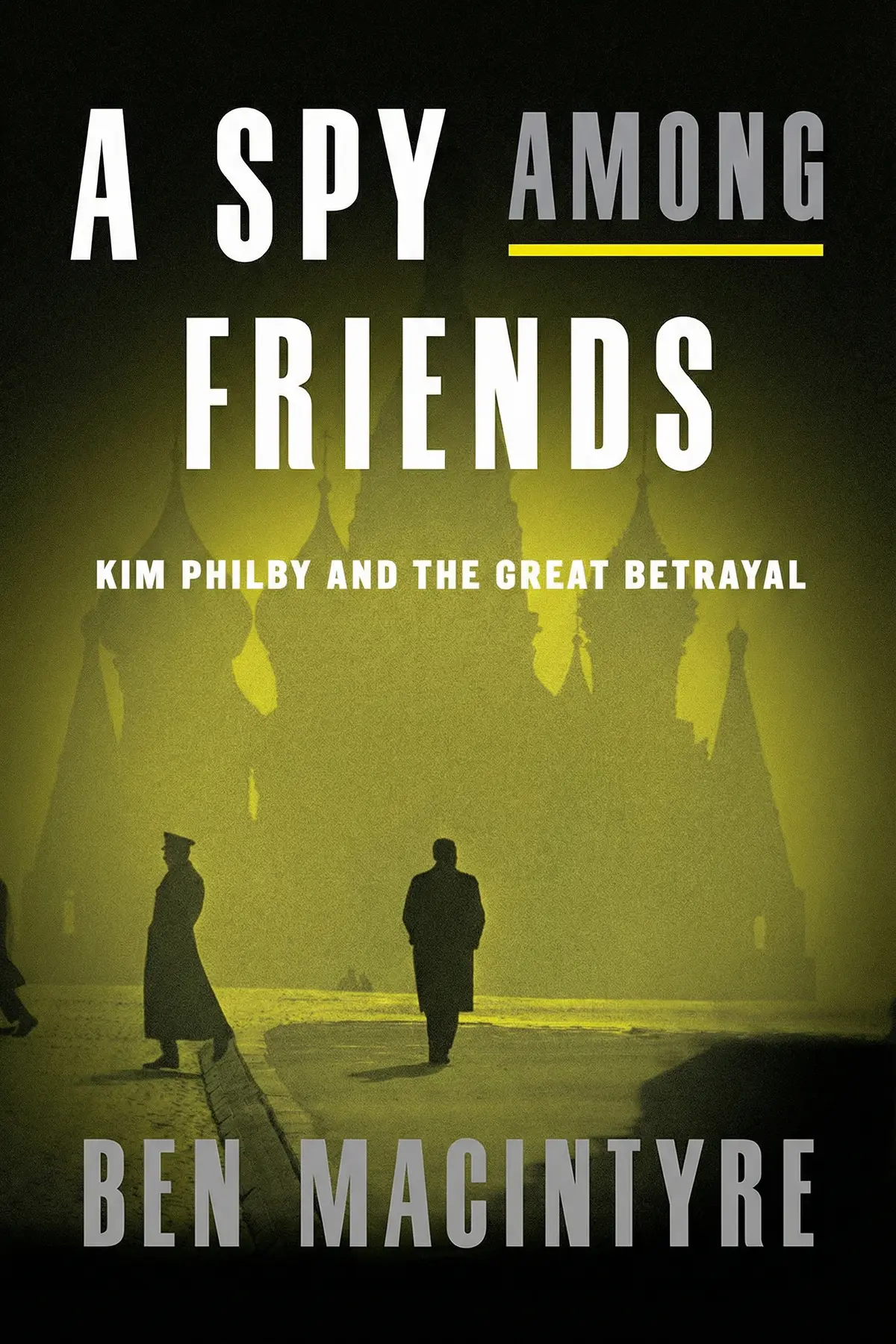
A Spy Among Friends: Philby and the Great Betrayal
Ben Macintyre
1491: New Revelations of the Americas Before Columbus
Charles C. Mann

A Year in the Life of William Shakespeare: 1599
James Shapiro
1929: Inside the Greatest Crash in Wall Street History--and How It
Andrew Ross Sorkin
AUDIO SUMMARY AVAILABLE
Listen to Code Girls in 15 minutes
Get the key ideas from Code Girls by Liza Mundy, plus 5,000+ more titles in English and Thai.
- 5,000+ titles
- Listen as much as you want
- 7-day free trial
- Cancel anytime







