
13 min 42 sec
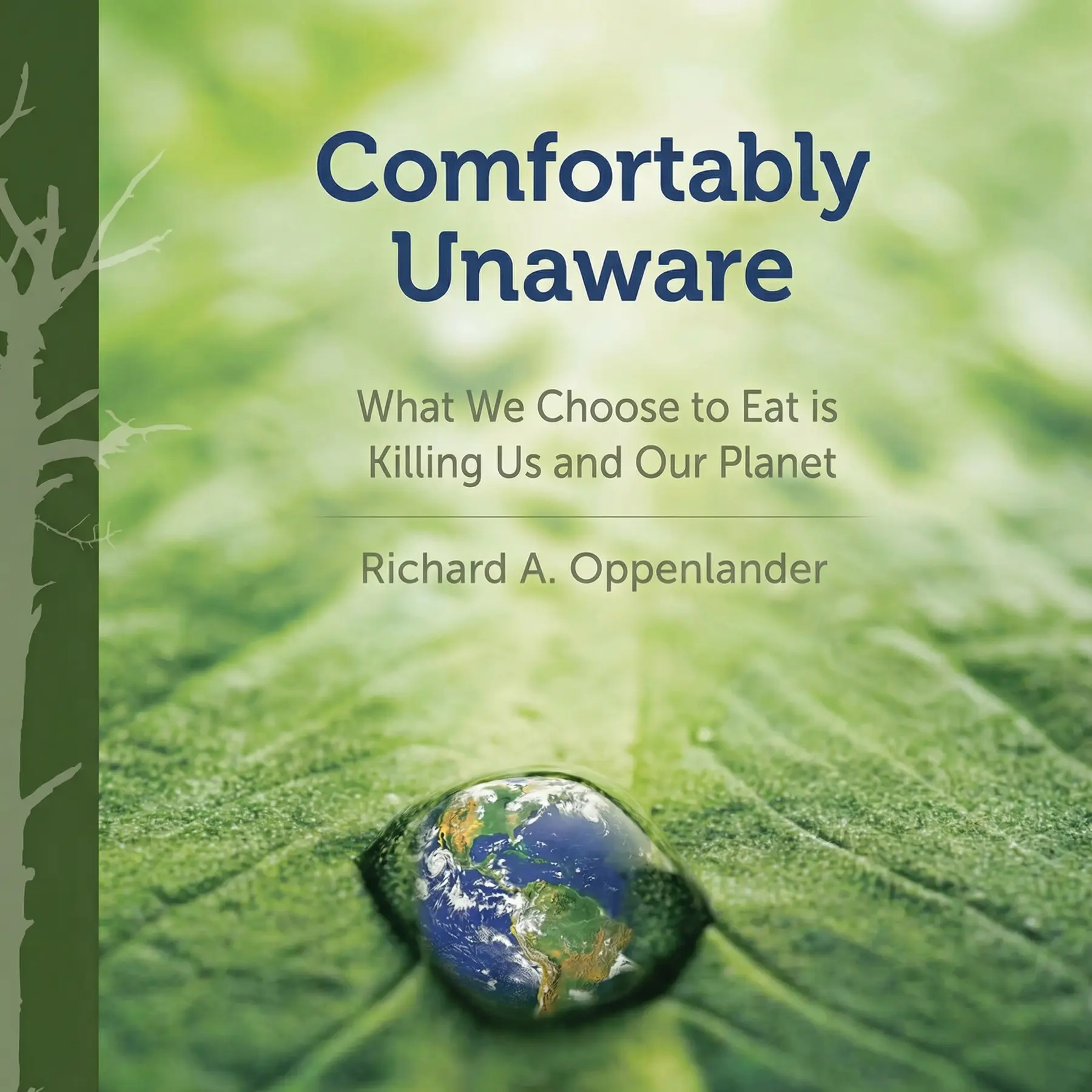
Comfortably Unaware: What We Choose to Eat is Killing Us and Our Planet
Comfortably Unaware explores the devastating environmental consequences of our dietary habits, revealing how livestock production drives climate change, habitat loss, and resource depletion more than almost any other human activity.
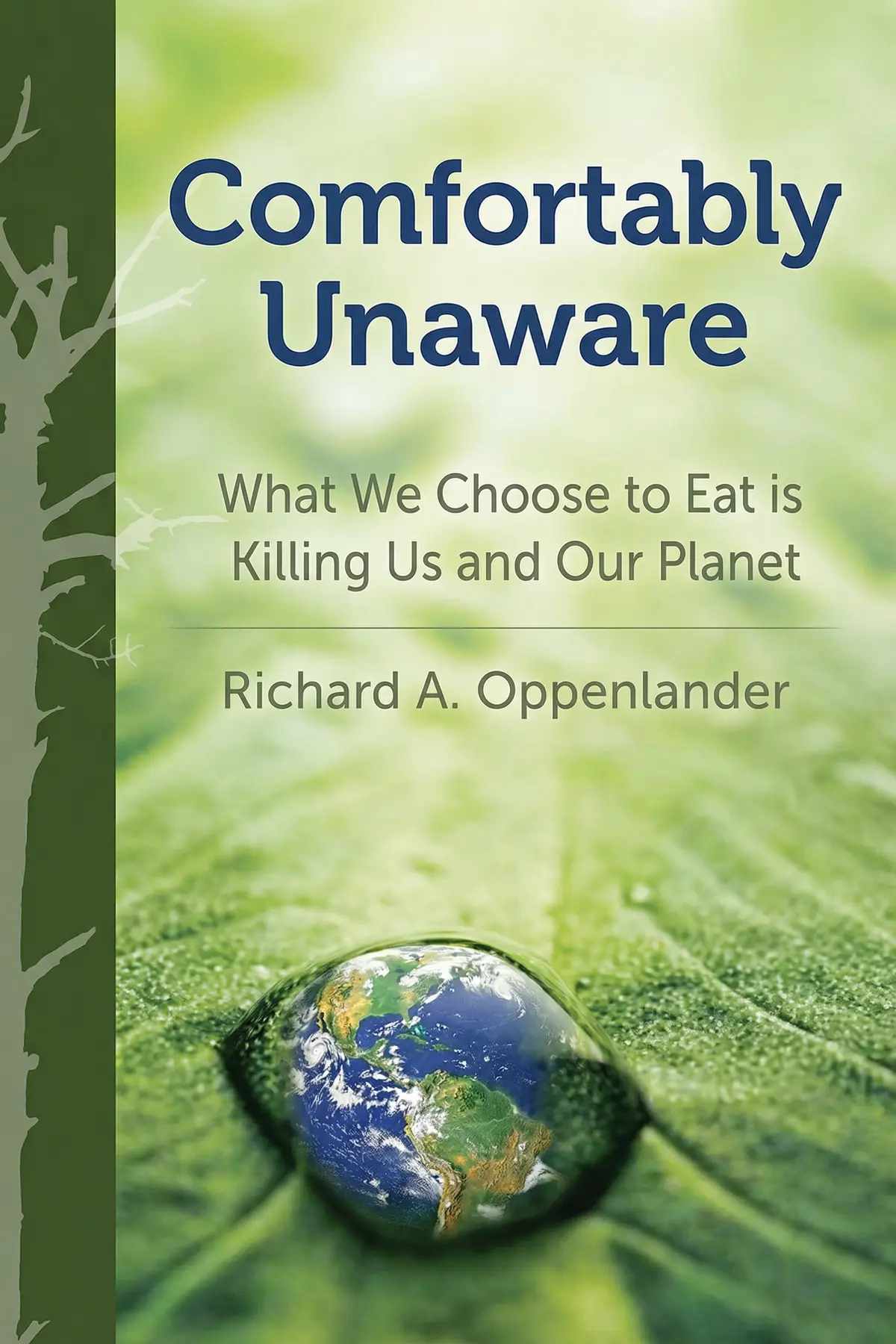
Table of Content
1. Introduction
1 min 41 sec
We often talk about the environment in terms of what we see around us—the cars on the road, the lights left on in empty rooms, or the smoke rising from factory chimneys. These are visible markers of our impact on the world, and many of us have taken steps to change our habits in these areas. We buy energy-efficient appliances and try to reduce our carbon footprint by walking more or recycling our plastic. But there is a massive, invisible force at work that is doing far more damage than our commuting habits ever could. It is something we do three times a day, usually without a second thought: we eat.
In this exploration of the ideas found in Richard A. Oppenlander’s work, we are going to look at the concept of being “comfortably unaware.” It’s the state of mind where we feel good about our small environmental efforts while remaining oblivious to the fact that our food choices are actually driving the planet toward a breaking point. This isn’t just about global warming in the traditional sense; it’s about a process called global depletion. We are reaching a point where the Earth’s resources—both the ones that grow back and the ones that don’t—are vanishing faster than nature can possibly replenish them.
Over the next few minutes, we will look at the startling connection between the steak on a dinner plate and the destruction of the rainforest. We will see why the way we fish is turning the oceans into deserts and how the grain we feed to livestock could solve the world’s hunger crisis tomorrow. This journey is about pulling back the curtain on the food industry and understanding that what we choose to put in our bodies is the most powerful environmental tool we possess. Let’s look at the hidden reality of our global food system.
2. The Hidden Drivers of the Greenhouse Effect
1 min 50 sec
Think fossil fuels are the only culprit in climate change? Discover why the gases emitted by livestock are actually far more dangerous for our atmosphere.
3. The Loss of the Earth’s Lungs and Medicine Cabinet
1 min 50 sec
The destruction of the Amazon isn’t just about trees; it’s about the air we breathe and the future of cancer research.
4. A Misallocation of Global Resources
1 min 52 sec
Explore the staggering irony of global hunger and discover how our current food system prioritizes livestock over starving children.
5. The Dwindling Supply of Liquid Gold
1 min 41 sec
Your morning shower uses less water than you think. Learn how the meat on your plate is the real culprit behind water scarcity.
6. The Silent Crisis Beneath the Waves
1 min 35 sec
Our oceans are being hollowed out by industrialized fishing. Discover the hidden cost of the seafood on your plate.
7. The Growing Tide of Agricultural Pollution
1 min 51 sec
Livestock produce more waste than the entire human population. Where does it all go, and what is it doing to our health?
8. Conclusion
1 min 22 sec
As we have seen, the environmental crisis we face is not just a matter of energy or transportation; it is deeply rooted in our kitchens. The concept of global depletion is a sobering one, reminding us that we are using up the very foundations of life—clean water, fertile land, and a stable climate—at an unsustainable pace. The numbers are clear: the demand for meat, dairy, and fish is the common thread in almost every major ecological challenge we face today, from the disappearance of the Amazon to the poisoning of our oceans.
However, there is a powerful silver lining in this realization. Because our food choices are the primary driver of these problems, changing those choices is the most effective way to solve them. By shifting toward a plant-based diet, we can drastically reduce our water usage, stop the clearing of vital rainforests, and cut our greenhouse gas emissions more effectively than any other single action.
Moving from being comfortably unaware to being an active participant in the planet’s recovery starts with what you choose to eat today. Every meal is a vote for the kind of world you want to live in. We have the information, and now we have the responsibility. The future of the Earth is quite literally on our plates, and by making more conscious, compassionate food choices, we can help ensure that our planet remains a thriving home for generations to come.
About this book
What is this book about?
Many of us believe we are doing our part for the environment by recycling or driving fuel-efficient cars, but Comfortably Unaware suggests we are overlooking the most significant factor: our plates. This eye-opening analysis shifts the focus from the energy sector to the global food system, illustrating how the demand for meat, dairy, and fish is the primary driver of ecological collapse. The book promises to pull back the curtain on the hidden costs of our meals. From the destruction of the Amazon rainforest to the poisoning of our freshwater and the emptying of our oceans, Richard A. Oppenlander provides a comprehensive look at the state of our planet. By the end, listeners will understand how a simple shift in food choices can have a more profound impact on the Earth's future than almost any other lifestyle change.
Book Information
About the Author
Richard A. Oppenlander
Dr. Richard A. Oppenlander is a prominent author, consultant, and speaker who focuses on the intersection of food choices and global responsibility. He frequently addresses audiences regarding world hunger and environmental sustainability. Beyond his writing and speaking engagements, he is the founder of Inspire Awareness Now, a non-profit organization dedicated to fostering global consciousness.
Ratings & Reviews
Ratings at a glance
What people think
Listeners find this work exceptionally enlightening and accessible, giving high marks to its extensive research and its examination of how animal-centric diets affect the environment. They value the clarity and caliber of the prose, and one listener observes that it serves as a more condensed version of The China Study. The book's gentle, empathetic tone is well-received, with one review noting its role as an epilogue to Cowspiracy. Regarding the health-focused content, listeners express conflicting perspectives, and some believe the chapter on nutrition is the book's least effective section.
Top reviews
Matteo
This book is a wake-up call for anyone who thinks their diet doesn't impact the world at large. Oppenlander dives deep into the statistics of global depletion, specifically how our demand for meat is gutting the rainforests and draining our aquifers. It’s a dense read, but the clarity regarding the 70 billion animals slaughtered annually is staggering. I appreciated the chapter on the 'grass-fed' myth, which many of us use as a crutch to avoid changing our habits. My only gripe is that the writing can feel a bit repetitive in the middle sections, but the urgency of the message justifies the reinforcement. If you care about the future of our oceans and land, you need to read this.
Show moreSienna
After watching Cowspiracy, I felt like I needed more data to back up the film's claims, and this book delivered exactly that. It reads like a detailed epilogue to the documentary, focusing heavily on the environmental devastation caused by animal agriculture. The research is broad, covering everything from biodiversity loss to water pollution. However, I have to agree with some other readers that the author’s tone can be a bit patronizing at times. He assumes the reader is 'comfortably unaware,' which might rub some people the wrong way if they’re already trying to make better choices. Still, the breakdown of how much water goes into a single burger—over 1,200 gallons!—is a fact I won't soon forget.
Show moreCameron
Ever wonder what the true cost of a $3.39 burger actually is? Oppenlander breaks it down in a way that is both terrifying and necessary. He doesn't just talk about carbon dioxide; he talks about the 55 square feet of rainforest lost for every pound of beef. This is the most unapologetic book on food responsibility I have ever encountered. Unlike other texts that try to find a middle ground with 'sustainable' meat, this book exposes those terms as marketing fluff used to ease our collective conscience. It’s a brutal, honest look at why a plant-based diet isn't just a personal health choice, but an environmental necessity. It changed how I look at my plate forever.
Show moreClaire
Finally got around to reading this and it’s essentially the missing piece to the climate change puzzle. While most environmental books focus on fossil fuels and plastic straws, Oppenlander identifies the real culprit: our global appetite for animal products. The chapters on the depletion of our oceans and the destruction of biodiversity are chilling. It’s a dense book, and it isn’t always 'fun' to read because it forces you to confront some very uncomfortable truths about your lifestyle. However, the research is so broadly supported that it’s hard to argue with his conclusions. If you want to understand the true impact of the livestock industry on our world, this is the definitive guide.
Show moreChan
Frankly, it’s about time we stopped ignoring the massive cow in the room. Oppenlander does a great job of connecting the dots between our dinner plates and global crises like desertification and species loss. I’ve read a lot on this topic, but I still found new information here, especially regarding the pharmaceutical chemicals that end up in our food chain through the animal industry. The book is easy to understand, even if you don't have a background in environmental science. It provides a much-needed perspective that goes beyond fossil fuels. To be fair, it’s not a literary masterpiece—the editing is a bit rough—but the facts are essential.
Show moreMax
Look, the science regarding global depletion and our food choices is undeniable. This book provides a fantastic, simplified version of the concepts found in The China Study but shifts the focus toward the planet rather than just personal health. I found the sections on the Ogallala aquifer and soil erosion particularly eye-opening. We are literally eating our future. My main criticism is that Oppenlander doesn't offer much of a roadmap for a global transition. He points the finger quite effectively, but he ignores the socioeconomic barriers that make plant-based eating difficult for lower-income families. It’s a bit of a privileged perspective, but the environmental data itself is top-notch and worth the read for the statistics alone.
Show moreGioia
To be fair, Oppenlander isn’t trying to win a Pulitzer for his prose, but he is trying to save the planet. His straightforward writing style makes it an easy read considering the overwhelming and often depressing subject matter. If you care about the future of our oceans or the loss of biodiversity, this is a must-read. Some of the nutrition chapters felt a bit weaker than the environmental ones, but the overall impact is undeniable. It’s dense, it’s unapologetic, and it’s necessary for anyone who wants to understand the link between their lunch and climate change.
Show moreSomrutai
The core message here is incredibly important, but the execution left me wanting more. I fully support the move toward plant-based diets for environmental reasons, but the author’s 'tough love' approach feels more like a lecture than a conversation. He repeats the same facts about the 70 billion land animals every few pages, which starts to lose its impact after the first three chapters. I also found the organization a bit chaotic; he jumps from global warming to fish farms without much of a cohesive thread. It’s definitely informative, and I learned a lot about the inefficiency of water management in animal vs. plant agriculture, but I wish it were written with better structural flow.
Show moreLadawan
While I agree with the author's stance on agribusiness subsidies, the delivery is flawed. Oppenlander makes some great points about how taxpayer money is propping up an industry that is destroying our water supply and soil health. However, he fails to acknowledge that similar issues exist in the plant-food business. It's not as simple as 'meat bad, plants good' when you consider the exploitative nature of global agriculture as a whole. I also found his constant guilt-tripping of the reader to be counterproductive. He acknowledges that people are 'unaware' because of information control, then proceeds to bash them for that very lack of knowledge. It’s a middle-of-the-road book for me: great research, but poor presentation.
Show moreMo
I'll be blunt: the tone in this book is almost unbearable. While the information regarding overfishing and rainforest destruction is clearly well-researched, Oppenlander presents it with a level of condescension that makes it hard to keep reading. He often treats the reader like an idiot for not knowing these niche statistics already. Also, for someone who criticizes medical doctors for giving nutrition advice without proper training, he sure gives a lot of it despite being a dentist himself. It feels hypocritical. The book is also desperately in need of a stronger editor; it’s incredibly repetitive and the footnotes are often vague, citing things like 'Wikipedia' or 'USDA' without specific page numbers. It’s an important topic, but the delivery is just too aggressive to be effective.
Show moreReaders also enjoyed
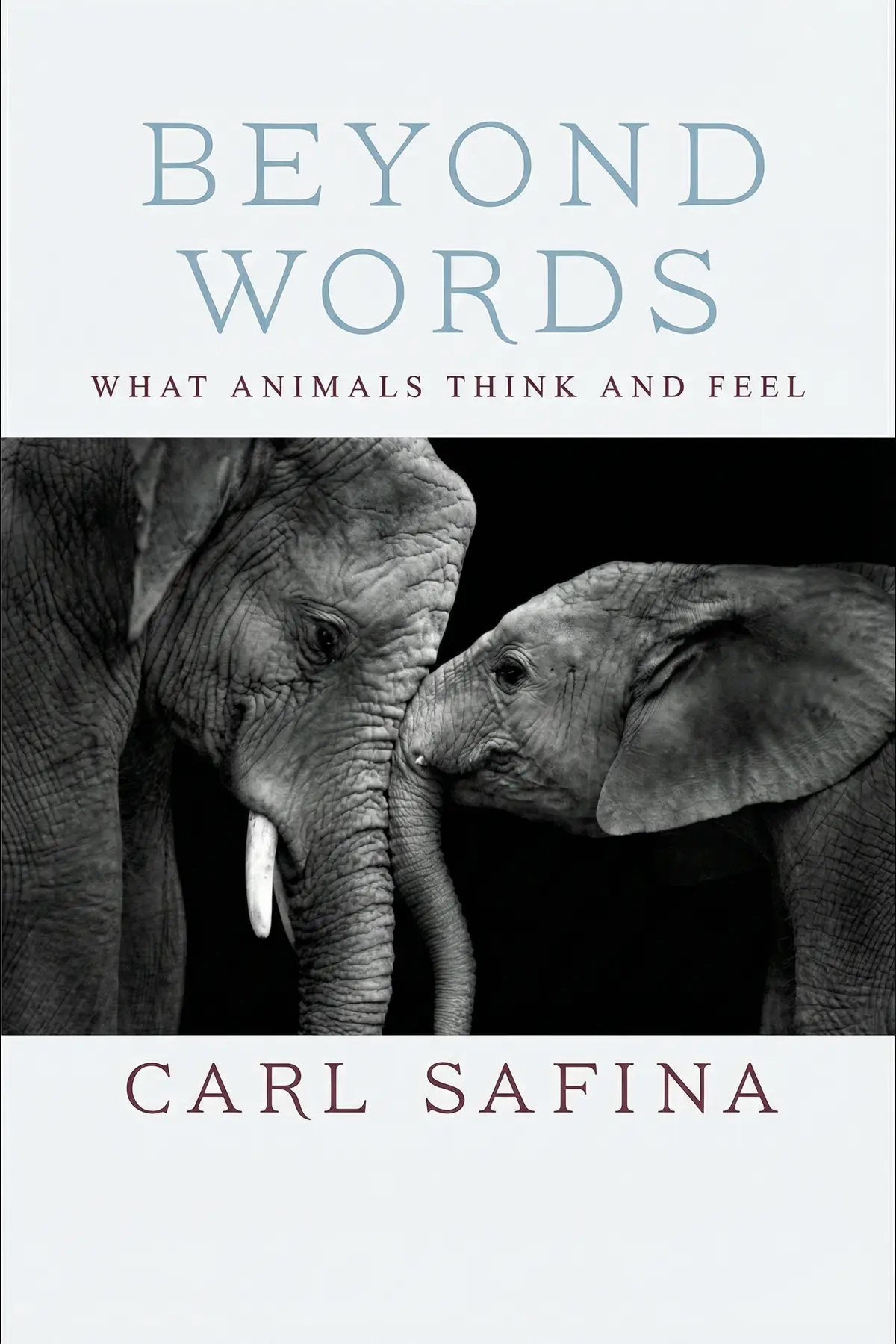
Beyond Words: What Animals Think and Feel
Carl Safina
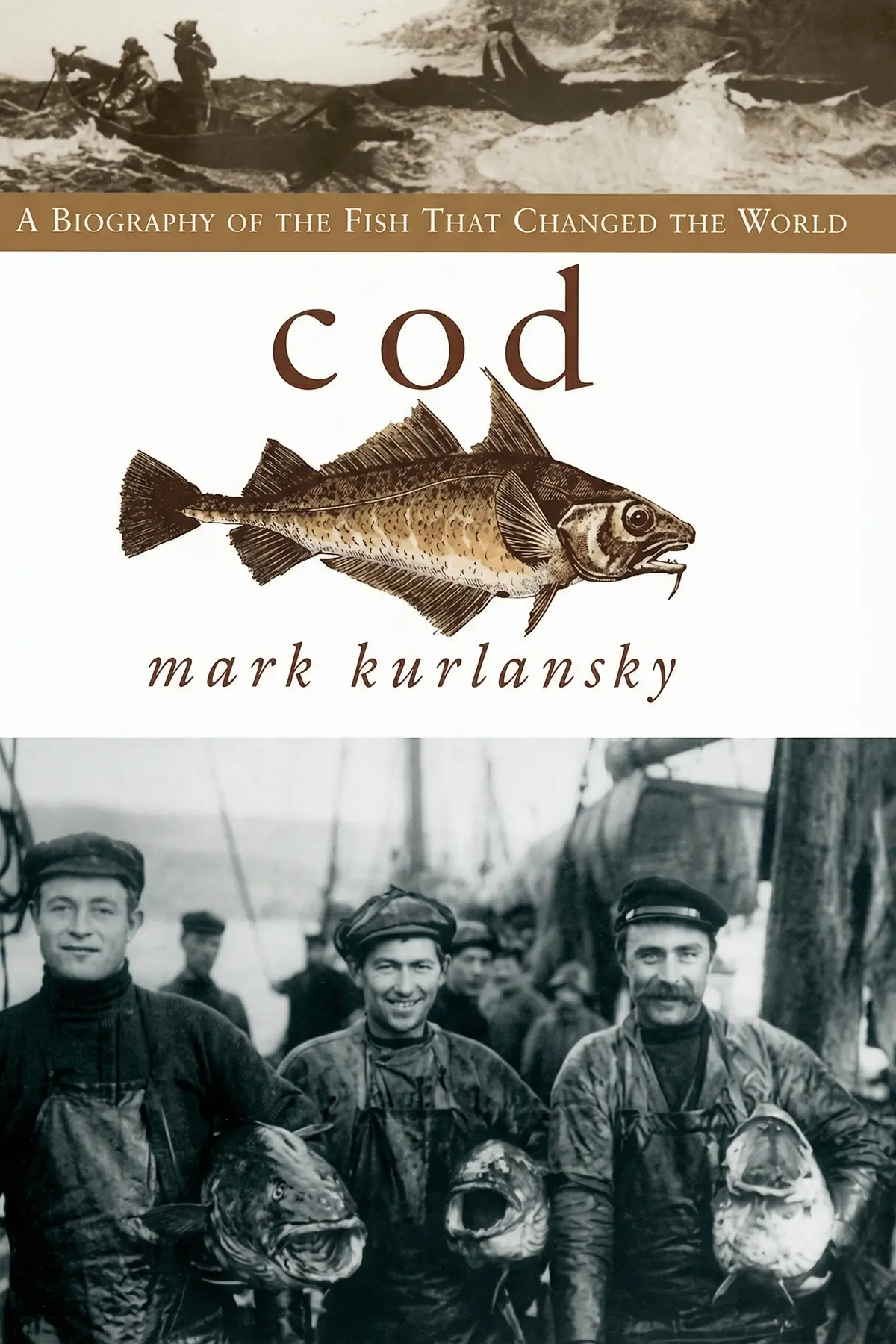
Cod: A Biography of the Fish That Changed the World
Mark Kurlansky
Cradle to Cradle: Remaking the Way We Make Things
William McDonough
Drinking Water: A History
James Salzman
Earth for All: A Survival Guide for Humanity
Sandrine Dixson-Decleve
AUDIO SUMMARY AVAILABLE
Listen to Comfortably Unaware in 15 minutes
Get the key ideas from Comfortably Unaware by Richard A. Oppenlander, plus 5,000+ more titles in English and Thai.
- 5,000+ titles
- Listen as much as you want
- 7-day free trial
- Cancel anytime







