

Make Your Bed: Little Things That Can Change Your Life… And Maybe The
William H. McRaven
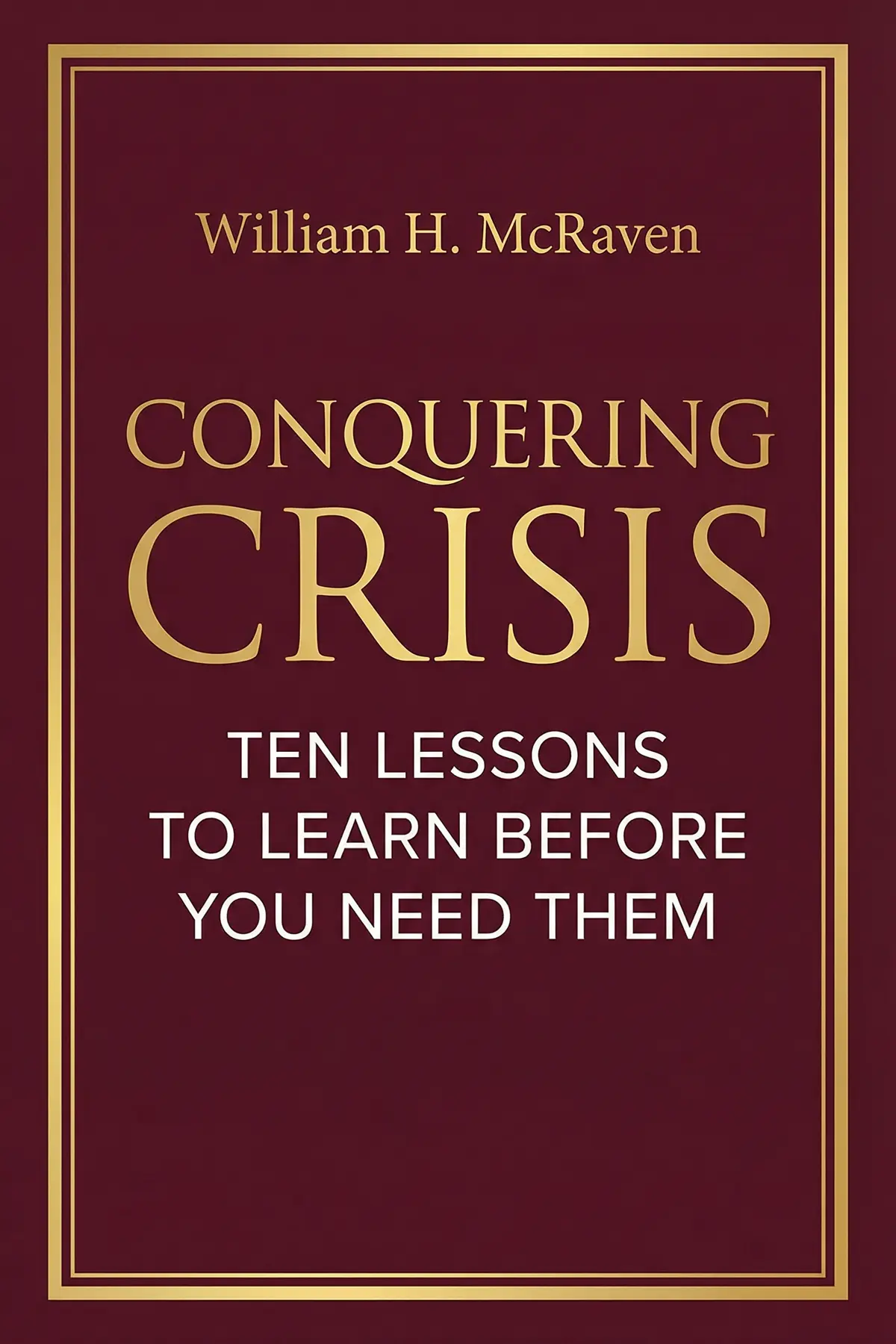
Discover a battle-tested five-step framework for navigating high-stakes adversity. Admiral William H. McRaven shares leadership lessons from special operations to help you maintain clarity and command during any personal or professional crisis.
1 min 44 sec
Think about the last time you were truly caught off guard. Perhaps it was a sudden shift in your industry, a personal emergency, or a project that spiraled out of control. In those moments, your heart rate climbs, your vision narrows, and the pressure to do something—anything—becomes overwhelming. This is the nature of a crisis. It is a moment where the stakes are elevated and the margin for error disappears. Most of us hope we will never have to face a truly life-altering disaster, but as Admiral William H. McRaven points out, crisis is an inevitable part of the human experience.
The question isn’t whether you will face a storm, but how you will navigate it when the waves start crashing over the bow. Drawing from a lifetime of experience in the world’s most elite military units, McRaven suggests that leadership during a crisis is fundamentally different from leadership during times of peace. It requires a specific kind of mental toughness, a different set of communication tools, and a structured process that can guide you when your instincts are screaming for you to panic.
In the following minutes, we are going to walk through a five-step model designed to help you regain control when chaos takes over. We will explore how to see through the fog of war to find the truth, why telling the truth—no matter how painful—is your greatest tactical advantage, and how to stay the course through the long, grueling months that follow an initial disaster. This isn’t just about military strategy; it’s about the fundamental principles of human resilience and the character required to lead others through their darkest hours. By the end of this journey, you’ll have a clear framework to help you assess, report, contain, shape, and manage any challenge life throws your way. Let’s get started.
2 min 43 sec
In the heat of a disaster, the first casualty is often the truth. Discover why the most important thing a leader can do is pause and question everything they think they know.
2 min 40 sec
Bad news is like a wound: if you hide it and let it fester, it will only get worse. Learn why radical transparency is the only way to maintain trust.
2 min 39 sec
When a crisis hits, your options begin to disappear. Discover how to act swiftly to surround the problem and buy yourself the time you need to think.
2 min 30 sec
Urgency is a trap if it leads to sloppy execution. Explore why the most successful leaders know when to slow down and rehearse before the final push.
2 min 39 sec
A crisis isn’t over just because the initial fire is out. Discover how to maintain your team’s spirit and control the tempo during the grueling recovery phase.
1 min 19 sec
Conquering a crisis is never a matter of luck; it is a matter of discipline and adherence to a proven process. Through the five phases we’ve discussed—Assess, Report, Contain, Shape, and Manage—Admiral McRaven provides a blueprint that can be applied to almost any disaster, whether it’s a global military operation or a personal professional setback. The throughline of these lessons is the importance of character. It takes character to slow down and assess when everyone else is panicking. It takes character to be the first to report bad news. And it takes immense character to maintain the morale of a team when you yourself feel the weight of failure.
As you move forward, remember that the best time to learn these lessons is before you actually need them. You can begin practicing these principles in your daily life right now. Practice radical honesty in your communication. Practice thorough preparation in your daily tasks. And practice staying calm under minor pressures so that you are ready when the major ones arrive. A crisis will eventually come, but it doesn’t have to result in a catastrophe. If you have the framework and the fortitude to follow these steps, you will find that you are not just surviving the storm—you are conquering it. Thank you for listening to this BookBits summary of Conquering Crisis.
When disaster strikes, the difference between a minor setback and a total catastrophe often comes down to how a leader handles the first few hours and days. In this summary, we explore the tactical and psychological strategies developed by Admiral William H. McRaven over his forty-year career as a Navy SEAL and commander. The book provides a structured approach to managing chaos, moving from the initial shock of a problem to the long-term management of its aftermath. You will learn the importance of radical transparency, why slowing down can actually speed up your success, and how to maintain the morale of your team when the pressure is at its peak. By looking at historical military blunders and modern success stories—including the hunt for Osama bin Laden—this guide offers a roadmap for anyone facing high-stakes decisions. The promise is simple: while you cannot always prevent a crisis, you can develop the discipline and the framework to conquer it, ensuring that you and your organization emerge stronger on the other side.
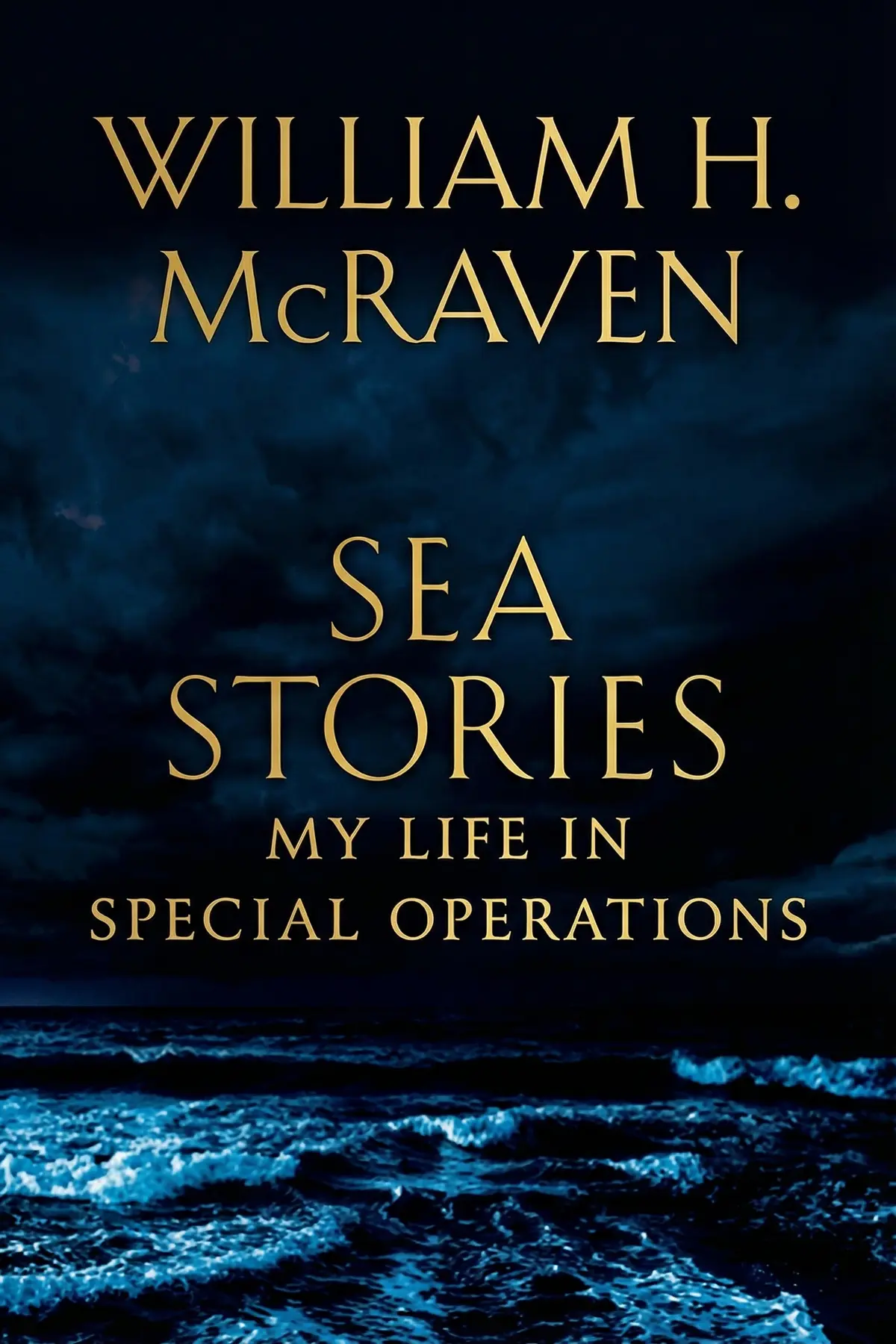
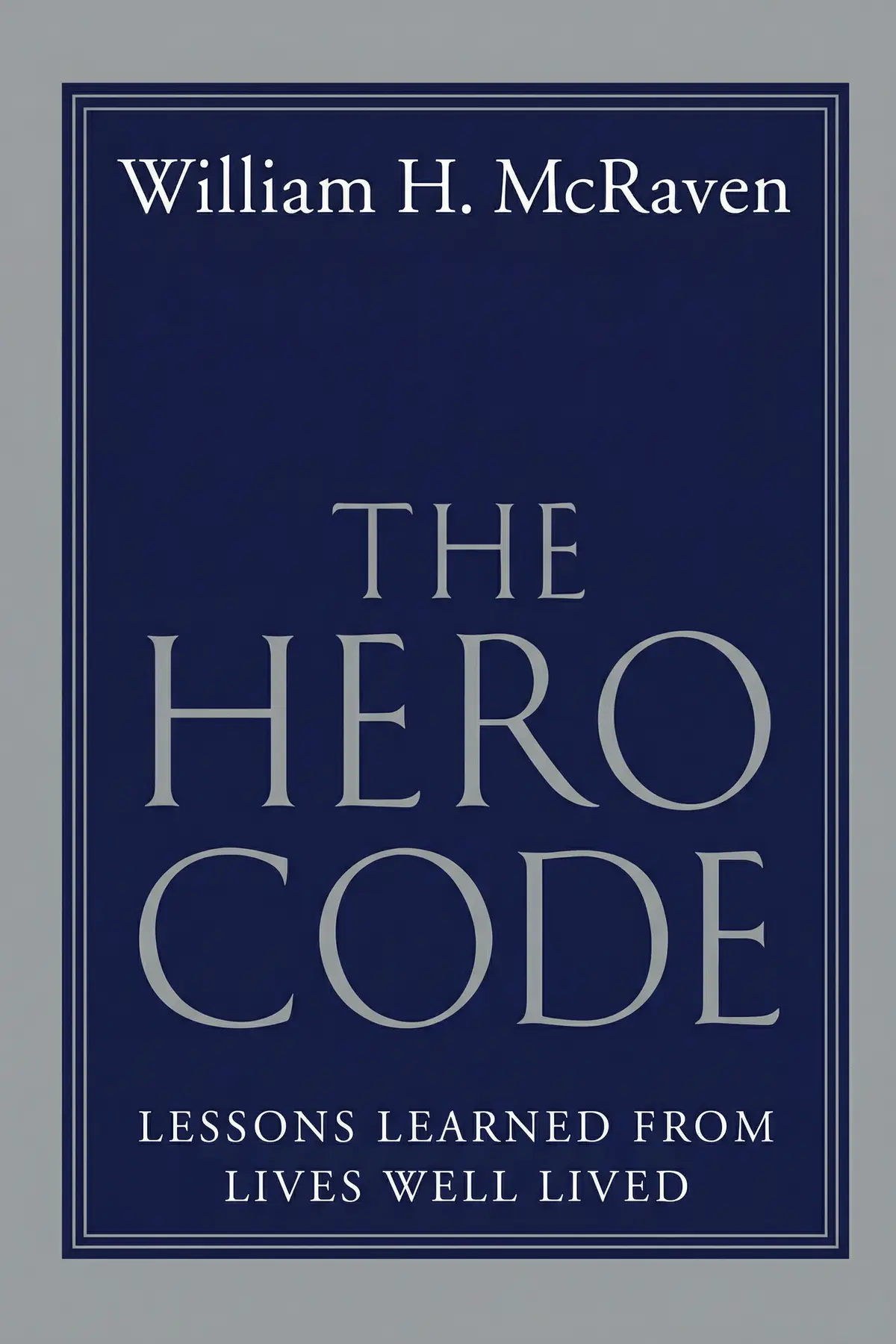
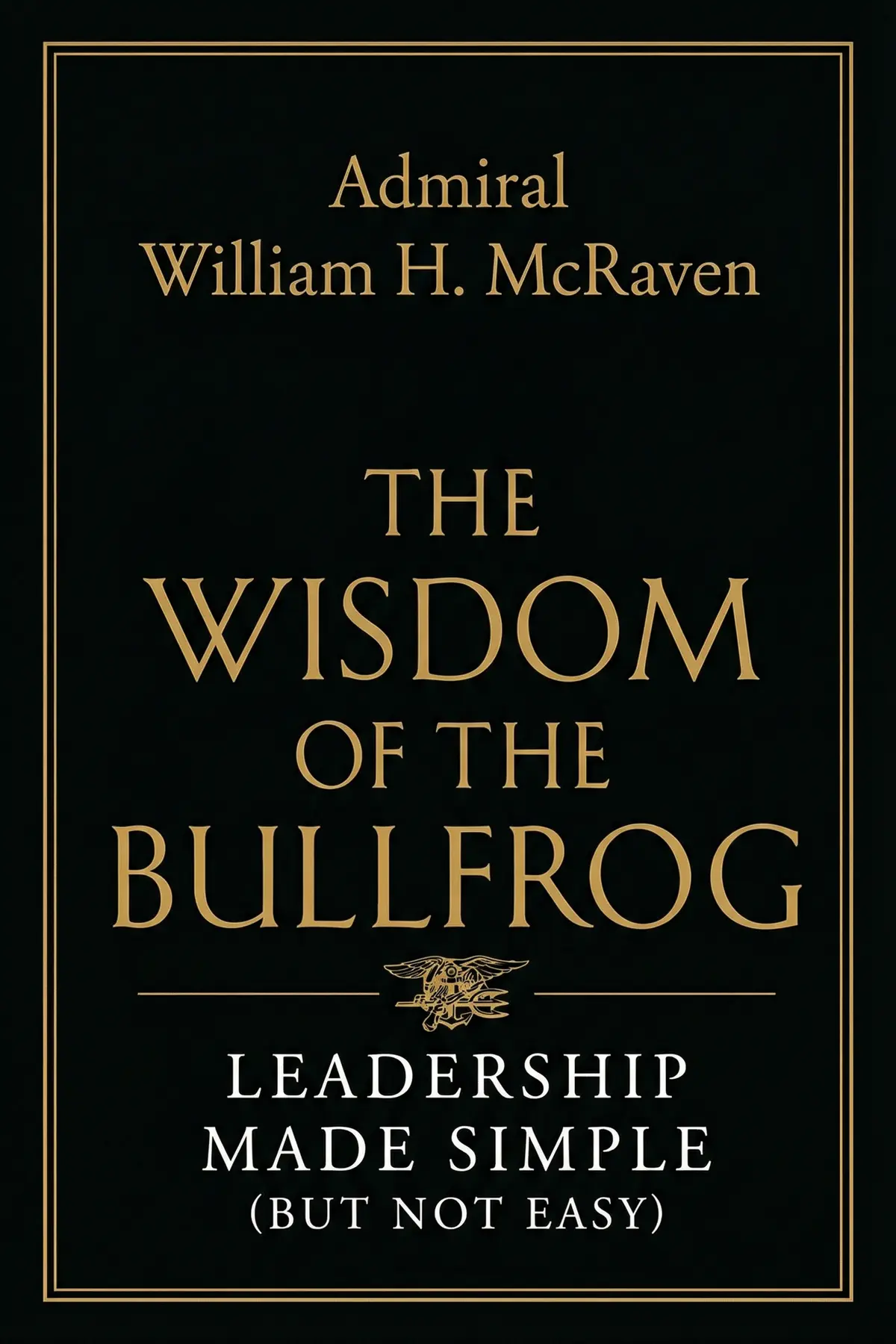
Admiral William H. McRaven is a retired four-star US Navy SEAL who led the US Special Operations Command. He is widely recognized for his leadership in high-profile missions, most notably orchestrating the 2011 raid on Osama bin Laden's compound. Throughout his decorated military career, which spanned nearly four decades, McRaven commanded forces during major global conflicts like the Gulf War, the Iraq War, and the war in Afghanistan. After retiring from active duty, he served as the chancellor of the University of Texas System. He is also a celebrated author, having written multiple bestsellers including Make Your Bed, The Wisdom of the Bullfrog, and The Hero Code, all of which focus on the principles of leadership and personal character.
William H. McRaven
William H. McRaven
William H. McRaven
William H. McRaven
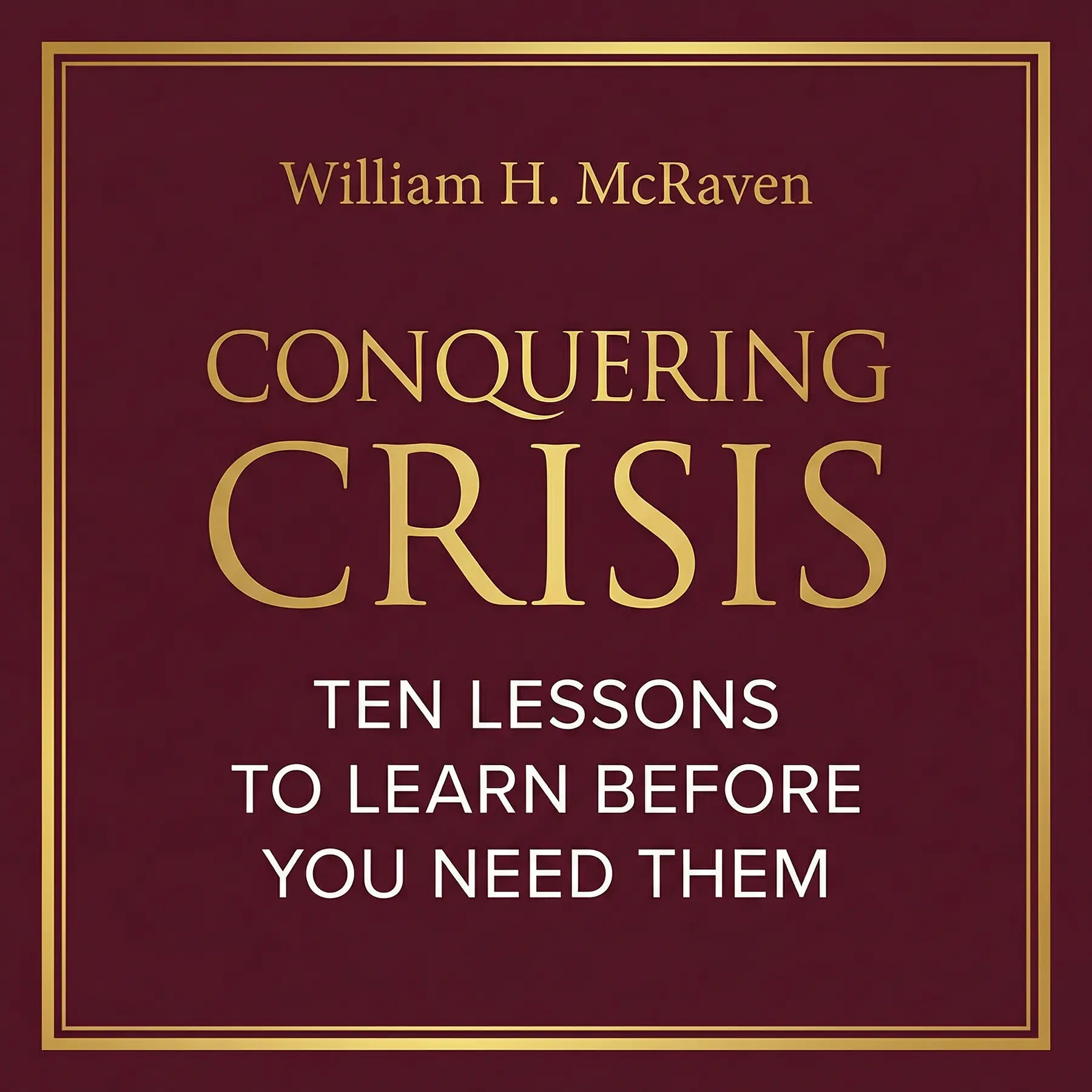
Listeners find the book to be skillfully crafted and simple to digest, offering great guidance and authentic scenarios that provide inspiration. They enjoy the flow of the narrative, with one listener pointing out the five-phase framework for handling crises, while another remarks on its utility as a hands-on manual for managing difficult times. The work is praised for its narrative quality, as one listener calls it particularly heartfelt. Opinions on the book's physical durability are varied.
Admiral McRaven has done it again with a manual that feels both incredibly high-stakes and deeply grounded in everyday reality. While I’ve never commanded a SEAL team, his advice about being skeptical of first reports resonated with my experience in corporate middle management. The five-phase framework—Assess, Report, Contain, Shape, Manage—provides a logical sequence for anyone drowning in a chaotic situation. I particularly loved the storytelling; he recounts historical failures like Operation Eagle Claw to show exactly what happens when preparation is rushed. The writing is punchy and direct, making it a very quick read. To be fair, some military analogies felt a bit distant from my quiet life, but the core principles are undeniable. If you want to build resilience before the next storm hits, this belongs on your shelf.
Show moreWow, the level of clarity in these pages is exactly what I needed this week. McRaven has a gift for taking complex, terrifying situations and distilling them into actionable lessons. The phrase 'bad news doesn't get better with age' has already become a mantra in my office after just one chapter. I appreciate how he emphasizes that micromanagement isn't always a dirty word, especially when the margin for error is razor-thin. It is a slim volume, but every page is packed with wisdom earned in the most demanding environments on the planet. Truth is, the book is worth it just for the insights on maintaining team morale when everything is going sideways. This is essential reading for anyone who leads people and wants a practical guide to navigating life's toughest challenges.
Show moreThis book felt like a steady hand on my shoulder during a particularly rough patch in my career. Admiral McRaven doesn't just talk about strategy; he talks about the heart and the emotional toll that leading through a crisis takes. I was moved by the section on the morale check and the importance of showing your team that you care about them as humans. It’s easy to be a good leader when things are going well, but this book shows you how to keep your integrity when everything is falling apart. The writing is incredibly easy to read and felt like a conversation with a wise mentor. Frankly, it’s one of those books that you’ll want to keep nearby to flip through whenever you start to feel overwhelmed. It’s inspirational without being cheesy, which is a very difficult balance to strike.
Show moreFinally got around to finishing this and I'm already buying copies for my siblings. Whether you are leading a Fortune 500 company or just trying to navigate a family emergency, these principles are incredibly versatile. McRaven’s advice to weaponize the truth is a powerful reminder that honesty is often the most effective tool we have in a crisis. The book is filled with real-life examples that make the five-phase framework easy to remember and even easier to apply. I found the section on dictating the tempo particularly helpful for regaining a sense of control when a situation feels like it’s spiraling out of hand. It’s a short book, but it’s dense with high-quality advice and heartfelt storytelling that kept me engaged. If you want a guide to surviving the toughest challenges, this is it.
Show moreEver wonder how the person who oversaw the bin Laden raid handles a bad day? This book answers that by breaking down the anatomy of a crisis into five manageable stages. McRaven argues that while the initial chaos is unavoidable, your reaction to it determines the ultimate outcome. I found the chapter on weaponizing the truth to be the most provocative and useful part of the entire text. He doesn't sugarcoat the reality of leadership; sometimes you have to stand in the heat and own your mistakes immediately. My only gripe is that the physical binding of the hardcover felt a little flimsy for the price. However, the content inside is pure gold for anyone looking to sharpen their decision-making skills under pressure. It is a solid addition to his previous works like 'The Wisdom of the Bullfrog'.
Show moreAs someone who works in crisis PR, I found McRaven’s approach to transparency surprisingly refreshing. Most leadership books tell you to stay positive, but he tells you to look the disaster right in the eye. The five-phase model—Assess, Report, Contain, Shape, and Manage—is a structured way to stop a spiral before it becomes a total catastrophe. I especially appreciated his focus on dictating the tempo of a crisis rather than just being a victim of the circumstances. The prose is lean, mean, and devoid of the usual corporate fluff that bogs down most business titles these days. Look, not every military lesson translates perfectly to a civilian desk job, but the psychological aspects of leadership are universal. It’s a practical guide that focuses more on character and discipline than on complex theory.
Show moreAfter hearing the Admiral speak on a podcast, I had to see if the book lived up to the hype. It definitely delivers on the promise of practical, battle-tested advice for navigating high-stakes moments. The lesson on not rushing to failure was a massive eye-opener for me as someone who tends to act too impulsively when stressed. McRaven’s storytelling is top-notch, weaving together his own failures and successes with historical examples like Winston Churchill. He reminds us that the first report is almost always wrong, which is a vital lesson for anyone in a fast-moving industry. While the book is quite short, the density of the advice makes it feel much more substantial than its page count suggests. It isn't a revolutionary philosophical text, but it is a very effective manual for real-world application.
Show moreNot what I expected, but in a good way. I thought this would be a dense military history book, but it’s actually a very practical guide for anyone in a position of responsibility. The ten lessons are clear, concise, and backed by stories that keep you turning the pages. I particularly liked the concept of moving all your options forward to keep your decision space as wide as possible for as long as you can. In my experience, some of the lessons might seem like common sense at first, but seeing them applied in life-or-death situations gives them a whole new weight. It’s a quick read that packs a punch and leaves you feeling more prepared for whatever life throws at you next. This is a solid, well-written leadership manual.
Show moreThe chapter on the Second Law of Thermodynamics was a fascinating way to look at organizational chaos. McRaven explains that without a constant infusion of energy and leadership, every situation will naturally trend toward disorder. This scientific perspective on a crisis was a unique touch that I haven't seen in other leadership books. I’ve read a lot of military memoirs, but this feels different because it focuses so heavily on the specific mechanics of the five-phase crisis response. The pacing of the book is excellent, never lingering too long on one anecdote before moving to the next lesson. Not gonna lie, some readers might find his stance on micromanagement a bit controversial, but he explains his reasoning so well that it makes perfect sense in context. It is a punchy guide for management teams.
Show morePicked this up because I enjoyed his earlier books, but I found this one a bit repetitive in its core messaging. There is no doubt that McRaven is a legendary leader with incredible stories to share from his time in the Navy. The Council of Colonels concept is a fantastic way to think about building a trusted inner circle for unvarnished feedback. However, the heavy reliance on military metaphors started to feel a bit redundant by the halfway mark of the book. Personally, I was hoping for more diverse examples from his time as a university chancellor rather than just combat scenarios. It is still a decent read for the leadership principles, but it didn't hit me as hard as 'Make Your Bed'. If you’re new to his work, you’ll love it, but long-time fans might feel they've heard some of this before.
Show more
Joseph A. Maciariello



Deborah Gruenfeld
Mike Michalowicz

Hamilton Helmer

Margaret Heffernan
AUDIO SUMMARY AVAILABLE
Get the key ideas from Conquering Crisis by William H. McRaven, plus 5,000+ more titles in English and Thai.







