
A Life Decoded: My Genome: My Life
J. Craig Venter
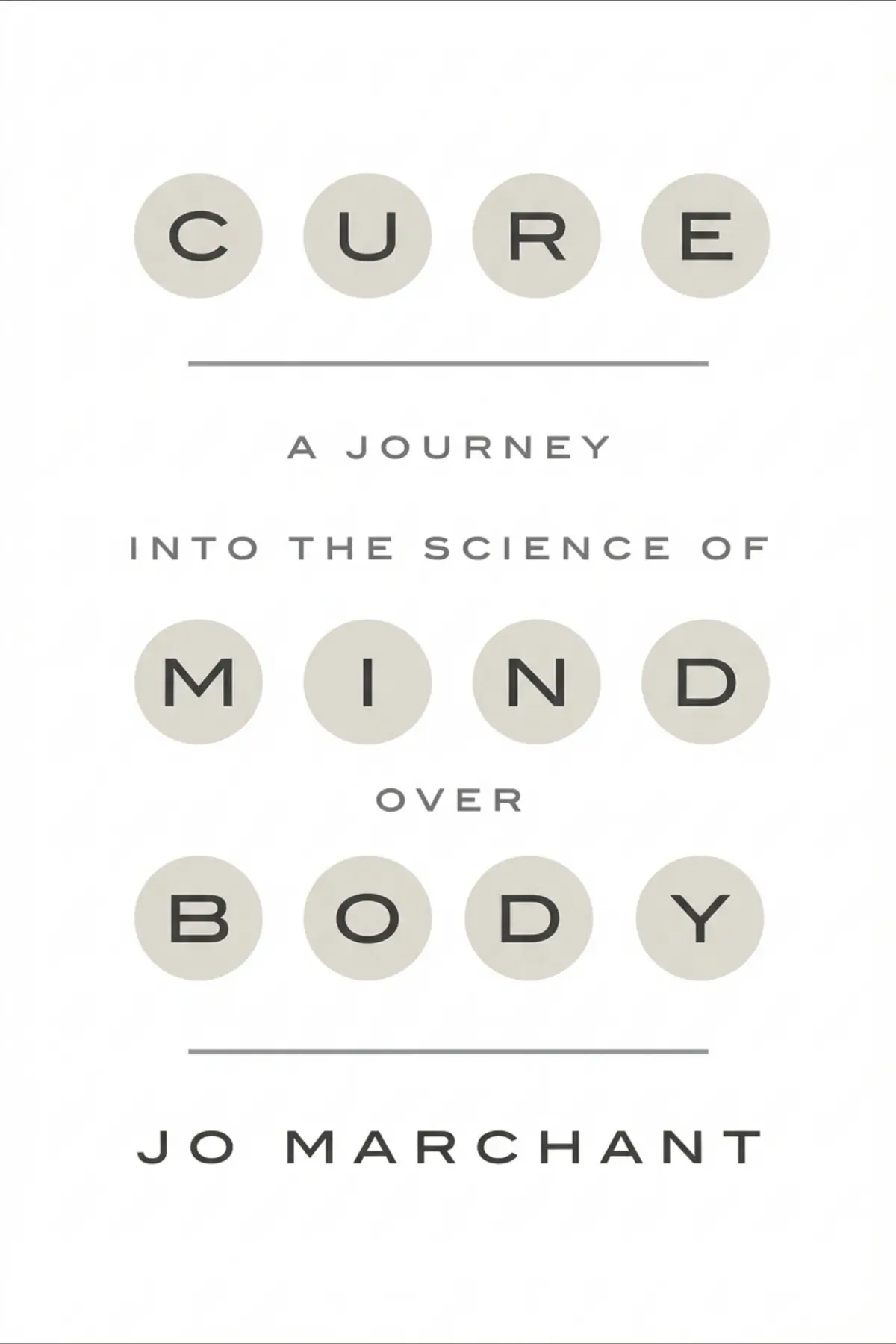
Cure investigates the profound scientific evidence behind the mind's ability to heal the body, offering a balanced look at how thoughts, emotions, and social connections influence physical health outcomes and recovery.
2 min 06 sec
For much of modern history, Western medicine has operated under a strict division. On one side, we have the body—a complex piece of biological hardware made of bones, blood, and organs. On the other, we have the mind—an abstract realm of thoughts, feelings, and consciousness. When we get sick, we typically focus entirely on the hardware. We look for the broken gear or the invading virus and attempt to fix it with a pill or a scalpel. This approach has undeniably saved countless lives, but it often leaves out the most influential factor in our survival: the brain that controls it all.
What if our thoughts weren’t just secondary reactions to our health, but primary drivers of it? In the following exploration of Jo Marchant’s research, we are going to look at the mounting scientific evidence that the mind and body are not separate entities, but two parts of a single, integrated system. We will see how expectation can act as a potent drug, how our social environment can literally alter our DNA, and how modern technology is finally beginning to harness the power of the psyche to treat conditions that once seemed insurmountable.
As we move through these insights, notice the recurring theme: our perception of reality is often more influential than reality itself. Whether it is the color of a pill or the presence of a supportive friend, the signals we send to our brain determine how our body responds to stress, injury, and disease. This isn’t about abandoning modern medicine for wishful thinking; it’s about understanding the biological mechanisms that allow our minds to participate in the healing process. By the end of this journey, you will have a new appreciation for the untapped potential residing within your own consciousness and a clearer picture of what it truly means to be healthy. Let’s dive into the fascinating science of the mind-body connection and see how we can bridge the gap between internal belief and external recovery.
2 min 18 sec
Explore why the simple expectation of healing can trigger actual physiological changes, proving that the mind’s anticipation of recovery is often as powerful as the medicine itself.
2 min 31 sec
Understand how negative expectations can cause real physical harm and why our brain often stops us long before our physical muscles actually give out.
2 min 15 sec
Discover how the appearance and delivery of a treatment can change its effectiveness and how we can use specific routines to boost our body’s response.
2 min 04 sec
Learn why the presence of a caring professional can be as effective as medical intervention and how ‘comfort talk’ can significantly reduce physical pain.
2 min 14 sec
See how our social lives are written into our genetic code and why having a strong community might be the best anti-aging treatment available.
2 min 00 sec
Discover how changing your perspective on stress can transform it from a silent killer into a performance-boosting tool for your body.
2 min 12 sec
Examine the scientific proof that spiritual practices can lower blood pressure and slow cellular aging, regardless of specific religious beliefs.
2 min 02 sec
Break past the stereotypes of stage magic to see how hypnosis is being used as a legitimate medical tool to treat chronic pain and digestive disorders.
2 min 10 sec
Explore the cutting-edge use of VR technology to distract the brain from severe trauma, showing that the mind can only process so much information at once.
2 min 21 sec
Discover how we are learning to talk back to our bodies using real-time data, allowing us to consciously control our heart rate and immune response.
1 min 48 sec
As we conclude our exploration of Jo Marchant’s research, one thing is abundantly clear: the mind is not a bystander in the process of health and disease. It is a central, active participant. We have seen how the simple power of belief can act as a catalyst for internal healing, and how the absence of that belief—or the presence of fear—can create physical crises out of thin air. We’ve discovered that our social bonds are not just a matter of happiness, but a matter of cellular longevity, and that the way we frame the stress in our lives can be the difference between a broken heart and a strengthened one.
The throughline of this journey is that while modern medicine is a miracle of science, it is most effective when it works in harmony with the human psyche. We don’t have to choose between ‘cold’ technology and ‘warm’ alternative therapies. Instead, we can move toward a future where we use virtual reality to manage pain, biofeedback to regulate our nervous systems, and compassion to accelerate our recovery. This holistic approach recognizes that every thought we have sends a signal to our cells, and every emotion we feel echoes through our immune system.
The actionable takeaway from this study is to take ownership of your internal environment. Pay attention to the rituals you create around your health, seek out deep and meaningful social connections, and practice the mental agility required to see challenges where you once saw threats. Your mind has an incredible capacity to influence your physical reality. By bridging the gap between what we think and how we feel, we can unlock a more powerful, personalized, and effective path to wellbeing. Healing is not just something that happens to us; it is something we participate in every single day.
The conventional medical world often treats the human body like a biological machine—if a part breaks, we apply a chemical or surgical fix. However, this approach frequently ignores the most powerful processing center we possess: the mind. Cure explores the fascinating intersection of neuroscience, psychology, and medicine to reveal how our internal state dictates our physiological reality. From the mysterious effectiveness of placebos and the biological impact of loneliness to the way virtual reality can block physical pain, this summary examines the evidence-based ways our thoughts shape our health. It provides a roadmap for understanding how to integrate mental well-being with modern medicine, promising a more holistic and effective approach to healing that honors the bridge between our consciousness and our cells.
Jo Marchant, PhD, is a microbiologist and an award-winning science journalist. She has served as an editor for prestigious scientific publications including Nature and New Scientist. Her work has also appeared in The Guardian and The Economist, and she is the author of other acclaimed titles such as Decoding the Heavens and The Shadow King.
Listeners find the work thoroughly documented and captivating, offering an even-handed look at the link between mind and body. The prose is straightforward, and listeners value the spiritual outlook and wellness advantages, while one listener mentions its usefulness for their own health concerns. Opinions are varied concerning the placebo effect; specifically, some listeners point out that it does not apply in every situation.
Finally got around to reading Marchant’s exploration of the mind-body connection, and it is a complete revelation. As a journalist with a PhD in genetics, she brings a level of scientific rigor that is often missing from this specific genre of health literature. I was particularly gripped by the sections on bioelectronics and how the vagus nerve acts as a control center for our internal systems. Truth is, many people dismiss the mind's power as 'woo-woo' nonsense, but this book systematically dismantles that prejudice using hard evidence. She manages to balance data-heavy research with deeply human stories, making the complex microbiology accessible to anyone. I walked away with a profound sense of hope regarding how we might treat chronic pain in the future without relying solely on pills. It is an absolute must-read for anyone curious about the untapped potential of the human brain.
Show moreEver wonder why some people swear by prayer or pilgrimages while others find relief through high-tech virtual reality? Marchant dives into these questions with a curious but critical eye, traveling everywhere from Boston labs to the springs of Lourdes. She isn't interested in selling you a miracle; she wants to understand the actual pathway by which a thought can trigger an immune response. The way she describes Pavlovian training for the immune system was absolutely fascinating to me. It’s a beautiful book that infuses a potentially dry subject with genuine warmth and humor. For the first time, I actually understand the mechanism behind why a supportive doctor-patient relationship can lead to better outcomes. This book has profound practical consequences for how we should all live our lives. I can't recommend it enough for those interested in the future of medicine.
Show moreThis book is essentially a survey map for the future of holistic medicine, and it is incredibly well-researched. Marchant’s background in medical microbiology is evident on every page as she navigates the complexities of the vagus nerve and the immune system. I particularly loved the section on how our perception of aging can actually influence our physical longevity. In my experience, most books on this topic are either too technical or too 'spiritual,' but this one hits the perfect middle ground. She highlights the importance of human connection without sounding like a greeting card. The case studies bring a human element to the research-heavy text, ensuring it never feels dry. It’s a transformative piece of work that will make you rethink every visit to the doctor. Truly a five-star contribution to the field of popular science.
Show moreWow, what an eye-opening journey through the various ways our brains influence our biological health. I grew up in an environment that relied on faith healing, and this book finally gave me the data-driven answers I've been looking for. Marchant explains the placebo and nocebo effects in a way that makes perfect sense, even for someone without a science degree. The writing is clear, the research is exhaustive, and the tone is perfectly balanced between curiosity and skepticism. It’s a relief to see a PhD-holding scientist acknowledge that our thoughts and attitudes have a quantifiable impact on our immune systems. The conclusion she draws about the need for a more empathetic, human-centered medical system is something everyone needs to hear. This book isn't just about 'curing' illness; it's about understanding what it means to be a healthy human being. I finished it feeling incredibly hopeful.
Show moreAs someone who has struggled with chronic inflammation for years, I found this book remarkably grounded compared to the usual self-help section. Jo Marchant explores techniques like hypnotherapy and meditation not as magical cures, but as legitimate physiological interventions. She is a relentless skeptic, which makes her eventual conclusions about the placebo effect feel much more earned and believable. Gotta say, the chapter on virtual reality as a tool for burn victims was especially mind-blowing to me. My only minor gripe is that the narrative occasionally drifts into long descriptions of the experts' physical appearances, which felt unnecessary for a science book. Despite that, the message is clear: our social connections and sense of safety are just as vital to health as medicine. It’s a very intriguing read that makes you rethink the modern medical model.
Show moreLook, I’m a total skeptic when it comes to alternative medicine, but Jo Marchant might have actually changed my mind on a few things. She takes a very rational approach to subjects like mindfulness and social connection, showing that they aren't just 'feel-good' concepts but biological imperatives. The discussion regarding how pharmaceutical companies dominate research funding was eye-opening and deeply frustrating. It makes sense that they wouldn't want to fund a trial proving that people need fewer drugs! My only criticism is the audiobook narrator’s choice to use accents for every single person quoted, which was distracting and a bit odd. However, the core content is brilliant and very well-researched. If you want to understand how stress and trauma can set the stage for later illness, you need to read this book. It's a balanced, insightful look at a complex topic.
Show morePicked this up on a whim after a friend recommended it for my anxiety-related health issues. I was pleasantly surprised by how much the author emphasizes the importance of feeling safe and cared for. Marchant explains that when our bodies aren't in 'emergency mode,' we can actually focus on repair and growth. It’s a simple concept, but the scientific evidence she provides to back it up is incredibly robust. I appreciated that she didn't shy away from the limitations of the mind, explicitly stating that you can't just 'wish away' cancer. That honesty made the rest of her findings feel much more credible to me. The chapter on biofeedback was a personal highlight and gave me some ideas for my own health journey. Overall, it’s an absorbing read that manages to be both intellectual and deeply empathetic.
Show moreAfter hearing about the 'power of the mind' for decades, it was refreshing to see someone actually vet these claims with scientific rigor. Jo Marchant doesn't just accept stories at face value; she interviews the experts who are trying to prove or disprove these techniques. I found the section on hypnotherapy for IBS patients to be particularly compelling, as it shows clear, quantifiable results. The book shines when it discusses the science of the vagus nerve and how we can regulate our own biological responses. To be fair, some chapters felt a bit longer than necessary, and the author's focus on personal descriptions was a little distracting. Still, the core message about the mind-body connection is handled with such care and intelligence that it's easy to overlook the minor fluff. It’s a very helpful guide for anyone dealing with chronic conditions.
Show moreThe information presented in 'Cure' is undeniably fascinating, yet the delivery occasionally felt bogged down by unnecessary fluff. Jo Marchant is clearly a brilliant researcher, but I could have done without the overly flowery descriptions of every scientist's 'kind eyes' or 'delicate features.' To be fair, her exploration of the placebo effect and hypnotherapy for IBS is top-tier journalism. However, the pacing slows down significantly during the travel segments. It feels like a brilliant long-form article stretched thin to meet a book's word count requirements. I think it’s a good starting point for newcomers to the field, but if you’ve already read about the mind-body connection, you might find some of this to be familiar territory. It’s a solid read, just not as tightly edited as I had hoped.
Show moreNot what I expected from a book written by a genetics PhD. I was hoping for a dense, data-driven analysis of biological mechanisms, but instead, I got a lot of anecdotes and subjective patient stories. Frankly, it felt like she was trying too hard to bridge the gap between science and New Age philosophy. The focus on the placebo effect is interesting, but she treats it as a groundbreaking discovery when most of this has been common knowledge in medical circles for decades. The writing is far too conversational for a serious scientific text, often leaning on emotional beats rather than raw data. I wanted more charts and fewer descriptions of the people she interviewed. If you want a rigorous textbook, look elsewhere, as this is definitely 'pop science' in the most literal sense.
Show moreJ. Craig Venter
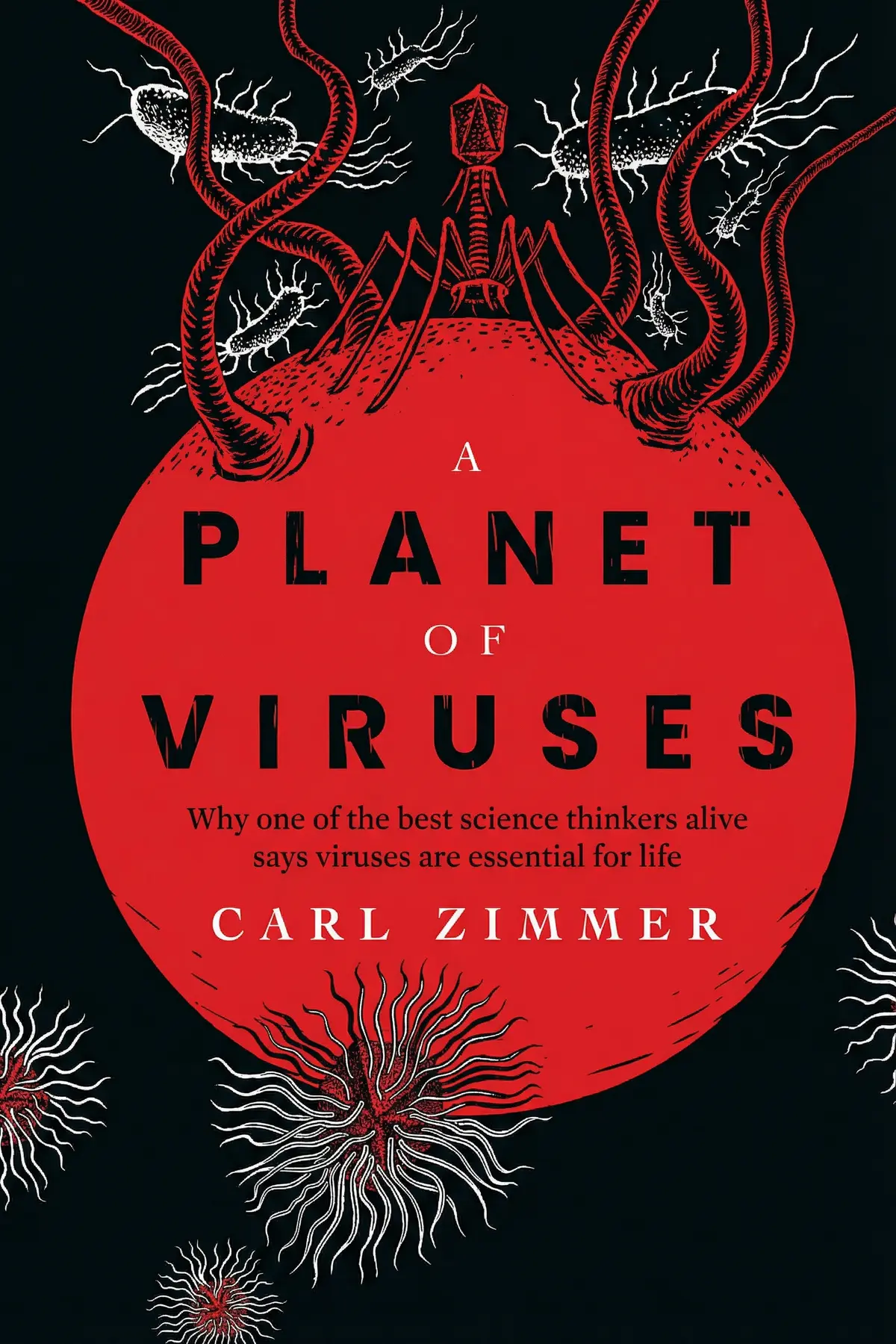
Carl Zimmer
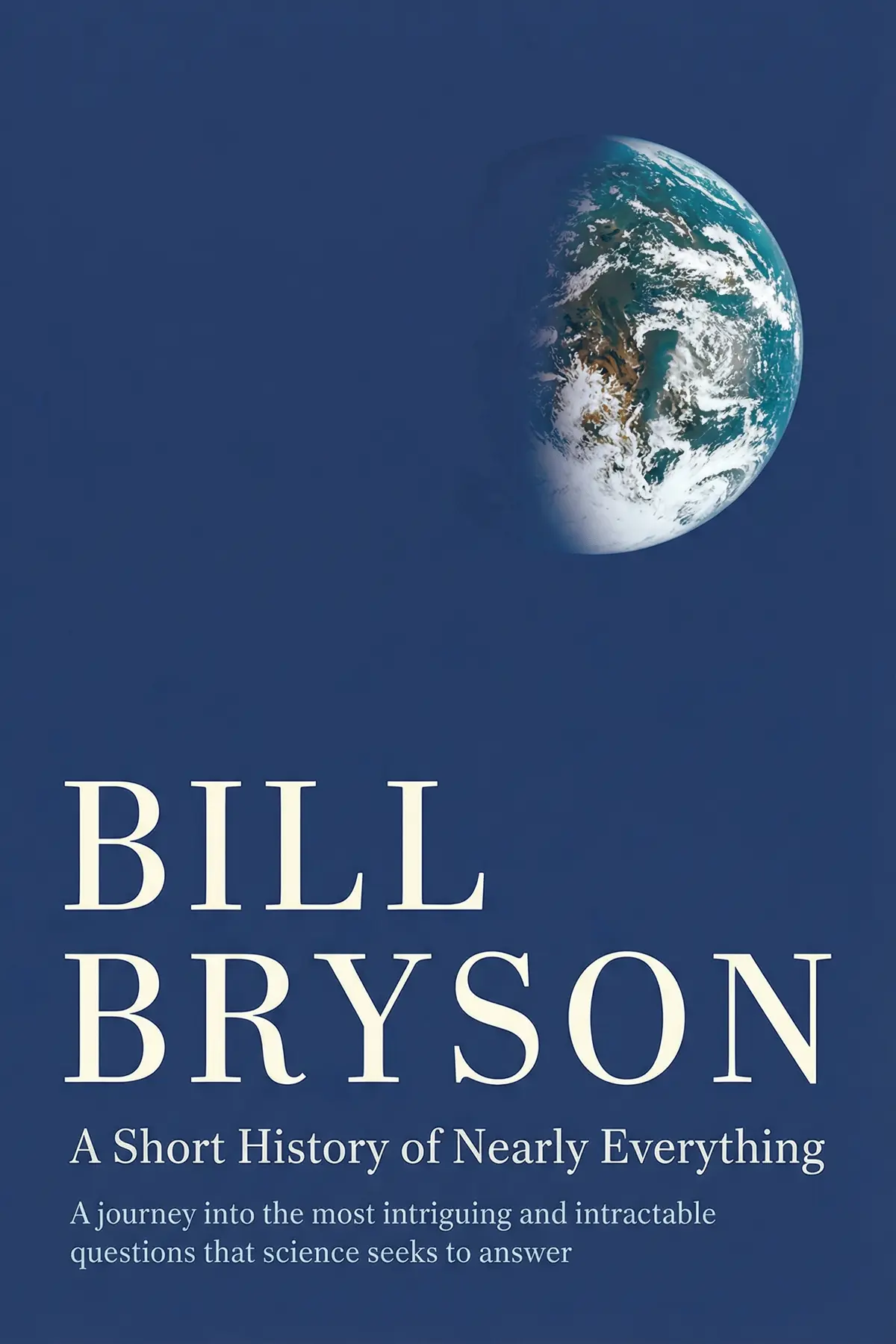
Bill Bryson
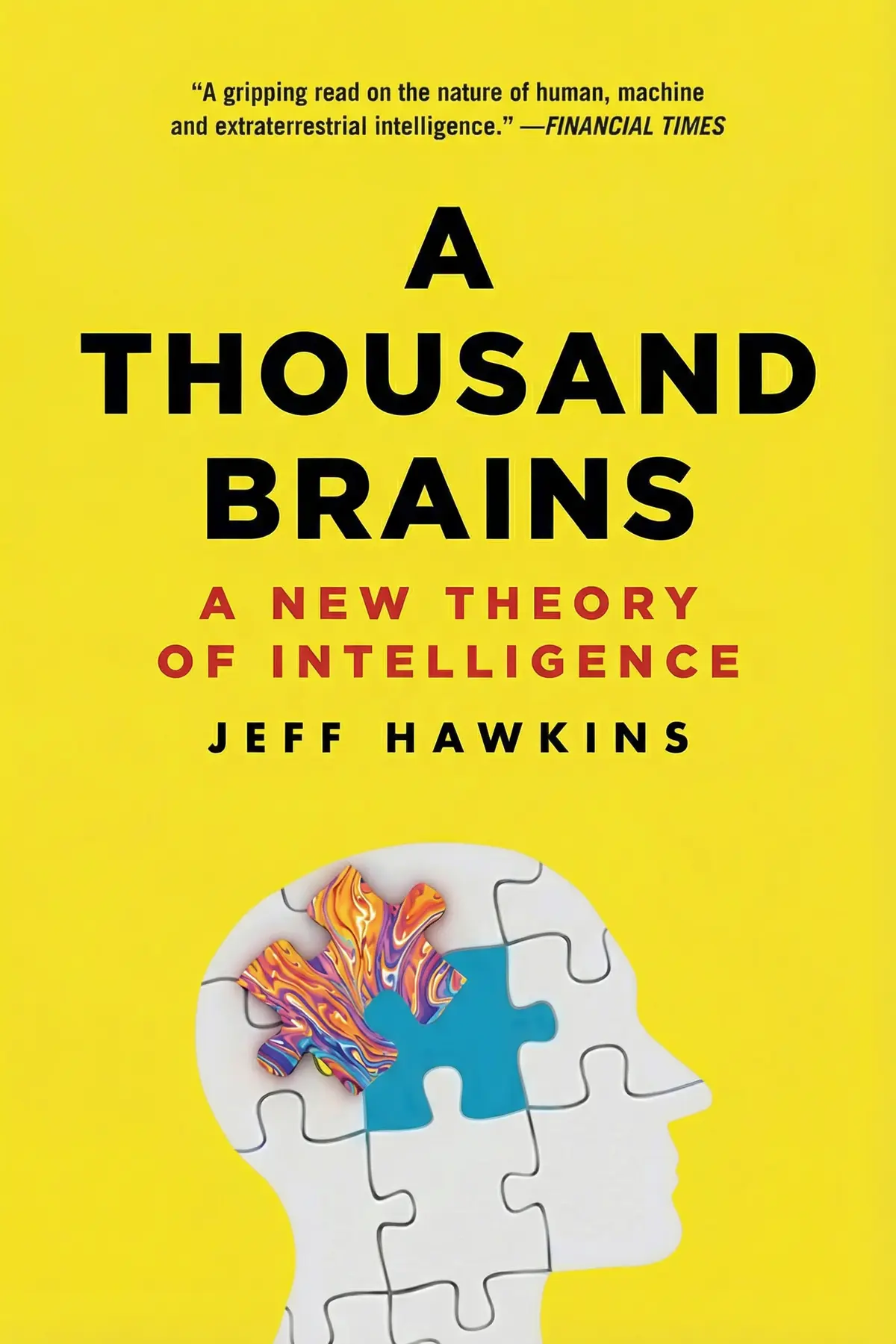
Jeff Hawkins
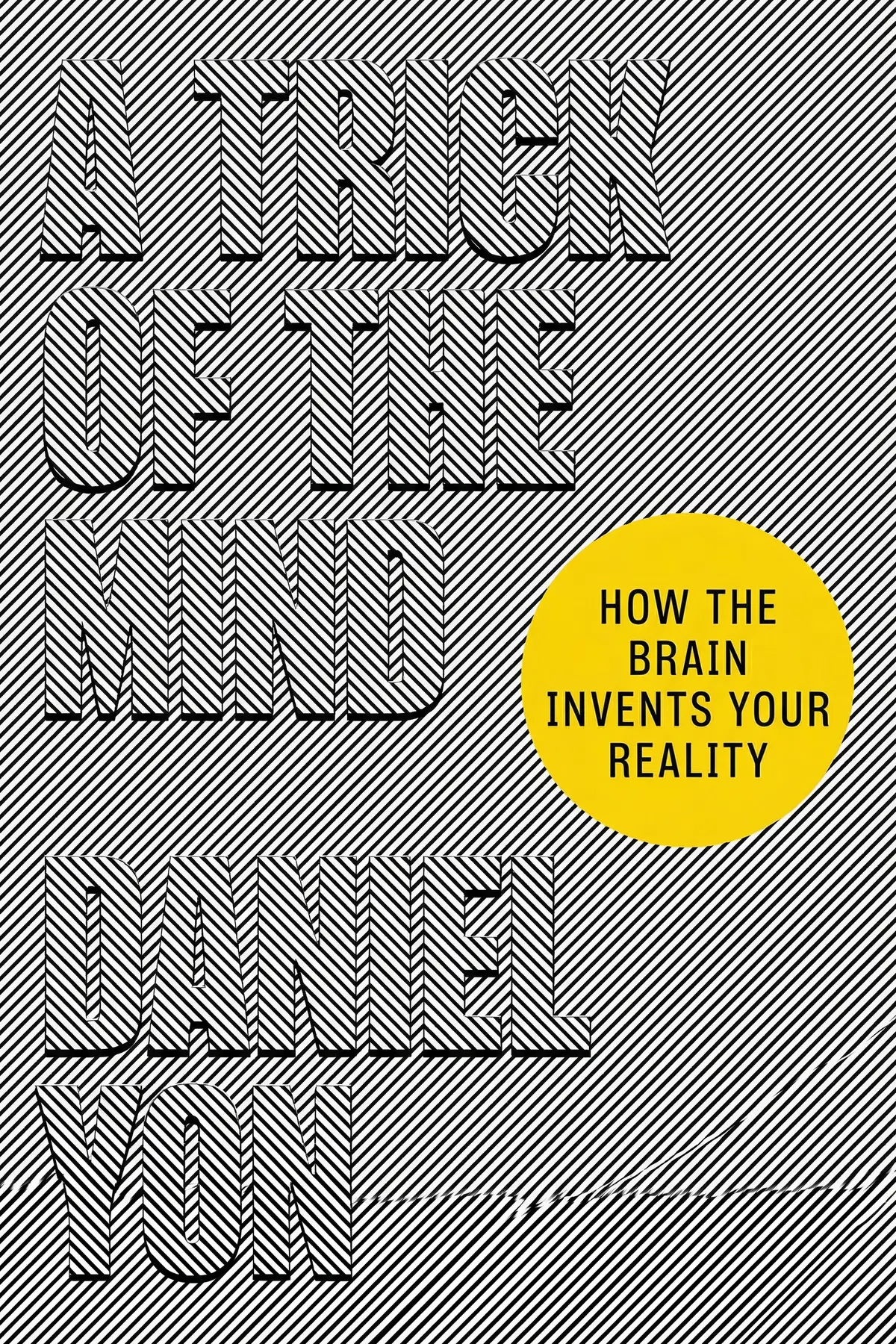

Lisa Kaltenegger
AUDIO SUMMARY AVAILABLE
Get the key ideas from Cure by Jo Marchant, plus 5,000+ more titles in English and Thai.







