
16 min 14 sec
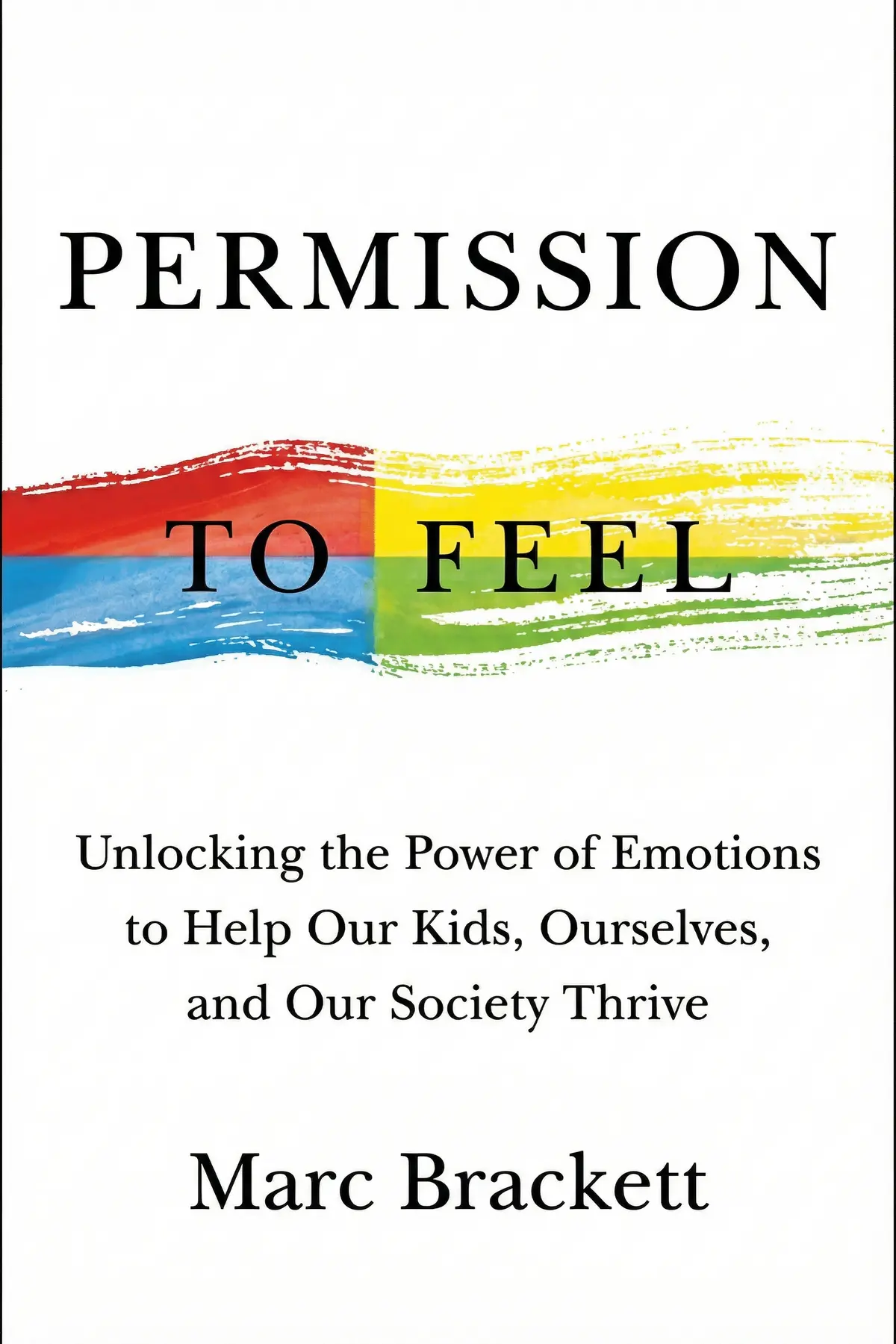
Dealing with Feeling: Use Your Emotions to Create the Life You Want
Dealing with Feeling explores the essential skills of emotional intelligence, offering a practical framework to identify, understand, and manage emotions to improve personal well-being, professional success, and the quality of our relationships.
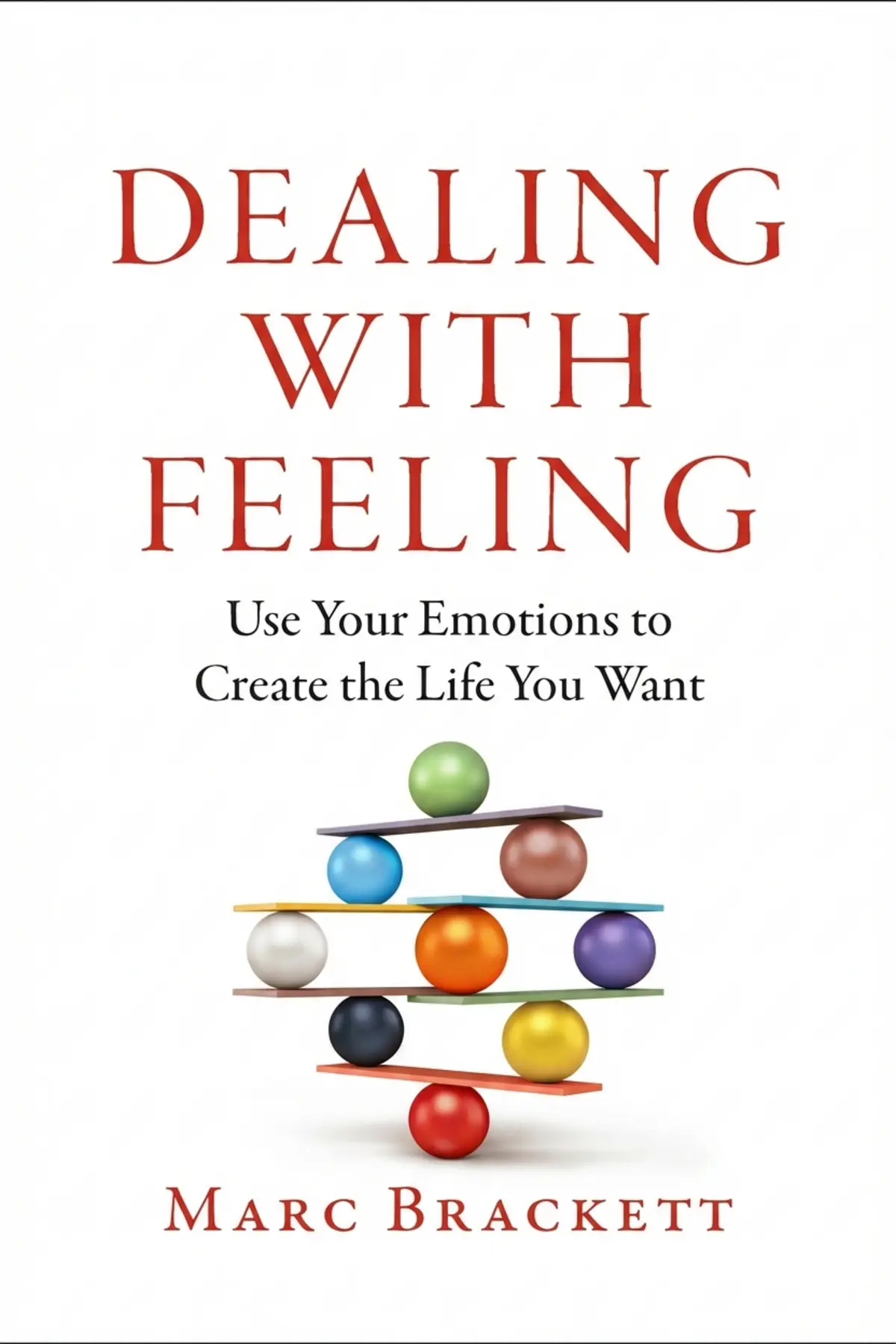
Table of Content
1. Introduction
1 min 34 sec
Imagine for a moment that you are navigating a high-stakes meeting at work. You’ve put in weeks of preparation, but suddenly, a colleague questions your data in a way that feels personal. In that split second, a heat rises in your chest, your heart rate spikes, and your mind begins to race. You have a choice: you can lash out in defense, you can shut down entirely, or you can use that emotional energy to respond with poise and clarity. Most of us, unfortunately, haven’t been trained for that third option. We often find ourselves in the aftermath of an emotional hijack, wondering why we said what we said or why we feel so drained by the end of the day.
This is the central challenge addressed in Dealing with Feeling. It starts with a simple but profound premise: your emotions are not distractions from your life; they are the very fabric of it. Whether we realize it or not, our feelings influence every decision we make, every relationship we nurture, and even our physical health. Yet, despite their importance, we live in a world that often treats emotions as something to be suppressed or ignored.
In this summary, we are going to explore why so many of us are emotionally ‘illiterate’ and the heavy price we pay for that lack of knowledge. We will move through a powerful five-step framework designed to give you back the steering wheel of your internal life. By the end, you’ll see that emotional intelligence isn’t just a soft skill or a luxury—it is the foundation of a successful, healthy, and meaningful life. We’ll learn how to turn the noise of our feelings into a clear signal that guides us toward the life we truly want to create.
2. The Hidden Cost of Emotional Illiteracy
2 min 47 sec
Unmanaged emotions do more than just ruin your mood; they can derail your career, damage your health, and erode the foundation of your most important relationships.
3. The Barriers to Emotional Intelligence
2 min 49 sec
Understanding why we struggle to manage our feelings is the first step toward change; explore the seven systemic reasons society leaves us emotionally unprepared.
4. The Foundation of the RULER System
2 min 47 sec
Discover the five essential skills—Recognizing, Understanding, Labeling, Expressing, and Regulating—that form a complete system for emotional mastery.
5. Daily Practices for Lasting Change
2 min 24 sec
Go beyond theory and learn the specific, actionable habits—from body scans to the six-second pause—that rewire your brain for emotional resilience.
6. Building Emotionally Intelligent Environments
2 min 21 sec
Imagine a world where schools, offices, and homes are designed around emotional awareness; discover how these skills transform collective experiences.
7. Conclusion
1 min 32 sec
As we wrap up this exploration of Dealing with Feeling, the overarching takeaway is clear: your emotions are one of your most valuable resources, but only if you have the skills to harness them. We’ve seen that ignoring our feelings leads to physical illness, career plateaus, and fractured relationships. We’ve also identified the systemic reasons why we often lack these skills, and we’ve walked through the RULER framework as a roadmap for change.
Mastering these skills—recognizing the physical signs of emotion, understanding the triggers, labeling feelings with precision, expressing them safely, and regulating them wisely—is not about achieving a state of constant happiness. It’s about achieving a state of constant awareness. It’s about giving yourself the ‘permission to feel’ and the tools to respond rather than react.
As you move forward, remember that this is a journey of practice, not perfection. Every time you use the six-second pause, every time you choose a more precise word for your frustration, and every time you check in with your body, you are rewriting the script of your life. You are moving away from being a victim of your moods and toward being the architect of your own experience. Start small, stay curious about your internal world, and watch as your relationships, your health, and your success begin to reflect the clarity of your newfound emotional intelligence. Your feelings are calling out to you—it’s time to start listening.
About this book
What is this book about?
Have you ever felt like your emotions were in the driver’s seat while you were just a passenger? Many of us struggle with reactive behaviors, stress-related health issues, and strained relationships because we were never taught how to handle our feelings. Dealing with Feeling addresses this gap by presenting emotional intelligence as a learnable skill set rather than an innate trait. The book introduces the RULER framework—a systematic approach to recognizing, understanding, labeling, expressing, and regulating emotions. By diving into the reasons why society often ignores emotional health, the text provides a roadmap for transforming feelings from obstacles into valuable data. Readers will learn how to build a richer emotional vocabulary, use physical cues to detect stress, and implement strategies like the six-second pause to regain control. Ultimately, the promise of this work is a life of greater clarity, where emotional mastery leads to better decision-making and deeper connections with others in every sphere of life.
Book Information
About the Author
Marc Brackett
Marc Brackett, PhD, is a distinguished academic serving as the founding director of the Yale Center for Emotional Intelligence. He is also a professor within the Child Study Center at the Yale School of Medicine. With a prolific research background, he has authored over 125 scholarly articles on the subject of emotional intelligence. Dr. Brackett is the primary creator of RULER, a highly regarded social and emotional learning program currently utilized by more than 2,000 schools. His expertise was previously showcased in his best-selling book, Permission to Feel, which has reached a global audience through translations in 27 languages.
Ratings & Reviews
Ratings at a glance
What people think
Listeners find the book quite insightful, and one person remarks that it is firmly rooted in science. They value the emphasis on emotional regulation and view it as a necessary read. They consider it helpful, with one listener specifically praising how clearly it organizes its core concepts.
Top reviews
Ping
Marc Brackett’s approach to emotional intelligence is exactly what I needed to hear right now. The RULER framework—Recognizing, Understanding, Labeling, Expressing, and Regulating—is presented with such clarity that it feels like a missing manual for being a human. I was particularly struck by the story of Zuri; seeing how a single unmanaged moment could spiral and derail a career was a massive wake-up call for my own professional life. The emphasis on precision in labeling emotions instead of just saying I'm 'stressed' has already changed how I talk to my partner. It’s science-backed but feels very personal. Truly a must-read for anyone feeling overwhelmed by the pace of modern life.
Show moreJan
The story of Zuri was a mirror I didn't want to look into, but I'm so glad I did. This book brilliantly illustrates how emotional illiteracy isn't just a personal failing but a systemic one. As a parent, the section on moving from a 'performance' mindset to a 'mastery' mindset was life-changing for how I interact with my kids. Instead of just saying 'everything will be okay,' I'm learning to help them name their feelings properly. It’s a grounded, compassionate guide that moves beyond the typical 'just be positive' fluff you find in self-help. Brackett has a way of making you feel seen while giving you the kick in the pants you need to change.
Show morePornthip
Wow, I didn’t realize how much I was sabotaging my own success by bottling things up until I read this. The chapter on regulation was a standout for me, specifically the idea that you can't just jump to 'fixing' a feeling without recognizing it first. I’ve been trying to 'breathe away' anxiety for years without actually labeling what I was anxious about! This book taught me that precision is a superpower. It’s an easy, engaging read that I’ve already recommended to my entire management team. It turns out that understanding 'why' you feel something is the quickest way to feeling better.
Show moreNathan
As a long-time fan of psychology books, I found this to be a solid addition to the field, though it isn't without its quirks. Brackett is clearly brilliant, and his appraisal model makes a lot of sense, especially the 'six-second pause' technique. However, I have to agree with other reviewers that the constant mentions of his martial arts accolades and high-profile friends got a bit distracting after the third or fourth time. It felt a little like he was trying to prove his status rather than letting the research speak for itself. Still, the core advice on building an emotional vocabulary is gold. It’s a helpful guide that I’ll definitely keep on my shelf for reference.
Show moreMay
Ever wonder why you get a headache every Sunday night or why your shoulders are always at your ears? Brackett explains that your body is basically sending you a bill for all the emotions you’ve been ignoring. I loved the practical 'I feel [blank], because [blank], and I need [blank]' structure for communication. It sounds simple, but it's incredibly effective at stopping the blame game in relationships. My only gripe is that the middle section drags a bit with academic posturing, but the ending picks back up with great systemic advice. Frankly, it’s worth it just for the labeling tips alone.
Show moreBrooklyn
Finally finished this and I'm walking away with a much better understanding of my 'best self.' The science here is robust, and the way the author explains the prefrontal cortex’s role in labeling emotions is fascinating. It’s not just about 'feeling your feelings'; it’s about using them as data. Look, some of the writing feels a bit like a corporate seminar, but the actual tools—like the daily body scan—are things I can actually use. It’s a very helpful bridge between academic research and daily application. If you’re tired of reacting impulsively to everything, this is your roadmap to reacting with intention instead.
Show moreSing
For anyone struggling with the 'all or nothing' emotional explosion cycle, this book offers a much-needed middle ground. Brackett writes with a friendly, accessible tone that makes complex neurological concepts easy to digest. I particularly appreciated the focus on 'mastery' goals—seeing setbacks as learning opportunities rather than failures. To be honest, I could have done without the repetitive martial arts metaphors, but the actual advice on expanding your emotional vocabulary by three words a week is something I’m actually doing. It’s a practical, insightful guide that feels more like a conversation than a lecture.
Show moreVimolwan
After hearing about Marc Brackett’s work at Yale, I had high expectations, and for the most part, he delivered. This isn't just a 'feel good' book; it's a 'do better' book. The emphasis on how schools and workplaces fail to teach these skills is spot on. I’m giving it four stars instead of five because the layout of the physical book’s exercises is a bit clunky—the lines are way too narrow to actually write in! But the content itself is essential for anyone trying to navigate the modern world without losing their mind. It’s anchored in science but explained with real-world empathy.
Show moreOm
I picked this up because I wanted better tools for dealing with workplace burnout, and while the 'body keeps a tab' concept resonated deeply, the execution was hit or miss. To be fair, the RULER steps are logical, but the book spends an enormous amount of time trying to convince the reader that emotions matter. If I bought the book, I’m already convinced! I would have preferred more deep-dive exercises and fewer repetitive anecdotes about 'Uncle Marvin' type figures. Also, the missing PDF mentioned in the audiobook version is a major letdown for those of us trying to do the work. It’s okay, but maybe a bit overhyped.
Show morePim
Truth is, I wasn't expecting this to be quite so focused on the author’s own status and accolades. While the RULER system is helpful, I felt like the book leaned very heavily on the appraisal school of thought without acknowledging other valid scientific perspectives on how emotions are constructed. It makes for a very clean, easy-to-read narrative, but it might be oversimplifying a very complex field. It’s a great introductory text for someone who has never thought about emotional intelligence, but if you’ve read a lot of specialized neuro-psychology, it might feel a bit basic. The formatting in the exercise sections is also quite frustrating and narrow.
Show moreFeatured in

Readers also enjoyed
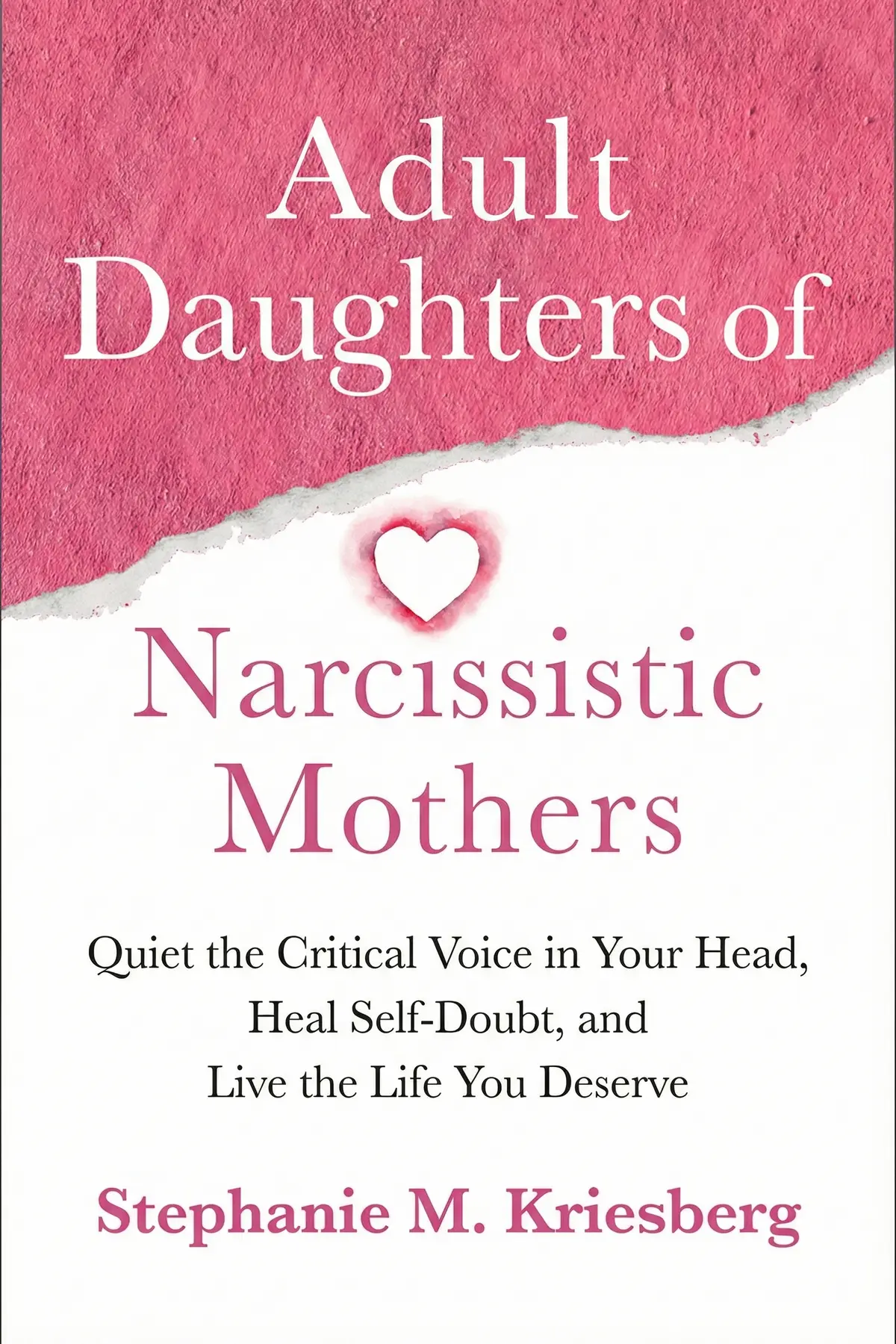
A High-Performing Mind: Strengthen Your Mind and Live Your Best Life
Andrew D. Thompson
Alcoholics Anonymous
Alcoholics Anonymous World Services
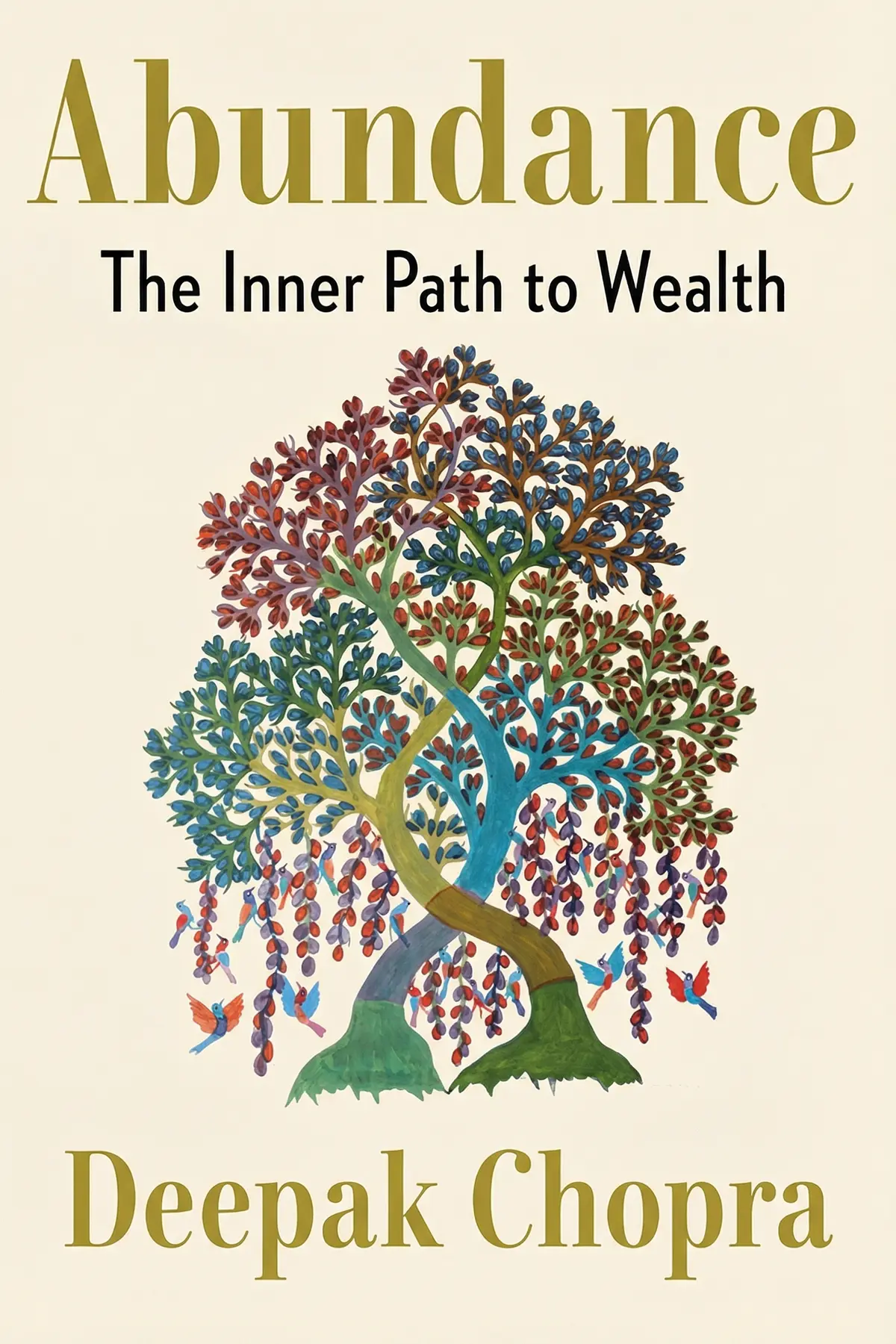
Abundance: The Inner Path to Wealth
Deepak Chopra
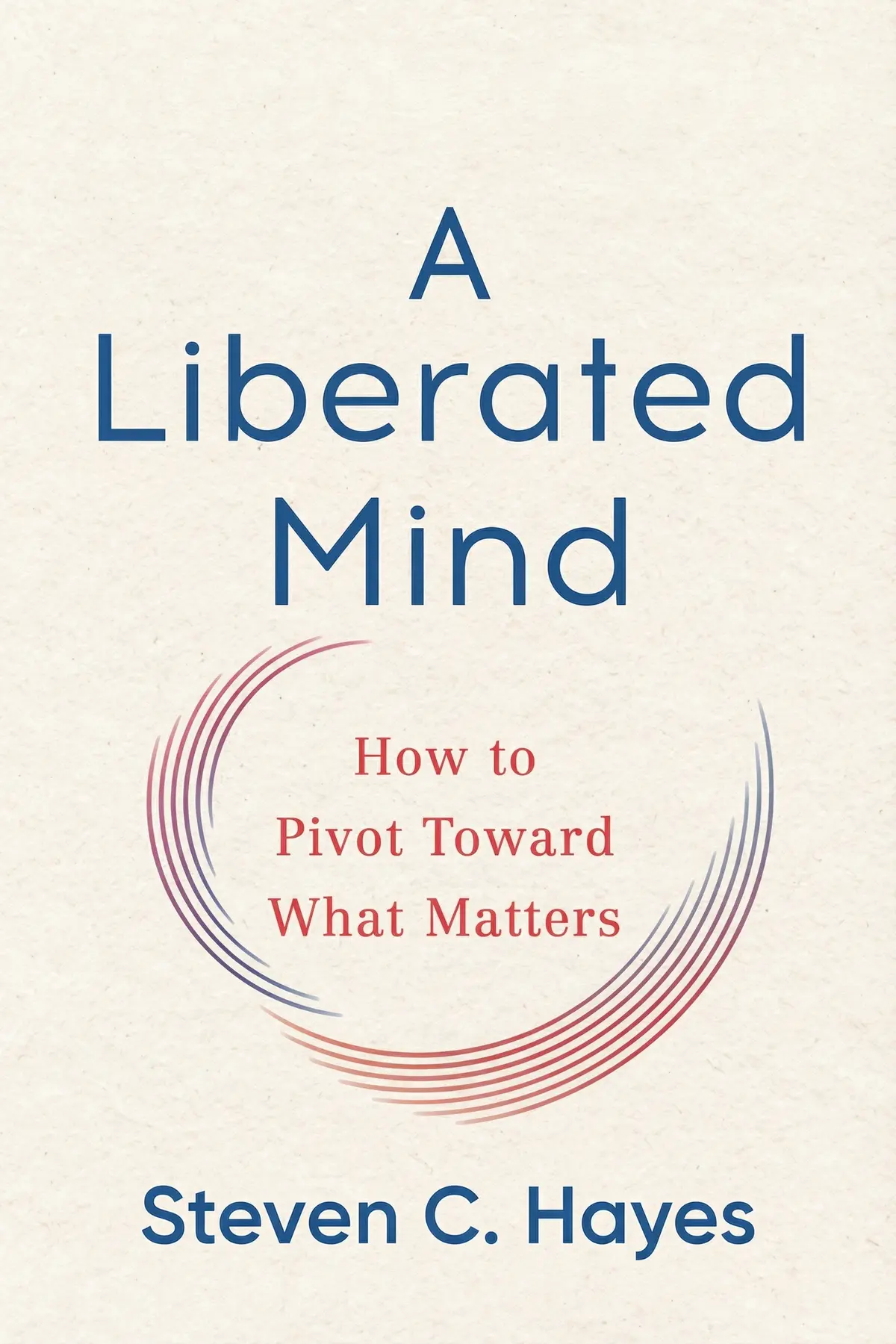
A Liberated Mind: How to Pivot Toward What Matters
Steven C. Hayes
AUDIO SUMMARY AVAILABLE
Listen to Dealing with Feeling in 15 minutes
Get the key ideas from Dealing with Feeling by Marc Brackett, plus 5,000+ more titles in English and Thai.
- 5,000+ titles
- Listen as much as you want
- 7-day free trial
- Cancel anytime







