
18 min 10 sec
Destined for War: Can America and China Escape Thucydides's Trap?
In this compelling analysis, Graham Allison explores the structural tensions between a rising China and the established United States, warning of the historical pattern known as Thucydides’s Trap that often leads to catastrophic conflict.
Table of Content
1. Introduction
1 min 58 sec
In the early nineteenth century, Napoleon Bonaparte famously warned the world to let China sleep, because when she woke, she would shake the globe. For two centuries, that slumber remained largely undisturbed, but today, the world is feeling the vibrations of a China that is very much awake. China has not just entered the global stage; it has redefined it, moving from the periphery of international affairs to the very center of industry, technology, and political influence. This rapid ascension has created a profound ripple effect, specifically challenging the position of the United States, which has enjoyed a period of unrivaled global dominance for decades.
As we look at the rising friction between these two superpowers, we find ourselves asking whether a massive military confrontation is looming on the horizon. While modern analysts often focus on current headlines and short-term political shifts, a more profound understanding can be found by looking backward. The tensions we see today are not unique to our era. Instead, they represent a recurring historical phenomenon first identified by the ancient Greek historian Thucydides more than two thousand years ago. He observed that when a fast-growing power begins to rival a long-standing authority, the resulting structural stress often makes war the most likely outcome. This dynamic, now known as Thucydides’s Trap, provides a vital framework for understanding the high-stakes competition between Washington and Beijing.
In this exploration, we will dive into the heart of this historical trap. We will examine the unprecedented speed of China’s growth, look at the historical precedents that have shaped our world, and identify the modern-day sparks that could ignite a global conflagration. Most importantly, we will consider whether it is possible for the United States and China to escape the patterns of the past and find a way to coexist without resorting to a conflict that would devastate the modern world. This is not just a study of history; it is a search for a roadmap through one of the most dangerous geopolitical challenges of our time.
2. The Ancient Origins of Modern Conflict
2 min 05 sec
Discover how a struggle between two Greek city-states thousands of years ago established a pattern of power dynamics that still governs global politics today.
3. China’s Unprecedented Economic Transformation
2 min 25 sec
The scale and speed of China’s rise are unlike anything seen in human history, fundamentally altering the global balance of power in just a few decades.
4. Historical Case Studies of the Trap
2 min 27 sec
History shows that the majority of power shifts lead to war, but understanding why can help us spot the warning signs today.
5. The Role of Accidental Sparks in Large-Scale Conflict
2 min 39 sec
War rarely begins with a grand plan; instead, it is often triggered by small, unforeseen events that spiral out of control during times of high tension.
6. Escaping the Trap Through History’s Successes
2 min 21 sec
While war is the most common outcome of a power shift, history also provides rare but vital examples of how conflict can be avoided.
7. Strategic Options for a Peaceful Future
2 min 29 sec
Navigating the current crisis requires the United States to ask difficult questions and consider unconventional strategies for long-term stability.
8. Conclusion
1 min 46 sec
As we have seen, the relationship between the United States and China is currently defined by a structural tension that has repeated itself throughout human history. The Thucydides Trap reminds us that when a rising power meets an established one, the default setting for the international system is conflict. China’s incredible growth is not just an economic story; it is a shift in the very foundations of global power that naturally creates fear in the United States and ambition in Beijing. History shows us that this dynamic often ends in war, even when neither side truly desires it, simply because the margin for error becomes so thin.
However, the primary takeaway from this analysis is not one of despair, but of caution and opportunity. We are not passengers on a train with no brakes; we are the navigators of this process. By recognizing the existence of the trap, leaders can take intentional steps to avoid it. The historical examples where war was avoided—like the transition from British to American dominance—prove that diplomacy and strategic accommodation can succeed where military force would fail. It requires a radical reimagining of what national security looks like in the twenty-first century, moving away from zero-sum competition and toward a focus on shared survival.
In the end, the question posed by the book’s title—can America and China escape Thucydides’s Trap?—is one that will be answered by the choices made in the coming years. Avoiding a catastrophic war will require the United States to accept a world where it is no longer the sole authority, and it will require China to exercise its new power with a level of restraint that rising powers rarely show. If both nations can learn the lessons of the past, they may yet avoid repeating its most tragic mistakes, ensuring that the ‘century of China’ does not begin with the end of modern civilization.
About this book
What is this book about?
Is war between the world’s two greatest powers inevitable? Destined for War takes a deep look at the precarious relationship between the United States and China through the lens of history. By examining the concept of Thucydides’s Trap—a term describing the stress that occurs when a rising power threatens to displace a ruling one—the book illustrates why these two nations are on a collision course. Through an exploration of sixteen historical cases where a rising power challenged an incumbent, the narrative reveals the structural patterns that lead to war and, more importantly, the rare instances where peace was maintained. The book offers a sobering look at potential flashpoints, from territorial disputes in the South China Sea to the unstable situation in North Korea. Ultimately, it provides a strategic framework for how modern leaders might navigate these treacherous geopolitical waters, suggesting that while the danger is real, a devastating conflict can still be avoided through radical diplomacy and mutual understanding.
Book Information
About the Author
Graham Allison
Graham Allison is a renowned scholar, political scientist, and the Douglas Dillon Professor of Government at the John F. Kennedy School of Government at Harvard University. He is the former Director of the Harvard Kennedy School’s Belfer Center for Science and International Affairs and leads Harvard University’s long-running Thucydides Trap Project.
Ratings & Reviews
Ratings at a glance
What people think
Listeners describe the work as both perceptive and meticulously researched, offering a high-quality examination of historical events. They prize its accessible writing style, with one listener calling out the 16 compelling case studies and recommending it as necessary reading for college-level students. The book is lauded for being clear and skillfully composed; one listener observes that it acts as an excellent framework for analyzing major geopolitical figures. The thought-provoking substance is well-received, as one listener emphasizes its deep understanding of how decisions are made under intense pressure, while another values the historical lens it applies to the tension between the US and China.
Top reviews
Felix
Graham Allison delivers a masterclass in geopolitical analysis by resurrecting an ancient Greek concept to explain our modern friction with China. The book centers on the 'Thucydides Trap,' where a rising power creates fear in a dominant one, often leading to a collision. To be fair, the 16 historical case studies provide a brilliant template for understanding how these dynamics played out over the last 500 years. I found the section on the lead-up to World War I particularly sobering because the similarities to current US-China relations are impossible to ignore. It is surprisingly readable for a Harvard text and avoids the ideological nonsense that usually clutters foreign policy debates. This is essential reading for anyone trying to grasp the high-stakes decision-making happening behind closed doors in Washington and Beijing.
Show moreAstrid
Not what I expected from such a high-profile academic, but Allison avoids the dry jargon that usually plagues this genre. He manages to bridge the gap between ancient history and 21st-century tech rivalries seamlessly. The way he describes the rapid pace of Chinese infrastructure—mentioning the bridge in Beijing replaced in 43 hours—is a damning indictment of American bureaucracy. It’s depressing to realize how much we’ve slowed down while our rivals have accelerated. I appreciated the 'Twelve Clues for Peace' at the end, as they offer a glimmer of hope in an otherwise grim forecast. This book is an absolute must-read for anyone who cares about where the world is headed. It provides deep knowledge of how pressure impacts decision-making at the highest levels of government.
Show moreMats
Ever wonder why the global atmosphere feels so precarious? This book provides the historical blueprint for understanding the collision course between the United States and a resurgent China. Allison’s work is incredibly insightful and well-researched, stripping away the political rhetoric to focus on the underlying structural realities. I was gripped by the accounts of the Cold War and how close we actually came to nuclear annihilation during the Cuban Missile Crisis. It really puts our current trade wars and diplomatic spats into a much scarier perspective. The truth is, we are living through a historical shift that happens only once a century. Allison has written the essential guide for navigating it without stumbling into a catastrophe. Absolutely brilliant and terrifyingly clear.
Show moreNatnicha
Finally got around to this, and it’s a terrifyingly clear-eyed look at the zero-sum game of global hegemony. Allison isn't just writing history; he's sounding an alarm for the future. The way he contrasts the cultural philosophies of the East and West—notably the Chinese preference for long-term management over decisive battles—is incredibly helpful. It explains why we keep talking past each other in diplomatic circles. Not gonna lie, the statistics about China's manufacturing and STEM graduates made me rethink everything I thought I knew about our 'dominance.' This book is essential reading for anyone who wants to look past the headlines and understand the actual mechanics of power. It’s a well-written, deeply knowledgeable exploration of the most important question of our time.
Show morePrae
Picked this up for a grad school seminar, and I was genuinely surprised by how accessible the prose actually is. Most academic books on international relations are a slog, but Allison writes with a clarity that makes complex concepts like 'purchasing power parity' easy to understand. The core idea that fear and honor drive nations toward conflict is a necessary reminder that logic doesn't always prevail in statecraft. One minor gripe is that he dismisses China’s demographic crisis a bit too easily, which might actually hinder their rise more than he admits. Still, the book serves as a fantastic historical perspective on our current situation. It’s thought-provoking and deeply researched, making it a solid four-star read for anyone interested in the future of the American empire.
Show moreOksana
The chapter on the buildup to World War I is worth the price of the book alone. Allison does a great job showing how even leaders who don't want war can be dragged into one by their alliances and the fear of looking weak. Look, I don’t think this book is necessarily a prophecy, but it acts as a much-needed warning for the present day. His analysis of Xi Jinping’s 'Make China Great Again' philosophy helps humanize a leader that the West often views as a monolith. My only issue is that the author leans heavily on the advice of Lee Kuan Yew, which feels a bit repetitive by the end. However, the 16 case studies are fascinating and provide a clear-headed look at the structural stresses between the US and China.
Show moreNum
After hearing numerous politicians cite this book, I felt obligated to see what the fuss was about. I gotta say, it lived up to most of the hype. Allison’s explanation of how rising powers naturally demand more influence is a simple but powerful insight. He doesn't sugarcoat the reality that the US is in a state of relative decline, which is a hard pill to swallow but necessary for honest policy-making. The book is well-written and serves as a brilliant template for identifying the flashpoints that could trigger a real conflict. My only criticism is that some of the historical comparisons feel a bit forced to fit the 'Trap' narrative. Despite that, it's a thought-provoking piece that stays with you long after you finish the last page.
Show moreAom
Truth is, I found the analysis of 'fear, honor, and interest' to be the most rewarding part of the text. It explains so much of the irrational behavior we see in international politics today. Allison provides a great analysis of historical facts, particularly regarding how Britain and the US avoided war at the turn of the 20th century. It’s a relief to see a book that isn't just partisan shouting, but actual clear-headed strategy. The writing is punchy and moves fast, even when discussing complex economic data. Personally, I think every citizen should read this to understand the gravity of our relationship with China. It might be a bit depressing, but ignoring these trends won't make them go away. A very solid and necessary contribution to the field.
Show moreMo
While the 'Thucydides Trap' is a compelling framework, Allison’s tone occasionally veers into the self-congratulatory territory common among Ivy League elites. He spends far too much time reminding the reader of his connections to great men like David Petraeus and Henry Kissinger. Frankly, the book feels a bit too Western-centric, often ignoring the unique internal nuances of Asian history that don't fit his specific model. That said, the actual research into the 12 cases that ended in war is meticulous and provides a great analysis of historical facts. It’s an informative read if you can ignore the academic preening, but I’m not convinced that war is as inevitable as the title suggests. Good for students, but take the author’s 'insider' anecdotes with a grain of salt.
Show moreNathan
Look, I appreciate the depth of research here, but the central thesis feels a bit reductionist at times. Reducing 500 years of global history to 16 case studies is a massive oversimplification, even if it makes for a catchy title. To be fair, the writing style is excellent and he makes a very strong case for why we should be worried about a clash in the South China Sea. However, the author’s constant name-dropping of his Harvard colleagues gets old fast. It’s a useful book for getting a broad overview of Sino-American tensions, but I wouldn't call it the definitive guide. It lacks a certain level of nuance regarding China’s internal economic struggles. It’s a decent starting point for university students, but seasoned history buffs might find it a little repetitive.
Show moreReaders also enjoyed
1491: New Revelations of the Americas Before Columbus
Charles C. Mann
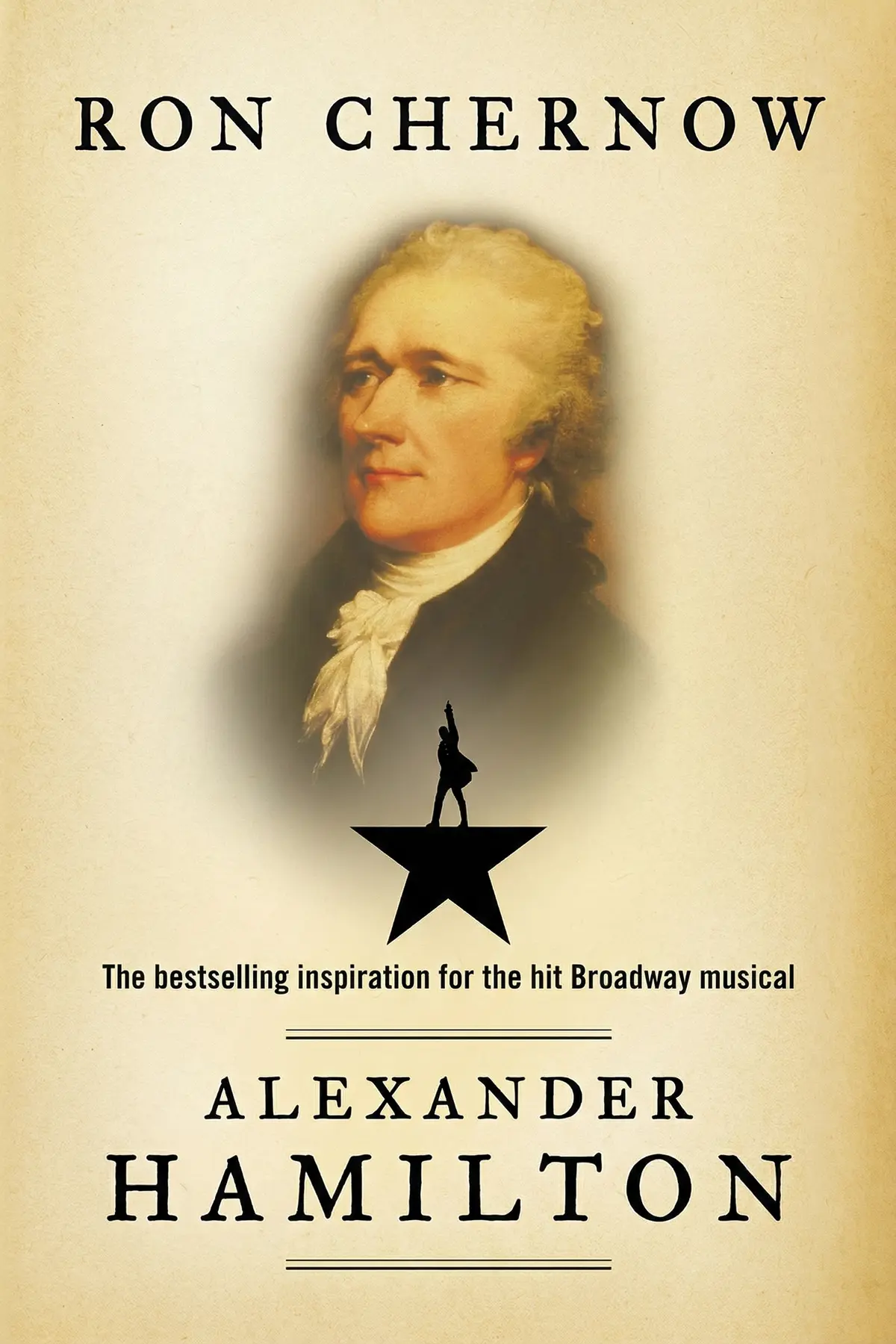
Alexander Hamilton
Ron Chernow
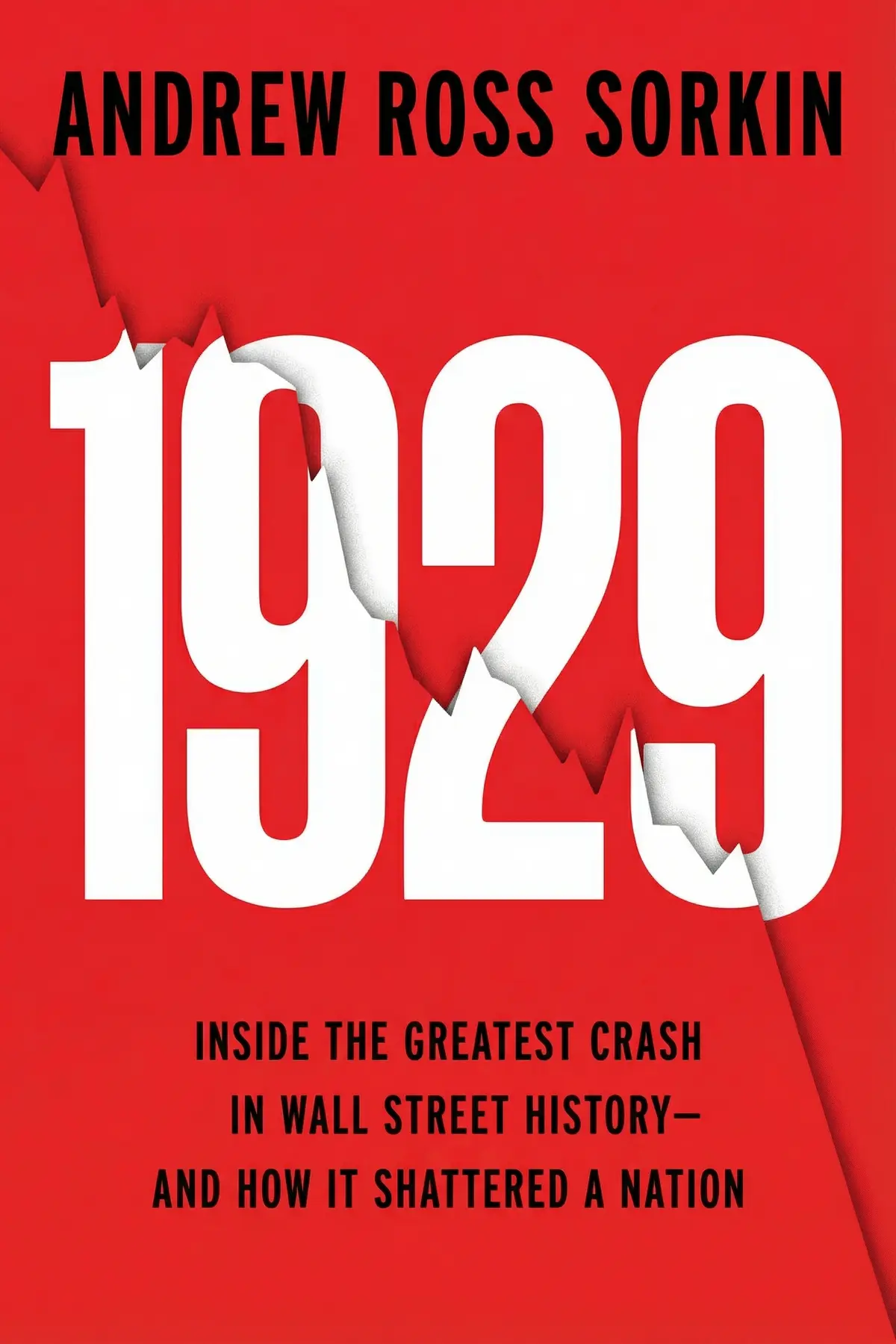
1929: Inside the Greatest Crash in Wall Street History--and How It
Andrew Ross Sorkin
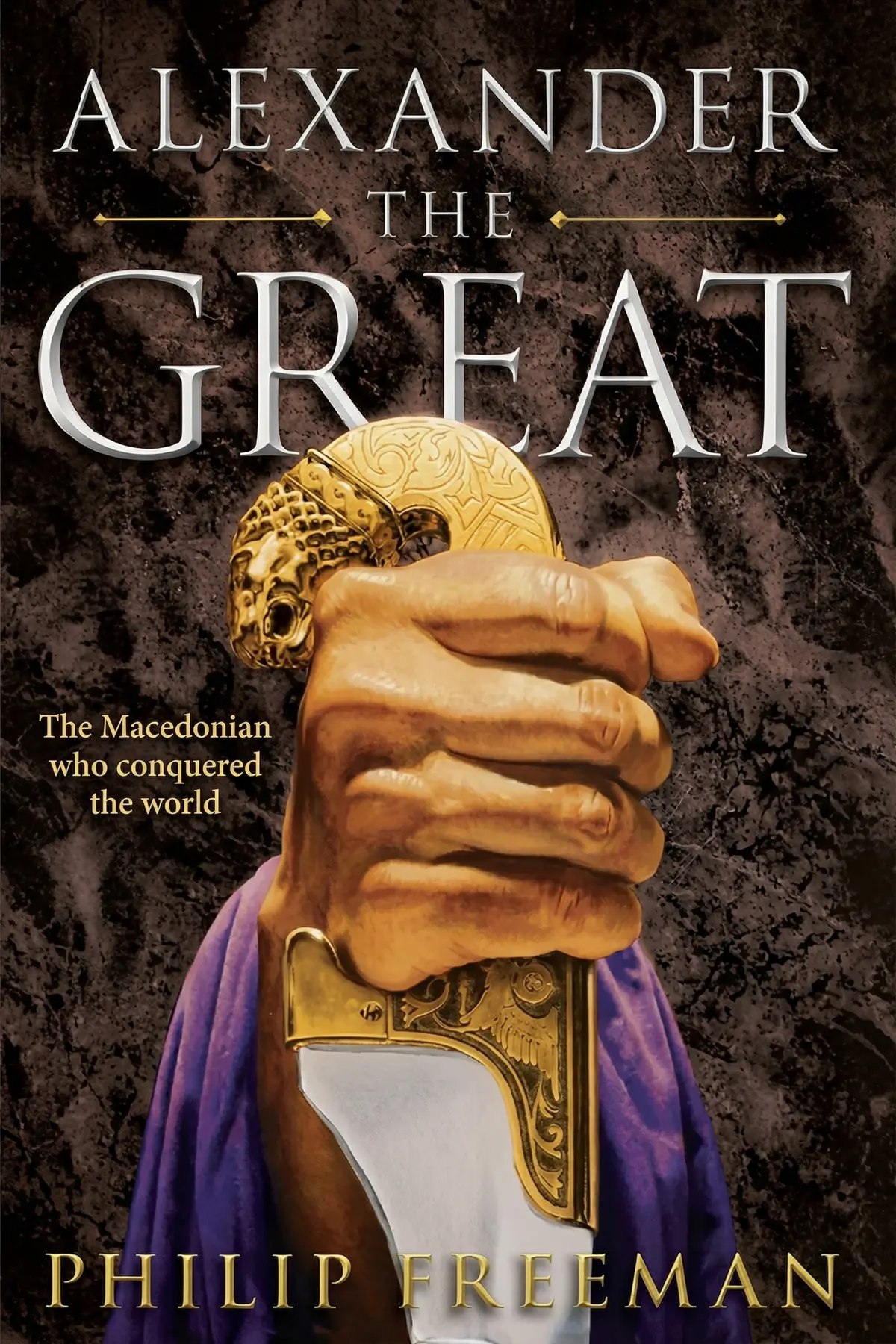
Alexander the Great
Philip Freeman
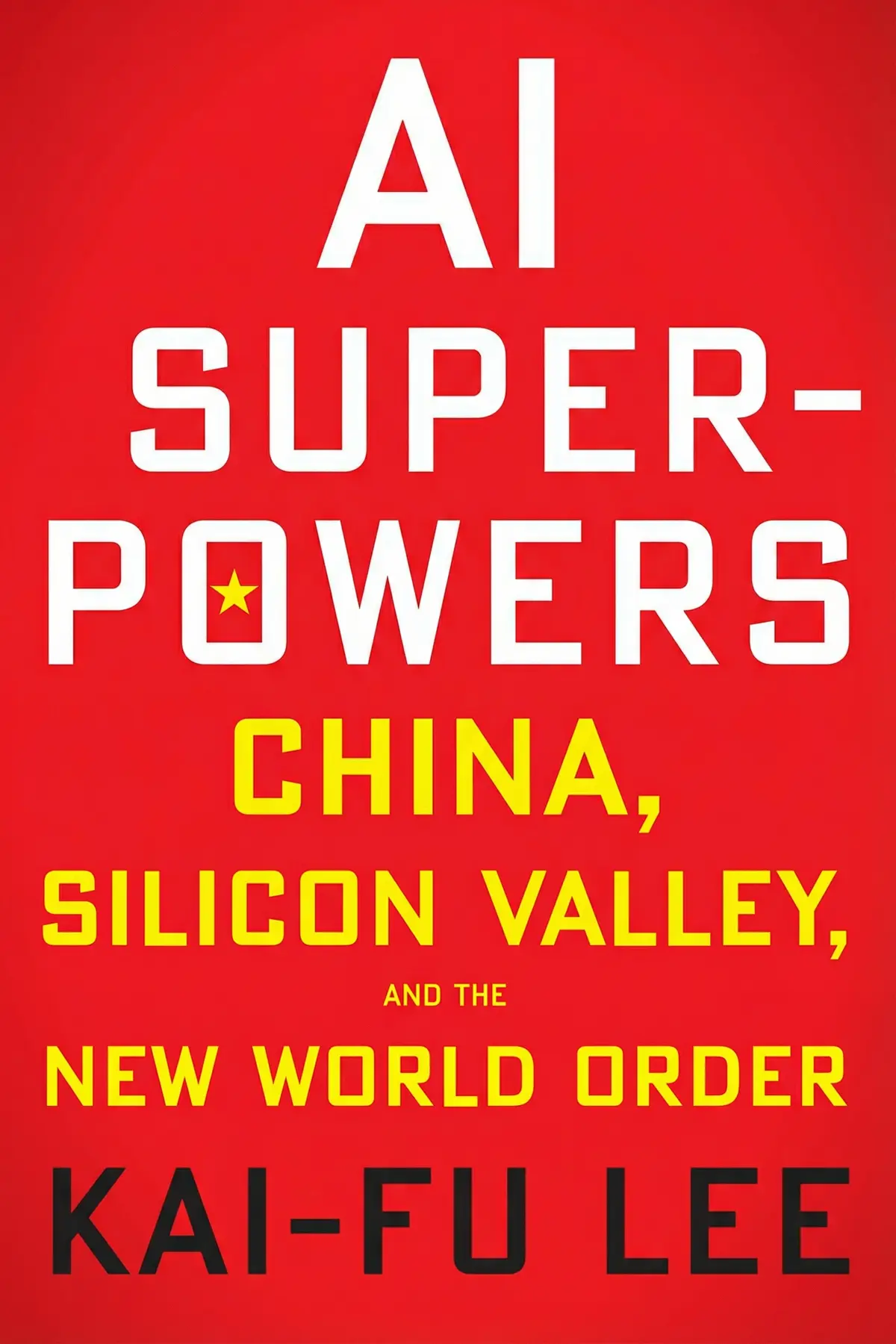

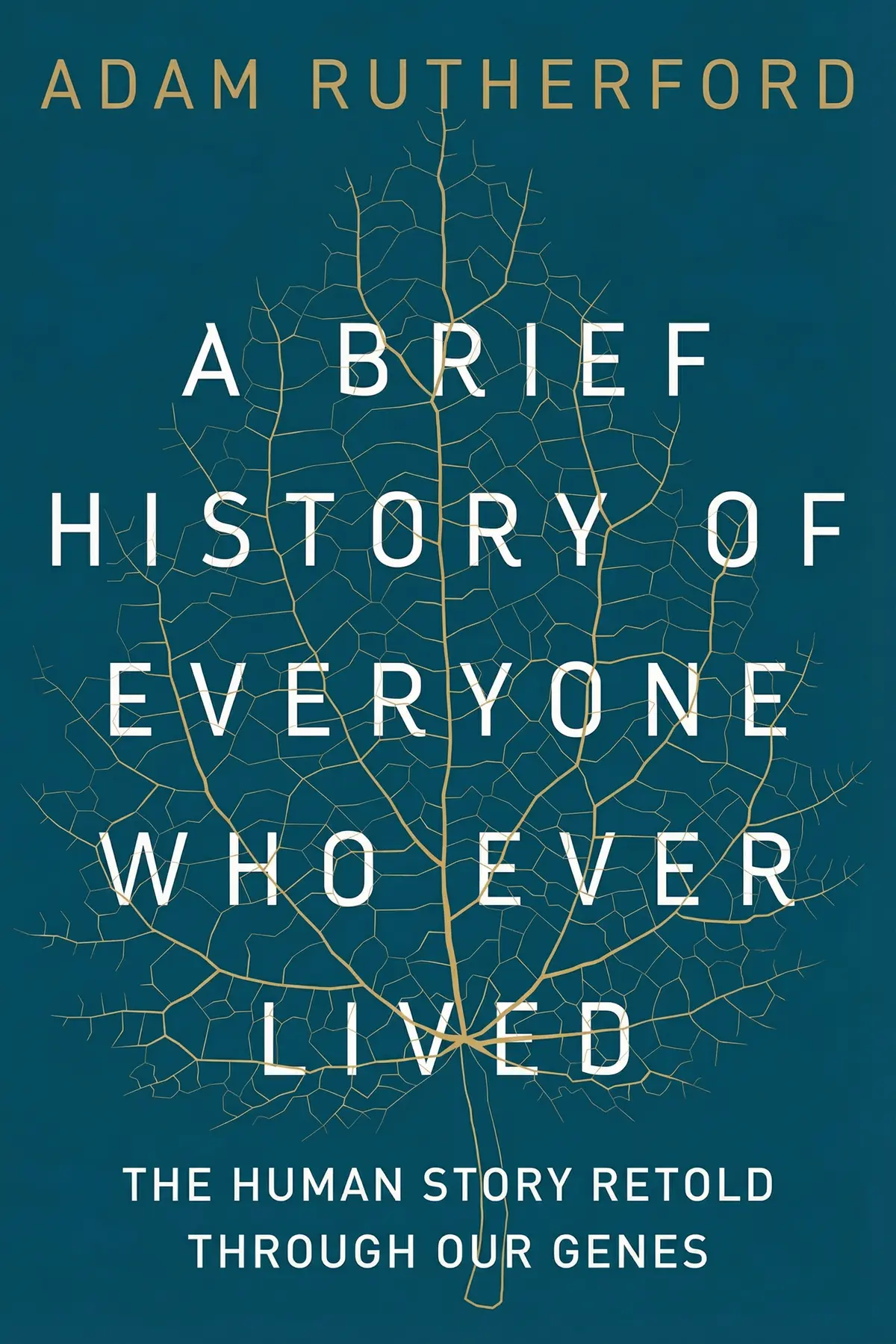
A Biography of Loneliness: The History of an Emotion
Fay Bound Alberti
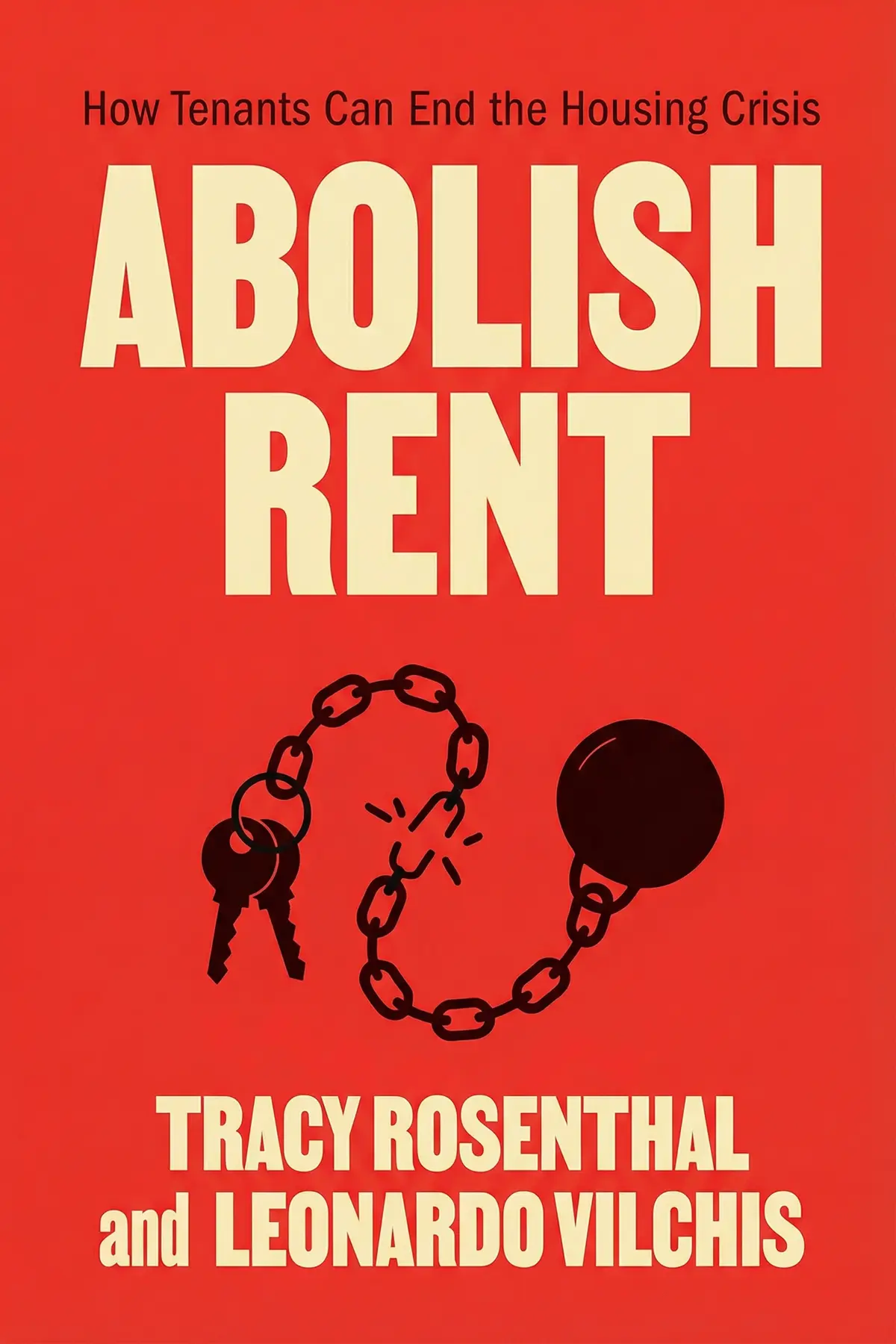
Abolish Rent: How Tenants Can End the Housing Crisis
Tracy Rosenthal
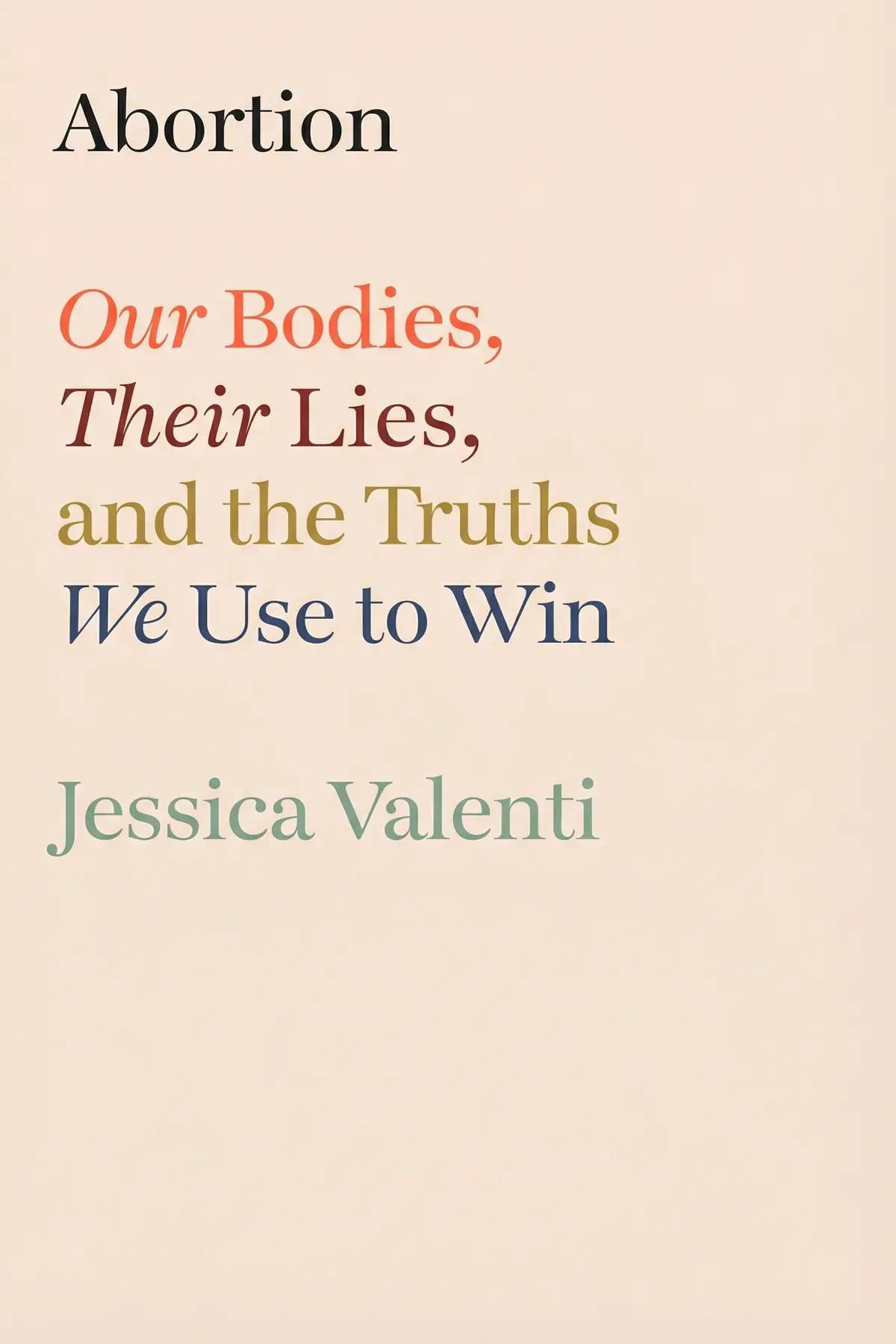
Abortion: Our Bodies, Their Lies, and the Truths We Use to
Jessica Valenti
AUDIO SUMMARY AVAILABLE
Listen to Destined for War in 15 minutes
Get the key ideas from Destined for War by Graham Allison, plus 5,000+ more titles in English and Thai.
- 5,000+ titles
- Listen as much as you want
- 7-day free trial
- Cancel anytime







