What We Owe the Future
William MacAskill
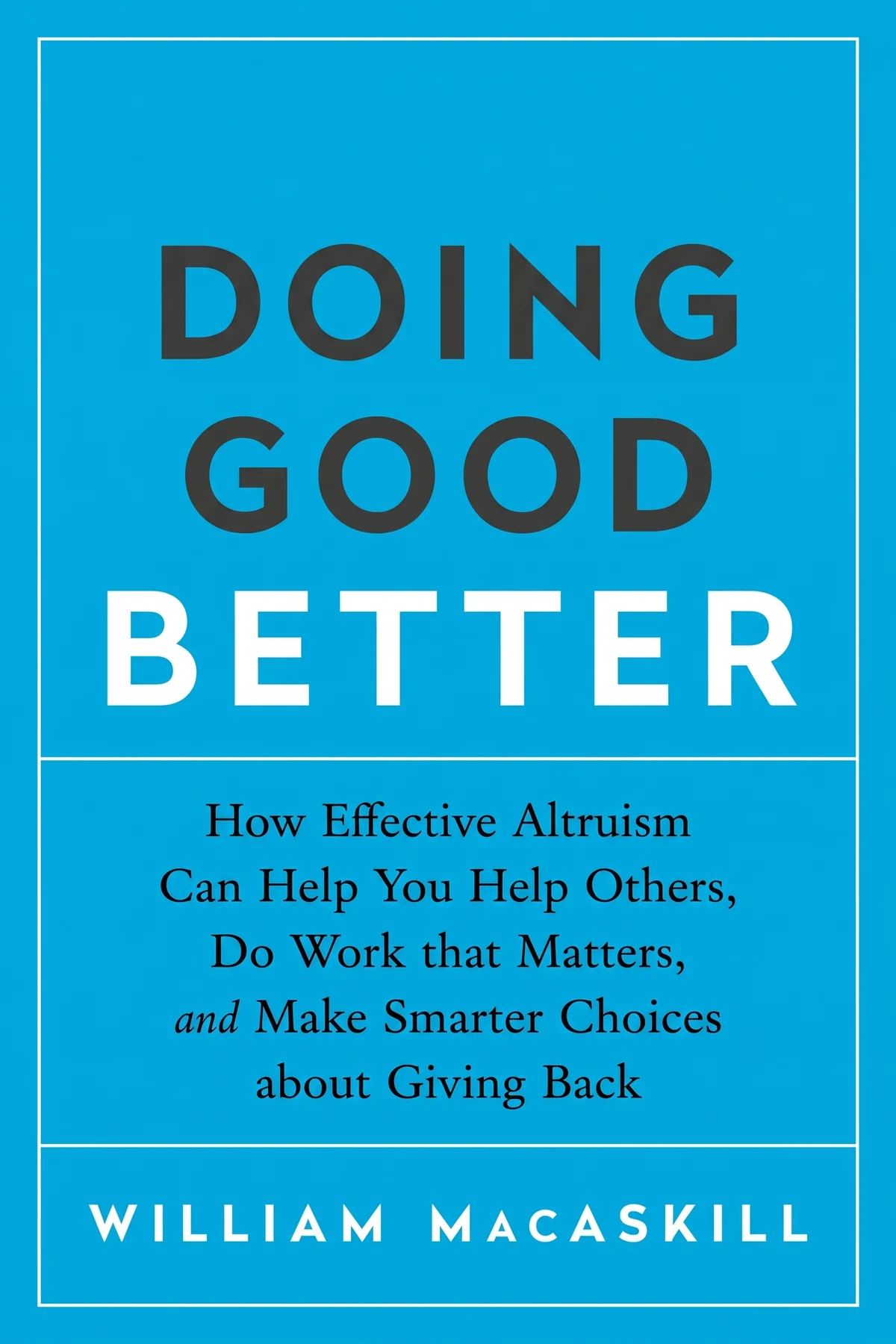
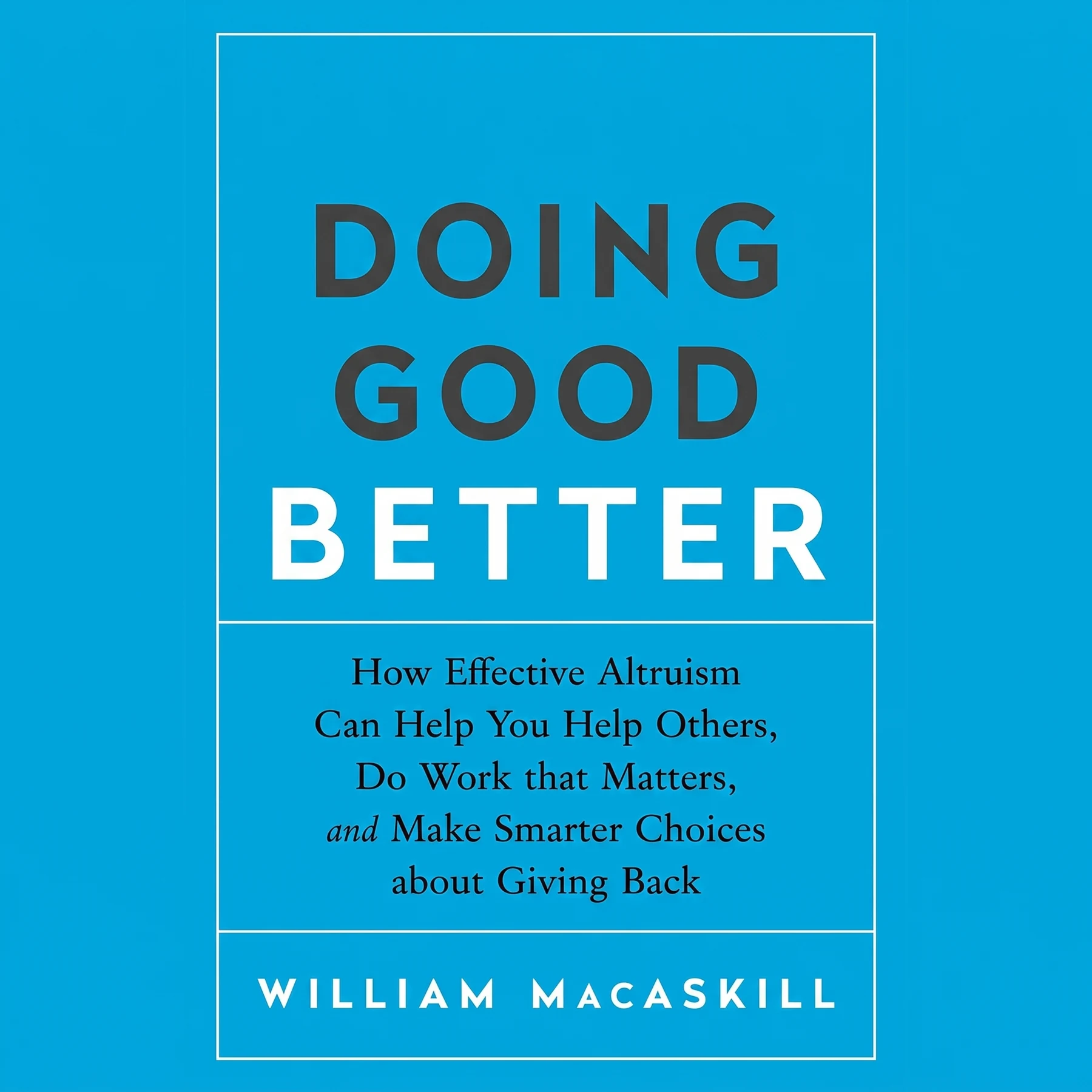
Doing Good Better introduces the concept of effective altruism, teaching readers how to use data and rigorous reasoning to ensure their charitable donations and career choices produce the greatest possible good.
1 min 40 sec
When we see a heart-wrenching image of a child in need or hear about a devastating natural disaster halfway across the globe, our first instinct is to help. We reach for our wallets, make a donation, and feel a sense of relief that we’ve done our part. But have you ever stopped to ask if that money actually achieved what you hoped it would? Most of us are surprisingly diligent when buying a new car or choosing a laptop, spending hours comparing specs and reading reviews. Yet, when it comes to the most important purchase of all—the chance to save a life or improve the world—we often act on pure intuition.
This is where the throughline of our discussion begins. In the following minutes, we are going to explore a radical but deeply compassionate way of thinking known as effective altruism. It’s an approach that suggests our heads must work in tandem with our hearts. It’s not enough to just ‘do good’; we must strive to do good *better*. We will look at how to navigate the messy landscape of global charities, why some of the most popular causes are actually the least effective, and how a simple shift in perspective can amplify your personal impact by a factor of ten, a hundred, or even a thousand.
The goal isn’t to discourage giving, but to empower it. We’ll uncover the specific questions you should ask before writing a check and the cognitive traps that often lead us to support causes that don’t actually need our help. By the end of this journey, you’ll have a new framework for making a difference—one that replaces vague intentions with measurable results and ensures that your generosity reaches the people who need it most.
2 min 17 sec
Discover why the secret to truly effective giving lies in a simple mathematical formula that prioritizes saving the most lives with limited resources.
2 min 01 sec
Explore why the most popular and well-funded charities might actually be the least effective places for your next donation.
2 min 12 sec
Learn to look beyond the immediate results of your actions by asking the most important question in altruism: What would have happened anyway?
2 min 18 sec
Discover why ‘following your passion’ might be bad advice for the world, and how to choose a career that maximizes your social output.
2 min 14 sec
Learn why the most common way of ranking charities—by their low overhead—is actually a terrible indicator of how much good they do.
2 min 16 sec
Challenge your assumptions about ethical consumerism and discover why sweatshops and Fairtrade might not be what they seem.
1 min 45 sec
As we wrap up our look at effective altruism, the central message is clear: our capacity to do good is one of the most significant powers we possess, but it requires more than just an open heart. It requires a disciplined mind. By applying the principles of expected value, considering the law of diminishing returns, and always asking ‘what would have happened otherwise,’ we can transform our altruistic efforts from a shot in the dark into a precision tool for change.
We’ve seen that the most popular paths aren’t always the most impactful. Whether it’s choosing a career that allows you to ‘earn to give,’ or ignoring misleading overhead statistics in favor of actual results, the goal is always to maximize the benefit for every dollar and every hour spent. It is a shift from thinking about how giving makes *us* feel to thinking about how much good it actually *does* for others.
The most actionable way to start this journey is to make giving a habit. Don’t wait for a disaster or a special occasion. Instead, commit to a regular, evidence-based contribution. Many people in this movement choose to pledge a specific percentage of their income—often ten percent—to the world’s most effective charities. By making this a part of your financial life, you ensure that your values are consistently reflected in your actions. In the end, doing good better isn’t about being perfect; it’s about being honest with the evidence and striving to make the biggest difference you possibly can with the life you have. It’s about ensuring that your legacy is defined not just by your intentions, but by the lives you’ve truly managed to change.
Most people give to charity based on emotional appeals or gut feelings, but this often leads to wasted resources and minimal impact. Doing Good Better challenges this approach by introducing effective altruism—a data-driven method for maximizing the positive change we make in the world. The book provides a framework for evaluating which causes are most neglected, which interventions are most effective, and how individuals can use their unique skills and finances to save the most lives. By exploring real-world examples, from disaster relief to global health initiatives, the book promises to transform how you think about generosity. You will learn to look past misleading metrics like administrative overhead and instead focus on tangible outcomes. Ultimately, it offers a guide for anyone who wants their life's work and their financial contributions to matter as much as possible, providing the tools to move from well-intentioned giving to truly effective giving.
William MacAskill is an associate professor in Philosophy at the University of Oxford. He is a leading figure in the effective altruism movement and co-founded the charities Giving What We Can and 80,000 Hours. His work and organizations have been featured in prominent media outlets such as the New York Times, the Wall Street Journal, NPR, and TED.
William MacAskill
Listeners find the work highly thought-provoking, noting that its questioning frameworks help them maximize their altruistic impact, and they value its accessibility as essential reading for effective altruists. Furthermore, the text is extensively researched and offers a data-driven method for charitable giving, helping listeners analyze philanthropic issues with precision. Listeners also highlight the book's clear prose and overall quality of writing. Nevertheless, responses to the ethical perspective are varied, with some finding it a disappointing way to approach altruism.
Picked this up during a personal crisis about career choices and it really shifted my perspective. MacAskill’s quantitative approach to global impact is both refreshing and slightly terrifying for the ego. I always thought volunteering at a local soup kitchen was the absolute gold standard of doing good. This book completely dismantled that notion by showing how small donations for bed nets can be orders of magnitude more effective. Frankly, the data on Cool Earth and carbon offsets makes me feel much more empowered to handle my environmental footprint. It’s a fast read, but you’ll spend hours afterwards rethinking every single purchase you make. I highly recommend this for any young professional wanting to find more purpose.
Show moreAfter hearing a lot about the Effective Altruism movement, I finally dove into the source material. MacAskill is a brilliant writer who manages to turn dry statistics into a compelling call to action. His logic regarding 'earn to give'—where you maximize your salary to donate more—is a total game changer for high earners. To be fair, some of the utilitarian arguments feel a bit cold-blooded at first glance. However, once you see the math on how many lives a single Western salary can save, it’s hard to look back. The research is meticulous and the writing quality is top-notch for this genre.
Show moreMacAskill has a way of making complex economic frameworks feel accessible to a layman like me. This book is essentially a toolkit for anyone who wants to stop being a passive donor and start being an active investor in human progress. He focuses heavily on global poverty, which is hard to argue against as a top priority for our resources. I appreciated the specific mention of GiveDirectly and how cash transfers can empower individuals more than specific, rigid programs. The writing is clear, the chapters are concise, and the logic is nearly airtight. It’s a must-read for anyone who actually wants to make a difference.
Show moreAs someone who has always donated to local charities, this book was a massive wake-up call. I never realized that if you earn over $52,000, you are actually in the global 1%. That statistic alone changed how I view my responsibility to the rest of the world. MacAskill argues that we should focus on where we have the most 'marginal impact,' which often means looking far beyond our own backyards to find the causes that are truly neglected by the mainstream. The focus on bed nets and tropical diseases might seem repetitive, but the life-saving potential is undeniable. This is easily one of the most important books I’ve read in the last decade.
Show moreFinally got around to this and I wish I had read it ten years ago. This book is a masterclass in clarity and rigorous thinking regarding global philanthropy and personal career paths. The advice for students to focus on high-impact careers rather than just 'following their passion' is incredibly practical because it builds the skills that allow you to do the most good over a lifetime. MacAskill avoids the usual guilt-tripping of the West and instead provides an empowering roadmap for change. If you want your life to actually count for something, you need to read this. It’s easily a five-star recommendation from me.
Show moreIs it possible to maximize your impact on the world without actually moving to a developing nation? This book argues that yes, our choices as donors can save lives if we apply rigorous mathematical frameworks. MacAskill presents a series of questions that help evaluate where our money goes furthest, rather than just following our gut. Personally, I found the evidence-based approach to GiveWell and deworming programs incredibly eye-opening compared to typical emotional appeals. My only gripe is that he occasionally brushes over the cultural complexities of the regions he discusses. Still, it’s a necessary read for anyone tired of ineffective charity. It changed my annual giving strategy.
Show moreThe chapter on sweatshops blew my mind because it challenged everything I thought I knew about ethical consumerism. We often boycott these places out of a sense of moral superiority, but MacAskill explains how this can inadvertently harm the very workers we want to help. This kind of counter-intuitive thinking is what makes the book so valuable. He doesn’t just ask us to be nice; he asks us to be effective. The data-driven look at fair trade and disaster relief was equally surprising and well-supported. I don't agree with every single conclusion, especially regarding animal welfare, but the intellectual journey is well worth the time.
Show moreLook, the math is occasionally dense, but the core message is vital for anyone who cares about the world. It’s refreshing to see someone apply the same rigor to charity that we apply to our business investments. Most books on philanthropy are full of fluff and anecdotes, but MacAskill sticks to what the evidence says works. My only complaint is that the lack of in-text citations makes it a bit annoying to verify facts. You have to flip to the back constantly, which disrupts the flow of his otherwise excellent prose. Despite that, it’s a high-quality piece of non-fiction for the modern age.
Show moreNot what I expected, given the 'do-gooder' title. The book is far more about economics and optimization than it is about traditional notions of compassion. While I appreciate the rigorous research, the tone is often hyper-rational to the point of feeling slightly alien. It's essentially modern utilitarianism, which might be a bit dry for readers looking for emotional inspiration. I was particularly conflicted by the 'earn to give' argument suggesting doctors should stay in the West to fund others. It makes sense on paper, but it ignores the profound value of human connection in service. It's a thought-provoking framework, even if you disagree with his ethics.
Show moreTruth is, I found MacAskill’s dismissal of certain causes deeply problematic and even arrogant. As a professional in the social profit sector, I was frustrated by how he conflates programs with overarching causes. He treats charities like interchangeable widgets rather than complex organizations serving nuanced human needs. His 'worthy cause' framework feels like it prioritizes his own definition of suffering over the lived experiences of others. The book completely ignores the psychological reality that donors want to connect with stories, not just spreadsheets. While the data is interesting, the underlying utilitarian philosophy feels cold and potentially harmful to smaller local nonprofits. It’s well-written, but the logic is far too narrow for such a vast and human topic.
Show more

William B. Irvine
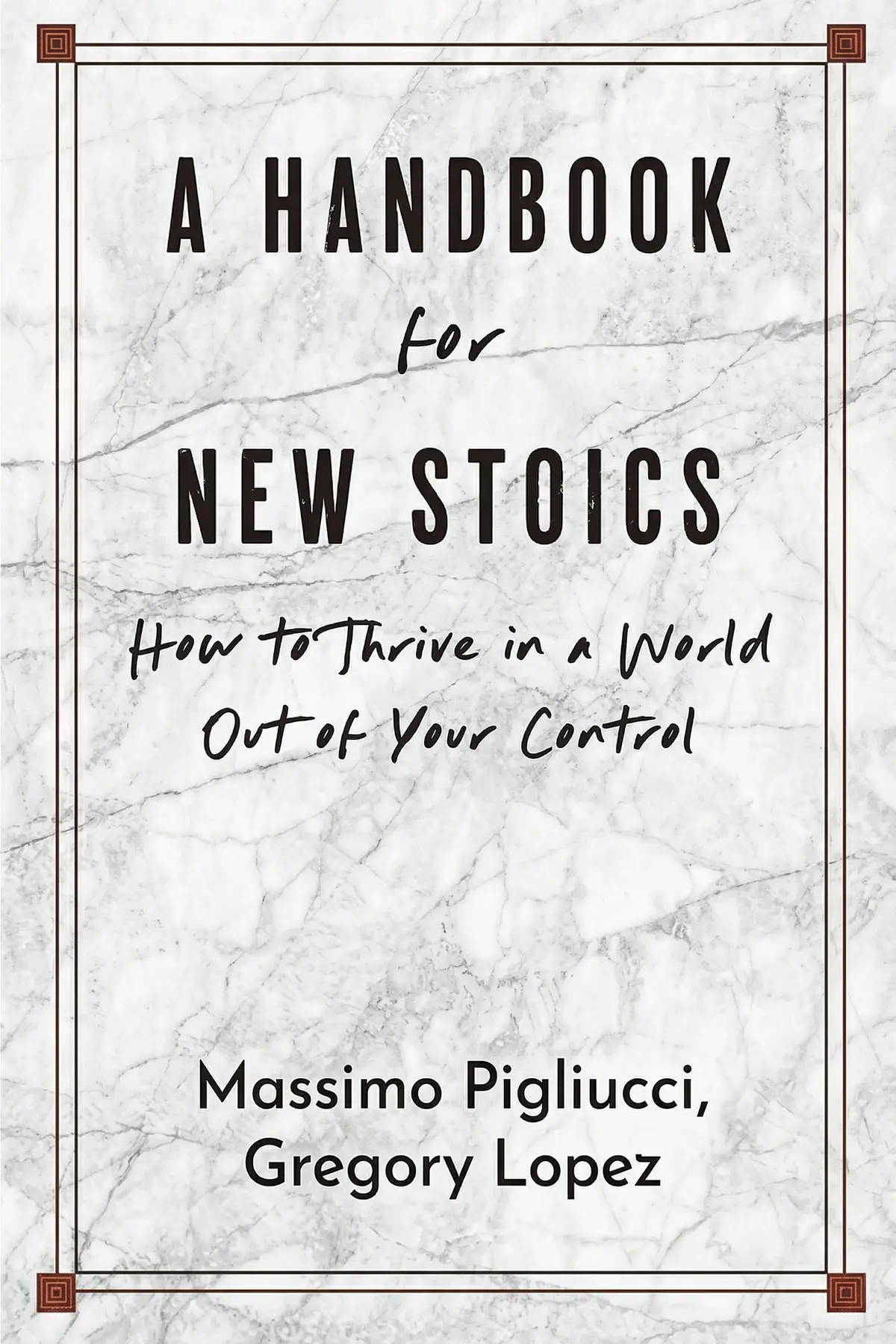
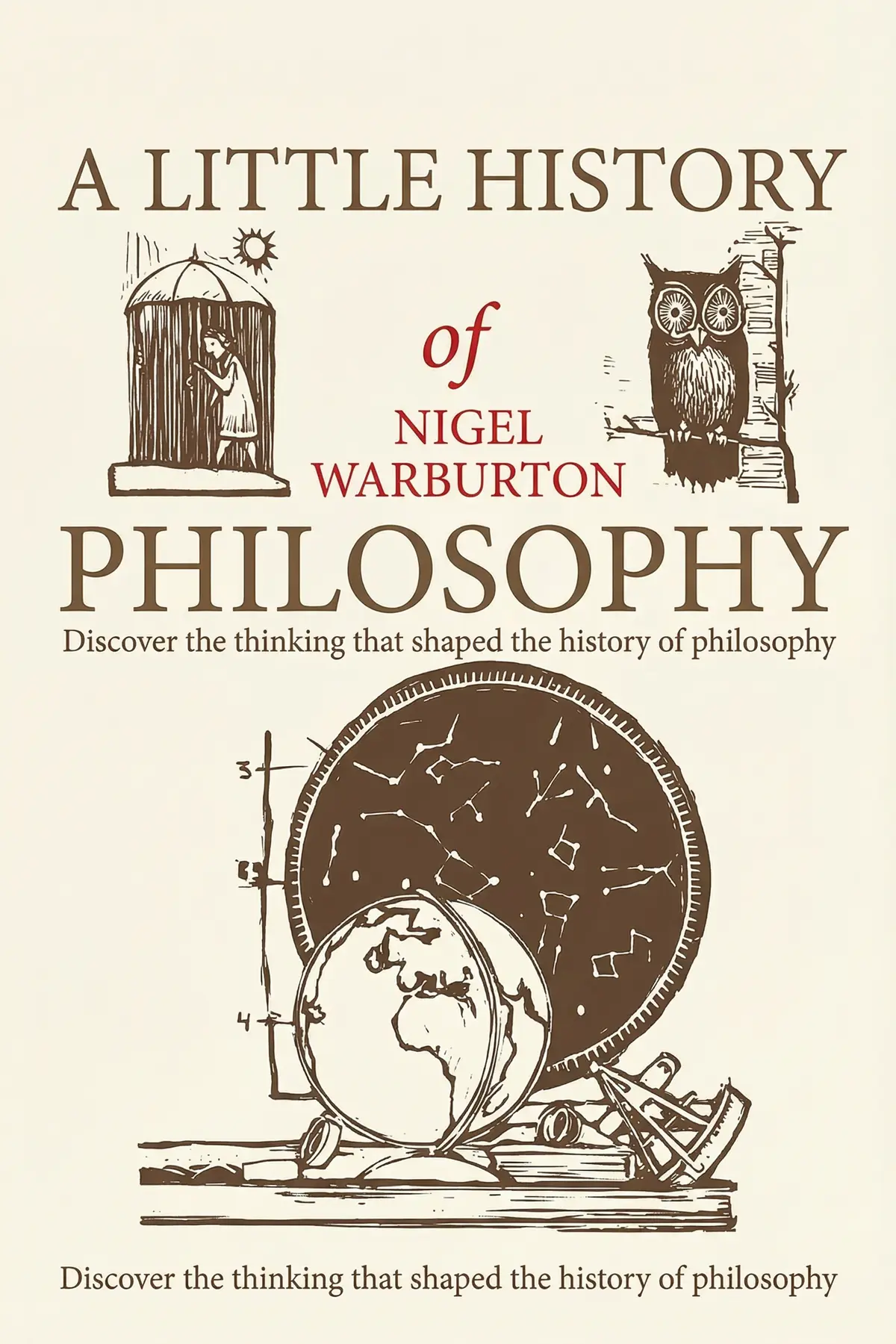
Nigel Warburton
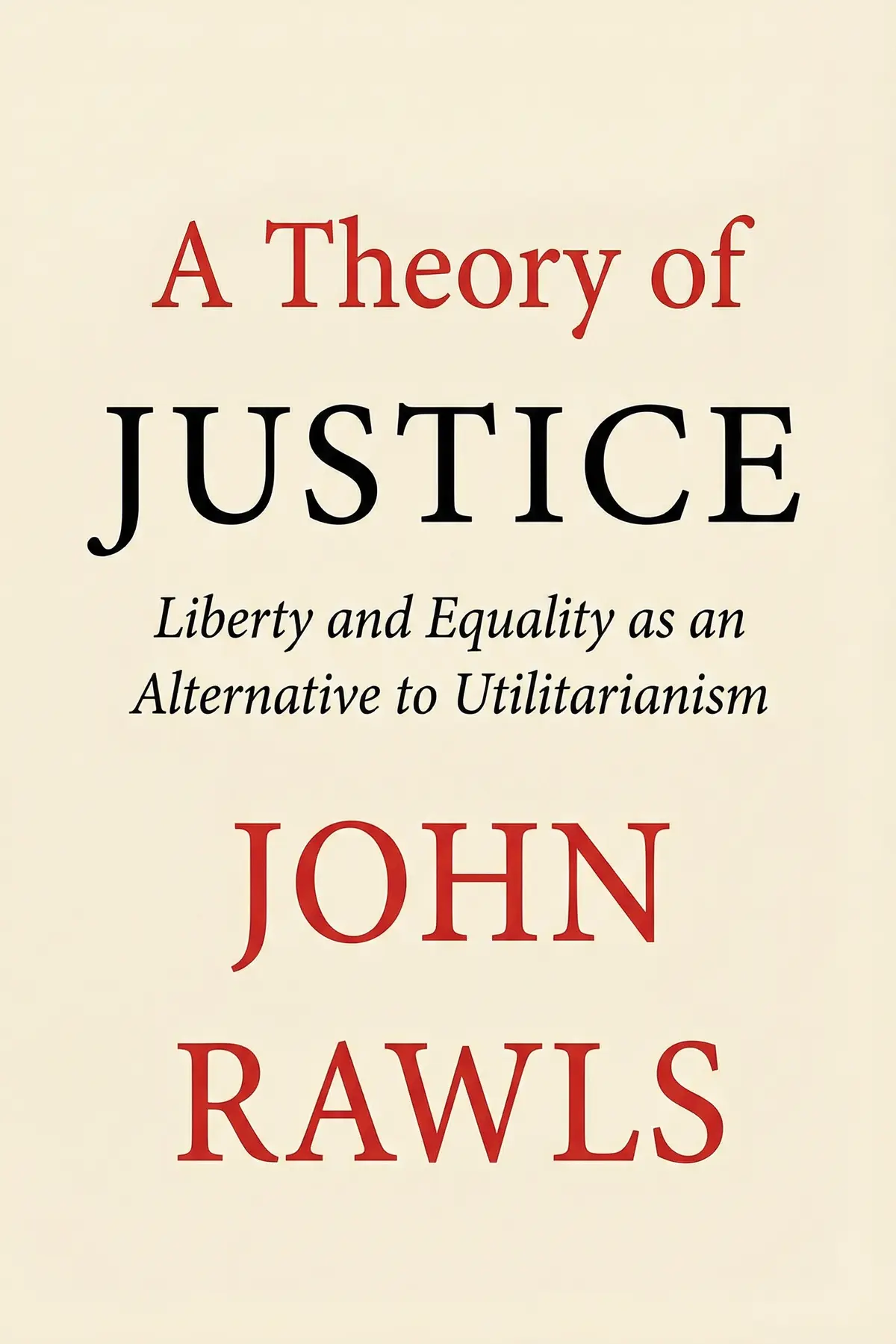
John Rawls
Colin Ward
Robert Nozick
Nassim Nicholas Taleb
AUDIO SUMMARY AVAILABLE
Get the key ideas from Doing Good Better by William MacAskill, plus 5,000+ more titles in English and Thai.