
19 min 56 sec
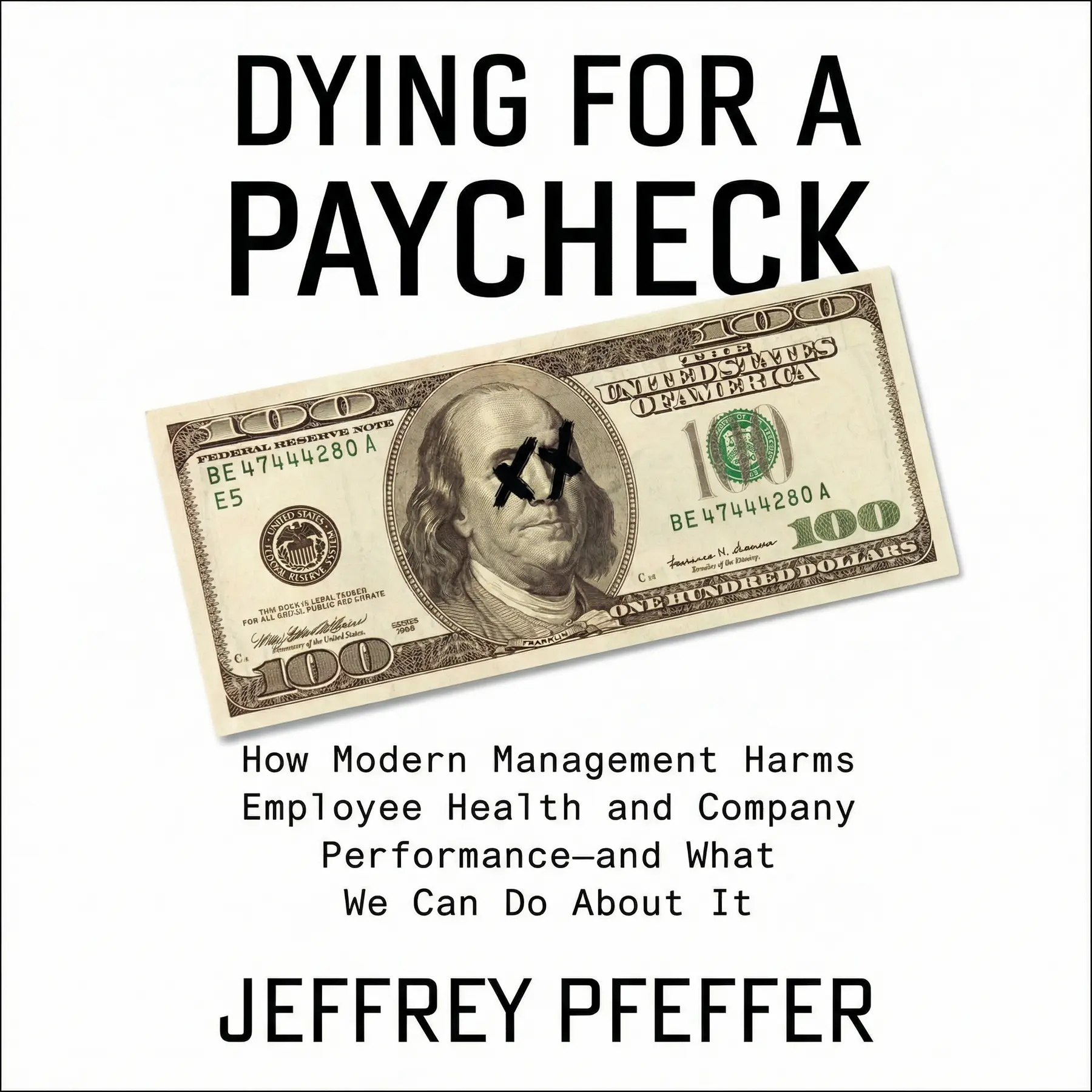
Dying for a Paycheck: How Modern Management Harms Employee Health and Company Performance—and What We Can Do About It
A compelling investigation into how modern workplace stress, layoffs, and a lack of health insurance are physically harming employees, and why prioritizing worker well-being is essential for long-term corporate success.
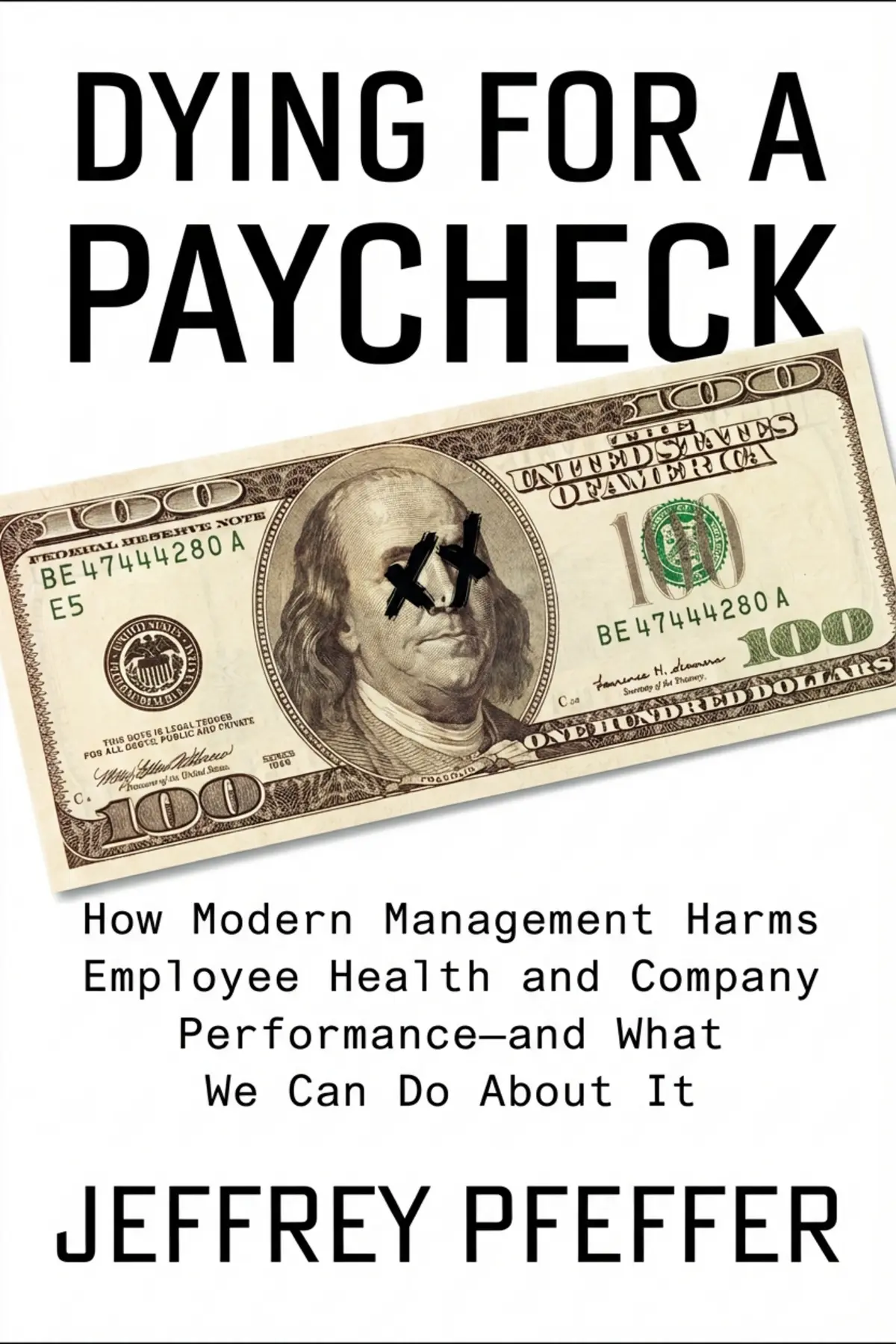
Table of Content
1. Introduction
2 min 00 sec
When we think about dangerous jobs, our minds often go to high-risk environments like deep-sea fishing, underground mining, or high-rise construction. In those fields, the risks are visible, and we have established rigorous safety standards and government regulations to protect workers from physical harm. However, there is a silent, invisible killer in the modern workplace that we are largely ignoring: the chronic stress found in the average office. This isn’t about falling debris or heavy machinery; it’s about the mental and physical toll of modern management practices. From the pressure of constant connectivity to the looming threat of layoffs, the way we work today is quite literally making us sick.
The scale of this problem is staggering. Research indicates that workplace-related stress contributes to roughly 120,000 deaths every year in the United States alone. To put that in perspective, that makes our jobs one of the leading causes of death in the country. We are facing a public health crisis that is often dismissed as just ‘part of the job.’ But as we will explore, it doesn’t have to be this way. There is a profound throughline in this study: the very practices that are harming employees are often the same ones that are undermining company performance.
In the following sections, we will look at how the shift toward a gig economy and the erosion of job security have created a climate of fear. We will examine the data linking job loss to heart attacks and the surprising truth about how the American healthcare system compares to international standards. Most importantly, we will see that the path to higher profits and better productivity actually runs through a healthier, more supported workforce. By the end of this journey, you’ll see why treating people like human beings rather than disposable assets is the most rational business decision a leader can make.
2. The Hidden Physical Toll of Workplace Stress
2 min 42 sec
Explore the reality of how high-pressure corporate environments and the precarious gig economy are driving employees toward chronic illness and financial exhaustion.
3. Why Workplace Stress Is a Public Health Crisis
2 min 42 sec
Learn why the impact of a toxic work environment is as lethal as secondhand smoke and how the American healthcare model contributes to this tragedy.
4. The Destructive Irony of Massive Layoffs
2 min 48 sec
Discover the tragic health consequences of job loss and why the practice of cutting staff often fails to deliver the financial results companies expect.
5. The High Cost of an Uninsured Workforce
2 min 24 sec
Examine the link between healthcare access and survival rates, and see how innovative companies are bypassing traditional insurance to protect their staff.
6. Autonomy and Social Connection as Life-Saving Assets
2 min 43 sec
Discover why having control over your work and a supportive community are more effective for health than any office game room or free snack bar.
7. Building a Healthier Future for Management
2 min 49 sec
Learn actionable strategies for measuring corporate ‘social pollution’ and shifting the responsibility of health costs back to the organization.
8. Conclusion
1 min 48 sec
The evidence presented throughout this summary leads to a sobering but necessary conclusion: the modern workplace has become a significant threat to public health. We have reached a point where job-related stress is a leading cause of death, and the very structures designed to increase corporate efficiency—like layoffs and the erosion of benefits—are actually making our society sicker and our companies less resilient. However, the most important takeaway is that this is a choice. We are not trapped in this system; we have the power to change how we manage and how we work.
As we have seen, the most successful companies of the future will be those that embrace ‘human sustainability.’ These are the organizations that understand that a worker is more than just a line item on a budget. By providing autonomy, ensuring healthcare access, and fostering a supportive community, leaders can create an environment where people thrive. This isn’t just about being ‘nice’; it’s about acknowledging the biological and psychological realities of being human. When people feel secure and respected, they perform better, stay longer, and contribute more to the bottom line.
To move forward, we must stop accepting workplace stress as an inevitable part of the professional experience. We should advocate for better data collection on employee health, push for policies that decouple healthcare from specific employment, and hold companies accountable for the social pollution they create. The goal is simple but profound: to create a world where no one has to die for a paycheck. By prioritizing the well-being of the workforce, we can build a more prosperous, more productive, and—most importantly—a more human society.
About this book
What is this book about?
This summary explores the toxic reality of contemporary management and its devastating toll on human life. Drawing on extensive research, the book reveals that workplace-induced stress has become the fifth leading cause of death in the United States, rivaling the dangers of secondhand smoke. It examines how common corporate practices—such as massive layoffs, extreme working hours, and the erosion of health benefits—contribute to chronic illnesses, mental health crises, and thousands of preventable deaths every year. The core promise of this work is to show that this suffering is not an inevitable byproduct of business. By looking at successful organizations that prioritize employee health through increased autonomy, social support, and financial security, the book argues for a radical shift in management philosophy. It demonstrates that when companies stop treating employees as disposable resources and start investing in their physical and psychological well-being, they don't just save lives; they also improve their own productivity and profitability. This is a call to action for leaders and policymakers to treat human sustainability with the same urgency as environmental protection.
Book Information
About the Author
Jeffrey Pfeffer
Jeffrey Pfeffer is an American business theorist and currently the Thomas D. Dee II Professor of Organizational Behavior at Stanford University. He is a recipient of the Richard D. Irwin Award for his contributions to management theory and is the author of numerous books, including The Human Equation: Building Profits by Putting People First (1998) and Managing with Power: Politics and Influence in Organizations (1992).
Ratings & Reviews
Ratings at a glance
What people think
Listeners find the text thoroughly researched and consider it essential reading for corporate executives, with one review noting its foundation in empirical data. Furthermore, the work earns praise for health-related insights; one listener emphasizes that well employees outperform those overwhelmed by stress. Listeners also value its clear writing, with one noting it is impossible to misinterpret and another pointing out its easily quantifiable information. However, the discussion on work ethics draws varied responses from listeners.
Top reviews
Nannapat
Finally got around to reading Pfeffer's latest, and it is a wake-up call for anyone in HR or executive leadership. The author meticulously connects the dots between toxic management and actual physical health outcomes, proving that employee wellness isn't just a 'nice-to-have' perk. To be fair, some of the data points feel a bit dense, but the empirical evidence is impossible to ignore when he lays out how stress correlates with chronic illness. We often talk about productivity as if it's disconnected from the human body, but this book kills that myth. It’s a sobering look at how modern work ethics are literally making us sick. If you care about the long-term sustainability of your workforce, this belongs on your shelf immediately. It's easily one of the most measurable business books I've encountered in years.
Show moreCee
It is impossible to misunderstand the gravity of the situation after reading this. Pfeffer provides a clear, data-backed indictment of how we've structured the modern office. What I loved most was the empirical evidence showing that when you treat people like humans—providing autonomy and stability—productivity actually increases. It’s a win-win that most CEOs are too blinded by short-term gains to see. In my experience, most business books are 200 pages of fluff, but this is packed with easily measurable content and citable facts. Yes, it’s heavy and a bit of a 'white paper' read, but the health benefits of following his advice would be astronomical for both employees and the bottom line. This is the most important business book I've read this decade, hands down.
Show moreSebastian
This book provides a startling look at how our current corporate culture is destroying lives. Pfeffer doesn't just complain; he brings the receipts with heavy research and empirical studies that show how layoffs and long hours are a public health crisis. Look, the writing is definitely more 'academic' than your average airport business book, which might turn some people off. It feels like a dissertation at times because of the sheer volume of data hidden in paragraphs rather than being bulleted out for quick reading. However, the message about the health benefits of a stable, supportive work environment is just too vital to ignore. Even if the tone is a bit dry, the takeaway that healthy employees are significantly more productive is worth the effort it takes to finish the chapters.
Show moreTen
As a manager who has always prioritized team culture, reading this was both validating and terrifying. Pfeffer explores how accepted management practices—things like unpredictable shift work and constant 'crunch' time—actually erode the human spirit and bodily health. I appreciated the specific mentions of companies like Patagonia, though I agree with other reviewers that he tends to return to the same few 'good' examples repeatedly. Truth is, the book could have used a bit more variety in its case studies to show how smaller firms manage these issues. The style is quite dense, feeling more like a business white paper than a narrative, but the insights into how individual leaders can mitigate stress are gems. It’s a strong argument for rethinking how we value labor in a hyper-capitalist society.
Show moreSuphan
Picked this up after a particularly grueling quarter at work, and it definitely changed my perspective on my 'hustle' culture mindset. Pfeffer makes it clear that the stress we endure isn't just a mental hurdle; it’s a physiological assault. I found the sections on job control particularly enlightening—realizing that having no say in how you work is as bad for your heart as smoking. Frankly, the book is a bit of a downer, but that’s because the reality of the American workplace is bleak. My only real gripe is the lack of deep case studies. While he mentions the 'usual suspects' of good workplace culture, I wanted more concrete examples of how traditional companies transitioned away from toxic habits. Still, it’s a citable, well-researched manifesto for anyone wanting to build a healthier organization.
Show morePhichai
Not what I expected from a typical business read, but I’m glad I stuck with it. It’s basically the most depressing book you’ll ever read that is also a 'must-read' for your career. The way Pfeffer links unnecessary layoffs to actual mortality rates is haunting and something I’ll be thinking about for a long time. To be fair, the formatting is a bit annoying—I really wish he’d used more charts or bullet points instead of burying every single statistic in a long paragraph of text. It makes the information harder to digest than it needs to be. But the core message about management practices being harmful to society is undeniable. It’s a thorough, academic look at a culture that desperately needs to change. If you can get past the dry tone, there’s a lot of value here.
Show moreNit
Ever wonder why you feel completely drained even when you like your actual tasks? This book delves deep into the 'why' by examining the structural stress built into modern employment. While I found the research fascinating, the reading experience was frankly a massive slog because of the academic formatting. Pfeffer uses a 'one study showed, another study showed' approach that lacks the narrative punch of a more polished nonfiction work. I would have loved to see more personality or even some humor to break up the relentless stream of depressing statistics. To be fair, the information is incredibly important for human factors nerds, but the average reader might find themselves skimming the more repetitive sections. It's a necessary book that unfortunately feels like it was written for a peer-review board.
Show moreAhmed
The core argument here—that work is literally killing us—is something I’ve suspected for years, so I was excited to see Pfeffer tackle it. He does a great job outlining the external costs of bad management, specifically how companies offload the healthcare costs of stressed employees onto society. But, personally, I felt the recommendations were a bit pie-in-the-sky. Suggesting that corporations should pay for the societal health damage they cause sounds good on paper, but he doesn't grapple with the potential for discriminatory hiring practices this might cause. The book is also very 'numbers-heavy,' which makes it feel a bit dry and detached from the emotional reality of the people he interviewed. It’s an interesting thesis that unfortunately gets bogged down in its own data-driven delivery.
Show moreJob
I wanted to love this after reading Leadership BS, but I find myself with mixed feelings about the final product. On one hand, the premise is vital: we need to stop treating human beings like disposable capital. On the other hand, the research feels a bit cherry-picked at times. Pfeffer seems to take anecdotes from a few disgruntled employees and present them as universal truths about certain companies, which undermined his credibility for me. Not gonna lie, the writing style is very dissertation-y and can be quite repetitive. He makes a point, provides five studies to back it up, and then makes the same point again in the next chapter. It’s an important message that could have been delivered in half the page count with better editing and a more balanced perspective.
Show moreOscar
Frankly, I found this to be a major disappointment compared to the author's previous work. While the title is catchy, the content inside feels like a collection of loosely connected studies that try to pin every health outcome on the workplace. He completely ignores other lifestyle factors that contribute to the issues he describes, which makes the 'causal' links feel flimsy and forced. Also, his refusal to seriously critique capitalism while suggesting radical shifts in corporate responsibility felt incredibly hollow. The book dances around the systemic problems without ever offering a realistic path forward. It’s written in such a dry, academic way that I found my mind wandering constantly. It’s a veneer of science applied to a series of preconceived notions. I really expected more rigorous analysis and fewer anecdotes.
Show more
Readers also enjoyed
A Year with Peter Drucker: 52 Weeks of Coaching for Leadership Effectiveness
Joseph A. Maciariello
Acting with Power: Why We Are More Powerful Than We Believe
Deborah Gruenfeld
All In: How Great Leaders Build Unstoppable Teams
Mike Michalowicz
AUDIO SUMMARY AVAILABLE
Listen to Dying for a Paycheck in 15 minutes
Get the key ideas from Dying for a Paycheck by Jeffrey Pfeffer, plus 5,000+ more titles in English and Thai.
- 5,000+ titles
- Listen as much as you want
- 7-day free trial
- Cancel anytime







