
20 min 59 sec
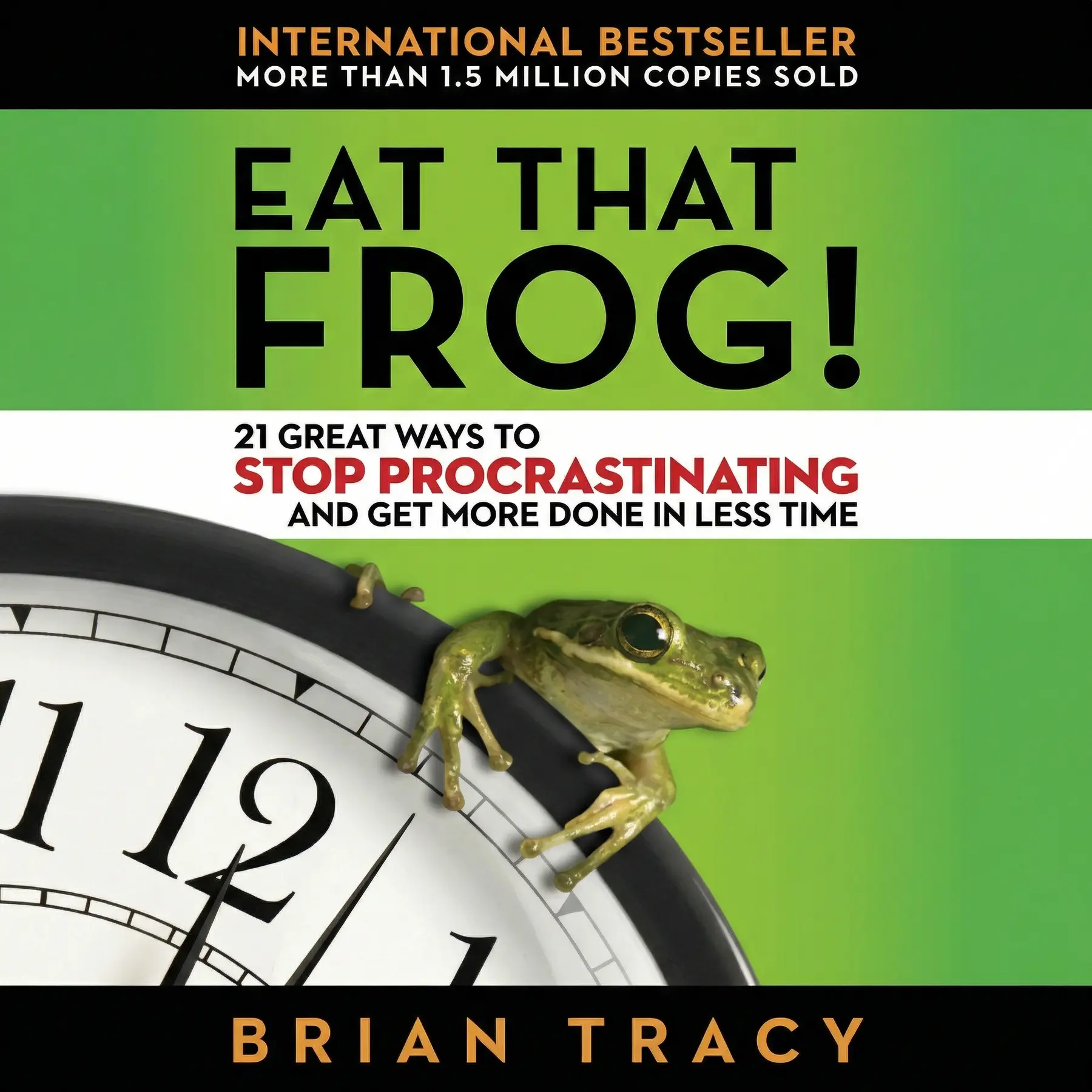
Eat That Frog!: 21 Great Ways to Stop Procrastinating and Get More Done in Less Time
By Brian Tracy
Stop procrastinating and master your schedule with this guide to prioritizing your most impactful tasks. Learn how to identify your biggest challenges and tackle them first for maximum daily success.
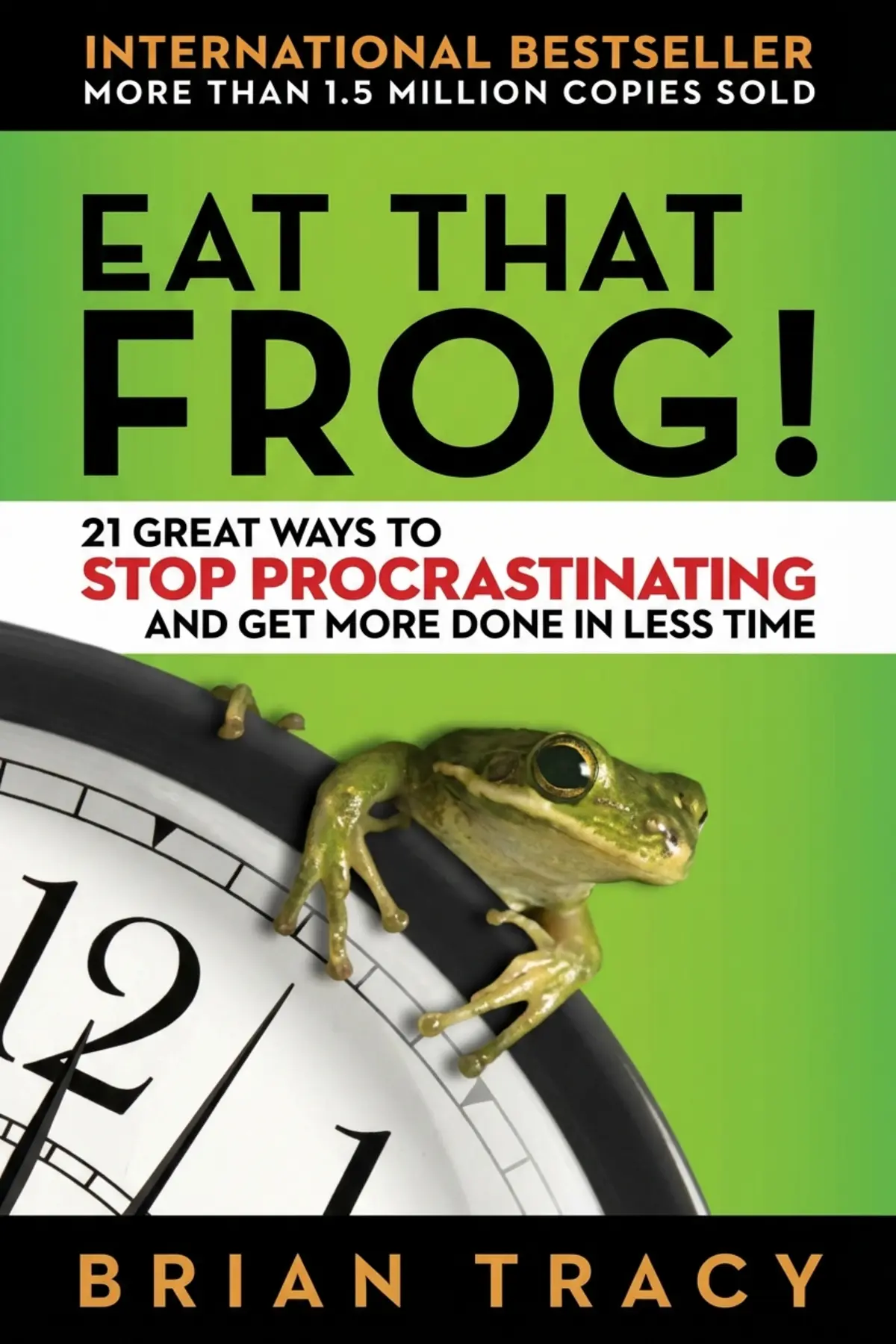
Table of Content
1. Introduction
2 min 00 sec
We have all been there. You wake up with a long list of responsibilities, and by the end of the day, you feel drained, yet that one major project is still looming over you. You might find yourself saying that there simply aren’t enough hours in the day or wondering how others seem to manage their time so effortlessly. The truth is that we will never have enough time to do everything. Our modern world is designed to overwhelm us with infinite choices and endless streams of information.
However, the secret to success isn’t about checking every single box on your list. It is about learning how to choose the right boxes. Productivity is less about speed and more about direction. If you can learn to distinguish between the tasks that truly move the needle and those that merely keep you busy, you can unlock a level of effectiveness you never thought possible. This journey is about more than just a life overhaul; it is about small, disciplined changes in how you approach your morning and your most daunting challenges.
In this exploration, we are going to look at the concept of ‘eating the frog.’ This is a vivid metaphor for starting your day with the one thing you are most likely to procrastinate on—the biggest, hardest, and most important task on your plate. By mastering this habit, you become the commander of your schedule rather than its servant. Over the next several segments, we will dive into how to set clear goals, prioritize with surgical precision, and maintain the mental energy required to stay focused in a world full of distractions. Let’s begin by looking at how the right plan can clear the fog of procrastination.
2. The Power of Written Goals and Clarity
2 min 20 sec
Discover why the simple act of writing down your objectives can make you five times more productive than those who keep their plans in their heads.
3. Applying the 80/20 Rule to Your Tasks
1 min 56 sec
Learn how to identify the critical twenty percent of your tasks that yield eighty percent of your results, allowing you to ignore the trivial many.
4. Ranking Priorities with the ABCDE Method
2 min 28 sec
Master a simple lettering system to organize your daily schedule and ensure your most vital projects never get pushed aside by minor chores.
5. Optimizing Your Skills and Environment
2 min 12 sec
Find out how preparing your workspace and continuously upgrading your talents can remove the friction that leads to procrastination.
6. Maximizing Energy and Positive Thinking
2 min 16 sec
Learn why your physical health and internal dialogue are the secret engines behind high-level performance and long-term discipline.
7. The Strategy of Creative Procrastination
1 min 45 sec
Understand how to intentionally delay low-value activities so you can dedicate your full attention to the things that truly matter.
8. Identifying Constraints and Building Momentum
2 min 08 sec
Find out how to pinpoint the bottlenecks holding you back and use the ‘vacation trick’ to create a sense of urgency.
9. Time Blocking and Reaching the State of Flow
2 min 06 sec
Learn how to schedule your day into dedicated blocks of focus to achieve the effortless, high-performance state known as flow.
10. Conclusion
1 min 48 sec
As we wrap up this exploration of productivity, it is important to remember that the goal isn’t just to do more work. The goal is to do the work that matters, so you can have more time for the people and activities you love. Success is a result of the habits we cultivate every single day. By starting each morning with your biggest ‘frog,’ you set a tone of accomplishment that carries through everything else you do.
We have covered the importance of clarity, the power of writing down your goals, and the necessity of focusing on the top twenty percent of your tasks. We have looked at how to rank your priorities using the ABCDE method and how to prepare your environment and your mind for success. We’ve even discussed the strategic value of creative procrastination and the importance of physical energy and positive self-talk.
Now, the challenge is to move from theory to action. Knowledge is only potential power; it only becomes real power when you apply it. Look at your list for tomorrow and identify your biggest, ugliest frog. Don’t overthink it, and don’t look for excuses. Just wake up and eat that frog. Once you make this a habit, you will find that the obstacles that once seemed insurmountable begin to crumble. You have the tools, you have the plan, and you have the potential. All that is left is to begin. Start today, stay dedicated, and watch as you transform your life one frog at a time.
About this book
What is this book about?
Have you ever felt like your to-do list is a never-ending mountain, leaving you exhausted but with little to show for your efforts? This book addresses the universal struggle of modern life: having too much to do and too little time to do it. The central promise is that you can reclaim your productivity not by working more hours, but by changing which tasks you choose to focus on. The core philosophy centers on the metaphor of 'eating a frog'—tackling your most difficult and significant task first thing every morning. By identifying these high-value activities and developing the discipline to complete them without distraction, you can transform your career and personal life. The book provides a practical framework for goal setting, time management, and self-discipline that allows anyone to move from a state of constant busyness to one of meaningful achievement.
Book Information
About the Author
Brian Tracy
Brian Tracy is the bestselling author of over 50 books focused on professional development and personal success. He is also a renowned public speaker who shares his expertise with more than 250,000 people every year through various seminars and conferences.
Ratings & Reviews
Ratings at a glance
What people think
Listeners find this book to be an accessible and pleasant experience that provides enduring productivity advice and functional techniques. Furthermore, they value its inspirational quality, as one listener described it as a life-changing approach to getting things done, along with its utility in managing time, especially for ranking daily responsibilities. The material's directness is also highlighted for giving actionable instructions that listeners can apply immediately, and they appreciate the emphasis on stopping procrastination.
Top reviews
Sin
Finally got around to reading this productivity staple, and it is exactly what my chaotic schedule needed. The central metaphor—eating a live frog first thing in the morning so nothing worse happens all day—is incredibly sticky and effective. Truth is, I used to spend my mornings answering trivial emails while my biggest projects sat gathering dust on my desk. Now, I tackle that 'ugly frog' immediately, which creates a massive sense of momentum that carries me through the afternoon. While some of the corporate anecdotes feel a bit dated, the core advice regarding the 80/20 rule and setting clear priorities is timeless. It’s a very quick read that you can finish in a single afternoon, but the impact on your daily output is immediate. If you are struggling with a never-ending to-do list, stop thinking and just buy it.
Show moreAudrey
Wow, this short read completely shifted my perspective on my morning routine! I used to be a chronic snoozer who started the day in a reactive state, but the 'Eat That Frog' philosophy changed all that. The book is remarkably clear, offering 21 distinct ways to stop procrastinating, though you really only need to master three or four to see a difference. Personally, I found the suggestion to 'prepare thoroughly before you begin' to be the most helpful, as it removes the friction that usually leads me to browse social media instead of working. Not gonna lie, some of the motivational tone is a little 'rah-rah' for my taste, but the results don't lie. My productivity has spiked since I started applying the rule of three every single morning without fail.
Show moreSuwit
After hearing about 'eating the frog' for years in office meetings, I finally decided to go straight to the source and read the original text. It’s rare to find a business book that is this concise and packed with so much immediate value. Tracy understands that the biggest obstacle to success isn't a lack of ability, but a lack of focus. The 21 points are easy to digest, and the actionable tasks at the end of each chapter make it easy to implement the strategies. I especially loved the tip about 'slicing and dicing' tasks into small, manageable pieces to overcome the initial resistance to starting. This book is a life-changer if you actually do the exercises instead of just skimming the pages. Truly a must-read for anyone serious about their career.
Show moreChon
To be fair, Brian Tracy isn’t reinventing the wheel here, but sometimes you just need a swift kick in the pants to get moving. This book functions like a high-energy seminar condensed into a few dozen pages, focusing heavily on actionable steps rather than deep theory. I particularly appreciated the ABCDE method for prioritizing tasks, which helped me realize how much time I was wasting on 'D' and 'E' tasks that didn't actually matter. Gotta say, the writing style is a bit repetitive, and the formatting with all the bold text can feel like a shouting match at times. However, the 'Law of Three' section alone was worth the price of admission for me. It’s not a literary masterpiece, but as a practical guide for beating back the urge to procrastinate, it definitely delivers the results it promises.
Show morePrapaiwan
Ever wonder why you spend all day being 'busy' without actually accomplishing anything of substance? Tracy addresses this head-on by forcing the reader to identify their key result areas and stay focused on them until completion. The 'one oil barrel at a time' analogy for breaking down massive projects was a highlight for me, as it made my daunting quarterly goals feel manageable. I did find some of the tips, like the ones about technology, to be a bit basic for anyone who grew up with a smartphone. Nevertheless, the emphasis on single-handling a task until it's 100% finished has already saved me hours of 'switching cost' lost time. It’s a solid, no-nonsense manual for anyone who needs to sharpen their professional focus and stop making excuses for their lack of progress.
Show moreSangduan
The chapter on creative procrastination was a total game-changer for me because it gave me permission to stop feeling guilty about the small stuff. We are always told we have to do everything, but Tracy argues that you should intentionally put off tasks that are low-value. In my experience, this is the only way to actually make time for the big 'frogs' that move your career forward. The writing is punchy and direct, with very little fluff, which I appreciate in a productivity book. My only real gripe is that it feels a bit like a collection of blog posts rather than a deep dive. Still, if you need a clear, step-by-step framework to get your life in order, this provides a very solid foundation.
Show moreArthit
Look, if you're looking for a deep psychological dive into the 'why' of human behavior, you should definitely look elsewhere. This book is strictly about the 'how'—how to plan your day, how to prioritize, and how to execute. It’s incredibly practical and doesn't waste your time with unnecessary filler or complex jargon. I started using the ABCDE method immediately and it has cleared up so much mental space during my work hours. I did find the author's take on 'flow' a bit confusing compared to the original research, but his main point about developing a sense of urgency is well-taken. It’s a great tool to keep on your desk for those days when you feel overwhelmed by your inbox and don't know where to start.
Show moreDiego
As someone who struggles with chronic procrastination, I found some of the advice here a bit too 'bootcamp' for my taste. It’s very much a book for sales professionals and executives, which makes some of the examples hard to translate into a creative or freelance workflow. I liked the concept of the '20% tasks' that yield '80% results,' but the book tends to ignore the reality of burnout. It’s all about speed and urgency, which can be exhausting if you don't balance it with some of the more rhythmic advice found in books like 'The Accidental Creative.' To be fair, the summaries at the end of each chapter are quite helpful for a quick refresher. It’s a decent entry-level guide to time management, but it lacks the psychological depth I was hoping to find.
Show moreSaovapa
Not what I expected given the hype, but I can't deny that the 'single-handle every task' rule actually works when I remember to apply it. The book is essentially a list of 21 tips, and while some are brilliant, others feel like they were included just to hit a specific chapter count. I found the formatting to be a bit distracting; there’s so much bolding and underlining that it feels like the book is constantly shouting at you. That being said, the 80/20 rule application is explained very well here for beginners. It's a quick, easy read that serves as a good reminder of the basics, even if it doesn't offer anything revolutionary. If you've never read a time-management book before, this is a perfect place to start, but veterans might find it a bit repetitive.
Show morePranee
This felt more like a long, dated PowerPoint presentation than a cohesive book. The author relies on a lot of generic 'success' quotes from people I've never heard of, which makes the whole experience feel a bit superficial. It’s very much geared toward the 90s-era corporate ladder-climber, emphasizing a 'work-work-work' mentality that doesn't leave much room for creativity or mental health. Frankly, the advice to just 'put more pressure on yourself' felt counterproductive to someone who is already stressed out. I did take away the idea of creative procrastination—the notion that you must consciously choose what to neglect—but the rest was repetitive bunkum. If you’ve already read 'Getting Things Done,' you can safely skip this one. It's essentially 21 chapters of the same three ideas repeated until you’ve memorized them through sheer exhaustion.
Show more
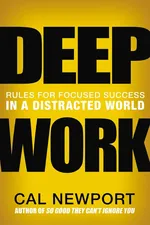
Readers also enjoyed
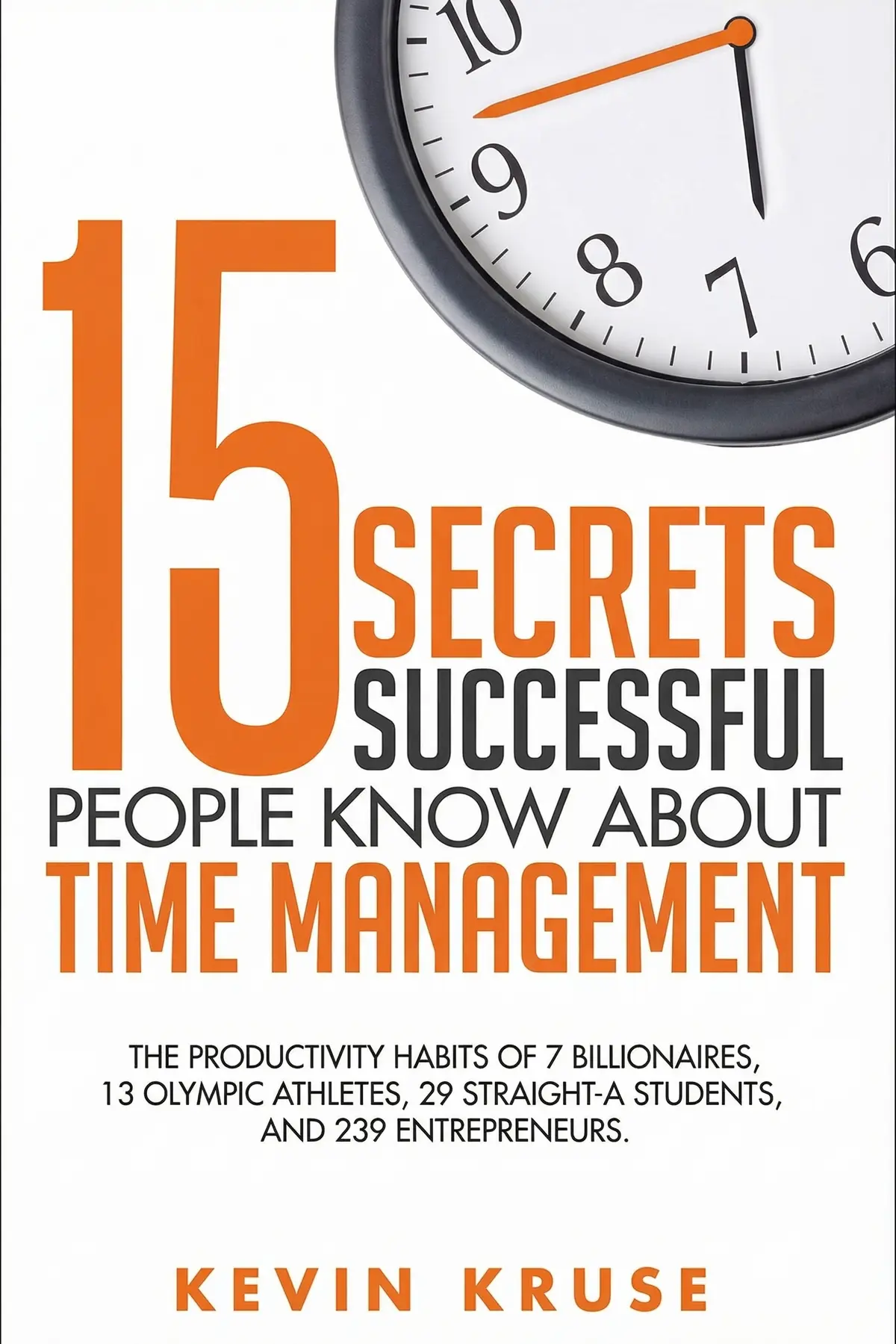
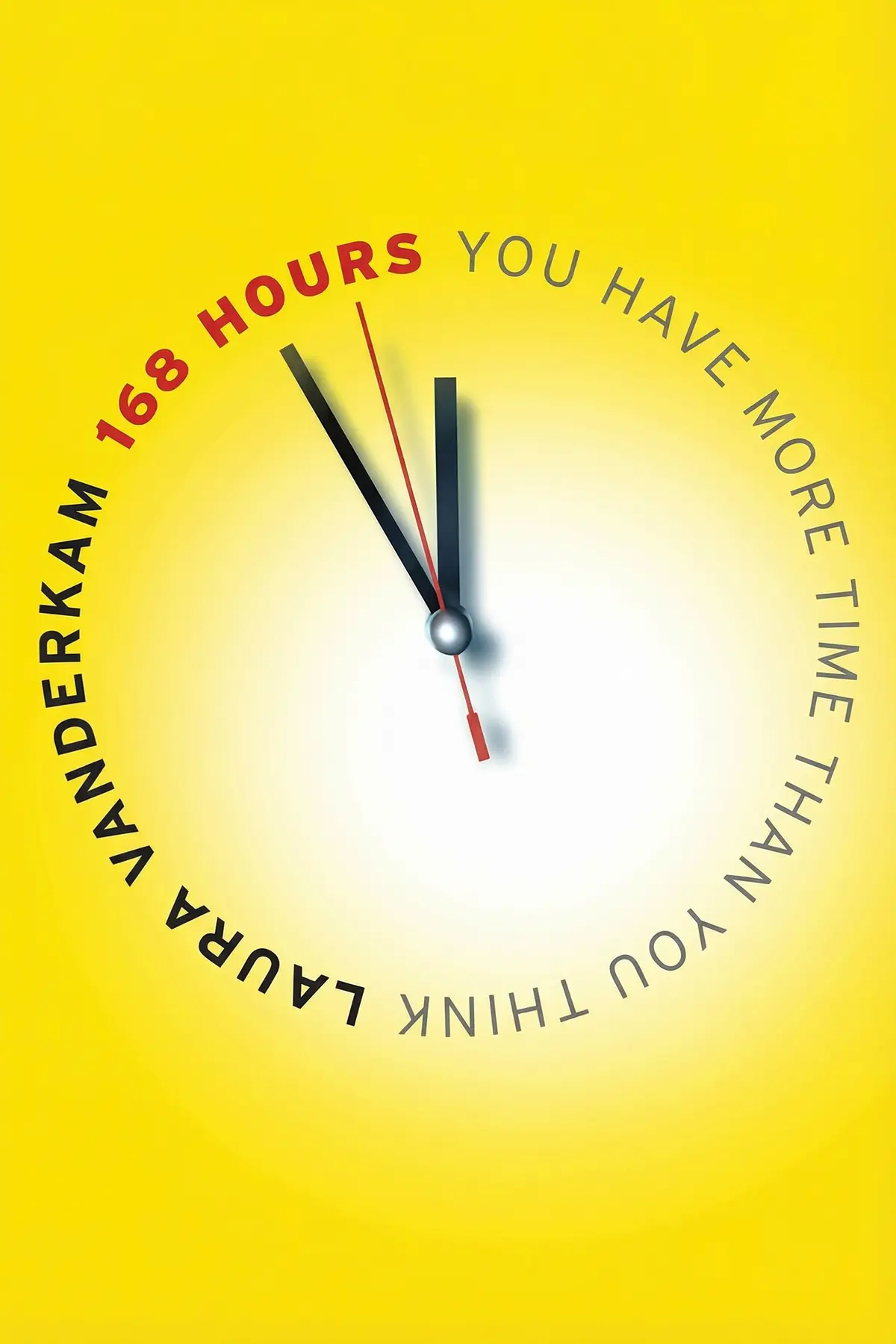
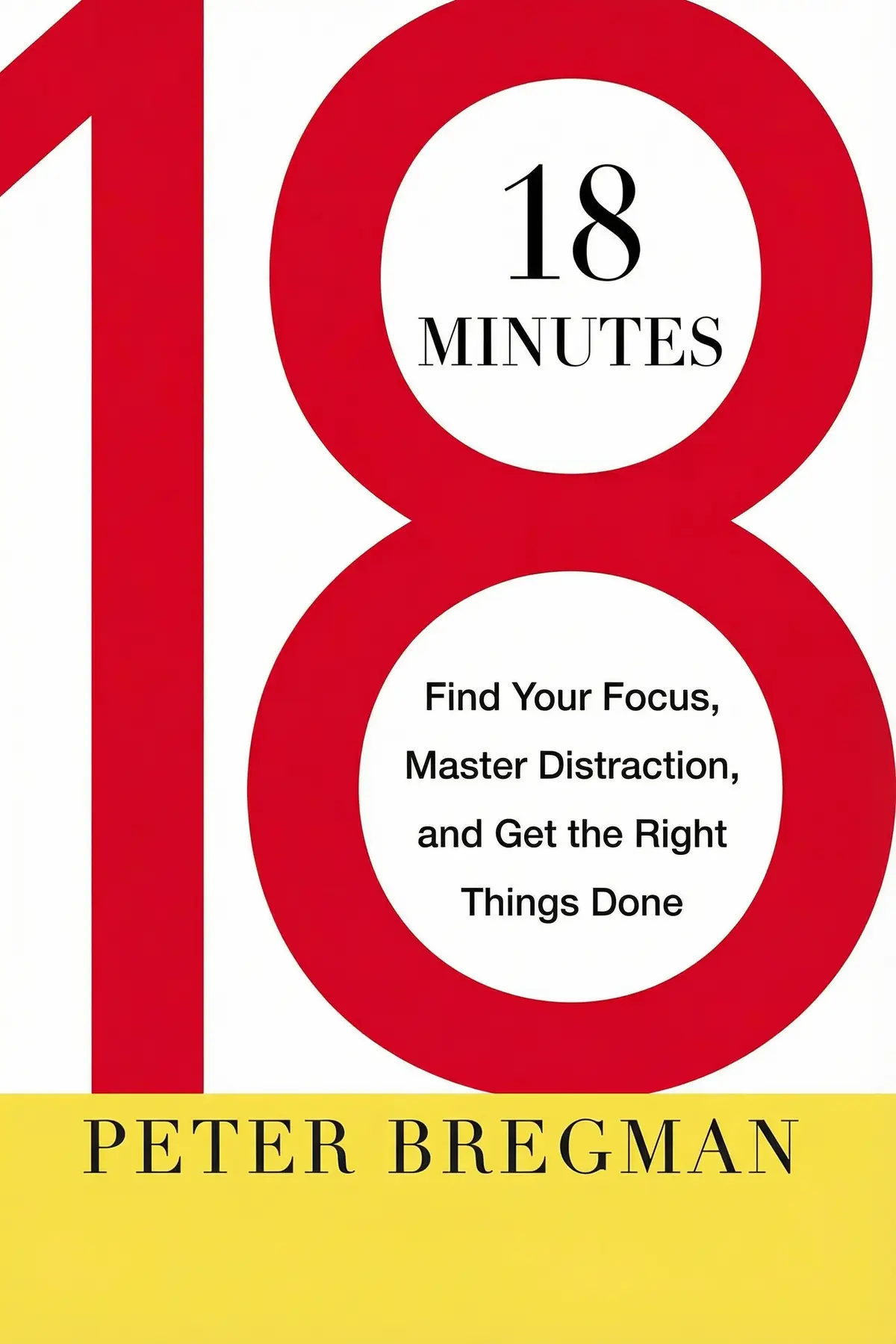
AUDIO SUMMARY AVAILABLE
Listen to Eat That Frog! in 15 minutes
Get the key ideas from Eat That Frog! by Brian Tracy, plus 5,000+ more titles in English and Thai.
- 5,000+ titles
- Listen as much as you want
- 7-day free trial
- Cancel anytime







