
23 min 18 sec
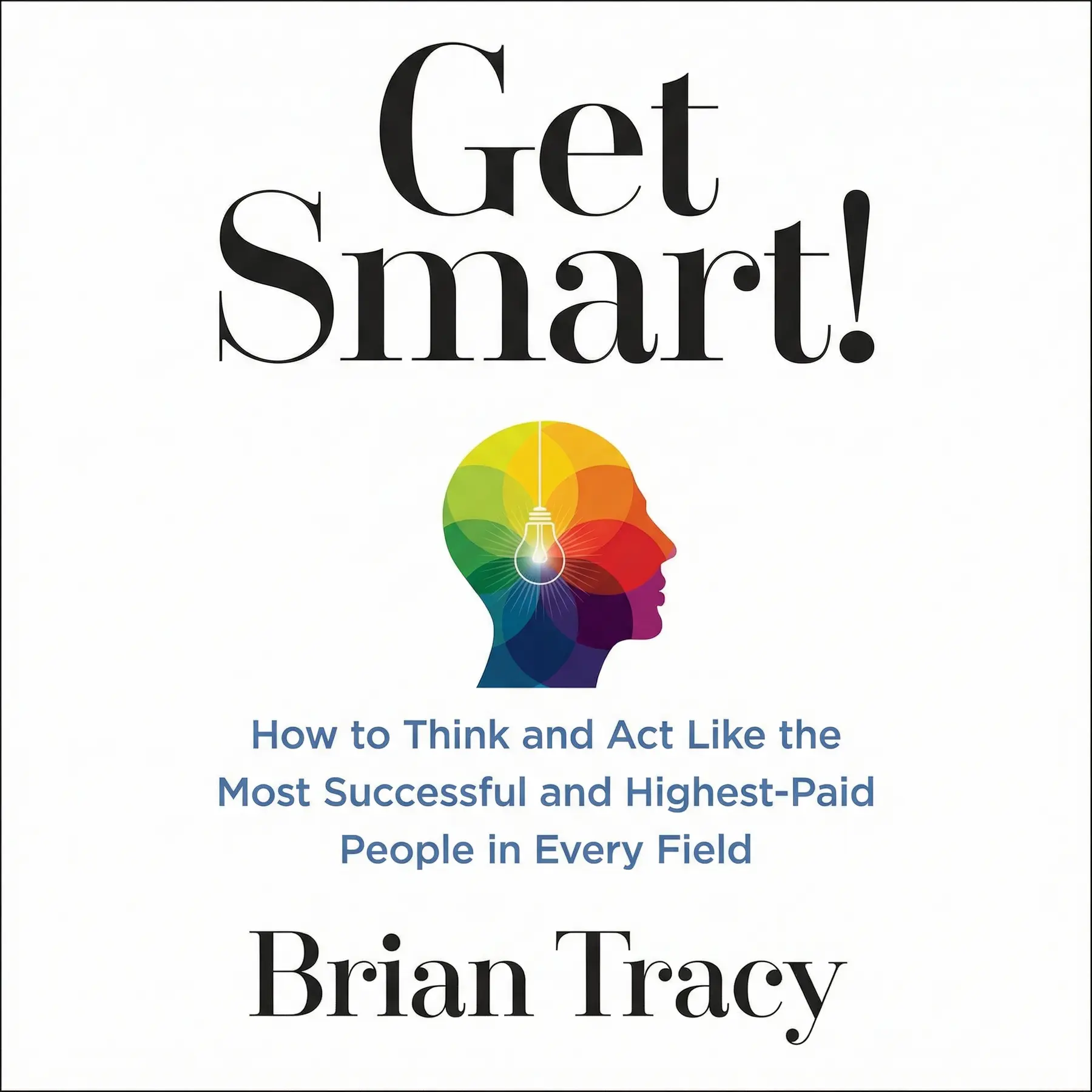
Get Smart!: How to Think and Act Like the Most Successful and Highest-Paid People in Every Field
By Brian Tracy
Get Smart! reveals how to unlock your brain’s hidden potential. By shifting your perspective and adopting the habits of the world's most successful people, you can sharpen your decision-making and achieve financial independence.
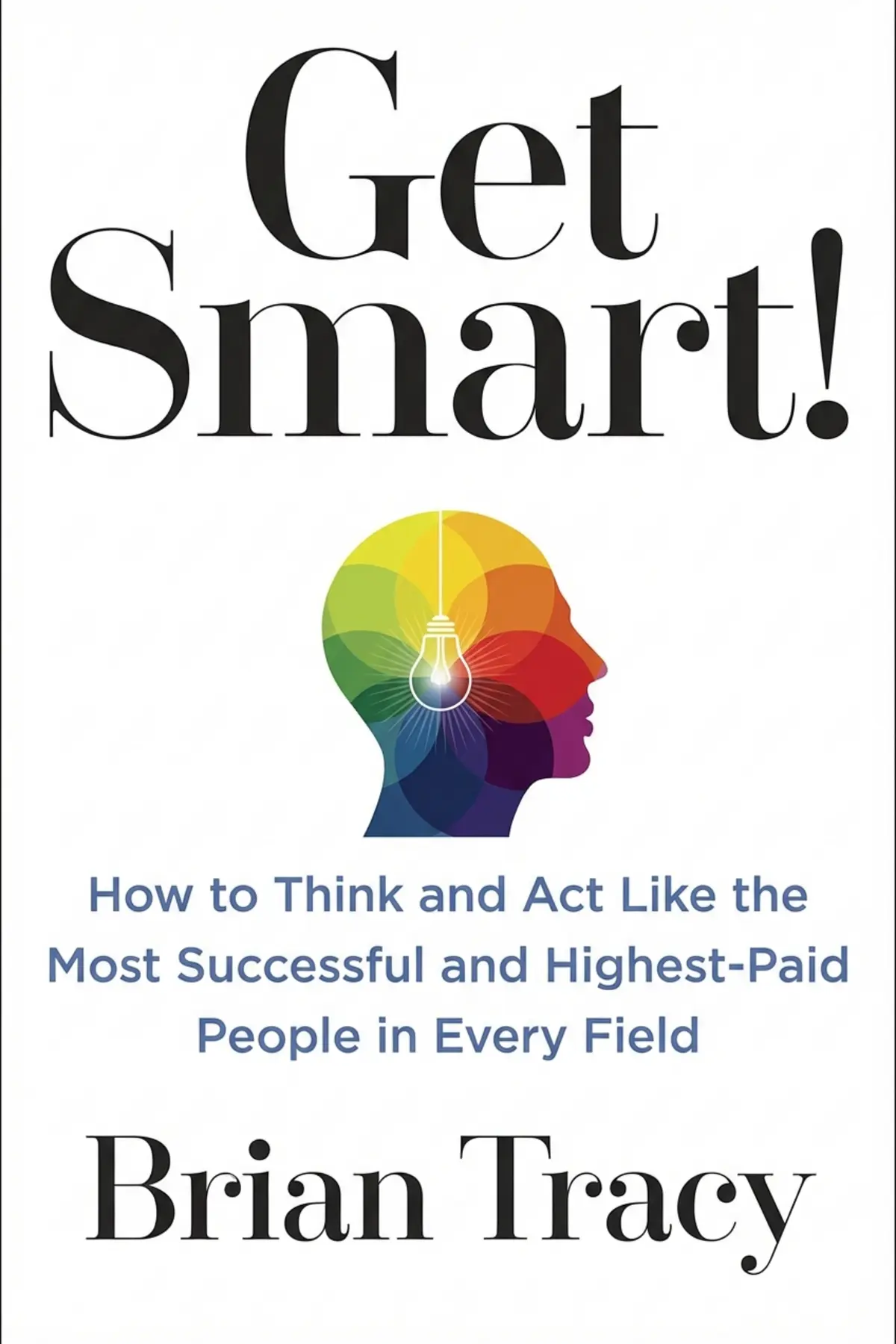
Table of Content
1. Introduction
1 min 39 sec
Have you ever looked at someone who seems to have it all—the career, the financial freedom, the razor-sharp wit—and felt like they were simply born with a different kind of brain? It is easy to fall into the trap of believing that creativity, mathematical prowess, or leadership skills are innate gifts that some of us just didn’t receive. However, the reality is far more encouraging. The brilliance we admire in others is rarely a matter of superior genetics; instead, it is about how they choose to use the mental hardware we all share. Most of us are walking around with a supercomputer in our heads but are only using it to perform basic addition.
In this exploration of Get Smart!, we are going to look at how you can bridge the gap between your current performance and your true potential. Brian Tracy, a legendary figure in personal development, argues that success is a result of specific thinking patterns that anyone can adopt. We will dive into the mechanics of your mind, examining why shifting your perspective is the necessary first step toward any major life change. This isn’t just about positive thinking; it’s about tactical thinking.
Throughout this journey, we’ll uncover the secrets of long-term planning, the power of slow deliberation, and the importance of questioning every assumption you hold. We will see why many businesses fail and how a scientific approach to your own ideas can save you from years of wasted effort. By the time we reach the end, you’ll have a clear framework for rewriting your internal scripts and aligning your daily actions with your biggest ambitions. The goal is simple: to stop reacting to the world and start designing your place within it. Let’s begin by opening the door to that dormant 98 percent of your brainpower.
2. Expanding Your Mental Horizon
2 min 03 sec
Imagine having a massive bank account but only being able to withdraw a tiny fraction of the funds. This idea explores how we leave most of our brainpower untouched.
3. The Power of the Long View
2 min 27 sec
Success is rarely an accident; it is the result of looking years into the future while taking small, disciplined steps today to make that future a reality.
4. Learning to Think Slowly
2 min 19 sec
In a world that demands instant reactions, the real competitive advantage goes to those who can slow down and use their rational mind for big decisions.
5. The Scientific Mindset in Business
2 min 02 sec
Success in the marketplace isn’t about having a great idea; it’s about having a valid one. Learn why trying to disprove your own product is the path to profit.
6. The Architecture of Clear Goals
2 min 15 sec
Only three percent of adults have clear, written goals. This small group consistently outperforms the other 97 percent combined. Here is how to join them.
7. Maximizing Your Earning Potential
2 min 12 sec
Many of us carry a ‘schoolyard’ mentality into the office, wasting hours on ‘play’ while our true earning ability suffers. It’s time to apply the Law of Three.
8. The Necessity of a Flexible Mind
2 min 04 sec
In a changing world, being right is less important than being adaptable. Zero-based thinking is the tool that keeps you from going down with a sinking ship.
9. Choosing Creativity Over Mechanics
2 min 09 sec
Mechanical thinkers fear failure and stick to the status quo. Creative thinkers see every problem as a puzzle waiting for a solution. Which one are you?
10. Adopting the Wealthy Mindset
2 min 13 sec
Becoming rich is not a matter of luck; it is a matter of law. The Law of Correspondence says that your outer world will always reflect your inner state.
11. Conclusion
1 min 55 sec
As we wrap up our look at Get Smart!, it’s important to remember the central theme: you have far more power over your life than you might realize. The difference between those who reach the top of their fields and those who stay stuck isn’t a matter of innate intelligence, but a matter of mental discipline. We have explored the massive potential of the human brain and the necessity of shifting your perspective to see the ‘whole elephant.’ We’ve seen how long-term thinking provides a roadmap for success, and how slowing down your decision-making process can save you from costly mistakes.
We’ve also discussed the practical tools of high achievers—the GOSPA model, the Law of Three for productivity, and the ruthless honesty of zero-based thinking. You now know that only three percent of people have written goals, and by simply taking the time to put your ambitions on paper, you place yourself in that elite group. You understand that your earning ability is your most valuable asset and that you must protect it by working while you are at work.
Ultimately, the takeaway from Brian Tracy’s philosophy is that you must become the master of your own mind. You have to stop letting your thoughts pop like bubbles and start directing them toward your major purpose. This requires a commitment to lifelong learning and a willingness to see every failure as a gift—a chance to learn and start again more intelligently. As Henry Ford famously said, hardships are just opportunities to make things better.
The path to becoming one of the most successful and highest-paid people in your field is not a mystery; it is a series of deliberate choices. Start today by writing down your goals, identifying your most important tasks, and questioning your existing assumptions. If you change your inner world by adopting a wealthy, flexible, and creative mindset, your outer world will have no choice but to follow. You have the hardware; now it’s time to run the right software. Go out there and get smart.
About this book
What is this book about?
Get Smart! is a deep dive into the cognitive strategies used by high achievers to navigate a complex world. The book operates on the premise that most people use only a fraction of their mental capabilities, leaving a massive reservoir of talent untouched. Brian Tracy outlines a practical framework for expanding this capacity through long-term planning, disciplined focus, and creative problem-solving. The promise of the book is that intelligence is not a fixed trait but a set of skills that can be developed. By learning to think slowly, setting clear written goals, and applying zero-based thinking to life’s challenges, you can dramatically increase your earning potential. Whether you are looking to revitalize your career, build a business, or simply manage your time more effectively, these mental tools provide a roadmap for moving from reactive thinking to proactive success.
Book Information
About the Author
Brian Tracy
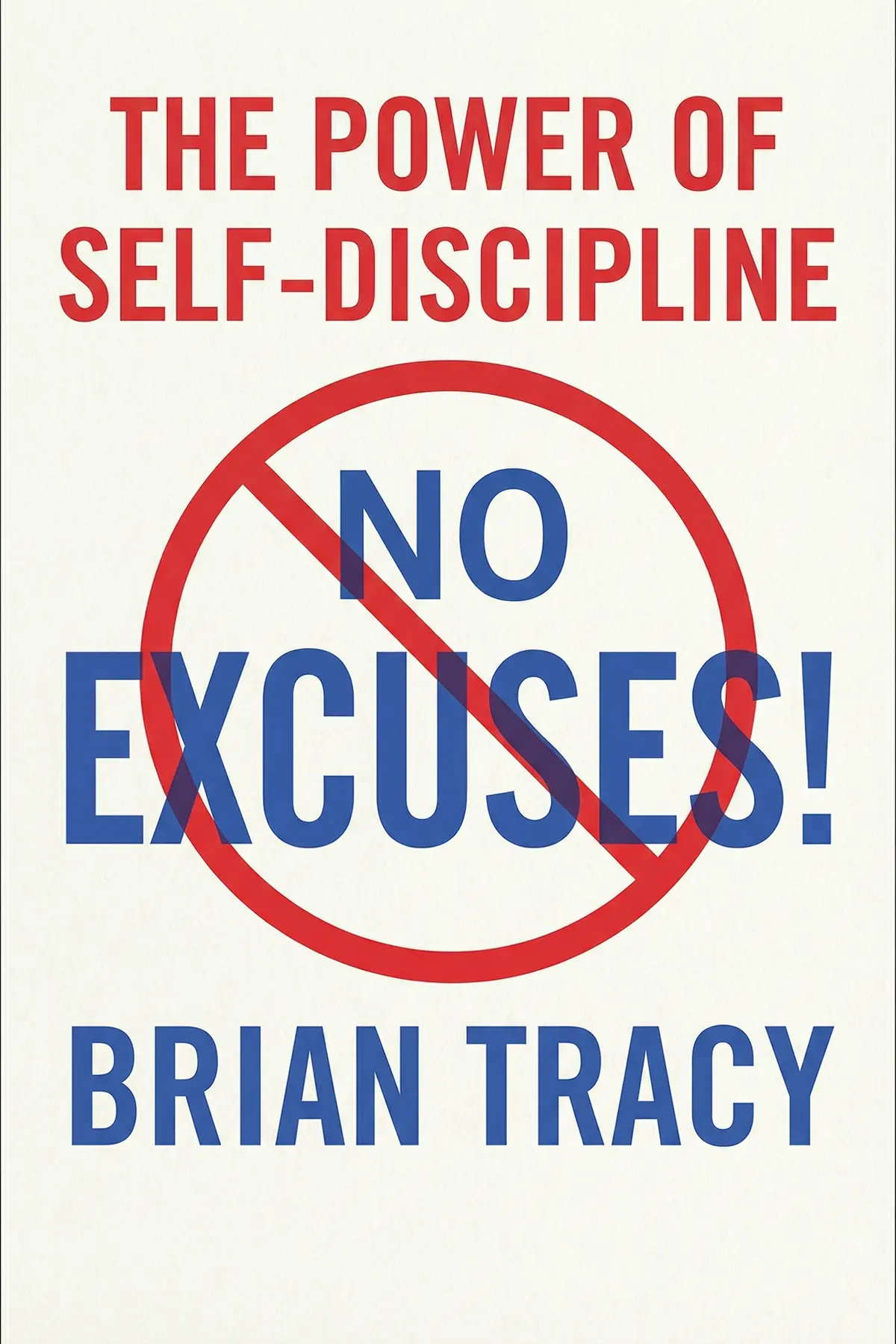
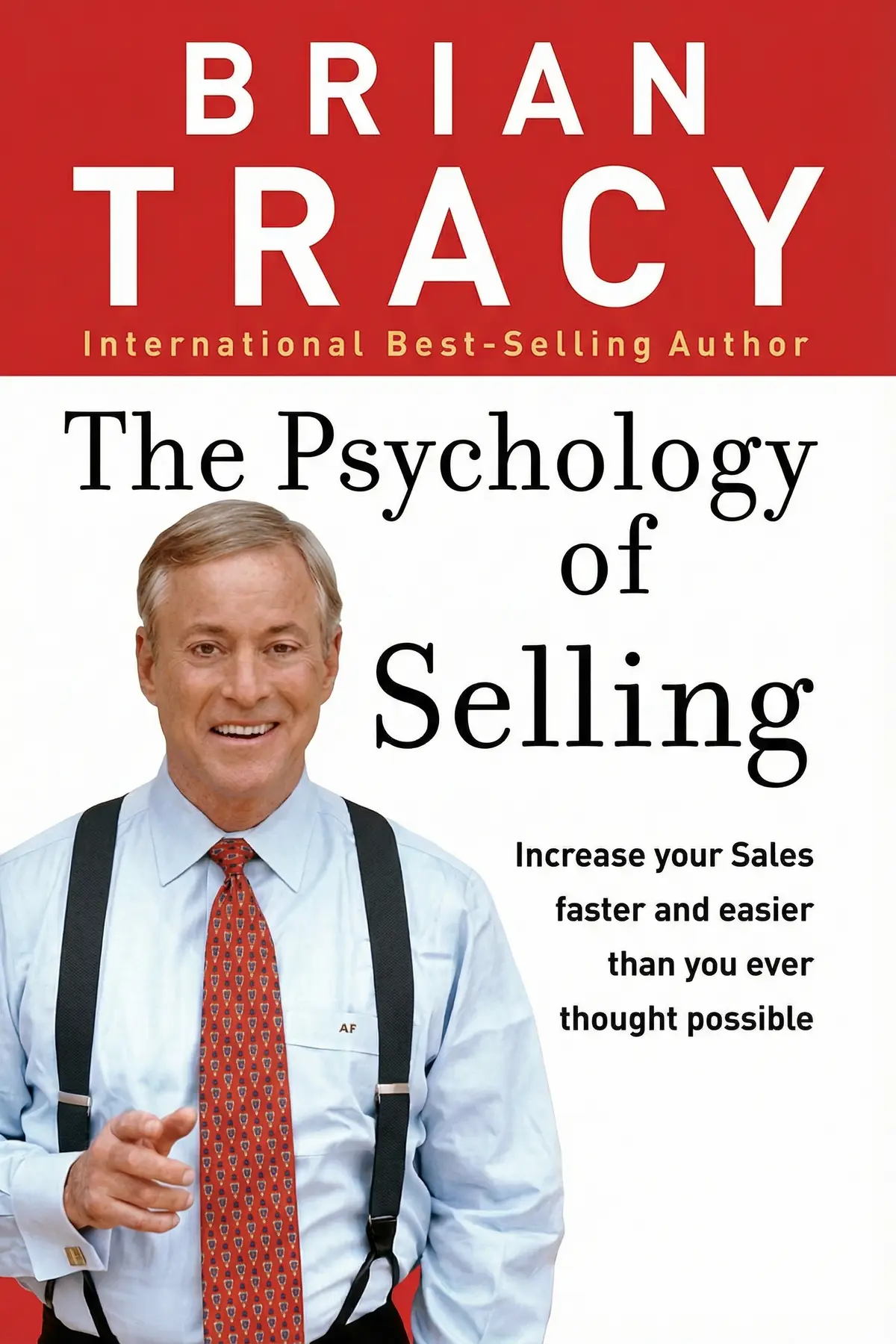
Brian Tracy is a world-renowned expert and the best-selling author of more than a dozen influential books covering the fields of business, philosophy, and economics. He serves as the CEO of Brian Tracy International, an organization dedicated to helping both individuals and large corporations enhance their performance and well-being. His extensive body of work includes widely recognized titles such as No Excuses!: The Power of Self-Discipline and The Psychology of Selling.
Ratings & Reviews
Ratings at a glance
What people think
Listeners consider this work both useful and perceptive, offering numerous small suggestions that are simple to understand and implement. They value the way it assists in constructing mental frameworks and establishing effective routines, resulting in an encouraging and uplifting experience. The material earns high marks, with one listener highlighting its ability to assist in organizing various areas of daily living.
Top reviews
Pear
Finally got around to reading this Brian Tracy classic, and I must say it lives up to its reputation for being concise. There is absolutely no fluff here, which is a breath of fresh air compared to most 300-page business books that should have been blog posts. I found the 'Seven Rs of Superior Thinking' to be particularly impactful, especially the sections on reengineering and reinventing your current workflows. It’s not just about working harder; it’s about the mental framework you apply to every challenge. While some might find the tone a bit repetitive if they’ve read Tracy before, the systematic problem-solving methods provided are worth the price of admission alone. It helps you compartmentalize different aspects of your life so you aren't overwhelmed by the big picture. Highly recommended for those needing a mental reset and some actionable structure.
Show moreWittaya
Wow, what a punchy read! Tracy doesn't waste your time with long-winded stories; he gets straight to the actionable advice. Personally, I loved the distinction he makes between the habits of high-performers and everyone else. It’s not about being 'born smart,' it’s about adopting a sharp, creative mind that sees opportunities where others see obstacles. I’ve started using the systematic problem-solving method he outlines, and it’s already helped me clear a major hurdle at work. The book is a great reminder that our external world is a reflection of our internal thought patterns. If you change your thinking, you really can change your life. It’s an inspiring read that I’ll likely revisit whenever I feel my discipline starting to slip. Definitely worth a spot on your shelf if you value efficiency.
Show moreTum
Ever wonder why some people just seem to 'get' it while others struggle? This book attempts to answer that by looking at the mental frameworks of the highest-paid people in every field. In my experience, the 'Seven Rs' Tracy outlines—rethinking, reorganizing, etc.—are the most valuable parts of the text. They provide a checklist for your brain to ensure you aren't just stuck in a rut. I also found the section on avoiding distractions and focusing on 'long-time perspective' to be very relevant in today’s smartphone-addicted world. It’s a relatively small book, but it’s packed with information that is easy to comprehend and apply immediately. It's not a literary masterpiece, but as a manual for better thinking, it's top-notch. I’ve already recommended it to several colleagues who are looking to level up their strategy.
Show moreMarco
The chapter on negative emotions alone changed my entire week. Brian Tracy argues that it is impossible to feel things like envy or resentment without first blaming someone else for your situation. That hit home for me. Once you accept 100% responsibility for your life—even the parts that weren't your fault—you gain a sense of control that is incredibly liberating. The book is short, but it's packed with these little nuggets of wisdom that force you to reevaluate your internal dialogue. I did find the focus on money a bit heavy at times, and I don't necessarily agree that financial success is the only indicator of 'smart' thinking. However, the practical tips on avoiding 'learned helplessness' and staying out of the comfort zone are universal. It’s a solid 4-star guide for anyone feeling stuck.
Show morePracha
As someone who struggles with focus, I really appreciated the 'Law of Three' discussed in this book. It’s a simple way to prioritize, but Tracy explains it in a way that actually makes it stick. Most of the advice here isn't 'new' in the sense that you’ve never heard it before—we all know we should exercise, eat well, and set goals—but the way it’s structured as a total thought process is very effective. The writing is straightforward and easy to comprehend, making it a great afternoon read for busy professionals. I took several pages of notes on the 'Seven Rs' because I want to apply them to my current business project immediately. My only gripe is that it can feel a bit like a collection of motivational quotes strung together, but the overall impact is still very positive.
Show moreSun
Picked this up on a whim during a layover and ended up finishing it before I landed. It’s an incredibly motivating read that helps you develop the right habits for success. I particularly liked the step-by-step instructions on goal setting. We’ve all heard it before, but Tracy breaks it down into such a simple process that it feels impossible not to follow through. The tone is very direct and encouraging, which I appreciated during a period of professional transition. It helped me compartmentalize my career goals versus my personal life, making everything feel much more manageable. While some of the 'rich vs poor' comparisons are a little over-the-top, the core message about taking personal responsibility is something everyone needs to hear. It’s a practical, insightful little book that I’d recommend to any young professional.
Show moreHom
Truth is, I wasn't expecting much from another Brian Tracy book, but 'Get Smart!' surprised me with its practicality. It really focuses on the 'how' of thinking better, rather than just telling you to 'be positive.' The actionable advice, like looking for the gift in every problem, has already helped me shift my mindset during a particularly stressful week at the office. I appreciated the emphasis on continuous learning and the reminder to limit television and social media. The book is short and to the point, which makes it perfect for busy people who want the 'meat' without the fluff. It’s an inspiring guide that helps you build the thought processes necessary for long-term success. A few parts felt repetitive, but the overall message is very strong and provides a great framework for growth.
Show moreTuck
Frankly, it’s a bit of a mixed bag for me. On one hand, the book is incredibly easy to read and serves as a fantastic summary of personal development principles. On the other hand, there isn't a single original idea in the entire 150 pages. It’s basically 'Think and Grow Rich' summarized for a modern audience with a bit of a corporate lean. I did appreciate the section on rethinking your future and the importance of daily exercise, but I was hoping for something a bit more profound. It’s helpful as a quick refresher, sure, but it’s more of a highlight reel than a masterclass. The content receives positive marks for being practical, but the lack of depth makes it hard to give it a higher rating. Three stars for being useful but unoriginal.
Show moreAndrew
Look, if you’ve read any self-help book written in the last fifty years, you have already read this book. It feels like a total rehash of Napoleon Hill’s old concepts from the 1930s without adding much modern context. The author spends way too much time pointing out how rich he is and how 'poor people' think incorrectly, which feels elitist and frankly, a bit dated. He draws from psychology frequently, but as someone with a background in the field, it's clear he’s just skimming the surface to support his personal anecdotes. There are some okay reminders about goal setting, but nothing groundbreaking. If you want original insights, keep your hard-earned money and look elsewhere. It’s just regurgitated pearls of wisdom from better thinkers with very little original substance to offer.
Show moreHazel
After hearing so much about Tracy, I was disappointed by the 'Get Smart!' approach. Instead of teaching you how to actually increase your cognitive abilities, it’s mostly about how to think only about money and material gain. The author treats other people like tools to be used on your way to the top, which left a bad taste in my mouth. To be fair, he does understand the business side of things, but his grasp on human development and psychology is superficial at best. He throws around terms that he clearly doesn't fully understand to sound more authoritative to a lay audience. It’s a very 'grow rich' type of book that prioritizes wealth over actual intelligence or character. If you're looking for deep insights into the human mind, this isn't it. It's just a collection of standard business clichés.
Show moreReaders also enjoyed
60 Seconds & You’re Hired!
Robin Ryan
59 Seconds: Change Your Life in Under a Minute
Richard Wiseman
A Guide to the Good Life: The Ancient Art of Stoic Joy
William B. Irvine
AUDIO SUMMARY AVAILABLE
Listen to Get Smart! in 15 minutes
Get the key ideas from Get Smart! by Brian Tracy, plus 5,000+ more titles in English and Thai.
- 5,000+ titles
- Listen as much as you want
- 7-day free trial
- Cancel anytime







