
14 min 05 sec
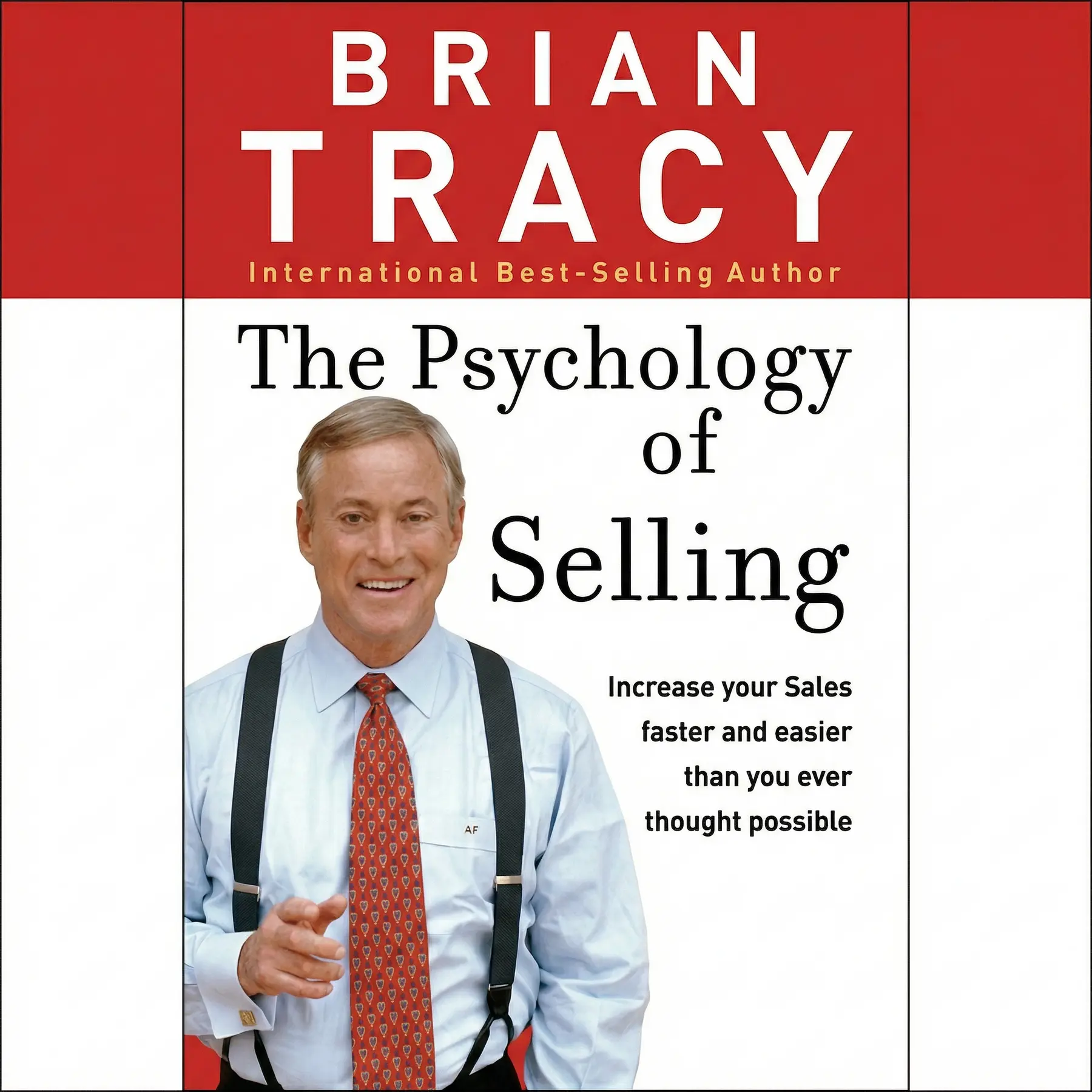
The Psychology of Selling: Increase your sales faster and easier than you ever thought possible
By Brian Tracy
Explore the mental frameworks and behavioral techniques used by elite sales professionals. This guide reveals how to leverage subconscious motivation, build unshakable self-esteem, and master the art of customer trust.
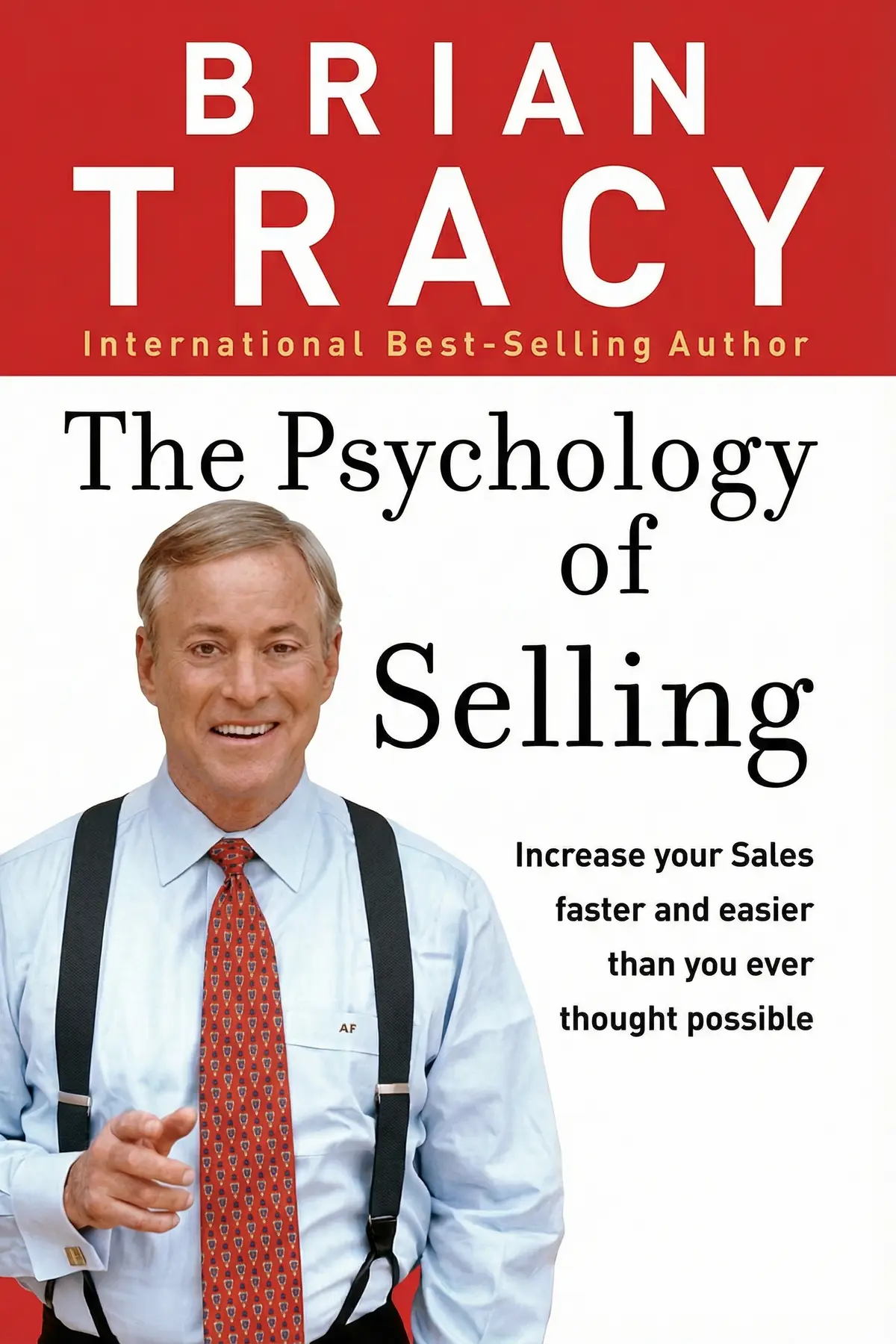
Table of Content
1. Introduction
1 min 47 sec
Have you ever noticed how some people seem to be born with a silver tongue? They walk into a room, strike up a conversation, and before you know it, they’ve closed a deal with a smile and a handshake. For years, many have believed that great salespeople are simply born that way—possessing some innate, magical quality of confidence and charisma that the rest of us just can’t replicate. But the truth is far more encouraging. Selling isn’t an inherited trait; it is a specialized craft, a psychological game that anyone can learn to play at a high level.
In this summary of Brian Tracy’s classic insights, we are going to peel back the curtain on the mental mechanics of high-performance sales. We aren’t just talking about memorizing scripts or learning how to push a pen into a client’s hand. We’re exploring the deep-seated psychological drivers that influence both the seller and the buyer.
Through this journey, we’ll establish a throughline: success in sales is an inside-out process. It begins with your internal self-talk and your subconscious motivations, and it extends outward to how you perceive the needs, fears, and social desires of your prospects. You will discover why your own self-esteem is actually your most valuable sales tool, why the people you spend time with can either inflate or deflate your commission checks, and how to navigate the delicate balance between a customer’s fear of loss and their desire for gain. By the end of this session, you’ll see that selling isn’t about convincing people to do something they don’t want to do—it’s about understanding them so well that the sale becomes a natural, helpful conclusion to a meaningful interaction.
2. Programming Your Subconscious for Achievement
1 min 55 sec
Discover why your inner drive is more than just willpower. Learn how to feed your subconscious mind the right fuel to keep you moving when things get tough.
3. The Direct Link Between Self-Esteem and Sales
1 min 53 sec
Your bank account often reflects your self-image. Learn how positive self-talk and mental rehearsal can dramatically shift your professional performance.
4. Cultivating an Environment of Excellence
1 min 53 sec
Growth doesn’t happen in a vacuum. Understand how your social circle and your commitment to daily learning dictate your professional ceiling.
5. Uncovering Needs Through Intentional Questioning
1 min 34 sec
Stop pitching and start listening. Learn why the best sales presentations are built on the answers to your customer’s deepest concerns.
6. The Emotional Logic of Status and Recognition
1 min 38 sec
Logic sells, but emotion buys. Explore how the desire for social standing and personal transformation drives consumer behavior.
7. Building Trust to Overcome the Fear of Loss
1 min 53 sec
The biggest obstacle to any sale is the customer’s fear of making a mistake. Learn how to bridge the gap with credibility and emotional anticipation.
8. Conclusion
1 min 32 sec
As we wrap up this exploration of the psychological landscape of sales, it’s clear that the ‘secret’ to success isn’t found in a magic phrase or a hidden trick. Instead, it’s found in the disciplined mastery of your own mind and a deep, empathetic understanding of others. We’ve seen that the throughline of every great sales career is the internal work: the subconscious programming that keeps you motivated, the self-esteem that keeps you resilient, and the commitment to growth that keeps you sharp.
You now understand that customers aren’t just looking for features; they are looking for solutions to their problems and symbols of their status. Most importantly, they are looking for someone they can trust to guide them through the fear of making a financial mistake. By shifting your focus from ‘making a sale’ to ‘helping a person,’ you transform the entire dynamic of the interaction.
If there is one actionable step you should take today, it’s this: start that list we talked about earlier. Take a piece of paper and write down at least twenty specific reasons why you want to be successful in your sales career. Include the big dreams and the small, personal desires. Keep this list where you can see it. Let it become the fuel for your subconscious mind, and use it to drive you forward as you apply these psychological principles to every conversation you have. When your internal ‘why’ is strong enough, the ‘how’ becomes a skill you can—and will—perfect.
About this book
What is this book about?
The Psychology of Selling explores the internal and external factors that separate top-tier sales professionals from the rest of the pack. Rather than focusing solely on aggressive tactics or technical product knowledge, it dives into the mental game: how your own self-image dictates your success and how understanding the hidden emotional drivers of your customers can transform your conversion rates. Listeners will learn how to reprogram their subconscious minds for success, the importance of continuous professional development, and how to shift their perspective from selling a product to providing a solution. The book promises to provide a roadmap for anyone looking to increase their sales results by mastering the subtle art of human connection and psychological influence.
Book Information
About the Author
Brian Tracy
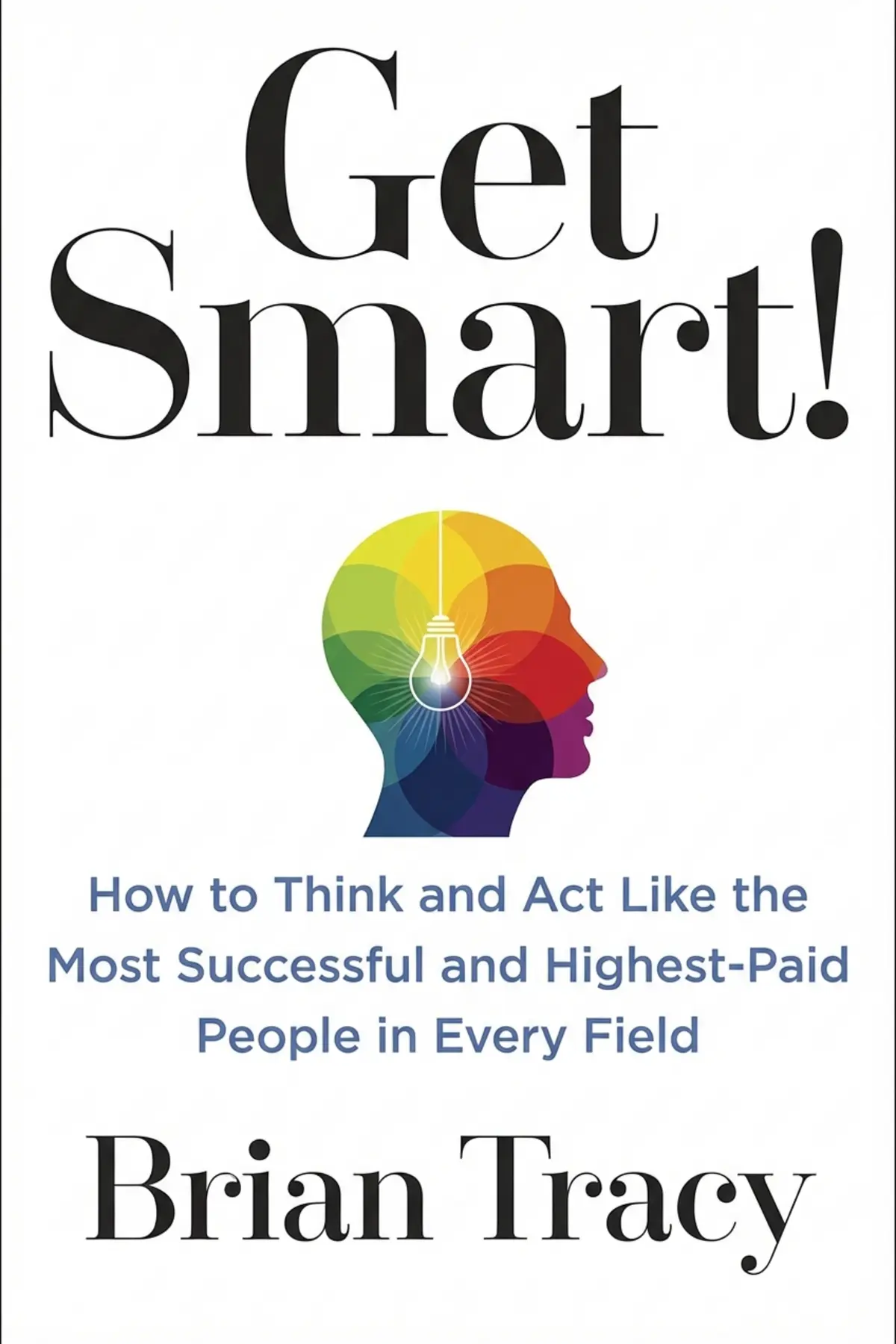
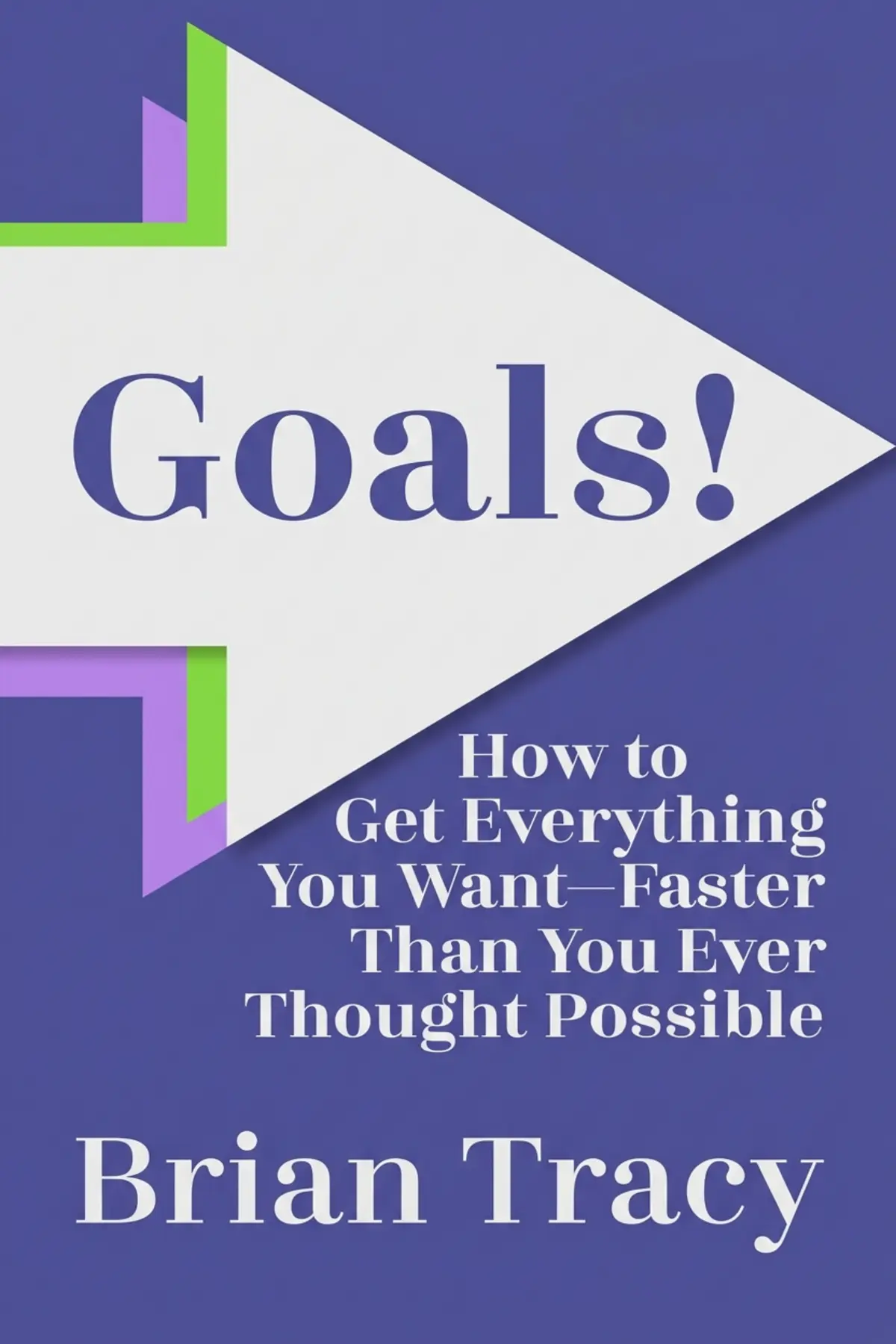
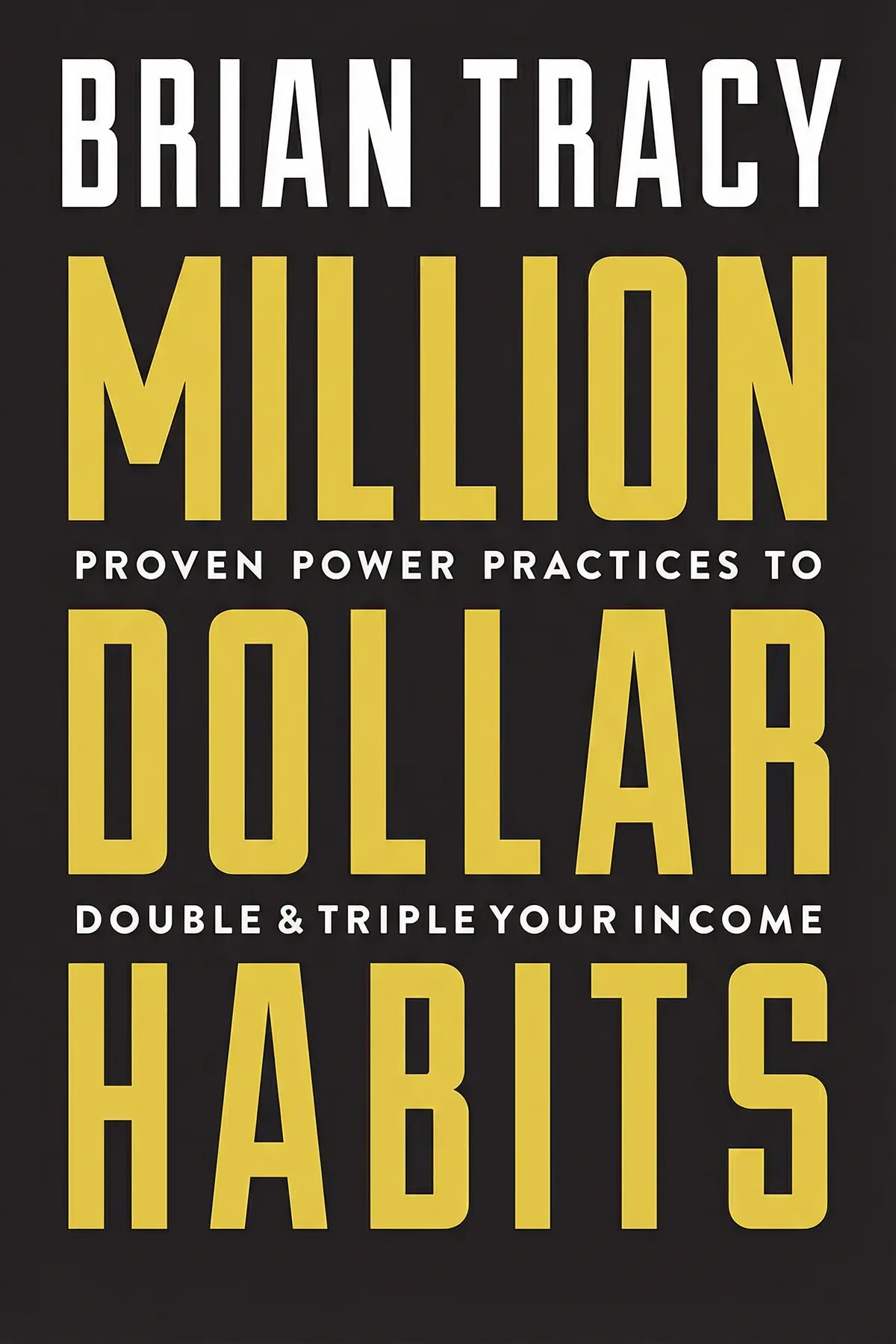
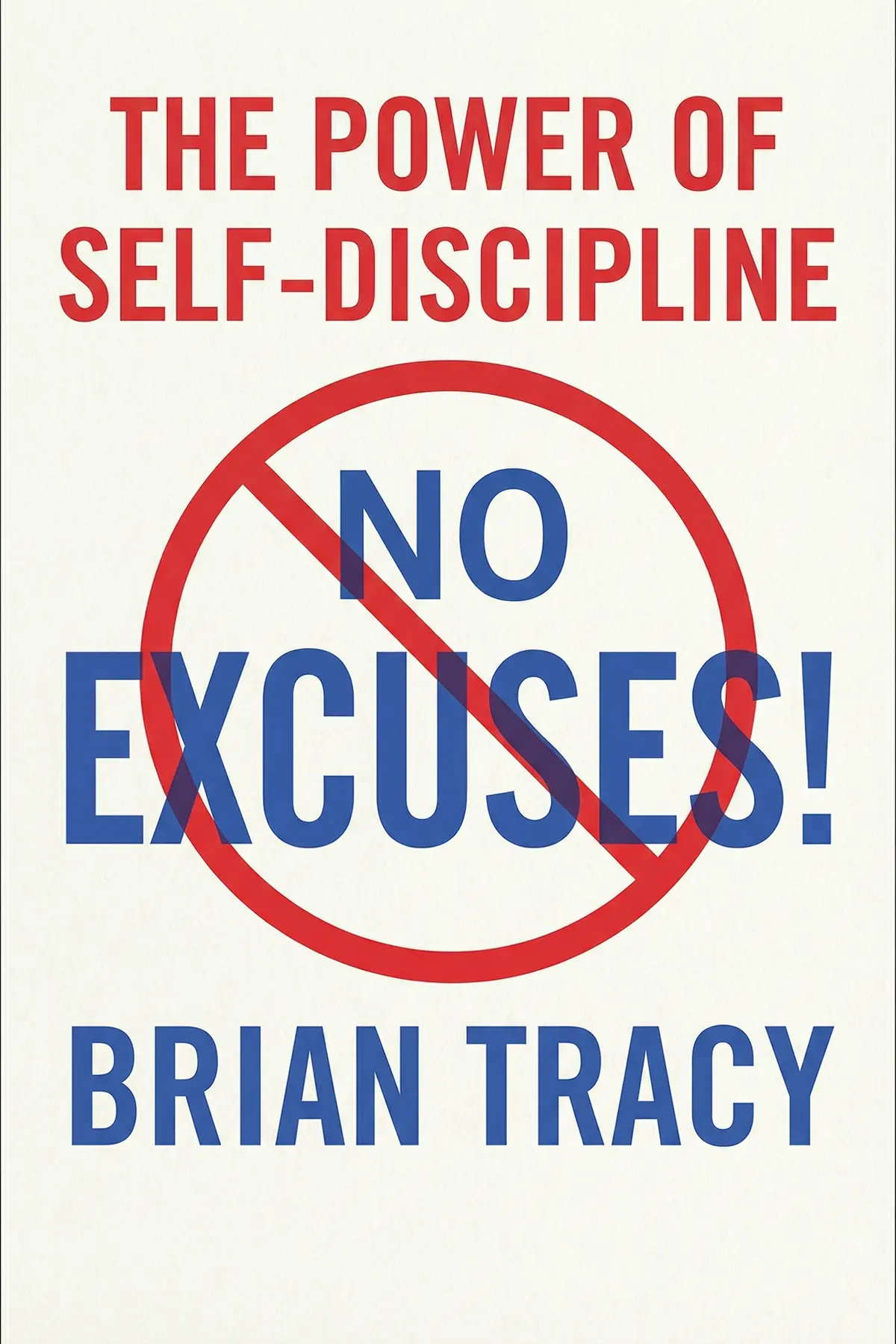
Brian Tracy is a Canadian-born American author and a highly respected professional speaker and sales trainer. He has authored numerous best-selling nonfiction works focused on self-development and professional achievement, including Focal Points, Goals, Create Your Own Future, and Million Dollar Habits.
Ratings & Reviews
Ratings at a glance
What people think
Listeners find this book to be an excellent resource for sales experts, delivering actionable insights and functional strategies for career development. They value the encouraging material, with one listener highlighting how it helps establish the mindset of a successful salesperson. The guide is straightforward to digest and listeners see it as a worthwhile investment, though some find it outdated and boring.
Top reviews
Watcharin
As someone who just transitioned into a high-pressure sales role, Brian Tracy’s insights felt like a total lifeline. The core idea that selling is essentially a transfer of enthusiasm really changed my perspective on daily cold calling. Before this, I was focused strictly on product specs, but now I understand that building a genuine friendship with the client is what actually moves the needle. To be fair, some of the examples feel a bit dated, yet the underlying principles regarding self-concept and rejection are timeless. The book is incredibly easy to follow and doesn’t get bogged down in overly complex jargon. I especially appreciated the section on why most people quit before the fifth request to buy. It’s a simple, straightforward guide that helps you build the necessary mindset to survive this industry. If you are a beginner looking for usable methods to boost your confidence, this is the gold standard.
Show moreAstrid
Picked this up during a major performance slump and it completely reframed how I view my interactions with prospects. The most impactful takeaway for me was the idea that we cannot earn more in the outside world than we do in our own minds. That concept of the 'self-concept' being the ceiling for your income is powerful stuff. Brian Tracy writes in a way that is intensely goal-oriented, pushing you to accept 100% responsibility for your results rather than blaming the territory or the economy. It’s incredibly motivational. I’ve started applying the 'friendship factor' to my leads, and the difference in how people respond to me is night and day. You have to be willing to put in the work, but this book provides the mental tools to keep you pushing through the inevitable rejections. Truly a masterclass in the emotional side of the sales game.
Show moreTariq
Wow, I wish I’d encountered these principles ten years ago when I was first starting out in this industry. Brian Tracy has a way of making you feel like success is inevitable as long as you refuse to give up. The fact that 80% of sales happen after the fifth request, yet most people stop at one, was a huge wake-up call for my team. We’ve turned these chapters into weekly discussion points, and the morale in the office has never been higher. The writing is punchy and direct, focusing on the belief that you must be a 'perpetual self-esteem generating organism.' It’s about more than just selling products; it’s about personal development and becoming a person who can get along with anyone. This is essential reading for anyone who wants to write their own ticket in life. Absolutely superb.
Show moreOscar
Success in selling is more of an inner game than an external one, and this book proves it beyond a shadow of a doubt. The way Tracy explains the relationship between how much you like yourself and how well you perform is revolutionary. I’ve read a lot of self-help, but the specific application of these ideas to the sales cycle is what makes this a standout. Not gonna lie, I was skeptical at first about the 'friendship' aspect, but it really is the foundation of every successful deal I've closed recently. The book teaches you to become a person of high character and honesty, which is the only way to survive long-term in this field. It’s a short, powerful read that focuses on the transfer of emotional commitment. If you want to be a winner, you have to be willing to pay the price, and this book shows you the way.
Show moreConnor
Finally got around to reading this classic after seeing it on every 'must-read' list for a decade. It’s a great read for professionals at any level, but beginners will likely find the most value in the structured approach to persuasion. I love how it emphasizes that no one is born a great salesperson—these are all learnable skills that require persistent work. The advice on turning strangers into friends is particularly relevant in today’s relationship-driven market. While it’s been criticized for being a bit meta-physical, the core message about taking 100% responsibility for your results is a lesson everyone needs to hear. The book is a transfer of enthusiasm in its own right. It’s easy to follow, motivational, and provides a clear path for anyone looking to raise their self-concept. It certainly helped me see the value I’m giving to the customer more clearly.
Show moreRoongsak
This book offers a remarkably practical blueprint for anyone struggling to close deals consistently. Tracy argues that our external success is a direct reflection of our internal self-esteem, a sentiment I’ve found to be increasingly true in my own career. Look, it’s not a scientific manual, and it definitely leans more toward motivational coaching than academic psychology. However, the tactical advice—like the 80/20 rule and the importance of goal orientation—is pure gold for a working professional. My only real gripe is that it can feel a bit repetitive at times. You’ll hear the same points about persistence and liking yourself echoed throughout every chapter. Despite the slightly redundant nature of the writing, the usable information here is far more valuable than the cost of the book. It’s a great read for building a resilient salesperson mindset.
Show moreWeera
Ever wonder why some people just seem naturally gifted at convincing others while you’re left struggling with the same script? This book breaks down that barrier by explaining that these qualities are actually learnable through practice. In my experience, the focus on empathy and honesty is what sets this apart from the 'sleazy' sales manuals of the past. Tracy emphasizes that top professionals look at each customer as a 20-year relationship rather than a one-time transaction. That shift in perspective is vital. The book is easy to digest, though I’ll admit some of the anecdotes feel a little toothless and repetitive. Still, the practical methods for improving your self-confidence are worth the price of admission alone. It’s a solid, usable guide for anyone who wants to improve their persuasion skills without losing their integrity in the process.
Show moreGai
Truth is, most sales training focuses way too much on the product, but Tracy correctly shifts the focus to the person. This book explores why we fear rejection and how that fear ultimately limits our income. It’s a very easy read, perfect for a commute, and filled with usable information that you can apply the very next day. I found the section on intensely goal-oriented behavior to be the most helpful for my personal organization. However, you should take some of the 'facts' with a grain of salt, as the author doesn't really cite any real research for his claims. If you can get past the lack of scientific backing, the psychological tips on building rapport are quite effective. It’s a great value for the price, especially if you need a kick-start to your motivation. It helped me realize that empathy is a superpower.
Show moreA
The chapter on the psychological make-up of a superior salesperson is arguably the strongest part of the entire text. It lists things like ambition and empathy, which are great, but the delivery is a bit dry. To be fair, the book is a bit of a farce and a great resource at the same time. On one hand, you get these amazing insights into how self-esteem affects performance. On the other hand, you have to wade through a lot of fluff and 'psychic' fifth-element style motivational talk. It’s a bit outdated for the modern digital landscape, as it focuses heavily on old-school face-to-face or phone interactions. I didn't find the 'proven' experiments very believable, but if you can look past the lack of citations, there’s some decent advice on willpower. It's a mid-tier read for me—good for a quick boost but not a definitive textbook.
Show moreNoah
Not what I expected given all the hype surrounding this classic. Frankly, I found the book to be a strange mix of common sense and total fiction. The author constantly cites these 'famous' studies, like the one about people writing down their goals, which have been debunked as myths for years now. It makes it very difficult to trust the rest of the advice when the foundational examples are just made up to sound impressive. Many of the explanations come from a meta-physical standpoint that simply lacks any scientific truth or rigor. While there are a few decent tips on being persistent, the tone is quite boring and the strategies feel like they belong in the 1980s. I struggled to stay engaged when so much of it felt like 'pure bullshit' wrapped in a motivational package. There are much better, more modern resources available today that actually cite their research.
Show moreReaders also enjoyed
AUDIO SUMMARY AVAILABLE
Listen to The Psychology of Selling in 15 minutes
Get the key ideas from The Psychology of Selling by Brian Tracy, plus 5,000+ more titles in English and Thai.
- 5,000+ titles
- Listen as much as you want
- 7-day free trial
- Cancel anytime







