
12 min
Everybody Matters: The Extraordinary Power of Caring for Your People Like Family
Everybody Matters explores the transformation of corporate culture through Truly Human Leadership. By prioritizing employee well-being and treating staff like family, organizations can drive sustainable success and create a deeply meaningful work environment.
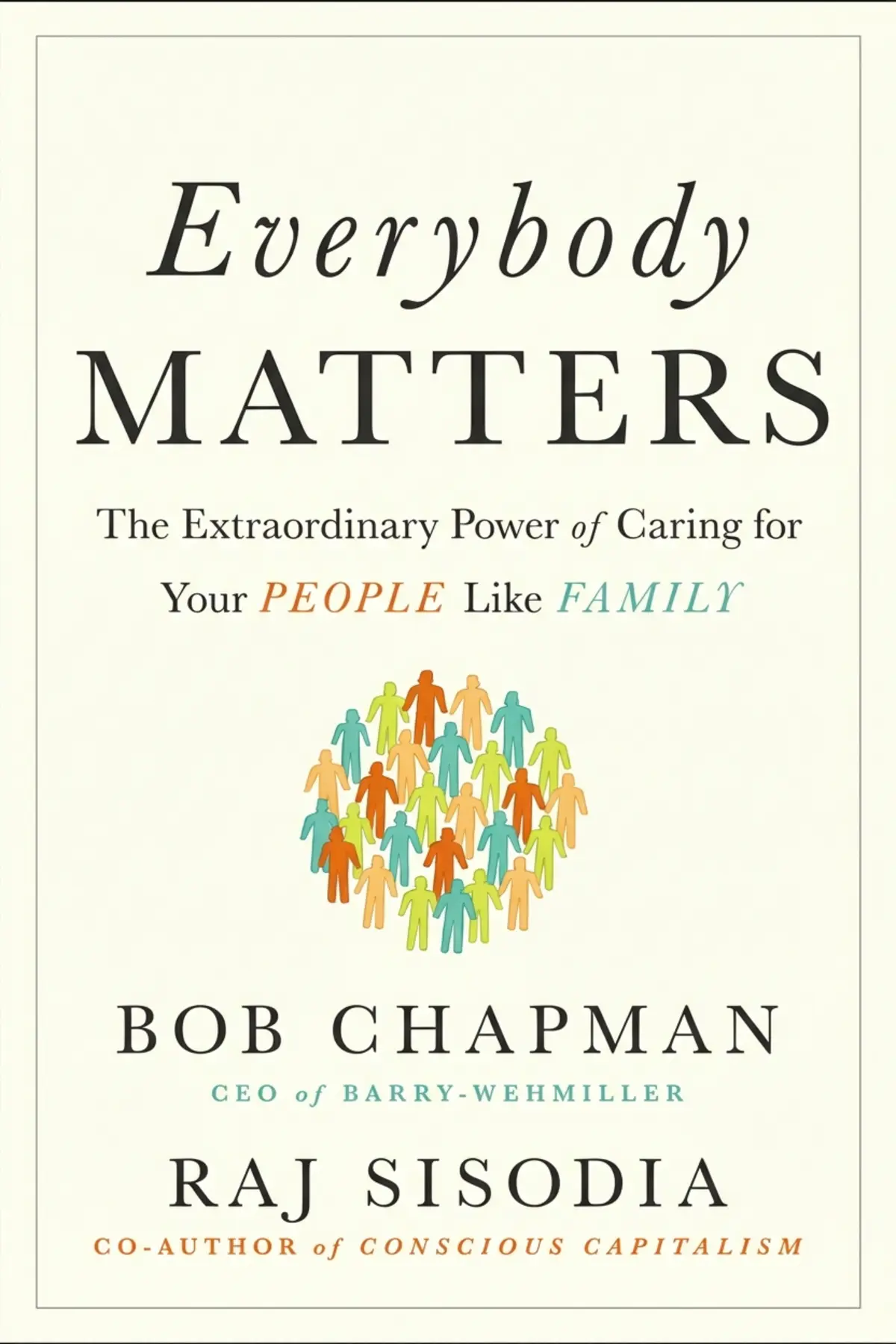
Table of Content
1. Introduction
1 min 13 sec
In the modern corporate world, we often talk about ‘human resources’ as if people were just another commodity, like raw materials or office supplies. We see employees as a means to an end—fuel for the machine of profit. But what happens if we flip that perspective entirely? What if a company’s primary purpose wasn’t just to produce goods, but to nurture the human beings who work there? This is the central provocation of the philosophy known as Truly Human Leadership.
Most organizations claim to value their people, but their daily operations often tell a different story. They rely on rigid hierarchies, micro-management, and a general lack of trust. In this summary, we are going to explore a different way of doing business. We will look at how a massive manufacturing company, Barry-Wehmiller, moved away from traditional management and toward a model of stewardship. This isn’t just about being ‘nice’; it’s about a fundamental shift in how we view the responsibility of a leader. You’ll learn how treating your employees like family can lead to lower healthcare costs, higher innovation, and a business that thrives even in difficult times. By the end of this journey, you’ll see why the way we treat people at work is one of the most important moral decisions we make.
2. The Shift from Management to Stewardship
1 min 52 sec
What if leadership was less about hitting targets and more about the well-being of your team? Explore how viewing employees as family members can radically improve health and morale.
3. Establishing Trust Through Shared Values
1 min 49 sec
Discover why a company charter is only effective when it’s built on mutual respect and followed up by concrete actions that dismantle the barriers of micromanagement.
4. The Power of Responsible Freedom
1 min 44 sec
Learn how giving employees the autonomy to make big decisions can lead to surprising levels of innovation and a deeper sense of ownership in the workplace.
5. Balancing Cultural and Business Visioning
2 min 02 sec
Why is growth alone not enough for a healthy company? Explore the necessity of pairing a bold business strategy with a clear commitment to an inclusive culture.
6. The Impact of Meaningful Recognition
2 min 11 sec
Move beyond monetary bonuses to find out how creative, peer-driven awards can build a lasting sense of pride and community within your organization.
7. Conclusion
1 min 09 sec
The message of Truly Human Leadership is simple yet revolutionary: everybody matters. We have spent decades treating the workplace as a theater of cold efficiency, but this approach has left us with a workforce that is stressed, disengaged, and physically unhealthy. By shifting our perspective and choosing to treat our colleagues and employees like family, we don’t just create a better place to work; we create a better world.
We’ve explored how leadership as stewardship can protect the health of your team, how dismantling symbols of control can build deep trust, and how giving people the freedom to own their work leads to incredible innovation. We’ve also seen that a clear vision and meaningful, peer-driven recognition are the fuel that keeps a company moving forward with purpose.
As you move back into your own professional life, the most immediate action you can take is to practice active, empathetic listening. Put your own agenda aside and truly hear what your team has to say. When you give someone your full attention and value their input, you are affirming their worth as a human being. Start there, and watch as your culture begins to transform into one where everyone has the opportunity to thrive.
About this book
What is this book about?
The modern workplace often treats employees as expendable resources—numbers on a spreadsheet rather than human beings with lives, families, and dreams. This book presents a radical alternative: Truly Human Leadership. The core premise is that when a company commits to caring for its people like family, the results aren't just seen in improved morale, but in the bottom line as well. It provides a roadmap for shifting from a traditional command-and-control management style to one rooted in stewardship and empathy. Through the lens of Bob Chapman’s experience leading Barry-Wehmiller, you will discover how to build a culture of high trust and high performance. The book promises to show leaders how to dismantle the rigid structures of the past, such as time clocks and arbitrary rules, and replace them with a sense of responsible freedom. By focusing on cultural and business visioning and celebrating the unique contributions of every team member, any organization can become a place where people feel valued, safe, and inspired to do their best work. Ultimately, it’s a guide to creating a legacy where every person’s life is enriched by their work.
Book Information
About the Author
Bob Chapman
Bob Chapman has served as the CEO of Barry-Wehmiller, a global manufacturing firm, since 1975. Under his transformative leadership, the company has grown into a powerhouse valued at $1.5 billion. Raj Sisodia is a distinguished author, corporate consultant, and highly sought-after keynote speaker. He serves as the professor of Global Business at Babson College and is the co-author of the influential book Conscious Capitalism, which he wrote alongside John Mackey, the co-founder of Whole Foods.
Ratings & Reviews
Ratings at a glance
What people think
Listeners consider this a mandatory read for corporate executives, providing an all-encompassing perspective on healthy leadership and employee involvement. This well-crafted book features a remarkable narrative that listeners find deeply uplifting, with one listener describing how the story improves spirits and reduces anxiety. They value the various ideas shared, and one listener points out the book's specific focus on building a lasting and sustainable business culture. Ultimately, reactions to the core message remain mixed among listeners.
Top reviews
Pridi
Finally got around to reading this after seeing Simon Sinek’s recommendation, and it really hits home. Most business books focus strictly on the bottom line, but Chapman argues that profit is actually a byproduct of a healthy, sustainable culture. It’s a complete shift from the traditional mindset of viewing workers as mere resources to be used up. To be fair, some sections feel a bit like a corporate brochure, yet the core message about boosting morale by removing fear is undeniable. If every CEO treated their team like family members rather than cogs in a machine, the corporate world would look vastly different today. This is an essential read for anyone who wants to lead with purpose and create a positive impact on the world.
Show moreWin
Wow, this really changed the way I think about my daily interactions with my staff. Chapman’s approach to 'Responsible Freedom' is a game-changer because it allows for autonomy while maintaining a high standard of accountability. Not gonna lie, I teared up a little reading about how they handled the 2008 recession through shared sacrifice instead of heartless layoffs. It’s a beautiful reminder that our primary job as leaders is to send people home feeling valued and fulfilled. This book isn't just for executives; the principles of caring for people apply to every aspect of life, including how we treat our own families. It’s easily one of the most inspirational leadership books I’ve picked up in years and I couldn't put it down.
Show moreJack
Ever wonder why most corporate environments feel so soul-crushing and devoid of any real human connection? Chapman and Sisodia provide the answer and a viable alternative in this incredibly powerful book. By focusing on 'Truly Human Leadership,' they show how a company can achieve massive success by simply treating its people with respect and care. I loved the emphasis on celebration and recognition; it’s such a simple concept that most managers completely overlook in their daily grind. This book really helped alleviate some of the cynicism I’ve felt about the business world lately. It’s an essential read for anyone who wants to lead with purpose and create a positive impact on the world.
Show morePakpoom
The chapter on 'Responsible Freedom' was particularly enlightening for me because it balances trust with clear organizational requirements. It’s rare to find a business book that spends so much time talking about empathy and the 'stewardship' of lives. While the author's background as an heir to an $18 million company is a bit hard to relate to for many, the lessons he learned are still valid. The story of how they 'adopt' companies instead of just 'acquiring' them is a fascinating look at cultural integration. I’d recommend this to any executive looking to build a more resilient and engaged team. It’s a comprehensive view of what leadership should look like in the 21st century, despite the occasionally repetitive nature of the chapters.
Show moreArnav
As someone who has navigated the corporate world for two decades, this felt like a breath of fresh air. We often hear about conscious capitalism, but this book offers a comprehensive view of how that philosophy actually functions on the factory floor. I particularly liked the adaptation of Lean manufacturing to focus on eliminating employee frustration instead of just cutting waste. While the tone is occasionally self-congratulatory, the underlying framework for engaging employees is solid and actionable for any leader. It encourages you to view leadership as a form of stewardship rather than just a way to climb the ladder. This is a must-read if you want to understand the extraordinary power of empathy in a business setting.
Show moreLek
After hearing Bob Chapman speak at a conference, I knew I had to dive into the full story. The book does a fantastic job of illustrating how a business can remain profitable while prioritizing the well-being of its workforce. It’s not just about being 'nice'; it’s about creating a sustainable culture where people feel safe enough to innovate and contribute their best work. I did find the writing a bit dry in the middle sections, and it definitely could have been about fifty pages shorter without losing much impact. However, the 'Ten Commandments of Truly Human Leadership' provide a great roadmap for anyone trying to shift their organizational culture. It’s a solid 4-star read for its heart and vision.
Show moreCooper
This book provides a roadmap for those who are tired of the cold, metric-driven nature of modern management. The authors make a compelling case that viewing employees as 'lives entrusted to us' changes the entire dynamic of the workplace. Personally, I found the stories from various manufacturing plants to be the most insightful part of the text. It’s refreshing to see a focus on alleviating fear and building trust, especially in industries often known for being cutthroat. The book is well-written and flows nicely, even if it does lean a bit heavily on the Barry-Wehmiller success story. It definitely helps boost morale for leaders who feel like they’ve lost their way in the pursuit of profit.
Show moreSombat
Look, I wanted to love this even more than I did, though the message remains incredibly important for today's world. I picked this up thinking it was a self-help guide, but it turned out to be much more of a business leadership memoir. The core philosophy of treating people like human beings shouldn't be revolutionary, yet here we are. My main gripe is that the book feels like it’s selling you something—specifically the Barry-Wehmiller brand—on every single page. To be fair, the quotes from the shop floor workers are genuinely moving and provide some much-needed perspective on why this matters. It’s worth a deep dive for the leadership principles, but be prepared for a lot of repetitive phrasing.
Show moreSudarat
It’s hard to ignore the privilege at the center of this narrative, which makes some of the advice feel slightly detached from reality. Chapman inherited a massive company, and while he did incredible things with it, the 'bootstrap' element is missing for those of us starting from scratch. Truth is, the book gets quite repetitive by the halfway mark, hammering the same few anecdotes about Barry-Wehmiller’s success over and over again. I appreciate the focus on 'Truly Human Leadership' and the move away from toxic management styles, but it reads more like a biography than a practical manual. It’s an interesting case study, even if it feels a bit paternalistic at times. Worth reading for the philosophy, but take the 'extraordinary' claims with a grain of salt.
Show moreDylan
The premise sounds great on paper, but the execution left me feeling a bit skeptical about the whole 'we are family' vibe. When you look at the actual employee reviews for this company online, they don’t always match the glowing picture painted in these pages. Frankly, the idea of a CEO letting employees drive his fancy car as a reward feels more odd and performative than genuinely empowering. It’s a very dude-centric biography that spends a lot of time praising the author's own brilliance while ignoring the massive financial head start he received. I was hoping for more granular techniques, but instead, I got a lot of high-level fluff and repetitive marketing speak for Barry-Wehmiller. It didn't really need to be a full-length book.
Show moreFeatured in
Readers also enjoyed
A Year with Peter Drucker: 52 Weeks of Coaching for Leadership Effectiveness
Joseph A. Maciariello
Acting with Power: Why We Are More Powerful Than We Believe
Deborah Gruenfeld
All In: How Great Leaders Build Unstoppable Teams
Mike Michalowicz
7 Powers: The Foundations of Business Strategy
Hamilton Helmer
AUDIO SUMMARY AVAILABLE
Listen to Everybody Matters in 15 minutes
Get the key ideas from Everybody Matters by Bob Chapman, plus 5,000+ more titles in English and Thai.
- 5,000+ titles
- Listen as much as you want
- 7-day free trial
- Cancel anytime







