
21 min 55 sec
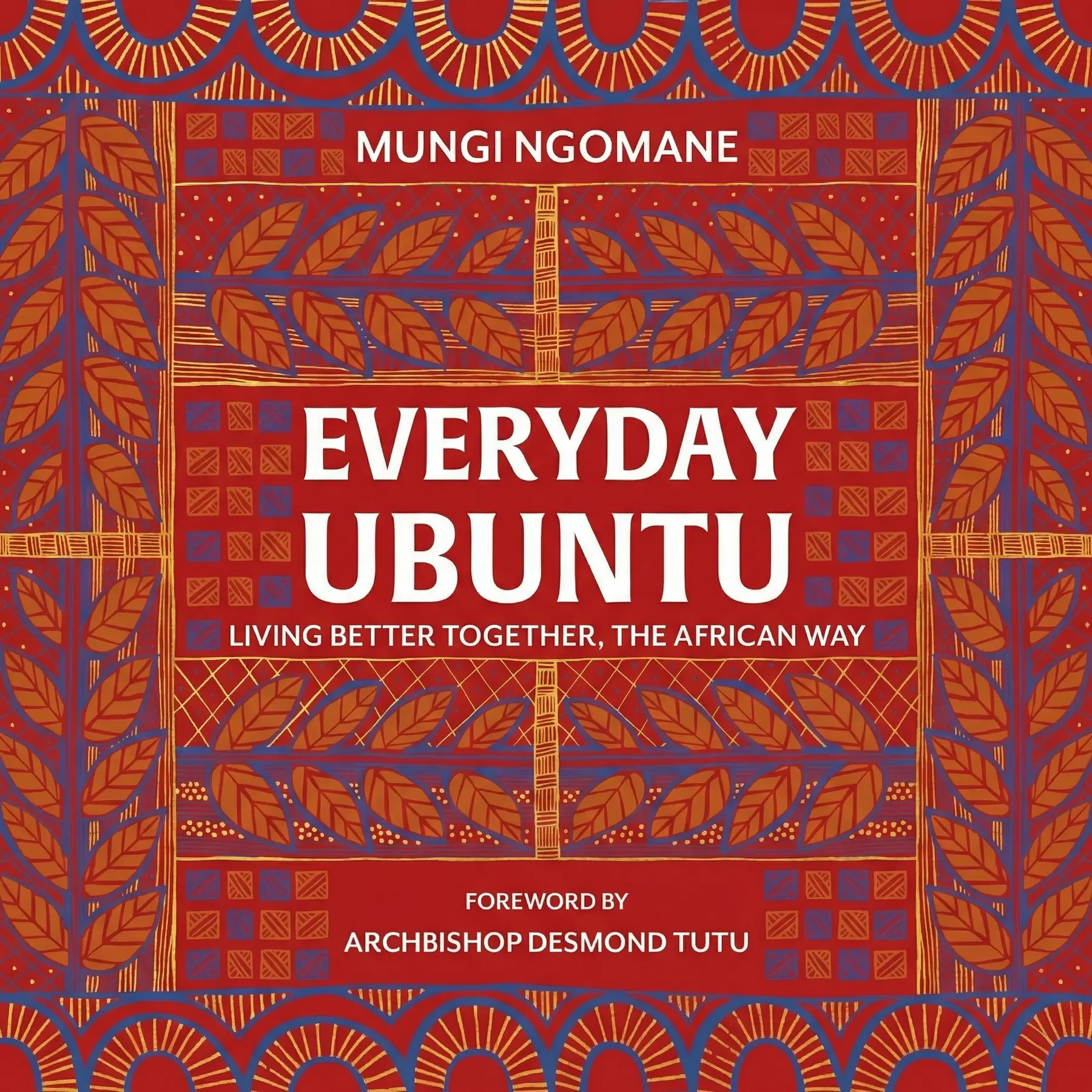
Everyday Ubuntu: Living Better Together, the African Way
Discover the ancient South African philosophy of Ubuntu. This guide explores how embracing our shared humanity can heal division, foster deep connections, and bring purpose to an increasingly isolated modern world.
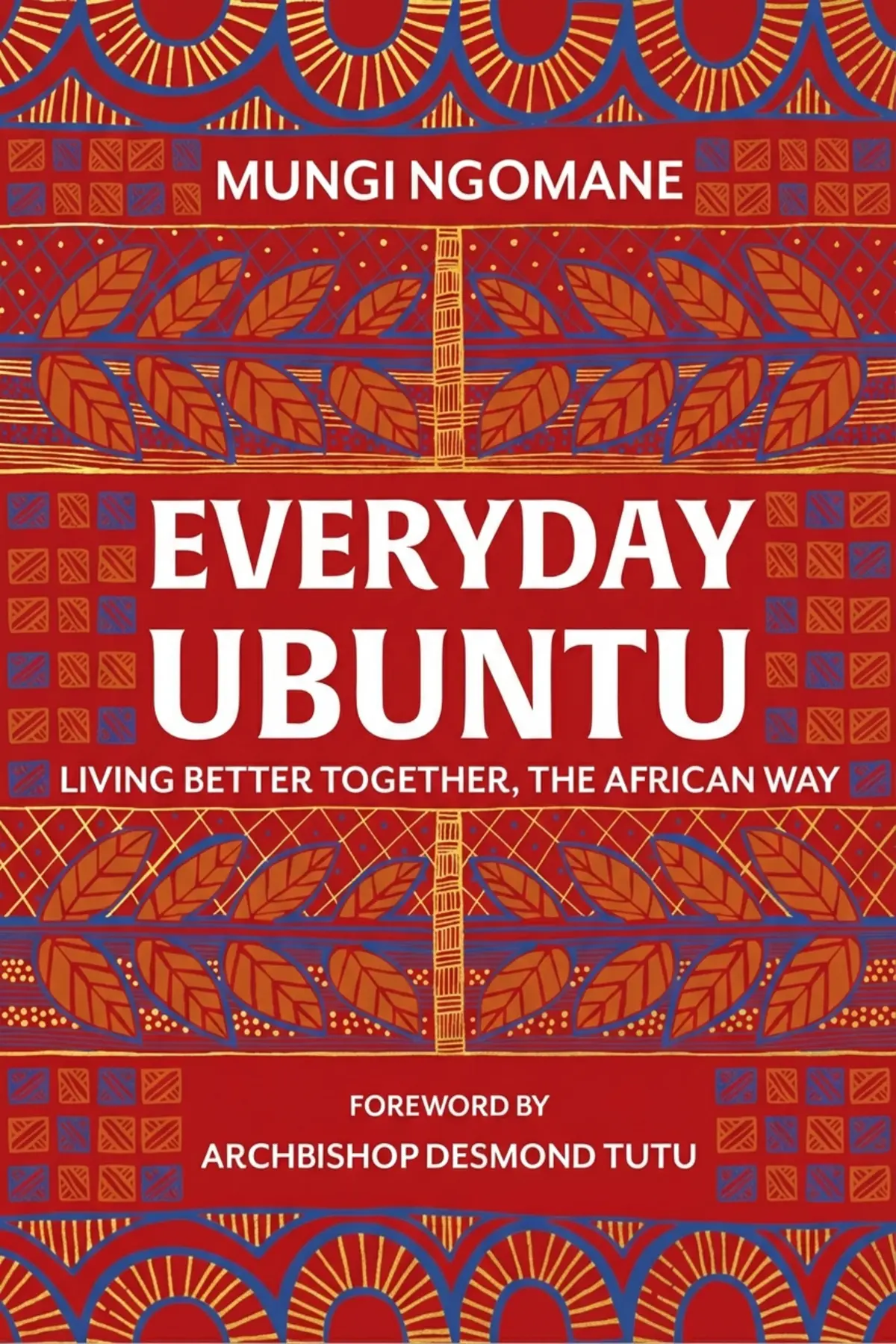
Table of Content
1. Introduction
2 min 02 sec
Think back on the rhythm of your most recent day. Maybe it started with a rushed, barely-there greeting to your family as you bolted for the door. Perhaps your commute was spent in a digital fortress, your eyes glued to a screen while you ignored the sea of humanity surrounding you on the train. At the office, the pressure of looming deadlines and an overflowing inbox might have made you view your coworkers more as obstacles or tools rather than people with their own complex lives. Then, as the sun went down, a quick scroll through a social media feed probably left you with that familiar, nagging feeling that everyone else is living a more vibrant, successful life than you are. By the time you hit the pillow, that sense of being flat and disconnected feels almost inevitable. It’s easy to tell ourselves that this is just the price of modern existence.
But imagine for a moment that there is a different way to experience your life—one that doesn’t require a new career, a different city, or a total lifestyle overhaul. What if the secret to feeling more supported and more alive wasn’t found in what you could acquire, but in how you related to everyone you met? This is where the concept of Ubuntu comes in. This South African philosophy offers a profound reminder that we are all woven into a single tapestry of existence. It teaches us that our well-being is not a solo project but a collective endeavor.
In the following pages, we are going to explore how this way of thinking can breathe new meaning into your daily interactions. We’ll look at the throughline that connects us all, seeing how simple gestures can shift entire worldviews and how radical empathy can bridge even the widest divides. We will see how a simple act of a priest tipping his hat changed a future Nobel laureate’s life, and why a world leader chose to dine with his former jailer. Most importantly, we will discover how adopting this mindset can help you find a deep, unshakable sense of belonging that no algorithm or status update could ever provide. This isn’t just about being nice; it’s about recognizing the intrinsic value of the human spirit in everyone you encounter.
2. The Power of Interconnectedness
2 min 21 sec
Modern life often leaves us feeling isolated despite being digitally connected. Discover how shifting your focus from competition to contribution can foster a true sense of belonging.
3. Adopting New Perspectives
2 min 22 sec
Bridging the gap between ourselves and those we disagree with is essential for harmony. Learn how looking through another’s eyes can humanize even our greatest adversaries.
4. Respect as a Human Anchor
2 min 32 sec
Small acts of dignity can change the course of a life. See how treating everyone with respect, regardless of their status, preserves our collective humanity.
5. Choosing Hope Over Optimism
2 min 12 sec
While optimism can be fleeting, hope is a resilient state of being. Learn why a steadfast belief in goodness is essential for overcoming life’s inevitable hurdles.
6. The Healing Path of Forgiveness
2 min 18 sec
Forgiveness is often seen as a gift to others, but it is truly an act of self-liberation. Discover how acknowledging shared flaws leads to emotional freedom.
7. Finding Strength in Diversity
2 min 13 sec
Rather than something to fear, our differences are the key to a robust and vibrant society. Learn why humility is the bridge to a more inclusive community.
8. The Necessity of Radical Honesty
2 min 05 sec
True progress requires us to face our most painful realities. Discover how communal empathy can turn shared suffering into a source of collective strength.
9. The Art of Deep Listening
2 min 16 sec
Listening is one of the most significant gifts we can offer another person. Learn how truly hearing someone’s story reinforces their worth and builds empathy.
10. Conclusion
1 min 34 sec
As we reach the end of this exploration into Ubuntu, it’s worth reflecting on how these ancient principles can be woven into the fabric of your modern life. The throughline of this philosophy is simple: we are human through other humans. Every interaction we have—no matter how brief or seemingly insignificant—is an opportunity to either reinforce our shared humanity or to diminish it. By choosing to look outward with respect, to practice radical forgiveness, and to listen with our whole hearts, we don’t just improve our own lives; we contribute to the healing of our entire community.
One of the most practical ways to start living this right now is to embrace the lighter side of our shared humanity through humor. Laughter is a universal language that breaks down barriers faster than almost anything else. It reminds us that we are all fallible and that it’s okay to find joy even in the midst of hardship. If you find yourself feeling embarrassed by a mistake or overwhelmed by a challenge, try sharing that story with a friend who has a great sense of humor. In the act of laughing together, the embarrassment fades, the problem feels more manageable, and the bond between you grows stronger.
Ultimately, Ubuntu is an invitation to stop seeing the world as a place of competition and to start seeing it as a place of collaboration. It reminds us that we are part of a diverse, complex, and beautiful network. When we recognize that every person we meet is a person of value, we find that the loneliness and disconnection of modern life begin to dissolve. We find that we are, and have always been, right where we belong: in the company of each other.
About this book
What is this book about?
In an era defined by digital isolation and social fragmentation, many of us feel adrift and disconnected. Everyday Ubuntu offers a transformative path forward by tapping into a profound African worldview that prioritizes community over the individual. The core premise is simple yet revolutionary: our own humanity is inextricably bound up in the humanity of those around us. We are not self-made islands; we are a vast, interconnected network of stories, needs, and contributions. This summary promises to shift your perspective on everything from workplace conflicts to global crises. By learning the principles of radical respect, active listening, and collective forgiveness, you can move beyond the exhaustion of comparison and competition. It provides a toolkit for building resilience through hope, finding strength in diversity, and reclaiming the sense of belonging that modern life so often strips away. Ultimately, it is an invitation to live with greater compassion, recognizing that when we lift others up, we inevitably elevate ourselves.
Book Information
About the Author
Mungi Ngomane
Mungi Ngomane is a dedicated champion for global human rights, focusing her efforts on the empowerment of women and girls and the safety of displaced people. Her professional background includes tackling Islamophobia within the United States, facilitating peace initiatives in the Middle East, and supporting the cause of Palestinian liberation. As the granddaughter of the late Archbishop Desmond Tutu, she continues a storied family tradition of advocating for universal justice and the preservation of human dignity.
Ratings & Reviews
Ratings at a glance
What people think
Listeners find this work highly readable and articulate, featuring lovely illustrations that clearly convey the Ubuntu philosophy. They admire its uplifting material, as one listener points out the life-changing words of wisdom and another observes its contemporary, straightforward tales regarding social healing. The text earns praise for its kind-hearted perspective, with one review particularly citing its values for all humankind. Listeners cherish the book’s depth, with one remarking on how it seamlessly integrates actual life experiences.
Top reviews
Gioia
The physical beauty of this edition is what first caught my eye, but the message inside is what truly stayed with me. Mungi Ngomane brings the spirit of Ubuntu to life through her unique lineage, making the ancient philosophy feel incredibly urgent. Phrases like 'A person is a person through other persons' are explored with such warmth that you can't help but feel a deeper connection to everyone around you. It focuses heavily on human connection and social healing, offering a compassionate look at how we can bridge our many divides. Truth is, in a world that feels increasingly polarized, this well-written guide serves as a necessary anchor for the soul. The artwork throughout the chapters is vibrant and perfectly complements the text's hopeful tone. I found it to be a life-changing collection of wisdom that I will likely revisit whenever I feel my patience thinning.
Show moreMia
This book genuinely changed how I approach my difficult neighbors and coworkers. The 'I see you' concept is so simple yet so profound when you actually put it into practice during a heated moment. I loved how the author blended real-life instances of horrific experiences with the overarching Ubuntu philosophy to show that forgiveness is a power, not a weakness. It’s not just about being 'nice'; it’s about acknowledging our shared reality and choosing to see the wider perspective. Every page breathes compassion and makes you want to be a better version of yourself through your interactions with others. The illustrations are a highlight, turning each lesson into a visual meditation. This is a must-read for anyone who believes that our strength lies in our unity rather than our divisions.
Show moreSienna
Wow, what a timely and important read for anyone feeling disconnected in this loud, digital age. Mungi Ngomane has a gift for taking big, abstract concepts and making them feel intimate, urgent, and deeply personal. The lesson on 'choosing hope over optimism' really resonated with my current life situation and gave me a new vocabulary for my struggles. This isn't just a book you read once; it’s a practice you inhabit every single day through your choices. Between the gorgeous illustrations and the life-changing words of wisdom, it’s a masterpiece of social philosophy for the modern reader. Frankly, I think this should be required reading in schools to help foster a sense of global empathy. It perfectly melds real-life instances with profound spiritual truths in a way that feels both accessible and transformative.
Show moreBook
Finally got around to reading this after seeing it recommended for its insights into social healing. Not gonna lie, I expected a dense philosophical text, but I found a very readable manual for kindness instead. The artwork is stunning and adds a layer of calm to the reading experience that matches the author’s compassionate tone. I particularly enjoyed the section on forgiveness and finding humor in our shared humanity, which felt very grounded in real-world application. It bridges the gap between ancient African wisdom and modern struggles quite effectively, even if some parts feel a bit repetitive. Ngomane has a gift for storytelling, using her family history to illustrate how we can choose hope over simple optimism. It’s a beautiful manifest for anyone wanting to live a more collective, less individualistic life.
Show moreSven
As someone who has always been fascinated by African philosophy, I found this to be a refreshing and modern take. Ngomane translates the phrase 'I am because you are' into practical, everyday steps that anyone can implement regardless of their background. The stories are heartwarming and provide a much-needed perspective on how we view community in an era of digital isolation. While some chapters are definitely stronger than others, the overarching emphasis on dignity and respect for all humankind is very timely. It’s the kind of book you keep on your coffee table to dip into when the news cycle gets too heavy. My only minor gripe is that the structure can feel a bit formulaic after the first few lessons, but the wisdom remains sound. I finished it feeling much more mindful of how my actions ripple out to affect others.
Show moreHazel
Picked this up during a particularly stressful week and it was exactly the balm I needed for my weary mind. The focus on social healing through small, intentional acts is very powerful and feels achievable for the average person. I appreciate that Ngomane doesn't pretend that this path is easy; she openly admits that our progress isn't linear and we will inevitably fail. Look, we all need a reminder to listen more and judge less, especially in our current social climate. The artwork is beautiful and mirrors the vibrant, interconnected message of the text perfectly. While some of the lessons felt a bit like 'filler,' the overall impact was one of peace and renewed purpose. It is a gentle, compassionate book that encourages you to look outward rather than just inward.
Show moreEleanor
The chapter on 'finding humor in our humanity' was my absolute favorite part of this entire book. It’s so easy to get bogged down in the heaviness of the world, but this text offers a lighter, more compassionate way forward. By using examples from her grandfather, Desmond Tutu, Ngomane makes these high ideals feel attainable for regular people. It’s well-written and flows smoothly, though a few sections felt like they were repeating the same core point over and over. Still, it’s a beautiful manifesto for collective living and a great reminder that we are all fundamentally connected. The physical quality of the book—the paper, the font, the colors—makes the reading experience feel like a special treat. I’ve already recommended it to several friends who are struggling with feeling isolated lately.
Show moreMan
Ever wonder if complex philosophies can be boiled down into simple, bite-sized lessons? This book attempts exactly that through 14 distinct chapters, but the results are somewhat mixed. While I appreciate the core message of interconnectedness, many of the exercises—like 'really listening' or 'standing in someone else’s shoes'—felt like basic common sense I already practice. The stories about Nelson Mandela and Archbishop Desmond Tutu are undeniably moving, yet they often felt shoehorned into specific lessons where they didn't quite fit perfectly. Personally, I was hoping for more academic depth regarding the origins of Ubuntu rather than a self-help format. The book is undeniably gorgeous to look at, and the sentiment is pure, but it lacks the intellectual 'meat' I was craving. It is a decent introductory text for those new to the concept, but seasoned readers might find it a bit underwhelming.
Show moreRafael
Not what I expected, as I was looking for a more rigorous and scholarly exploration of Ubuntu. What I got instead was a series of 14 lessons that felt more like a standard self-help guide than a philosophical deep dive. The writing is very clear and the layout is undeniably gorgeous, but the depth is lacking for anyone already familiar with the work of Tutu or Mandela. Some stories felt a bit forced into the 'lesson' framework, which made the narrative flow feel disjointed at times. However, the anecdotes regarding the Truth and Reconciliation Commission remain incredibly powerful and provide necessary context for the philosophy. If you want a quick, inspiring read that looks great on a shelf, this is it. Just don't expect a complex breakdown of African social structures or historical development.
Show moreRatchada
To be fair, the core message here is wonderful, but the actual execution left me feeling quite cold and frustrated. It felt more like a collection of random feel-good anecdotes that didn't always connect back to the specific lesson being taught in the chapter. I found the constant references to the author's famous relatives a bit much after a while, making the whole thing feel more like a foundation brochure than a transformative philosophical guide. Honestly, most of these exercises are things we learned in primary school, and I didn't feel I gained any new perspective on the African philosophy itself. The book is beautiful to hold, with thick paper and lovely colors, but that doesn't make up for the lack of depth in the writing. I was looking for a serious treatise and got a shallow 'live, laugh, love' version of a profound cultural concept.
Show moreReaders also enjoyed
59 Seconds: Change Your Life in Under a Minute
Richard Wiseman

A Guide to the Good Life: The Ancient Art of Stoic Joy
William B. Irvine
A High-Performing Mind: Strengthen Your Mind and Live Your Best Life
Andrew D. Thompson
AUDIO SUMMARY AVAILABLE
Listen to Everyday Ubuntu in 15 minutes
Get the key ideas from Everyday Ubuntu by Mungi Ngomane, plus 5,000+ more titles in English and Thai.
- 5,000+ titles
- Listen as much as you want
- 7-day free trial
- Cancel anytime







