
14 min 40 sec
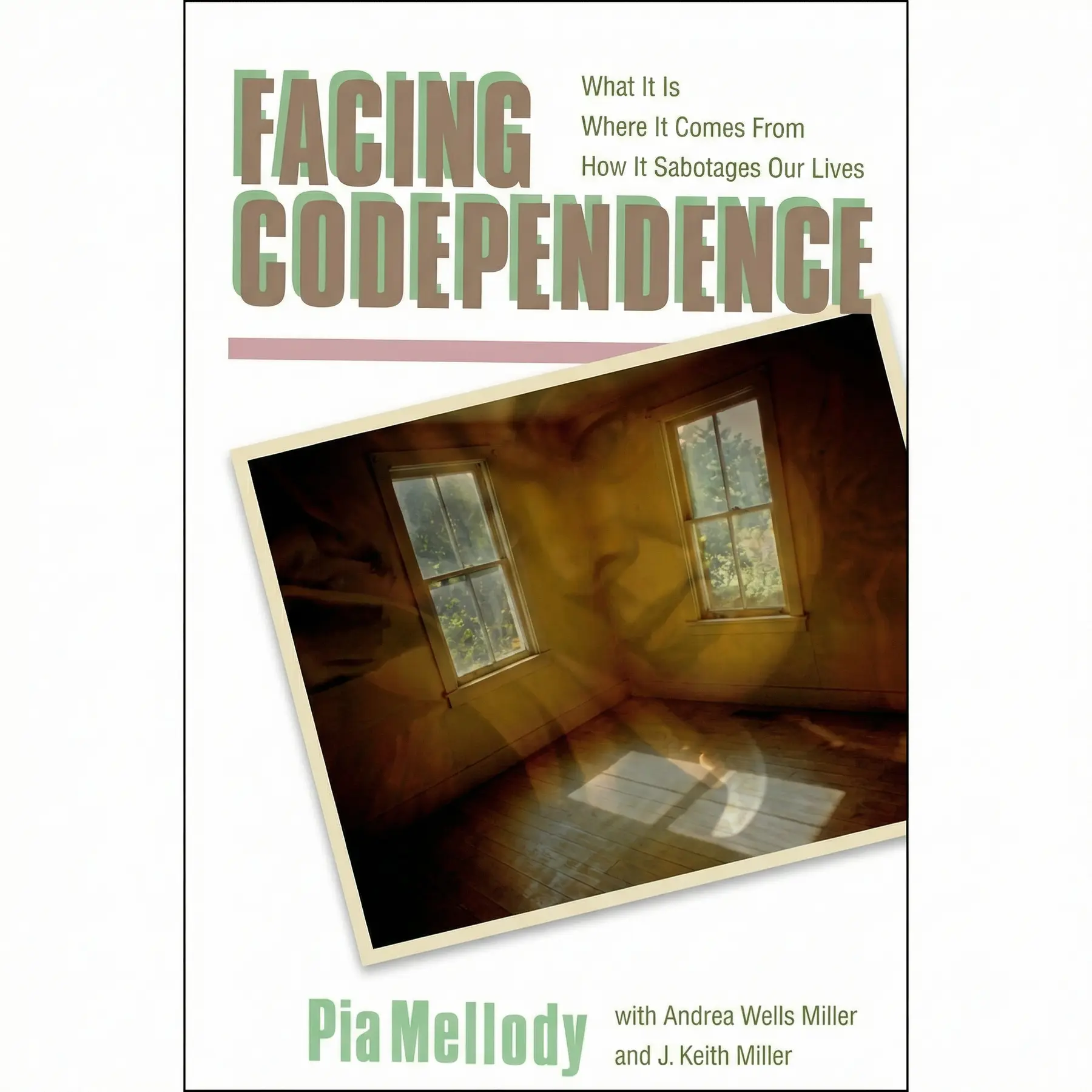
Facing Codependence: What It Is, Where It Comes from, How It Sabotages Our Lives
Discover how childhood trauma shapes adult relationships and self-worth. This guide explores the core symptoms of codependence and provides a structured pathway toward emotional maturity, healthy boundaries, and authentic connection with others.
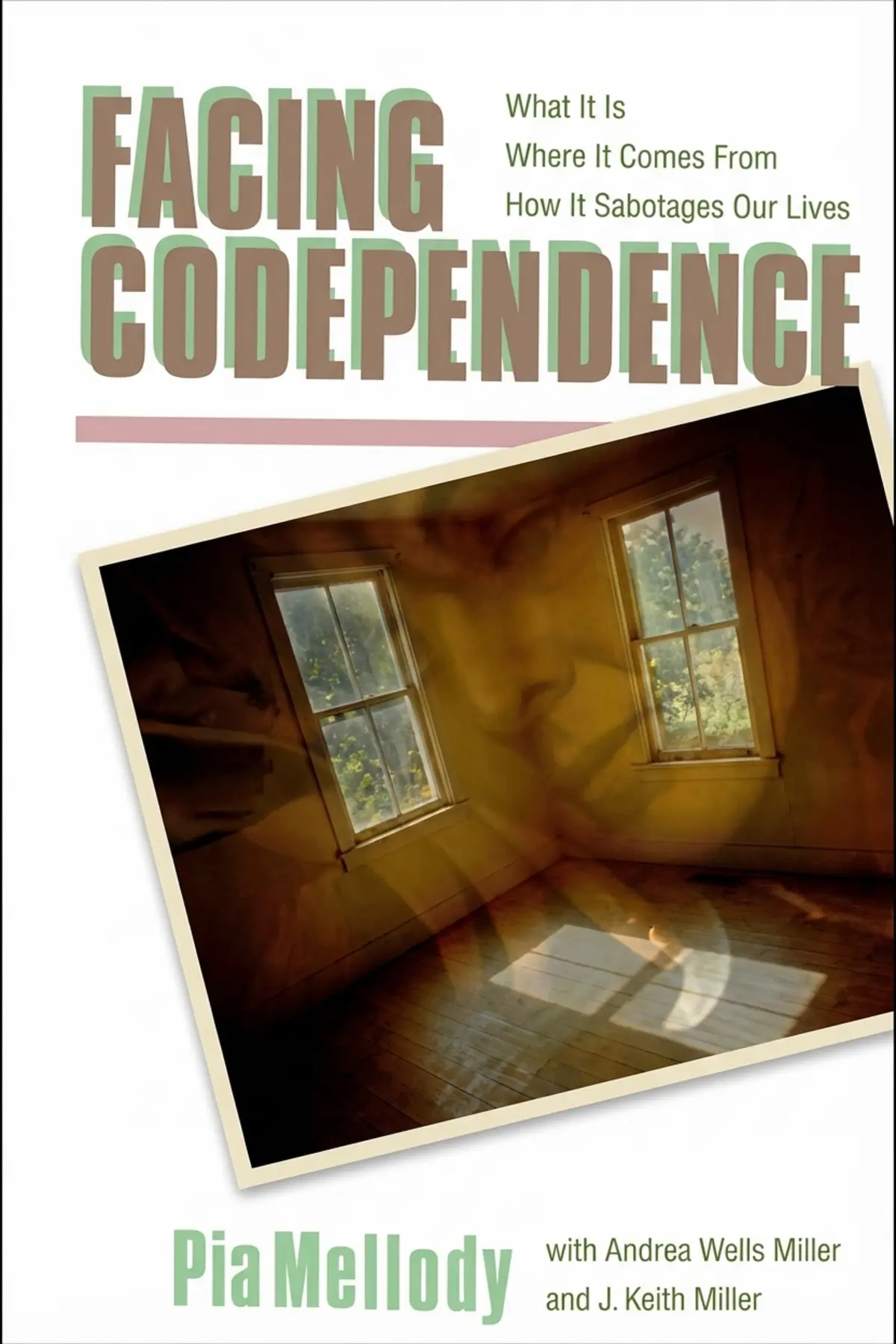
Table of Content
1. Introduction
1 min 57 sec
Imagine a successful architect named Frank. To the outside world, he has it all: a thriving practice, a beautiful home, and significant influence. But Frank’s internal world is built on a house of cards. When his business takes a hit and his wealth evaporates, he doesn’t just lose money; he loses his very sense of who he is. Without his external status, he feels like a non-entity. Then there is David, a sixteen-year-old who still expects his mother to make his every meal, having never learned the basic skill of feeding himself. Finally, consider Maureen, a high-ranking bank officer. She is effective at her job, but she treats everyone with such a fierce, unapproachable coldness that no one can get close to her. She is lonely and miserable, but she believes her icy exterior is the only thing keeping her safe from a world that might hurt her.
If any of these scenarios strike a chord, it might be because they all point toward the same underlying condition: codependence. Though often misunderstood as simply being ‘clingy’ in a relationship, codependence is actually much broader. It is a fundamental difficulty in functioning as a mature, self-governing adult. It warps how we see ourselves, how we protect ourselves, and how we interact with everyone from our spouses to our children.
Like a creature living deep in the ocean that has never experienced dry land, many people are so immersed in codependent patterns that they don’t even realize they are ‘wet.’ They assume their way of living is just how life is. But by bringing these hidden patterns into the light, we can begin to see that these behaviors aren’t just personality quirks—they are symptoms of a deeper struggle. This exploration is about more than just identifying problems; it’s about finding the throughline that connects our childhood experiences to our current frustrations and, ultimately, finding the tools to build a more authentic and balanced life.
2. Identifying the Five Core Symptoms of Codependence
3 min 25 sec
Codependence isn’t just one trait; it’s a cluster of five distinct struggles that affect your self-worth, your safety, your perception of reality, your needs, and your ability to live in moderation.
3. The High Cost of Codependent Patterns in Daily Life
2 min 41 sec
Left unaddressed, codependence acts like a heavy weight that slows you down and bumps into everyone in your path, sabotaging your health, your spirit, and your deepest connections.
4. The Childhood Roots of Adult Codependence
2 min 52 sec
Our adult struggles are often the echoes of a childhood where our natural qualities—like being imperfect or dependent—were met with criticism instead of care.
5. The Challenging but Rewarding Journey of Recovery
2 min 36 sec
Recovery isn’t a quick fix; it’s a process of unlearning old habits, facing suppressed pain, and slowly finding a balanced middle ground in how you live and love.
6. Conclusion
1 min 09 sec
In the end, codependence is a condition of the ‘lost self.’ It is a way of being that developed as a survival mechanism in a world that didn’t know how to handle your natural vulnerability and value. But while those patterns served you once, they are likely now the very things holding you back from the intimacy and peace you deserve. The throughline of this journey is the transition from unconscious survival to conscious living.
Recovery begins with the courage to look in the mirror and acknowledge where you are currently standing. It requires the humility to look back at your history and see the wounded child behind the adult mask. And most importantly, it requires the persistence to stay the course through the initial discomfort of change. By addressing your self-esteem, building your boundaries, owning your reality, honoring your needs, and practicing moderation, you can dismantle the walls that keep you isolated. The promise of this work isn’t perfection—it’s maturity. It’s the ability to live a life where you are the captain of your own ship, connected to others but grounded in your own unshakable sense of worth.
About this book
What is this book about?
Have you ever felt that your sense of worth depends entirely on others, or that your boundaries are either non-existent or like stone walls? This summary of Facing Codependence explores the intricate web of behaviors that prevent individuals from living authentic, mature lives. The book identifies codependence not just as a relationship issue, but as a fundamental struggle with self-regulation and identity. It maps out five core symptoms—ranging from distorted self-esteem to an inability to express personal reality—that often go unnoticed until they sabotage our connections and health. Beyond identification, this guide promises a path to healing by connecting current struggles to their origins in childhood. It explains how caregivers’ responses to a child’s natural vulnerability and immaturity can create lasting emotional scars. By understanding these roots, readers are invited to engage in a structured recovery process involving self-reflection, community support, and professional guidance. Ultimately, the work aims to help individuals reclaim their sense of value and establish healthy, moderate ways of being. It’s a roadmap for anyone looking to break the cycle of dysfunction and build a life grounded in genuine intimacy and self-respect.
Book Information
About the Author
Pia Mellody
Pia Mellody is a leading expert in addiction and trauma, serving as the Senior Clinical Advisor at The Meadows. Her influential work includes titles like Facing Love Addiction and The Intimacy Factor. J. Keith Miller is a renowned teacher and speaker focused on personal growth and spirituality, having written A Hunger for Healing and Compelled to Control. Andrea Wells Miller is an experienced author and editor who has collaborated on several key psychological texts, including Breaking Free and Facing Love Addiction. Together, this team combines clinical expertise with spiritual insight to provide a multifaceted approach to understanding and overcoming codependence.
Ratings & Reviews
Ratings at a glance
What people think
Listeners find this book both informative and beneficial for personal growth, specifically regarding the understanding and resolution of codependency. The healing techniques receive high praise, with one listener mentioning that the text was more effective than decades of psychotherapy. While some listeners consider it an easy read, others find it difficult to follow, and the tone is described as not for the faint of heart. The writing and formatting get mixed reviews, as several listeners noticed typographical errors on every page.
Top reviews
Frida
This book offers a piercing look at how childhood dynamics forge adult behavior, especially through the lens of 'little traumas' that we often dismiss. Pia Mellody argues that codependence isn't just about being a 'people pleaser' but is actually a complex disease rooted in how our caregivers treated our innate vulnerability. I found the section on the five primary symptoms—unhealthy self-esteem, boundary issues, reality struggles, dependency, and moderation—to be incredibly illuminating. It was painful to see myself in the stories of characters like Frank and Maureen, but that recognition was the first step toward actual change. The writing is dense and requires focus, but the depth of the analysis is unmatched in the self-help genre. This isn't just fluff; it's a rigorous map of the human psyche and how it breaks. For anyone who felt their upbringing was 'fine' but still struggles with intimacy, this is essential reading.
Show moreAubrey
Wow, I’ve spent thousands on talk therapy over the years, yet this text managed to pinpoint my core issues in just a few chapters. The way Pia Mellody describes the struggle with moderation and internal self-esteem provided me with a clarity I’ve never had before. It’s a heavy read and certainly not for the faint of heart because it forces you to look at painful childhood origins you’d rather ignore. However, the 'Step One' written exercise was a turning point for my own self-awareness and recovery journey. Not gonna lie, the tone can be quite clinical and even harsh at times, but the truth it delivers is necessary for real change. This is easily more effective than decades of traditional psychotherapy for anyone willing to do the hard work. It honestly changed how I view my own history.
Show moreAndrew
Finally got around to finishing this, and while the tone isn't for the faint of heart, the clarity it provides is unmatched. I was raised with the 'it's not that bad' mentality, and Pia Mellody was the first person to tell me that my feelings were valid. The book does an excellent job of explaining how even 'covert' abuse can lead to a lifetime of anti-dependency and emotional walls. I loved the distinction between 'knowing reality' and 'expressing reality,' as that is a hurdle I struggle with daily in my marriage. Some might find the 12-step focus limiting, but I found it provided a much-needed structure for the messy process of healing. This is a life-changing book if you are ready to stop making excuses for the people who hurt you and start taking responsibility for your own recovery.
Show moreManika
After hearing about 'little traumas' for years, I finally understand what that looks like in practice thanks to this book. It’s a comprehensive guide that doesn't shy away from the ugly parts of childhood dysfunction, including intellectual and spiritual abuse. I’ve read a lot on this topic, but Mellody’s breakdown of the five core symptoms is the most logical and easy-to-apply model I’ve seen. It’s hard to read at times because it forces a level of introspection that can be quite draining. To be fair, you have to be in the right headspace to tackle this, or you might find it overwhelming. But for those ready to break free from the cycle of codependency, this book is a beacon of hope. It provides the vocabulary needed to discuss things that previously felt like invisible weights on my soul. Highly recommended for personal development.
Show moreKevin
Picked this up during a particularly rough patch in my relationships and it was exactly the mirror I needed to see my own patterns. The way the authors define boundaries—not just as walls, but as a complex system for protecting the self—is the best explanation I've ever encountered. I particularly appreciated the focus on how we oscillate between being too vulnerable and erecting massive emotional walls. While the 12-step framework isn't usually my favorite approach, the way it’s integrated here as a tool for recovery felt practical rather than preachy. My only real complaint is that the book can be quite repetitive, hammering home the same points about childhood abuse over and over. Still, the correlations drawn between past trauma and current self-sabotage are undeniable. It's a challenging, heavy read that demands you take your time to process the emotional weight.
Show moreMay
As a therapist with a decade of experience, I was surprised to find new insights in these pages, particularly regarding 'spiritual abuse.' Mellody identifies how parents can attack a child's innate qualities, such as their imperfection or their dependence, which was a revelation for my clinical practice. The book provides a very thorough description of how these symptoms manifest in adulthood, like David’s lack of self-sufficiency or Frank’s externalized self-worth. I do think the writing style is a bit academic and dry, which might make it inaccessible for some readers looking for a lighter touch. Additionally, there are quite a few typographical errors throughout the text that can be distracting. However, the core message about breaking the generational cycle of dysfunction is powerful and necessary. It serves as a comprehensive guide for both professionals and those struggling with these issues personally.
Show morePear
The chapter on the five primary symptoms—especially the struggle with moderation—really resonated with my daily habits and internal chaos. I've always struggled with 'all or nothing' thinking, and seeing that framed as a symptom of codependence was a huge 'aha' moment for me. Mellody’s explanation of how we use negative control and resentment to manage our relationships hit home in a way that was both uncomfortable and deeply healing. Frankly, the book is a bit long-winded in its descriptions of various characters, and I think it could have been 50 pages shorter without losing the core message. But the actionable steps toward recovery, like finding a CODA sponsor and working with a specialized therapist, provide a clear roadmap. It’s not an easy journey, but this book makes it feel possible. It’s a solid resource for anyone serious about personal development.
Show moreBrooklyn
In my experience, many self-help books offer fluff, but this one provides a rigorous framework for understanding enmeshment and boundaries. I found the relatable stories of Frank, David, and Maureen to be very helpful in identifying my own maladaptive behaviors. The book is very focused on the 'where it comes from' aspect, which helped me forgive myself for patterns I didn't even realize I had. Look, the formatting is a bit dated and there are definitely some typos that suggest a lack of recent editing. However, the content itself is pure gold for anyone trying to understand why their relationships always seem to follow the same dysfunctional script. It doesn't give you all the answers on 'how' to be functional, but it tells you exactly 'why' you aren't, which is a necessary starting point. A very informative and helpful read overall.
Show morePete
Ever wonder why a book with such incredible psychological insight hasn't been given a proper editorial polish to fix the constant typos? I found myself distracted by errors on almost every page, which is a shame because the core concepts regarding the five symptoms are quite strong. While the analysis of childhood abuse is thorough, the author's approach to gender roles and sexual orientation felt quite dated and heteronormative. There is also a glaring lack of consideration for how socioeconomic class affects family dynamics; sometimes a parent is 'absent' because they are working three jobs to survive, not because they are a workaholic. It’s a useful read for the correlations it draws, but it definitely needs a modern update to remain fully relevant today. I found myself skimming the latter half once the main points were made.
Show moreMeen
To be fair, I really struggled with the heavy reliance on the 12-step disease model and the constant assumption that a 'Higher Power' is necessary for recovery. As an atheist, I found the framework incredibly exclusionary, as if healing is only possible for those who embrace a specific brand of spirituality. Furthermore, the book's dependence on anecdotal evidence and controversial theories regarding repressed memories felt like bad science to me. While the description of family boundaries was helpful, it didn't make up for the outdated psychological assertions. It feels like a product of its time that hasn't quite aged well compared to modern, evidence-based practices. If you aren't a fan of the 12-step approach, you might find this more frustrating than helpful. I finished it, but I wouldn't recommend it over more contemporary clinical resources.
Show moreFeatured in
Readers also enjoyed
Alcoholics Anonymous
Alcoholics Anonymous World Services
A Liberated Mind: How to Pivot Toward What Matters
Steven C. Hayes
ADHD an A-Z: Figuring It Out Step by Step
Leanne Maskell

AUDIO SUMMARY AVAILABLE
Listen to Facing Codependence in 15 minutes
Get the key ideas from Facing Codependence by Pia Mellody, plus 5,000+ more titles in English and Thai.
- 5,000+ titles
- Listen as much as you want
- 7-day free trial
- Cancel anytime







