
20 min 20 sec
Falling Upwards: How We Took to The Air
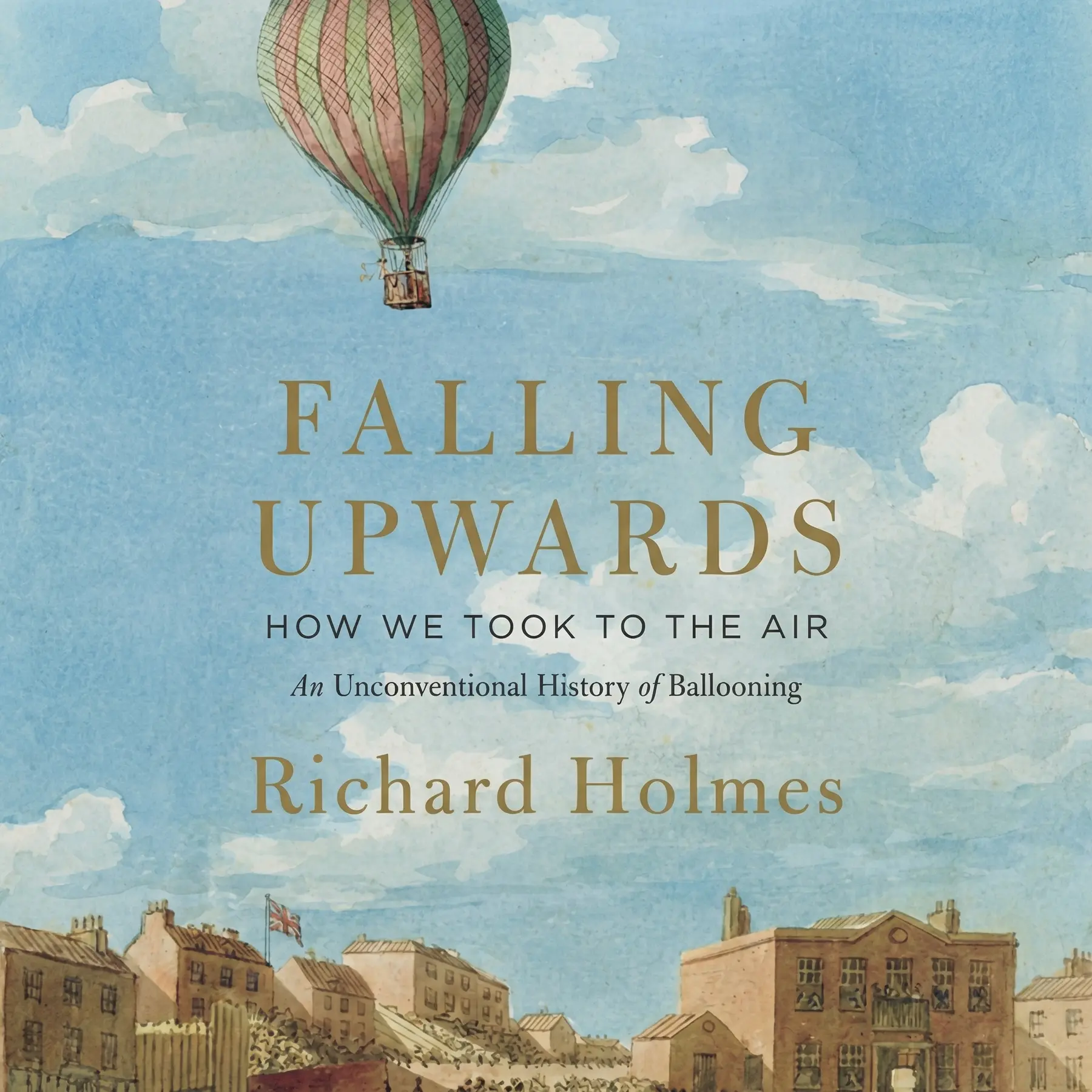
Falling Upwards explores the adventurous history of early ballooning, from daring scientific flights and military reconnaissance to personal escapes and the birth of science fiction in the clouds.
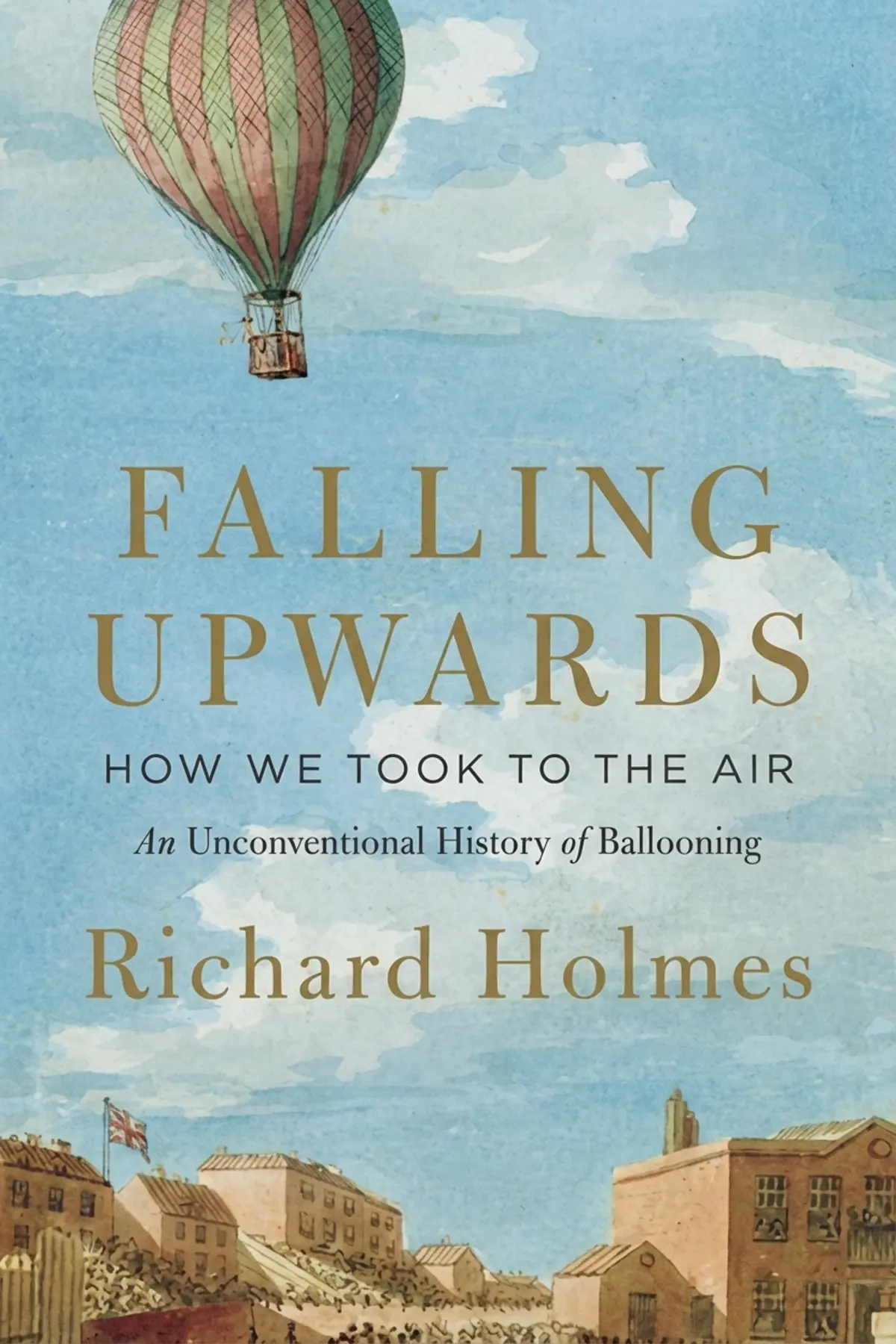
Table of Content
1. Introduction
1 min 42 sec
Think for a moment about the last time you flew. Perhaps you were cramped in a middle seat, distracted by a tablet, or dozing off over a lukewarm meal. In the twenty-first century, being thirty thousand feet in the air has become mundane—a mere logistical hurdle between two points on a map. But there was a time, not so long ago, when ascending even a few hundred feet was considered a miraculous, terrifying, and world-altering act of bravery. This transition from the earth to the heavens wasn’t achieved through the roar of jet engines, but through the silent, swaying ascent of the hot-air balloon.
In this journey through the history of flight, we are looking at a time when the sky was the ultimate frontier. This isn’t just a story about technology; it’s a story about the human spirit and our desperate, often reckless, need to see the world from a new perspective. We often dismiss ballooning today as a quaint hobby for tourists or a colorful spectacle at festivals, but in its golden age, it was the cutting edge of science and the height of high-stakes adventure. These early aeronauts were the astronauts of their day, venturing into an environment that was fundamentally hostile to human life with little more than silk, wicker, and courage.
Through the lens of Richard Holmes’s research, we’ll explore how these pioneers transformed our understanding of the atmosphere and even our own place in the universe. We’ll see how balloons were used as instruments of war, vessels for daring escapes, and catalysts for a brand-new genre of literature. This exploration will show us that the history of ballooning is woven into the very fabric of modern society, influencing everything from military strategy to the way we dream about the future. So, let’s leave the safety of the ground behind and look at what it truly meant to fall upwards.
2. The Perilous Nature of the Clouds
2 min 15 sec
Early flight was a high-stakes gamble where survival was never guaranteed and the elements were an unpredictable foe.
3. Balloons as Vessels of Liberation
2 min 12 sec
The simple mechanics of the balloon made it the perfect tool for those desperate to escape oppression and crossing forbidden borders.
4. The Strategic High Ground of Warfare
2 min 01 sec
The military quickly recognized that balloons offered a psychological and tactical advantage that changed the face of the battlefield.
5. The Daring Spectacle of Sophie Blanchard
2 min 16 sec
One woman defied the gender norms of her time to become the most celebrated and reckless aerial performer in Europe.
6. The Iron Horse vs. The Silk Orb
2 min 08 sec
The rise of the railway system transformed ballooning from a visionary mode of transport into a nostalgic, recreational pursuit.
7. The Birth of Science Fiction in the Sky
2 min 07 sec
The technical wonder of ballooning inspired authors to move beyond mythology and create the first realistic tales of space travel.
8. A Beacon of Hope in a Besieged City
2 min 01 sec
During the Siege of Paris, balloons became the only lifeline for a trapped population, proving their value as tools of communication.
9. The Dawn of Aerodynamics and the End of an Era
2 min 06 sec
The discovery of the principles of lift signaled the end of the balloon’s dominance and the beginning of the age of powered flight.
10. Conclusion
1 min 32 sec
As we descend from our journey through the history of ‘falling upwards,’ it is worth reflecting on just how much these fragile silk orbs changed our world. We have seen that the hot-air balloon was never just a whimsical toy. It was a vessel for the bravest among us to challenge the very laws of nature. From the scientific pioneers who risked their lives in the freezing upper atmosphere to the families who used the silent cover of night to fly toward freedom, the balloon has been a constant companion to the human desire for more.
Richard Holmes shows us that the history of ballooning is really the history of a perspective shift. It allowed us to see our cities, our battlefields, and our own society from a vantage point that had previously been reserved for the gods. This new view inspired artists and writers to dream of the stars, and it gave generals the tools to reshape the map of the world. While the balloon was eventually surpassed by the airplane, it never lost its power to inspire wonder.
Today, when you see a balloon drifting on the horizon, don’t just see a colorful hobby. See a testament to human ingenuity. Remember that every time we take to the air, we are standing on the shoulders of those who first dared to leave the ground in a basket. The throughline of this story is clear: our reach will always exceed our grasp, and as long as there is an empty sky above us, there will be someone brave—or eccentric—enough to try and fill it. Let the story of these early aeronauts remind you that even the most daunting barriers can be overcome if you have the courage to simply let go of the earth and rise.
About this book
What is this book about?
This book takes readers back to the nineteenth century, an era when the sky was a dangerous frontier. It details how the first balloonists risked their lives to understand the atmosphere, transform warfare, and entertain the masses. Richard Holmes chronicles the pioneers—men and women—who replaced myths with science, using balloons for everything from escaping war-torn cities to inspiring the very first works of science fiction. It is a narrative of human courage and the relentless desire to see the world from above. You will see how these fragile silk spheres weren't just toys, but tools of revolution and discovery that paved the way for modern aviation. The promise of this journey is a newfound appreciation for the eccentrics and heroes who first dared to leave the earth behind.
Book Information
About the Author
Richard Holmes
Richard Holmes is a prize-winning author, best known for his nonfiction book The Age of Wonder, which details scientific development at the end of the eighteenth century. He has also written numerous celebrated biographies, including a life of the poet Percy Bysshe Shelley.
Ratings & Reviews
Ratings at a glance
What people think
Listeners consider the work intriguing and thoroughly documented, particularly valuing its historical exploration of ballooning. Furthermore, the narrative caliber and readability earn positive remarks, with one listener pointing out the author's excellent humor and sense of fun. However, the chronological structure gets varied feedback; one listener finds it compelling while another mentions it occasionally drifts.
Top reviews
Emma
Wow. Richard Holmes has a way of turning dusty historical records into something that feels like a breathless adventure novel. While I loved The Age of Wonder, this book feels even more intimate because of the focus on individual courage and the sheer absurdity of early flight. Seeing Sophie Blanchard launching fireworks from a tiny basket is an image that will stay with me forever. It is striking. The prose is lush and evocative, capturing that strange sensation of floating between the earth and the heavens. Truth be told, I didn't expect to be so moved by the story of a few daredevils and their silk bags. It isn't just a dry list of dates. Instead, it's a heartfelt look at the human spirit's desire to transcend limitations. Every chapter offered a new surprise about how these pioneers changed our understanding of weather and geography. If you want a book that makes you feel a little lighter after reading it, this is the one. Simply wonderful.
Show moreRatchanee
After finishing this, I felt a genuine sense of altitude, as if I had been floating along with the pioneers myself. Richard Holmes has crafted a masterpiece of Romantic history that celebrates the marriage of science and imagination. He captures the 'beauty and terror' of the skies with prose that is as elegant as the silk balloons he describes. Each miniature biography, from Thaddeus Lowe to the doomed Salomon Andree, is rendered with such care that you feel their pulse in every line. I was particularly struck by the descriptions of the insects and butterflies seen at high altitudes, adding a surreal touch to the scientific endeavors. Look, there are plenty of books about the invention of the airplane, but this captures a much more poetic era of flight. It’s a book about the right to fly and the courage required to simply let go of the earth. It is, in every sense of the word, an uplifting experience. I absolutely loved it.
Show moreTitiluck
Directly after reading the first chapter, I knew I was in for a treat. This isn't just a history of technology; it's a history of human ambition and the sheer madness of wanting to touch the clouds. Holmes writes with a sense of wonder that perfectly mirrors the subjects he’s documenting. I was captivated by the account of the night flight over industrial Liege, which sounded like something straight out of a steampunk dream. The balance between the thrill of the ride and the cold reality of scientific discovery is handled brilliantly. Even the tragic failures, like the Andree expedition, are told with a dignity that honors the explorers' spirit. In my experience, few historians can make you feel the physical sensation of a cold wind or the thin air of 30,000 feet quite like this. It’s an adventure story of the highest order that also happens to be a great piece of scholarship. I'll be recommending this to everyone I know. Brilliant stuff.
Show moreNoah
As someone who usually finds history books a bit of a slog, I was pleasantly surprised by the humor tucked into these pages. Holmes writes with a distinct sense of fun, treating the eccentricities of early aeronauts with both respect and a wink. The account of the Swedish expedition to the North Pole was a highlight, even if the ending was incredibly somber. It’s fascinating to see how these early flights were less about transportation and more about spectacle or scientific desperation. My only real gripe is that the timeline jumps around in a way that can be slightly disorienting if you aren't paying close attention. Still, the sheer bravery of people like James Glaisher, climbing out of a basket at 30,000 feet, is mind-blowing. This is a solid, informative look at a niche subject that rarely gets this much love in mainstream history. Definitely worth your time if you enjoy stories of Victorian-era exploration. It hits the spot.
Show moreLek
The chapter on the 1870 Siege of Paris alone is worth the price of admission. It tells the incredible story of how sixty balloons were used to escape the Prussian blockade, a feat of ingenuity that feels like something out of a thriller. Holmes manages to balance the high-stakes drama with a deep dive into how these flights birthed the science of meteorology. I appreciated how he focused on women like Sophie Blanchard, ensuring they weren't just footnotes in a male-dominated history. The writing is accessible and never feels like it's talking down to the reader, even when discussing complex atmospheric pressure. Frankly, it’s a refreshing change of pace from the typical military histories that dominate this period. While it's perhaps a bit long in the tooth toward the end, the enthusiasm of the author is infectious. This is a beautifully illustrated and thoroughly researched volume that any history lover would appreciate having on their shelf. A very strong four stars.
Show moreAir
This book provides a wonderful, if slightly indulgent, look at how humans first conquered the air. I had no idea that ballooning played such a significant role in the American Civil War or that early aeronauts were essentially the first meteorologists. Holmes has a talent for picking out the most dramatic moments, like the firework-laden flights that eventually cost Sophie Blanchard her life. While the book is quite long, the chapters are broken up nicely, making it easy to digest in smaller chunks. Some might find the level of detail regarding specific balloon construction a bit tedious, but I found it added to the authenticity. It’s a quirky history that manages to be both educational and entertaining without ever feeling dumbed-down. My only minor complaint is that the North Pole section at the end is such a downer compared to the earlier enthusiasm. Despite that, it's a fascinating journey through a forgotten corner of technological history. Highly recommended for science buffs.
Show moreSomboon
Ever wonder why we chose hydrogen over hot air for so long during the nineteenth century? I picked this up hoping for a bit more technical meat on the bones regarding the physics of coal-gas balloons. Holmes is clearly a biographer at heart, so he prioritizes the 'who' and 'why' over the 'how' in a way that sometimes left me wanting. The anecdotes are certainly colorful, but the book occasionally feels like a collection of loosely connected essays rather than a cohesive narrative. It's well-researched, yet the structure drifts significantly toward the middle. I enjoyed the sections on the Siege of Paris and the American Civil War surveillance balloons, as they showed practical applications for the technology. However, the tone is a bit too whimsical for my personal taste at times. It’s a decent read for history buffs, though it lacks the rigorous flow I expected from such a celebrated author. Not bad, just inconsistent.
Show moreRay
Finally got around to reading this one, but I have mixed feelings. On one hand, the research is impeccable and the subject matter is inherently fascinating to anyone who likes the Victorian era. On the other hand, the book feels like a series of anecdotes that don't quite cohere into a larger argument about the period. Holmes is a great writer, but he seems to get distracted by whatever quirky detail catches his eye next. This results in a timeline that feels more like a zigzag than a straight ascent through history. For example, we jump from rescue missions for orphans to scientific records and then to Civil War surveillance quite abruptly. To be fair, the stories themselves are wonderful, especially the harrowing account of the 1862 world altitude record attempt. I just wish there was a more rigorous through-line connecting these disparate flights. It’s a lovely book for browsing, but a bit frustrating to read cover-to-cover.
Show moreThanakorn
Picked this up because I loved The Age of Wonder, but this didn't quite hit the same heights for me. It’s an intriguing look at 19th-century attitudes toward flight, though the narrative frequently loses its way in the clouds. Holmes is clearly enamored with his subjects, which is great, but it leads to a lot of 'upper middle class twee' storytelling that can grate. The truth is, some of these anecdotes go on for far too long without contributing much to the overall history. I was most interested in the scientific breakthroughs, yet those were often sidelined for more sensationalist stories about daring rescues. The audio version, which I sampled, didn't help matters as the narration felt a bit too breathless for the subject matter. It's still a well-researched book with plenty of merit, but it lacks the tight focus that made his previous work so masterful. Good for a casual read, but don't expect a definitive technical history.
Show moreJob
Not what I expected after hearing so much praise for the author’s earlier work. I found the narrative voice to be somewhat 'upper middle class breathless,' as another reviewer put it, which made it hard to connect with the material. The first chapter felt like an endless string of quotes that didn't really go anywhere, and I struggled to stay engaged. While the stories themselves are objectively interesting—especially the bits about the Napoleonic era—the execution felt scattered and overly indulgent. To be fair, Holmes clearly knows his stuff, but the book reads like he couldn't decide what to cut. It meanders from one anecdote to another without a strong enough thread to pull the reader through the 19th century. I ended up skimming large portions of the later chapters because the pace slowed to a crawl. If you're a die-hard ballooning enthusiast, you might love this, but for me, it just didn't get off the ground. Disappointing.
Show moreReaders also enjoyed
A Splendid Exchange: How Trade Shaped the World
William J. Bernstein

A Spy Among Friends: Philby and the Great Betrayal
Ben Macintyre

1491: New Revelations of the Americas Before Columbus
Charles C. Mann

A Year in the Life of William Shakespeare: 1599
James Shapiro
1929: Inside the Greatest Crash in Wall Street History--and How It
Andrew Ross Sorkin
AUDIO SUMMARY AVAILABLE
Listen to Falling Upwards in 15 minutes
Get the key ideas from Falling Upwards by Richard Holmes, plus 5,000+ more titles in English and Thai.
- 5,000+ titles
- Listen as much as you want
- 7-day free trial
- Cancel anytime







