
14 min 59 sec
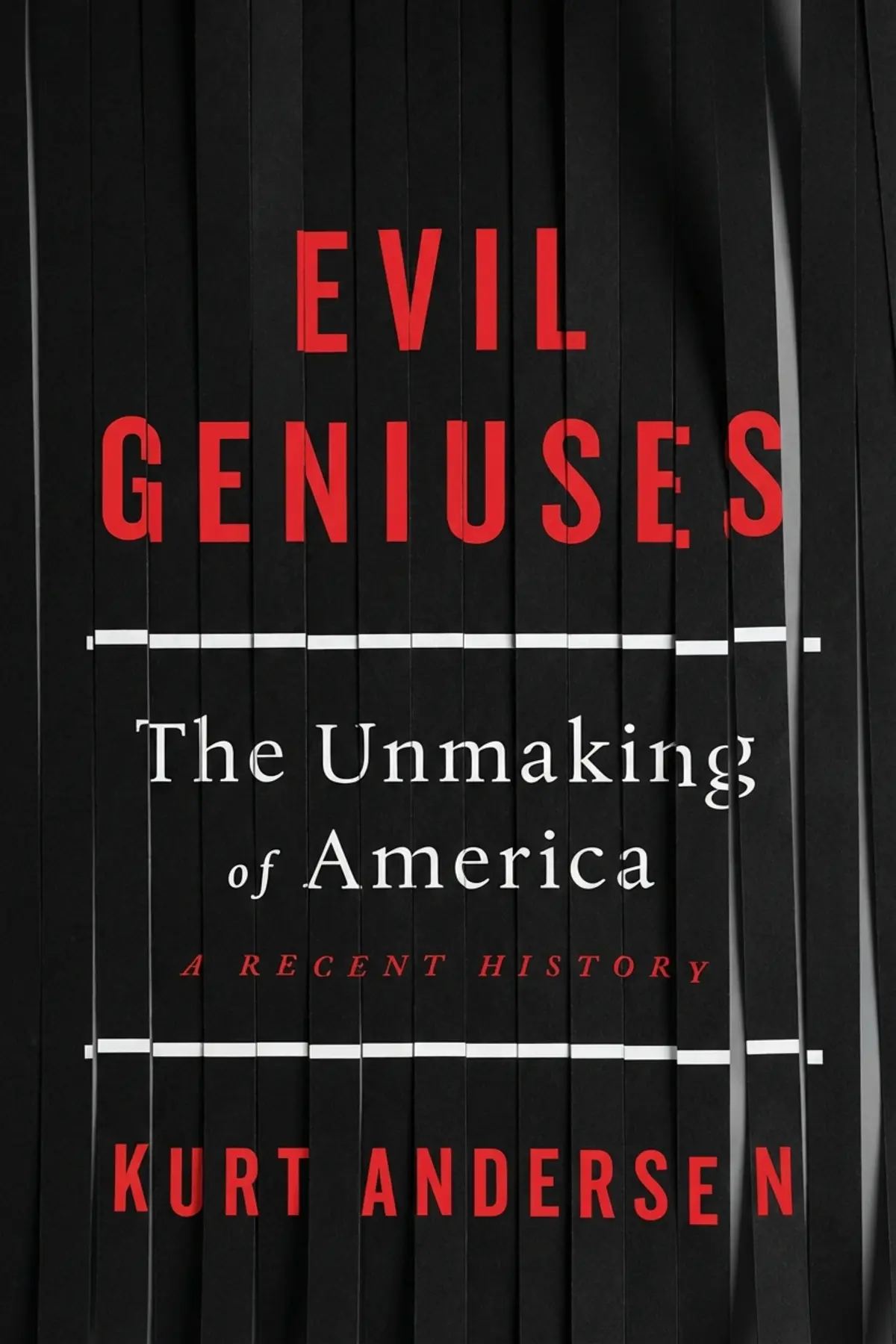
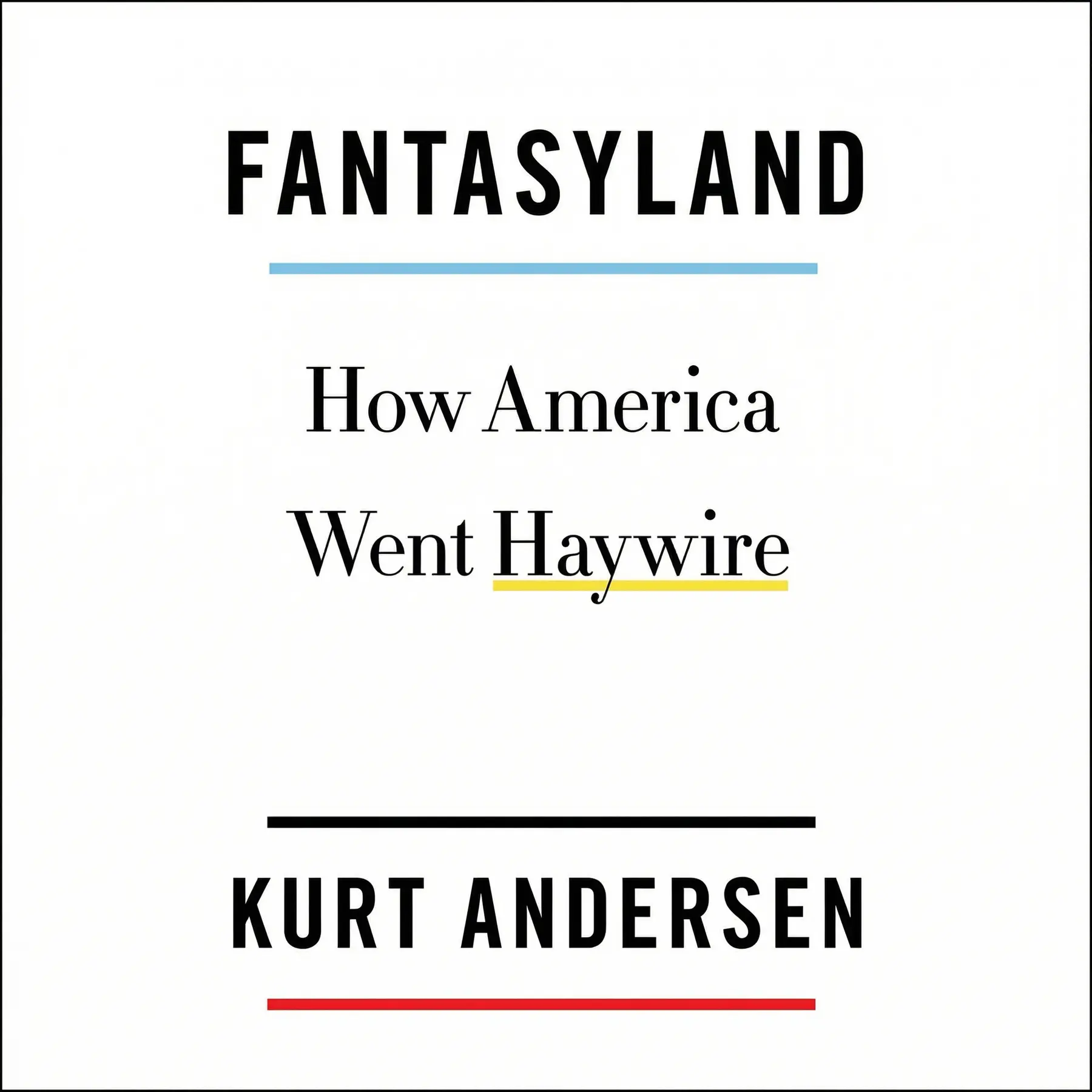
Fantasyland: How America Went Haywire
Explore the historical evolution of America’s penchant for magical thinking and delusion. This summary traces the roots of the nation's unique obsession with subjective reality, from early gold-seekers to modern-day conspiracy theorists.
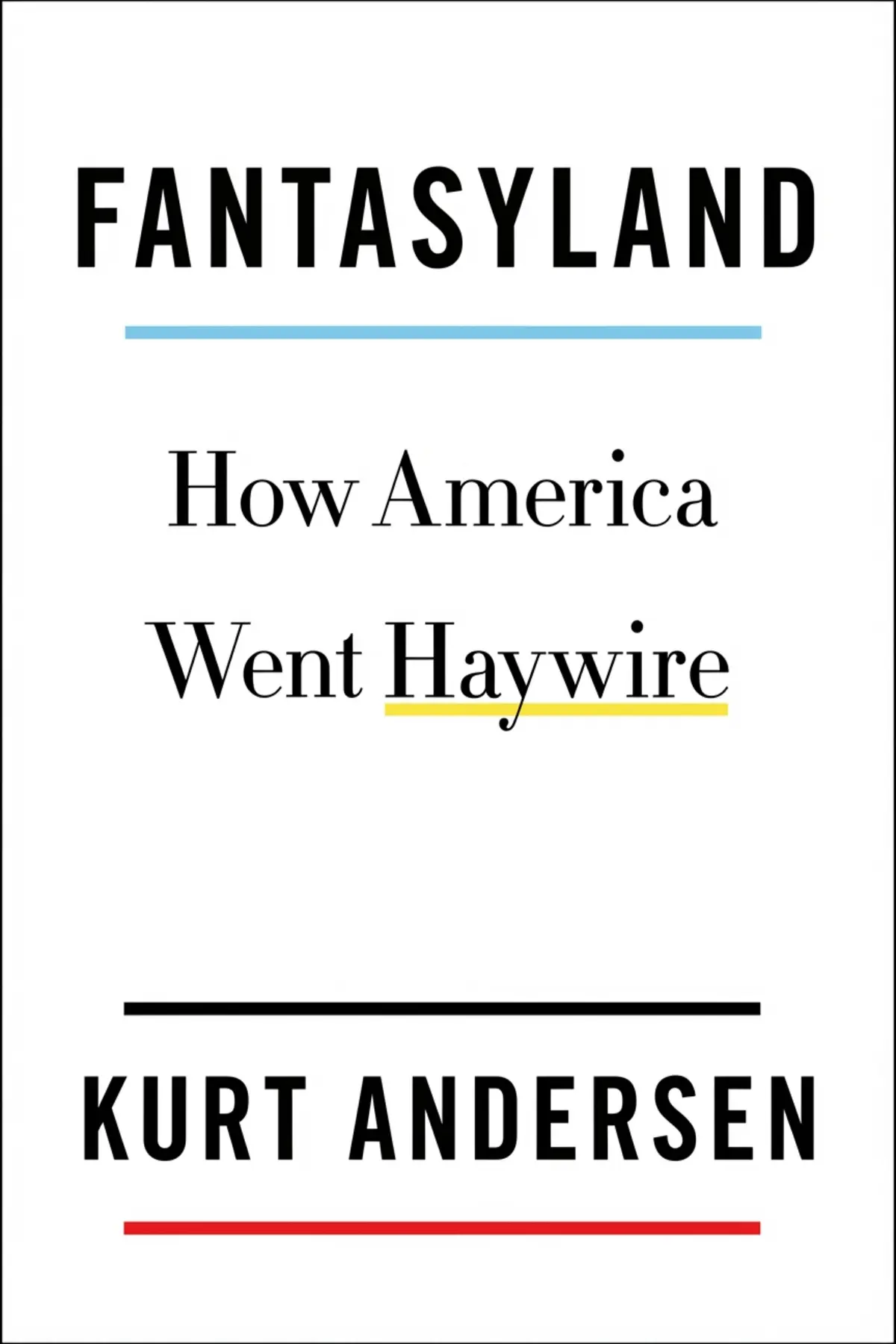
Table of Content
1. Introduction
1 min 41 sec
Have you ever looked at the modern world and wondered how we arrived at a point where the very idea of truth seems up for debate? Today, we are surrounded by terms like alternative facts and fake news, where conspiracy theories are given the same weight as scientific evidence, and where the line between reality and entertainment has become almost invisible. It often feels as though the collective floor has fallen out from under us, leaving us floating in a sea of subjective perspectives. Many people point to current political leaders, specifically figures like Donald Trump, as the architects of this new, post-truth era. To Kurt Andersen, however, such figures are not the cause of our departure from reality; they are the ultimate symptom of a condition that has been part of the American DNA since the very beginning.
For centuries, the United States has been a place where the right to believe whatever you want has been prioritized over the necessity of believing what is actually true. This isn’t just a political quirk or a temporary social trend. It is a fundamental throughline of the American experience. From the very first colonists who landed on these shores with heads full of impossible dreams to the modern adults who spend their lives immersed in virtual worlds, America has consistently chosen the allure of fantasy over the mundane constraints of reality. In this exploration, we are going to look at the historical milestones that built this national temperament. We will see how religious fervor, racial delusions, counter-cultural drug use, and even our hobbies have contributed to a culture that often prefers a good story to a hard fact. By understanding this history, we can begin to see our current moment not as a sudden break from the past, but as the inevitable destination of a path we stepped onto five hundred years ago.
2. The Golden Delusion of the First Colonists
2 min 00 sec
The very foundation of European settlement in North America was built on a desperate, imaginative envy that ignored the harsh realities of the terrain.
3. Mormonism and the Rise of American Myth-Making
1 min 54 sec
In the nineteenth century, a new religious movement demonstrated how easily Americans could be persuaded to see their own land as a divine, ancient landscape.
4. Historical Fantasies of Slavery and Supremacy
1 min 55 sec
Even after the horrors of the Civil War, many Americans retreated into a fabricated memory of the past to avoid the discomfort of racial equality.
5. The 1960s and the Shift Toward Subjectivism
1 min 54 sec
The counter-culture revolution didn’t just change social norms; it fundamentally altered the American relationship with objective reason.
6. The Infantalization of the American Adult
1 min 58 sec
In recent decades, the boundary between childhood and adulthood has evaporated, leading to a culture of perpetual play and escapism.
7. The Lethal Fantasy of the Armed Citizen
1 min 55 sec
The modern obsession with gun ownership in America is a prime example of how fear-based delusions can override statistical reality.
8. Conclusion
1 min 42 sec
The history of the United States is often told as a series of triumphs and progress, but beneath that narrative lies a consistent and troubling theme: our collective departure from reality. As we have seen, this journey didn’t start with the internet or modern cable news. It began with the first dreamers who saw gold where there was only dirt, and it continued through religious movements that turned the American landscape into a divine stage. It moved through the dark chapters of our history where we invented myths to justify oppression, and it accelerated during the cultural upheavals of the twentieth century that prioritized feeling over fact.
Today, we live in the culmination of these trends. We are a nation where adults find solace in the toys of their childhood, where fear drives us to arm ourselves against imaginary threats, and where our political discourse is often a clash of incompatible fantasies. The ‘fantasyland’ Kurt Andersen describes isn’t just a place we visit; it’s the air we breathe. The throughline of this experience is the radical American belief that every individual has the right to their own reality.
While this individualism has often been a source of creativity and innovation, it has also left us uniquely vulnerable to manipulation and division. To move forward, we must recognize that while we are entitled to our own opinions and our own dreams, we are not entitled to our own facts. The challenge for the future is to find a way to reconnect with a shared reality without losing the imaginative spirit that made the country possible in the first place. Reclaiming the truth is not just a political necessity; it is a vital step in ensuring that the American experiment doesn’t end as a victim of its own imagination.
About this book
What is this book about?
Fantasyland explores the unsettling reality that the United States has always been a country built on and sustained by elaborate fantasies. While modern discourse is often dominated by talk of alternative facts and misinformation, Kurt Andersen argues that this is not a new phenomenon. Instead, it is the culmination of a centuries-old tradition where individual beliefs often override objective truth. From the earliest explorers who arrived looking for non-existent gold to the religious movements of the nineteenth century and the psychedelic shifts of the 1960s, the book provides a comprehensive look at how the American psyche has become untethered from reality. It examines how this trait influences everything from our political landscape and religious diversity to our entertainment and our relationship with firearms. The promise of this journey is a deeper understanding of why America looks the way it does today and how we became a nation of enthusiasts for the unreal.
Book Information
About the Author
Kurt Andersen
Kurt Andersen is the bestselling author of the novels Heyday and Turn of the Century, and his writing has also appeared in the New York Times and Vanity Fair. Aside from his novels and journalistic work, he’s also the host of the Peabody Award-winning radio program Studio 360.
Ratings & Reviews
Ratings at a glance
What people think
Listeners find this work to be a valuable experience featuring extensive research and a unique take on the history of America. The prose is expertly written, and listeners value its clear, evocative nature, with one listener noting how it provides a revealing look at the psyche of today. The storytelling earns praise for its persuasive logic, and listeners view it as essential reading for every American. How unsettling the book is brings varied responses, as listeners characterize it as both terrifying and startling.
Top reviews
Sumalee
Andersen has crafted a sprawling, dizzying account of how America became the world capital of the irrational. He tracks our national descent into "truthiness" from the early Puritans through the 1960s explosion of the "Fantasy Industrial Complex." It is a sobering look at how we’ve systematically dismantled the gates between reality and make-believe. The writing is sharp and frequently funny, though the implications are genuinely frightening for anyone who values objective truth. While some chapters feel a bit long-winded, the core argument about our national DNA being wired for delusion is hard to dismiss. To be fair, he takes aim at everyone—from the NRA to New Age crystal healers—so you’re bound to feel a bit defensive at some point. It’s an essential read for understanding why our current political climate feels like a fever dream.
Show morePruet
Picked this up on a whim and ended up staying up until 2 AM finishing it. It is hands-down one of the most revealing books I have ever read regarding the current state of our country. Andersen argues that our "anything goes" mentality has finally backfired, leaving us unable to distinguish between a theme park and a government. The connections he draws between the Protestant Reformation and the rise of the internet conspiracy are nothing short of genius. It’s shocking to realize how long we’ve been marinating in this culture of self-delusion. Truth is, I felt a sense of profound unease as I turned the pages. He holds up a mirror to the American people, and the reflection isn't exactly flattering. This is a must-read for anyone who feels like the world has stopped making sense lately.
Show moreWissanu
Wow, this was a wild ride through the American imagination. Andersen writes with a frantic, smart energy that keeps the pages turning despite the heavy subject matter. He convinced me that our current "post-truth" era isn't just a political glitch, but a feature of the American system itself. I loved the way he tied together P.T. Barnum, UFO sightings, and modern social media bubbles. It’s a convincing argument that we’ve always been a nation of believers, we just stopped caring what we believed in. To be fair, some might find his critiques of religion a bit harsh. But if you can handle some blunt truths about our cultural history, you’ll find this fascinating. It’s easily one of the most important books of the decade.
Show moreElise
This book should be mandatory reading in every high school across the country. Andersen has perfectly captured the "magic thinking" that defines modern American life. He doesn't hold back, taking on the gun lobbies, the anti-vaxxers, and the political fantasies that led to our current division. It’s a shocking reminder that our problems didn't start with the last few elections; they’ve been brewing for centuries. The prose is well-crafted and moves at a clip, making a dense history lesson feel like a page-turner. Frankly, it’s one of the most frightening things I’ve read because it suggests there’s no easy way back to reality. If you want to understand the engine behind our current culture wars, this is the manual.
Show moreVimolwan
Ever wonder how we reached a point where feelings regularly trump facts in the public square? Fantasyland provides a chilling map of that journey. It’s a brilliant, if slightly depressing, examination of the American psyche’s historical preference for the fantastical over the mundane. I found the sections on the 19th-century "hucksters" particularly illuminating because they show that our current madness isn't actually new. The author’s prose is incredibly clear, making complex epistemological shifts feel accessible to the average reader. My only gripe is that it occasionally leans too heavily on the author's personal distastes—like his oddly specific rants about adult dress codes. Still, it’s a necessary autopsy of the American experiment. You will walk away feeling much more cynical about your neighbors, but significantly more informed about how we got here.
Show moreSirirat
The sheer scope of this book is its greatest strength and its primary weakness. Andersen manages to weave together five centuries of American history into a cohesive narrative of national madness. It’s a different perspective on history that ignores the usual "great man" tropes to focus on our shared delusions instead. Personally, I found the analysis of the 1960s as a turning point for both the Left and the Right to be incredibly persuasive. However, the book does get bogged down in the middle with a few too many lists of things that annoy the author. He spends a lot of time on "hyperreality," a concept that felt a bit academic at times. Despite the occasional bloat, the writing style remains engaging throughout. It’s a thought-provoking piece of work that challenges the "common sense" we take for granted.
Show moreClaire
Not what I expected, but exactly what I needed to read right now. This book is a deep dive into the American psyche that explains so much of our current chaos. Andersen shows how we've always been suckers for a good story, regardless of whether it's actually true. The way he traces our obsession with "self-invention" from the frontiersmen to reality TV stars is masterfully done. It's a scary look at how thin the line between entertainment and reality has become for millions of people. My only complaint is that the tone can be a little dismissive of genuine faith at times. Regardless, the research is top-notch and the conclusions are hard to argue with. It’s a revealing look at why we are the way we are.
Show moreLucas
As someone who has always been fascinated by American history, this was a refreshing and brutal wake-up call. Andersen builds on the ideas of thinkers like Umberto Eco to show how "hyperreality" has taken over our national discourse. He avoids the dry, academic tone you might expect, opting instead for a narrative style that feels urgent and modern. The book does a great job of explaining how the "gatekeepers" of truth lost their authority during the late 20th century. I found the section on the "Satanic Panic" of the 80s to be particularly relevant to today's conspiracy theories. Gotta say, it makes you look at every news headline through a much more skeptical lens. It’s not a comfortable read, but it’s an incredibly clear-eyed one.
Show moreTalia
Finally got around to this after seeing it on every "best of" list for the last few years. There is an incredible 250-page book hidden inside this 400-plus-page volume. The central thesis—that Americans have a unique right to believe whatever they want—is brilliantly supported by the early chapters. But by the time we got to the detailed history of every theme park in California, I started to check out. Not gonna lie, the author’s snarkiness gets a bit old after a while. He is clearly very smart, but he doesn't leave much room for any dissenting views of American culture. That said, his insights into how the internet became a playground for the paranoid are spot on. It’s a worthwhile read for the historical context alone, even if the delivery is a bit self-indulgent.
Show moreArjun
I really wanted to like this one, but it mostly felt like 400 pages of a guy yelling at clouds. Andersen’s research is obviously deep, but his tone is so condescending that it becomes a chore to finish. He seems to hate everything from Disney to video games to anyone with a religious bone in their body. Look, I agree that America has a problem with conspiracy theories and "alternative facts," but blaming literally every cultural development since the 60s feels like a stretch. He paints with such a broad brush that he loses the nuance required for a serious sociological study. Frankly, it’s less of a history book and more of a lengthy venting session for a disillusioned intellectual. If you enjoy being told why your hobbies are ruining the country, this is for you. Otherwise, it's just exhausting.
Show moreReaders also enjoyed
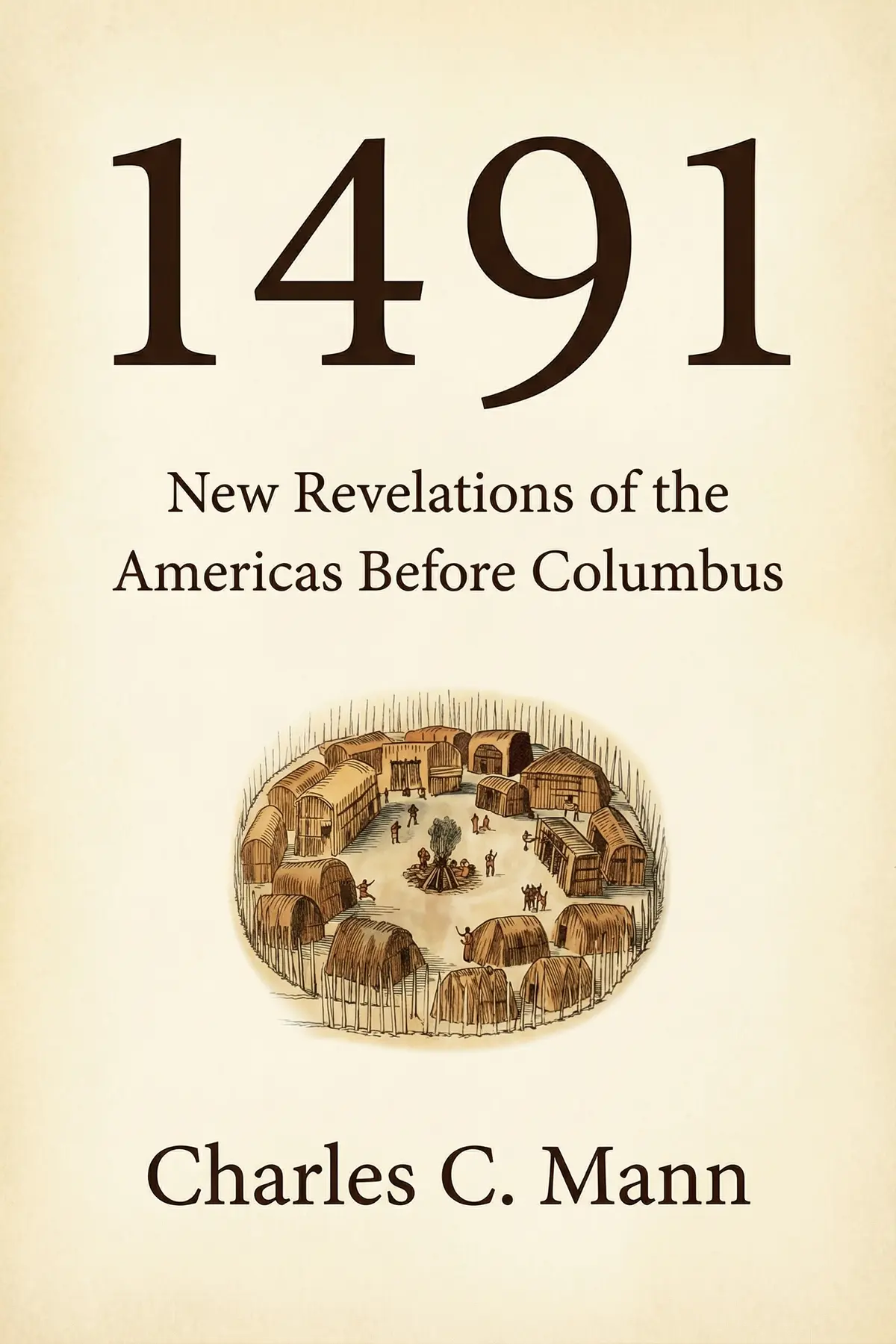
1491: New Revelations of the Americas Before Columbus
Charles C. Mann
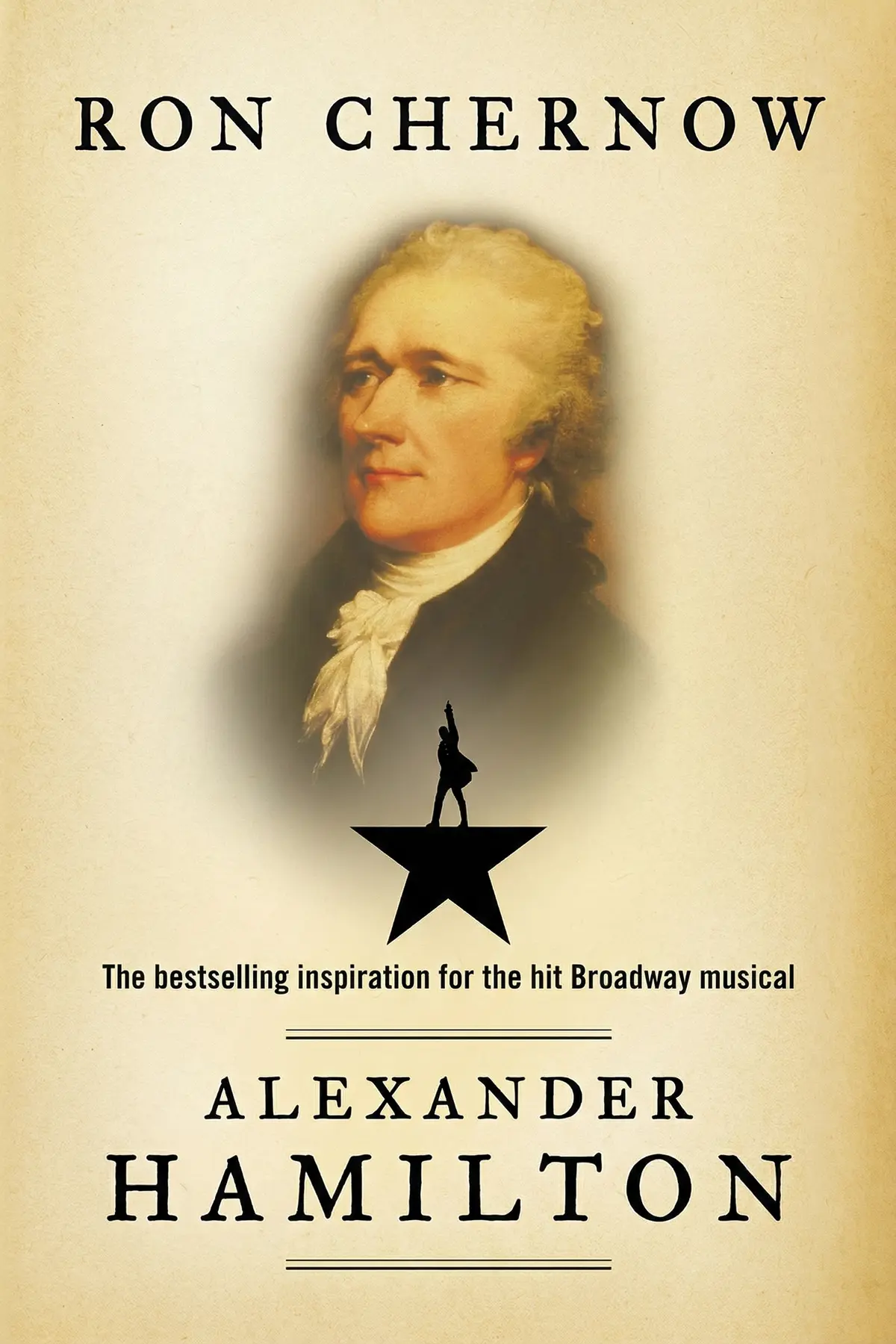
Alexander Hamilton
Ron Chernow
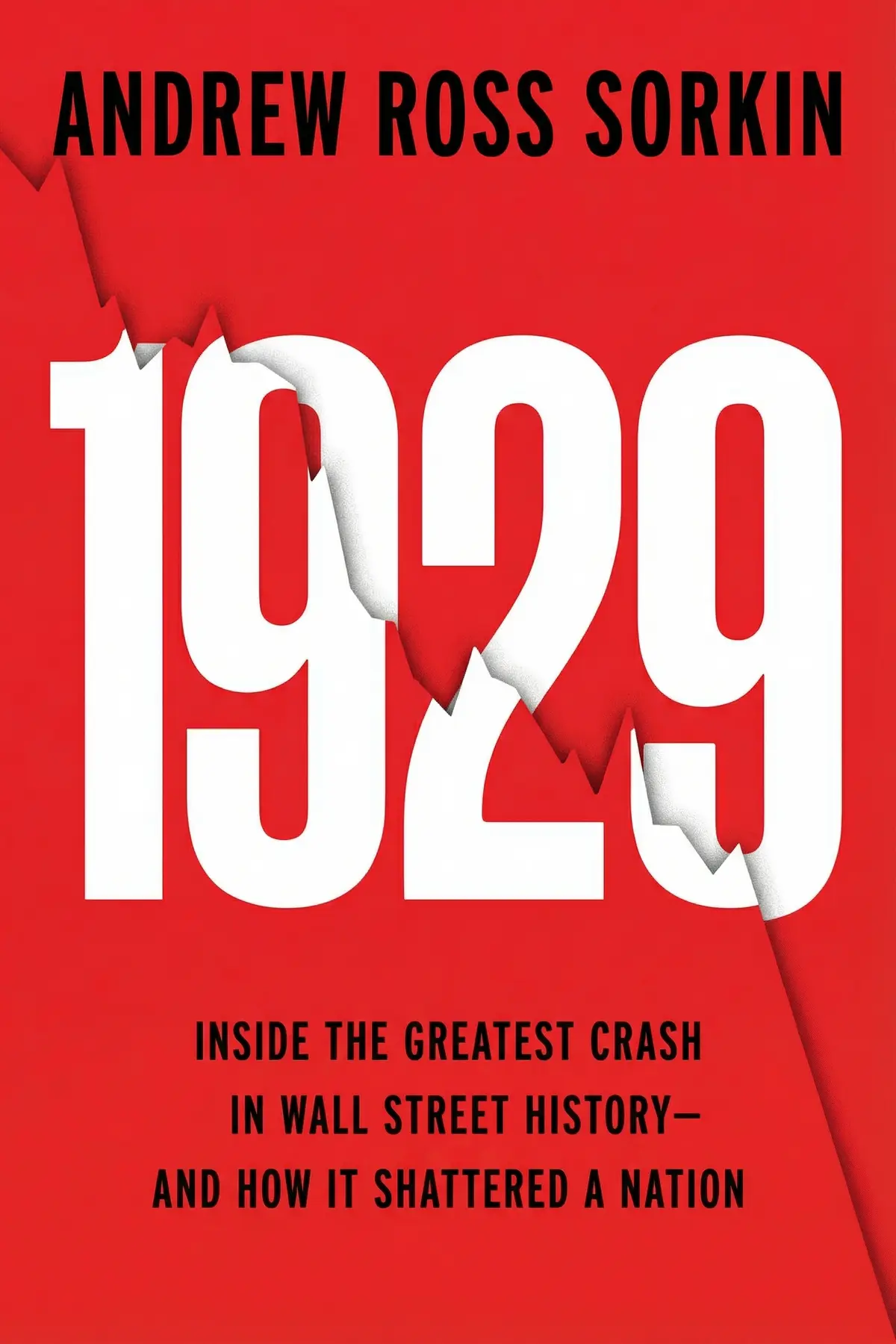
1929: Inside the Greatest Crash in Wall Street History--and How It
Andrew Ross Sorkin
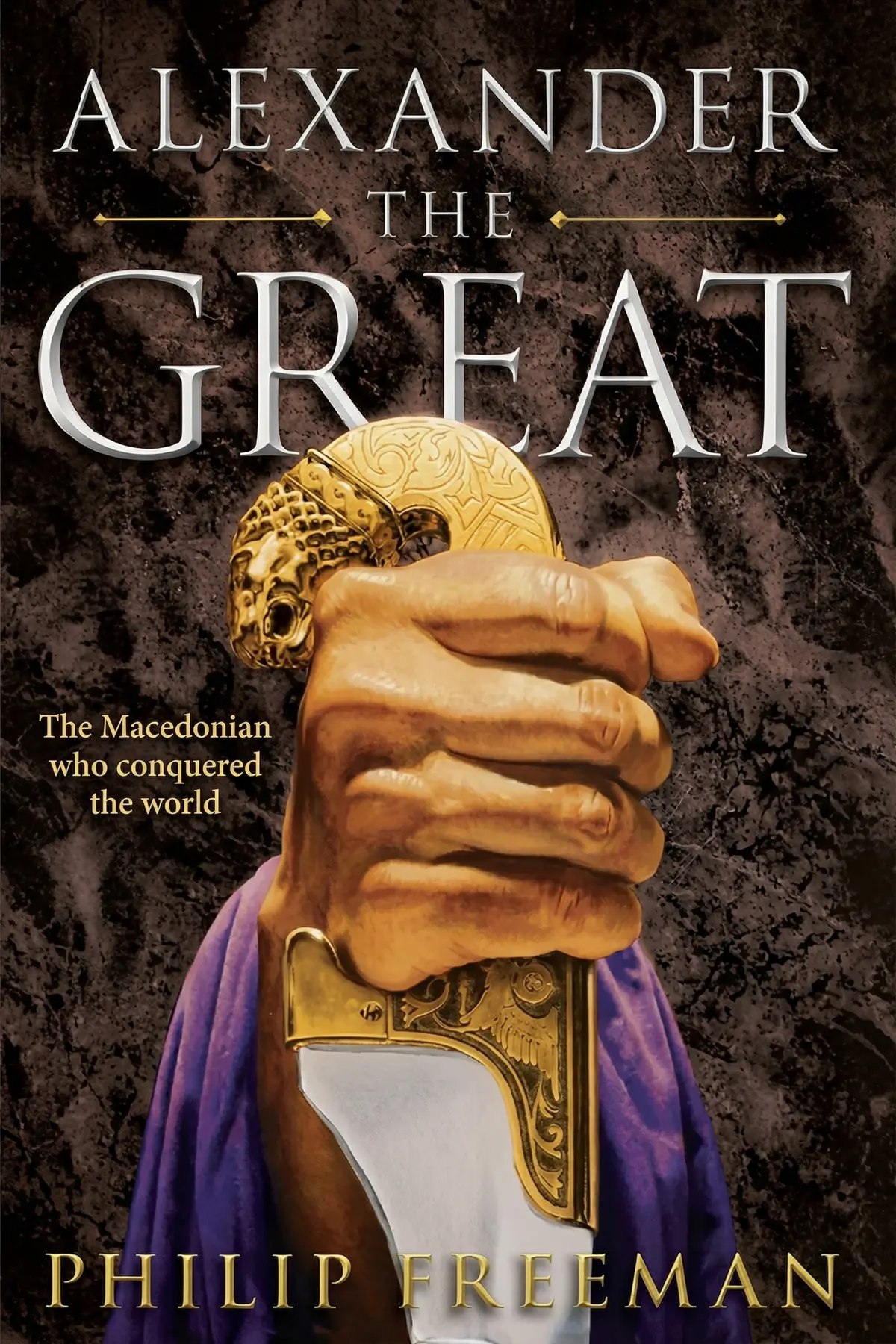
Alexander the Great
Philip Freeman

A Biography of Loneliness: The History of an Emotion
Fay Bound Alberti
Abolish Rent: How Tenants Can End the Housing Crisis
Tracy Rosenthal
Abortion: Our Bodies, Their Lies, and the Truths We Use to
Jessica Valenti
AUDIO SUMMARY AVAILABLE
Listen to Fantasyland in 15 minutes
Get the key ideas from Fantasyland by Kurt Andersen, plus 5,000+ more titles in English and Thai.
- 5,000+ titles
- Listen as much as you want
- 7-day free trial
- Cancel anytime







