
25 min 41 sec
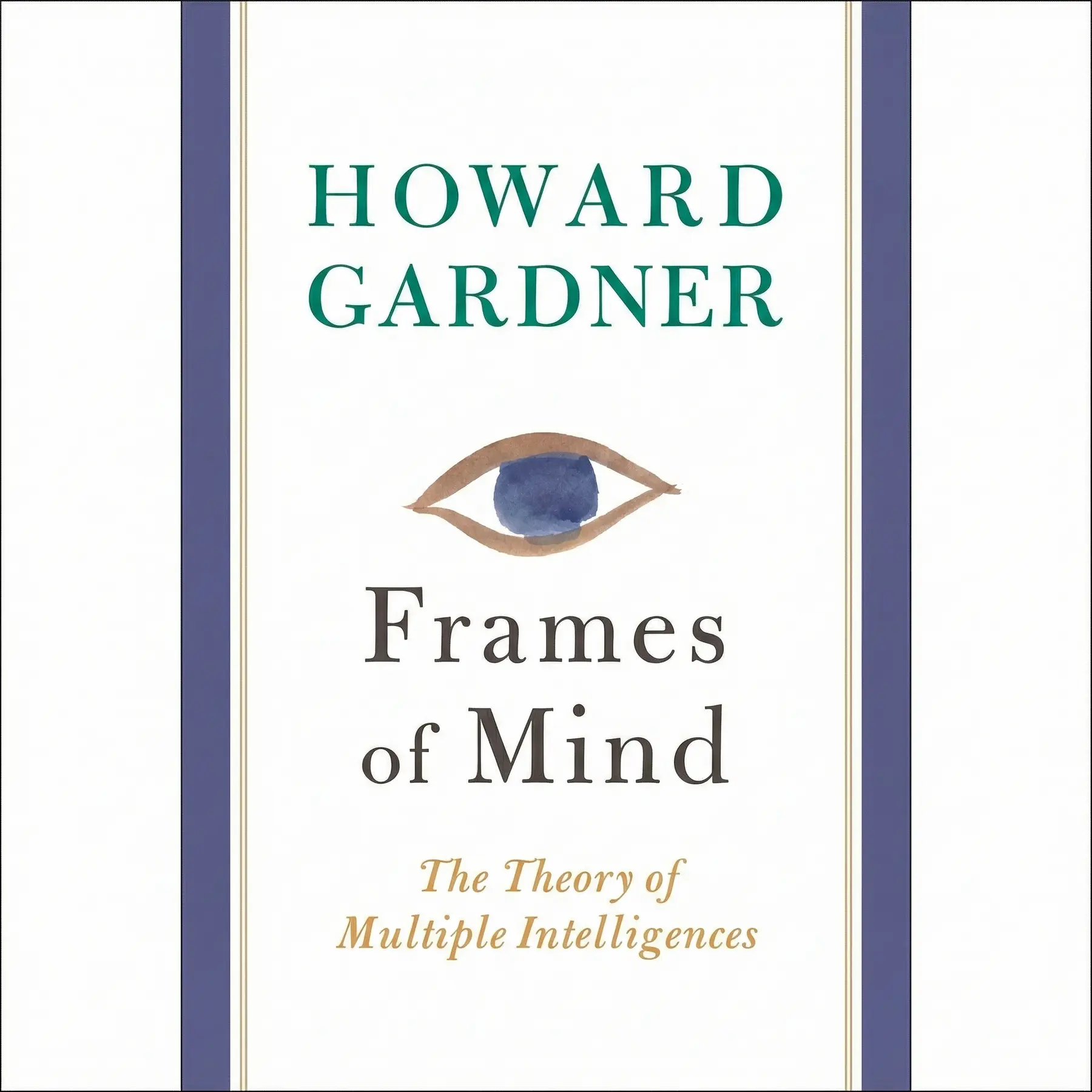
Frames of Mind: The Theory of Multiple Intelligences
Howard Gardner challenges the traditional view of a single, measurable IQ, proposing instead a revolutionary theory of multiple intelligences that encompass linguistic, musical, logical, and personal strengths to redefine human potential.
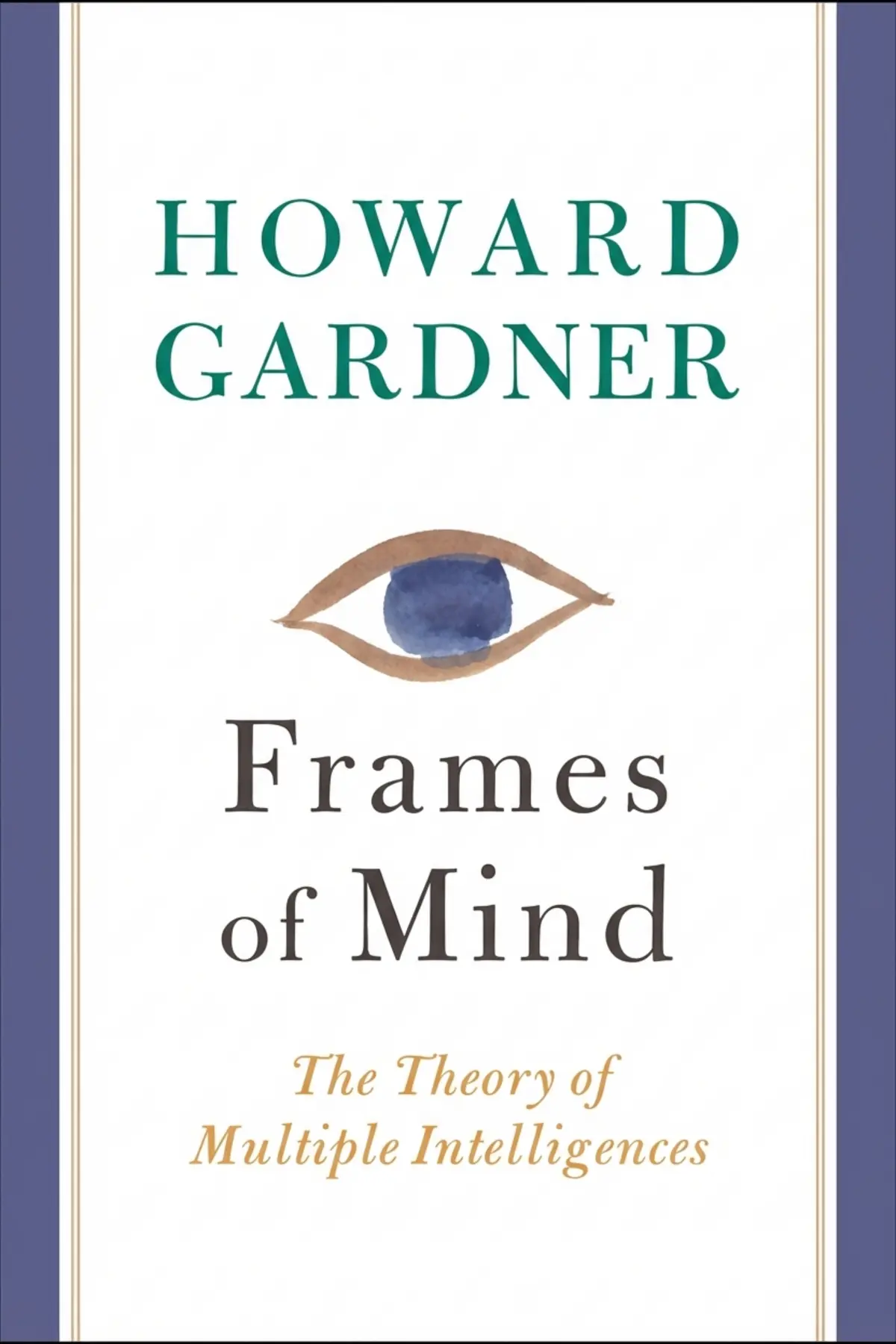
Table of Content
1. Introduction
2 min 07 sec
Imagine for a moment that we are attempting to measure the quality of a forest. If we only looked at the height of the tallest oak tree, we might conclude that the entire ecosystem is either successful or a failure based on that one metric. But a forest is far more than its tallest tree. It is the depth of the roots, the variety of the undergrowth, the health of the soil, and the complex interactions between various species. For nearly a century, our society has treated human intelligence exactly like that lone oak tree. We have relied on a single number—the Intelligence Quotient, or IQ—to tell us who is capable and who is not. This approach suggests that intellect is a uniform, static quality that some people simply have more of than others.
However, this narrow lens often fails to account for the diverse ways humans actually succeed in the real world. Think of the master navigator who can steer a boat across thousands of miles of open ocean using only the stars and the feel of the current. Think of the poet who can evoke a profound emotional response with a single carefully chosen word, or the athlete whose movements are so precise they seem to defy the laws of physics. Are these people not intelligent? Traditional testing would suggest their skills are mere talents or peripheral abilities, but the theory of multiple intelligences argues otherwise.
In the following exploration of Howard Gardner’s seminal work, we will dive into a psychological framework that reshaped our understanding of the human mind. We are going to move beyond the idea of a general, all-purpose brain power and instead look at the brain as a collection of specialized systems. We will see how different forms of competence—from the musical to the interpersonal—operate with a surprising degree of independence. As we go through these ideas, you will start to see why the modern educational system is often misaligned with the way our brains actually function. By the end, you will have a new perspective on how to identify and nurture the unique intellectual profile within yourself and others. This isn’t just about psychology; it’s about a more inclusive and effective way of viewing human potential.
2. The Limitations of Modern Intelligence Definitions
2 min 18 sec
Traditional IQ tests ignore the diverse achievements of human cultures, from master sailors to religious scholars, missing the broader spectrum of human competence.
3. The Intersection of Genetics and Environment
2 min 25 sec
Human cognitive development is a dance between biological potential and the opportunities provided by our surroundings and culture.
4. Linguistic Intelligence and the Power of Words
2 min 22 sec
More than just speaking, linguistic intelligence involves a deep sensitivity to the sounds, meanings, and persuasive powers of language.
5. Musical Intelligence and the Auditory Mind
2 min 24 sec
Musical ability is a distinct cognitive system that allows us to process pitch and rhythm, operating independently from our linguistic skills.
6. Logical-Mathematical Intelligence and Abstract Thought
2 min 27 sec
This intelligence thrives on recognizing patterns and following long chains of reasoning, moving from the world of objects to pure abstraction.
7. Spatial Intelligence and Mental Mapping
2 min 25 sec
Spatial intelligence is the capacity to perceive, transform, and recreate visual information, essential for everything from sailing to surgery.
8. Bodily-Kinesthetic Intelligence and Physical Excellence
2 min 36 sec
The skilled use of the body is a form of intellect, where the brain and muscles work in a constant, high-speed dialogue to solve physical problems.
9. The Personal Intelligences: Knowing Self and Others
2 min 24 sec
Intrapersonal and interpersonal intelligences allow us to navigate our internal emotions and the complex social dynamics of the world around us.
10. A New Vision for Education
2 min 24 sec
Applying multiple intelligence theory to schools means moving away from standardized testing and toward a more personalized, culturally aware curriculum.
11. Conclusion
1 min 49 sec
As we have seen throughout this journey into the human mind, the theory of multiple intelligences is far more than just a psychological concept—it is a challenge to the status quo. For too long, we have allowed a single, narrow metric to determine the value of a human being. We have mistaken a high IQ for the sum total of human capability, and in doing so, we have overlooked the brilliant composers, the masterful athletes, the insightful leaders, and the deeply self-aware individuals who keep our world moving in all its complexity.
Howard Gardner’s work reminds us that our brains are not a single engine, but a sophisticated workshop of diverse tools. We have the linguistic tools to share our stories, the musical tools to express our feelings, the logical tools to solve problems, and the personal tools to understand ourselves and others. When we recognize these distinct systems, we start to see that every person possesses a unique intellectual profile. This realization is incredibly empowering. It means that a struggle in one area, like mathematics or reading, does not define your entire mental capacity. It simply means that your strengths lie elsewhere, waiting to be discovered and nurtured.
The throughline of this theory is a call for a more personalized and compassionate approach to human development. Whether you are an educator, a parent, a manager, or simply someone looking to understand yourself better, the takeaway is clear: stop looking for a single number and start looking for the diverse ways in which excellence manifests. By tailoring our learning and our lives to match our inherent profiles, we can unlock a level of achievement and satisfaction that a standardized test could never measure. The story of human potential is not a single line; it is a vast, multidimensional map. It’s time we started exploring the whole of it.
About this book
What is this book about?
For generations, the Western world has leaned heavily on the idea that intelligence is a singular, static quality—something you are born with and that can be distilled into a single numerical score. Frames of Mind dismantles this narrow perspective. Howard Gardner introduces the groundbreaking theory of multiple intelligences, suggesting that our brains are far more specialized and diverse than standard IQ tests suggest. By examining how different cultures value various skills and how specific brain injuries impact distinct abilities, Gardner identifies seven core intelligences. The book promises to change the way we view success, education, and our own capabilities. It moves the conversation away from how smart you are to how you are smart. Whether it is the rhythmic precision of a composer, the spatial navigation of a sailor, or the deep self-reflection of a philosopher, this work highlights the vast spectrum of human competence and offers a roadmap for a more tailored approach to learning and development.
Book Information
About the Author
Howard Gardner
Howard Gardner is a distinguished developmental psychologist best known for formulating the theory of multiple intelligences. Over his prolific career, he has authored 30 books and earned prestigious accolades, including the 1981 MacArthur Fellowship and the 2020 Distinguished Contributions to Research in Education Award. He currently serves as a research professor at the Harvard Graduate School of Education and an adjunct professor of psychology at Harvard University. Additionally, he leads The Good Project, an initiative focused on helping individuals navigate and resolve complex ethical dilemmas.
Ratings & Reviews
Ratings at a glance
What people think
Listeners find that the work provides a comprehensive breakdown of multiple intelligence theory and broadens our perspective on human capability. Reactions to the prose are varied, as some consider the writing high-quality while others label it as poor. It is a dense and challenging read, though listeners appreciate the sections concerning linguistic and interpersonal elements.
Top reviews
Nan
As an educator who spent years in the classroom, this book remains the foundational text that shifted my entire perspective on student potential. Gardner’s breakdown of the seven initial intelligences—from linguistic to intrapersonal—challenges the narrow IQ-based metrics that have dominated our schools for a century. While the prose is undeniably academic and dense, the core message is revolutionary. It encourages us to look at the 'whole' student rather than just their ability to solve a math problem or write an essay. To be fair, some of the scientific grounding feels a bit dated forty years later, but the philosophical shift it demands is still necessary. I frequently return to the sections on spatial and musical intelligence to remind myself that brilliance isn't a singular lane. If you can push through the technical jargon, you'll find a blueprint for a more compassionate and effective educational system. It’s essential reading for anyone serious about how we learn.
Show moreElan
Forty years later, this classic still holds more truth than most modern 'self-help' nonsense. I finally got around to reading 'Frames of Mind' and was struck by how much of our current educational vocabulary started right here. Gardner isn't just offering a 'feel-good' theory that everyone is special; he provides a rigorous, well-supported analysis of the biological and cultural roots of different capacities. I found the commentary on the 'right-brain' capabilities and the undervaluation of the arts particularly poignant. To be fair, the book is quite dense and takes a very 'theorist' approach to the subject, which can be taxing. But the depth of research is what makes it credible. It’s a serious piece of social science that forces you to re-evaluate how we identify talent. We are still beggaring ourselves as a society by ignoring the trades and the arts, and Gardner called it out decades ago. A foundational text that deserves the shelf space.
Show moreKom
Truth is, many people talk about Gardner’s theory without ever actually cracking the spine of this book. If they did, they’d find a much more nuanced argument than the 'learning styles' myths often propagated in schools. Gardner looks at the intersection of the individual, the domain, and the culture. He even touches on the 'soul of learning' and the mystery of motivation, which I found fascinating. How do we produce another Picasso or Miles Davis? Gardner doesn't have all the answers, but he asks the right questions. The book is definitely an 'aging classic' and the writing is quite formal, but the insights into how we might personalize education are still cutting-edge. It’s about more than just skills; it’s about the natural life course of our abilities. A deep, challenging, and ultimately rewarding read for anyone interested in the philosophy of the mind.
Show moreJonathan
Finally finished this behemoth, and I have mixed feelings about the delivery. The theory itself is a masterpiece of cognitive psychology, expanding our narrow definitions of human talent into something much more inclusive. However, Gardner seems intent on making the reader work for every single insight. He uses ten words where three would suffice, often veering into territory that feels more like a vocabulary challenge than a scientific explanation. Why use words like 'quadrivium' repeatedly if you’re trying to reach a broad audience? It’s a bit ironic that a book championing different ways of knowing is written in such a strictly formal, linguistic style that might alienate those with different strengths. Despite the 'wordiness' and the occasional slog through the final chapters, the logic holds up. It makes a strong case for why we undervalue artistic and kinesthetic gifts in Western culture. It's a dense read, but ultimately rewarding for those with the patience to mine the gold.
Show moreHiroshi
The concept of 'at promise' students is perhaps the most moving part of this entire study. Gardner’s work is less a 'how-to' guide for teachers and more a serious social science inquiry into the diverse ways the human brain processes reality. I appreciated his deep dive into how different cultures value certain intelligences over others, though I wish he had been even more critical of our own society’s obsession with economic utility. The writing is definitely formal and requires a high level of concentration, but the way he delineates spatial and bodily-kinesthetic intelligence is fascinating. Look, it’s not an easy weekend read, but it provides a necessary framework for understanding why some people excel in ways that standard testing can't capture. The chapters on the 'personal' intelligences—interpersonal and intrapersonal—were particularly eye-opening for me. It’s a seminal work that, despite its age, still offers a lot of clarity on the 'gestalt' of human capability.
Show moreJack
Picked this up to better understand the 'science' behind my own learning style. As someone who has always leaned more toward the creative and kinesthetic side, I found Gardner’s validation of these 'frames' incredibly affirming. He explores how the brain isn't just one big computer, but a collection of distinct modules. While I know there’s been a lot of pushback regarding the lack of empirical evidence for these separate 'intelligences'—and I can see those gaps while reading—the logic remains persuasive. The chapter on spatial intelligence was a highlight for me, especially the discussion on how it matures and shifts as we age. My only real gripe is the tone. It is undeniably academic and, at times, feels like it’s going in circles just to sound more authoritative. It’s a commitment to get through, but if you care about human development, it’s a hurdle worth jumping.
Show moreSuphan
Wow, this was a project. I’m proud I finished it, but I’m not sure I’d recommend the full text to everyone. Gardner’s theory is one of the most interesting concepts in modern psychology, but he writes with an unnecessary complexity that makes the reading feel like a chore. As a creative writer, I struggled with the dry, verbose style and the way he seems to make things complicated just because he can. That being said, the interpersonal and intrapersonal sections are gold. They completely changed how I think about social 'smarts' and self-awareness. It’s a dense, linguistically heavy book that occasionally contradicts its own premise of diverse intelligences by being so inaccessible. Still, the impact this book has had on the world is undeniable. Four stars for the theory, even if the prose is a bit of a nightmare.
Show moreStella
Ever wonder why some 'geniuses' can't read a room or fix a faucet? This book provides the answers, but boy, is it a struggle to get to them. I love the idea that being smart isn't just about high SAT scores, and Gardner’s categories make so much intuitive sense. However, the actual reading experience is incredibly dry. It’s one of those books that I was dying to start because the subject is so compelling, but once I was fifty pages in, I found myself checking the page count every five minutes. The writing is overly verbose and lacks the engaging narrative flow you find in modern non-fiction. Personally, it feels more like a report than a book meant for an audience. I appreciate the linguistic and logical-mathematical depth he goes into, but the delivery is just so 'textbook' that it drains the excitement out of the theory. I’m glad I read the key points, but I don’t think I’ll ever pick it up again.
Show moreEleanor
Not what I expected at all. I thought this would be a more accessible guide to the theory of multiple intelligences, but it’s actually a very heavy academic text. I’ve seen this condensed on various apps like Headway, and frankly, that might be the better way to consume it for most people. Gardner is clearly a genius in his field, but he writes like he’s trying to impress a board of directors rather than explain things to a student. The ideas are 5-star, but the execution is a slog. It’s great for writing a paper for a Master’s in Education, but as a casual read? It’s tough. There’s a lot of focus on linguistic and abstract proficiency, which is ironic given the subject matter. It’s an important book, but be prepared for a very slow burn.
Show moreOmar
What a massive disappointment this was. I came into this expecting an enlightening look at human potential, but instead, I got a dry, bloated doctorate thesis that could have been summarized in a twenty-page pamphlet. Gardner is clearly a brilliant theorist, but he is a terrible writer for the general public. He makes simple concepts unnecessarily complex, buried under mountains of notes that feel like they were added just to hit a page count. I frankly found it a chore to get past the first few chapters because the tone is so detached and academic. It felt like I was reading a textbook from the 80s that someone forgot to edit. If you're interested in multiple intelligences, save yourself the headache and just read a summary or watch a lecture online. I’m moving on to David Shenk’s work instead, hoping for something that doesn’t treat the reader like they’re sitting for a PhD defense. Life is too short for books this poorly paced.
Show moreReaders also enjoyed
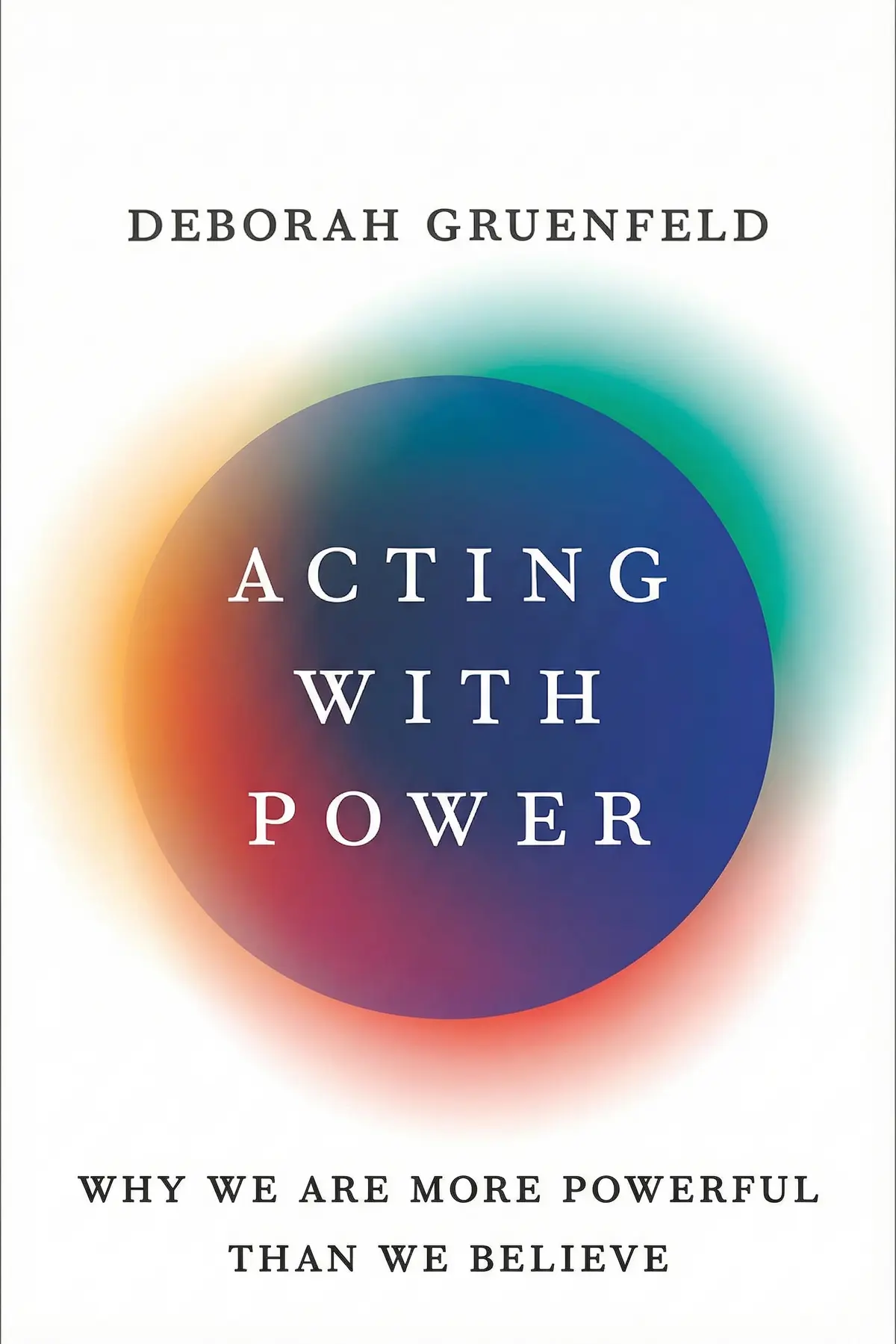
Acting with Power: Why We Are More Powerful Than We Believe
Deborah Gruenfeld
Age of Propaganda: The Everyday Use and Abuse of Persuasion
Anthony Pratkanis
59 Seconds: Change Your Life in Under a Minute
Richard Wiseman
AUDIO SUMMARY AVAILABLE
Listen to Frames of Mind in 15 minutes
Get the key ideas from Frames of Mind by Howard Gardner, plus 5,000+ more titles in English and Thai.
- 5,000+ titles
- Listen as much as you want
- 7-day free trial
- Cancel anytime







