
25 min 43 sec
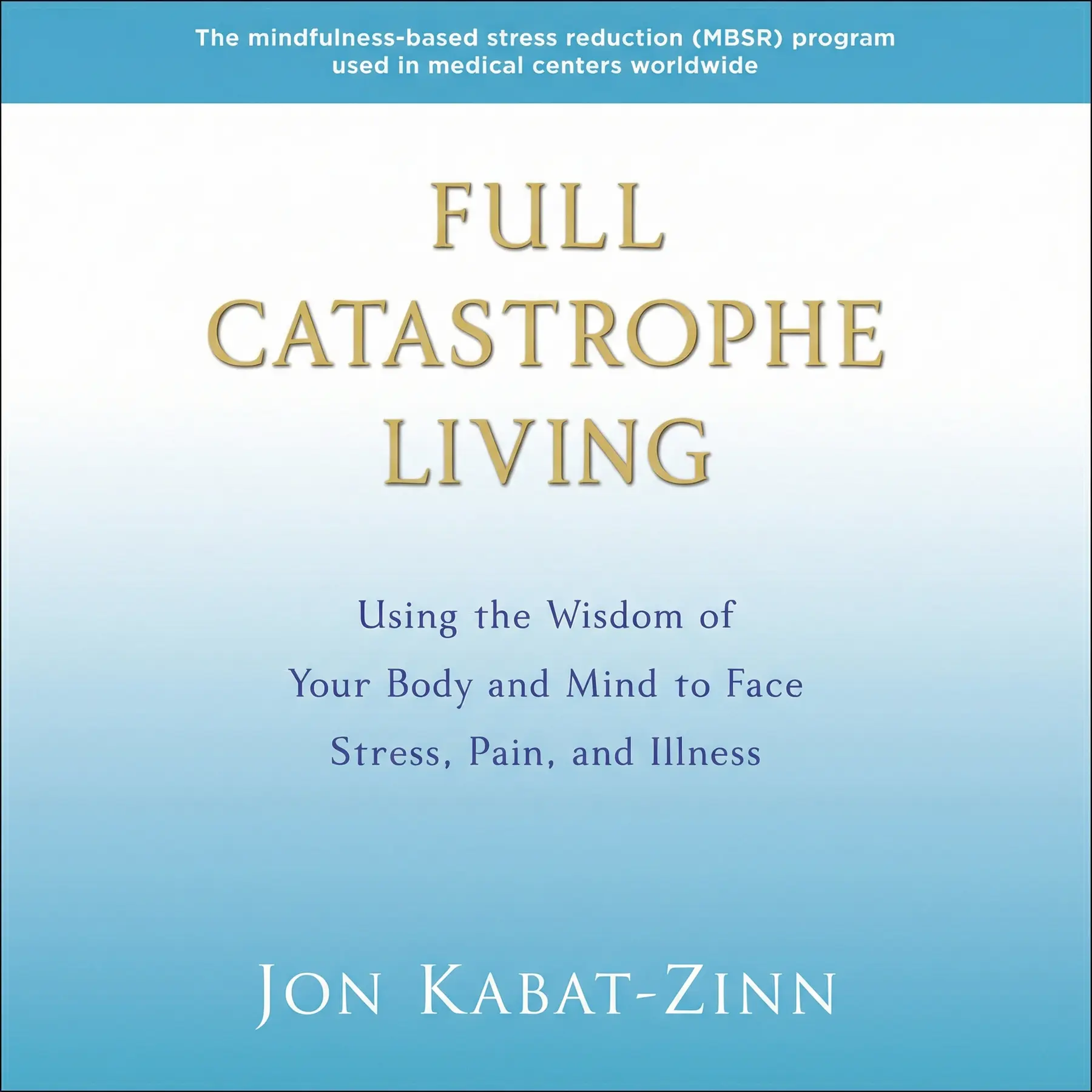
Full Catastrophe Living: Using the Wisdom of Your Body and Mind to Face Stress, Pain, and Illness
A foundational exploration of Mindfulness-Based Stress Reduction, this guide teaches how to utilize meditation to navigate the inherent challenges of life, including physical pain, emotional turmoil, and the pressures of the modern world.
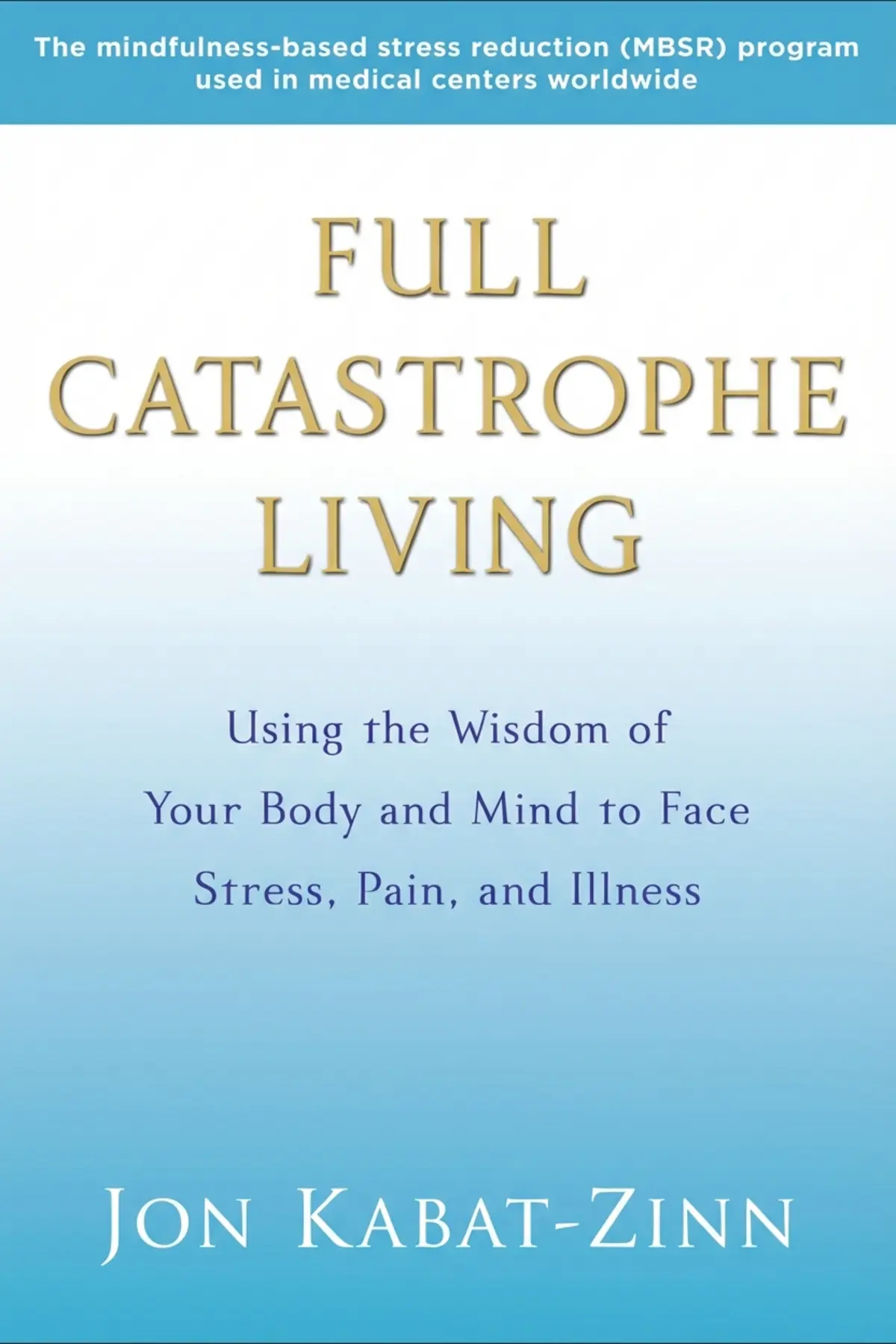
Table of Content
1. Introduction
1 min 58 sec
There is a memorable moment in the film Zorba the Greek where the main character, a man who lives with unbridled zest and energy, is asked if he has ever been married. His reply is telling: he describes his life, with all its family responsibilities and inevitable complications, as the ‘full catastrophe.’ At first glance, that might sound like a complaint or a sign of pessimism. But for Zorba, and for us as we explore these ideas, the ‘catastrophe’ isn’t a disaster to be avoided. It is the entire, sprawling, messy, and beautiful experience of being human. It encompasses the soaring heights of joy and the deep valleys of sorrow, the quiet moments of peace and the loud, clattering disruptions of daily life.
To live fully means to embrace the whole package. Many of us spend our lives trying to filter out the parts we don’t like. We want the happiness without the heartache; we want the success without the stress. But the reality is that life doesn’t work that way. When we try to close ourselves off to the difficult parts of existence, we inadvertently numb ourselves to the joyful parts as well. We become half-alive, constantly bracing ourselves against the next problem rather than truly experiencing the current moment.
This is where the wisdom of mindfulness comes in. It offers us a way to face the ‘full catastrophe’ head-on, not with fear, but with a calm, clear-headed acceptance. By cultivating a specific kind of awareness—one that is rooted in the present and free from judgment—we can learn to navigate stress, physical pain, and emotional suffering in a way that doesn’t overwhelm us. Throughout this summary, we will explore the foundational tools of mindfulness. We will look at how something as simple as your breath can become an anchor in a storm, how your body holds the secrets to your emotional state, and how you can break the cycles of stress that often keep us trapped. The goal isn’t to create a life where nothing goes wrong; it’s to build the internal strength and clarity to live beautifully, even when things do.
2. The Power of the Present Moment
2 min 27 sec
We often live our lives in a state of mental time travel, but true peace and stability can only be found by grounding ourselves in the here and now.
3. From Doing to Being
2 min 55 sec
Our society rewards constant activity, but true resilience requires us to balance our ‘doing’ with the quiet strength of ‘being.’
4. The Breath as a Life Anchor
2 min 20 sec
Your breath is a portable tool for centering yourself, providing a constant rhythm that can stabilize the mind during times of turbulence.
5. Mapping the Body-Mind Connection
2 min 20 sec
Our bodies often hold the physical manifestations of our stress and emotions long before our minds become aware of them.
6. Understanding the Stress Response
2 min 26 sec
Stress is not just what happens to us, but how we respond to it; understanding this distinction is the key to breaking the cycle of overwhelm.
7. The Art of Mindful Response
2 min 15 sec
By creating a pause between a stressor and our reaction, we can choose a path of wisdom rather than repeating old, unhelpful habits.
8. Navigating Physical Pain
2 min 21 sec
Mindfulness doesn’t necessarily eliminate pain, but it changes our relationship to it, often making it much more bearable.
9. Working with Emotional Suffering
2 min 14 sec
Emotions are temporary events in the mind; by observing them without judgment, we can prevent them from defining our reality.
10. The Wisdom of Acceptance and Change
2 min 26 sec
Discernment is the ability to know when to strive for change and when to find peace through acceptance.
11. Conclusion
2 min 01 sec
As we reach the end of this journey through the landscape of mindfulness, it is helpful to return to the idea of the ‘full catastrophe.’ Life is a package deal. It will always include stress, it will likely include pain, and it will certainly include challenges that we didn’t ask for. But it also includes breathtaking beauty, profound connection, and the simple, quiet joy of being alive. The practice of mindfulness is the key that unlocks our ability to experience all of it.
We have explored how the breath serves as an ever-present anchor, how the body reveals our hidden stresses, and how we can move from mindless reaction to mindful response. We have seen that by changing our relationship to our thoughts and feelings, we can find a sense of peace that is independent of external circumstances. This isn’t a destination you reach and then stay at forever; it is a way of living that you choose, over and over again, with every breath.
To put these ideas into practice, you might start with a simple ‘loving-kindness’ meditation. In a world that is often harsh, practicing kindness toward yourself is a radical and necessary act. Sit quietly and direct a sense of well-being toward yourself. Then, slowly expand that circle to include your loved ones, then those you feel neutral toward, and eventually, if you can, those with whom you have conflict. This softens the heart and reminds us of our shared humanity within the ‘full catastrophe.’
Remember that mindfulness is a journey, not a quick fix. It takes patience and persistence, but the rewards are profound. By showing up for your life, exactly as it is, you begin to inhabit your days with a new sense of depth and meaning. You learn that you are stronger than you thought, and that even in the middle of a storm, there is a center of stillness within you that remains untouched. May you continue to breathe, to notice, and to embrace the full catastrophe of your beautiful life.
About this book
What is this book about?
Full Catastrophe Living introduces the transformative power of mindfulness as a tool for health and well-being. The book is built on the foundation of the Mindfulness-Based Stress Reduction (MBSR) program, a clinically proven method for reducing stress and improving quality of life. The core promise is that by changing our relationship with the present moment, we can find stability even in the midst of life's greatest difficulties. It explores the connection between the mind and body, demonstrating how awareness can mitigate the impact of chronic pain and illness while fostering a deeper sense of peace and resilience.
Book Information
About the Author
Jon Kabat-Zinn
Jon Kabat-Zinn is an internationally recognized scientist, writer, and meditation teacher who has been described as a master of mindfulness. He is the pioneer behind Mindfulness-Based Stress Reduction (MBSR), a technique that has provided relief and healing to thousands of individuals worldwide.
Ratings & Reviews
Ratings at a glance
What people think
Listeners view this book as an excellent reference manual that provides beneficial explanations and actionable techniques for navigating the difficulties of life. Furthermore, they value the impactful introduction to mindfulness meditation and the thoroughly researched data regarding the practice. The content is simple to follow and comprehend, guiding listeners through the process step by step, and listeners believe it is a valuable use of their time. Additionally, they appreciate how it assists with managing stress and physical pain, resulting in a life-altering experience that motivates listeners to re-evaluate their perspective on living.
Top reviews
Riley
Picked this up during a particularly brutal health crisis, and it became a literal lifeline for me. Kabat-Zinn does a phenomenal job of stripping away the mysticism often associated with meditation, making it accessible for those of us dealing with chronic pain. The 8-week program outlined here is rigorous, demanding 45 minutes of your day, which felt impossible at first. However, the step-by-step guidance on body scans and gentle yoga transformed my relationship with my physical symptoms. I’m not saying the pain vanished, but my reaction to it shifted from panic to a quiet, observant presence. It’s a thick volume, so don't expect a quick weekend read; it’s more of a manual for a new way of existing. Truly, it’s well worth the investment of time if you're serious about long-term healing.
Show moreSupatra
As someone who has struggled with generalized anxiety for years, finding a book that treats mental health with this level of clinical respect was a game-changer. Kabat-Zinn takes the 'woo-woo' out of the equation entirely, focusing instead on the biological realities of the stress response and how we can interrupt it. The concept of the 'Full Catastrophe' is so relatable—it’s about embracing the messiness of life rather than trying to escape it. I followed the 8-week program as best as I could, and the difference in my reactivity is night and day. I find myself pausing before I spiral, which is a tool I never had before reading this. It’s a dense, academic-leaning read, but the practical tools for managing life’s challenges are genuinely life-altering.
Show morePruet
After hearing about the MBSR program for years, I finally decided to dive into the source material, and I wasn't disappointed. This isn't just a self-help book; it’s a comprehensive curriculum for rethinking your entire approach to health and wellness. The way Kabat-Zinn explains the physiological impact of chronic stress makes the need for meditation feel less like a chore and more like a medical necessity. I particularly valued the sections on how our perceptions shape our reality, which helped me navigate a difficult period at work with much more grace. It requires discipline, and you definitely need the accompanying audio to get the most out of the exercises, but the payoff is immense. This is easily the most well-researched and grounded book on meditation I’ve ever come across.
Show moreKai
Jon Kabat-Zinn’s masterpiece is a profound blend of clinical wisdom and compassionate insight, offering a vital bridge between Eastern practice and Western medicine. It’s rare to find a guide that is so thoroughly researched yet remains so deeply human in its approach to suffering. The author's focus on the 'wholeness' of the individual, rather than just treating a set of symptoms, is exactly what is missing from much of modern healthcare. I found the instructions for the various meditations to be incredibly clear, especially the focus on diaphragmatic breathing which has improved my sleep quality immensely. Yes, it’s long, and yes, it requires a significant effort from the reader, but that’s because meaningful change is never easy. If you are prepared to do the work, this book provides every tool you could possibly need to navigate life's challenges.
Show moreCharlotte
Finally got around to finishing this massive tome after it sat on my nightstand for nearly three months. Honestly, while the core message of mindfulness is incredibly powerful, the writing is quite repetitive at times. Kabat-Zinn tends to labor his points, applying the same mindfulness concepts to dozens of different scenarios like work, relationships, and medicine. If you’re looking for a concise introduction, you might find this frustratingly long-winded compared to his later, more streamlined works. That being said, the research-backed approach to the mind-body connection is fascinating and provides a sturdy foundation for skeptics. It’s a solid reference guide that I’ll likely revisit, but a strong editor could have easily trimmed two hundred pages without losing the essence.
Show moreSirirat
The chapter on 'non-doing' was a total revelation for my Type-A personality, even if the rest of the book felt a bit slow. Kabat-Zinn writes with a gentle, patient authority that makes you feel like you’re sitting in his clinic in Massachusetts. I appreciated the specific instructions on walking meditation and the body scan, as they gave me something concrete to do with my wandering mind. Some of the anecdotes from the clinic patients felt a little dated, given that the book was originally published in 1990, but the science remains remarkably relevant today. My only real gripe is the physical size of the book; it’s quite a commitment to lug around and read through. Still, it’s a foundational text for anyone interested in the MBSR program and provides a very thorough roadmap.
Show moreBank
To be fair, this book is essentially the 'Big Bible' of mindfulness, and it definitely lives up to that reputation in terms of depth. I’ve read Kabat-Zinn’s shorter works, but this one provides the deep-dive context that those books sometimes lack. It’s amazing how a book written before the internet era can still feel so pertinent to our current state of digital distraction and constant 'doing.' Personally, I found it to be a bit of a slog at times, and I ended up skimming some of the more technical medical chapters that didn't apply to my specific situation. If you can push through the repetitive parts, you’ll find a wealth of wisdom that is both practical and deeply moving. It’s not a quick fix, but it provides a sustainable framework for anyone looking to find a bit of calm in the chaos.
Show moreNew
Ever wonder why we spend so much of our lives on autopilot, rushing toward some imaginary finish line? This book finally gave me the permission I needed to just stop and exist in the moment, which sounds simple but is incredibly difficult in practice. I love how it emphasizes that you aren't trying to 'get' anywhere or achieve some mystical state of zen; you're just showing up for your life. Truth is, I found the 45-minute daily requirement a bit much, so I modified it to fit my schedule, and I still felt the benefits. The writing is clear and easy to follow, making complex psychological concepts feel totally understandable. It’s a great reference to keep on the shelf for when life starts feeling like a catastrophe again.
Show moreAnawin
Not what I expected given all the hype, though I do see the value in the underlying message of being present. In my experience, I felt like I was reading the same chapter over and over again with only slight variations in the subject matter. One moment it’s mindfulness for heart disease, then it’s mindfulness for job stress, but the advice rarely changes: just breathe and observe. While the consistency is likely the point, it made for a dry reading experience that I struggled to stay engaged with. I also found the lack of explicit credit to Buddhist roots a bit strange, though I understand he was trying to make it secular. It’s a decent primer for beginners, but experienced meditators might find it a bit elementary.
Show moreOwen
Look, I’m all for stress reduction, but this book felt incredibly sanctimonious and out of touch with reality. Expecting someone with a high-pressure job and a family to dedicate 45 minutes a day to 'just breathing' is frankly insulting. I found the sections on physical pain particularly problematic, as they almost seem to suggest that you can think your way out of a migraine. As someone who relies on modern medicine for actual relief, the tone here felt dangerously close to anti-medication at times. I much prefer the balanced approach of authors like Andrew Weil, who integrate these techniques without dismissing traditional treatments. For me, this was just a drawn-out, over-hyped manual that could have been summarized in a ten-page pamphlet. One star for the yoga illustrations, but that’s about it.
Show more
Readers also enjoyed
Alcoholics Anonymous
Alcoholics Anonymous World Services
A New Earth: Awakening to Your Life’s Purpose
Eckhart Tolle
A Liberated Mind: How to Pivot Toward What Matters
Steven C. Hayes
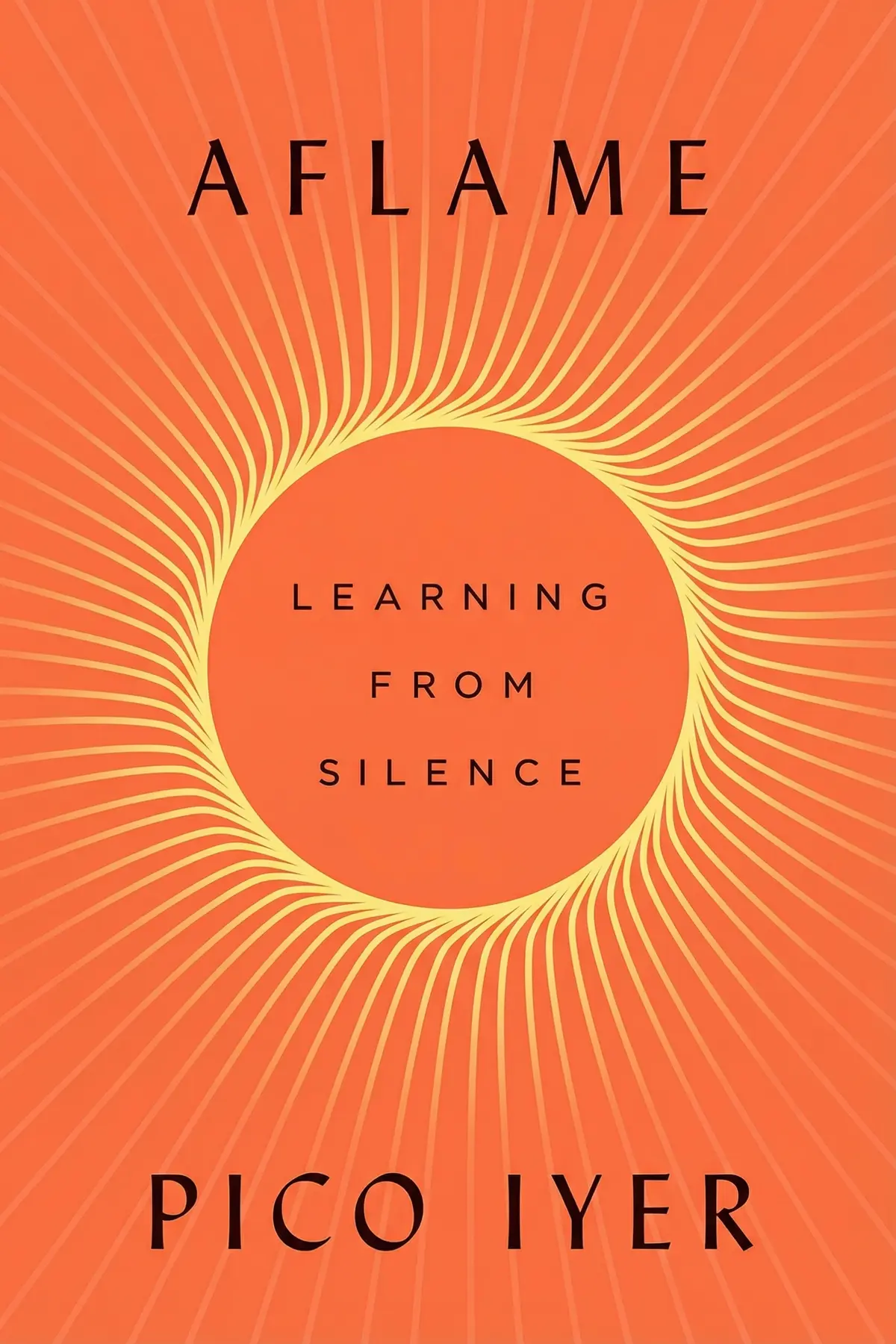
Aflame: Learning from Silence
Pico Iyer
AUDIO SUMMARY AVAILABLE
Listen to Full Catastrophe Living in 15 minutes
Get the key ideas from Full Catastrophe Living by Jon Kabat-Zinn, plus 5,000+ more titles in English and Thai.
- 5,000+ titles
- Listen as much as you want
- 7-day free trial
- Cancel anytime







