
17 min 05 sec
Fully Present: The Science, Art, and Practice of Mindfulness
Fully Present offers a deep dive into the science and practice of mindfulness, providing practical techniques to reduce stress and live more consciously in a fast-paced, digital world.
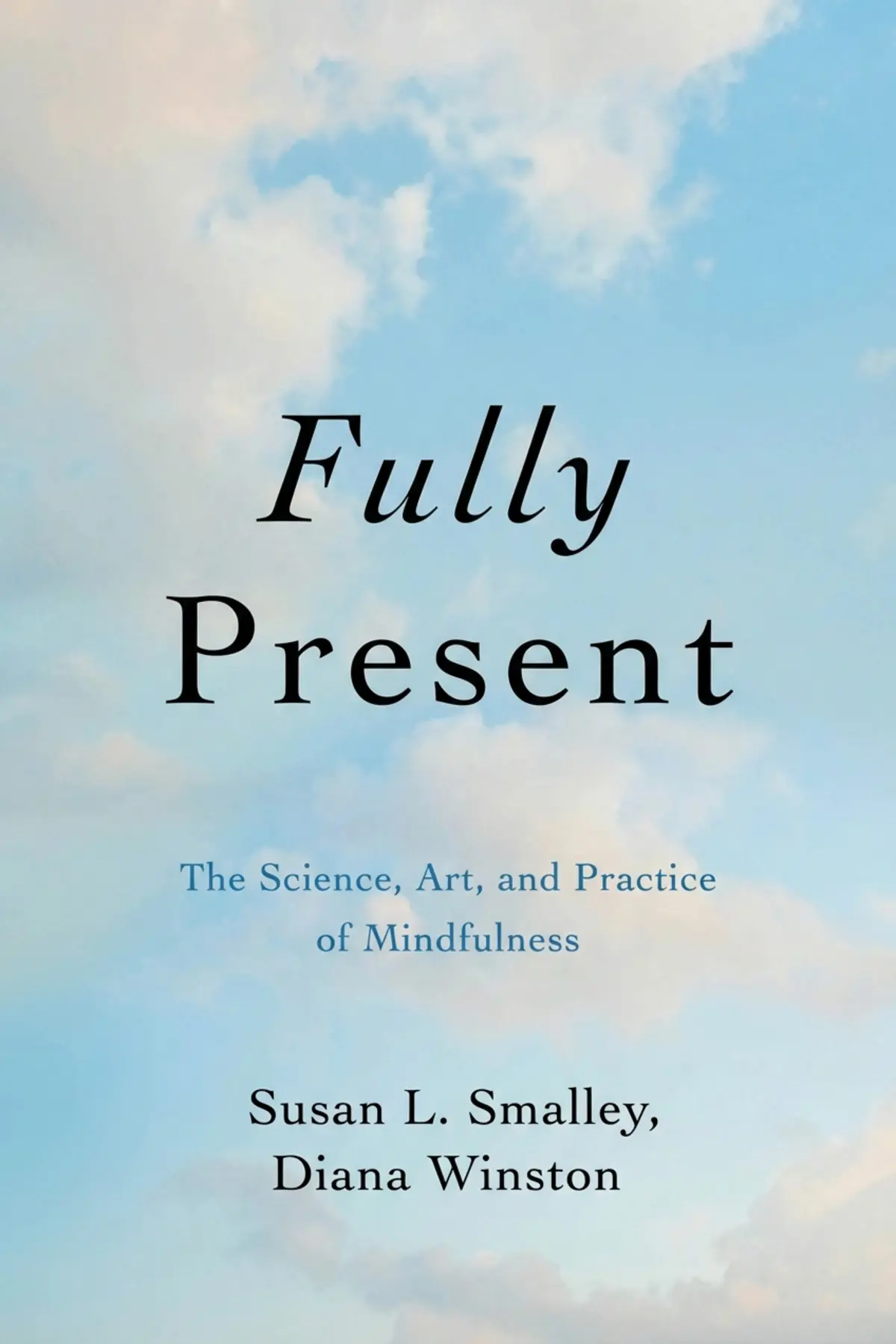
Table of Content
1. Introduction
1 min 58 sec
In an era defined by constant connectivity and an ever-growing list of obligations, it often feels as though our minds are everywhere except where our bodies actually are. We move through our days on a sort of high-speed autopilot, checking off tasks while our thoughts race toward the next deadline or linger on a past mistake. This state of constant distraction isn’t just exhausting; it’s a way of living that the authors of Fully Present, Susan Smalley and Diana Winston, suggest is fundamentally unsustainable. They argue that when we lose touch with the current moment, we become more vulnerable to the corrosive effects of stress, anxiety, and emotional burnout.
However, there is a powerful antidote to this modern malaise: mindfulness. Far from being a mystical or unreachable state reserved for monks on mountaintops, mindfulness is a practical, scientifically grounded skill that anyone can develop. It is the simple yet profound act of paying attention to the present moment without judgment. By learning to tune into our immediate experiences—whether that’s the sensation of our breath, the flavor of our food, or the nuances of our emotions—we can begin to dismantle the habits of stress and rediscover a sense of clarity and joy.
Through this summary, we will explore the various ways mindfulness can be woven into the fabric of everyday life. We’ll look at how simple shifts in perception can transform mundane chores into meaningful experiences and how understanding the difference between physical pain and psychological suffering can change our relationship with discomfort. We will also examine the science of habit formation and the specific techniques, such as loving-kindness meditation and body scanning, that help us navigate the complexities of human emotion.
The journey toward being fully present doesn’t require a radical lifestyle change. Instead, it involves a series of small, intentional choices that gradually recalibrate our relationship with time, ourselves, and the world around us. Let’s dive into these ideas and discover how to reclaim the richness of the present moment.
2. The Sensory Depth of Mindful Eating
1 min 43 sec
Discover how a single piece of fruit can become a gateway to profound awareness and a deeper connection to the world around you.
3. Strategies for Lasting Behavioral Change
1 min 43 sec
Explore why habits are so difficult to break and learn the practical psychological tricks that can help you build a consistent mindfulness practice.
4. Using the Breath as a Mental Anchor
1 min 32 sec
Learn how the simple act of breathing can serve as a powerful tool to stabilize your mind and combat the physical effects of stress.
5. Finding Stillness through Movement and Body Awareness
1 min 34 sec
Discover how walking and body scanning can turn physical activity into a meditative experience that centers your focus.
6. Differentiating Between Pain and Suffering
1 min 38 sec
Understand the crucial psychological distinction between physical discomfort and the mental distress that often amplifies it.
7. Navigating the Emotional Landscape with Mindfulness
1 min 47 sec
Learn a structured approach to identifying and accepting difficult emotions, breaking free from old patterns of repression or reactivity.
8. The Antidote of Loving-Kindness
1 min 45 sec
Explore a traditional meditation practice designed to dissolve self-criticism and foster a deeper sense of connection to others.
9. Balancing Focused and Open Awareness
1 min 33 sec
Understand the two primary modes of mindfulness and how to choose the right one for different situations, from deep work to creative play.
10. Conclusion
1 min 52 sec
As we reach the end of our exploration into the principles of being fully present, it’s clear that mindfulness is far more than just a relaxation technique. It is a comprehensive way of engaging with life that fosters emotional intelligence, physical resilience, and a deeper sense of connection to the world around us. By shifting away from a life lived on autopilot, we open ourselves up to the richness of our immediate experiences, finding depth even in the most mundane moments.
The throughline of this practice is the intentional direction of our attention. Whether we are using our breath as an anchor during a stressful meeting, savoring the complex history of the food we eat, or learning to observe our emotions without being swept away by them, we are reclaiming our power to choose how we respond to our circumstances. We’ve seen that while we cannot avoid the inevitable pains of life, we have the tools to significantly reduce the subjective suffering we add to them.
To make these ideas actionable, the authors suggest creating ‘mindfulness cues’ in your daily environment. Choose a common object or activity—like the sound of your phone ringing, the act of opening a door, or the feeling of water on your skin in the shower—and let that be your signal to take a single conscious breath and check in with the present moment. These small ‘micro-meditations’ help to bridge the gap between formal practice and the rush of daily life.
Mindfulness is a lifelong journey, not a destination. It requires patience, kindness toward oneself, and a willingness to start over again and again. But the rewards—a calmer mind, a more compassionate heart, and a life lived with greater clarity—are well worth the effort. By choosing to be fully present, you are choosing to truly live every moment of your life, rather than just rushing through it to get to the next one.
About this book
What is this book about?
This guide bridges the gap between ancient meditative practices and modern scientific research. It explores how mindfulness can be integrated into every aspect of daily life—from the way we eat a simple piece of fruit to how we handle chronic physical pain or difficult emotional legacies. The book provides a diverse toolkit of exercises, including focused breathing, walking meditations, and loving-kindness practices, designed to help anyone cultivate a state of calm awareness. Ultimately, the promise of this work is a more balanced and enriched life. By learning to distinguish between inevitable physical sensations and the subjective suffering we add to them, readers can find a sense of peace even in chaotic environments. Whether you are looking to boost your concentration at work or find more compassion for yourself and others, this summary outlines a clear path toward being fully present in the here and now.
Book Information
About the Author
Susan L. Smalley
Susan L. Smalley is a professor of psychiatry and the founder of the Mindful Awareness Research Center at the University of California, Los Angeles. Her work focuses on the intersection of genetics and human behavior, specifically regarding the benefits of mindfulness. Diana Winston is a well-known mindfulness educator who serves as the Director of Mindfulness Education at UCLA’s Mindful Awareness Research Center and has taught meditation across the United States and Asia.
Ratings & Reviews
Ratings at a glance
What people think
Listeners find the content exceptionally approachable and clear, making it an ideal guide for establishing a mindfulness routine. Furthermore, the work effectively merges age-old wisdom with contemporary science, and listeners value the practical exercise segments and the well-crafted introduction to the field. However, the quality of the performance receives varied feedback.
Top reviews
Fon
This book is probably the most accessible introduction to mindfulness I’ve encountered yet. Instead of just telling you to 'breathe,' it explains exactly what is happening in your brain during the process. I loved how the authors balanced the clinical perspective with actual, lived experience. The way they break down emotional management makes the concept of being 'fully present' feel achievable rather than just a lofty ideal. Personally, I found the chapter on stress to be a total game-changer for my morning routine. Everything is written in plain language, making complex neurological concepts easy for anyone to grasp without a PhD. It’s a perfect tool for anyone looking to understand the 'why' behind the practice.
Show moreSumalee
As someone who struggles with daily anxiety, I found this to be an incredibly soothing and informative resource. I actually had to hunt down the French audio version because the English one wasn't easily available on my preferred app. The authors manage to take a complex subject and make it feel both urgent and manageable. I really appreciated that they acknowledged the limitations of certain studies rather than presenting everything as an absolute truth. It gave the book a level of honesty that made me trust the advice more. The sections on cultivating compassion and managing difficult emotions were particularly resonant for me. Ever since I started implementing the short meditation breaks mentioned in the text, my concentration has significantly improved. It’s not just a book; it’s more like a manual for living a more conscious life.
Show moreTippawan
Finally got around to reading the source material after using the MARC meditations for years. Smalley and Winston are true experts in the field, and it shows in the depth of their explanations. They provide a wonderful overview that is well-researched without feeling like a gimmick. I especially liked how they handled the science, making it approachable for someone without a medical background. The balance between the 'art' of being present and the 'science' of the brain is handled with great care. It’s one of the best books I’ve read on the subject, specifically because it doesn't overpromise. It’s a steady, reliable introduction that gives you the tools to build a lasting habit. Definitely worth a spot on your shelf.
Show moreBun
After hearing about the UCLA Mindfulness Awareness Research Center, I felt compelled to dive into the foundational text. Smalley and Winston do a stellar job of bridging the gap between ancient meditative traditions and modern neurobiology. The practice sections at the end of each chapter are incredibly grounded and easy to integrate into a busy schedule. Truth is, some of the scientific data feels a bit dense for a casual reader, yet it lends a layer of credibility often missing in this genre. I found myself skimming the more technical data to get back to the practical applications. It’s a comprehensive guide that avoids being overly mystical or gimmicky. If you can handle a few dry pages, the nuggets of wisdom are well worth the effort.
Show moreEthan
Picked this up on a whim to see if it lived up to the hype from my well-being coach. Smalley and Winston have created a very grounded, secular approach that feels much more practical than other 'woo-woo' meditation books. The structure is great, alternating between the research and the actual implementation of mindfulness. To be fair, some of the chapters felt a bit drawn out, and I think a few of the studies could have been trimmed down to keep the pace moving. However, the emotional awareness exercises helped me navigate a particularly stressful week at work. It doesn't offer anything revolutionary or jaw-dropping, but it's a very content, stable guide. I’d suggest it to anyone who prefers facts over feelings.
Show moreTantipat
Ever wonder why everyone is suddenly obsessed with mindfulness? This book provides a very clear, evidence-based answer to that question. It’s a well-written introduction that doesn't shy away from the complexities of the human mind. Gotta say, I enjoyed the practice exercises more than the scientific summaries, which occasionally felt a bit like they were covering the same ground repeatedly. Still, the overall message is powerful and the techniques are easy to apply to a busy, modern life. It’s a great way to learn how to manage stress without needing to retreat to a mountain top. While it could have used a more aggressive editor to cut down the word count, the quality of the information remains high throughout the chapters.
Show moreConnor
The information here is definitely solid, but the editing could have been much tighter. At times, the phrasing is just odd, like the strange comparison between people's fear of snakes versus toothbrushes. Using examples like cars or unhealthy food would have made much more sense for a discussion on modern risks. Not gonna lie, I felt like the book was trying to satisfy both the rational and irrational mind simultaneously. This internal conflict led to a lot of redundancy that could have been easily avoided with better editing. The actual mindfulness techniques are simple and effective for daily stress, which remains the book's saving grace. It’s a pleasant enough read if you’re new to the subject and don't mind some filler.
Show moreKomsan
Look, I appreciate the research that went into this, but it’s a bit of a mixed bag. On one hand, you have these incredibly helpful practice sessions that really help you center yourself. On the other hand, the writing can be clunky and overly academic in places where it doesn't need to be. It feels like a grad paper that was expanded into a book for the general public. I liked the focus on the UCLA MARC findings, but I don't need twenty different examples of the same concept to get the point. In my experience, the best way to read this is to treat it like a reference book rather than a cover-to-cover narrative. Grab the techniques and leave the boring bits behind to make the most of your time.
Show moreCha
I really wanted to like this book because the topic is so relevant, but the science portions were dreadfully boring and repetitive. While the 'art' of mindfulness is described beautifully, the text gets bogged down in academic studies that aren't even always conclusive. Frankly, the authors admit some research lacks rigor, so why include so much of it in a book meant for laypeople? I found myself losing interest halfway through because the writing lacked a certain spark or flow. It felt more like a textbook than a guide for personal growth. There are definitely useful bits tucked away, but you have to dig through a lot of fluff to find them. I'd recommend just sticking to the guided meditations instead of trundling through the whole thing.
Show moreNatnicha
While the authors try their best to secularize mindfulness, I still found it difficult to connect with the material in a practical way. The flavor of the writing is just a bit too detached and clinical for my taste. I managed to get through about half the book before I lost faith that I’d find anything truly transformative. There are some 'nuggets' of good info here and there, but they are buried under mountains of dry data. In my view, the performance of the concepts feels a bit flat on the page. I was looking for a more engaging guide, and this felt like a chore to read. Maybe it works better for those who need hard science to justify their habits, but it didn't click for me.
Show moreFeatured in
Readers also enjoyed
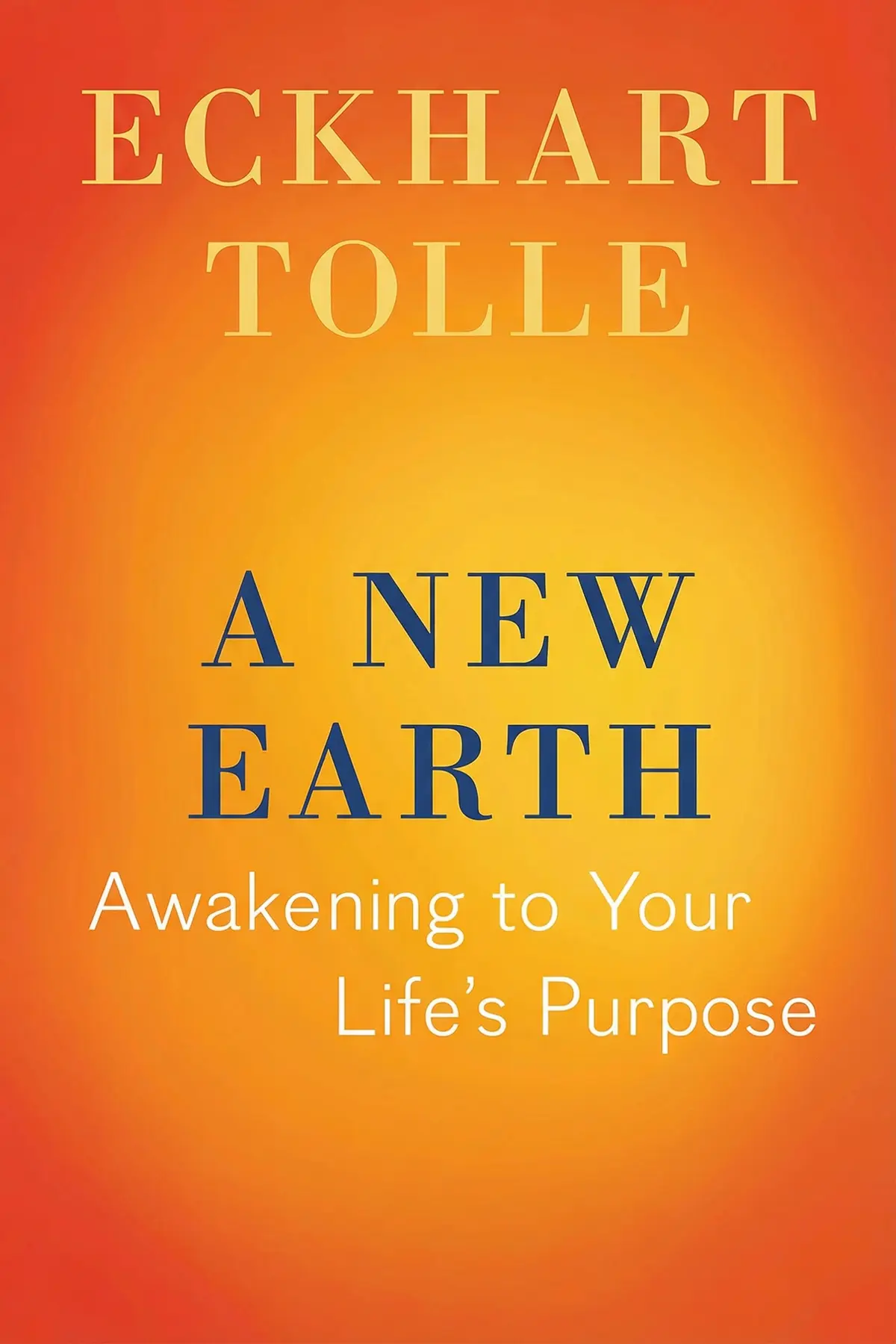
A New Earth: Awakening to Your Life’s Purpose
Eckhart Tolle
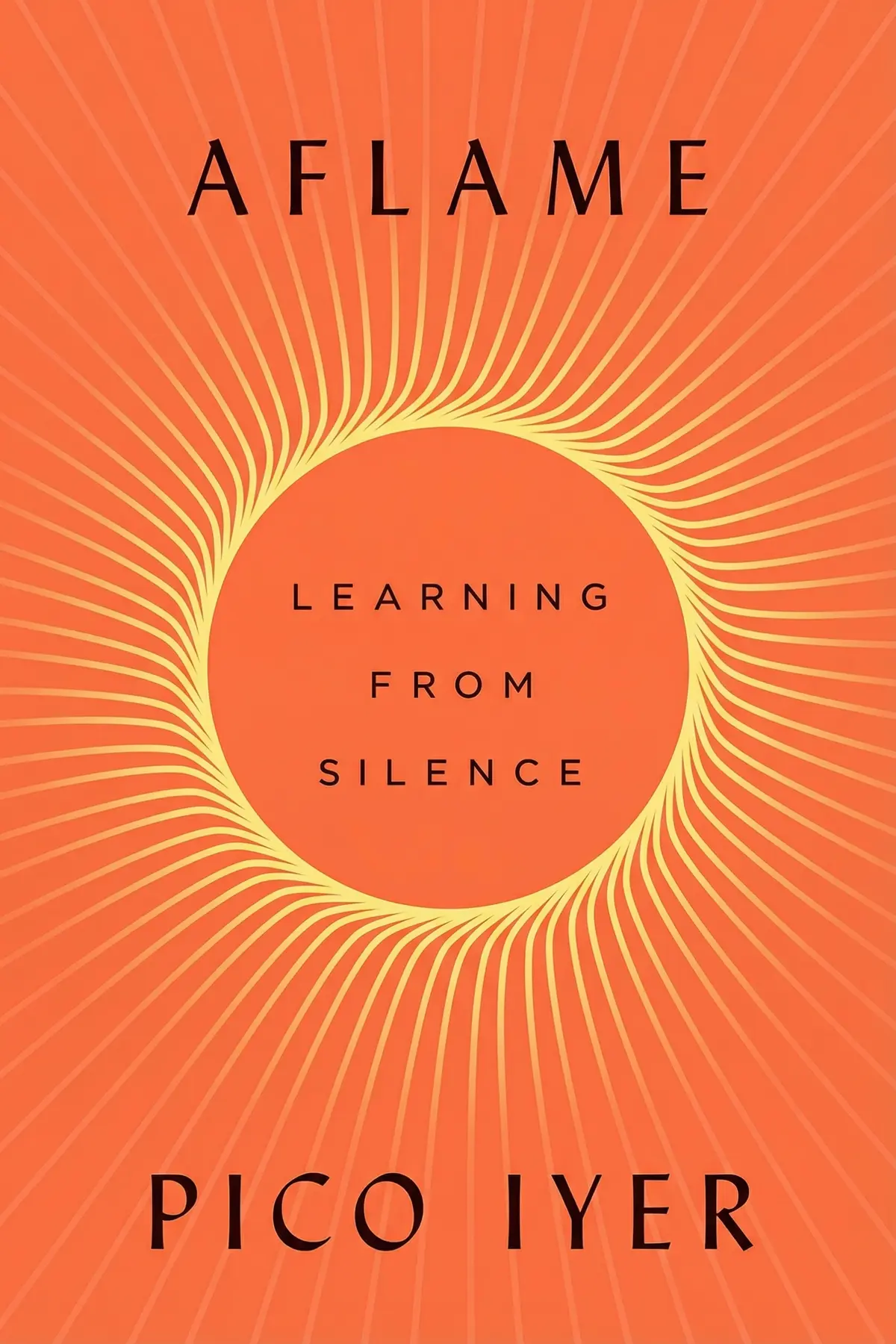
Aflame: Learning from Silence
Pico Iyer
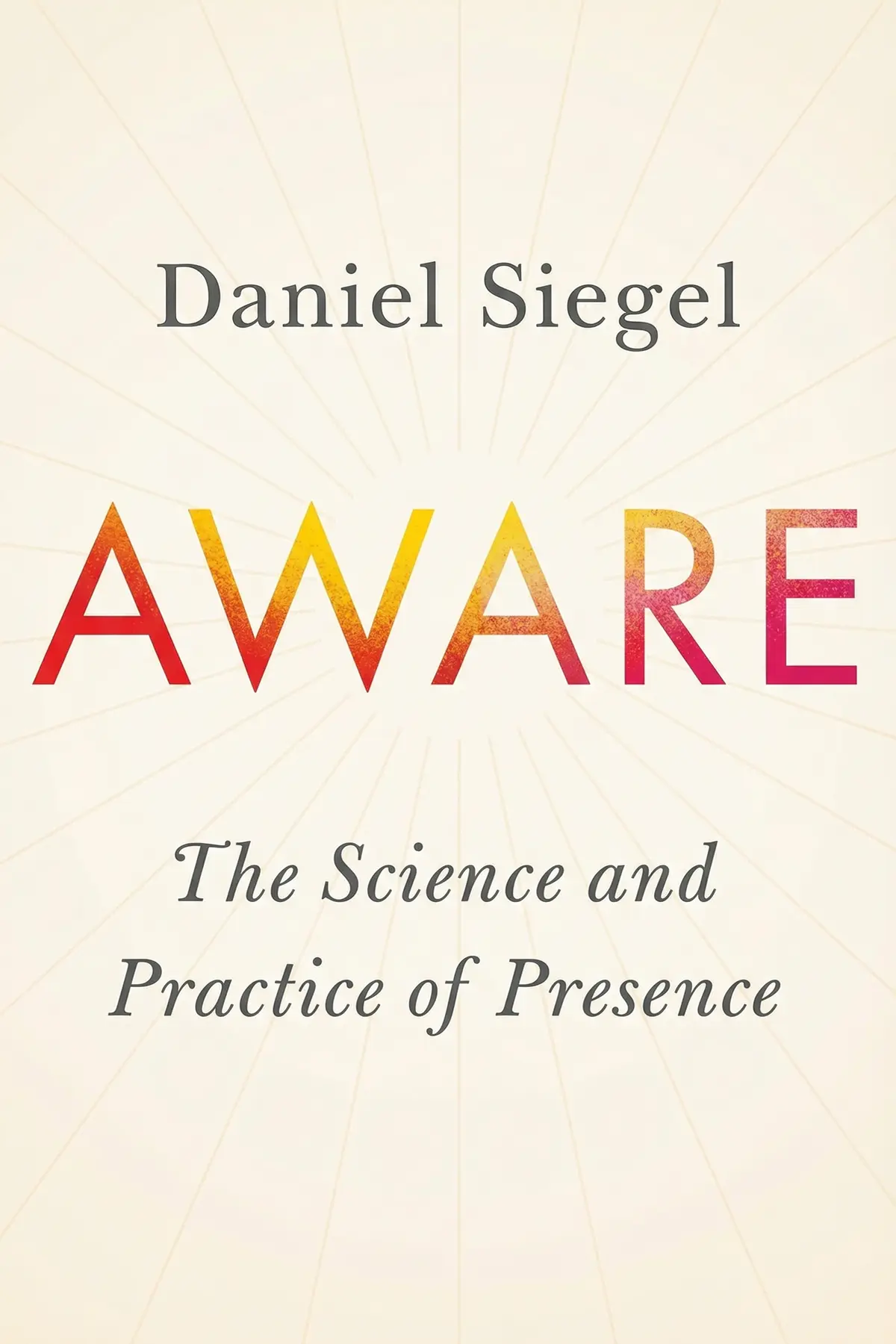
Aware: The Science and Practice of Presence
Daniel Siegel
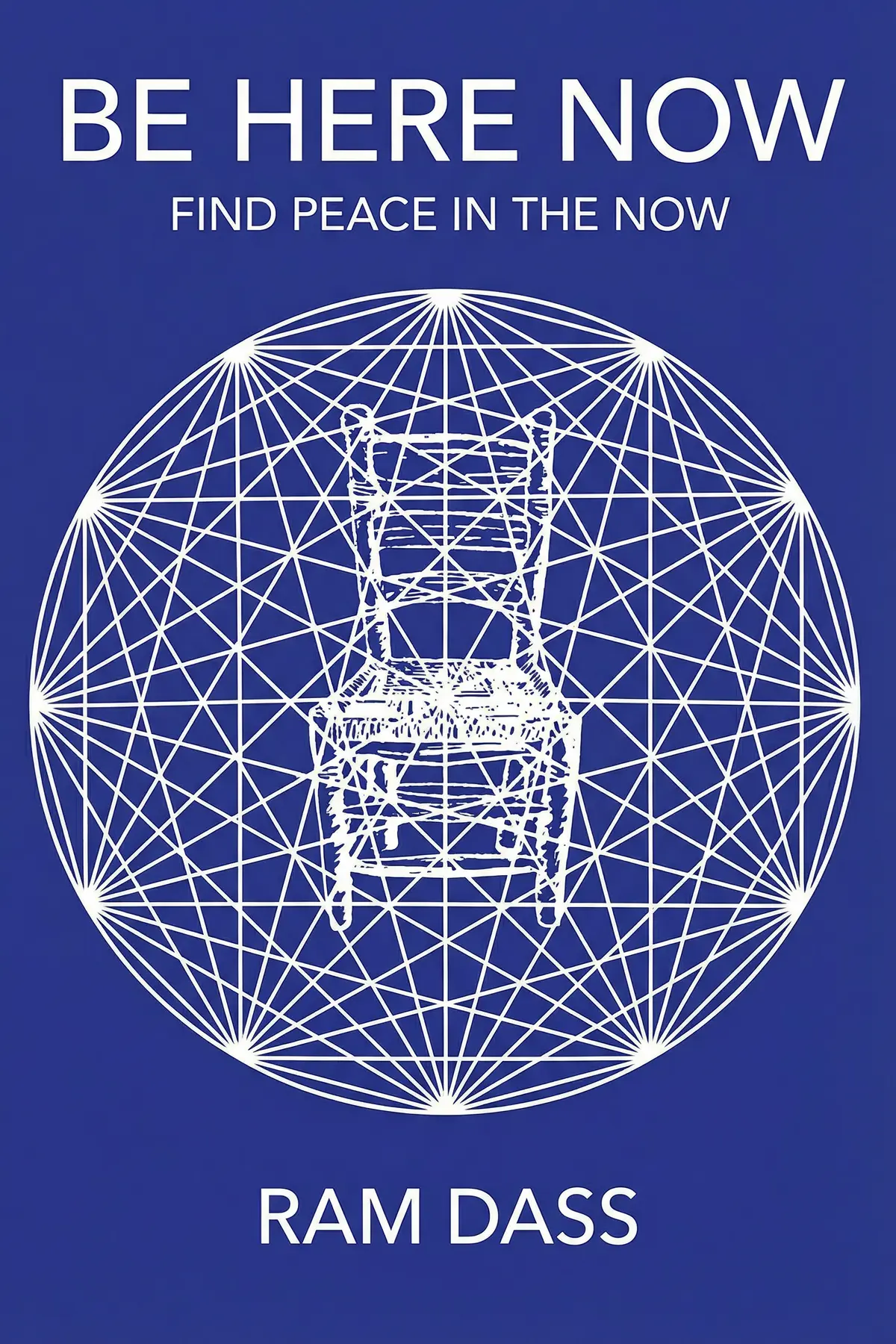
Be Here Now
Ram Dass
AUDIO SUMMARY AVAILABLE
Listen to Fully Present in 15 minutes
Get the key ideas from Fully Present by Susan L. Smalley, plus 5,000+ more titles in English and Thai.
- 5,000+ titles
- Listen as much as you want
- 7-day free trial
- Cancel anytime







