
17 min 30 sec
Get Well Soon: History’s Worst Plagues and the Heroes Who Fought Them
A compelling journey through the history of humanity’s most devastating epidemics. It explores how medical misunderstandings, superstition, and heroism shaped our struggle against invisible enemies from the Middle Ages to the modern era.
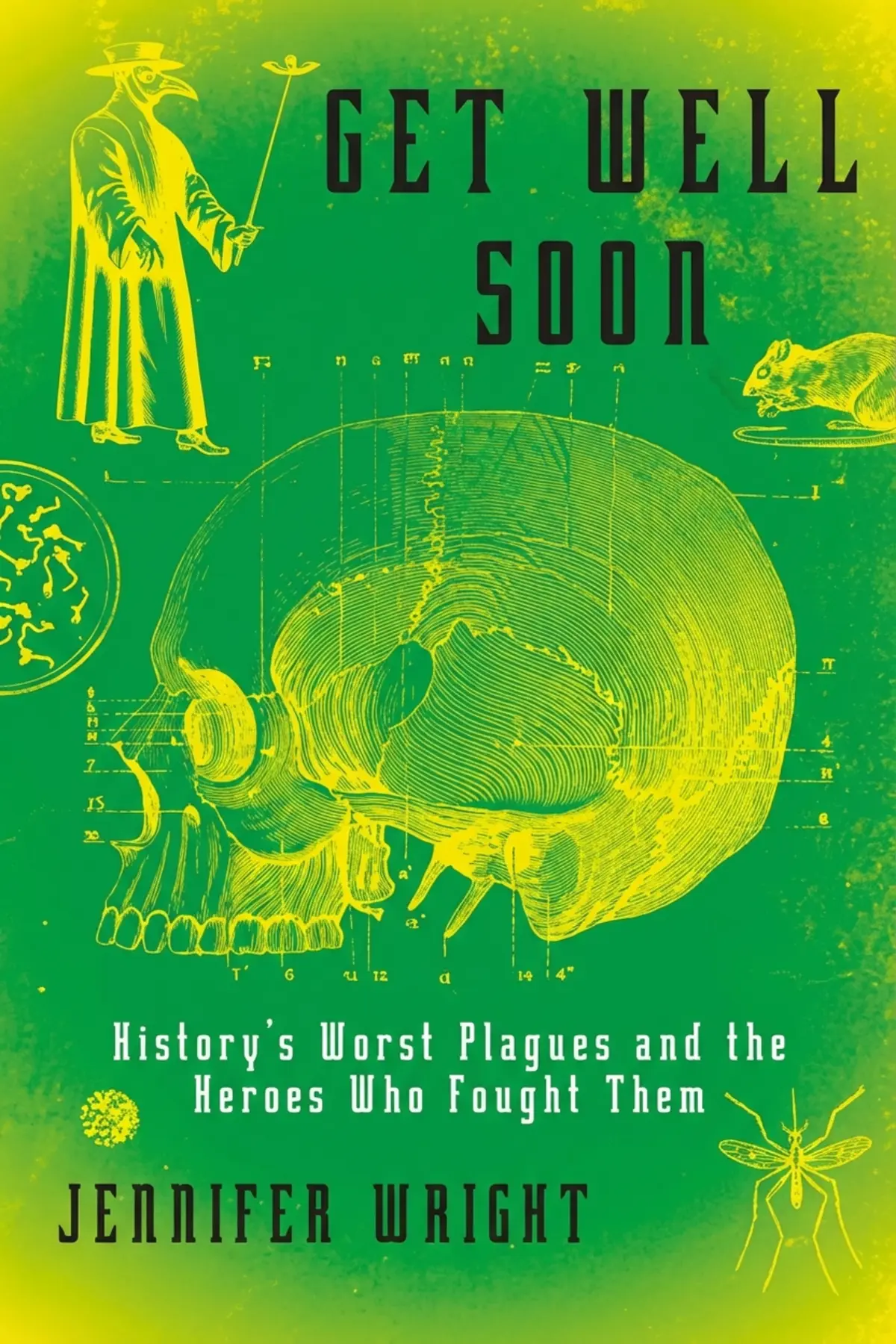
Table of Content
1. Introduction
1 min 40 sec
In our modern world, we often take the safety of our health for granted. When we feel a fever coming on or notice a persistent cough, we have a clear path forward: we visit a doctor, take a prescription, or perhaps simply rely on the fact that we were vaccinated against the most lethal threats before we even learned to walk. This sense of security is a luxury that almost none of our ancestors enjoyed. For the vast majority of human history, a sudden illness wasn’t just a personal tragedy; it was a mystery that could potentially wipe out an entire community.
We tend to view the history of medicine as a straight line of progress, but the reality is much messier. It is a story filled with wrong turns, bizarre superstitions, and a desperate search for meaning in the face of mass death. We’ve spent centuries in the dark, fighting enemies we couldn’t see with tools we didn’t understand. Yet, within those dark times, there were moments of incredible insight and individuals who dared to look past tradition to find the truth.
In this summary, we’re going to look at the timeline of human illness through a different lens. We will explore how society’s reactions to disease—ranging from fear and isolation to compassion and scientific rigor—have defined our development as a species. You’ll see how a dancing woman in the street sparked a city-wide panic, how the fear of bad smells actually made things worse during the plague, and how a few simple observations by a country doctor changed the world forever. This is not just a history of germs; it’s a history of how we learned to be human in the face of catastrophe. As we navigate these stories, the throughline becomes clear: the way we treat the sick, and the way we pursue the truth about their suffering, determines the survival of our civilization.
2. The Psychological Toll of the Dancing Plague
2 min 20 sec
In 1518, a bizarre phenomenon took over a city as citizens began to dance until they collapsed. Discover why a community’s response to an inexplicable crisis revealed the power of collective fear.
3. The Misguided Logic of the Black Death
2 min 27 sec
During the height of the bubonic plague, fear led to some of the most counterproductive medical advice in history. Explore why humans once thought sewers were safer than baths.
4. Smallpox and the Shaping of a Continent
2 min 34 sec
A single virus did more to conquer the Americas than any army ever could. Discover the devastating impact of smallpox and the milkmaid who inspired its end.
5. Leprosy and the Struggle for Human Dignity
2 min 10 sec
Leprosy was once a social death sentence, but the story of a Belgian priest on a remote island changed everything. Learn how compassion became a vital part of the cure.
6. The Fight for Clean Water in a Growing World
2 min 29 sec
Victorian London was a hub of progress, but a hidden killer in the water supply threatened its future. See how one doctor’s map changed the way we build cities.
7. The Danger of Silence During the Spanish Flu
2 min 14 sec
The deadliest pandemic of the 20th century was fueled by more than just a virus; it was fueled by secrecy. Explore how wartime censorship led to millions of unnecessary deaths.
8. Conclusion
1 min 36 sec
The history of our battle with disease is a long, winding road that takes us from the depths of superstition to the heights of scientific discovery. As we’ve seen through the stories of the dancing mania, the plague, smallpox, leprosy, cholera, and the flu, the path to healing is never just about finding the right medicine. It is about the courage to look at the facts, even when they contradict our long-held beliefs, and the compassion to care for those who are suffering, even when we are afraid.
Modern medicine has given us incredible tools, but those tools are only as effective as the society that uses them. The recurring theme in every major outbreak is the tension between fear and reason. When we let fear take the wheel, we end up living in sewers or censoring the truth. But when we rely on logic, data, and a fundamental respect for human life, we achieve the impossible—we eradicate viruses, we clean our cities, and we find ways to live together in safety.
As you move forward, remember the lessons of history. Don’t be swayed by the ‘miasma’ of modern misinformation. Instead, look for the ‘John Snows’ of the world—those who are willing to map out the truth and follow the evidence where it leads. The actionable takeaway here is to value transparency and scientific integrity in our public institutions. Support policies that prioritize public health over political convenience, and never forget that a single person’s observation—like Jenner’s milkmaids or Snow’s pump handle—can change the course of human history. We are all part of this ongoing story, and our vigilance is what keeps the darkness at bay.
About this book
What is this book about?
Get Well Soon explores the terrifying and often bizarre history of humanity's battle with infectious diseases. Jennifer Wright takes us through centuries of medical history, from the inexplicable dancing manias of the 1500s to the global devastation of the Spanish Flu. The narrative highlights how our ancestors struggled to comprehend the unseen enemies that decimated their populations, often turning to strange rituals and flawed logic in their desperation. The promise of this exploration is a deeper appreciation for modern medicine and the pioneers who fought for scientific truth. Through stories of brave physicians, compassionate priests, and accidental discoverers, the book reveals the slow, painful transition from a world ruled by theories of 'bad air' to one of vaccines and hygiene. It is a testament to human endurance and a deep-dive into the social and political consequences of how we handle public health crises. Ultimately, it serves as a reminder that transparency, science, and empathy are our best defenses against the outbreaks of the future.
Book Information
About the Author
Jennifer Wright
Jennifer Wright is an established author known for her work on historical mishaps and human drama, including her book about history’s most disastrous romantic break-ups. She has contributed her writing to several major publications, including Cosmopolitan, the New York Observer, and Maxim.
Ratings & Reviews
Ratings at a glance
What people think
Listeners find this book to be a remarkably engaging and educational experience, full of interesting facts and well-documented material. This brilliantly written collection of essays stands out for the author's compassionate handling of the subject matter. They describe the historical details as captivating and the darker content as truly unsettling, with one listener highlighting how it lays out two millenia worth of horrors and tragedy. Though many listeners enjoy the comedic tone, some find the humor bothersome.
Top reviews
Chamnong
Picked this up during a long flight and couldn't put it down. Wright manages to take two millennia of absolute tragedy and turn it into a series of essays that are somehow both witty and deeply respectful of the victims. The chapter on the Spanish Flu was particularly haunting given our recent global experiences, highlighting how history truly does repeat itself when leadership fails. I appreciated the focus on 'heroes' like the scientists who bucked convention to save lives. It’s a rare book that makes you laugh out loud while simultaneously feeling a profound sense of horror at the human condition. If you enjoy Mary Roach, this mix of science and snark is exactly your speed.
Show moreSiraporn
After hearing so many recommendations, I finally dove into Wright's exploration of our viral past. The final chapter on the AIDS crisis was an emotional gut-punch that moved me to tears. She doesn't hold back when discussing the Reagan administration’s mishandling of the epidemic, and her anger is righteous and well-documented. It’s refreshing to see a history book that isn't afraid to take a moral stand against bigotry and ignorance. The narrative structure is perfect, with each chapter functioning as its own self-contained story of a specific disease. This isn't just a list of symptoms; it is a compassionate look at the people who suffered and the few who tried to help.
Show moreJan
Wow. I am an unabashed science nerd, and this is easily one of the best non-fiction books I’ve encountered this year. Wright finds a way to make the most depressing topics imaginable—like the Black Death and tuberculosis—genuinely engaging. The way she connects historical mismanagement to modern-day anti-vax movements is both brilliant and terrifying. She reminds us that while our medicines have improved, human stupidity remains a constant threat. The audiobook narration by Gabra Zackman is also fantastic, striking the perfect balance between informative and friendly. It’s a horrifying, beautiful, and necessary read for anyone living in a post-2020 world. I’ve already bought copies for three friends.
Show moreGin
Finally got around to reading this, and it’s arguably the most relevant history book for our current era. Wright highlights the heroes who fought for logic and cleanliness when the rest of the world was turning to superstition. I loved the emphasis on how simple acts of kindness and common sense saved more lives than any 'miracle' cure. Her writing is punchy, fast-paced, and filled with facts that will make you the most interesting person at any dinner party. The horror is real, but the hope she provides through the stories of medical pioneers is even stronger. It’s a fantastic series of essays that manages to be both educational and incredibly entertaining.
Show moreGiulia
This book manages to be both a hilarious comedy set and a tragic documentary about human suffering. Wright’s ability to weave together pop culture and historical data is impressive, even if the humor is a bit polarizing. I personally loved the sass—it makes the darker chapters much easier to digest. The message about the dangers of anti-science rhetoric is delivered with a sledgehammer, but honestly, it needs to be. We often think we are too advanced for a plague, but this book proves that hubris is our greatest weakness. It is well-documented, passionately written, and deeply engaging from start to finish.
Show moreJune
Ever wonder why some societies collapsed while others thrived during an outbreak? This book provides a fascinating, albeit gruesome, look at how plagues like Leprosy and Smallpox shaped human history. I found the section on Father Damien and the leper colonies to be incredibly inspiring. Wright’s conversational style makes complex historical events feel immediate and relevant. My only minor gripe is that the humor occasionally feels a bit forced, distracting from the gravity of the situations described. Still, the bibliography alone is a treasure trove for anyone looking to go deeper into medical history. It’s a solid 4-star read that I would recommend to any science geek.
Show moreRania
As someone who usually sticks to dense medical journals, I found this surprisingly refreshing despite its lighter approach. It’s an apposite book for our times, providing a much-needed perspective on how society reacts to the unknown. The chapter on the Antonine Plague was a standout, showing how a single outbreak can ripple through the economy and dismantle an entire empire. Wright isn't a scientist, but her dedication to research is evident in the massive list of references at the end. While the pithy comments don't always land, the core information is solid. It’s an excellent gateway book for people who might be intimidated by more traditional, academic history texts.
Show moreTang
To be fair, I went into this expecting a dry recitation of dates and death tolls, but Wright gives us something much more human. Each chapter tackles a different illness with a focus on the social psychology of the era. The way she describes the 'ethereal' beauty associated with consumption in art vs. the gruesome reality of the disease was eye-opening. While her 'cheeky' tone might rub some the wrong way, I thought it helped lighten the heavy subject matter. My only real complaint is that I wanted more depth on the biological mechanisms of the viruses themselves. Regardless, it's a very readable and informative overview of humanity's longest-running war.
Show moreJoseph
The research here is clearly extensive, yet the tone often felt jarringly mismatched with the subject matter. To be fair, Wright has done her homework on everything from the Antonine Plague to the development of the polio vaccine. However, the constant insertion of dated pop culture references and sophomoric humor felt like she was trying too hard to be the 'cool' historian. I wanted more medical science and less editorializing about her personal grievances with historical figures. While it’s a very accessible introduction to epidemiology for a layperson, the writing style occasionally borders on the juvenile. It’s worth reading for the facts, but be prepared for a lot of misplaced exclamation points.
Show moreTar
Not what I expected from a book marketed as a history of plagues. Frankly, the author’s constant need to be funny ruined the experience for me. Instead of focusing on the fascinating pathology of these diseases, the text is cluttered with self-referential 'I' sentences and snarky commentary. It reads more like a long series of blog posts than a cohesive historical narrative. I found her habit of shaming people from the past who didn't share her modern sensibilities to be quite annoying. If you want a serious look at epidemiology, you are better off sticking to 'The Ghost Map' or 'The Coming Plague.' This felt more like pop-culture fluff.
Show moreReaders also enjoyed

A History of Iran: Empire of the Mind
Michael Axworthy
A History of the World in 6 Glasses
Tom Standage
A Long Way Gone: Memoirs of a Boy Soldier
Ishmael Beah
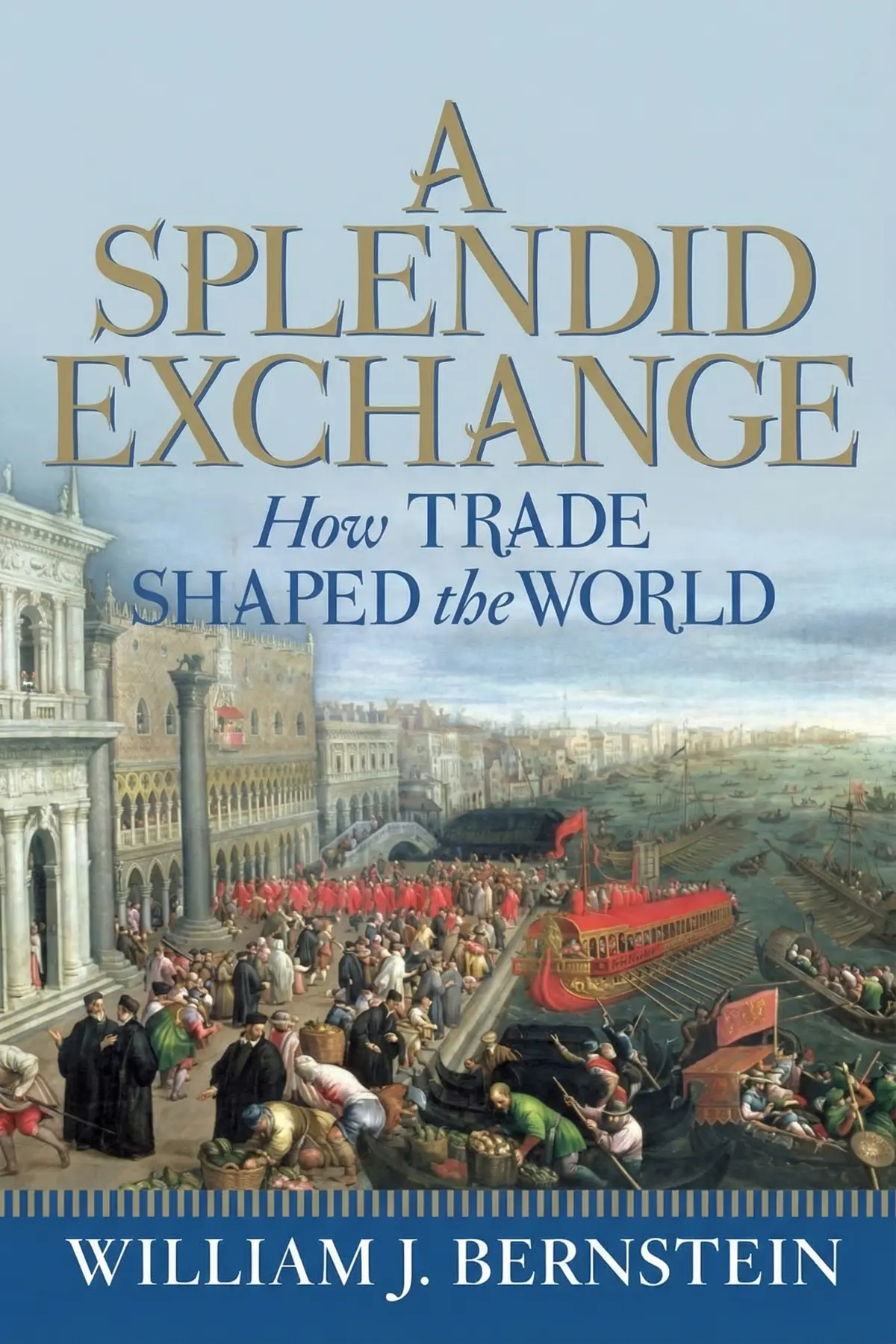
A Splendid Exchange: How Trade Shaped the World
William J. Bernstein
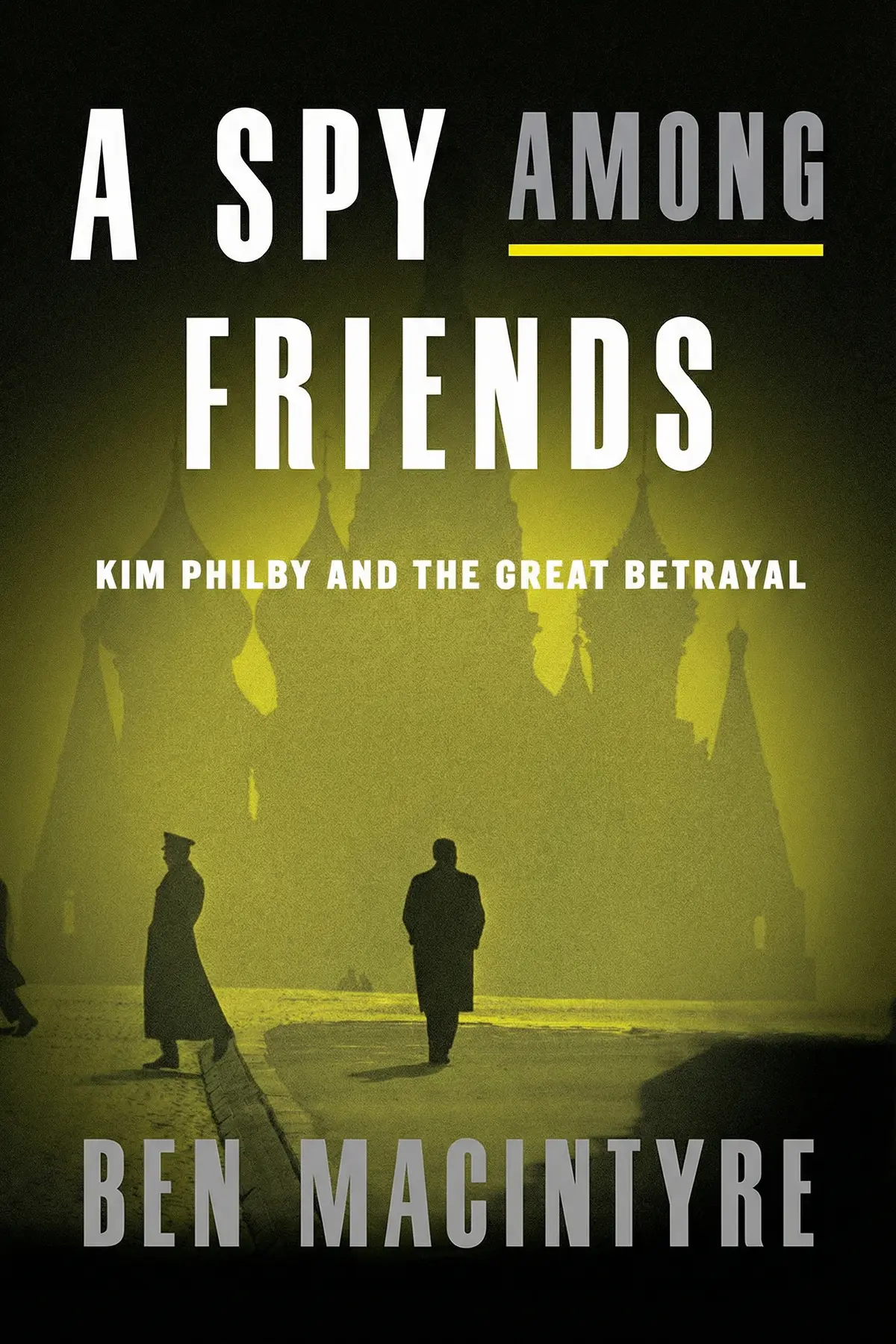
A Spy Among Friends: Philby and the Great Betrayal
Ben Macintyre
AUDIO SUMMARY AVAILABLE
Listen to Get Well Soon in 15 minutes
Get the key ideas from Get Well Soon by Jennifer Wright, plus 5,000+ more titles in English and Thai.
- 5,000+ titles
- Listen as much as you want
- 7-day free trial
- Cancel anytime







