
15 min 21 sec
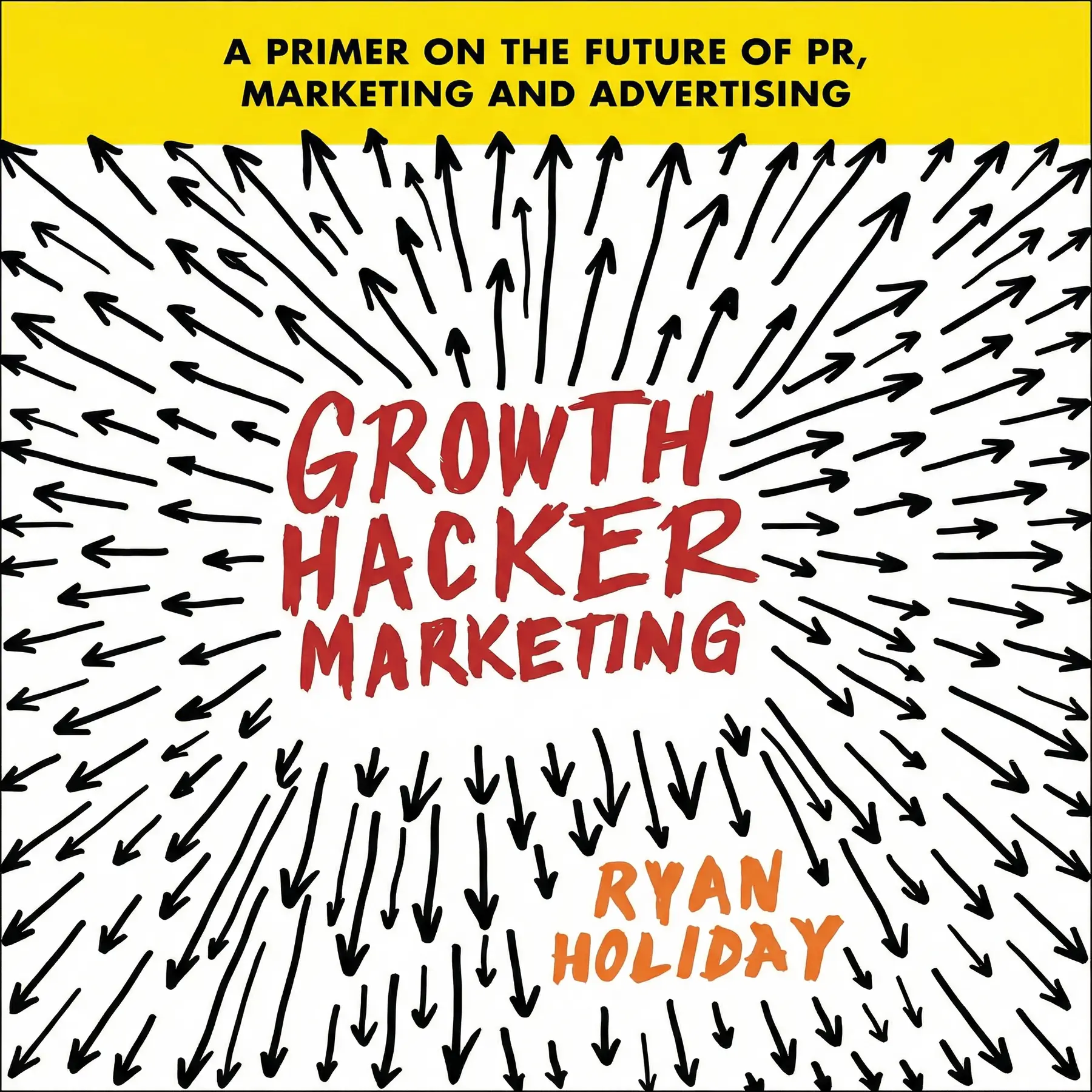
Growth Hacker Marketing: A Primer on the Future of PR, Marketing and Advertising
By Ryan Holiday
Growth Hacker Marketing reveals how modern startups bypass traditional, expensive advertising by building growth directly into their products, using data-driven strategies to achieve massive scale with minimal budgets.
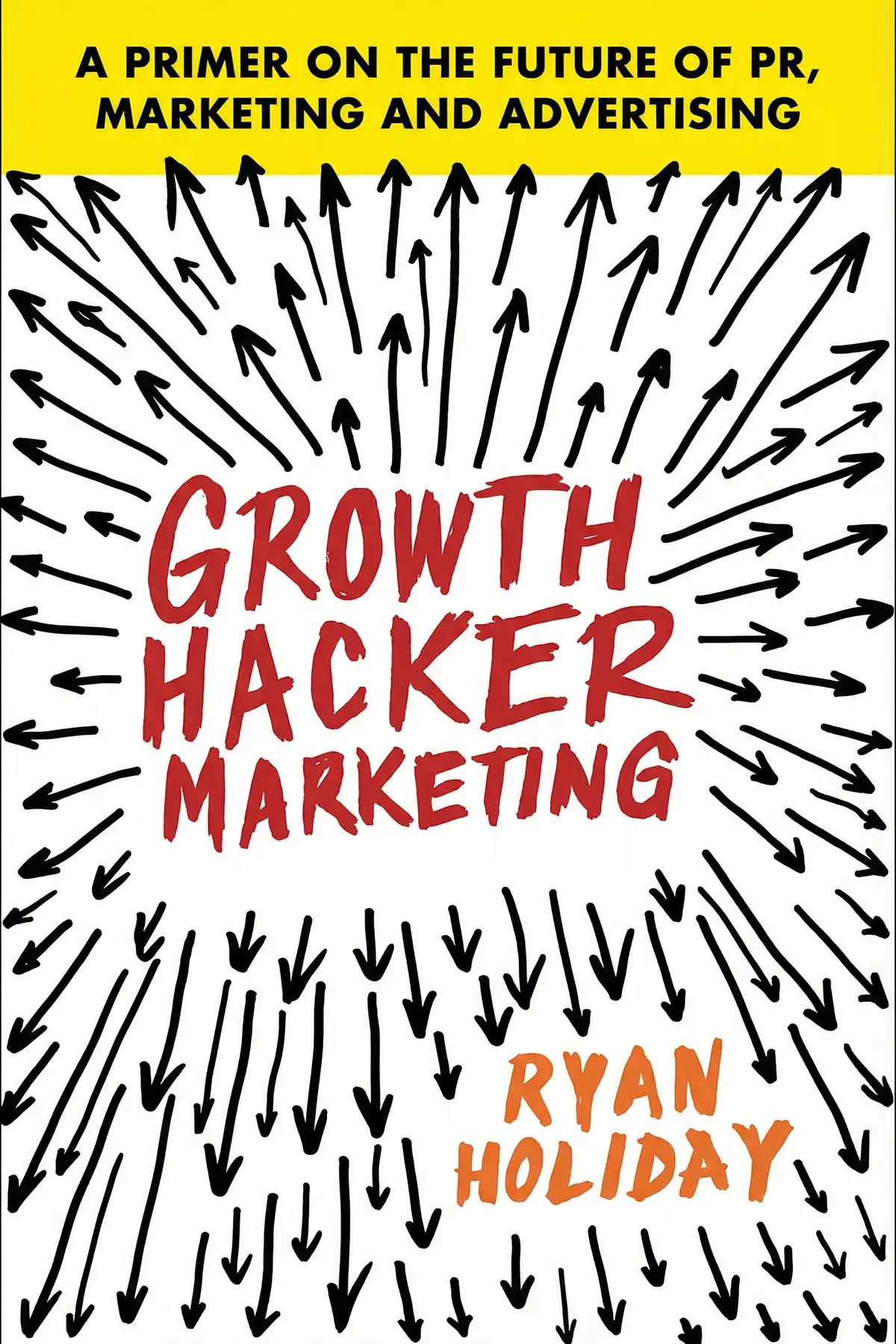
Table of Content
1. Introduction
1 min 46 sec
Think back to the last time you saw a massive billboard for a brand-new app or a full-page newspaper ad for a tech startup. Chances are, it doesn’t happen often. That’s because the world of business has undergone a fundamental transformation. For decades, the path to success was paved with expensive television spots, celebrity endorsements, and high-priced PR firms. If you wanted the world to know about your product, you had to have a massive budget and a lot of hope. But then, something changed. A new breed of companies began to emerge—names like Dropbox, Airbnb, and Instagram—that seemingly appeared out of nowhere and achieved global dominance without ever buying a single Super Bowl ad. How did they do it?
The answer lies in a concept called growth hacking. As Ryan Holiday explains in this exploration of modern business strategy, the old rules of marketing are not just changing; they are being completely rewritten. We are moving away from the era of ‘Mad Men’ and toward an era where the product itself is the engine of its own promotion. This isn’t just about using social media or being ‘internet savvy.’ It’s a holistic shift in how we think about growth, where marketing and product development are no longer separate departments but two sides of the same coin.
In the pages ahead, we are going to dive deep into the four-step process that defines growth hacking. We’ll look at why you should stop trying to appeal to everyone, how to make your product inherently shareable, and why keeping your current customers is far more valuable than hunting for new ones. By the time we finish, you’ll see that marketing is no longer a matter of who has the biggest wallet, but who has the smartest strategy.
2. The Growth Hacker Mindset
2 min 19 sec
Explore why traditional marketing is failing in the digital age and how a new generation of technical marketers is using data and product design to replace expensive ad campaigns.
3. Step One: Achieving Product-Market Fit
2 min 22 sec
The biggest mistake in business is trying to market a product nobody wants. Learn why growth hackers prioritize constant iteration to ensure their product perfectly meets user needs.
4. Step Two: Finding Your Growth Trigger
2 min 18 sec
Stop trying to reach everyone at once. Discover why targeting a small, specific group of early adopters is the most effective way to build sustainable momentum for your brand.
5. Step Three: Engineering Virality
2 min 14 sec
Virality isn’t an accident; it’s a design choice. Learn how to build incentives and visibility into your product so that every user naturally brings in more customers.
6. Step Four: Optimization and Retention
2 min 28 sec
Getting users is only half the battle. Learn why the real secret to growth lies in keeping the customers you already have and turning inactive users into loyal fans.
7. Conclusion
1 min 54 sec
As we have seen, growth hacking is far more than a set of tricks or a collection of case studies. It is a fundamental shift in mindset that reflects the reality of the twenty-first-century marketplace. We no longer live in a world where you can shout your way to success with a massive advertising budget. In today’s hyper-connected environment, the best way to win is to build something that people truly love, find the people who need it most, and then give them the tools to share it with the world.
Ryan Holiday’s own experience with this book serves as the perfect proof of concept. He didn’t just write a book and hope people would find it. He treated the book like a startup. He tested the ideas in articles, launched an affordable ebook to gauge interest, and reached out to influential voices in the growth hacking community to build his audience. He built a direct relationship with his readers by offering them extra content in exchange for their email addresses, creating a retention loop that he could use for future projects. This wasn’t expensive, and it wasn’t complicated—it was just smart.
The throughline of everything we’ve discussed is the breakdown of the barriers between marketing and product. If you are a founder, a creator, or a marketer, your challenge is to stop thinking of these as separate tasks. Start looking at every aspect of your business through the lens of growth. Ask yourself how your product can market itself. Be willing to pivot when the data tells you that your original idea isn’t working. Focus on the users who love you, and make it effortless for them to spread that love. Growth hacking is about being creative, being data-driven, and above all, being lean. Whether you are launching a global app or a local service, these principles remain the same. The future of business doesn’t belong to the loudest voice; it belongs to the smartest growth engine.
About this book
What is this book about?
Growth Hacker Marketing explores the revolutionary shift in the business world where traditional advertising is being replaced by lean, technical, and data-focused strategies. Instead of relying on massive PR launches and expensive billboards, companies like Dropbox, Instagram, and Airbnb have used growth hacking to reach millions. This book breaks down the mindset of the growth hacker into a repeatable process that focuses on achieving product-market fit, targeting the right early adopters, engineering virality, and optimizing user retention. The promise of this summary is to show you how to stop wasting money on ineffective marketing and start building a self-sustaining growth engine. By looking at real-world case studies and the author's own experiences, you will learn how to refine your product based on user behavior and how to leverage low-cost tools to create an explosive impact in today’s digital marketplace.
Book Information
About the Author
Ryan Holiday
Ryan Holiday is a partner at StoryArk, a creative marketing company, and was the former director of marketing at American Apparel.
Courage is Calling: Fortune Favors the Brave
Ryan Holiday
Discipline Is Destiny: The Power of Self-Control
Ryan Holiday


Stillness Is the Key
Ryan Holiday
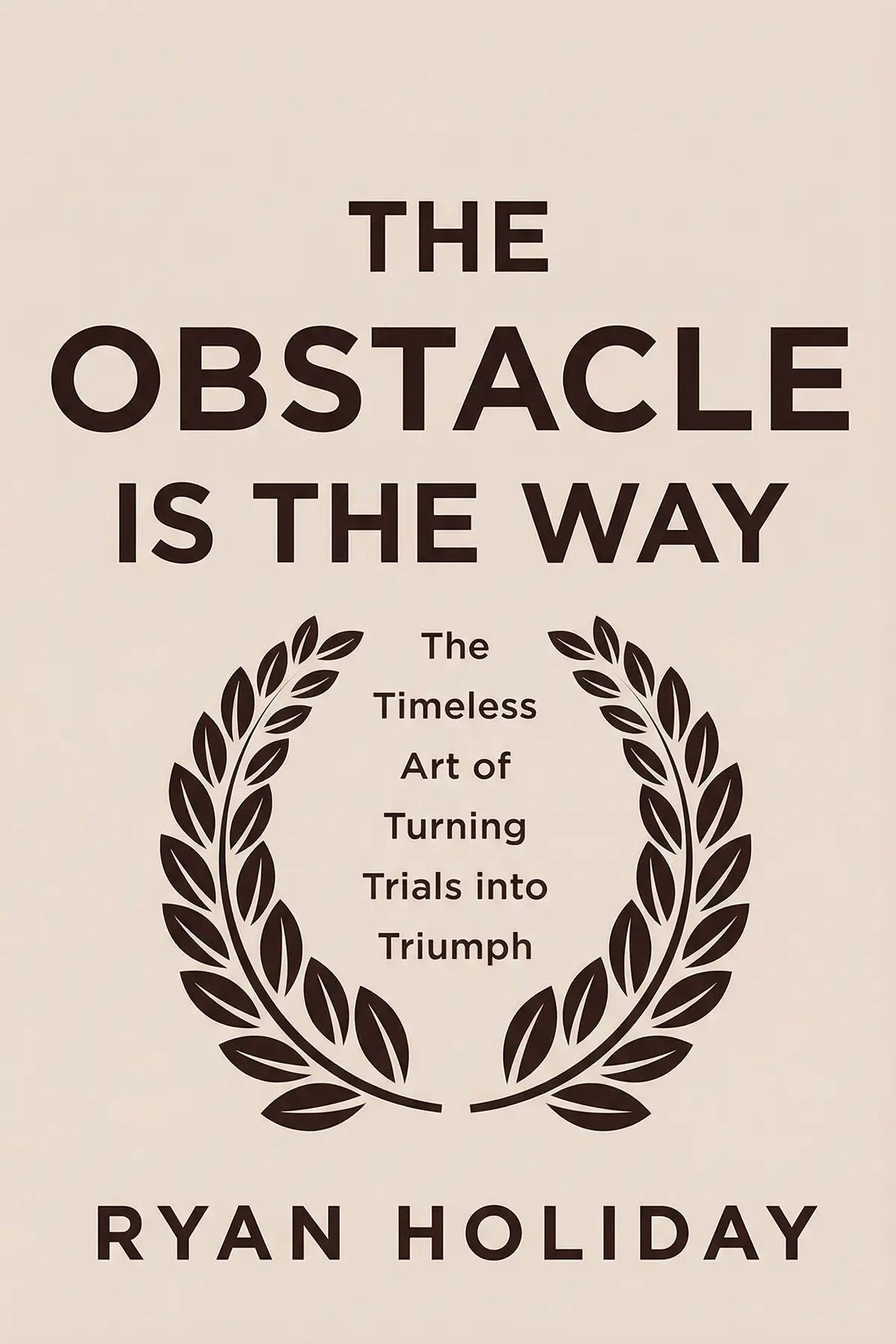
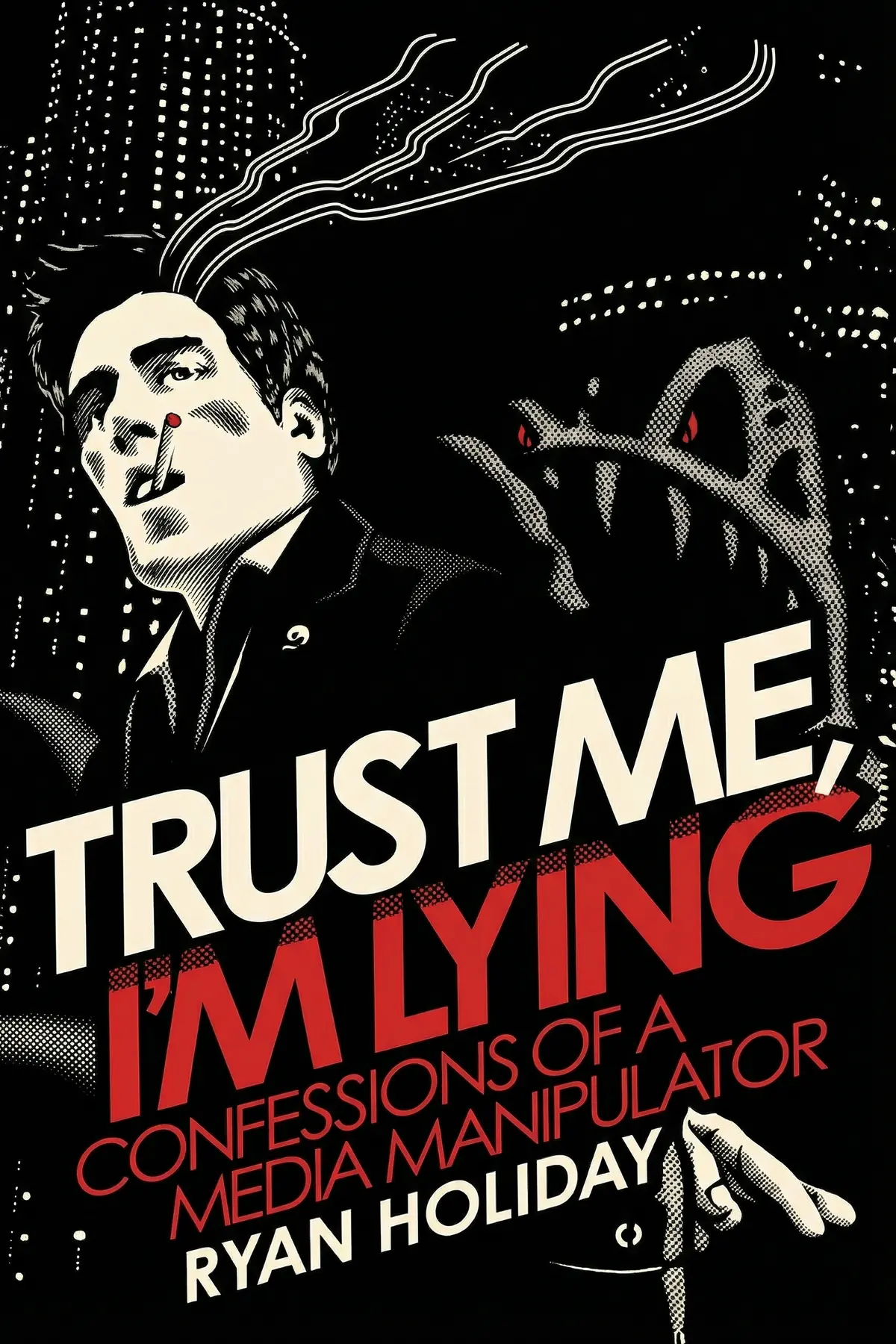
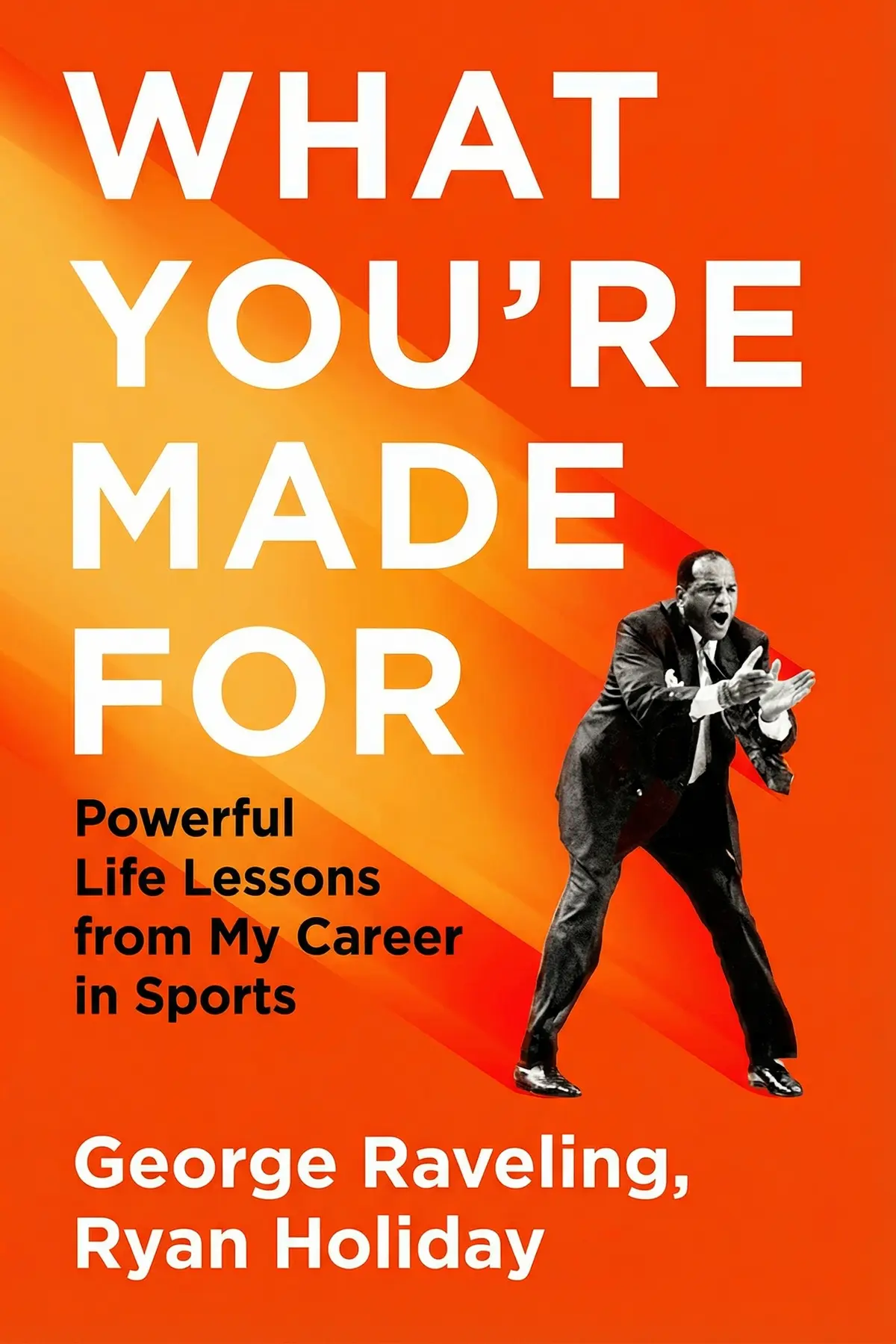
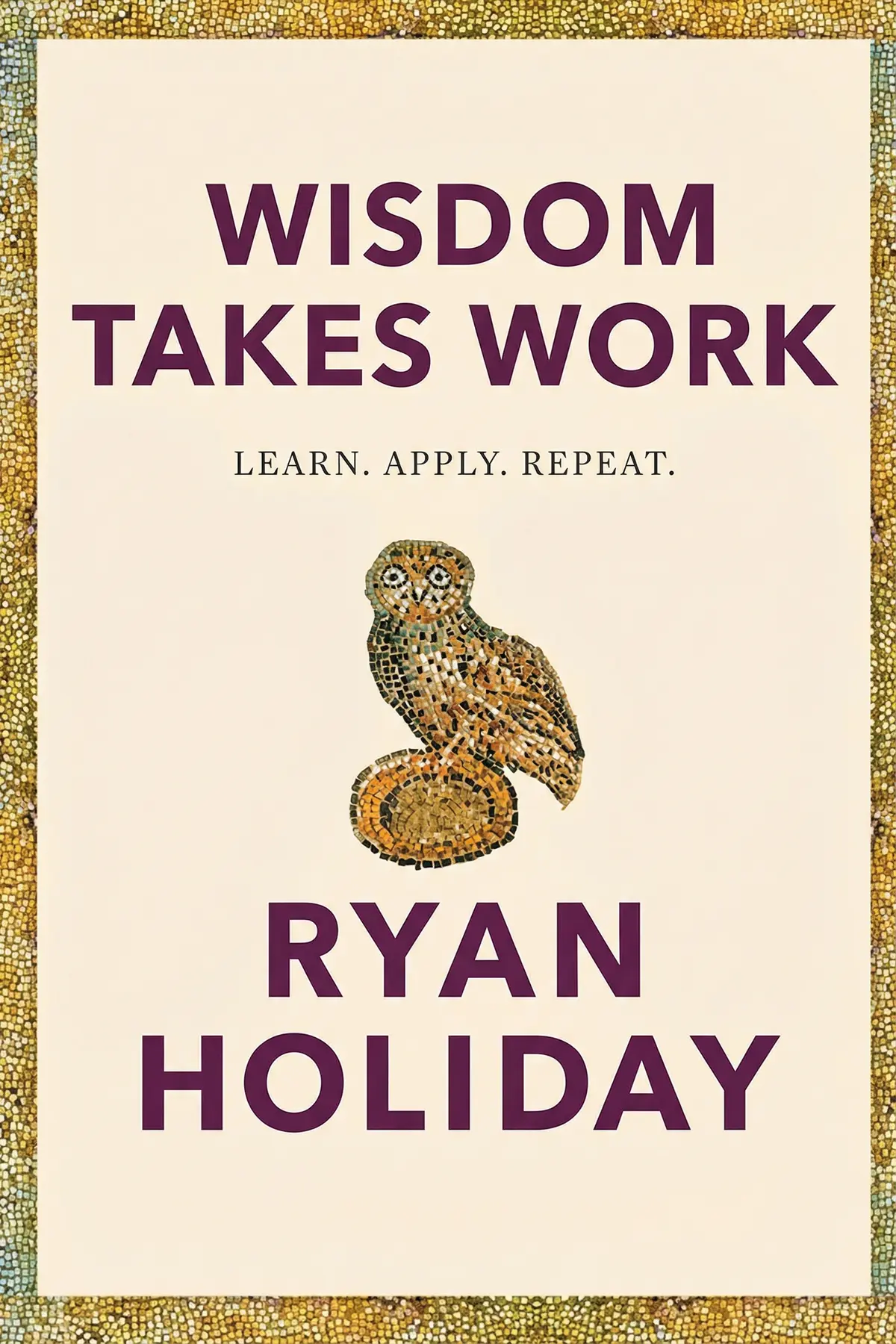
Wisdom Takes Work: Learn. Apply. Repeat.
Ryan Holiday
Ratings & Reviews
Ratings at a glance
What people think
Listeners consider this title to be an entertaining, swift read that functions as an excellent entry point into the world of growth marketing. The material is thorough enough to provide immediate value, supported by numerous strong case studies, and listeners admire the efficient way it clarifies key concepts. They prize the book’s capacity to trigger innovation and foster more creative marketing plans, highlighting its focus on achieving better performance while spending less money.
Top reviews
Matteo
Picked this up on a whim after seeing it mentioned in a marketing newsletter, and it’s easily the most useful thing I’ve read all year. Holiday manages to strip away all the fluff and jargon surrounding 'Growth Hacking' to reveal a simple, powerful truth: marketing is just getting customers. The book is incredibly concise, which I actually loved because I could finish it in one sitting and start applying the ideas immediately. It really sparked a new level of creativity in our team's strategy. We were so focused on traditional lead gen that we forgot to look at the product itself as a marketing tool. The case studies are solid, actionable, and show how to get massive results without a massive budget. If you are selling anything online, you’d be a fool not to read this immediately.
Show morePloy
Ever wonder how companies like Instagram or Mailbox exploded without huge advertising budgets? This book breaks down the 'hacks' used by the big players in a way that is both entertaining and easy to digest. Holiday writes in a matter-of-fact tone that cuts through the typical marketing BS. To be fair, if you’ve been working in the startup world for a while, most of these stories will be familiar territory. You’ve likely heard about the 'P.S. I love you' at the bottom of Hotmail emails a dozen times. But having them all collected here, tied together by the underlying principle of Product-Market Fit, makes it an invaluable resource. It’s less of a step-by-step manual and more of a total mindset shift. It delivers more effective results at a much lower cost.
Show moreIsaiah
The chapter on Product-Market Fit was a total epiphany for me. I’ve always been taught that marketing starts once the product is finished, but Holiday argues that marketing is actually part of the development process. This book is a must-read for any entrepreneur or student entering the advertising field because it challenges the status quo so effectively. It’s a quick, fun read that prioritizes measurable results over 'brand awareness' metrics that don't actually mean anything for the bottom line. I loved the emphasis on retaining customers rather than just constantly hunting for new ones. Ryan’s writing is sharp and he gets straight to the point without any filler. It’s an empowering look at how creativity and data can beat out a huge bank account every single time. Absolutely brilliant.
Show moreWatcharee
Wow, this was a total game-changer for my small business. We don't have a massive budget for advertising, so the idea of 'hacking' our growth through creative product features and targeted viral loops was exactly what I needed to hear. Ryan Holiday has a way of making complex ideas feel incredibly accessible and urgent. I’ve read all his other books on Stoicism, but this is a different side of him—focused, practical, and ruthlessly efficient. He teaches you how to stop wasting money on 'spray and pray' tactics and start focusing on the early adopters who will actually champion your brand. It’s a brief investment of time that offers an incredible return. This book helped me realize that our product itself was our best advertisement. Highly recommended for anyone starting a new venture from scratch.
Show moreYam
This book is a short, punchy manifesto that effectively reframes how we look at customer acquisition. Holiday argues that marketing isn't just about big budgets and billboards; it’s about baked-in virality and finding a product-market fit before you ever spend a dime on ads. The writing style is vintage Ryan Holiday—direct, a bit abrasive, and very persuasive. I appreciated the specific case studies like Airbnb and Dropbox, which provide a clear roadmap even if they’ve been discussed elsewhere in tech blogs. It’s a very fast read, almost more of an essay than a full book, which might annoy some looking for a deep dive. However, for the price of a cup of coffee, the shift in perspective it provides is well worth the investment. It’s a great starting point for anyone feeling stuck in old-school strategies that just aren't moving the needle anymore.
Show morePaisley
After hearing so much about Ryan Holiday, I finally decided to check out his earlier work, and this was a great place to start. It’s a thin volume, but it’s packed with enough case studies and 'mindset' shifts to keep your brain spinning for weeks. I especially liked how he explained that a growth hacker is someone who has moved the goalposts of marketing. It’s about building the marketing into the product itself. I do wish there were more diverse examples outside of the typical Silicon Valley darlings, as not everyone is building the next Dropbox. Still, the core message about testing, iterating, and focusing on the right metrics is universal. It’s a punchy, affordable introduction that delivers way more value than many $30 marketing textbooks I’ve bought in the past. It will definitely open up your creativity.
Show morePrae
Finally got around to reading this and I’m glad I did, even if it is a bit dated now. The world of digital marketing moves at light speed, but the fundamental principles Holiday outlines here still hold up. He focuses on the idea that marketing is a 'slippery fish' and that we have to adapt or get left behind. I found the sections on customer retention particularly strong—too many people forget that keeping a customer is much cheaper than finding a new one. The book is very short, which is its greatest strength and its greatest weakness. You can finish it during a short flight, but you might find yourself wishing he went deeper into the 'how-to' rather than just the 'what happened.' It’s a solid intro for beginners who want to understand the buzz.
Show moreTuck
In my experience, the concepts defined here as 'Growth Hacker Marketing' are really just a rebranding of well-known approaches like Inbound and Integrated Marketing. Holiday does a good job of packaging these ideas for a modern audience, but let's not pretend he's discovered fire. The book is very focused on the 'early adopters' phase of a product life cycle, which is fine, but it leaves you hanging on how to scale beyond that initial viral loop. Look, the book is relevant and the examples are interesting, especially the bits about Gmail’s invite-only system. However, the tone is a bit too self-promotional for my taste. It’s a decent primer for someone who has never heard the term, but seasoned marketers might find the lack of technical depth a bit frustrating. Good, but not revolutionary.
Show moreSofia
As someone who has spent over a decade in the B2B sector, I found this remarkably frustrating and narrow-minded. Ryan Holiday writes with a lot of confidence, but he completely ignores industries where the product is complex, expensive, or requires a long sales cycle with multiple stakeholders. He seems to think 'traditional marketing' is just buying a Super Bowl ad with a celebrity, ignoring the nuance of account-based marketing or relationship building. The examples he provides, like the Hotmail signature or Dropbox storage referrals, are fascinating but feel almost impossible to translate to a professional services or industrial equipment context. While the 'growth hacker' mindset is interesting, the book treats it as a universal law rather than a specific tactic for consumer-facing tech startups. It’s an okay intro if you’re launching an app, but useless for the rest of us in more technical fields.
Show moreLeo
Not what I expected at all, and frankly, a bit of a letdown considering the hype surrounding Holiday's work. This felt like a hastily put together work designed to capitalize on a buzzword rather than a serious exploration of marketing strategy. About a third of the book is just Holiday justifying why he wrote the book and telling us that everything we know about marketing is wrong. He sets up a 'traditional marketing' straw man that involves expensive celebrities and TV spots, which isn't how most small businesses operate anyway. There is very little original insight here, and the examples are purely informational rather than teaching you how to develop your own 'hacks.' It’s extremely short—barely 60 pages in the ebook version—and lacks the depth of his other works like Perennial Seller. Save your money and just read a couple of blog posts on the topic instead.
Show moreFeatured in
Readers also enjoyed
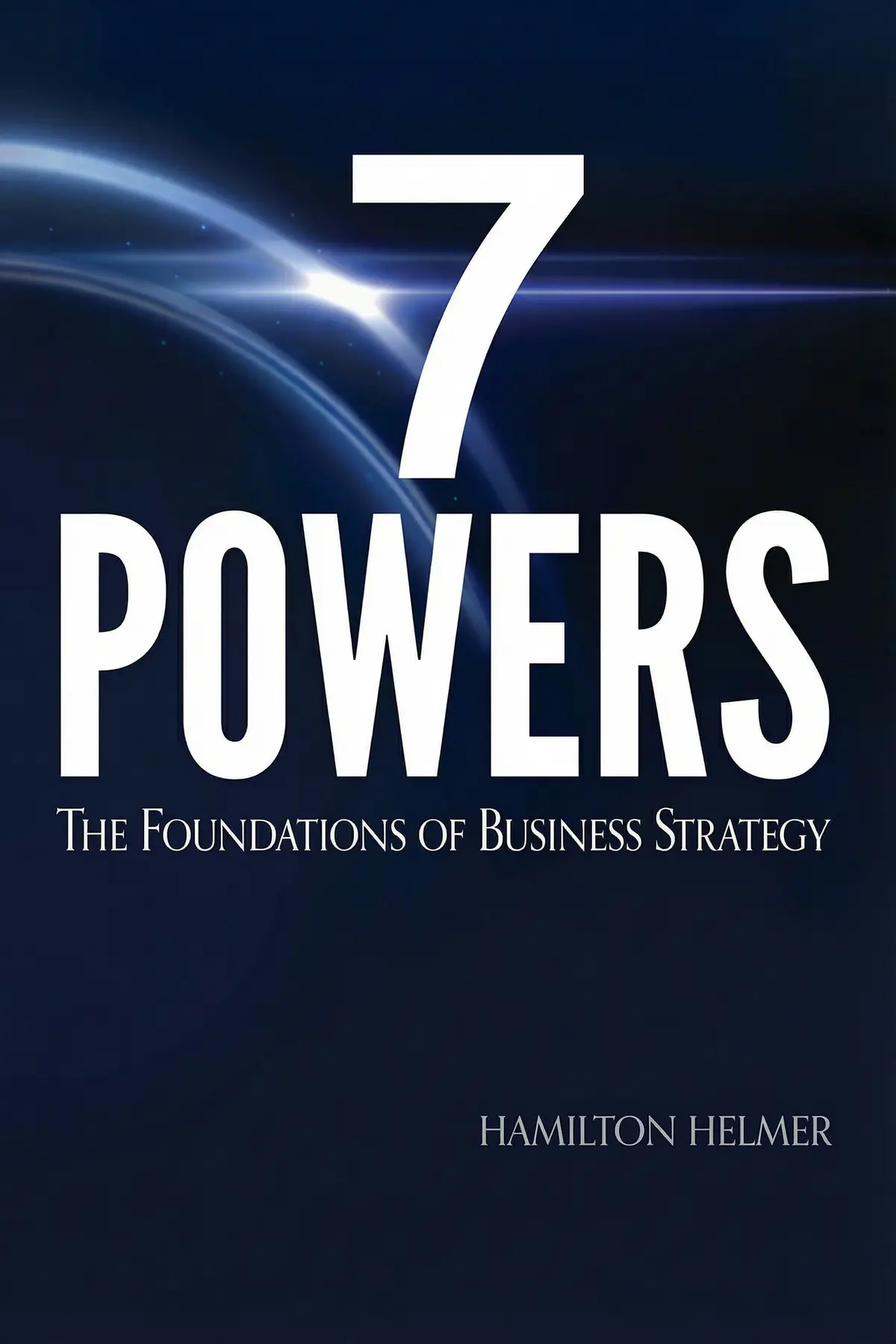
7 Powers: The Foundations of Business Strategy
Hamilton Helmer
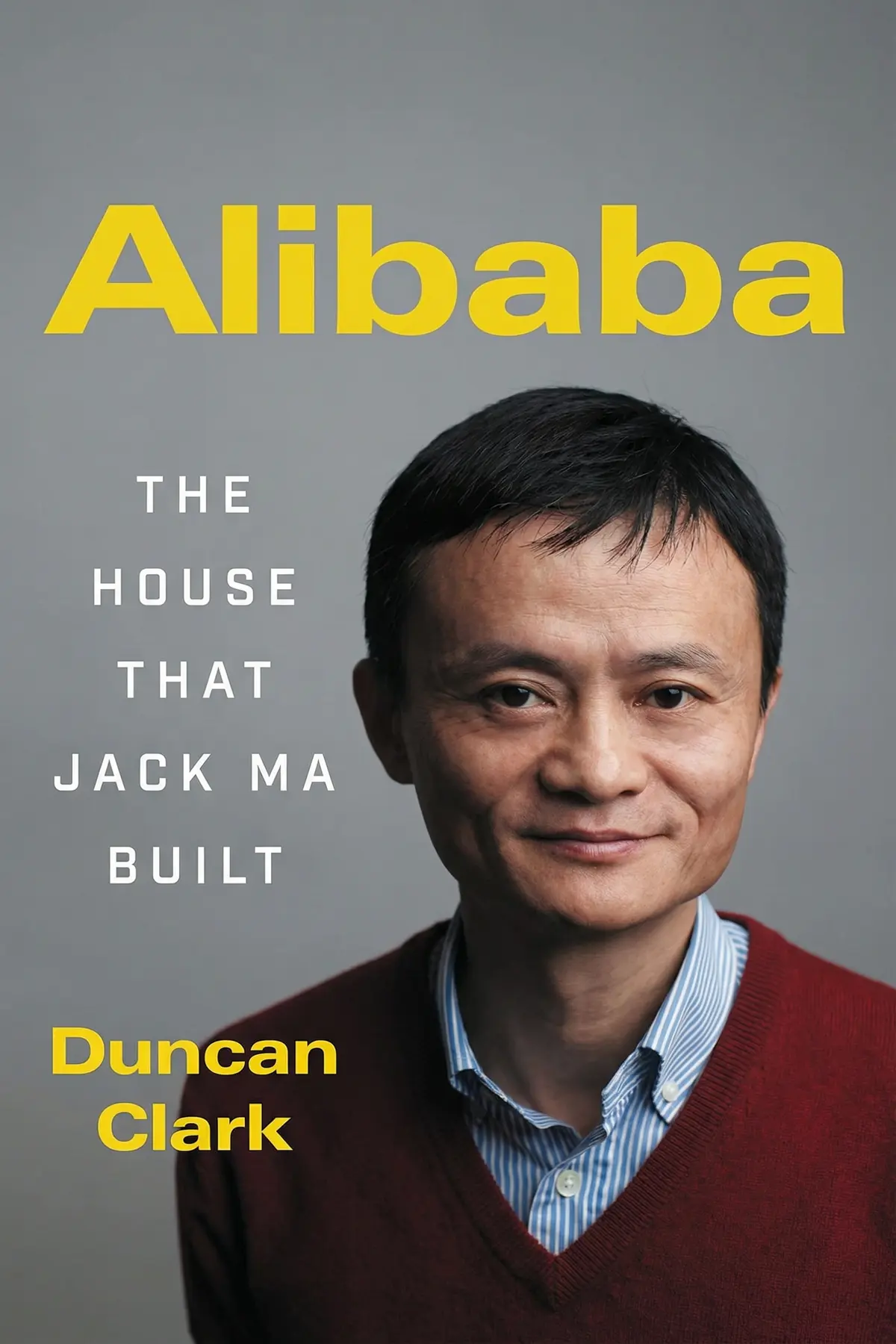
Alibaba: The House That Jack Ma Built
Duncan Clark
AUDIO SUMMARY AVAILABLE
Listen to Growth Hacker Marketing in 15 minutes
Get the key ideas from Growth Hacker Marketing by Ryan Holiday, plus 5,000+ more titles in English and Thai.
- 5,000+ titles
- Listen as much as you want
- 7-day free trial
- Cancel anytime







