
Courage is Calling: Fortune Favors the Brave
Ryan Holiday
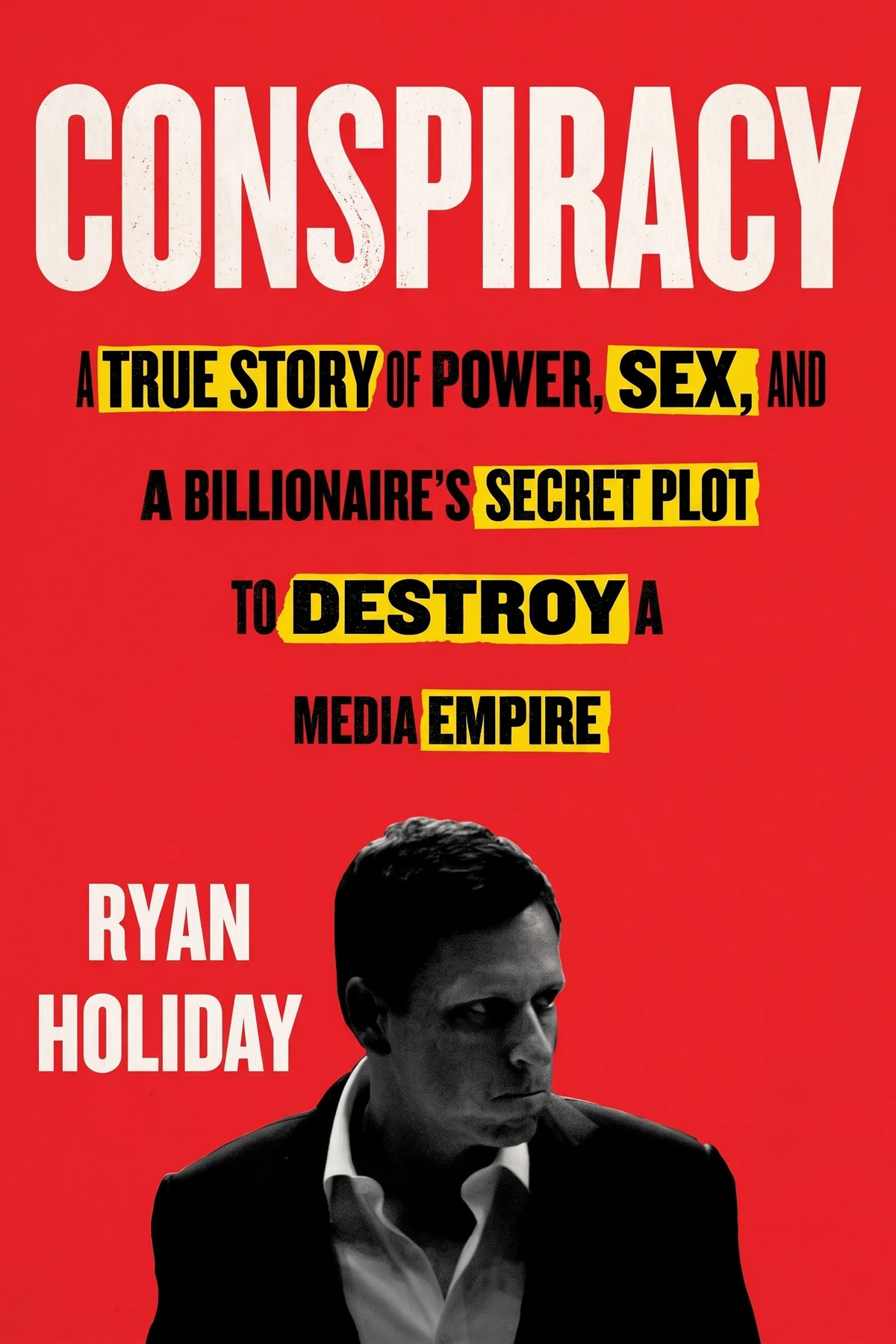
Explore the incredible true story of billionaire Peter Thiel’s secret, decade-long quest to dismantle the media empire Gawker. This summary reveals the strategic brilliance and dark motivations behind a landmark legal battle.
1 min 36 sec
The year 2016 saw a legal verdict that sent shockwaves through the world of journalism and high finance. On the surface, it looked like a standard, if sensational, privacy lawsuit: a world-famous professional wrestler, Hulk Hogan, was suing a gossip website for publishing a private video. But beneath the surface of that courtroom drama lay a deep, meticulously crafted conspiracy. It was a plot that had been simmering in the shadows for nearly a decade, orchestrated not by the man in the witness stand, but by one of the most powerful and enigmatic figures in Silicon Valley.
This story is about more than just a lawsuit; it’s a look at the anatomy of intrigue itself. It’s the tale of how Peter Thiel, a billionaire investor known for his early bets on companies like PayPal and Facebook, decided to treat a media organization like a strategic problem to be solved. His target was Gawker Media, an outlet that prided itself on radical transparency, snark, and the exposure of secrets.
In this summary, we will trace the journey from a 400-word blog post to a hundred-million-dollar bankruptcy. We will explore the motivations that drive a man to spend millions of dollars in secret to destroy an enemy, and the editorial culture that made Gawker feel untouchable until the very moment the trap snapped shut. This is a journey through the mechanics of power, the fragility of the First Amendment, and the lengths to which a determined individual will go to rewrite the rules of the game. Let’s look at the quiet beginning of this loud ending.
2 min 31 sec
A brief online post in 2007 set off a chain reaction that would eventually lead to a media empire’s collapse. Discover why Peter Thiel viewed this moment as a declaration of war.
2 min 14 sec
Gawker Media thrived by breaking rules and mocking the powerful. Explore the business model that made them both incredibly profitable and dangerously overconfident.
2 min 18 sec
Fighting a media giant in the U.S. is nearly impossible due to free speech laws. Learn how Thiel designed a workaround that bypassed traditional legal hurdles.
2 min 05 sec
When Hulk Hogan was targeted by Gawker, he unknowingly became the ultimate weapon in Thiel’s arsenal. See how their interests aligned perfectly for a legal showdown.
2 min 06 sec
Gawker’s leadership believed they could never lose. Discover the strategic errors and cultural biases that led them to ignore the warning signs of their impending doom.
2 min 16 sec
The destruction of Gawker was a total win for Peter Thiel, but it came with a massive public backlash. Explore the ethical debate that continues to follow this case.
1 min 38 sec
The story of the battle between Peter Thiel and Gawker Media is a modern epic of strategy, revenge, and the power of the long game. It serves as a stark reminder that in the digital age, information is the most valuable—and dangerous—commodity of all. Peter Thiel didn’t just win a lawsuit; he proved that a carefully constructed plan, executed with patience and overwhelming resources, can dismantle institutions that once seemed permanent.
Through this journey, we’ve seen the danger of institutional hubris and the power of asymmetric warfare. Gawker’s downfall was not just the result of a single mistake, but of a culture that forgot the human impact of its actions and underestimated the resolve of its enemies. Conversely, Thiel’s victory was the result of a decade of discipline and a refusal to play by his opponent’s rules.
As we look back on this saga, the central question remains one of balance. How do we protect the right to privacy without chilling the freedom of the press? And what happens when the tools of justice become the weapons of the ultra-wealthy? Regardless of where you stand on the ethics of the conspiracy, the anatomy of this intrigue provides a vital blueprint for understanding how power is wielded in the shadows of the modern world. It encourages us to look past the surface of daily news and ask: who is funding the fight, and what is their ultimate goal? In the end, Thiel’s plot was more than a personal vendetta; it was a demonstration that with enough focus and funding, it is possible to change the world—one secret at a time.
This summary dives deep into the high-stakes world of modern intrigue, tracing the clandestine conflict between Silicon Valley titan Peter Thiel and the provocative media outlet Gawker. It explores how a single blog post in 2007 ignited a revenge plot that spanned nearly ten years, involving complex legal maneuvers, a professional wrestling icon, and a shell company designed for total destruction. Listeners will learn about the strategic philosophy Peter Thiel used to circumvent the traditional protections of the press, the hubris that led to Gawker’s downfall, and the ethical firestorm that erupted when the world discovered a billionaire had secretly funded a lawsuit to bankrupt a publisher. It is a study of power, privacy, and the changing landscape of the American media.
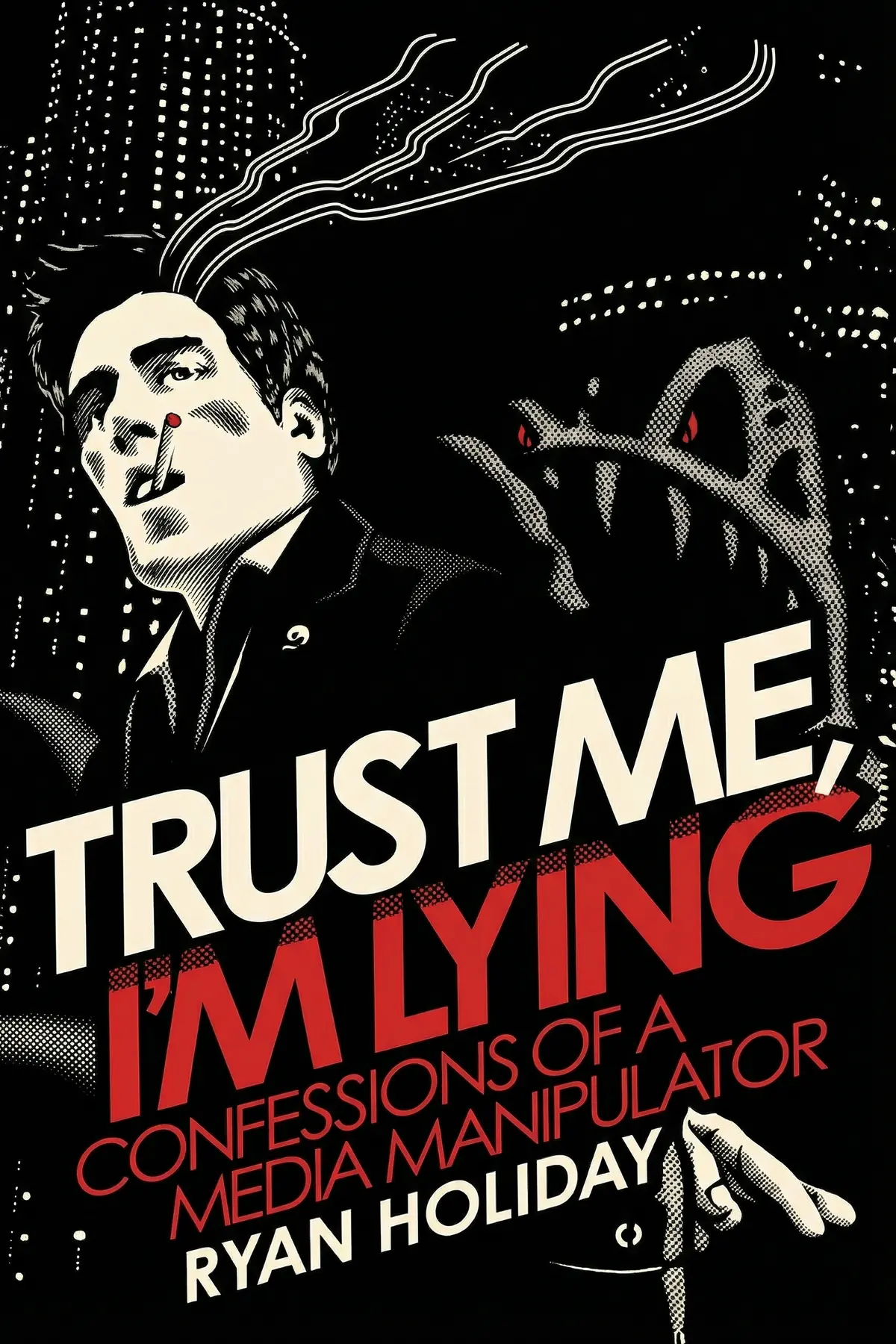
Ryan Holiday is the best-selling author of Trust Me, I’m Lying. His work has appeared in publications such as Fast Company and the Columbia Journalism Review.
Ryan Holiday
Ryan Holiday
Ryan Holiday
Ryan Holiday
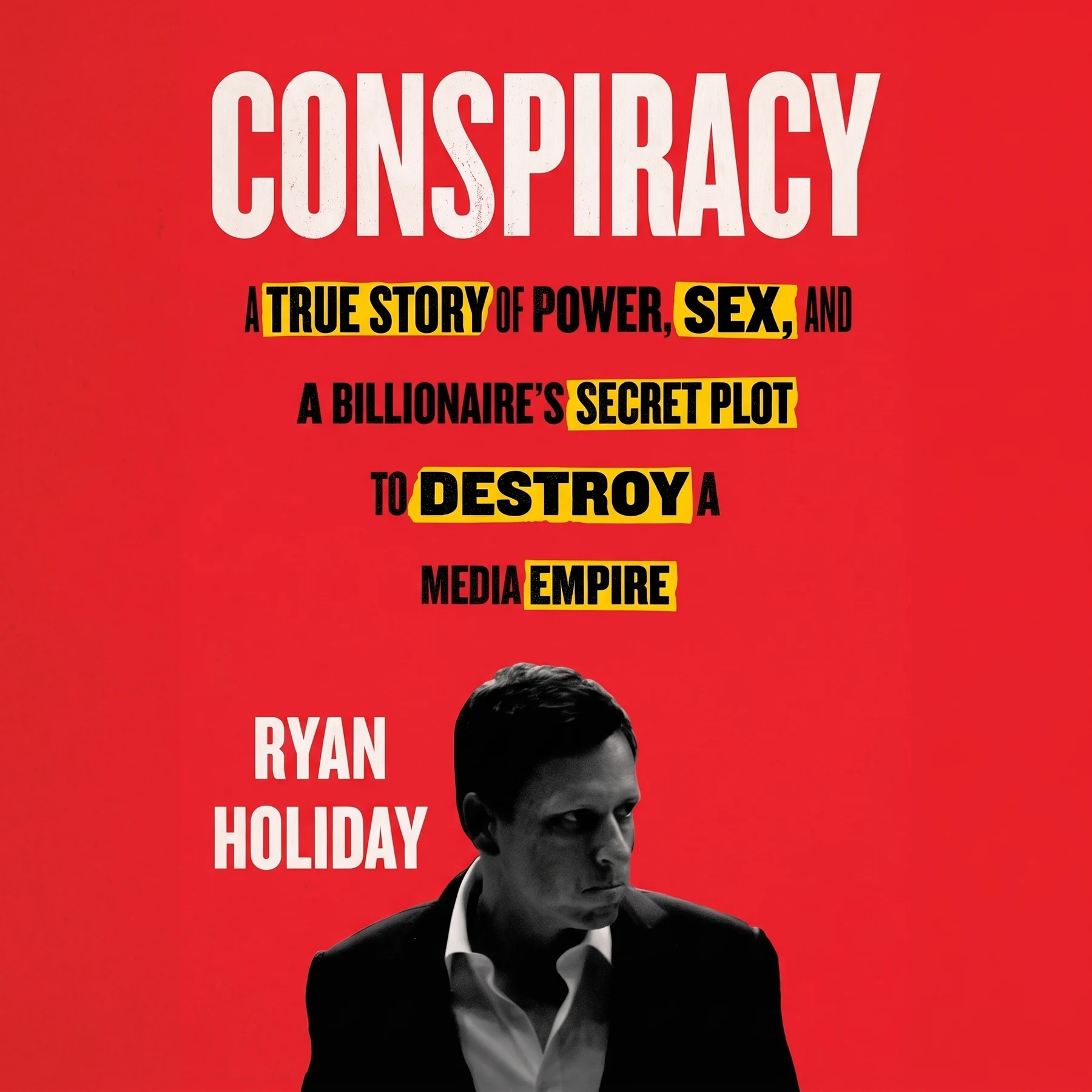
Listeners find this work exceptionally engaging and skillfully composed, offering an intriguing account of a conspiracy that integrates historical details and philosophical background throughout. They value the author's tactical narrative style and feel the book is a valuable investment of their time, with one listener describing it as a "kick-a** read from cover to cover."
Wow. This is easily one of the most compelling pieces of narrative non-fiction I’ve picked up in years. Holiday takes the Gawker versus Hulk Hogan trial and peels back the layers to reveal a sophisticated, multi-year conspiracy orchestrated by Peter Thiel. The way he weaves in historical parallels and Stoic philosophy makes the legal drama feel like a grand strategy game played for the highest stakes imaginable. It's a kick-ass read from cover to cover that forces you to question the ethics of power and secrecy. Even if you think you know the story from the headlines, the level of behind-the-scenes access here is staggering. I couldn't put it down.
Show moreFinally got around to reading this and it’s a total knockout. I didn't expect a book about a lawsuit involving a sex tape to be so intellectually stimulating, but Holiday pulls it off by framing it as a masterclass in strategy. The storytelling is cinematic; you can almost see the gears turning in the shadows as the plot to bankrupt Nick Denton unfolds. It’s a fascinating look at the "hidden hand" in modern media and how one person with deep pockets can reshape the landscape. Frankly, it’s one of those rare books that changes how you view the news. Highly recommended for anyone interested in power dynamics.
Show moreRyan Holiday has a knack for making modern history feel like an epic myth. This isn't just a book about a website getting sued; it’s a meditation on the nature of secrecy and the vulnerability of institutions. The pacing is perfect, and the way the author connects the dots between Silicon Valley culture and the legal system is masterful. I particularly liked how he handled the complexity of Nick Denton—he isn't just a villain, but a tragic figure who didn't see the storm coming. It’s a kick-ass read that manages to be both a fun page-turner and a serious piece of cultural commentary. Absolutely brilliant.
Show morePeter Thiel is a polarizing figure, and this book doesn't shy away from the Machiavellian nature of his campaign against Gawker. Holiday writes with a propulsive energy, using the present tense to make the years of litigation feel like a ticking time bomb. Truth is, the philosophical diversions into the "anatomy" of conspiracy are sometimes a bit much, bordering on pretentious. However, the core reporting is top-notch. Seeing how Terry Bollea was essentially a pawn in a billionaire’s revenge quest is both fascinating and slightly chilling. It’s a well-written profile of how money can be weaponized in the digital age. Definitely worth your time.
Show moreAs someone who followed the Gawker trial closely back in 2016, I thought I knew everything there was to know about this case. I was wrong. Holiday provides incredible context by showing how the conspiracy actually began years before the sex tape even surfaced. The book succeeds by treating the takedown not just as a legal victory, but as a historical event with massive implications for free speech. My only gripe is that the Gamergate section felt a little rushed, almost like it was an afterthought to keep the narrative moving. Still, the strategic insights are brilliant. It’s a very entertaining and well-researched deep dive.
Show moreIs this a manual for revenge or a history book? Holiday seems to argue it's a bit of both. The way he details the secret meetings and the calculated silence of the "Mr. A" figure is genuinely thrilling. You get a sense of the immense patience required to pull off a move this big. To be fair, the author’s admiration for Thiel’s intellect is very apparent, which might put some readers off. However, the writing style is so engaging that it’s easy to overlook the occasional lack of objectivity. It’s a fascinating study of how a small group of people can change the world from the shadows.
Show moreAfter hearing Holiday discuss this on a podcast, I was worried the book wouldn't have much more to offer, but I was pleasantly surprised. The narrative depth is impressive, especially regarding the psychological toll the battle took on everyone involved. It’s a well-written exploration of what happens when the digital world crashes into the old-school legal system. Not gonna lie, the present-tense prose takes a second to get used to, but it eventually adds a sense of urgency to the plot. While I don't agree with all of the author's conclusions about the "greater good," the story itself is undeniably fascinating. A solid four stars.
Show moreWhile the narrative is undoubtedly gripping, I found myself increasingly frustrated by the author's clear bias toward the "Great Man" theory of history. Holiday frames Thiel as a mythic strategist, often glossing over the more unsavory aspects of the legal maneuvers or the collateral damage involved. The constant references to ancient philosophers felt like an attempt to add depth to what was essentially a very expensive grudge match. Also, the decision to write in the present tense was distracting for a historical account. It’s a fast-paced page-turner, but I wish there had been more critical distance from the subjects. It feels a bit shallow in its final analysis.
Show moreThe chapter on the strategy behind the lawsuit was easily the highlight for me, showing the meticulous planning involved. However, the rest of the book struggled to maintain that same level of focus. I found the frequent jumps to historical facts about other conspiracies to be hit-or-miss—some were insightful, others felt like padding. Terry Bollea comes across as a very sympathetic figure, but I wanted more on the legal precedents this case set for the First Amendment. It’s a decent read if you like Ryan Holiday’s style, but it lacks the weight of a truly definitive account. A bit too much style over substance in parts.
Show moreLook, I wanted to like this more because the subject is inherently interesting, but the execution felt thin. For a book titled "Conspiracy," there wasn't nearly enough investigation into the actual mechanics beyond "rich guy pays for lawyers." Holiday relies heavily on a few key interviews and fills the gaps with repetitive philosophical quotes that don't always land. It honestly felt like a long-form magazine article that was stretched out to meet a book contract. The analysis of Nick Denton and Gawker’s culture was surface-level at best. If you want a quick summary of the drama, this is fine, but don't expect a deep, objective investigation.
Show more
James Comey
Anthony Pratkanis
Barack Obama
Masaji Ishikawa
John Rawls
Miles Taylor
AUDIO SUMMARY AVAILABLE
Get the key ideas from Conspiracy by Ryan Holiday, plus 5,000+ more titles in English and Thai.







