
22 min 32 sec
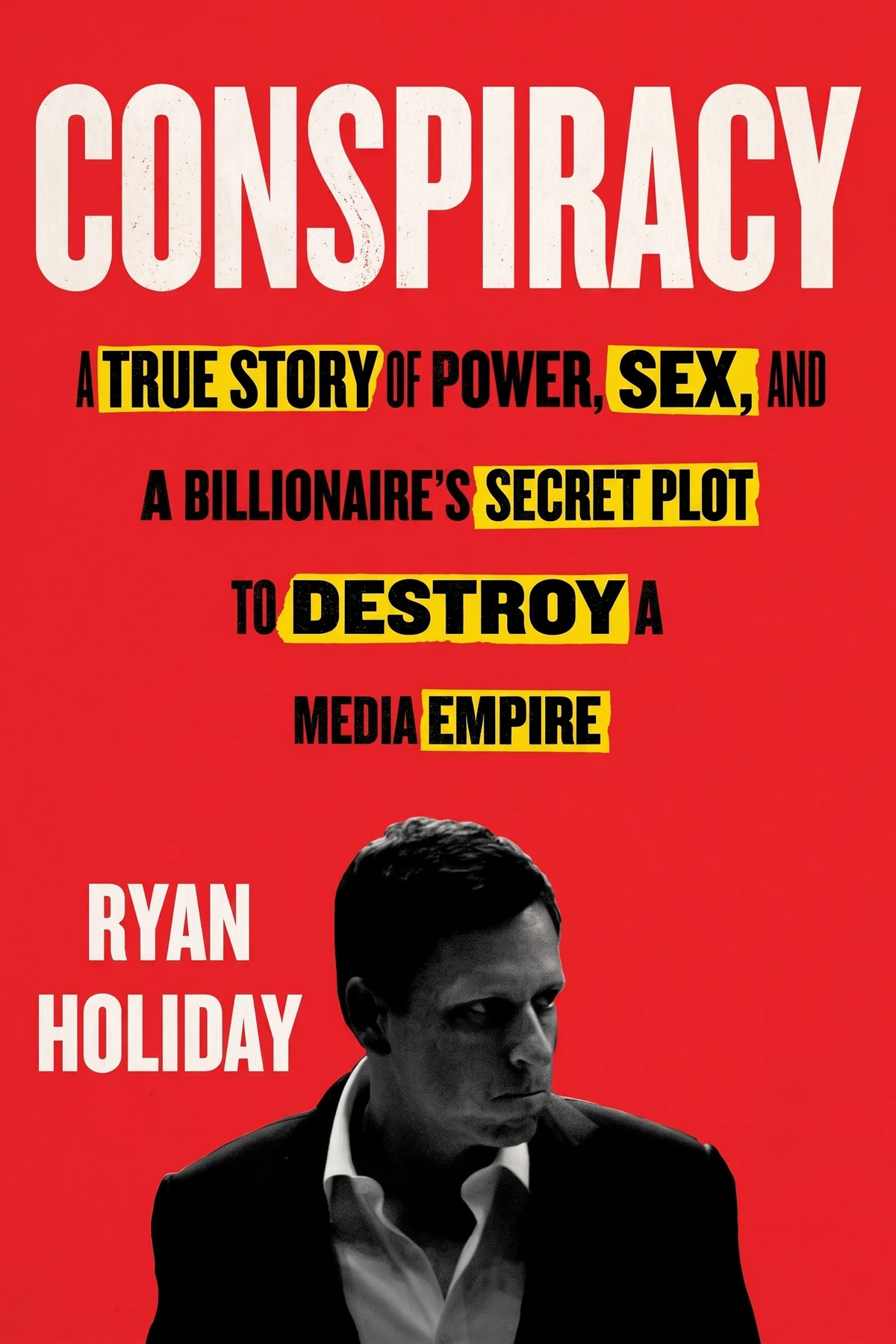
The Obstacle is the Way: The Timeless Art of Turning Trials Into Triumph
By Ryan Holiday
Learn to transform life's toughest challenges into fuel for growth. This guide draws on Stoic philosophy to show how perception, action, and will can turn any barrier into a new path forward.
Table of Content
1. Introduction
1 min 42 sec
Every person encounters moments where the road ahead seems completely blocked. Whether it is a career setback, a personal tragedy, or a global crisis, these barriers often feel like the end of the line. However, what if the very thing standing in your way was actually the exact thing you needed to reach the next level? This is the core philosophy we are exploring today. It is based on a profound but simple idea: that we have the power to flip our challenges on their heads. Instead of being victims of circumstance, we can become the architects of our own progress by using our struggles as fuel.
This approach isn’t about ignoring reality or pretending that things aren’t difficult. It’s not about forced optimism or wearing rose-colored glasses to hide the truth. Rather, it is about a very specific type of mental and emotional discipline derived from the ancient Stoic tradition. It is about being clear-eyed, logical, and incredibly pragmatic. As the Roman emperor Marcus Aurelius once suggested, the things that impede our actions can actually become the things that advance them. What stands in the way effectively becomes the way itself.
In this summary, we will break down this transformation into three distinct phases: Perception, Action, and Will. We’ll start by looking at how we view our problems, then move into how we should respond to them, and finally, how we can build an internal fortress that allows us to endure whatever life throws at us. By the end, you’ll see that success isn’t about the absence of obstacles; it’s about how you use them to your advantage. Let’s dive into the art of turning trials into triumphs and see how some of history’s most resilient figures managed to find light in the darkest of times.
2. The Power of Controlled Perception
2 min 16 sec
When a financial crisis ruined his peers, one young man saw a classroom. Discover how John D. Rockefeller mastered the art of staying calm in chaos.
3. Maintaining Internal Sovereignty
2 min 05 sec
Imprisoned for a crime he didn’t commit, Rubin Carter proved that no wall could touch his mind. Learn how to keep your power when everything is taken away.
4. Shifting the Angle of Vision
2 min 07 sec
A solar eclipse once caused an entire army to panic, until one man changed their perspective. See how a simple shift in view can turn fear into confidence.
5. The Necessity of Disciplined Action
2 min 13 sec
Weak, sickly, and betrayed, Demosthenes had every reason to fail. Instead, he used pebbles and a half-shaved head to become history’s greatest orator.
6. Focusing on the Process, Not the Prize
1 min 54 sec
Big goals can be paralyzing. Discover why championship coaches tell their players to ignore the scoreboard and focus on the next single yard.
7. Finding Opportunity in Failure
1 min 58 sec
What happens when your best efforts aren’t enough? Learn how to treat every setback as a hidden lesson and a chance to build a different kind of strength.
8. Constructing the Inner Citadel
2 min 02 sec
Born with weak lungs, Theodore Roosevelt built himself into a powerhouse of strength. Discover the secret to building an internal fortress against life’s storms.
9. Endurance Through Perseverance
2 min 03 sec
What is the difference between a sprint and a marathon? Explore the story of Odysseus and learn why staying in the game is more important than winning quickly.
10. The Perspective of Finality
2 min 00 sec
Death is the one obstacle no one escapes. Learn how the Stoic practice of ‘memento mori’ can actually become your most powerful motivation to live well.
11. Conclusion
2 min 12 sec
As we reach the end of this journey through the art of turning trials into triumphs, it is helpful to look back at the overarching architecture of this philosophy. We began with Perception, the vital ability to strip away our emotional baggage and see the world for what it truly is. We learned that by staying objective and focusing only on what we can control, we can find opportunities where others only see disasters. We then moved to Action, the requirement to move forward with discipline and to trust the process, breaking down large barriers into small, manageable steps. Finally, we explored Will, that internal strength that allows us to endure the unchangeable and keep moving forward with perseverance and an awareness of our own mortality.
The throughline of all these ideas is a radical sense of personal responsibility. It is the realization that while we cannot control the world, we have absolute authority over how we process it and how we move within it. The obstacles you face are not accidents; they are the raw material of your success. They are the friction that allows you to gain traction. They are the resistance that builds your mental and emotional muscle.
Moving forward, the most actionable thing you can do is to change your vocabulary. Stop calling them ‘problems’ or ‘setbacks.’ Start calling them ‘training.’ When things go wrong, instead of asking ‘Why is this happening to me?’ ask ‘How can I use this?’ Look for the hidden path in every difficult conversation, every failed project, and every personal hardship.
Remember that the greats of history were not people who lived easy lives. They were people who faced immense pressure and used that pressure to forge themselves into something extraordinary. You have that same power within you. The road is often rocky, and the climb is often steep, but that is exactly how it should be. The obstacle isn’t blocking the way; the obstacle is the way. So, whatever you are facing today, don’t shrink from it. Step into it, use it, and let it lead you to where you need to go.
About this book
What is this book about?
Have you ever felt completely blocked by a situation that seemed unfair or insurmountable? This exploration of Stoic principles argues that these moments of frustration are actually your greatest opportunities. By shifting your mindset, you can stop seeing obstacles as things that prevent progress and start seeing them as the very means by which you advance. The book provides a three-part framework: Perception, Action, and Will. It teaches you how to remain objective under pressure, how to take disciplined steps when others panic, and how to build an inner strength that cannot be broken by external events. Through historical examples and timeless wisdom, it promises a practical way to thrive in any environment, no matter the difficulty.
Book Information
About the Author
Ryan Holiday
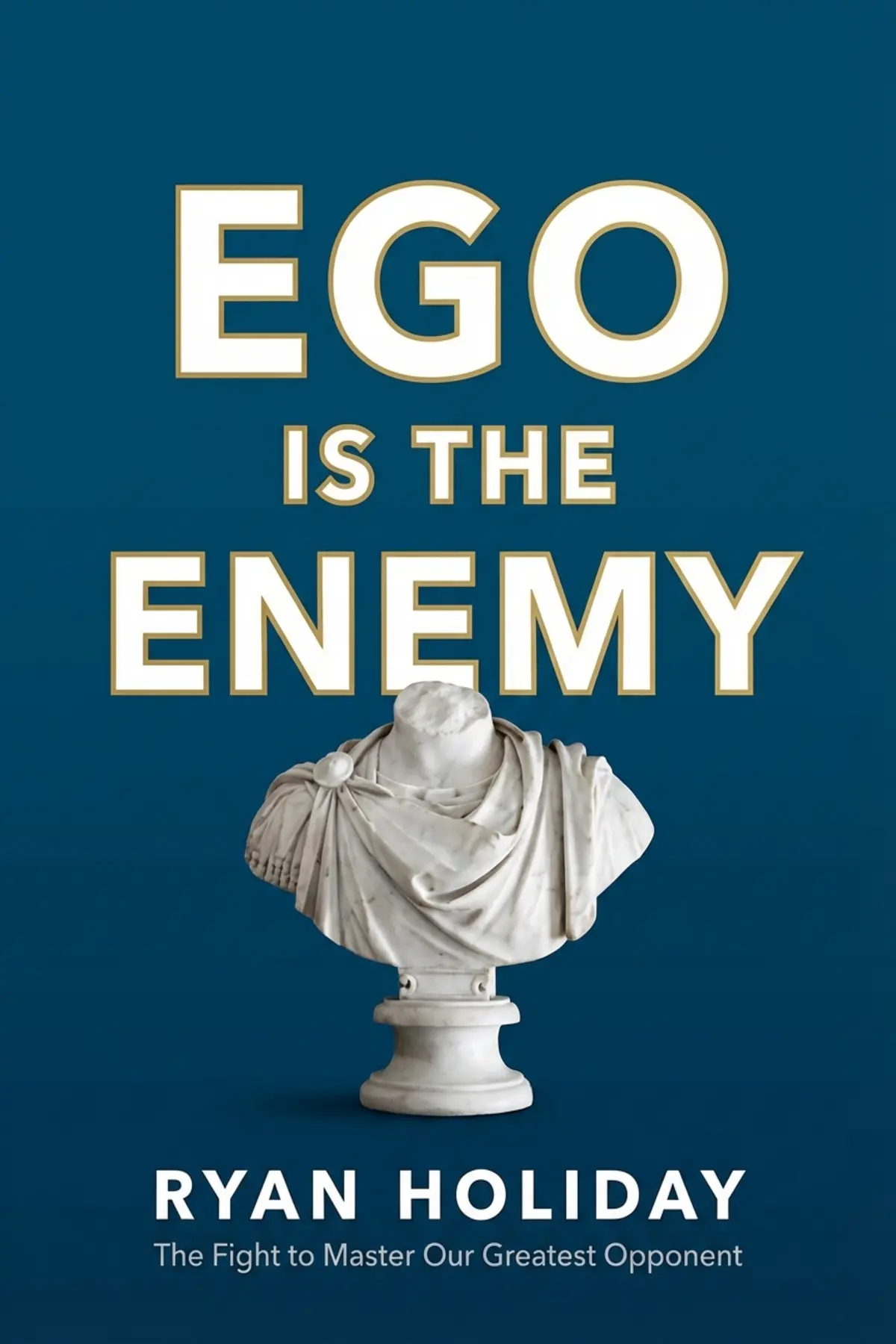
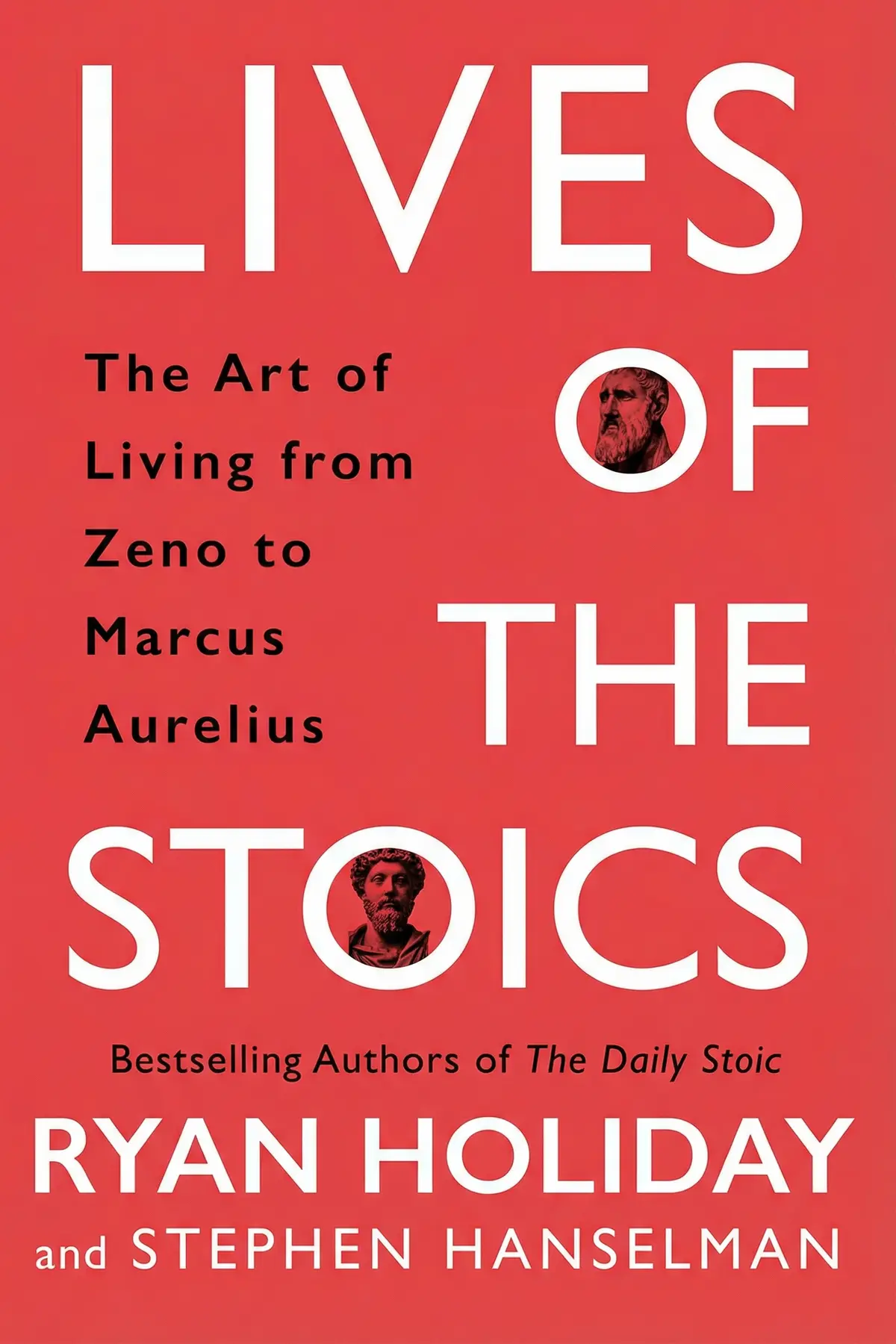
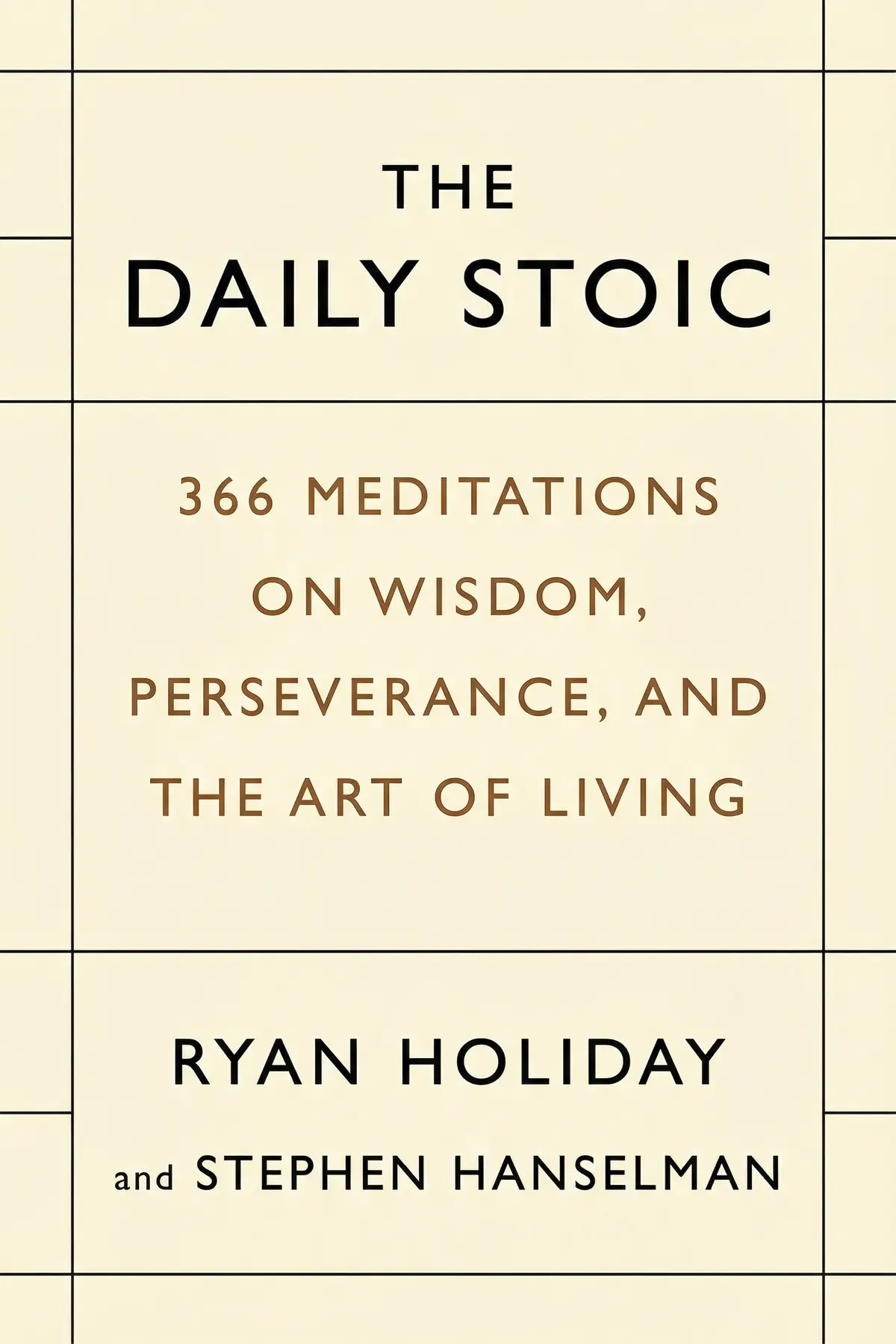
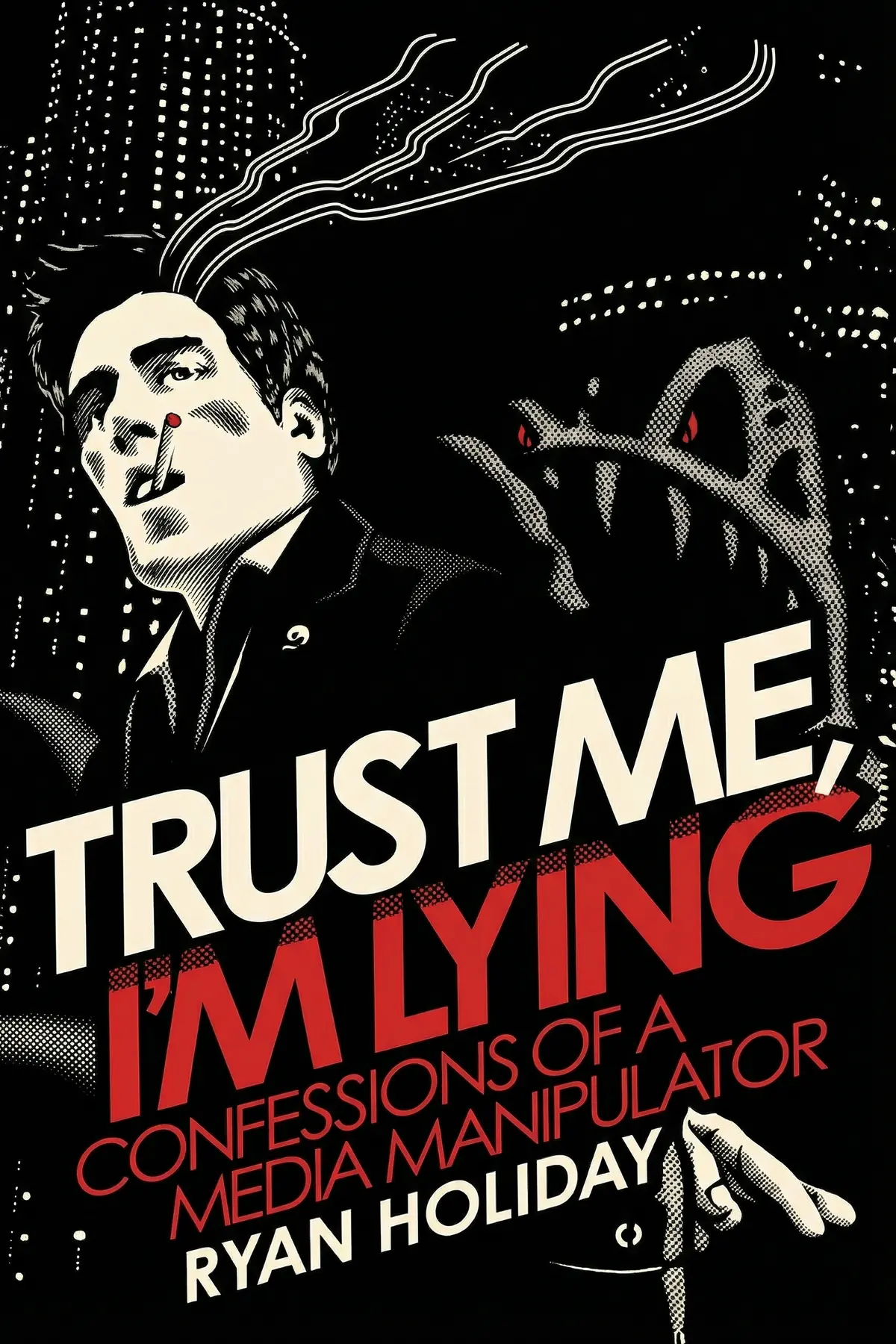
Ryan Holiday is an American author, media strategist, and bookstore owner. He is widely known as the host of the Daily Stoic podcast. In addition to this work, his published titles include The Daily Stoic and Courage is Calling.
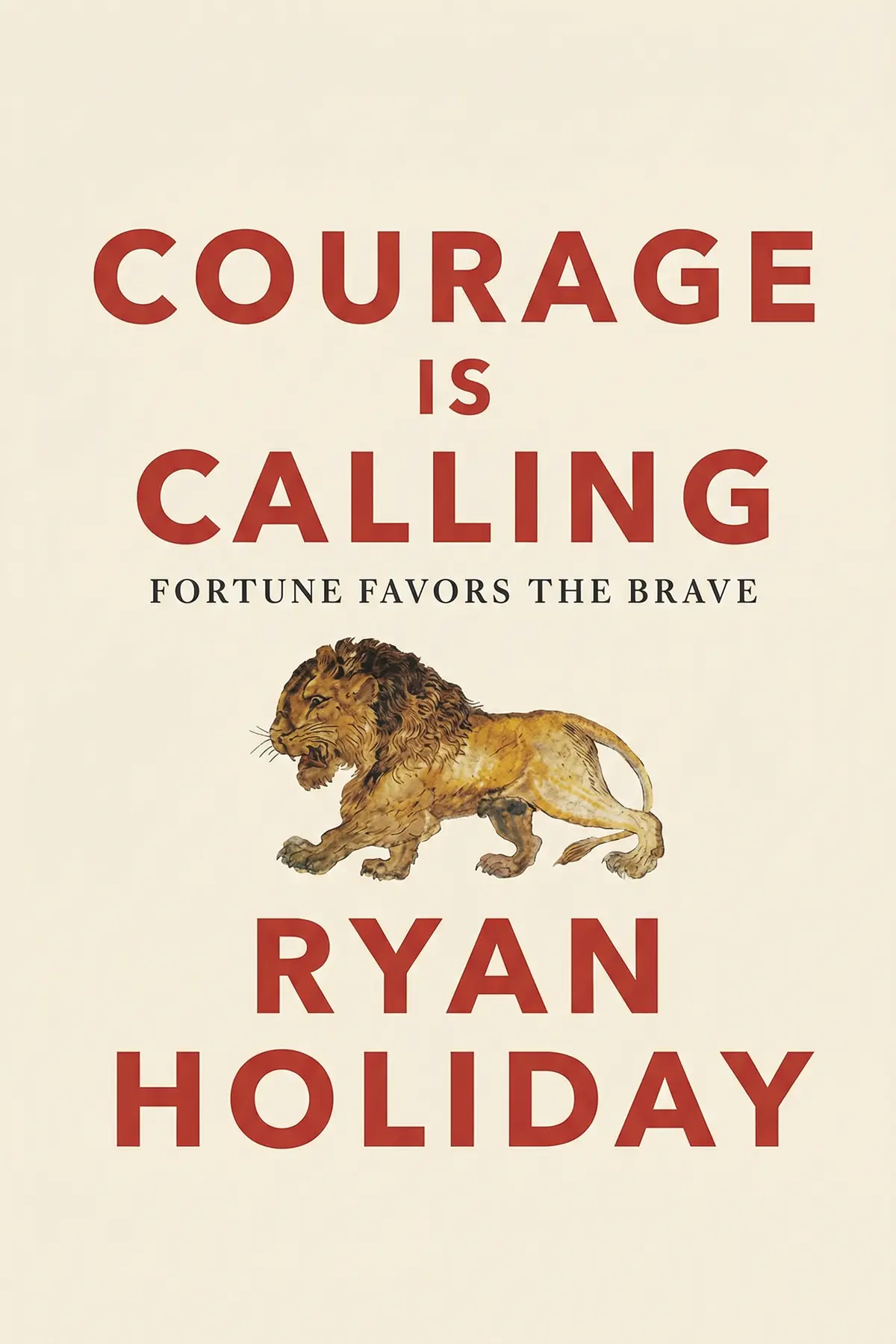
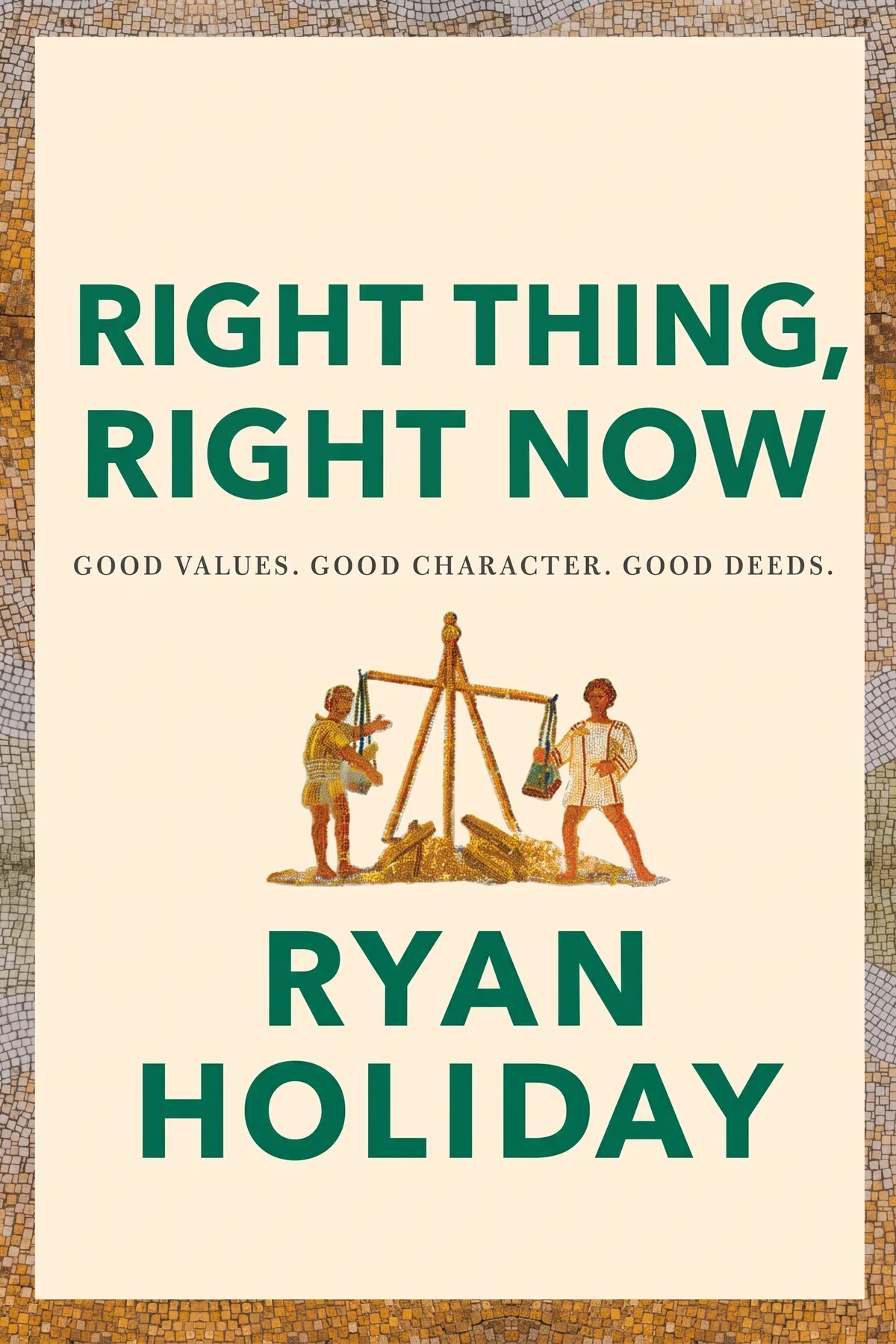
Courage is Calling: Fortune Favors the Brave
Ryan Holiday
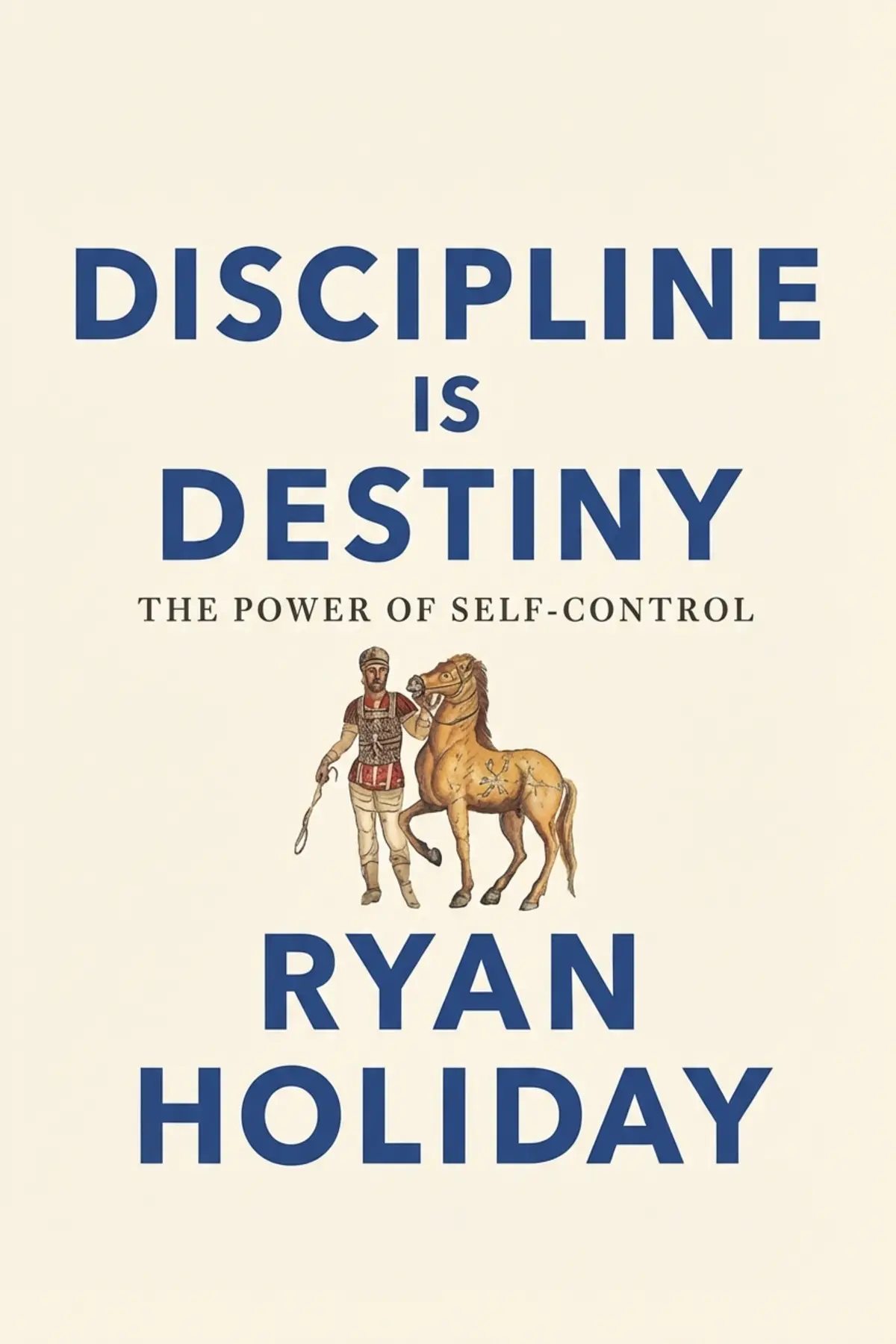
Discipline Is Destiny: The Power of Self-Control
Ryan Holiday
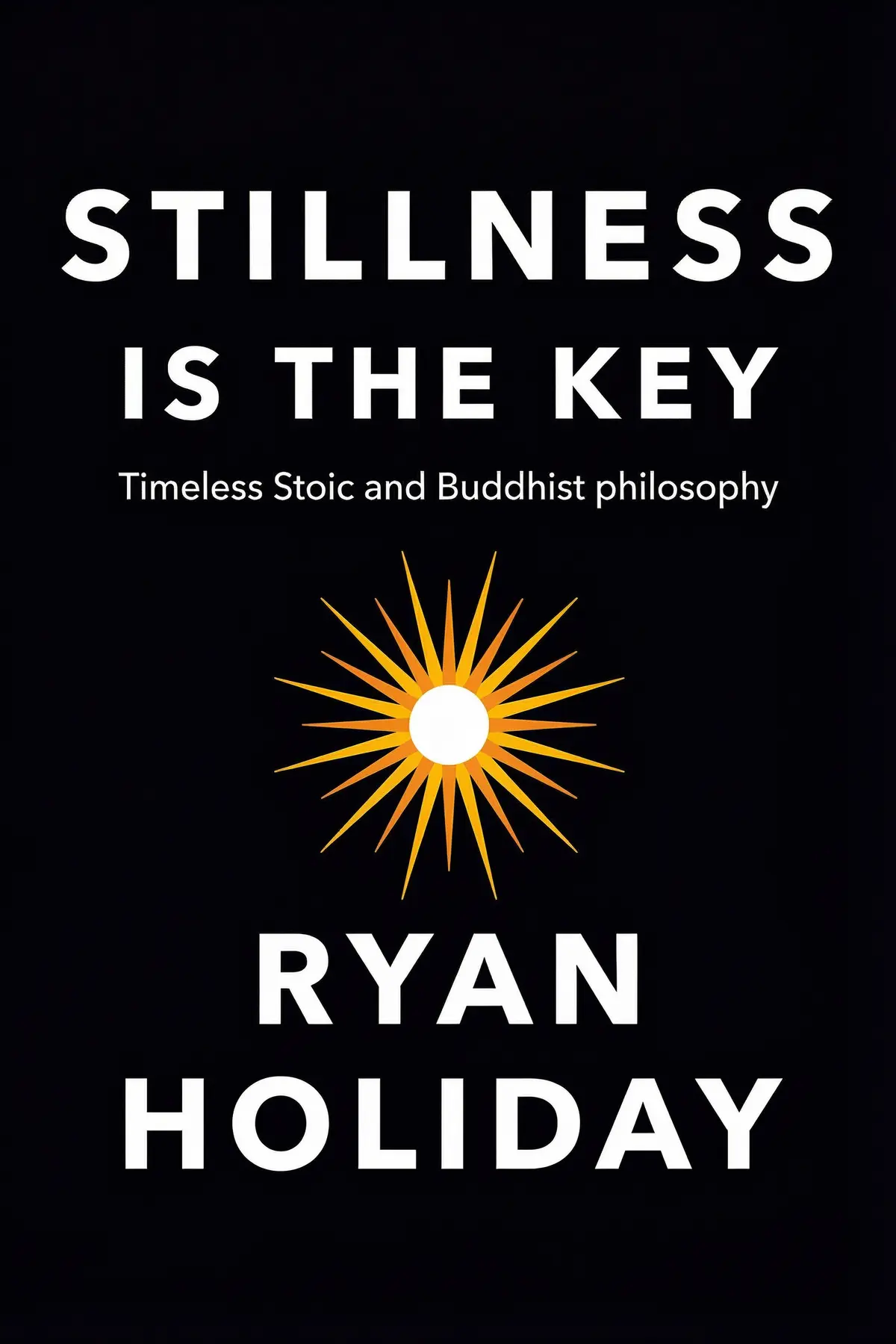
Stillness Is the Key
Ryan Holiday
Wisdom Takes Work: Learn. Apply. Repeat.
Ryan Holiday
Ratings & Reviews
Ratings at a glance
What people think
Listeners find this title to be a superb introductory guide that delivers deep insights and aids in using Stoic philosophy in daily life. Furthermore, the book shares valuable ideas with real-world utility, helping individuals shift their perspective and develop a more constructive mindset. Listeners also praise the outstanding prose and its ability to provide a helpful framework for moving through the world.
Top reviews
Luke
Ryan Holiday has a knack for making ancient philosophy feel like a modern survival guide. This book isn't about sitting in a room and meditating; it’s about taking the hits life throws at you and using that momentum to move forward. To be fair, some might find the writing a bit repetitive, but that repetition serves a purpose in drilling the core message home. I particularly enjoyed how he distilled the heavy wisdom of Marcus Aurelius into actionable concepts. Instead of feeling overwhelmed by obstacles, I now find myself looking for the hidden opportunity within them. The prose is lean and moves with a sense of urgency that matches the subject matter perfectly. It’s an excellent primer for anyone who wants to apply Stoic principles without getting bogged down in academic jargon.
Show moreJack
Wow, I didn’t expect a book on Stoicism to be this punchy and immediate. This isn't your standard dry philosophy text. Instead, it’s a tactical manual for navigating the world when things aren't going your way. The truth is, most of us let our emotions dictate our actions when we face a setback, but this book teaches you to defeat those emotions with logic. I loved the section on 'The Process'—it reminded me that focusing on the immediate step in front of you is the only way to conquer a massive goal. The writing is exceptional in its ability to provide perspective, making ancient Greek ideas feel as relevant as a Silicon Valley boardroom strategy. It really shifted my mindset from victimhood to agency. I’ll be keeping this on my desk for a long time.
Show moreElise
The chapter on the 'discipline of perception' changed how I view my current career setbacks entirely. We often forget that we choose how we see the world, and Holiday does a brilliant job of reminding us that obstacles are actually opportunities in disguise. I’ve read a lot of business books, but this one feels different because it focuses on character rather than just tactics. The writing style is direct and punchy, making it easy to digest a few pages every morning. It feels like rocket fuel for the mind. I especially appreciated the references to James Garfield and Andrew Johnson; their stories of rising from nothing through sheer Stoic will were incredibly moving. This isn't just a book you read; it’s a book you use. It genuinely helps you remain imperturbable when everything around you is in chaos.
Show moreSumalee
Pick this up if you’re feeling stuck or overwhelmed by circumstances beyond your control. Ryan Holiday takes the complex ideas of Marcus Aurelius and Epictetus and turns them into something you can actually use in your 9-to-5 life. I love the idea that 'the obstacle in the path becomes the path.' It’s such a simple shift, but it changes everything about how you approach a problem. The book is structured in a way that makes it very accessible, with short chapters and clear, vivid examples. Some critics call it banal, but in my experience, the most profound truths are often the simplest ones. It provides a much-needed perspective on navigating the world with a sense of calm and purpose. If you're looking for a way to build mental toughness, this is it.
Show moreAroon
Direct, gritty, and incredibly useful for anyone in a high-pressure environment. I’m an entrepreneur, and I deal with 'obstacles' every single hour of the day. This book gave me a framework to stop reacting emotionally and start acting strategically. Holiday’s writing is exceptional; it’s fast-paced and hits you right where you need it. I found the stories of the Roman Empire and the Industrial Revolution to be great illustrations of how Stoicism has always been the DNA of successful people. It's not about being a robot; it's about having the self-control to stay objective. Honestly, this should be required reading in schools. It teaches the kind of resilience that you usually only get from years of failure. It’s easily one of the most practical philosophy books I’ve ever encountered.
Show moreRafael
Finally got around to this after seeing it on every productivity list for the last decade. The book is heavily influenced by the style of Robert Greene, using historical anecdotes to illustrate points about perception, action, and will. While some of the stories about figures like John D. Rockefeller felt a bit superficial, the underlying message is incredibly powerful. Holiday argues that our reaction to a problem is often the problem itself, which is a perspective I desperately needed this year. I appreciate how he reframes adversity as fuel rather than a stop sign. My only real gripe is that the pacing can feel a bit rushed, almost like he’s trying to hit a page count by restating the same thesis. Still, it’s a solid 4-star read that offers a positive outlook without the usual toxic positivity fluff.
Show moreDek
As someone who usually finds self-help books a bit fluffy, this was a refreshing change of pace. Holiday avoids the 'power of positive thinking' traps and instead focuses on mental endurance and grit. The book provides useful concepts with practical applications, particularly the idea of turning a disadvantage into your greatest strength. I found the chapter on Demosthenes particularly inspiring, as it showed how a physical limitation could be leveraged into a world-class skill. There are moments where the prose feels a bit repetitive, and some of the historical links are tenuous at best, but the overall impact is undeniable. It’s a great introduction to the discipline of perception. If you're struggling with a career hurdle or personal drama, this will help you reframe the situation in a much more productive light.
Show moreNatalie
After hearing Tim Ferriss mention this for the hundredth time, I gave in and bought a copy. I'm glad I did, even if I was skeptical at first. The book is an excellent primer that offers profound wisdom without being overly academic or dense. Holiday has a talent for distilling ancient truths into clear, contemporary prose. I particularly liked the focus on action—the idea that it's not enough to just think differently, you have to do differently. While some of the historical examples feel a bit like 'Great Man Theory' cherry-picking, the psychological benefit of the advice is real. It’s about building a mindset that sees every setback as a chance to practice a new virtue. Not every chapter hit home, but the ones that did were worth the price of the book alone.
Show moreCha
Is it a masterpiece of historical research? No, but it works as a basic primer for those unfamiliar with the classics. Personally, I found the anecdotes about the American pioneer spirit and the Civil War interesting, even if they were presented a bit perfunctorily to fit the author's narrative. There are some odd moments—like the claim that the brain is a muscle—that pulled me out of the experience. To be fair, the book does offer some solid reminders about focusing on what we can control and maintaining equanimity during a crisis. However, the writing style can feel a bit computer-generated at times and lacks the depth found in the works of his mentor, Robert Greene. It’s a decent enough read for a flight or a weekend, but don't expect it to provide a life-altering epiphany if you've already read the Stoics.
Show moreLuckana
Not what I expected based on the massive hype surrounding this title. Look, the core advice isn't bad, but it feels like a collection of trite platitudes you’d find on a Dove chocolate wrapper or a motivational poster. The author relies heavily on selection bias, picking famous figures like Steve Jobs or Bill Gates to prove his points while ignoring the complications of reality. I found the tone to be incredibly preachy, as if he discovered some secret of the universe that is actually just basic perseverance. Frankly, it felt like a rushed student project where the research was done the night before it was due. There were even medical inaccuracies that irked me, like the claim that the brain is a muscle. If you want actual Stoicism, just go read the original texts like Meditations instead of this superficial repackaging.
Show moreReaders also enjoyed
A Guide to the Good Life: The Ancient Art of Stoic Joy
William B. Irvine
A High-Performing Mind: Strengthen Your Mind and Live Your Best Life
Andrew D. Thompson
Abundance: The Inner Path to Wealth
Deepak Chopra
A Little History of Philosophy
Nigel Warburton
AUDIO SUMMARY AVAILABLE
Listen to The Obstacle is the Way in 15 minutes
Get the key ideas from The Obstacle is the Way by Ryan Holiday, plus 5,000+ more titles in English and Thai.
- 5,000+ titles
- Listen as much as you want
- 7-day free trial
- Cancel anytime







