
23 min 05 sec
Stillness Is the Key
By Ryan Holiday
Explore the ancient wisdom of stillness as a tool for modern success. This summary reveals how slowing down, finding presence, and cultivating inner peace lead to greater clarity and meaningful achievement.
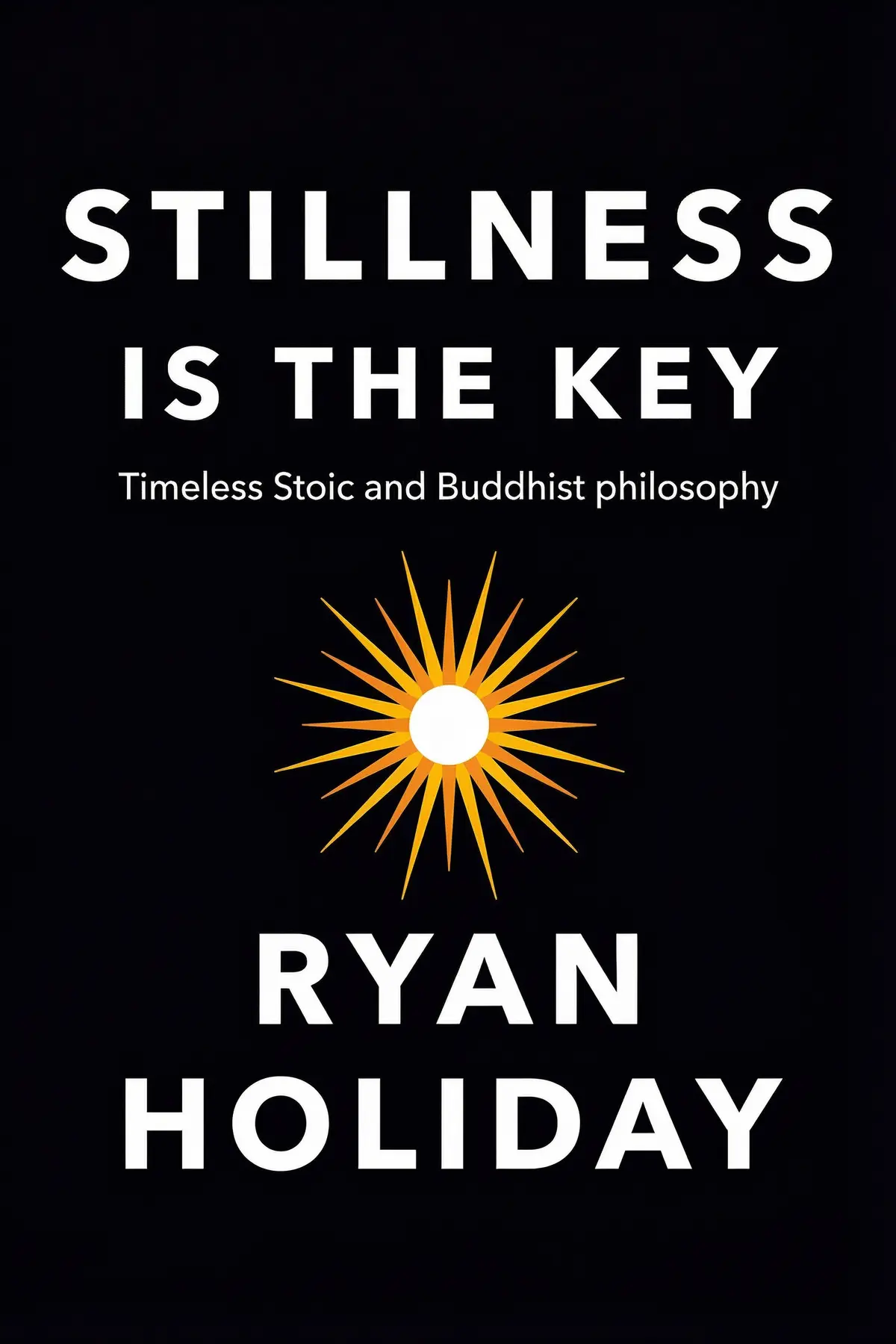
Table of Content
1. Introduction
2 min 01 sec
In our modern era, we are often led to believe that the path to success is paved with constant motion. We equate busyness with productivity and noise with importance. Our pockets buzz with notifications, our calendars are packed with back-to-back commitments, and our minds rarely have a moment of reprieve from the deluge of information. Yet, if you look back at the giants of history—the thinkers who changed the world, the leaders who navigated impossible crises, and the artists who touched the human soul—you find a common thread that contradicts our modern obsession with speed. That thread is stillness.
Stillness is not just the absence of sound or movement. It is a profound state of being that allows for clarity, creativity, and the kind of steady resolve required to face great challenges. It is what the Buddhists call upekkha, what the Stoics referred to as apatheia, and what the Greeks called eudaimonia. It is the ability to stay centered while the world around you is spinning out of control. It is the steady hand on the tiller during a storm.
In this exploration of Ryan Holiday’s insights, we are going to look at stillness through three primary lenses: the mind, the soul, and the body. We will see how stillness serves as a secret weapon for those under immense pressure, and why it is the fundamental requirement for anyone seeking a life of purpose and peace. We’ll uncover why slowing down is often the fastest way to get where you’re going and why the most important work you will ever do happens in the quiet moments between the chaos.
Through stories of world leaders, legendary athletes, and humble gardeners, we will build a case for why stillness is not a luxury for the idle, but a necessity for the effective. It is the key to unlocking your best self and making sense of a world that often feels nonsensical. So, let’s begin this journey by stepping away from the noise and discovering the power of the quiet center.
2. Navigating Chaos Through Mental Composure
2 min 34 sec
Discover how the highest levels of leadership depend on the ability to pause and reflect, even when the fate of the world hangs in the balance.
3. The Power of Total Presence
2 min 10 sec
Explore why being fully engaged in the current moment is the only way to achieve true brilliance and deep human connection.
4. Journaling as a Mirror for the Mind
2 min 03 sec
Learn how the simple act of putting pen to paper can help you process your life and find clarity amidst daily struggles.
5. The Richness Found in Silence
2 min 04 sec
Understand why avoiding noise is essential for hearing your own thoughts and tapping into deeper insights.
6. Character as the Foundation of Peace
2 min 07 sec
See why high performance without a stable moral core leads to inevitable collapse, and how to build a soul that can withstand the storm.
7. The Freedom of 'Enough'
2 min 04 sec
Break free from the cycle of endless desire by learning to appreciate what you already have.
8. Finding Transcendence in the Natural World
2 min 08 sec
Reclaim your perspective by stepping outside and observing the timeless beauty of the earth around you.
9. Physical Activity as a Path to Mental Peace
2 min 07 sec
Why manual labor and hobbies are not distractions from work, but the very things that make deep thought possible.
10. Respecting the Limits of the Human Machine
1 min 59 sec
Learn why sleep and moderation are not signs of weakness, but essential components of long-term mastery.
11. Conclusion
1 min 48 sec
As we conclude this journey into the heart of stillness, it’s worth remembering that this is not a destination you reach and then stay at forever. Stillness is a practice. It is something you have to choose every single day, often multiple times a day. It is the choice to put the phone down, to take the long way home, to breathe before you speak, and to forgive yourself for being human.
We have seen how stillness of the mind allows us to navigate the most terrifying crises with grace. We’ve seen how presence and silence open the doors to brilliance and connection. We’ve explored the necessity of a virtuous soul and the liberation that comes from knowing we have enough. And finally, we’ve recognized that our bodies are the vessels for this stillness, requiring movement, nature, and deep rest to function at their best.
The world will always be noisy. There will always be a new crisis, a new technology, and a new reason to be anxious. You cannot control the volume of the world, but you can control your internal dial. By cultivating these habits of stillness, you become like the eye of a hurricane—a place of calm and clarity while everything else is in a whirl.
So, as you step back into your life, ask yourself: Where can I find a small pocket of stillness today? Perhaps it’s a few minutes of journaling tonight, or a walk without your headphones tomorrow morning. Perhaps it’s finally deciding that you have enough, and that you can stop chasing for a moment. Whatever it is, lean into it. Trust that the quiet is not empty; it is full of the insights and the strength you need to live a life that is truly yours. Remember, in a world that never stops moving, stillness isn’t just a virtue—it is the key to everything that matters.
About this book
What is this book about?
In an era defined by constant noise and digital distraction, the ability to remain calm and focused is more than a virtue—it is a competitive advantage. This summary delves into the concept of stillness, drawing on a rich tapestry of Stoic and Buddhist philosophies, historical anecdotes, and modern psychological insights. It examines how the world’s most effective leaders and thinkers use quietude to navigate crises and unlock their creative potential. The book promises a roadmap for achieving mastery over the mind, soul, and body. By exploring the lives of figures ranging from John F. Kennedy to Marina Abramović, it demonstrates that stillness is not about being passive or inactive. Instead, it is a deliberate practice of filtering out the trivial to focus on the essential. Listeners will learn practical strategies for journaling, setting boundaries, and embracing physical movement as a way to find peace amidst the chaos of daily life.
Book Information
About the Author
Ryan Holiday
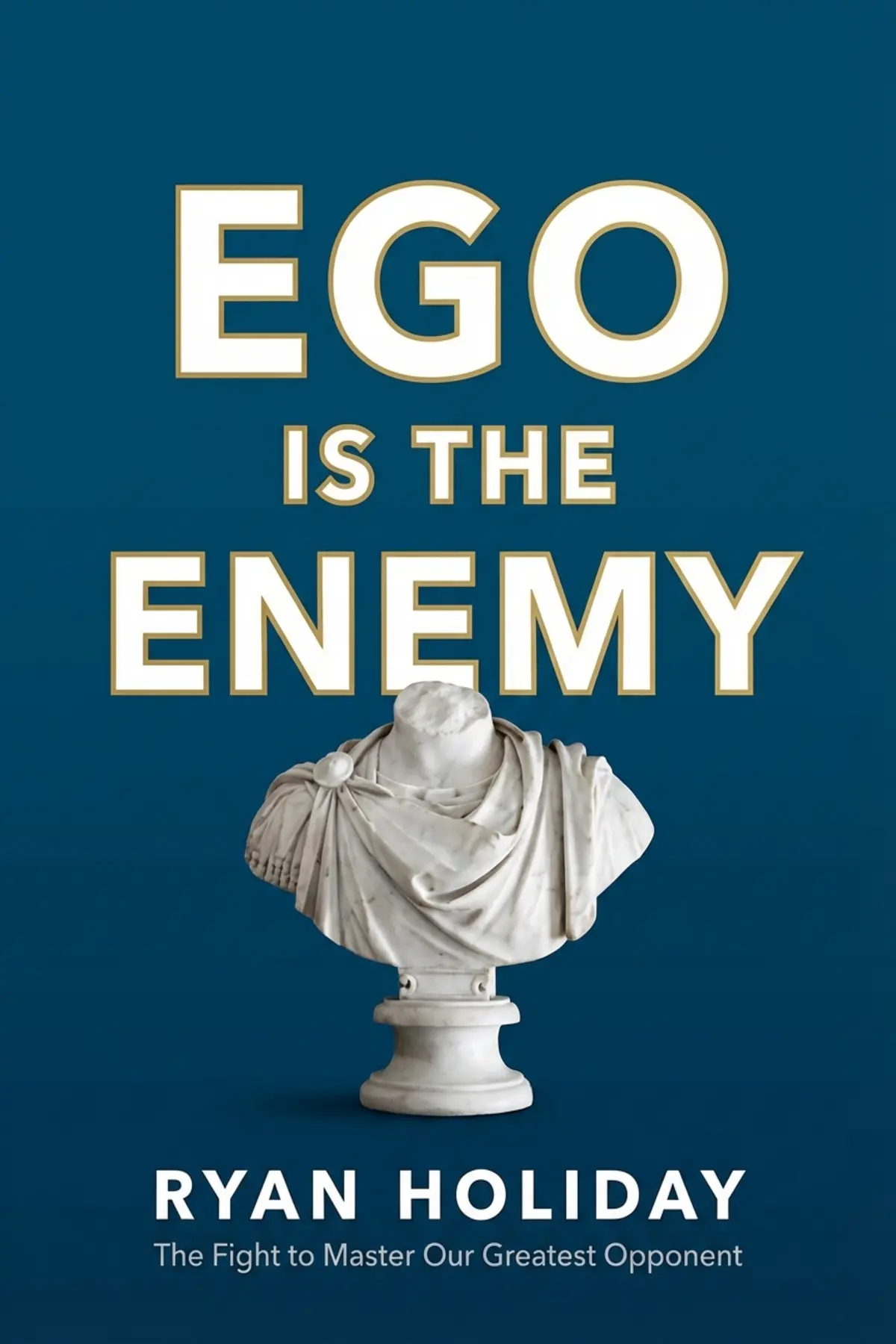
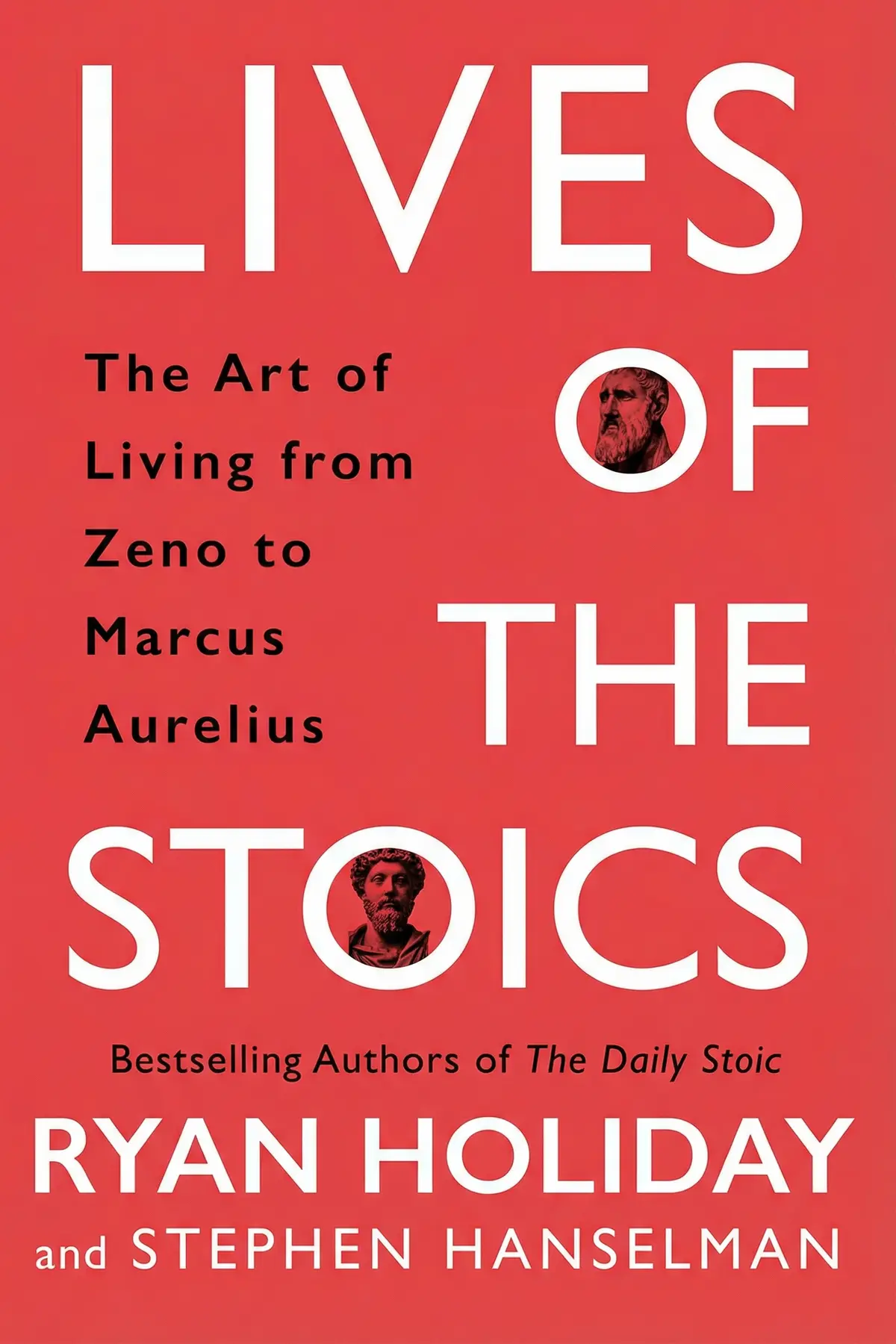
Ryan Holiday is an American author, media strategist, and bookstore owner who has become a leading voice in modern Stoicism. He is the creator and host of the Daily Stoic podcast. His influential body of work includes titles such as Lives of the Stoics, Ego is the Enemy, and The Obstacle is the Way.
Courage is Calling: Fortune Favors the Brave
Ryan Holiday
Discipline Is Destiny: The Power of Self-Control
Ryan Holiday
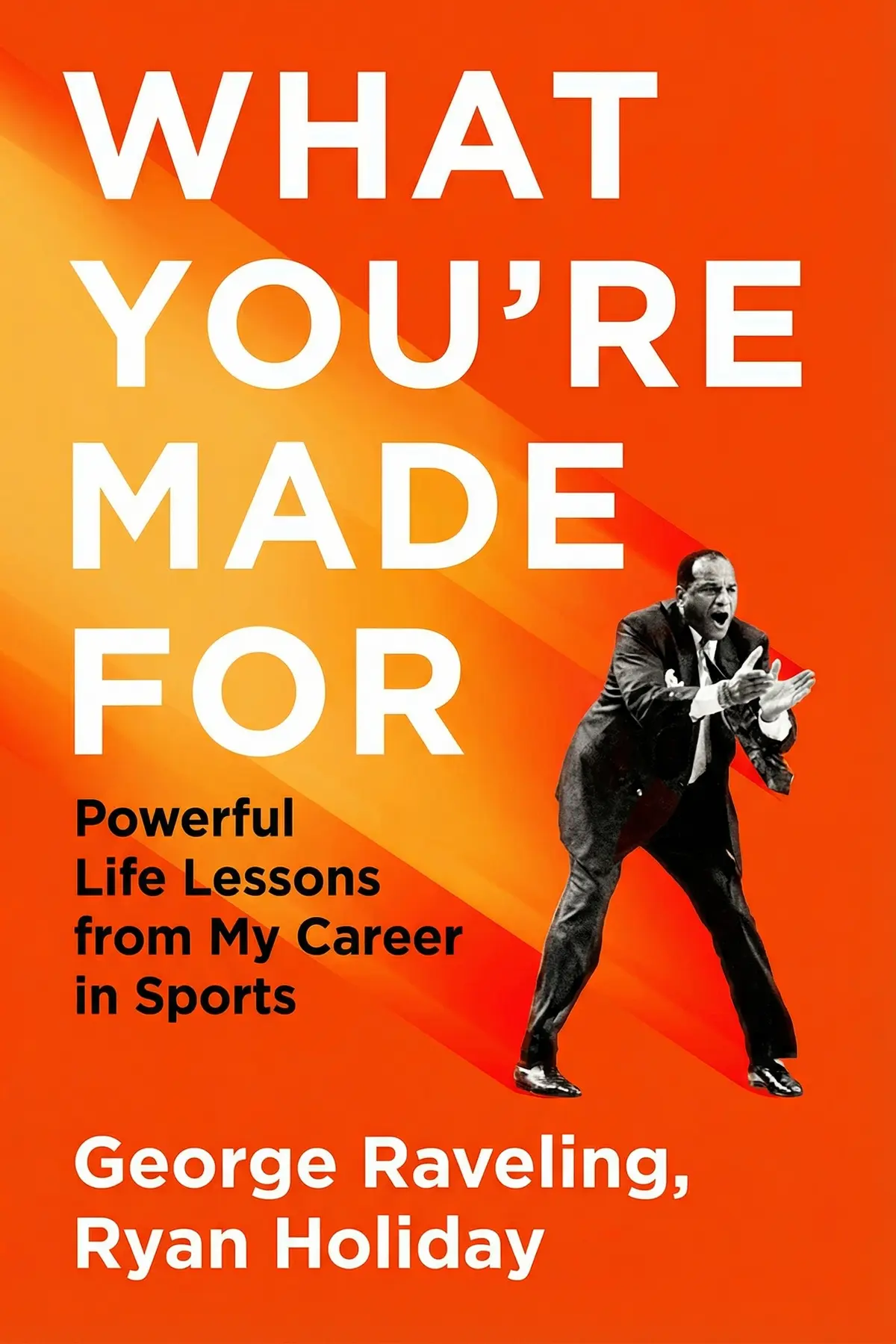
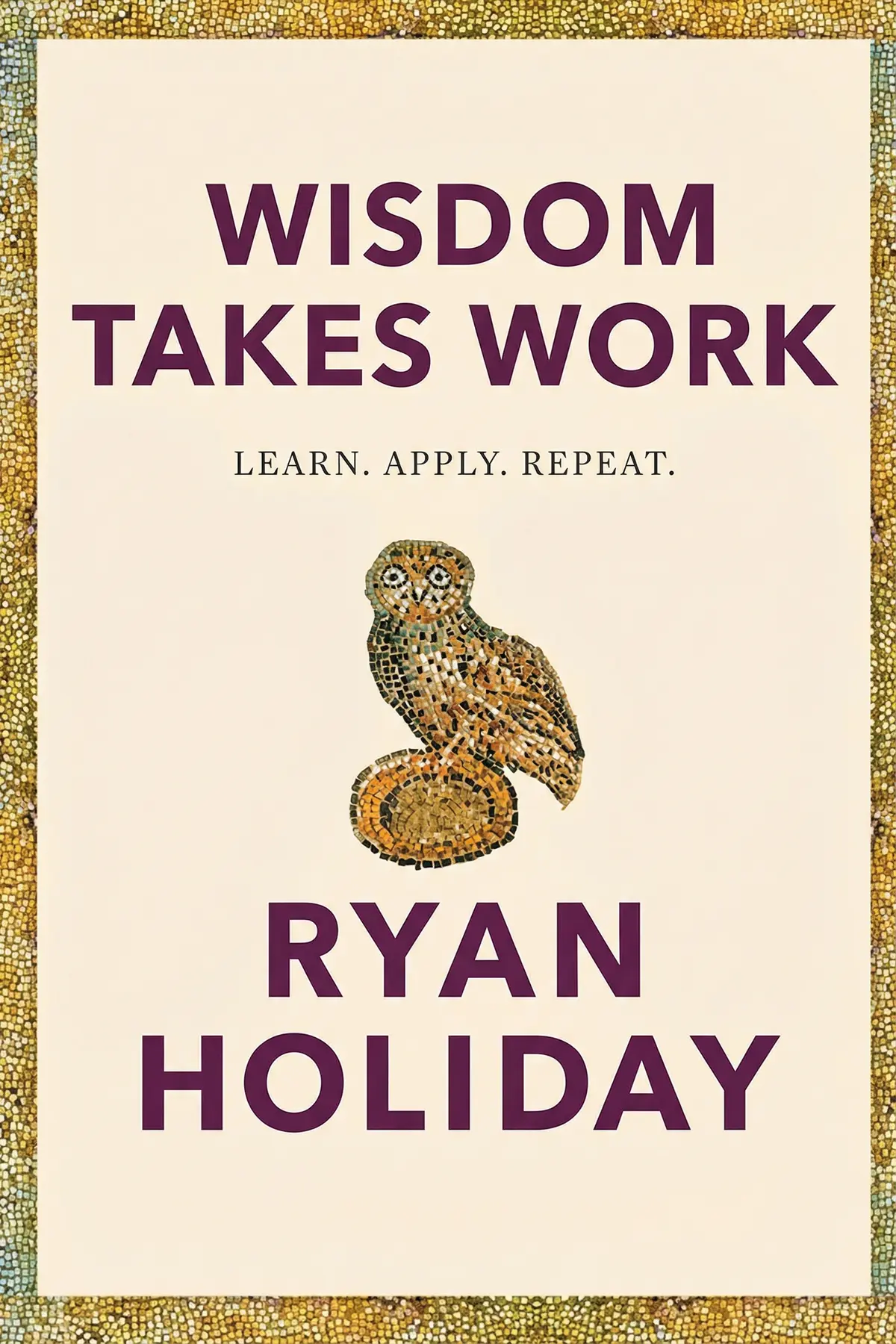
Wisdom Takes Work: Learn. Apply. Repeat.
Ryan Holiday
Ratings & Reviews
Ratings at a glance
What people think
Listeners find this work to be an exceptional resource that combines fundamental timeless wisdom from historical figures with useful guidance for daily life. The writing is educational, and listeners like how it encourages them to explore stoic philosophy more profoundly. Furthermore, the book produces a sense of peace, with one listener noting it renews their focus on meditation and stillness. Listeners appreciate the narratives and find the experience pleasant, with one mentioning it is an ideal way to close out the evening.
Top reviews
Pairot
This book is exactly the medicine needed for our chaotic, hyper-connected world. Ryan Holiday has a unique talent for distilling ancient wisdom into something you can actually use while sitting in traffic or dealing with a stressful inbox. Frankly, the historical anecdotes—like the one about Winston Churchill’s painting routine—really bring the concepts to life in a way that dry academic texts never could. I found myself slowing down my breathing just by reading the prose. While some might find the chapters a bit bite-sized, I thought they were perfect for a nightly reflection before bed. It isn’t just about being quiet; it’s about finding that internal anchor when everything else is spinning out of control. It’s easily his most personal work yet, and the final section on the body really hits home for those of us who forget to move.
Show moreNook
Picked this up during a particularly grueling month at work, and it felt like a deep exhale. There’s something incredibly soothing about the way Holiday writes; it’s like a conversation with a friend who happens to have a library full of Seneca and Marcus Aurelius. Not gonna lie, I was skeptical about a book telling me to 'just be still,' but the examples of high-performers like Tiger Woods using silence as a weapon were fascinating. It really drove home the idea that stillness isn’t just about relaxation—it’s about peak performance. The book creates this immediate sense of calm that stayed with me long after I put it down. I’ve started leaving my phone in another room during dinner, and the difference in my mental clarity is already noticeable.
Show moreNina
Wow, this really completed the trilogy for me in a way I didn't expect. After The Obstacle is the Way and Ego is the Enemy, I thought I knew what to expect, but this felt more spiritual and introspective. Personally, I think the emphasis on 'soul-numbing' versus physical stillness was the most profound part of the book. Holiday manages to take these heavy Eastern and Western concepts and translate them into a language that fits our modern, distracted lives. The short, staccato sentences at the end of chapters might feel like marketing slogans to some, but they work as powerful mantras for me. It’s a book that demands you actually do something with it, rather than just nodding along. It’s become a permanent fixture on my nightstand for whenever the world gets too loud.
Show moreKung
The chapter on solitude and the final vignette about building fences on his ranch really stuck with me. Holiday isn’t pretending to be a monk on a mountain; he’s a guy with a family and a business trying to find peace in the middle of it all. This relatability is what makes the book work. Frankly, I think we’ve become so used to constant noise that the idea of 'stillness' feels revolutionary, even though it’s the oldest trick in the book. The way he references everything from the Hubble telescope to Anne Frank shows a breadth of research that is really impressive. It’s a beautiful, well-designed book that feels like an object of stillness itself. If you’re feeling scattered or overwhelmed, this is the perfect reset button for your brain.
Show moreLook
Ever wonder why you feel exhausted even when you aren't doing much? Holiday argues it’s a lack of 'stillness,' and his breakdown of mind, spirit, and body provides a solid roadmap for reclaiming focus. To be fair, some of the chapters feel like a greatest-hits album of self-help tropes, but the way he weaves in Stoic philosophy makes it feel more grounded. I particularly enjoyed the section on limiting inputs; it’s a necessary reminder to stop drowning in the 24-hour news cycle. The writing is punchy, though occasionally it veers into being slightly repetitive with the biographical sketches. If you’ve read his other work, you’ll recognize the rhythm immediately. It’s a great companion piece to Ego is the Enemy, even if it doesn't quite reach the same heights of originality.
Show morePiyanart
As someone who usually finds self-help books a bit 'woo-woo,' I appreciated how Holiday keeps things focused on action and tangible results. He doesn't just tell you to meditate; he explains why world leaders and elite athletes have used these practices to survive immense pressure. The chapter on solitude was a standout for me, though I’ll admit the transition from the 'Mind' section to 'Spirit' felt a little blurry at times. Some of the advice is definitely on the basic side—yes, we all know we need to go for walks—but the historical context makes those cliches feel refreshed. It’s a quick read that you can dip in and out of. I didn't agree with every single conclusion he drew about the famous figures mentioned, but the overall message is hard to argue with.
Show moreSarawut
Finally got around to finishing this, and while it’s not perfect, it’s certainly impactful. The core message—that the ability to remain steady while the world turns is our greatest power—is something I’ve been thinking about for weeks. I did find some of the biographical links a bit tenuous, especially when he tries to attribute massive historical wins to one specific 'still' moment. However, the chapter on 'Saying No' was worth the price of the book alone. It’s a blunt reminder that we are the architects of our own busyness. To be fair, the tone can be a little condescending in the spiritual section, but if you can look past the 'guru' vibes, there is genuine wisdom here. It’s a solid 4-star read that I’ve already recommended to a few burnt-out colleagues.
Show moreOwen
In my experience, the best books are the ones that remind you of what you already know but have forgotten to practice. Holiday doesn't invent anything new here, but he packages the basics of a good life—sleep, routine, silence, and presence—into a very compelling narrative. I loved the section on 'The Domain of the Body' because it reminds us that mental stillness is impossible if we treat our physical selves like garbage. Some of the chapters felt a little light, almost like blog posts that were expanded to fit a page count, but the gems in between make it worth the time. It’s a call to slow down in a culture that rewards the hustle, and that's a message I’ll always stand behind.
Show moreSangduan
The structure of this book is undeniably repetitive, following a rigid pattern of an out-of-context quote followed by a celebrity anecdote. Truth is, if you’ve read one chapter, you’ve essentially read them all: person does X, person finds peace, therefore you should do X. Holiday is great at marketing philosophy, but he sometimes oversimplifies complex historical figures like Lincoln to fit a neat narrative arc. I found the section on 'Accepting a Higher Power' to be a bit jarring and slightly out of step with the more secular Stoic vibes of his previous books. That said, the practical advice on getting more sleep and finding a hobby is objectively good, even if it’s stuff your grandmother probably told you years ago. It’s a decent introductory text, but seasoned students of philosophy might find it a bit shallow.
Show moreSaovapa
Look, I wanted to love this because I’m a fan of his newsletter, but the book feels a bit like it was written on autopilot. Every chapter follows the exact same formula: intro, famous person story, pithy takeaway, Nike-style slogan. It gets a bit monotonous by the halfway point. I also struggled with the way he tries to blend religious surrendering with Stoicism; it felt like he was reaching for a 'higher power' theme just to fill out the Spirit section. The anecdotes are interesting enough, but they often feel stripped of their complexity to serve a simple moral lesson. It’s not a bad book, but it lacks the intellectual meat I was hoping for. If you’re looking for deep philosophical rigor, go read Epictetus directly. This is more like a curated Instagram feed of philosophy.
Show more
Readers also enjoyed
A Guide to the Good Life: The Ancient Art of Stoic Joy
William B. Irvine
A High-Performing Mind: Strengthen Your Mind and Live Your Best Life
Andrew D. Thompson
Abundance: The Inner Path to Wealth
Deepak Chopra
A Little History of Philosophy
Nigel Warburton
AUDIO SUMMARY AVAILABLE
Listen to Stillness Is the Key in 15 minutes
Get the key ideas from Stillness Is the Key by Ryan Holiday, plus 5,000+ more titles in English and Thai.
- 5,000+ titles
- Listen as much as you want
- 7-day free trial
- Cancel anytime







