
18 min 50 sec
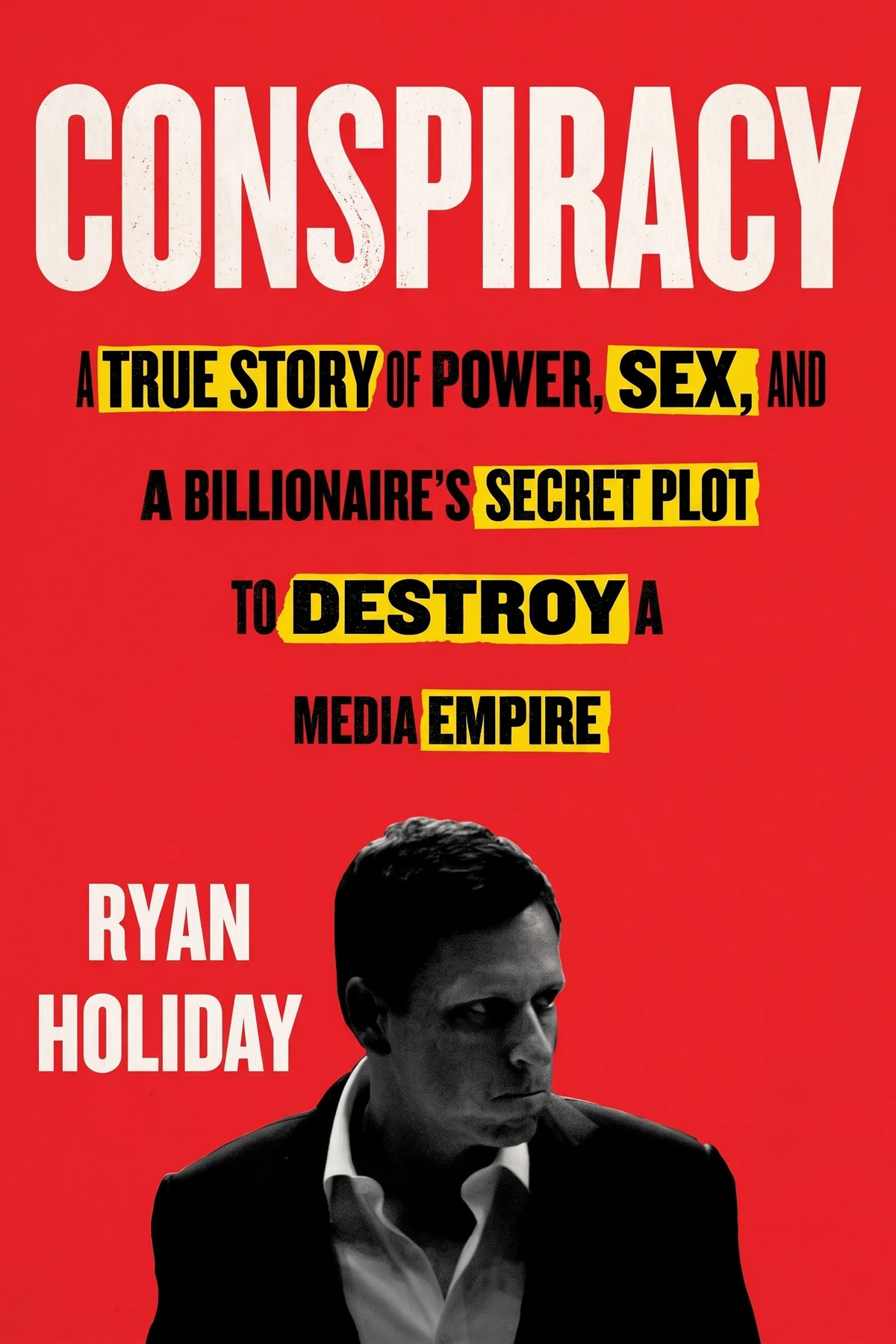
Trust Me, I’m Lying: Confessions of a Media Manipulator
By Ryan Holiday
Expose the hidden machinery of the digital media world. This summary reveals how online platforms prioritize clicks over truth, manipulating emotions and facts to fuel a relentless, profit-driven news cycle.
Table of Content
1. Introduction
1 min 34 sec
In the modern era, the way we digest information has undergone a radical transformation. Gone are the days when a few trusted news anchors and editors served as the primary gatekeepers of truth. Today, the internet is our newsroom, and blogs are the digital newspapers of the twenty-first century. But beneath the surface of this seemingly democratic flow of information lies a deeply flawed system—one that is engineered for speed, profit, and manipulation rather than accuracy or public service.
We often assume that if a story reaches a major outlet like the New York Times or CNN, it has been rigorously vetted and checked. However, the reality is far more chaotic. The digital media ecosystem is a complex web of interdependence where tiny, unverified rumors can travel up a carefully constructed chain until they become accepted as absolute facts. This isn’t just a side effect of the internet; it is a feature of its business model.
In this summary, we are going to look behind the curtain of the media machine. We will explore how the economics of online advertising have created a world where attention is the only currency that matters, and where truth is often a casualty of the race for clicks. By understanding the strategies of media manipulators, we can start to see why our news feeds look the way they do and, more importantly, how we can protect ourselves from the misinformation that defines our age. This is the story of how the news is made, how it is sold, and how it is broken.
2. Trading Up the Media Chain
1 min 54 sec
Discover the tactical pathway that allows a tiny, unverified rumor on a niche blog to transform into a national news story on major networks.
3. The Business of Clicks and Exit Strategies
1 min 56 sec
Explore the financial incentives that drive digital media, where page views are the primary currency and accuracy often takes a backseat to profit.
4. The Rise of Iterative Journalism
2 min 05 sec
Learn about the ‘publish first, fact-check later’ philosophy that has replaced traditional editorial standards in the digital age.
5. The Power of High-Arousal Emotions
1 min 50 sec
Discover why certain emotions, particularly anger, are intentionally stoked by media outlets to ensure content goes viral.
6. Algorithms and Sensationalism
1 min 55 sec
Uncover how computer programs and provocative headlines are used to hijack our attention and dominate search results.
7. The Myth of the Correction
1 min 59 sec
Understand the psychological trap where correcting a false story can actually reinforce the lie in the reader’s mind.
8. Real-World Consequences of Digital Manipulation
1 min 53 sec
See how blog-driven narratives can have profound impacts on society, from political campaigns to international unrest.
9. The Modern Digital Guillotine
1 min 50 sec
Examine how blogs have become the staging ground for public shaming and modern-day witch hunts.
10. Conclusion
1 min 54 sec
The digital landscape we navigate every day is far more treacherous than it appears. As we have seen, the blogs and news sites that serve as our primary windows into the world are not neutral observers. They are businesses operating within a system that rewards speed over accuracy, outrage over insight, and profit over truth. The ‘confessions’ of a media manipulator reveal a machine that is broken by design, fueled by an advertising model that sees us not as citizens to be informed, but as ‘impressions’ to be harvested.
From the way stories are ‘traded up the chain’ to the intentional stoking of our most volatile emotions, every aspect of the online news cycle is engineered to keep us clicking. We have seen how iterative journalism allows lies to take root, how corrections often fail to fix the damage, and how these manufactured narratives have the power to alter the course of elections and spark international conflict. Even our ancient desire for public shaming has been digitized and monetized, creating a culture of constant outrage and public ‘witch hunts.’
However, understanding how the machine works is the first step toward reclaiming our agency. By recognizing the tactics of media manipulation—sensational headlines, emotional baiting, and the lack of fact-checking—we can become more resilient consumers of information. We must demand better standards and be willing to look beyond the immediate outrage of the day. The throughline of this exploration is clear: in an age where misinformation is a profitable commodity, the responsibility of discernment falls on us. We can no longer afford to trust everything we read, because in the digital world, the person telling the story might just be lying for a living.
About this book
What is this book about?
Have you ever wondered why the news feels increasingly sensational, polarized, and often flat-out wrong? Trust Me, I’m Lying provides a backstage pass to the dark arts of media manipulation. Written by a former insider who played the system to his advantage, the book explains how the current internet economy has fundamentally broken the way we receive information. The promise of this exploration is a complete paradigm shift in how you consume digital content. You will learn the specific tactics used by bloggers and marketers to turn rumors into national headlines, why the pursuit of advertising revenue makes accuracy an afterthought, and how our own emotional responses are being weaponized against us. By understanding these mechanisms, you can move from being a passive victim of the media machine to a more discerning and critical observer of the digital landscape.
Book Information
About the Author
Ryan Holiday
Ryan Holiday is a media strategist best known for his campaigns with New York Times bestselling authors Tucker Max and Robert Greene. He currently works as Director of Marketing for the $550-million clothing company American Apparel, and runs the marketing company Brass Check Marketing.
Courage is Calling: Fortune Favors the Brave
Ryan Holiday
Discipline Is Destiny: The Power of Self-Control
Ryan Holiday
Stillness Is the Key
Ryan Holiday
Wisdom Takes Work: Learn. Apply. Repeat.
Ryan Holiday
Ratings & Reviews
Ratings at a glance
What people think
Listeners find the writing captivating and skillfully crafted, supported by thorough investigation into a variety of themes. Many regard it as a necessary resource for anyone in the digital space, valuing the actionable guidance and concrete scenarios shared. It triggers deep reflection, with one listener highlighting how it demonstrates the way to weigh facts against fiction, while others find the implications quite alarming.
Top reviews
Supatra
Wow. This book is a terrifying look into the machine that controls what we see on our screens every day. Ryan Holiday pulls back the curtain on his time at American Apparel and reveals how easily he played journalists for fools. It is fascinating to see the step-by-step guide to 'trading up the chain' from small blogs to major networks. To be fair, some parts feel a bit repetitive, yet the sheer cynicism of the system is eye-opening. You won’t look at a viral headline the same way again after seeing how the sausage is made. It’s an essential read for anyone who wants to maintain a shred of sanity while browsing the web. The realization that our outrage is a monetized product is both brilliant and deeply unsettling.
Show moreYindee
As someone who works in digital strategy, this is essentially the Bible for understanding the mechanics of modern outrage. Holiday’s confession about how he used fake protests to generate millions in free publicity for his clients is masterclass-level manipulation. The truth is, the news cycle is an ecosystem built on laziness and the desperate need for content. He shows exactly how to bait journalists into covering stories that aren't even real. The book is engaging, well-written, and packed with specific instructions that are honestly a bit frightening to see in print. It challenges you to balance facts and fiction in your own consumption habits. Even if you don't agree with his past actions, you cannot deny his expertise in the field.
Show moreSing
Finally got around to reading this, and it’s a paradigm-shifter that makes you question every single thing you read online. Ryan Holiday manages to be both the perpetrator and the whistleblower, which gives him a unique, albeit controversial, perspective. The book is packed with real-life examples of how he tricked the media into doing his marketing for him for free. I was particularly struck by how easily he could fake a document or a leak to get an 'exclusive' on a major site. It’s a thought-provoking read that teaches you how to see the invisible strings behind the news. The writing is punchy, with short, impactful sentences that keep the momentum going throughout. This is exactly the kind of book we need to understand the chaos of the current digital landscape.
Show moreSuthinee
Ever wonder why you click on those ridiculous slideshows or get outraged over a tweet that turns out to be fake? Holiday breaks down the toxic incentives that force bloggers to prioritize speed and traffic over actual truth or fact-checking. In my experience, most people assume the news is vetted, but this book proves that a single fake memo or a defaced billboard can spark a national conversation. The research is solid, and the real-world examples from his marketing career provide a gritty, realistic edge to the theory. While the tone is occasionally a bit smug, the underlying message about the degradation of journalism is impossible to ignore. It is a well-written, fast-paced critique that feels even more relevant today than when it was first published. Highly recommended for digital professionals.
Show moreFilm
Picked this up because I wanted to understand how 'fake news' existed way before it became a political buzzword. This book is a prescient take on the outrageous reality we are currently living in, despite being written over a decade ago. Holiday’s breakdown of how a small, manufactured story can travel from a tiny blog to the New York Times is terrifyingly accurate. I gotta say, the chapter on how he exploited Wikipedia to give his clients more credibility was a highlight for me. It’s a frightening look at how fragile our information systems really are when someone knows how to pull the strings. The writing is sharp and the anecdotes are plentiful, making it a very quick read. It is a grounded, well-researched critique that remains a must-read for any informed citizen.
Show moreJack
After hearing about the stunts Ryan pulled for Tucker Max and American Apparel, I expected a fun memoir, but this is much darker. It is an uncomfortable reality told in bald-face matter-of-factness, like a sociopath describing a crime scene. The author doesn't gloss over the ugly parts of the media machine that thrives on humiliation and manufactured outrage. One of the best parts of the book is how it explains the economics of attention and why quality journalism is dying. Truthfully, it changed the way I look at every single link I click on Facebook or Twitter. While I didn't love the author's tone, the information is too valuable to ignore. It is a well-researched and essential piece of work for anyone who cares about the truth.
Show moreTakeshi
Not what I expected from a marketing book, as it functions more as a whistleblower's confession about the broken incentive structures of the internet. Holiday explains how the need for constant traffic has turned reporters into glorified aggregators who rarely check their sources. The book provides very specific instructions on how to exploit these weaknesses, which makes for a fascinating, if slightly creepy, read. I found the analysis of 'high-valence' emotions like anger and fear to be particularly enlightening for my own work. To be fair, the author’s background with American Apparel and Tucker Max makes him a bit of an unreliable narrator. However, the core thesis about the degradation of online discourse is undeniable and well-supported. It’s a solid book that bridges the gap between marketing psychology and media criticism perfectly.
Show moreRuangrat
Look, the premise is exciting and I was really psyched about reading about how one manipulates the media, but the execution is a bit uneven. The book boils down to the fact that bloggers are desperate for clicks and the internet can ruin lives in seconds. While I appreciate the insights into how he manipulated the billboard campaigns for 'I Hope They Serve Beer in Hell,' the middle section drags significantly. Personally, I think the author tries a bit too hard to sound like a reformed villain, which makes some of the ethical advice feel disingenuous. It is definitely a paradigm-shifter for how you view websites like Mashable or Gawker, but I had to pull myself through the later chapters. It's a pretty good book, but it lacks the depth of a truly scholarly work on marketing psychology.
Show moreSuphan
Frankly, Holiday is a gifted writer, but his chapter on 'snark' feels wildly off the mark and slightly defensive. He portrays bloggers as jealous haters, ignoring that snark is often a reaction to the very over-commercialized world he helped create. Despite that flaw, the rest of the book offers fascinating insight into the dark arts of PR. The section detailing the American Apparel ad campaigns and how he leveraged 'titillation' for viral growth was particularly insightful. You can see the research behind every claim, and he doesn't shy away from naming names. I found the stories about manufactured controversy for Tucker Max’s movie to be the most compelling parts of the narrative. It’s a bit of a mixed bag, but the good parts are truly excellent.
Show moreSamart
The first impression is of a smug, self-satisfied dude-bro bragging about his prowess at manipulation and his exploits as kind of a big deal. Holiday name-drops Tucker Max constantly and seems more interested in his own 'edgy' persona than actually providing a coherent critique of the media. Not gonna lie, I found myself rolling my eyes at the masturbatory self-congratulation that permeates every chapter. He claims to be a whistleblower, but it feels more like he’s just settling old scores with Jezebel and other sites that didn’t like his clients. This could have easily been an 800-word blog post instead of a bloated, 300-page book that repeats the same two points over and over. If you enjoy reading about sociopathic marketing tactics, you might like it. For everyone else, it’s a skip.
Show moreReaders also enjoyed
AUDIO SUMMARY AVAILABLE
Listen to Trust Me, I’m Lying in 15 minutes
Get the key ideas from Trust Me, I’m Lying by Ryan Holiday, plus 5,000+ more titles in English and Thai.
- 5,000+ titles
- Listen as much as you want
- 7-day free trial
- Cancel anytime







