
20 min 18 sec
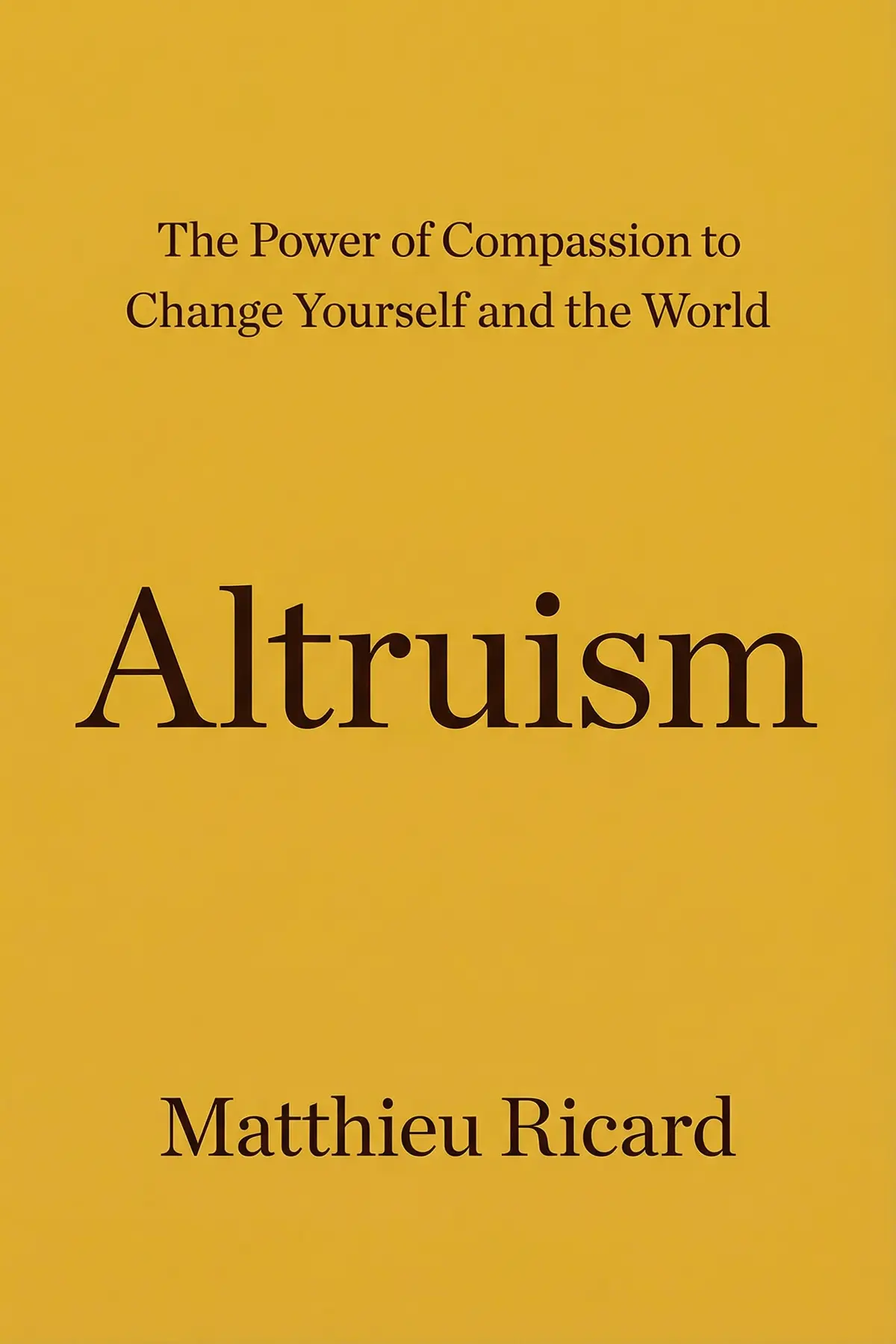
Happiness: A Guide to Developing Life’s Most Important Skill
Explore the profound difference between fleeting pleasure and lasting inner joy. This guide teaches you how to train your mind to find peace through mindfulness, humility, and the rejection of the ego.
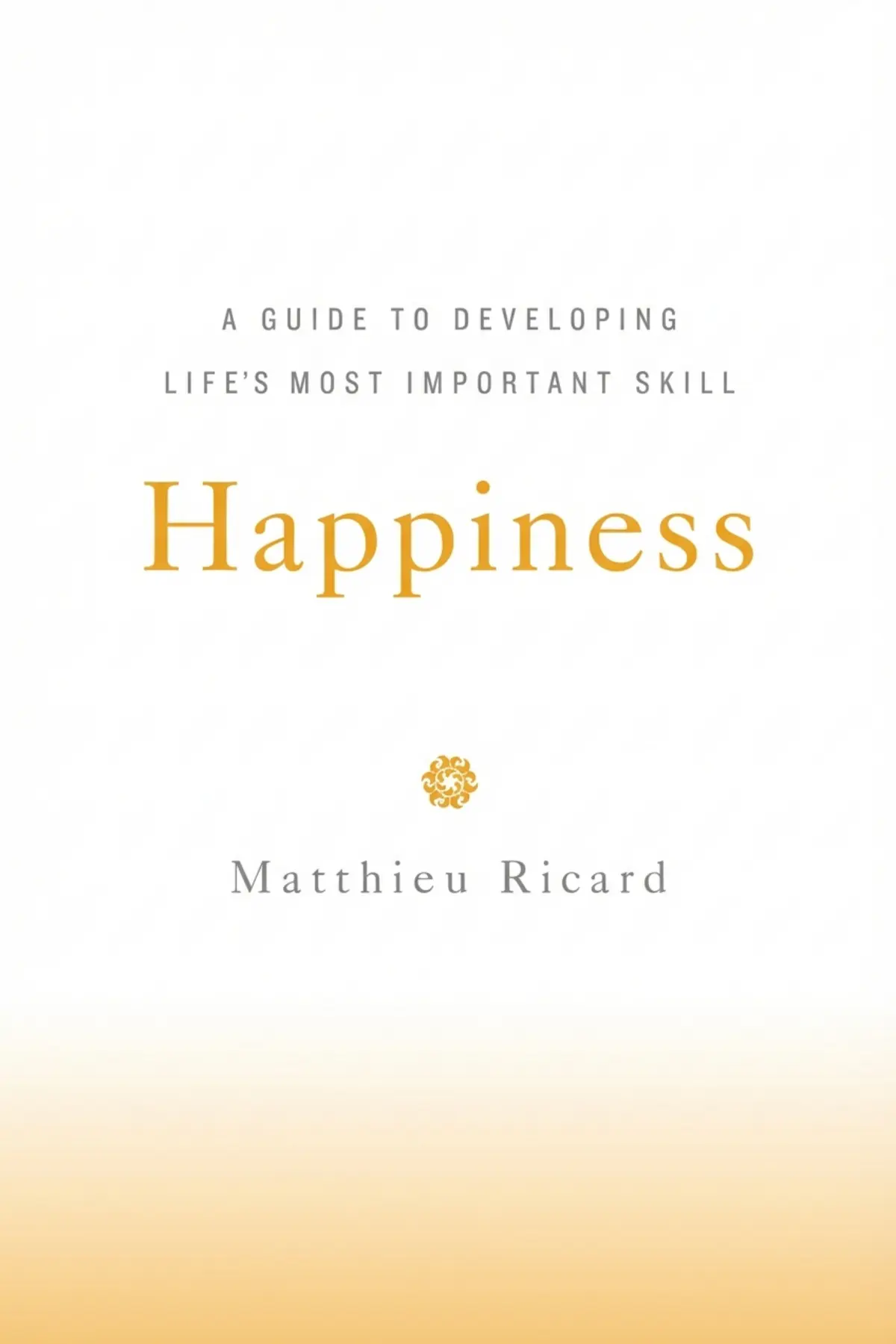
Table of Content
1. Introduction
1 min 34 sec
Every year, millions of people flock to the self-help section of their local bookstore, searching for the one secret that will finally make them feel complete. We look for happiness in wealth, in the thrill of a new romance, or in the prestige of a promotion. But if these things truly provided the answer, wouldn’t the world be a much more satisfied place? The reality is that for many of us, happiness remains a moving target—something that is always just one more achievement away.
Matthieu Ricard offers a radically different perspective. He suggests that we have been looking in the wrong direction. Happiness, he argues, isn’t something that happens to us; it is a state of being that we consciously build from the inside out. It is a skill, much like playing an instrument or learning a new language, that requires practice, patience, and a deep understanding of our own mental landscape.
In the following sections, we are going to explore why our traditional definitions of joy often lead to disappointment. We’ll look at the neurological and philosophical reasons why external success has such a surprisingly small impact on our long-term well-being. More importantly, we’ll discover how to shift our focus from the fleeting highs of sensory pleasure to a more stable, profound sense of contentment known as sukha. Through the lens of Buddhist wisdom and modern psychology, we’ll learn how to dismantle the ego and transform our relationship with our own thoughts. By the end of this journey, you’ll see that the key to banishing negativity doesn’t involve changing your life’s circumstances, but rather changing the mind that experiences them.
2. Defining True Happiness
1 min 54 sec
What if your current definition of happiness is actually preventing you from finding it? Explore the difference between fleeting moods and a lasting state of mental health.
3. The Limitation of External Factors
2 min 10 sec
Discover why more money and better status often fail to move the needle on our joy, and how we end up trapped on a treadmill of desire.
4. Happiness vs. Pleasure
2 min 01 sec
Many of us mistake sensory pleasure for real happiness. Learn why these two experiences are fundamentally different and why one can never replace the other.
5. Reframing Suffering
1 min 46 sec
Suffering is inevitable, but unhappiness is often optional. Explore the Buddhist concept of ‘dukkha’ and how we create our own misery through worry.
6. The Ego as a Source of Pain
1 min 49 sec
Your sense of ‘I’ might be your greatest enemy. Learn how the ego distorts reality and makes us vulnerable to every slight and setback.
7. Finding Freedom Through Egolessness
1 min 51 sec
Letting go of your self-importance isn’t about losing yourself; it’s about gaining the world. Discover the surprising link between humility and strength.
8. Mastering Your Emotional Landscape
1 min 44 sec
Your thoughts can be your best friends or your worst enemies. Learn how to identify the triggers that lead to emotional spirals.
9. The Power of Positive Antidotes
1 min 52 sec
You can’t feel love and hate at the same time. Learn how to use this simple psychological law to transform your mental state.
10. Deconstructing the Root of Anger
1 min 50 sec
Don’t just react to your anger—look at it. Discover how deep introspection can dissolve even the most intense negative emotions.
11. Conclusion
1 min 47 sec
As we reach the end of this exploration, the central message becomes clear: happiness is not a destination we arrive at, but a way of traveling. It is a profound inner flourishing that results from the diligent training of the mind. We have seen that the external world—with all its wealth, fame, and sensory pleasures—can only provide a shadow of the satisfaction we truly crave. Real joy, the state of sukha, is found by looking inward, dismantling the ego, and learning to manage the turbulent waves of our emotions.
This journey requires effort and dedication. You cannot undo years of habitual self-centeredness or reactive anger overnight. However, the path is always available to you in every present moment. By practicing humility and cultivating altruism, you not only improve your own well-being but also become a source of peace for everyone around you. You learn that even suffering can be transformed when you stop creating additional layers of worry and projection.
One final, actionable piece of advice to take with you: the next time you feel a surge of emotional or physical pain, try not to run away from it. Instead, lean in and focus on it. Visualize the pain as a distinct sensation and observe it with curiosity rather than judgment. By bringing it into the light of your awareness, you’ll start to see that it is separate from your true identity. It is just a passing experience. This simple shift in perspective—viewing your mind as the vast, clear sky and your emotions as merely the weather—is the most important step toward a life of lasting happiness. Keep practicing, keep looking inward, and remember that you have the internal tools to find peace regardless of what happens in the world around you.
About this book
What is this book about?
What does it actually mean to be happy? Many of us spend our lives chasing external markers of success, believing that the right job, the perfect partner, or a comfortable bank account will finally unlock a state of permanent satisfaction. However, Matthieu Ricard argues that this outward search is fundamentally flawed. Drawing on his unique background as both a molecular biologist and a Buddhist monk, Ricard presents happiness not as a stroke of luck or a fleeting emotion, but as a rigorous internal skill that anyone can develop. This summary delves into the Buddhist concept of sukha—a deep-seated sense of well-being that persists regardless of external circumstances. You will learn why the pursuit of sensory pleasure often leads to a cycle of dissatisfaction and how the ego serves as the primary barrier to genuine peace. By understanding the mechanics of your own mind and learning to dismantle negative emotional patterns, you can cultivate a resilient state of joy. The promise of this work is a total reorientation of your world view, moving away from the 'hedonic treadmill' and toward a life of altruism, humility, and profound mental clarity.
Book Information
About the Author
Matthieu Ricard
Matthieu Ricard gave up a career in cellular genetics so that he could move to the Himalayas and become a Buddhist monk. He’s been a close assistant to the Dalai Lama for about 40 years and has written several bestsellers, including Happiness, Why Meditate?, and The Monk and the Philosopher.
Ratings & Reviews
Ratings at a glance
What people think
Listeners find this book enlightening, commending its thorough exploration of meditation and practical ideas. They value how accessible the writing is, with one listener noting it's written for the modern Western mind. Listeners appreciate the spiritual depth, especially its enlightened view of Buddhism, and find it easy to understand. The work receives positive feedback for its high-quality research, with one listener highlighting its mix of experiments backed by science, and its compassionate tone, with one review mentioning its emphasis on altruistic love.
Top reviews
Plernpiriya
Can we actually rewire our brains for joy? This book argues a resounding yes, and it backs it up with fascinating scientific rigor. As someone who appreciates both logic and spiritual depth, I found Ricard’s dual background as a molecular biologist and a monk to be the perfect combination for this subject. He explains brain plasticity in a way that makes enlightenment feel less like a mystical myth and more like a tangible skill that can be developed through 10,000 hours of practice. It isn't about some fleeting pleasure or a temporary mood boost. Instead, it is about a fundamental shift in how we process stress, anger, and envy. The research quality here is top-notch, blending EEG studies of meditators with ancient wisdom. Truth is, this is the most comprehensive guide to the 'science of happiness' I have ever read. It’s a thick, meaty read, but every page offers a new perspective on how to achieve internal harmony regardless of what the world throws at you.
Show moreSirirat
The chapter on altruistic love changed how I look at my morning commute and my annoying neighbors. Ricard argues that selfish whimsy is the root of much of our misery, and honestly, it’s hard to disagree after reading his breakdown of the ego. This isn't your typical 'feel-good' self-help book filled with empty platitudes. It’s a deep dive into the mechanics of suffering and how we can systematically dismantle it. The focus on compassion and empathy as tools for personal liberation is powerful. I found the discussion on how the ego reacts to being 'hurt' particularly eye-opening—we experience a minute of pain and then choose to suffer for an eternity. By letting go of that fixed 'I,' we find a much broader sense of interconnectedness. This book is a masterclass in spiritual practice. It’s challenging, beautiful, and deeply practical for anyone willing to put in the mental work. It feels like a lifetime of wisdom distilled into a single volume.
Show moreNim
Finally got around to reading this during a particularly dark period, and it served as a lighthouse. It's not just for people struggling with mental health, but for literally anyone who wants a more meaningful existence. Ricard explains that happiness is a state of being, not a fleeting emotion tied to pleasure. This distinction is crucial. I loved how he integrated his scientific background to explain why our brains default to certain negative patterns and how we can break them. The writing is elegant, and despite the author's impressive credentials, the core message is quite simple: nourish the positive, apply antidotes to the negative. It helped me realize that my internal world is the only thing I truly have power over. By freeing ourselves from the grip of the ego, we gain the strength to actually help others. This is one of the most important books I’ve ever owned. It’s the real thing—a manual for the soul in a chaotic world.
Show moreLeila
Wow. This is easily one of the most comprehensive books on the human condition I have encountered. Ricard’s insights into the 'skills' of happiness are game-changing. He doesn't just tell you to be happy; he explains the mechanics of how to get there through mind training. The data on how meditation affects the brain's electrical activity is staggering and provides a great hook for those of us who need 'proof' before we commit to a practice. But beyond the science, there is a deep, resonant heart to this book. The emphasis on altruism as a path to joy is something our individualistic society desperately needs to hear. It’s a long read, and it requires focus, but the payoff is a completely shifted perspective on what it means to live well. I found the Tibetan proverbs scattered throughout to be a highlight—they add a touch of poetic wisdom to the more analytical sections. Truly a life-altering piece of work.
Show moreAhmed
Matthieu Ricard manages to bridge the gap between ancient Eastern wisdom and the skeptical Western mind with remarkable ease. I bought this during a particularly stressful month, hoping for some peace, and it delivered exactly that. The book functions like a grand panorama of smiling faces and deep thinkers, pulling in everything from Schopenhauer to the Dalai Lama to illustrate its points. I especially loved the section on 'mental poisons' and how we can use specific antidotes to neutralize things like malice and pride. My only real gripe is that he sometimes takes shortcuts, throwing out quotes from famous philosophers without fully exploring their context just to prove a point. However, the overall effect is incredibly calming. I’ve even started trying to extend a bit more compassion to my more difficult colleagues at work. It turns out that viewing happiness as a skill rather than a lucky accident changes everything about how you approach your day. It’s a solid, enlightening read.
Show moreKru
Wait, so happiness isn't just something that happens to lucky people? That was my biggest takeaway from this profound work. Ricard’s articulation of Buddhist philosophy is incredibly clear, making the case that we can train our minds just like we train our muscles. I’ve always been skeptical of meditation, but seeing it described as 'mind-training' supported by scientific experiments made it much more accessible to me. The book outlines how we can cultivate positive emotions like loving-kindness while letting negative ones float by like clouds in the sky. It’s written for a modern audience, yet it never feels like it’s 'dumbing down' the spiritual aspects. While some of the French philosophical references went over my head, the core message remained clear. Personal change is possible for anyone. This book provides the roadmap, though the actual journey of meditation still feels a bit daunting. I’m definitely inspired to try, even if I’m not ready to move to a monastery just yet.
Show moreSomboon
Not what I expected, but in a good way. I thought this would be a light read about mindfulness, but it’s actually a very thorough synthesis of Buddhist thought and cognitive science. Ricard’s perspective is unique because he understands the Western craving for evidence while living a life dedicated to Eastern practice. The result is a book that feels both ancient and cutting-edge. He tackles topics like envy, desire, and pride with a level of surgical precision that you don't often see in the 'meditation' subgenre. I did find the frequent mentions of his past at the Pasteur Institute a bit repetitive, as if he's constantly trying to prove he's 'one of us' (the scientists). However, the actual content is so rich that I can overlook the occasional pomposity. It’s a book that demands you stop and reflect after every chapter. It’s not a quick fix, but a slow-burn transformation of the way you view your own mind.
Show moreAim
Look, if you're expecting a quick-fix guide to smiling more, you might be frustrated by the philosophical weight of this book. It is a 'Plaidoyer pour le bonheur'—a plea or a case for happiness—and it reads like a well-argued legal defense. Ricard pulls from a vast array of sources, and while the pacing can be slow, the depth is undeniable. I personally appreciated the lack of 'storytelling' fluff; I’d rather have the raw theory and the scientific backing than a series of made-up anecdotes. The idea that we are often 'slaves' to our emotions until we learn to observe them was particularly resonant for me. My only criticism is that the author’s tone can occasionally feel a bit lofty, as if he’s speaking from a great height. But when the advice is this good, you listen. It’s an enlightened view of Buddhism that feels perfectly tailored for the modern, stressed-out Westerner. It has certainly helped me find a bit more peace in the daily grind.
Show moreBenjamin
To be fair, this is more of a dense philosophical treatise than a 'story' style self-help book. If you are looking for relatable characters or anecdotes about people overcoming struggles, you won’t find much of that here. I found myself getting a bit bored in the middle sections because the tone is very clinical and academic. It felt like I was studying for a degree in Happiness rather than being inspired to feel it. That said, the information is undeniably good. Ricard makes complicated concepts like samsara and neuroplasticity relatively easy to grasp for a layperson. I appreciated the reminder that happiness has nothing to do with what society tells us to buy or achieve. But the 'patting himself on the back' vibe that other reviewers mentioned is definitely there, and it can be a bit distracting. It’s a useful reference book to keep on the shelf, but it’s a bit too dry to be a page-turner for me.
Show moreSue
The author’s background at the Pasteur Institute is mentioned so frequently that it starts to feel like a credential check rather than a relevant detail. Frankly, for a monk, Ricard comes across as remarkably attached to his French intellectual heritage and his father's philosophical status. This 'peacocking' in the introduction set a sour tone that I struggled to shake off. While he claims happiness is independent of circumstances, he spends his days photographing Tibetan mountaintops, which feels a bit disconnected from the reality of someone working a nine-to-five in a cubicle. The writing is often affected and lacks the humble, down-to-earth wisdom I’ve found in other Zen or Buddhist texts. Instead of finding peace, I found myself annoyed by what felt like a high-brow lecture from someone who is quite full of himself. It’s a very clinical, 'expert-led' approach that prioritizes his own pedigree over actual, relatable insight into the human condition.
Show moreFeatured in
Readers also enjoyed
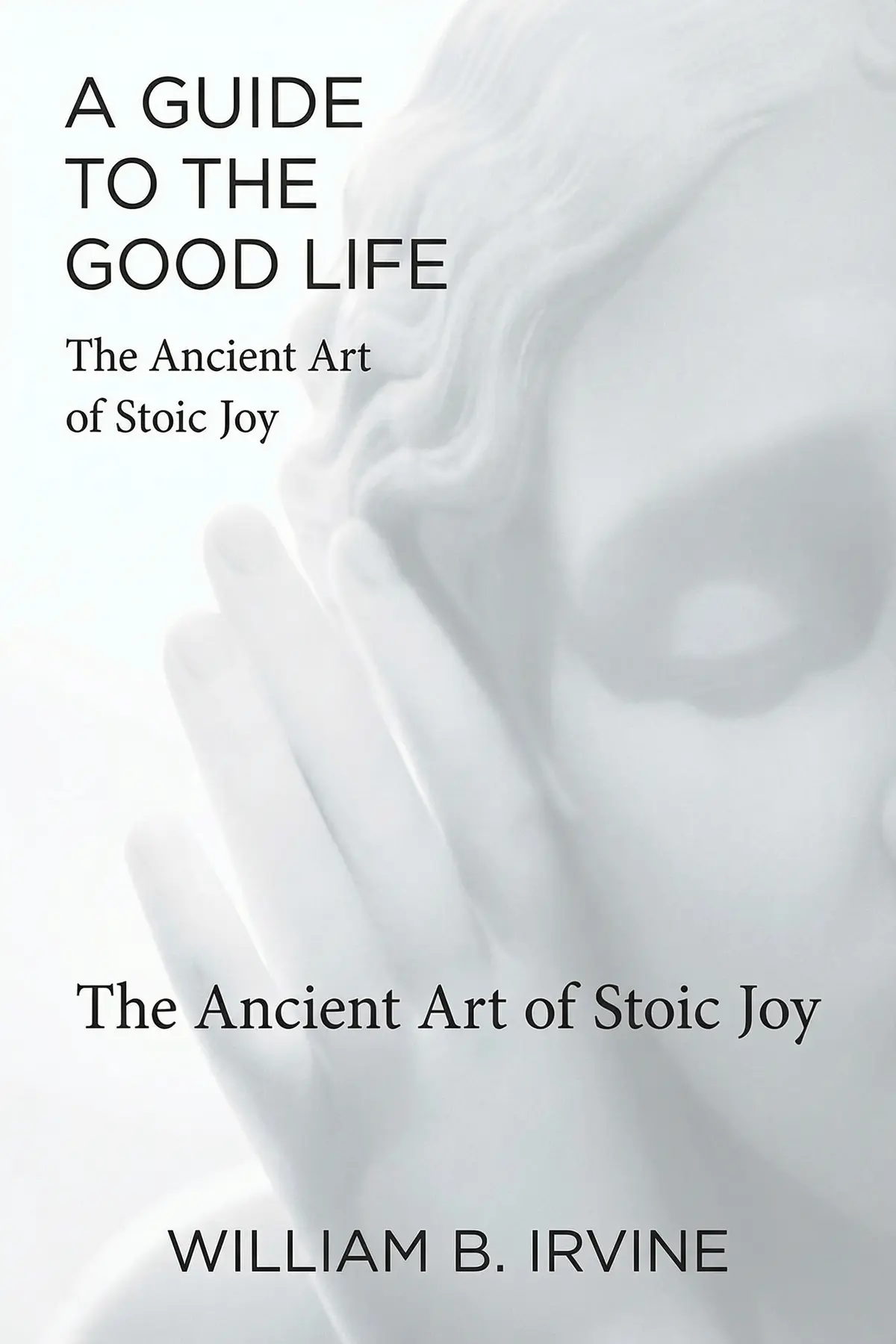
A Guide to the Good Life: The Ancient Art of Stoic Joy
William B. Irvine
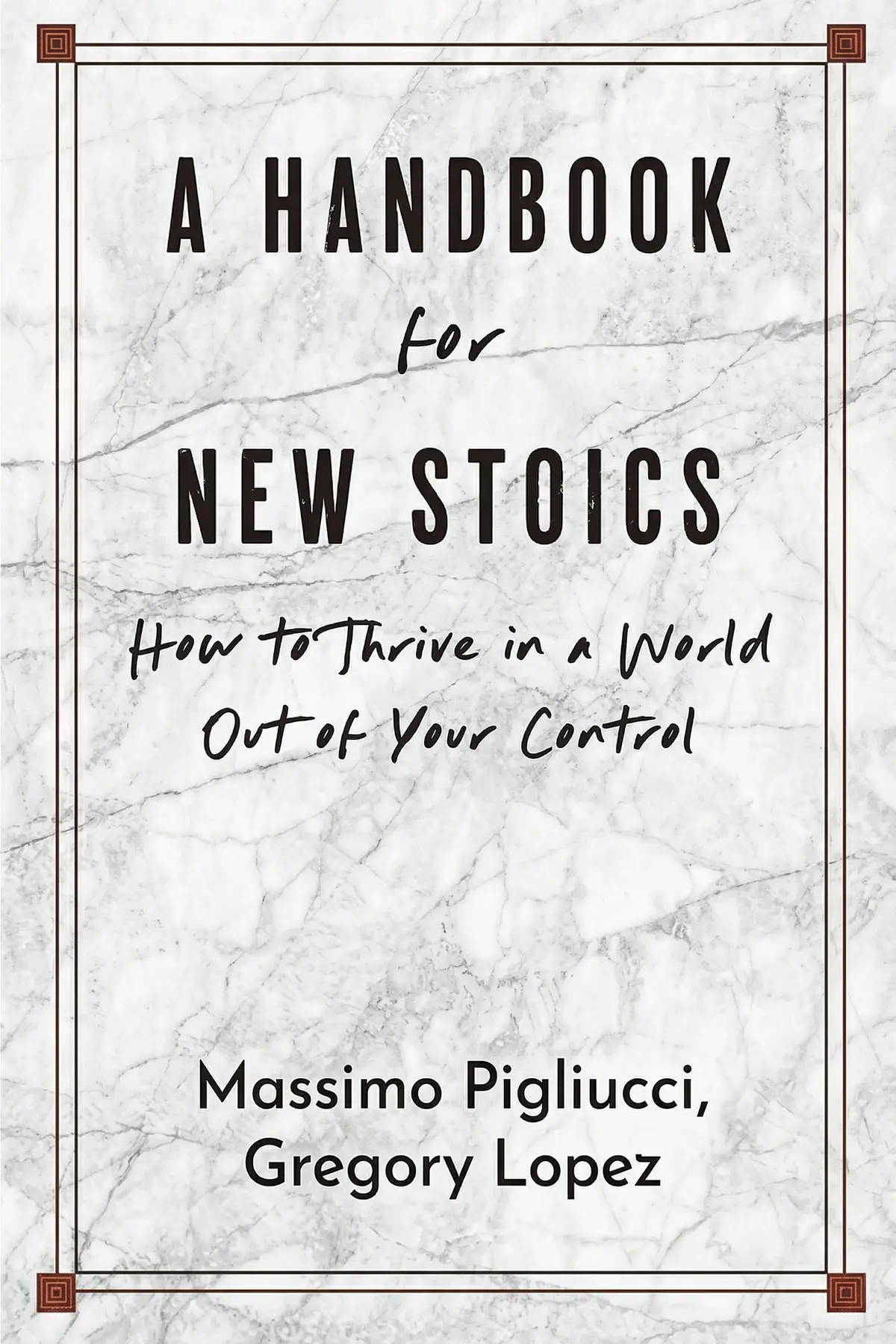
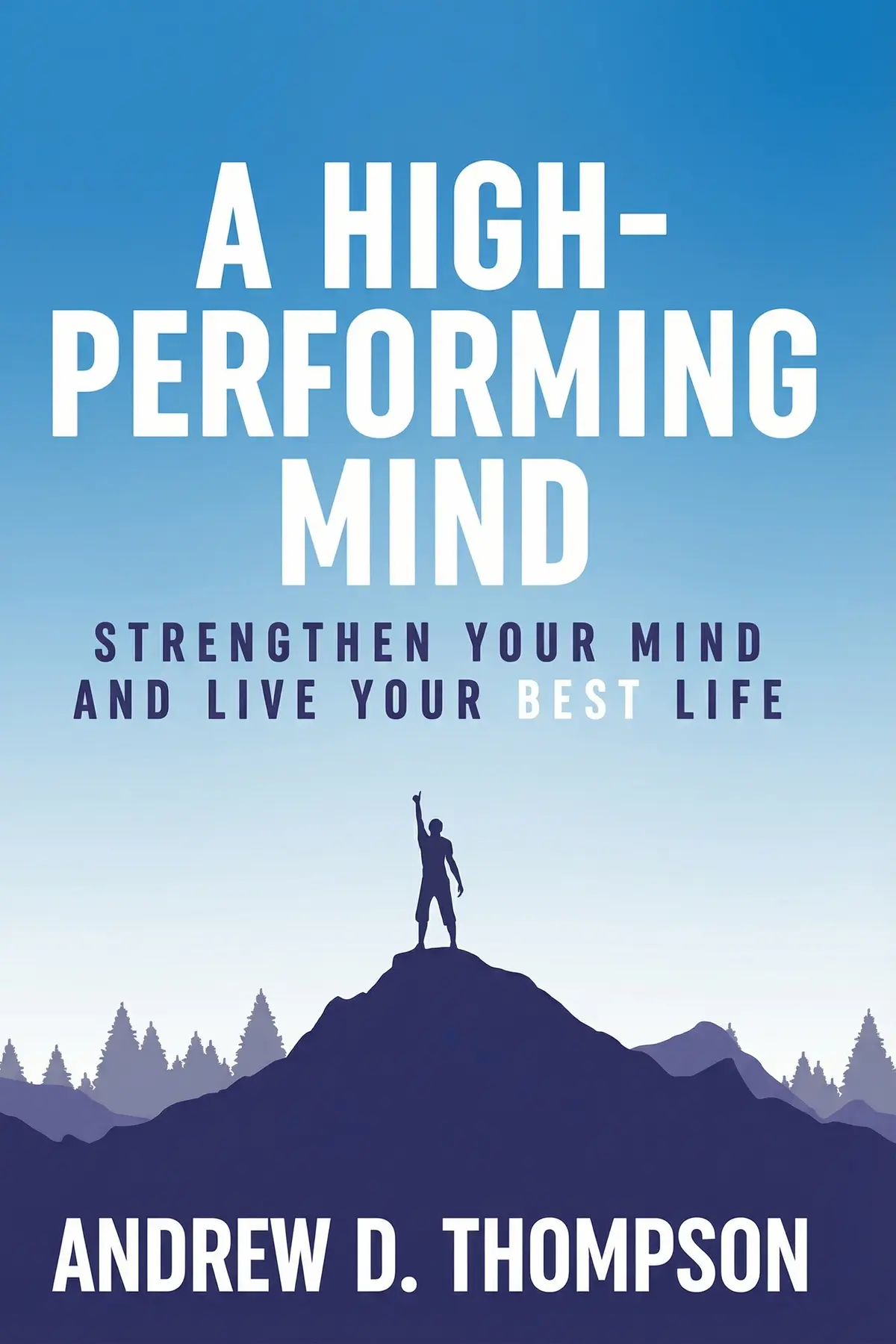
A High-Performing Mind: Strengthen Your Mind and Live Your Best Life
Andrew D. Thompson

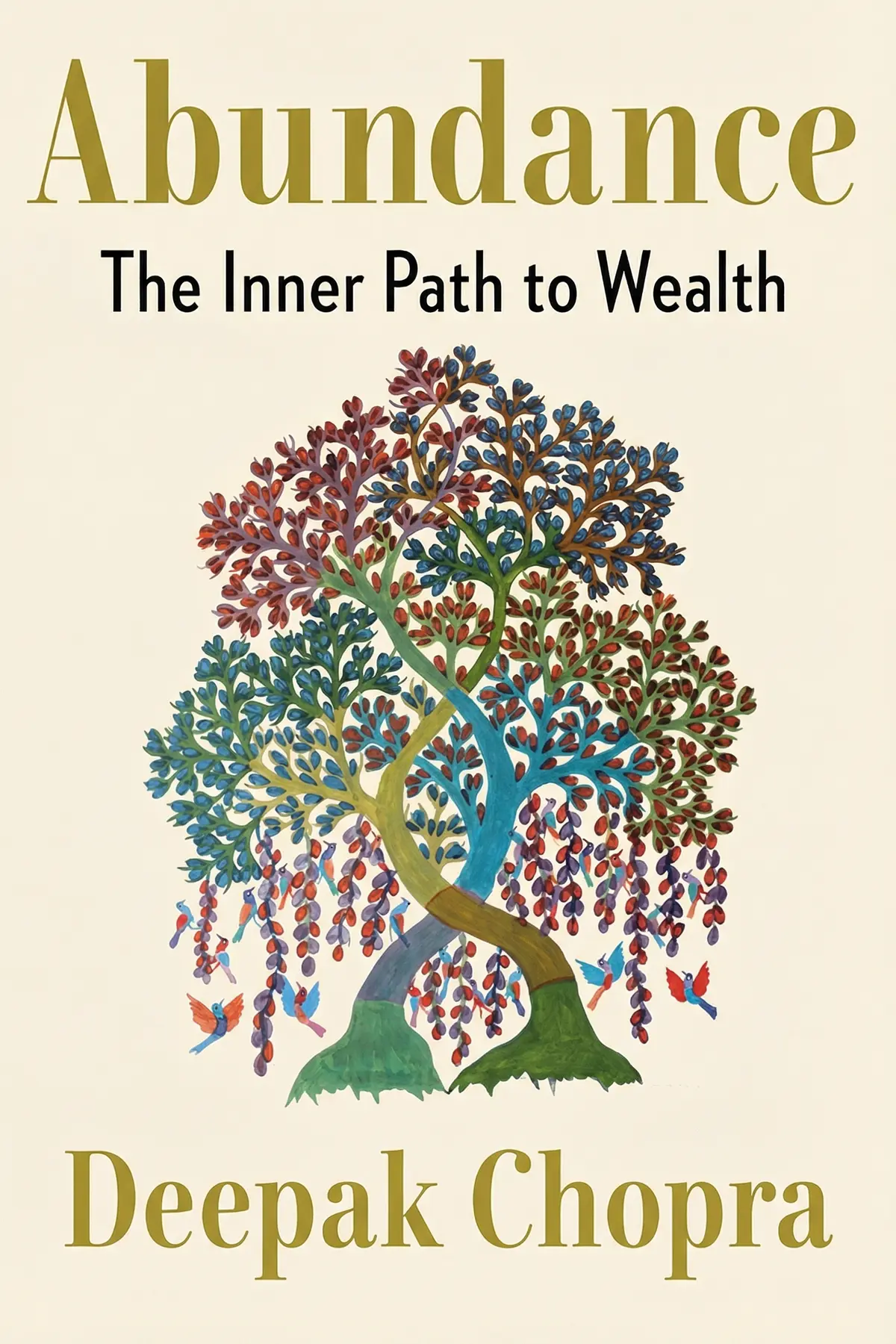
Abundance: The Inner Path to Wealth
Deepak Chopra
A New Earth: Awakening to Your Life’s Purpose
Eckhart Tolle
Aflame: Learning from Silence
Pico Iyer
AUDIO SUMMARY AVAILABLE
Listen to Happiness in 15 minutes
Get the key ideas from Happiness by Matthieu Ricard, plus 5,000+ more titles in English and Thai.
- 5,000+ titles
- Listen as much as you want
- 7-day free trial
- Cancel anytime







