
12 min 59 sec
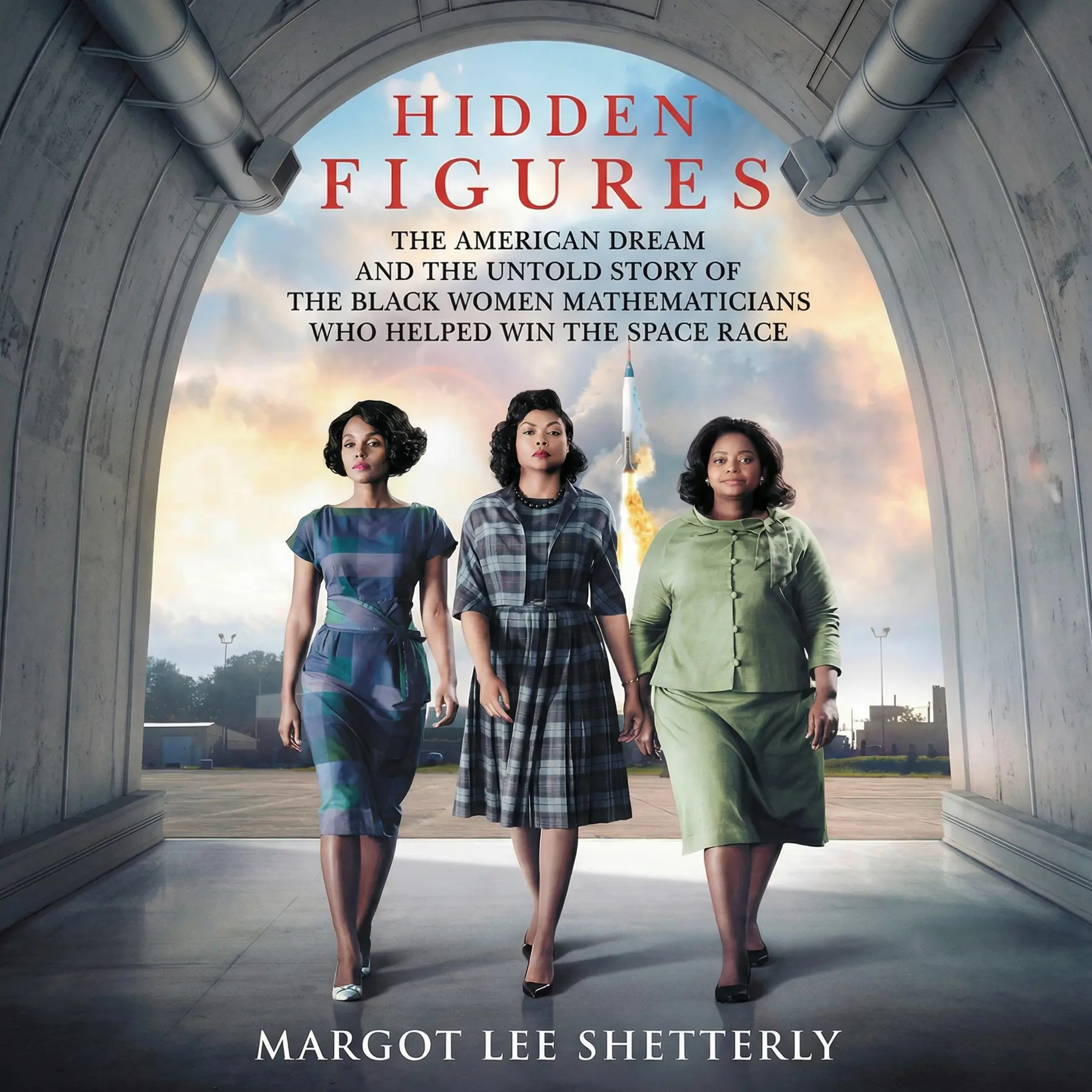
Hidden Figures: The American Dream and the Untold Story of the Black Women Mathematicians who Helped Win the Space Race
Hidden Figures reveals the incredible, long-overlooked history of the African American female mathematicians whose genius and resilience at NASA helped the United States win the space race and champion civil rights in the workplace.
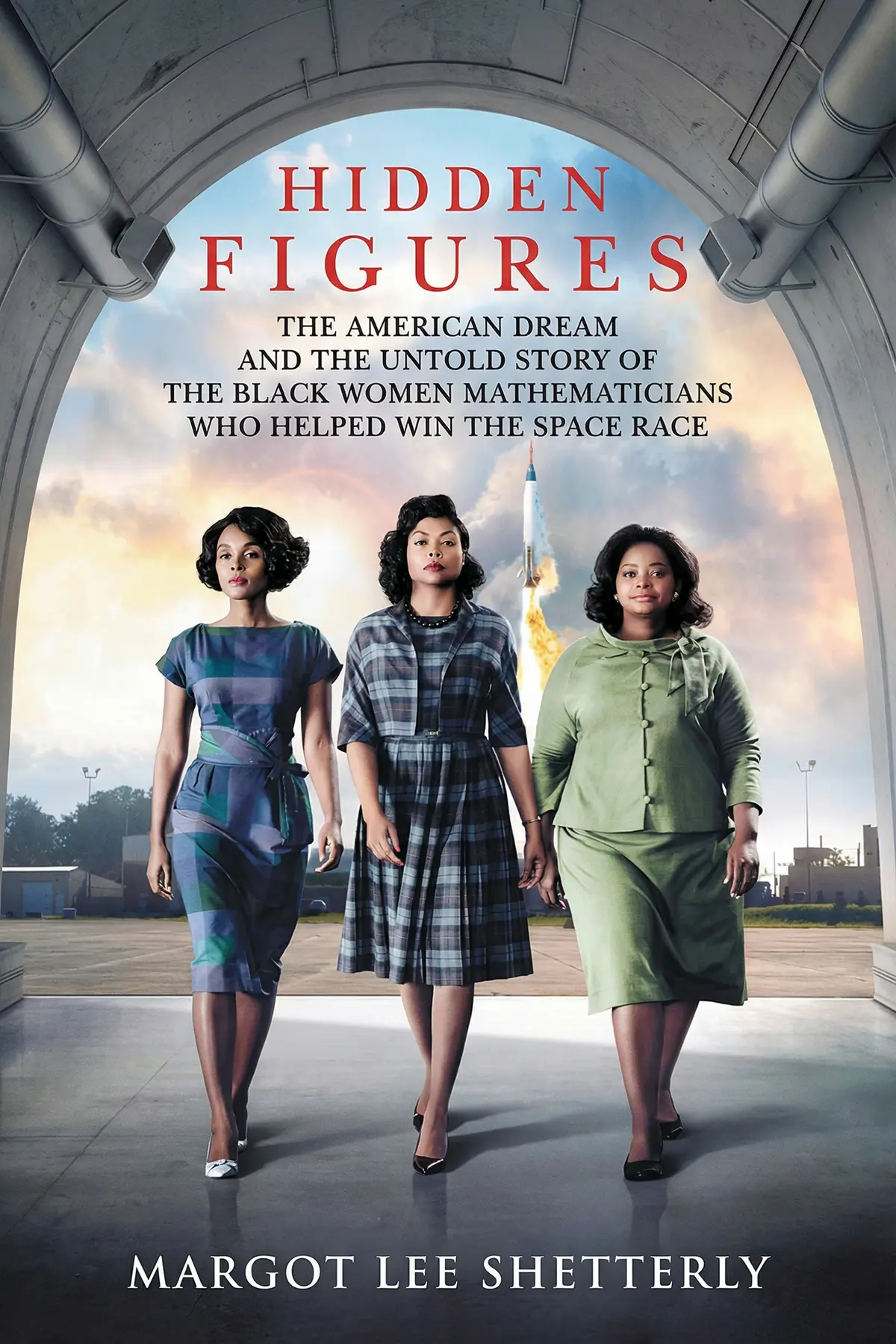
Table of Content
1. Introduction
1 min 26 sec
When we think about the early days of flight and the triumph of the American space program, our minds often jump to the iconic images of astronauts in silver suits or rooms full of men in white shirts and narrow ties. For decades, that was the singular narrative of how the United States reached for the stars. But hidden just beneath the surface of those familiar images is a far more complex and inspiring reality. It is a story not of a few individuals, but of a collective effort fueled by people whose names were once omitted from the history books.
Among the most vital contributors to this era were African American women mathematicians. Working in an age defined by both the high-stakes pressure of global warfare and the deep-seated divisions of Jim Crow, these women served as the literal engines of progress. They were the “human computers” of the National Advisory Committee for Aeronautics, or NACA—the precursor to NASA.
In this summary, we are going to explore the journey of these remarkable women. We will see how they moved from teaching in segregated classrooms to calculating the trajectories of rocket ships. We’ll look at the specific legal shifts that opened the laboratory doors, the daily indignities they faced within those walls, and the quiet acts of defiance that eventually forced the world to recognize their genius. Their story is more than just a history of math; it is a testament to the American Dream and the power of intellectual excellence to break down even the most stubborn social barriers.
2. The Wartime Origins of the Human Computer
2 min 21 sec
Discover how the urgent pressures of World War II and the advocacy of civil rights leaders forced the American aerospace industry to look past its prejudices.
3. The Segregated Reality of the West Area
1 min 54 sec
Step inside the Langley laboratory of the 1940s to see how the ‘West Computers’ navigated a workplace divided by rigid racial lines.
4. Quiet Defiance and Individual Acts of Bravery
1 min 55 sec
Follow the personal stories of Miriam Mann and Katherine Johnson as they challenged the status quo of the Jim Crow era from within NASA.
5. Breaking the Glass Ceiling of Gender and Race
2 min 01 sec
Witness the rise of leaders like Dorothy Vaughan and Christine Darden as they fought for professional recognition in a male-dominated field.
6. The Space Race and the Ultimate Validation
2 min 02 sec
See how the legacy of the ‘Hidden Figures’ culminated in the historic moments of the Apollo missions and the trust of John Glenn.
7. Conclusion
1 min 20 sec
The story of the women in Hidden Figures is a powerful reminder that history is rarely the work of a few famous individuals. Instead, it is built on the shoulders of people who often worked in the shadows, overcoming systemic barriers through sheer brilliance and unyielding resolve. These mathematicians didn’t just help the United States win the space race; they fundamentally changed what it meant to be a scientist and a citizen in America.
By excelling in a field that was designed to exclude them, Dorothy Vaughan, Katherine Johnson, and their colleagues proved that intellectual merit is the ultimate equalizer. They turned the laboratory into a testing ground not just for aerodynamics, but for human rights. Their legacy teaches us that progress often requires both high-level legal changes and the everyday bravery of individuals who refuse to stay in their place.
As we look back at the moon landings and the supersonic jets of the twentieth century, we must remember that those achievements were calculated by hand, often by women who had to walk across a campus just to find a bathroom they were allowed to use. Their journey from the West Area to the heights of NASA is a cornerstone of the American story—a story of how hidden genius can eventually light up the world. Let their persistence inspire you to challenge the barriers in your own life and to look for the hidden contributors in every great human endeavor.
About this book
What is this book about?
Hidden Figures tells the profound and previously unacknowledged story of a group of Black women mathematicians who served as the backbone of the American aeronautics industry. Starting in the 1940s during the height of World War II, these women—referred to as "human computers"—overcame the double hurdles of racial segregation and gender discrimination to perform the complex calculations necessary for flight research and space exploration. The book follows the lives of pioneers like Katherine Johnson, Dorothy Vaughan, and Christine Darden as they transition from segregated "West Computing" offices to the very center of the space race. It explores how their contributions made it possible for John Glenn to orbit the Earth and for Neil Armstrong to walk on the moon. This is a story of how brilliance and persistence can reshape an entire nation's trajectory, promising a new perspective on the intersection of the American Dream, scientific advancement, and the struggle for equality.
Book Information
About the Author
Margot Lee Shetterly
Margot Lee Shetterly is an author who grew up in Hampton, Virginia, a location that allowed her to personally know many of the trailblazing women she features in Hidden Figures. Her deep roots in the community where NASA’s Langley Research Center is located provided her with a unique perspective on this history. Shetterly is a recipient of a research grant from the Alfred P. Sloan Foundation and has also been awarded a fellowship from the Virginia Foundation for the Humanities.
Ratings & Reviews
Ratings at a glance
What people think
Listeners find this work flows like a novel and is beautifully crafted, with one listener likening the prose to Laura Hillenbrand's style. Furthermore, the narrative is both engaging and educational; one listener specifically points out the depth of the technical background details. The book also includes numerous facts omitted from the film version, offering a much more thorough account. Listeners value its historical significance, with one noting how it opened a new page in history, and consider it moving, with one mentioning how it motivates readers to pursue their goals.
Top reviews
Jeeranan
After hearing so much buzz about the film, I finally dove into the source material, and frankly, it’s a masterclass in narrative non-fiction. Shetterly captures the era with a precision reminiscent of Laura Hillenbrand, weaving individual lives into the broader tapestry of the Space Race and the Civil Rights movement. While some might find the technical descriptions of aerodynamics a bit dense, I felt they added much-needed weight to the women’s achievements. These weren't just 'feel-good' stories; they were calculated, hard-won victories in a world that refused to see them. This book fills in the gaps left by the Hollywood adaptation, offering a much more comprehensive look at the 'West Computers' and the institutional barriers they dismantled. It’s an essential, inspiring piece of American history that shouldn't have stayed hidden for so long.
Show morePim
The chapter on John Glenn’s flight alone is worth the price of admission. Many people know the basic plot from the film, but reading the actual math and the transitive property of trust involved is a totally different experience. Shetterly does a brilliant job of contextualizing the Cold War pressure and how it inadvertently forced NASA to become more meritocratic. It’s a dense read, sure, but the information provided opens a new page in history that was intentionally left blank for far too long. I was particularly struck by how these women balanced their extraordinary professional lives with the mundane, often humiliating realities of a segregated South. This isn't just a book about math; it's a book about the resilience of the human spirit. Every student in America should have this on their required reading list.
Show moreSumalee
Look, I'm not usually a non-fiction person, but this story is so compelling that I couldn't put it down. Shetterly has a way of making the struggle for civil rights feel urgent and personal by tying it to the literal stars. These 'sheroes' faced double the obstacles, fighting both the patriarchy and institutional racism, and they did it with incredible grace. The book fills in so many details that the movie had to skip, particularly regarding the later careers of women like Christine Darden. It’s a masterfully told story that motivates you to pursue your own goals regardless of the hurdles in your way. I felt a sense of pride reading about their brilliance and a deep sense of shame for how long it took to tell their story. This is essential reading for anyone who loves a true underdog tale.
Show moreAria
As someone who loves both history and science, this book was a dream come true. Shetterly’s research is nothing short of exhaustive, and she presents it with a level of care that ensures these women will never be forgotten again. The comparison to Hillenbrand is apt; there’s a cinematic quality to the descriptions of Langley and the high-stakes calculations. I especially appreciated the focus on Dorothy Vaughan’s leadership and how she saw the transition to electronic computers as an opportunity rather than a threat. This book is much more than a movie tie-in; it’s a comprehensive study of how talent can thrive even under the most oppressive conditions. It’s deeply inspiring and reminds us that progress is often built on the backs of those who are least visible. A truly wonderful, life-changing read.
Show moreAndrew
Wow. I grew up thinking the Space Race was a monochromatic affair, but this book completely shattered that illusion with its meticulously researched history. The level of detail regarding the transition from 'human computers' to IBM machines was fascinating, providing a technical backdrop that the movie lacked. Personally, I appreciated how Shetterly didn't shy away from the gritty realities of Jim Crow laws and how they functioned within a federal agency. My only real gripe is that the middle sections felt a bit circular, almost like the author was trying to include every single name she found in the archives. Despite the occasional dry patch, the story of these women’s chutzpah is enough to keep any reader engaged. It’s a powerful reminder of how much talent a nation loses when it chooses prejudice over merit.
Show moreThawee
Ever wonder how we actually got to the moon without modern laptops? This book provides a deeply informative look into the lives of the black women who served as the brains behind the early space program. I loved the technical depth, though I'll admit some of the aerodynamics talk went right over my head. The author manages to make the 'human computer' era feel alive, even if the pacing occasionally stutters during the more biographical segments. While it isn't always as fast-paced as a novel, the historical value is immense and the inspiration is real. It’s frustrating to think these contributions were ignored for so many years. Overall, it’s a solid, heavy-hitting read that requires focus but pays off in a big way for anyone interested in science or social justice.
Show moreYaowares
Finally got around to reading this after seeing it on every 'must-read' list for three years. It’s a fascinating, complex look at a pivotal moment in US history where science and social change intersected. The way the author handles the 'Hidden Figures' metaphor—referring to both the math and the people—is quite clever and effective. I enjoyed learning about the 'Negro Colleges' and how they prepared these women for roles that didn't even exist yet. Occasionally, the sheer number of names and dates became overwhelming, making it hard to track individual character arcs. However, the overall impact is one of awe and respect for the sheer brainpower these women brought to the table. It’s a dense, informative book that rewards the patient reader with a much deeper understanding of the Space Race.
Show moreMan
Is this story important? Absolutely. But the truth is, the execution left me feeling a bit cold and disconnected from the central figures. Shetterly’s research is undeniably impressive, yet the prose often reads like a clinical report rather than a vibrant narrative. I struggled to keep the individual journeys of Dorothy, Katherine, and Mary separate because the author frequently jumps between timelines and technical jargon without much transition. It felt repetitive at times, hitting the same thematic notes on segregation until the impact started to dull. I wanted to be moved by their personal struggles, but the writing felt too distant and occasionally bogged down by sentimentality. It’s a valuable historical document, but not necessarily a page-turner for those looking for a character-driven experience.
Show moreJavier
Not what I expected, to be honest. While the subject matter is clearly five-star material, the actual reading experience was a bit of a slog due to the repetitive nature of the anecdotes. I found myself skimming through several chapters that seemed to repeat the same points about the difficulties of finding 'colored' bathrooms. We get it, the segregation was awful, but the narrative didn't need to circle back to it quite so often at the expense of character development. The women often felt more like symbols than real people, which is a shame because their actual lives were clearly fascinating. It’s a good reference book for the history, but it lacks the narrative drive I was hoping for. I’d recommend it for the facts, but maybe keep your expectations in check regarding the 'novel-like' flow people keep mentioning.
Show moreJin
Picked this up with high hopes, but I'm going to be the lone dissenter and say the writing style was just too grating for me to enjoy. To be fair, the research is top-notch, and the women themselves are legends, but Shetterly’s prose is often schmaltzy and emotionally manipulative. There were moments where she described facial expressions or internal thoughts of people decades ago that felt purely invented for dramatic effect. This kind of 'creative' non-fiction always pulls me out of the moment, especially when the facts are already so compelling on their own. The narrative structure is a mess, zigzagging through decades and a cast of hundreds until everything becomes a muddled blur. If you want the story, stick to the movie; it’s much more focused and captures the emotional core without the tedious, repetitive filler found here.
Show moreReaders also enjoyed
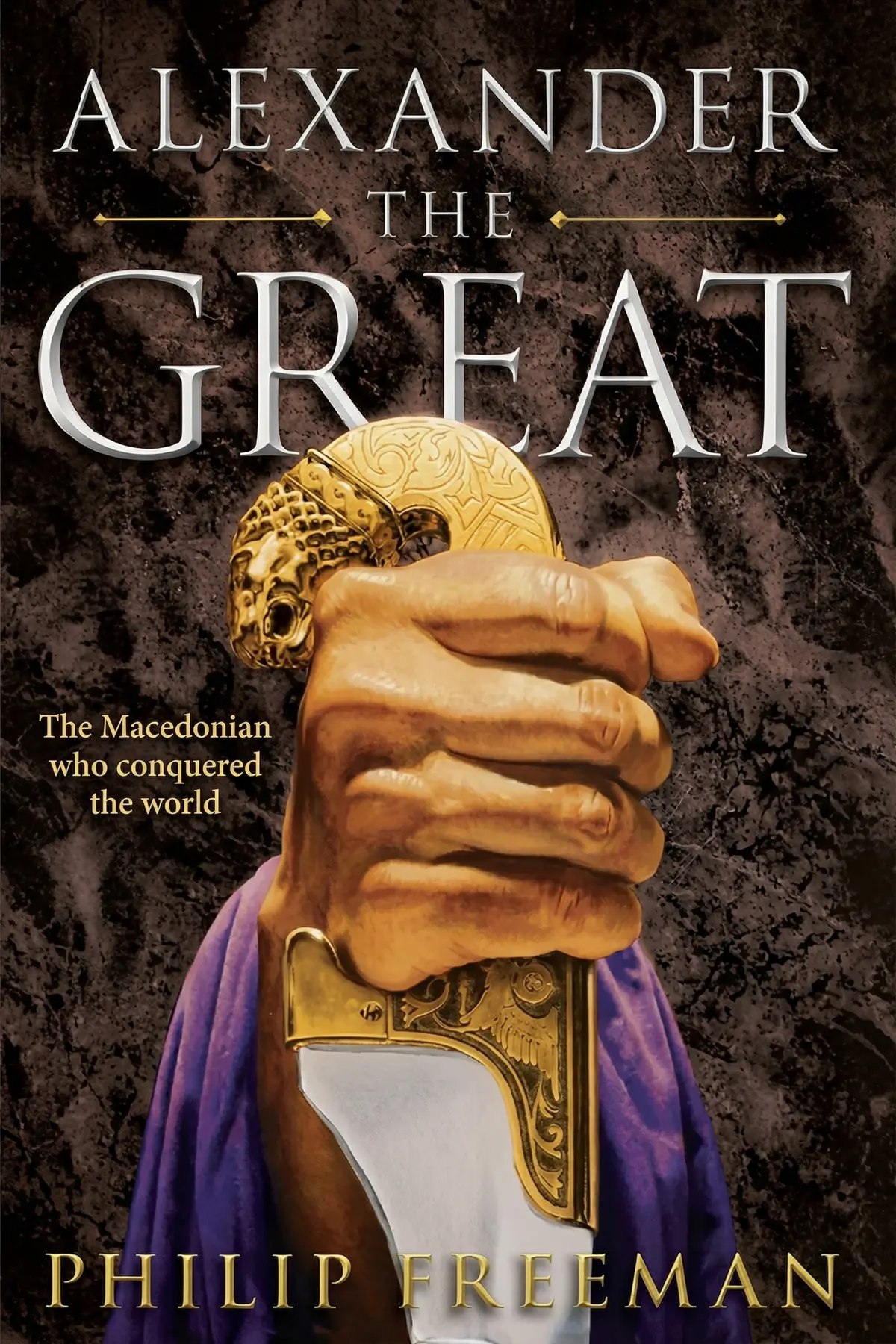
Alexander the Great
Philip Freeman
A History of Iran: Empire of the Mind
Michael Axworthy
Afropean: Notes From Black Europe
Johny Pitts

A History of the World in 6 Glasses
Tom Standage

A Long Way Gone: Memoirs of a Boy Soldier
Ishmael Beah
AUDIO SUMMARY AVAILABLE
Listen to Hidden Figures in 15 minutes
Get the key ideas from Hidden Figures by Margot Lee Shetterly, plus 5,000+ more titles in English and Thai.
- 5,000+ titles
- Listen as much as you want
- 7-day free trial
- Cancel anytime







