
15 min 32 sec
Hidden Potential: The Science of Achieving Greater Things
By Adam Grant
Explore the science behind unlocking your latent abilities. This summary reveals how character, adaptability, and deliberate play can help anyone move past plateaus and achieve unexpected levels of excellence.
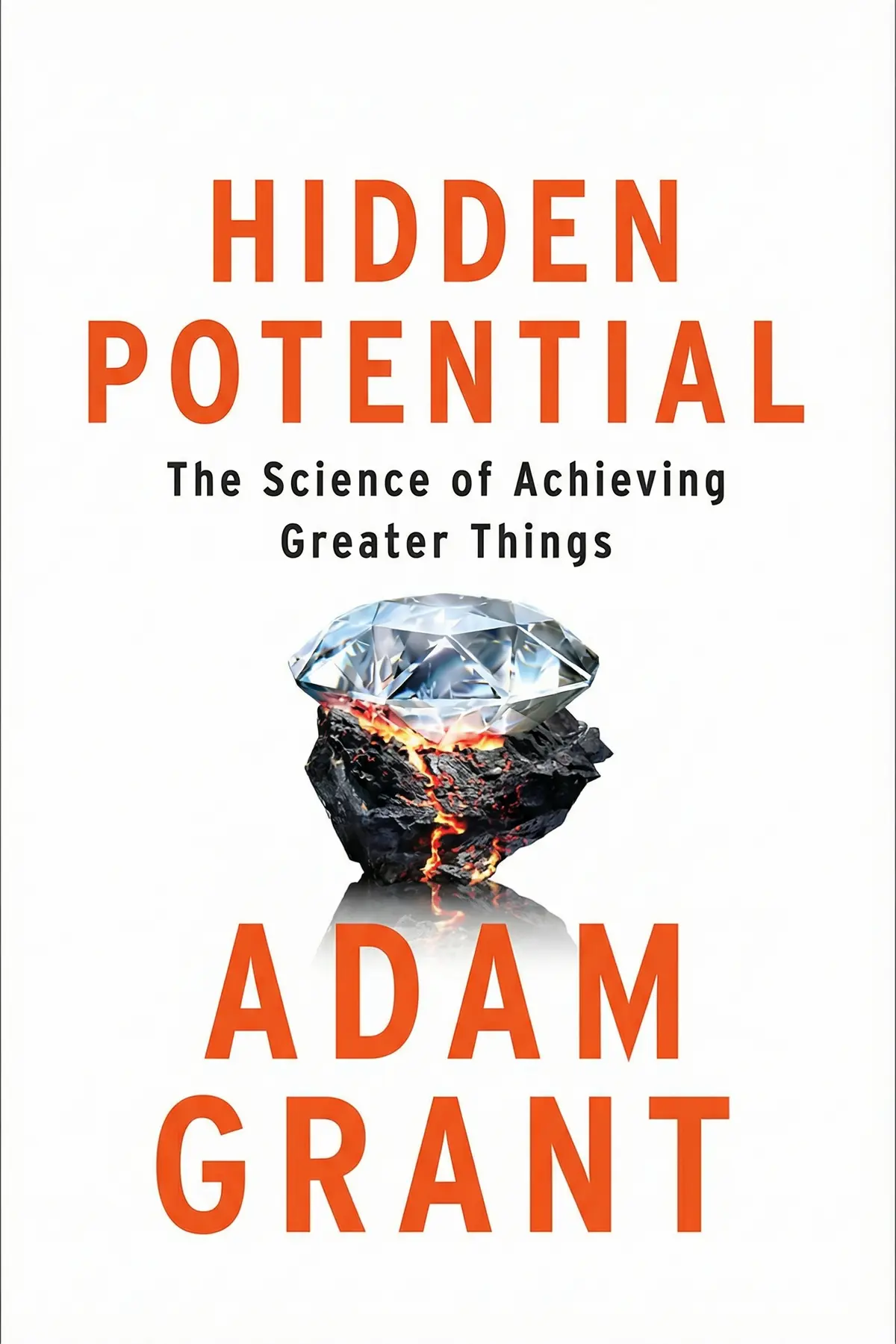
Table of Content
1. Introduction
1 min 52 sec
We often look at world-class athletes, brilliant musicians, or visionary CEOs and assume they were simply born with something the rest of us lack. We tell ourselves that talent is a biological lottery, and if you didn’t win the grand prize at birth, you’re destined to remain average. But what if our focus on the ‘starting line’ is completely wrong? What if the most important metric isn’t how much natural ability you have today, but how much capacity you have to grow tomorrow?
This exploration into our hidden capabilities suggests that excellence is less about your genes and more about your relationship with learning. It’s about the distance you travel from your starting point, regardless of how humble that beginning might be. Many of the people we eventually come to admire as ‘prodigies’ were actually quite unremarkable in their early years. They weren’t born at the finish line; they simply found a more effective way to run the race.
In the following segments, we are going to dismantle the idea that you are stuck at your current level of competence. We’ll look at why ‘character’ is a better predictor of success than intelligence, how the most successful people act like biological sponges, and why the path to mastery often requires us to embrace the very things we usually try to avoid: mistakes, discomfort, and even play.
This isn’t just a collection of motivational slogans. It is a science-backed framework for rethinking how we develop ourselves and others. Whether you are trying to learn a new language, lead a team, or finally master a hobby that has always felt out of reach, the strategies we’re about to discuss will help you find the momentum you need. We will establish a new throughline for your development: one where potential isn’t a fixed ceiling, but a horizon that keeps moving as you walk toward it. Let’s dive into how you can start uncovering what you’re truly capable of.
2. The Architecture of Character
2 min 23 sec
Traditional education focuses on what you know, but long-term success is actually built on how you act when the pressure is on.
3. Becoming a Human Sponge
2 min 27 sec
True growth requires a specific kind of internal machinery that allows you to take in the right information and discard the rest.
4. The Perils of Perfectionism
2 min 30 sec
Striving for a flaw-free performance can actually stunt your growth and keep you trapped in your comfort zone.
5. Mastering Through Deliberate Play
2 min 29 sec
The secret to enduring the long grind of practice isn’t more discipline, but a more playful approach to the work.
6. Conquering the Plateau
2 min 25 sec
Stagnation isn’t a sign that you’ve reached your limit; it’s a signal that your current strategy has run its course.
7. Conclusion
1 min 26 sec
As we wrap up this journey into the science of hidden potential, let’s return to our original throughline: excellence is about the distance you travel, not the point where you began. We’ve seen that the most successful people aren’t necessarily the ones with the most innate talent, but the ones with the most developed character. They are the ones who treat their mistakes as lessons, who absorb and filter information like sponges, and who aren’t afraid to look foolish in the pursuit of growth.
You now have a toolkit for your own development. You know that perfectionism is a trap and that play is a powerful catalyst for learning. You understand that hitting a plateau isn’t a sign of failure, but an invitation to rethink your strategy and seek out new mentors. The path to achieving greater things isn’t paved with natural-born genius; it is built, brick by brick, through discipline, curiosity, and the courage to keep moving even when you feel stuck.
The most important takeaway is that your potential is not a fixed quantity. It is a dynamic, growing thing that responds to how you treat it. So, the next time you feel like you’re not ‘talented enough’ to do something, remember that talent is just the starting line. What matters is the character you bring to the work every day. Stop looking for a shortcut to the finish line and start focusing on the habits that will allow you to run the race for the long haul. Your hidden potential is waiting—it’s time to go out there and uncover it.
About this book
What is this book about?
Hidden Potential challenges the long-standing myth that greatness is reserved for the naturally gifted. Instead, it suggests that our ultimate peak is determined not by where we start, but by how far we travel. By examining the lives of high achievers and the latest psychological research, this summary provides a roadmap for anyone looking to bridge the gap between their current reality and their ultimate capabilities. Readers will learn about the 'character skills' that matter more than IQ, the power of becoming a 'human sponge' to absorb vital information, and why perfectionism is often a barrier rather than a bridge to success. You will discover how to transform tedious practice into deliberate play and how to navigate the inevitable plateaus that occur during any mastery journey. The promise of this book is that by shifting your focus from innate talent to learned character, you can unlock a version of yourself that previously seemed out of reach.
Book Information
About the Author
Adam Grant
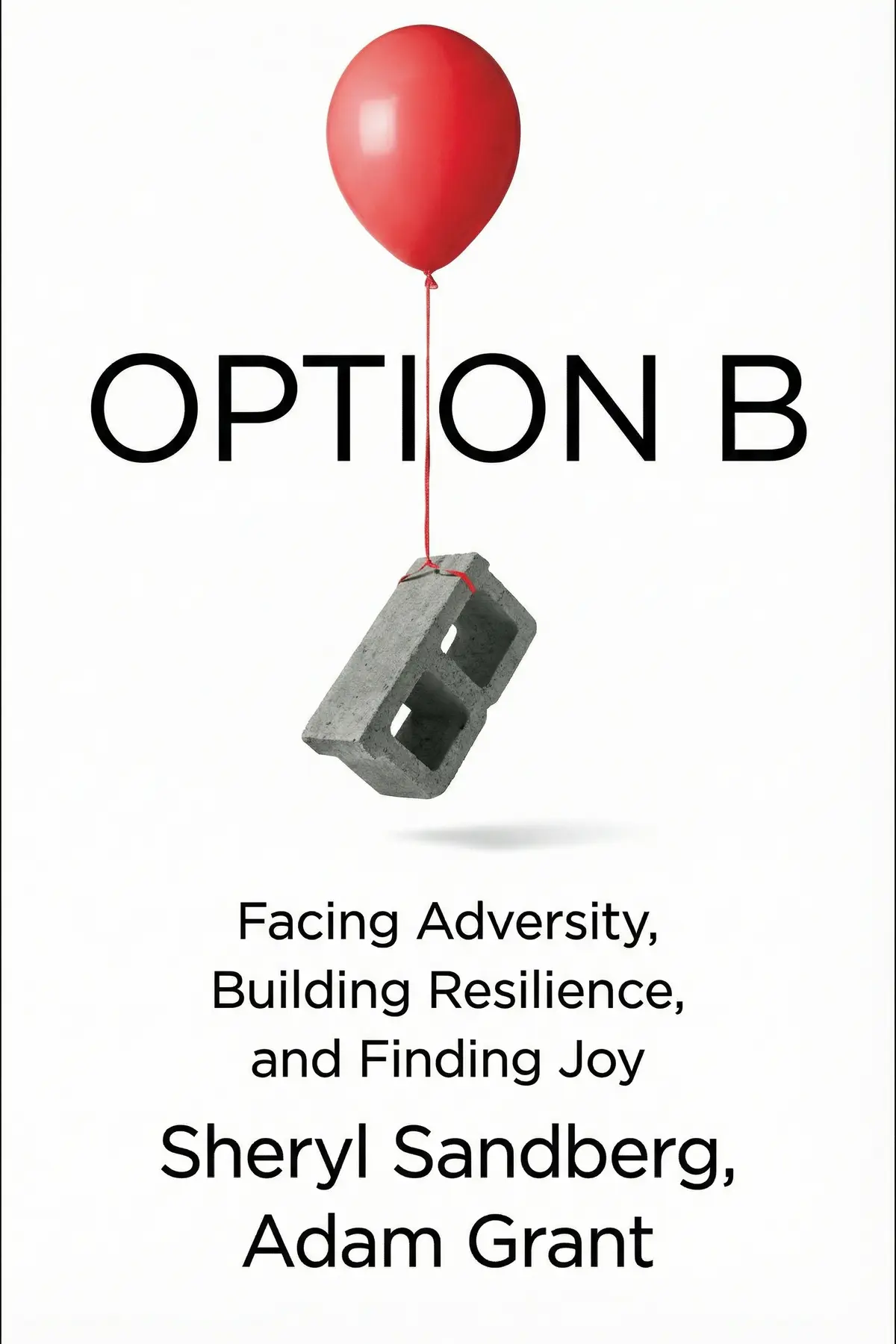
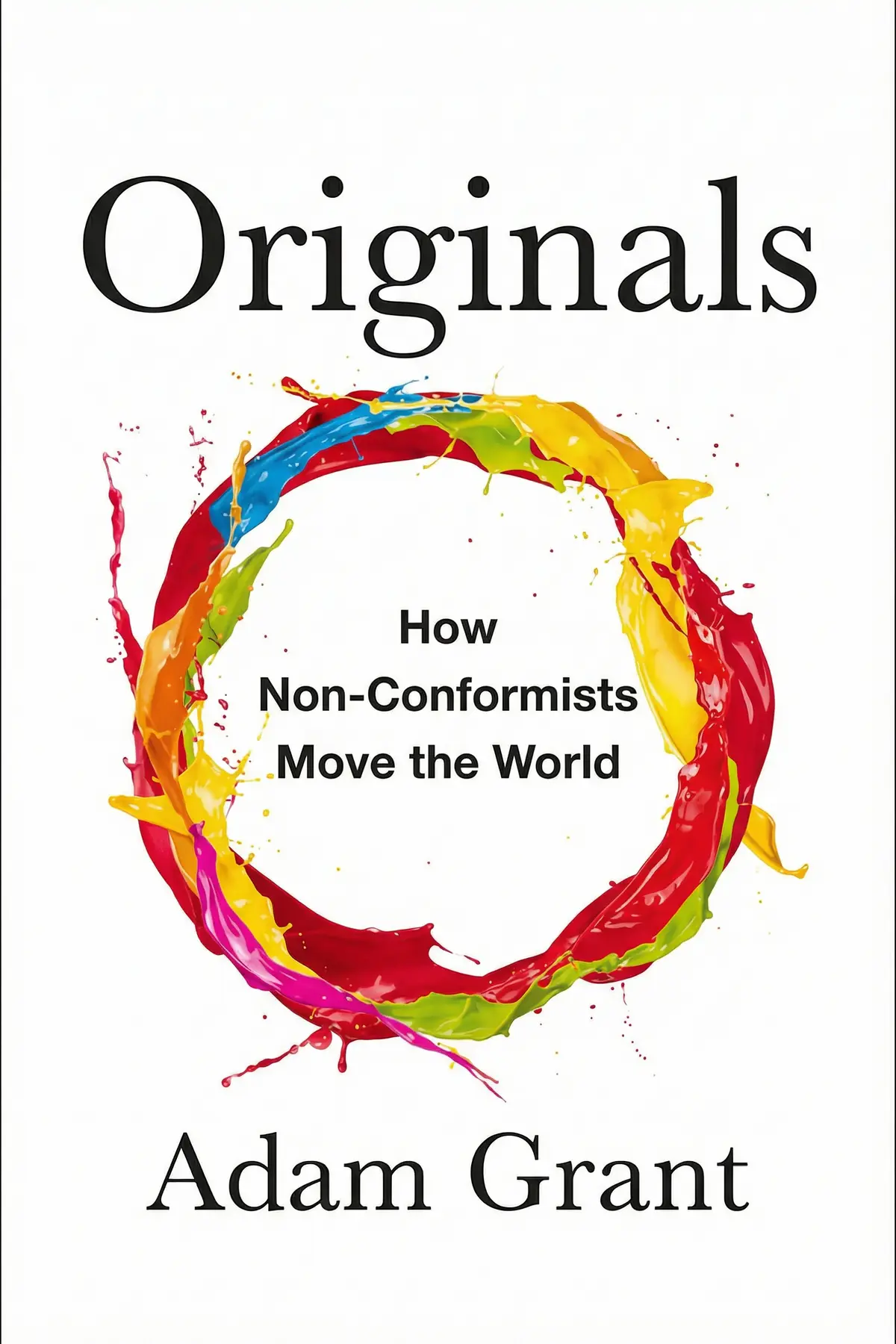
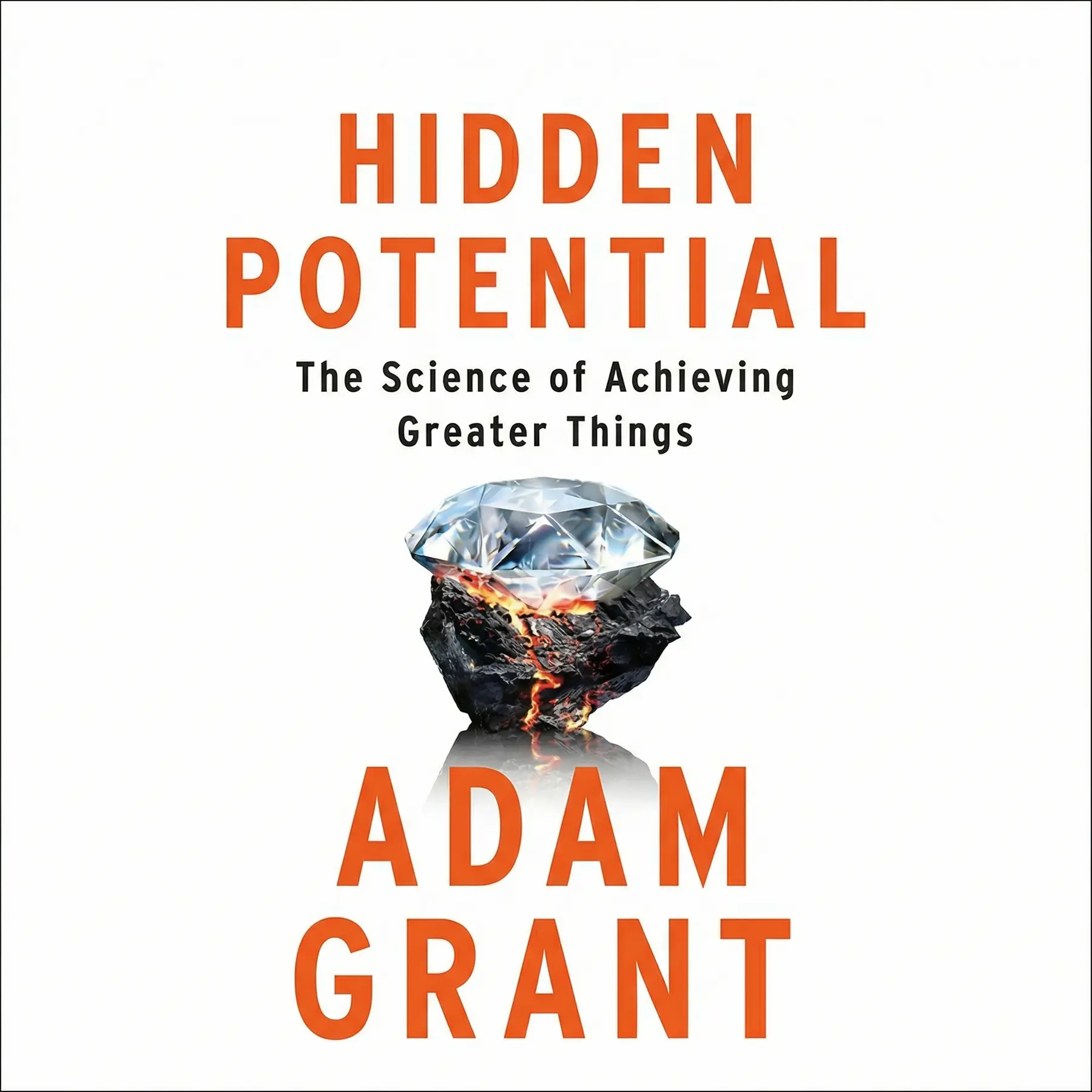
Adam Grant is an organizational psychologist and professor at the University of Pennsylvania’s Wharton School. A New York Times bestselling author, his books include Think Again, Originals, and Give and Take. His podcasts ReThinking and Work Life have millions of listeners. Grant has been named one of Fortune’s 40 Under 40.
Ratings & Reviews
Ratings at a glance
What people think
Listeners find this work to be a superb book that advances the principles of Mindset by examining different facets of recognizing personal potential. They value the actionable advice and the book's overall worth, observing that achievement stems from diligent effort. The narrative approach is captivating; one listener points out the author’s skill in linking information using stories. Furthermore, listeners consider the content both amusing and motivating, with one listener mentioning how it encourages the uncovering of individual gifts and abilities. The well-constructed prose also receives high marks for its quality.
Top reviews
Pensuda
Picked this up after finishing Dweck’s Mindset, and it feels like a natural evolution of that philosophy. Grant dives deep into how we can build "character skills" rather than just relying on innate talent. The storytelling is top-notch; he uses examples like the Golden Thirteen and Jose Hernandez to illustrate how scaffolding can change a life trajectory. I loved the section on "deliberate play" because it makes the grueling process of skill-building feel less like a chore and more like a game. Frankly, it’s refreshing to read a self-help book that focuses on the daily grind rather than just "manifesting" success. It’s well-crafted and practical, though some might find the heavy reliance on mountain-climbing metaphors a bit tired. Still, the toolkit at the end alone is worth the price of admission for anyone looking to unlock their gifts.
Show moreWanphen
As someone who has always felt like a late bloomer, this book was exactly the encouragement I needed this month. Grant makes a compelling case that the height of the peak doesn't matter as much as the distance you traveled to get there. The stories about R.A. Dickey and the Golden Thirteen provide excellent real-world examples of how systems and support can unlock greatness. I particularly liked the idea of creating a "judging committee" of trusted advisors to give honest feedback. The writing is smooth, though I noticed a few spots where the logic felt a little too "neat" for real-life application. Still, the focus on hard work as the root of success is a refreshing change from the usual "hacks" promised by other authors. Highly recommended for students or professionals feeling stuck in their current track.
Show moreSumalee
Grant’s latest effort is a wonderful exploration of what happens when we look past initial appearances to find untapped talent. He correctly identifies that our systems for hiring and education are fundamentally broken because they prioritize "prodigies" over those with growth mindsets. The specific advice on redesigning hiring through work sample tests instead of just resumes is something every manager needs to hear. I found the tone to be very motivational without being overly cheesy, which is a difficult needle to thread. While I did find the audiobook narrator a bit too enthusiastic at times, the content itself is gold. It’s a book that encourages you to be okay with being "awkward" during the learning phase. This should be required reading for anyone in a mentorship position. It truly inspires self-discovery of one's own gifts.
Show moreRoongsak
Wow. I didn't think I needed another self-help book on my shelf, but this one actually delivered on its promises. The concept of "scaffolding" as a temporary support system for growth really shifted my thinking about how I approach new projects. Grant shows that success isn't just about individual willpower; it's about the environments we build for ourselves and others. I loved the practical guides scattered throughout the chapters, especially the tips on setting "minimum lovable goals" to keep momentum high. To be fair, the book can be a little heavy on the sports metaphors, which doesn't always translate perfectly to a desk job. But the overall message of finding fulfillment through sustained effort is something I think everyone can get behind. It's an entertaining, inspirational, and well-crafted read that I'll likely revisit next year for a refresher.
Show moreEvelyn
The chapter on the Finnish education system really changed my perspective on how we evaluate young talent in the classroom. Instead of tracking the "gifted" kids early, they focus on raising the floor for everyone, which is such a powerful concept for equity. I also appreciated the "minimum lovable goals" idea for avoiding the debilitating trap of perfectionism. It’s a great read for anyone in a leadership role who wants to rethink how they hire or mentor others. Grant’s writing is conversational but still feels intellectually heavy, which is a tough balance to strike. My only minor gripe is that he occasionally laughs at his own jokes in the audiobook version, which can be a bit distracting during serious points. Despite that, the message about character over personality is one I'll be thinking about for a long time.
Show moreSatit
Not what I expected from an organizational psychologist, but in a very good way. This isn't just a manual for corporate ladder-climbers; it’s a deeply human look at how we underestimate ourselves. The story of Sara Maria Hasbun learning nine languages by embracing being a "creature of discomfort" really hit home for me. We often avoid things we aren't naturally good at, but Grant argues that the awkwardness is actually where the growth happens. Personally, I found the section on "scaffolding" to be the most insightful part of the entire book. It reminds us that we don't have to do everything alone to be successful. While some of the anecdotes about sports felt a bit clichéd, the overall research is incredibly compelling. It's a fantastic guide for anyone who feels like they’ve hit a professional plateau.
Show morePick
Ever wonder why some people just seem to "have it" while others struggle despite having the same potential? Adam Grant tackles this head-on by dismantling the myth of natural talent and focusing on the effort it takes to climb. The case studies, especially the NASA astronaut who was rejected 11 times, are genuinely inspiring and well-integrated into the text. I really liked the distinction between personality—how you act on a typical day—and character, which is how you show up when things are hard. That being said, the book does get a bit repetitive toward the middle, hammering the same points multiple times. It’s definitely a "worth it" read, but you could probably get the gist of it in fewer pages. I’m giving it four stars for the practical "toolkit" and the focus on late bloomers.
Show moreNim
Finally got around to reading this, and I have to say, the "backing up to move forward" concept was a total lightbulb moment. We’re so obsessed with linear progress that we forget that sometimes you need to pivot to actually reach the next level. Grant’s focus on "character skills" like discipline and proactivity makes a lot more sense than just waiting for talent to manifest. I listened to the audiobook, and hearing the actual clips from the interviewees added a layer of authenticity that you don't usually get in this genre. To be fair, if you’ve read Grant’s other books, some of the themes might feel a bit familiar. However, the specific focus on "hidden" potential makes it feel distinct enough to justify the read. It’s a solid addition to his canon of work for any achiever.
Show moreLucas
Look, the research here is definitely solid, but the book often feels like it's trying to cover too much ground at once. One minute we are talking about Olympic athletes and the next we are discussing Finnish schools, and the transition isn't always seamless. I appreciated the core message about grit and character, but it felt a bit like a "greatest hits" compilation of recent psychology papers. Truth is, if you’ve already read a lot of Dweck or Duckworth, you might find some of this to be a retread of old ground. That’s not to say it isn’t valuable; Grant is a master storyteller and his "deliberate play" concept is actually quite useful for avoiding burnout. I just wish there was a bit more depth and a bit less "pop" in the pop-psychology delivery style.
Show moreChamnong
This book felt like a conglomeration of pop science that didn't offer anything truly new to the field. As a veteran educator with a master’s degree, I found the advice regarding literacy and student interest to be almost painfully trite. Grant speaks about expanding the literary canon as if book banning and tight curriculum controls aren't currently dismantling the education system. The use of extreme physical anecdotes like mountain climbing as a catch-all for every professional field lacks necessary nuance. Frankly, it reads like a "CEO Crash Course" that simplifies complex social issues into catchy taglines for LinkedIn. While the writing is polished, the "facts and logic" presented here feel divorced from the reality of most public school classrooms. It’s a flimsy self-help book that likely won’t stand the test of time once the current trends shift.
Show more
Readers also enjoyed
59 Seconds: Change Your Life in Under a Minute
Richard Wiseman
A Liberated Mind: How to Pivot Toward What Matters
Steven C. Hayes

Acting with Power: Why We Are More Powerful Than We Believe
Deborah Gruenfeld
AUDIO SUMMARY AVAILABLE
Listen to Hidden Potential in 15 minutes
Get the key ideas from Hidden Potential by Adam Grant, plus 5,000+ more titles in English and Thai.
- 5,000+ titles
- Listen as much as you want
- 7-day free trial
- Cancel anytime







