

16 min 12 sec
Hit Men: Power Brokers and Fast Money Inside the Music Business
A gripping expose of the music industry's underbelly, this summary explores the ruthless power brokers, pay-for-play scandals, and high-stakes corporate warfare that dictated the sounds of the late twentieth century.
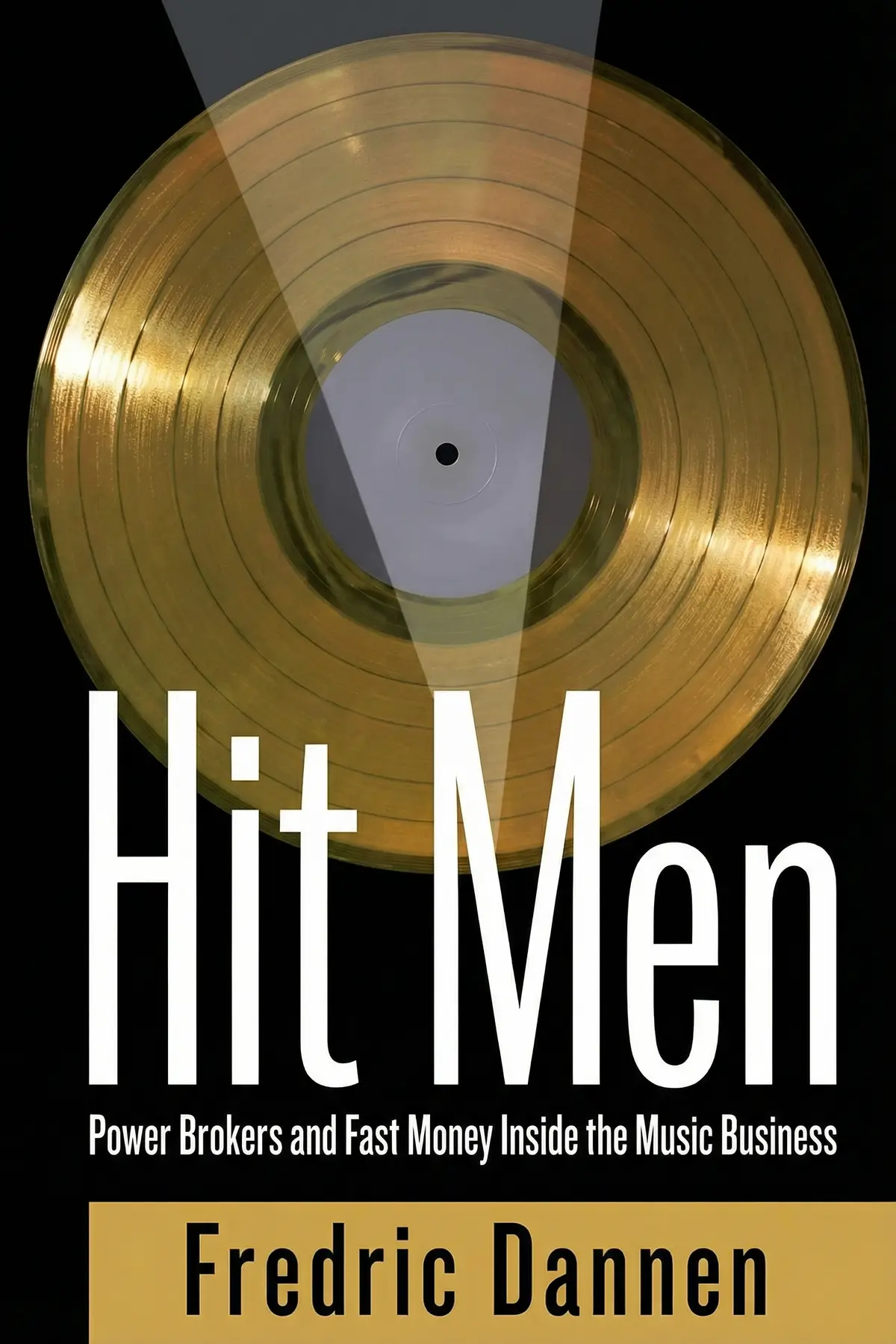
Table of Content
1. Introduction
1 min 33 sec
Every time you hear a chart-topping anthem, it feels like a moment of pure creative magic. We like to imagine a world where the best songs naturally rise to the top because of their quality and resonance. However, if you look behind the curtain of the music industry from the 1960s through the 1990s, you’ll find a landscape that looks less like an art gallery and more like a battlefield. It was a world populated by ambitious lawyers, relentless deal-makers, and shadow figures who controlled the gates of radio and retail. This is the story of how the modern music business was built—not just on melodies, but on high-stakes gambles, bitter rivalries, and an incredible amount of cash.
In the following narrative, we are going to explore the evolution of this chaotic industry. We will see how visionary leaders like Clive Davis recognized the cultural power of rock and roll and used it to transform a starchy corporate label into a global powerhouse. We will witness the shift toward an era of massive contracts and ego-driven warfare under Walter Yetnikoff, where the focus moved from developing artists to simply buying them at any cost.
But more than that, we will uncover the darker mechanisms of the business—the secret ‘Network’ of promoters who acted as the industry’s gatekeepers and the scandals that eventually threatened to bring the whole structure down. This journey provides a throughline from the idealism of the late sixties to the corporate cynicism of the late eighties. By the time we finish, you’ll see your favorite classic tracks in a whole new light, recognizing the fingerprints of the ‘hit men’ who ensured those songs reached your ears.
2. The Transformation of the Corporate Record Label
2 min 46 sec
Discover how a young lawyer reshaped a conservative music giant by betting on the counterculture revolution and the rising power of rock albums.
3. The Era of Aggressive Bidding and Corporate Rivalries
2 min 36 sec
Explore the shift from artist development to high-stakes acquisitions as industry titans engaged in expensive wars for established stars.
4. The Shadow Power of the Promotion Network
2 min 35 sec
Investigate the secret gatekeepers of radio airplay and a daring experiment that failed to break their grip on the charts.
5. Corporate Infighting and the Price of Success
2 min 36 sec
See how the massive success of Michael Jackson’s Thriller coincided with a brutal internal purge and the rise of personal excess.
6. The Scandal that Broke the System and the End of an Era
2 min 31 sec
Witness the explosive intersection of the music business and organized crime, leading to a corporate downfall that changed everything.
7. Conclusion
1 min 35 sec
As we look back on this journey through the volatile heart of the music business, the central takeaway is that the songs we love are often the survivors of a brutal and calculated system. We’ve seen how the industry shifted from a world of gut-instinct creative choices to one of cold, hard corporate leverage. From the visionary rock-and-roll expansion of Clive Davis to the high-stakes, ego-driven warfare of Walter Yetnikoff, the history of pop music is as much about the contracts and the promotion networks as it is about the melodies.
What this really means for us as listeners is a realization that the ‘mainstream’ isn’t a natural occurrence. It is a manufactured space, sculpted by people who understood how to navigate the levers of power and the pathways of radio airplay. The story of these ‘hit men’ serves as a reminder that wherever there is great art and massive profit, there will also be a struggle for control. The industry eventually moved toward a more corporate, sanitized model, but the ghosts of those decades—the scandals, the bidding wars, and the intense rivalries—still haunt the way we consume and value music today.
Next time you hear a classic hit from that era, take a moment to consider the path it took to get to you. It wasn’t just a songwriter and a singer; it was a small army of power brokers working behind the scenes. Understanding that reality doesn’t have to ruin the music, but it does give us a much deeper appreciation for the complex, often messy world that produces the soundtrack of our lives. Thank you for listening to this exploration of the forces that shaped the modern ear.
About this book
What is this book about?
The pop music that fills the airwaves and defines cultural eras is rarely the result of talent alone. This summary unmasks the hidden machinery of the record business during its most volatile and profitable decades. It provides a behind-the-scenes look at the legendary figures who built and broke empires, from the rock-and-roll revolution spearheaded by Clive Davis to the aggressive, deal-driven reign of Walter Yetnikoff. You will discover how the industry transitioned from a passion-driven enterprise into a cutthroat corporate machine where success was often bought through secret networks and shadow promotion tactics. By examining the rise of influential labels and the eventual downfall of their most notorious leaders, this summary promises to reveal the transactional reality of the 'hit-making' process. It details the friction between artistic integrity and financial greed, showing how independent promoters, organized crime ties, and corporate ego all played a role in deciding which artists became icons and which were left behind in the shuffle of fast money and power plays.
Book Information
About the Author
Fredric Dannen
Fredric Dannen is a respected American journalist known for his investigative contributions to major publications like Rolling Stone, Vanity Fair, and The New York Times. His sharp reporting on business and culture earned him the Morton Frank Award from the Overseas Press Club. In addition to his work on the music industry, he co-authored Hong Kong Babylon, showcasing his range as a storyteller and researcher.
Ratings & Reviews
Ratings at a glance
What people think
Listeners find this book to be essential for music fans, offering compelling glimpses into the inner mechanics of the record industry. The research quality is exceptional, and one listener highlights that it serves as an excellent companion to the Morris Levy biography. Listeners also value the historical perspective on the music business included here. However, the dated nature of the content draws mixed reactions from listeners.
Top reviews
Bella
Anyone who considers themselves a serious music fan needs to pick this up immediately. Dannen doesn’t just scratch the surface of the industry. He performs a full autopsy on the record business during the 1970s and 80s. The way he details the rise of Walter Yetnikoff and his cutthroat rivalries is nothing short of cinematic. You get a real sense of the ego and insanity driving the corporate giants at CBS and Warner. Some readers will likely find the financial talk a bit too dense for their tastes. However, the stories of payola and mafia-linked promoters are too wild to ignore. It is an essential read for understanding how the charts were actually manufactured before the digital age changed everything.
Show moreOoi
The sheer amount of research that went into this exposé is mind-blowing. Dannen clearly spent years tracking down the power brokers who operated in the shadows of the major labels. He captures the ruthless energy of men like Irving Azoff and the chaotic reign of Yetnikoff with precision. It is a masterclass in investigative journalism that remains relevant even in the era of music streaming. Even though the technology has changed, the underlying themes of exploitation and greed still resonate today. This isn't just a book about music; it's a terrifying look at how any industry can be subverted. I honestly could not put this book down once I started the first chapter.
Show moreTim
Frankly, the level of corruption detailed here makes the old mafia movies look tame. Dannen paints a picture of a record industry fueled by ego, cocaine, and massive amounts of illegal cash. The personalities involved, particularly Walter Yetnikoff, are so abrasive and larger-than-life that they almost feel like fictional villains. It’s a fast-paced account of how a few powerful men decided what the entire world would listen to for years. While some of the specific business deals are a bit dated now, the general atmosphere of greed is timeless. I was engrossed by the 'hit men' who fixed the charts while the artists stayed in the dark.
Show moreTariq
Dannen's deep dive into the 1970s and 80s record business is as fascinating as it is depressing. For years, I had heard rumors about the mafia’s influence on pop music. Seeing the names and dates laid out like this is truly eye-opening. The book serves as a perfect companion to the Morris Levy biography, fleshing out the era of crooks and charlatans. I was particularly struck by the description of 'independent promotion' as a sophisticated form of old-school payola. It is a world of pure greed where the actual music felt like an afterthought to the lawyers. If you want to see the dark side of the Billboard charts, start here.
Show moreSaranya
After hearing about the legendary battles between Clive Davis and Walter Yetnikoff, I finally decided to dive in. The book is definitely 'inside baseball,' but if you are a music nut, that is exactly what you want. It tracks the evolution of the industry from the era of Alan Freed to the corporate conglomerates. I was shocked by how brazen the bribery was back then. Labels were essentially laundering money through independent promoters to secure radio play. The sections on Larry Tisch and the dismantling of CBS Records provide a fascinating, if tragic, end to an era. It’s a dense read, but the payoff in terms of industry insight is well worth the effort.
Show moreLook
This book provides a chilling look at the 'Network' of independent promoters and their ties to organized crime. I’ve always known the music business was 'slimy,' but Dannen proves it was effectively a mafia-controlled domain. The details on how payola evolved from simple cash envelopes to complex kickback schemes are thoroughly researched. You won't find many stories about your favorite singers here, as the focus remains on the men in suits. It’s a cynical read that will likely change the way you hear old hits on the radio. Despite being written decades ago, the corruption it describes feels disturbingly permanent. It is a seminal work for any fan.
Show moreNora
If you want a companion piece to the Morris Levy biography, this is the gold standard. Dannen captures the transition of the music world from independent hustlers to massive corporate entities with surgical precision. The book exposes how the 'independent promoter' system acted as a buffer for the labels. This allowed them to claim ignorance of the criminal activity happening on their behalf. It is a grim, sobering read that strips away any romanticism about the history of rock and roll. Seeing the way Paul Simon or other stars are treated as mere assets is quite a wake-up call. The sheer audacity of the scams described here is compelling.
Show moreTang
Ever wonder why certain mediocre songs dominated the airwaves back in the day? This book pulls back the curtain on the 'Network' of independent promoters who essentially held radio stations hostage for decades. It is a sobering look at how kickbacks and payoffs were simply part of the cost of doing business. While the subject matter is undeniably gripping, the narrative sometimes gets bogged down in the minutiae of corporate contracts. I found myself skimming some of the more technical business transactions to get back to the larger-than-life personalities. It is an informative read, though it definitely requires some patience from the reader.
Show moreHassan
To be fair, while the information is undeniably important, the writing can get incredibly dry during the financial breakdowns. I struggled with the middle section of the book where the focus shifted heavily toward corporate accounting. It feels a bit stale in parts, especially since the industry has shifted so dramatically since the rise of Napster. However, the chapters on the 1950s payola scandals and the 80s radio wars are still very engaging. It’s a mixed bag of fascinating anecdotes and tedious boardroom drama that didn't always hold my attention. If you love the minutiae of business history, you’ll love it; otherwise, it might be a slog.
Show moreSarocha
Not what I expected, as the book focuses almost entirely on corporate suits and lawyers rather than the artists. I went in hoping for tales of rock-star debauchery and backstage madness. Instead, I got endless chapters on CBS boardrooms and legal filings. The musicians are treated like mere line items on a spreadsheet throughout the text. I suppose that is the point Dannen is trying to make about the industry. Still, the writing is quite dry and the constant focus on litigation made it hard to stay engaged. It feels more like a textbook on corporate corruption than a thrilling exposé of the music world.
Show moreReaders also enjoyed
7 Powers: The Foundations of Business Strategy
Hamilton Helmer


Alibaba: The House That Jack Ma Built
Duncan Clark


Bad Blood: Secrets and Lies in a Silicon Valley Startup
John Carreyrou
AUDIO SUMMARY AVAILABLE
Listen to Hit Men in 15 minutes
Get the key ideas from Hit Men by Fredric Dannen, plus 5,000+ more titles in English and Thai.
- 5,000+ titles
- Listen as much as you want
- 7-day free trial
- Cancel anytime







