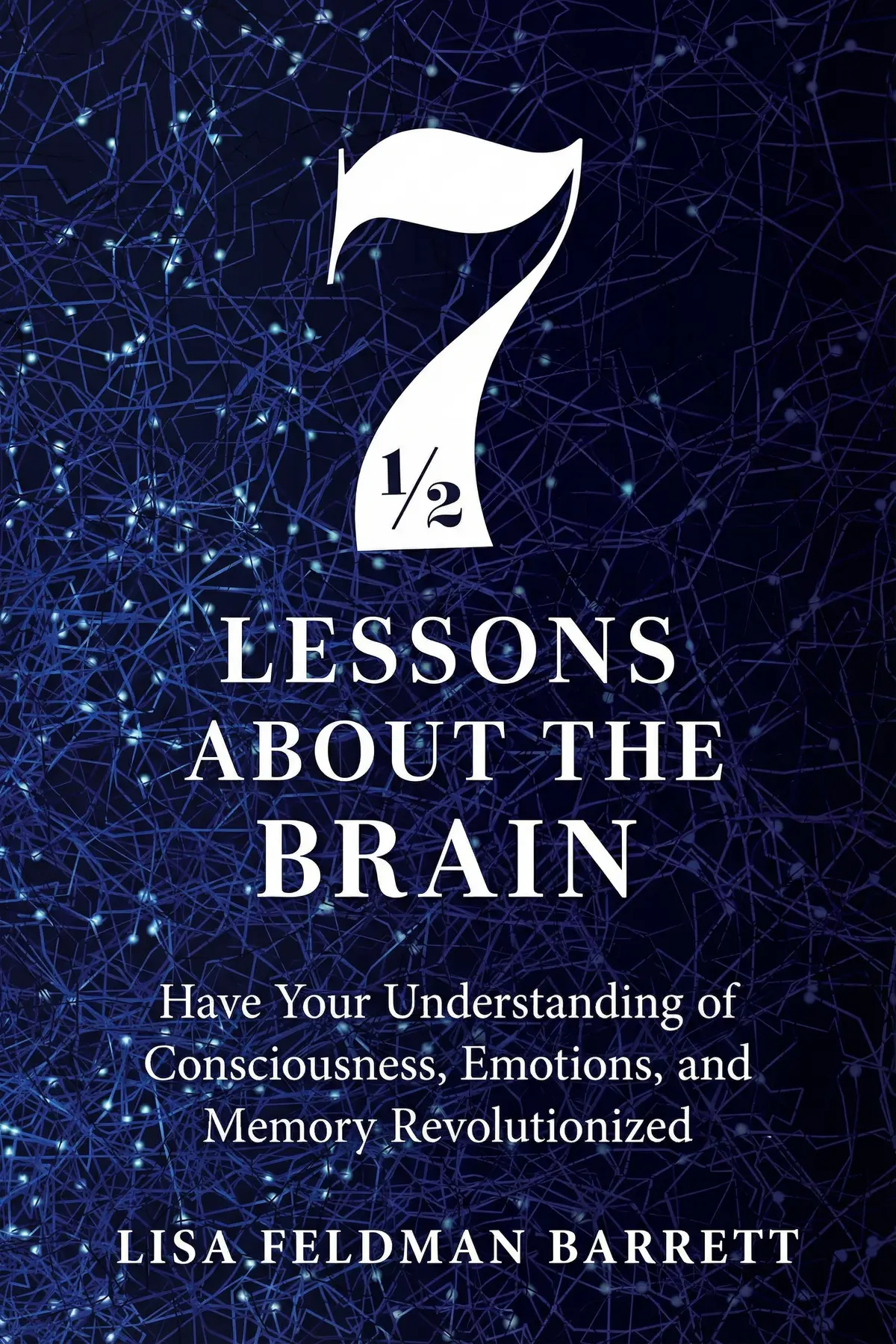
Seven and a Half Lessons about the Brain
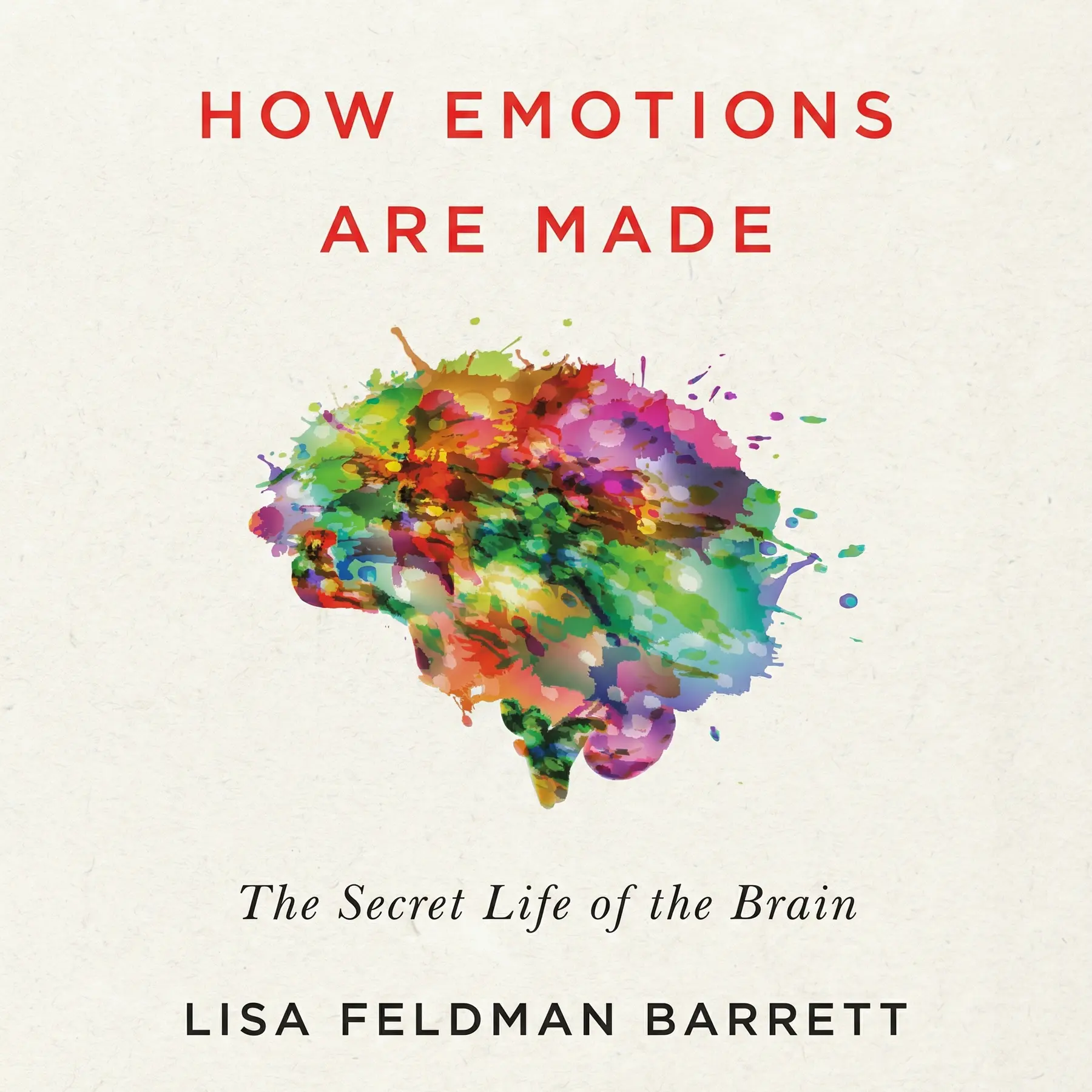
Lisa Feldman Barrett
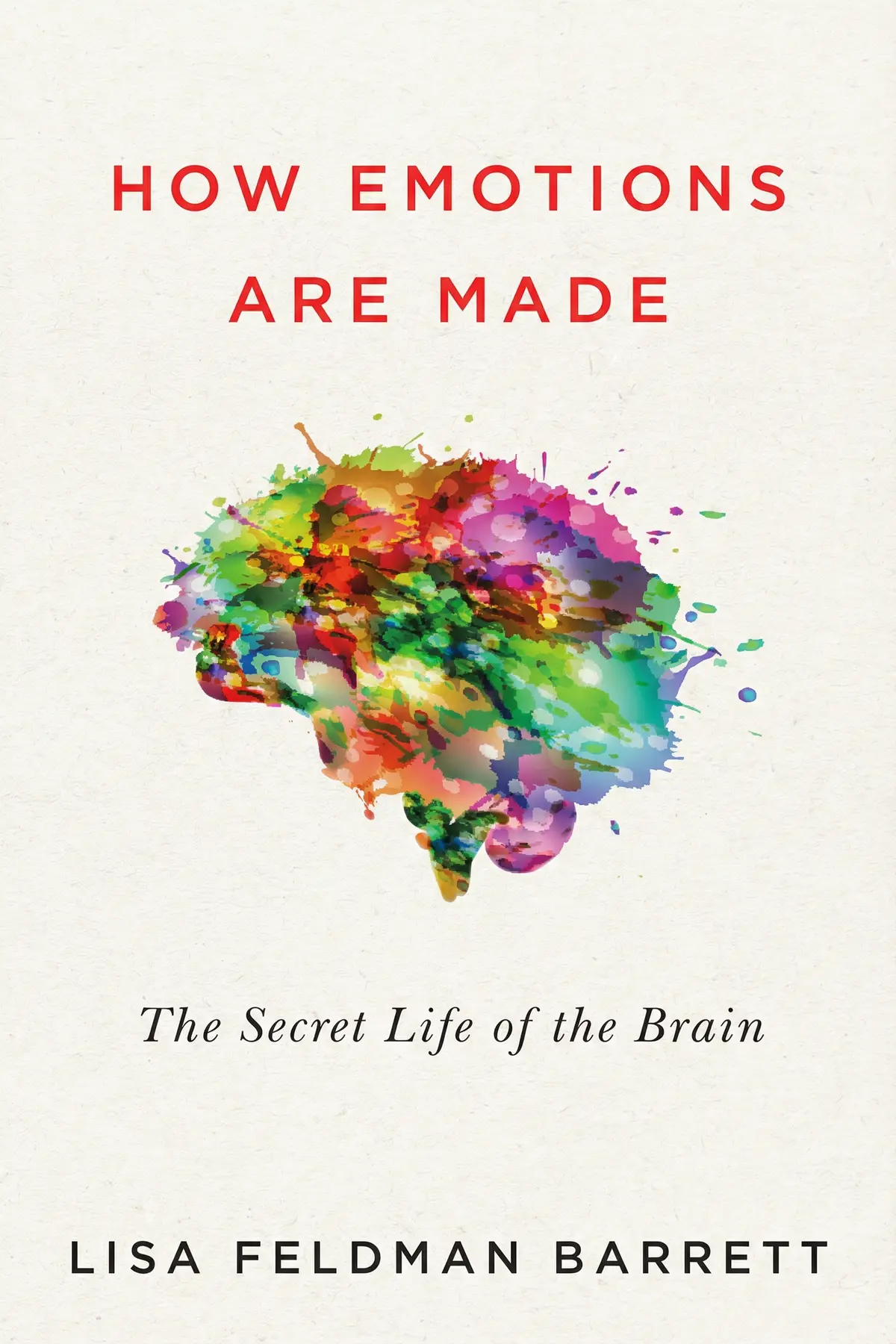
Lisa Feldman Barrett challenges the traditional view that emotions are hardwired. She reveals how our brains actually construct emotional experiences in real-time based on past patterns, cultural concepts, and internal bodily signals.
1 min 49 sec
Think back to the last time you felt a sudden surge of anger or a deep wave of sadness. In those moments, it usually feels as though the emotion is something that happens *to* you—as if a switch was flipped in your brain and a pre-packaged feeling was released into your system. We often imagine our emotional lives as a series of internal characters, much like the colorful figures in a famous animated movie, where ‘Fear’ or ‘Joy’ take turns at the controls of our behavior. This idea, that emotions are distinct, universal, and hardwired into our biology, is what researchers call the classical view. It’s a perspective that has dominated philosophy, psychology, and popular culture for thousands of years.
But what if that entire framework is fundamentally wrong? What if emotions aren’t reflexes at all, but are actually things we construct? In the following segments, we’re going to look at the revolutionary research of Lisa Feldman Barrett, which suggests that our brains are not reacting to the world, but are constantly predicting it. We will explore how your past experiences, your cultural background, and even your body’s metabolic state come together to create what you identify as a ‘feeling.’
By the end of this journey, you’ll see that emotions are far more nuanced than simple fingerprints in the brain. Understanding this shift from ‘reacting’ to ‘constructing’ doesn’t just change how we think about science; it changes how we handle our daily stresses, our relationships, and our very sense of self. We’ll dive into why modern technology struggles to read our faces, why a Tahitian might not understand the concept of ‘sadness’ the same way you do, and how you can actually train your brain to have a more sophisticated emotional life. It is time to look under the hood of the brain to discover the secret life of your emotions.
2 min 10 sec
We often believe emotions are universal biological reflexes, but history’s greatest thinkers might have been mistaken about how our brains truly function.
2 min 12 sec
Scientific studies show that there is no single brain region for any emotion, calling into question how we identify feelings in ourselves and others.
2 min 04 sec
Rather than being reactive, the brain is an architect that builds emotions spontaneously based on past experiences and sensory predictions.
1 min 55 sec
Understand the ‘autopilot’ system that manages your body’s internal state and forms the basic building blocks of every emotion you feel.
1 min 59 sec
Your brain functions like a financial manager for your physical resources, and many of our ’emotions’ are actually signals of a budget imbalance.
2 min 02 sec
Emotions are not just biological; they are cultural concepts that we use to organize our world and give meaning to our sensations.
1 min 54 sec
By expanding your emotional vocabulary, you can increase your emotional granularity and gain the power to reshape your future experiences.
1 min 57 sec
Harnessing the power of construction allows you to reframe your feelings and take responsibility for your emotional health.
1 min 26 sec
The journey through the construction of emotion reveals a startling truth: we are not the passive victims of hardwired instincts. The classical view of emotion as a universal reflex is a myth that doesn’t hold up under the scrutiny of modern neuroscience. Instead, we have discovered that the brain is a predictive organ, constantly balancing a complex ‘body budget’ and using cultural concepts to make sense of our internal sensations. Emotions are not discovered; they are made.
This shift in perspective offers a profound new way to live. It means that our emotional intelligence is not fixed. By expanding our vocabulary, taking care of our physical health, and being mindful of the concepts we use to label our feelings, we can actually change our experience of the world. We are the architects of our own reality, and every new concept we learn provides a new tool for building a better life.
The next time you find yourself overwhelmed by a negative emotion, remember the body budget. Before you spiral into a complex story about why you are ‘depressed’ or ‘angry,’ try to attend to the basics. Take a nap, go for a walk, or have a glass of water. By rebalancing your internal resources, you give your brain the chance to construct a new, more positive prediction. You have more power over your feelings than you ever imagined. It’s time to start building the emotional life you want.
For centuries, we have been told that emotions are universal reflexes—internal characters like Joy or Anger that take over our minds. In this summary, we explore a groundbreaking perspective that dismantles this 'classical view.' Instead of being born with pre-programmed emotional circuits, our brains are master architects that construct emotions on the fly. By synthesizing sensory input, past experiences, and cultural learning, the brain makes sense of the body’s internal state. You will learn about the role of interoception and the 'body budget,' discovering how a lack of sleep or a stressful day can be misinterpreted as complex emotions like anxiety or depression. Ultimately, the book promises a new path toward emotional intelligence by showing how we can expand our emotional vocabulary to gain more control over how we feel and react.
Lisa Feldman Barrett is a University Distinguished Professor of Psychology at Northeastern University, with additional appointments at Harvard Medical School and Massachusetts General Hospital. A recipient of the National Institutes of Health Director’s Pioneer Award, she has published over 200 peer-reviewed scientific papers in prestigious journals such as Science, Nature, and Neuroscience.
Lisa Feldman Barrett
Listeners find the text gripping and easy to follow, offering valuable observations about the brain and shifting their view of the mind. The work proposes a novel outlook on how feelings are constructed and shares an intriguing hypothesis, with one listener calling it a revolutionary piece of work. They respect the significant research and feel it is time well spent, though reactions to the author's writing style are varied.
This book completely dismantled everything I thought I knew about the human mind. I always assumed my brain was a reactive machine, simply responding to the world around me like a thermostat. Barrett shows that we are actually architects of our own experience through a process she calls construction. The way she explains the 'body budget' makes so much sense for anyone who has ever felt overwhelmed without a clear reason. While some of the neurobiology gets a bit thick in the middle, the payoff is immense. You will never look at a scowling face the same way again. It is a revolutionary piece of work that makes the 'classical view' of emotions look like a dusty relic from a bygone era.
Show moreWow, Barrett is absolutely fearless in how she takes on the giants of neuroscience. She systematically demolishes the idea that facial expressions are universal, which was a huge shock to me given how often those studies are cited. Her 'theory of constructed emotion' suggests that our social reality dictates our internal world. This isn't just a book about feelings; it’s a manual for understanding how your brain manages its energy. I found the parallels with Buddhist mindfulness theory to be incredibly striking and helpful for my own anxiety. It is rare to find a science book that is this provocative and life-changing. I highly recommend it to anyone who wants to stop being a slave to their own 'affective niche.'
Show moreFinally got around to finishing this, and my perception of reality has been permanently shifted. I used to think my emotions were like little 'beasts' inside me that I had to control with reason. Barrett proves that this Platonic charioteer model is scientifically tenable no longer. We are not reacting to the world; we are creating it. This perspective on how we construct our 'self' through concepts is both terrifying and empowering. It offers a new way to look at everything from autism to racial stereotypes. The research is important, the prose is engaging, and the implications for our daily lives are massive. This is one of those rare books that actually changes the way you think about thinking.
Show moreThe chapter on how we teach children emotion concepts changed how I parent almost overnight. We aren't just teaching them words; we are literally wiring their brains to experience the world in specific ways. Barrett’s 'theory of constructed emotions' is a brilliant bridge between biology and culture. She avoids the trap of simple determinism by showing how we can 're-architect' our own experiences over time. Personally, I found the section on how the law misunderstands 'crimes of passion' to be the most compelling part of the entire work. This is a must-read for anyone in the social sciences or anyone who just wants to understand their own head. It’s a masterful, revolutionary piece of work.
Show moreEver wonder why you feel 'hangry' or why some cultures have words for feelings we simply don't have in English? Barrett’s exploration of 'emotional granularity' provides the answer. She argues that our brains are constantly making predictions based on past experiences rather than reacting to 'fingerprints' of anger or sadness. The science is compelling and mostly easy to digest, though the writing style can feel a bit repetitive by the halfway mark. I particularly liked the section on how we teach children emotion concepts through language. Truth is, it’s a bit of a dense read, but the insight into the human brain is well worth the effort. It’s a fascinating theory that challenges every pop-psychology book I’ve picked up in the last decade.
Show moreTo be fair, the first half of this book is easily a five-star experience, even if the later chapters meander into strange territory. Barrett’s explanation of how the brain acts as a statistician, predicting the world instead of just seeing it, blew my mind. I loved the quirky analogies, like the difference between a muffin and a cupcake being purely about the time of day and social context. However, her tone can be quite grandiose, as if she is single-handedly saving the scientific world from itself. The sections on the legal system and criminal justice were interesting but felt a bit detached from the core brain science. Still, the concept of interoception has fundamentally changed how I view my physical health and my mood.
Show moreAs someone who has always struggled with finding 'labels' for my feelings, Barrett's concept of emotional granularity was a revelation. It turns out that having a rich vocabulary for your inner state can actually help your brain manage its body budget more effectively. I appreciated the deep dive into how our brain is essentially a 'prediction machine' that avoids surprises at all costs. The book does get a bit bogged down in self-help advice toward the end—essentially 'eat your broccoli and sleep more'—which felt a bit beneath the high-level science of the earlier chapters. Nonetheless, the core thesis is robust and incredibly well-researched. It provides a much-needed update to our understanding of the mind-body connection.
Show moreFrankly, it's rare to find a pop-science book that actually challenges the status quo rather than just rehashing old studies. Barrett’s demolition of the 'universal' facial expression myth is worth the price of the book alone. I’ve read dozens of books on the brain, but her focus on the predictive nature of interoception felt like a missing piece of the puzzle. My only real gripe is that she occasionally ignores earlier psychological theories that paved the way for her ideas, making her own work seem more isolated than it probably is. The writing is clear and accessible, making complex neuroscience feel like a conversation. It's a compelling, thought-provoking journey that will stick with me for a long time.
Show moreLook, the science here is undeniably interesting, but the author’s tone can be incredibly grating at times. She is clearly a brilliant researcher, but she treats every opposing view with zero charity. I felt like I was being lectured by someone who thinks they’ve discovered fire for the first time. The book is easily twice as long as it needs to be, with constant repetitions of the same few buzzwords like 'prediction error.' While I appreciate the insights into how culture shapes our feelings, the dismissal of biological essences felt a bit extreme. I found more depth in the work of Robert Sapolsky or even some of the older appraisal theories she ignores. It's an okay introduction to the field, but it lacks the nuance I was hoping for.
Show moreAfter hearing so much hype about Barrett’s revolutionary theory, I walked away feeling more frustrated than enlightened. The author spends hundreds of pages attacking a 'classical view' of emotion that feels like a total straw man. Does anyone actually believe emotions are hard-wired circuits anymore? She mentions her 'interoceptive network' and 'body budget' about nine hundred times, yet she remains annoyingly imprecise when it comes to the actual neuroanatomy. The chapter on animal emotions was especially poorly written; she basically argues Rowdy the dog doesn't feel fear because he lacks human concepts. Frankly, it borders on intellectual dishonesty to dismiss Darwin’s work so dismissively while rebranding basic Cognitive Behavioral Therapy as something brand new. If you want real neuroscience, look elsewhere.
Show more
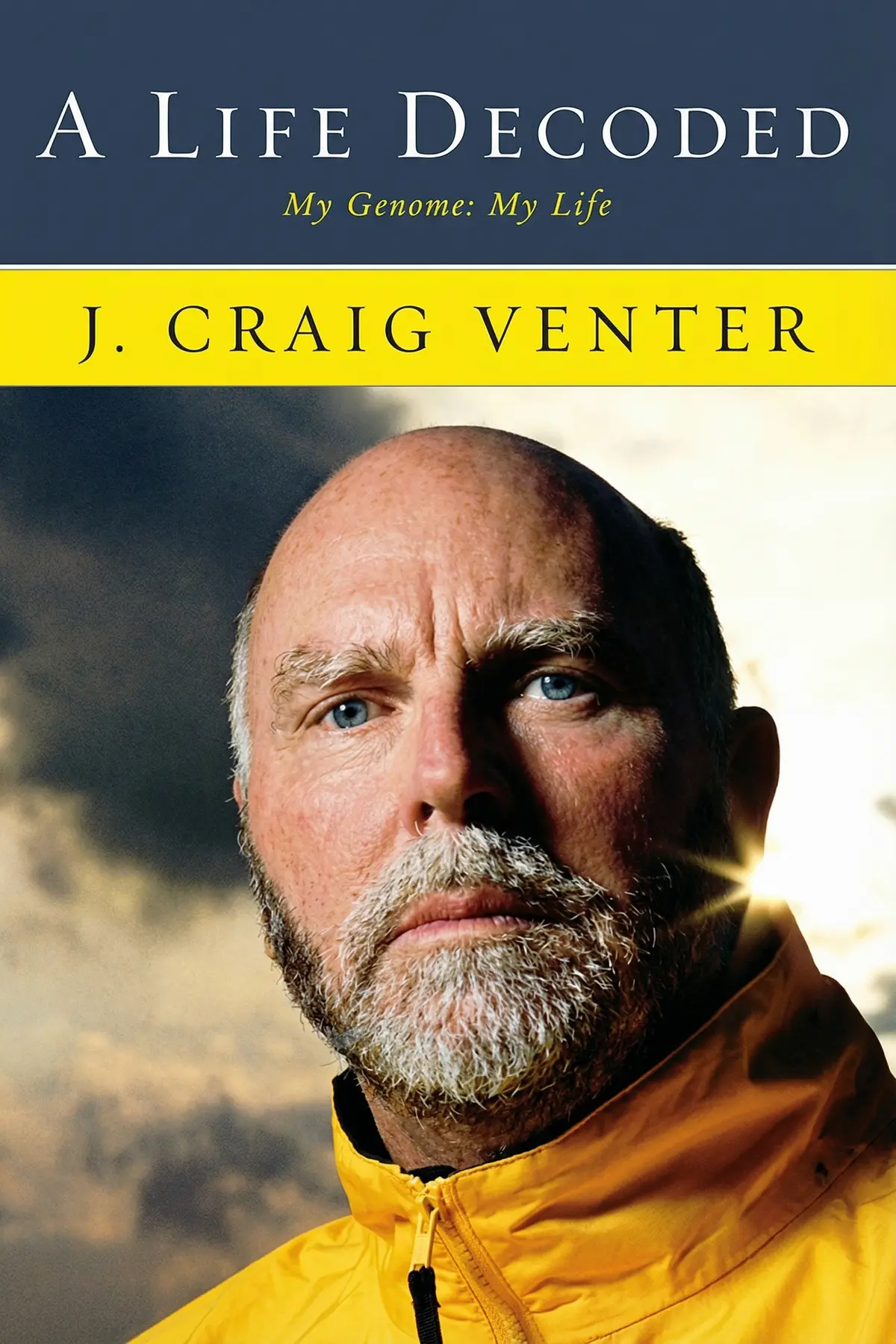
J. Craig Venter
Richard Wiseman
Carl Zimmer
Bill Bryson
AUDIO SUMMARY AVAILABLE
Get the key ideas from How Emotions Are Made by Lisa Feldman Barrett, plus 5,000+ more titles in English and Thai.