
How Emotions Are Made: The Secret Life of the Brain
Lisa Feldman Barrett
A transformative exploration of neuroscience that debunks long-held myths about the human brain. This guide reveals how our gray matter actually manages energy, predicts reality, and constructs our shared social world.
1 min 21 sec
Have you ever wondered what that three-pound mass of gray matter between your ears is actually doing? For centuries, we’ve told ourselves a story about the brain being a grand thinking machine, the seat of logic that differentiates us from the rest of the animal kingdom. But what if that story is mostly wrong? What if the brain didn’t evolve for thought at all?
In this exploration of Seven and a Half Lessons about the Brain, we are going to dive into the latest neuroscience to challenge some of our most deeply held beliefs about consciousness, emotion, and human nature. We’ll start with a foundational ‘half-lesson’ on the origins of the brain and then move through seven insights that reveal how our brains are actually wired to function.
The central throughline of this journey is a shift in perspective. Instead of seeing the brain as a computer that reacts to the world, we’ll see it as a proactive manager—a sophisticated organ that spends its time budgeting energy and predicting the future before it even happens. We’ll look at how your brain isn’t just a solo operator but is constantly being reshaped by the people around you and the culture you live in. By the end of this summary, you’ll see that your brain isn’t just a part of your body; it’s the architect of your entire reality. So, let’s begin by looking back millions of years to understand where this all started.
1 min 59 sec
Forget the idea that your brain exists primarily for logic; its true evolutionary purpose is much more practical and metabolic.
2 min 00 sec
Ancient philosophy suggests our minds are a war between instinct and reason, but modern biology tells a very different story.
2 min 01 sec
Your brain is not a collection of separate parts with fixed jobs, but a massive, flexible network that communicates like a global airline system.
1 min 56 sec
Biological blueprints and environmental experiences are not separate forces; they are intertwined from the moment we are born.
2 min 07 sec
Your brain doesn’t just react to the world; it actively creates your perception by predicting what is about to happen next.
1 min 57 sec
Humans are social animals whose nervous systems are literally linked, allowing us to influence each other’s physical health.
1 min 55 sec
Human brains are versatile enough to produce a vast array of mindsets, yet they work together to create an imaginary world we all live in.
1 min 34 sec
As we reach the end of our journey through Seven and a Half Lessons about the Brain, it’s clear that the organ in our heads is far more fascinating than the ‘rational thinking machine’ we once imagined. We’ve seen that the brain’s true purpose is body management—a constant, predictive balancing act of energy and resources. We’ve debunked the myth of the layered ‘triune’ brain, replacing it with the image of a single, dynamic network that is both efficient and infinitely plastic.
We’ve learned that our brains don’t work in isolation; they are built in partnership with our environment and are constantly being regulated by the people around us. Our words have the power to change someone else’s biology, and our shared beliefs have the power to create a social reality that shapes the world we live in.
The big takeaway here is one of both humility and empowerment. We are not just at the mercy of our instincts, nor are we purely rational actors. We are biological beings whose very thoughts and perceptions are rooted in the physical needs of our bodies and the social needs of our species. Moving forward, consider how you are managing your own body budget and the budgets of those around you. Recognize that your perceptions are predictions that you have the power to change. By understanding the true nature of your brain, you gain the ability to navigate your life with more compassion, more intentionality, and a deeper appreciation for the incredible complexity of being human.
Seven and a Half Lessons about the Brain offers a concise yet profound update to our understanding of the most complex organ in the known universe. Rather than viewing the brain as a battleground between instinct and reason, neuroscientist Lisa Feldman Barrett explains that its primary mission is the efficient management of the body’s resources through a process called allostasis. The book promises to revolutionize how you perceive your emotions, your memories, and your connection to others. It moves through the evolution of the brain from ancient sea creatures to the intricate social networks of modern humans. By exploring concepts like neural plasticity, predictive processing, and the creation of social reality, it provides a new framework for understanding what it means to be human in a deeply interconnected world.
Lisa Feldman Barrett is a distinguished neuroscientist and psychologist known for her groundbreaking research on human emotions. Her books include the critically acclaimed How Emotions Are Made and Seven and a Half Lessons About the Brain.
Lisa Feldman Barrett
Listeners find this to be a brief and pleasant exploration of neuroscience, filled with highly educational material that reveals the secrets of our thoughts and emotions. The writing is organized effectively and is simple to grasp, making it accessible for people who are not scientists. Additionally, listeners value the book's clarity—with one listener describing it as written in an artisanal style—and they appreciate the social commentary on the construction of social reality.
Finally got around to Lisa Feldman Barrett’s latest, and it’s a total game-changer for anyone still clinging to the 'lizard brain' myth. She effectively dismantles the idea that our brains are some three-layered cake of evolution, proving instead that we have one highly integrated network. The writing is incredibly clear, almost like an artisanal craft, making complex neuroscience digestible for those of us without a PhD. I particularly loved the half-lesson on how the brain isn’t actually for thinking, but for managing a 'body budget.' It shifts your perspective on stress and health immediately. If I had one gripe, it’s that the book is quite short; I finished it in a single afternoon and was left craving more depth on the specific neural pathways mentioned. Still, as a foundational text for rethinking human nature, it’s brilliant and highly recommended.
Show moreWow. This is easily the most accessible book on the brain I have ever encountered. Barrett has a gift for taking massive, intimidating concepts and shrinking them down into something you can actually hold in your mind. I was particularly struck by the lesson on how our brains secretly work with other brains to regulate our physical systems. It’s a powerful reminder of our social nature and the impact we have on each other’s health. The book is short, but the ideas are heavy enough that you'll want to pause after each chapter. Look, if you want a textbook, this isn't it, but if you want to understand the 'why' of human behavior, this is essential. It’s informative, engaging, and written with a beautiful clarity that makes the pages fly by.
Show moreThis little book packs a massive punch for its size. Barrett’s exploration of 'social reality' in the final lesson is probably the most profound thing I’ve read all year. She explains how things like money and countries are just collective agreements made up by human brains, yet they dictate our entire existence. The way she bridges the gap between biological networking and the construction of our cultural world is masterfully done. Her writing style is punchy and accessible without feeling like it’s talking down to you. I’ve started thinking about my daily interactions differently, realizing how much of my 'reality' is actually a prediction my brain is making. It’s a rare book that manages to be both scientifically rigorous and deeply philosophical at the same time. Absolutely loved it.
Show moreThe concept of 'social reality' presented in the final chapters really stuck with me long after I finished. Barrett explains how our brains collectively create things like money, borders, and laws—things that aren't physically real but govern our lives entirely. It is a fascinating look at how we impose functions on physical things through simple agreement. I found the prose to be well-structured and quite easy to follow, even when the topics got a bit abstract. Truth be told, I was hoping for more practical tips on how to 'fix' my brain, but this is more about understanding the mechanism. While some parts felt a little light on the data, the 'Science Behind the Science' appendix at the end helps satisfy that craving for evidence. Overall, it’s a very polished, insightful collection of essays.
Show moreAs a casual reader with zero science background, I found this book to be a refreshing breath of fresh air. Lisa Feldman Barrett manages to unlock keys to thinking and emotions without drowning the reader in jargon. The way she describes the brain as a network that predicts almost everything we do was eye-opening. It makes you realize how much of our world is constructed from the inside out. Some of her social commentary felt a bit forced in certain sections, but it didn't take away from the core scientific message. I finished it in about two hours and felt like I had a much better handle on why I feel the way I do. It’s short, punchy, and provides plenty of 'fun facts' to share with friends during dinner.
Show moreEver wonder why we are so different from other primates despite sharing so much DNA? This book provides some of the answers by looking at how our brains wire themselves to the world. Barrett’s explanation of how infants are born with an unfinished brain that requires social input to develop is fascinating. It really makes you rethink the importance of early childhood environments and cultural context. The writing is very much in an 'artisanal' style—it's careful, deliberate, and easy on the eyes. Some of the lessons felt a bit too brief, and I wished she had spent more time on the 'Multiple Minds' chapter. Nevertheless, it serves as an excellent primer for anyone curious about the biological basis of their daily reality. It’s a high-quality, thought-provoking read that stays accessible throughout.
Show moreLisa Feldman Barrett has a way of making you feel smarter without making you work too hard for it. Her lesson on how the brain is a network, not a series of compartments, completely changed my mental model of how I function. It’s not about the 'emotional part' fighting the 'rational part' anymore. Instead, it's about a complex web of neurons trying to budget your energy. I found her tone to be very encouraging and the structure of the book makes it perfect for a quick weekend read. There are a few moments where the metaphors feel a bit stretched, but the overall clarity is exceptional. Not gonna lie, I was surprised by how much social commentary was packed into such a thin volume. It’s a great entry point for anyone wanting to understand modern neuroscience.
Show moreTo be fair, this is a solid introductory text, but seasoned science readers might find it a bit basic. Barrett does an excellent job of simplifying the idea that our brains are prediction machines rather than reactive organs. However, the brevity of the lessons means she often skips over the 'how' in favor of the 'what.' I enjoyed the section on how human infants are essentially 'pathetic' compared to other animals that can walk at birth, which was a funny but insightful way to explain how we wire ourselves to our environment. The appendix is actually where the most interesting details live, so don't skip that. It’s a decent read for a plane ride, but don't expect it to radically alter your understanding if you've already read other popular neuroscience books.
Show moreDecent overview, but it definitely feels like a 'Neuroscience 101' for people who have never read a science book before. The chapters are extremely short—hence the 'seven and a half' title—which makes it a bit too light for my taste. I did appreciate the way she debunked the Triune Brain theory, as that myth is still taught in too many places. The section on how brains make more than one kind of mind was interesting, but again, it felt like she was just scratching the surface. To be fair, she includes a very long appendix for those who want the actual data, which I appreciated. If you want something quick and slightly provocative, go for it. If you want a deep dive into the mechanics of the brain, you might want to look elsewhere.
Show moreI wanted to love this given the hype, but I found myself skimming huge swaths of the text because it felt so superficial. The author has a tendency to pepper her scientific explanations with personal political opinions that felt out of place in a book about neurology. At times, the tone is a bit condescending, treating the reader like they’ve never heard of neuroplasticity before. While the 'half lesson' about allostasis was interesting, the rest of the book felt like a collection of TED Talk transcripts rather than a rigorous study. If you’re already familiar with popular science books on the brain, you likely won't find anything new here. It’s a fast read, sure, but it lacks the intellectual meat I was expecting from such a renowned researcher. Very disappointing for someone looking for hard science.
Show more
Bill Bryson
Jeff Hawkins
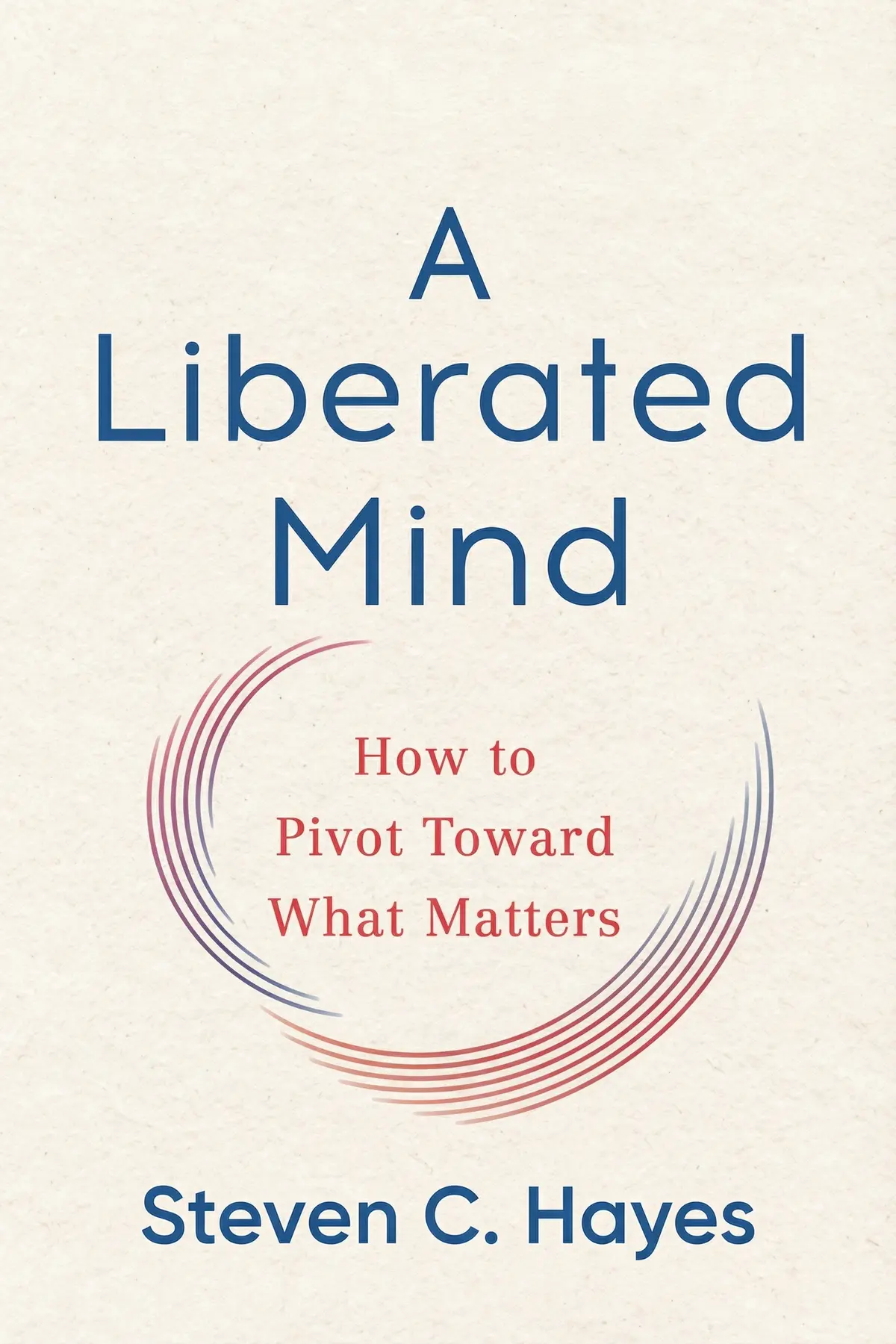
Steven C. Hayes
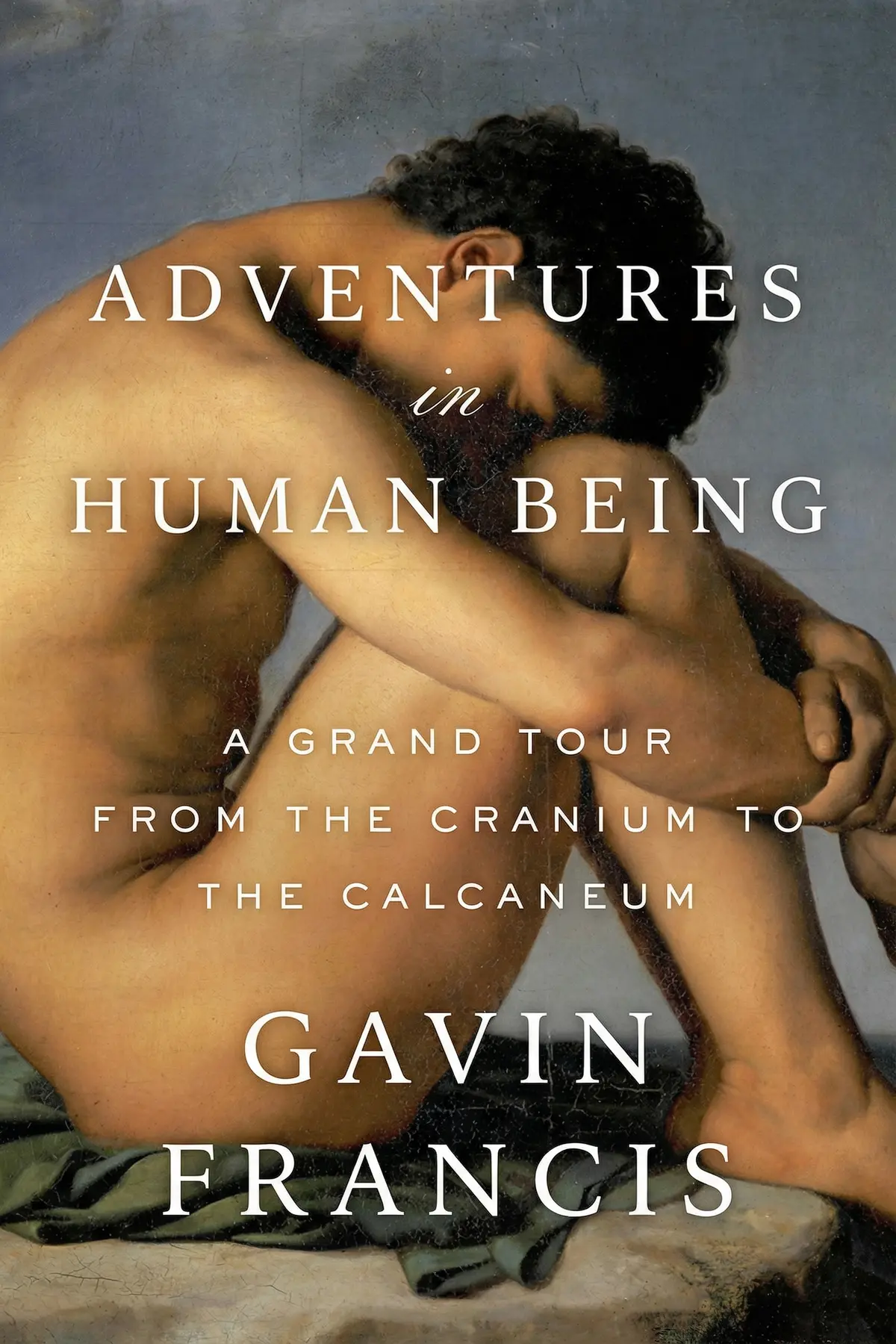
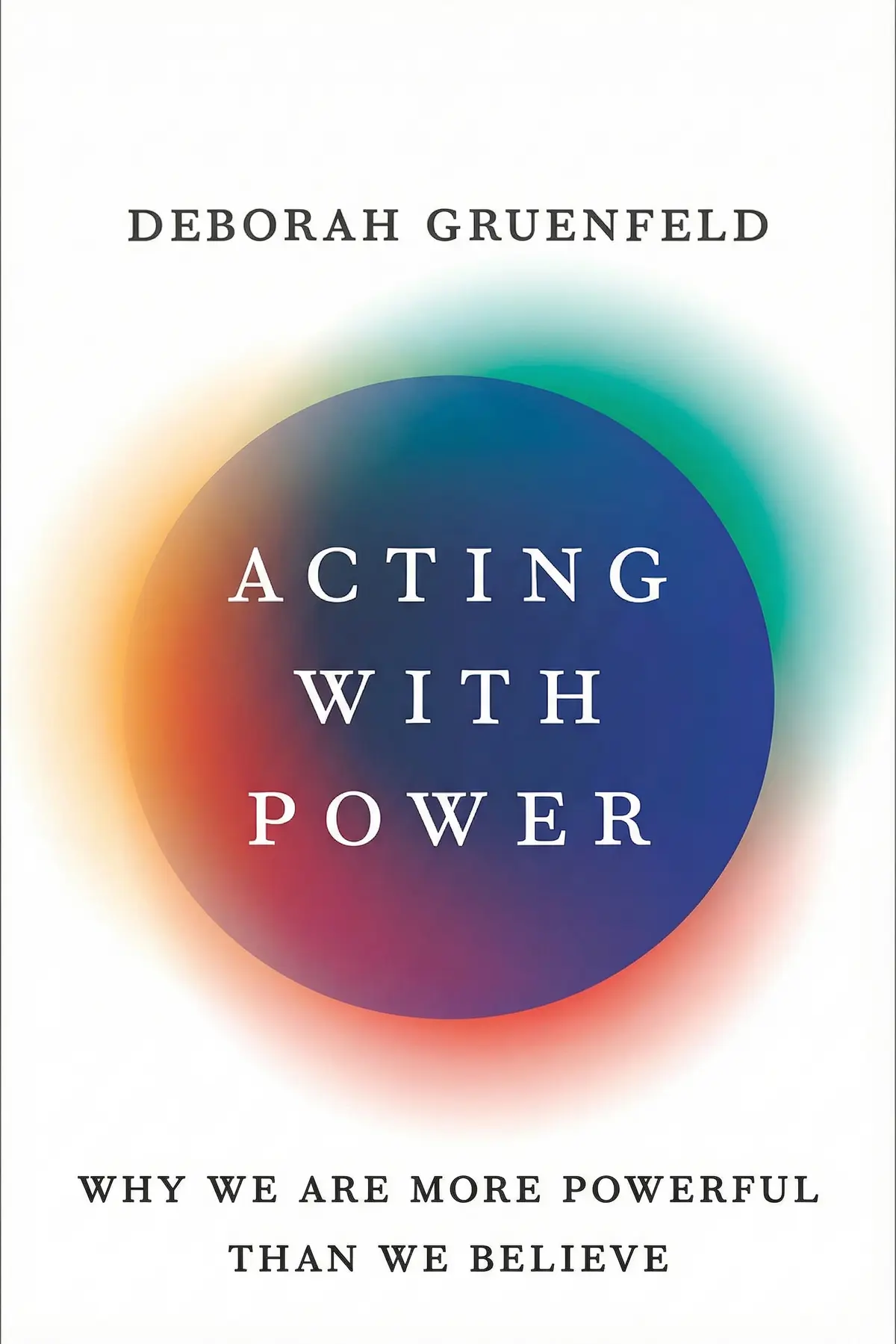
Deborah Gruenfeld
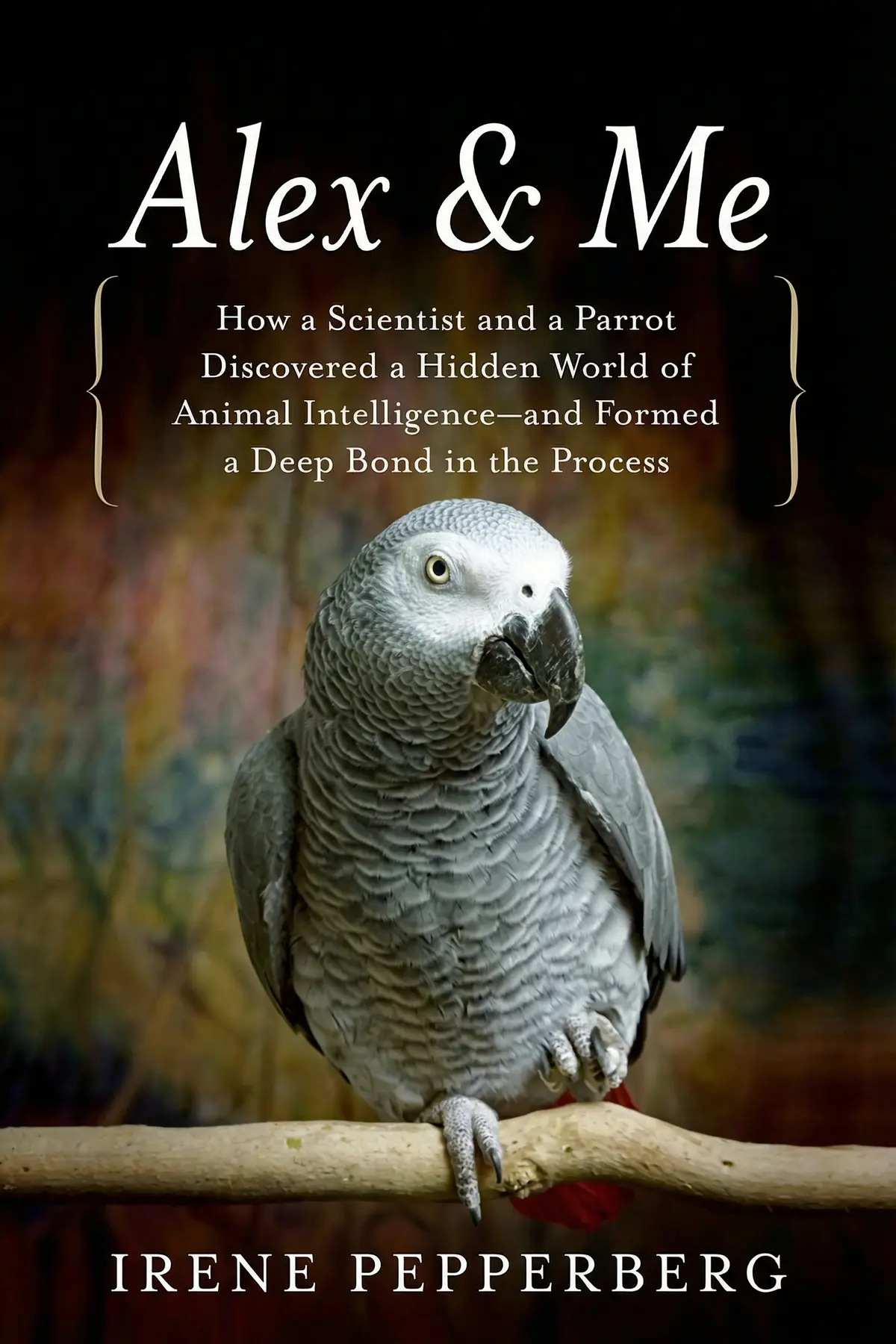
AUDIO SUMMARY AVAILABLE
Get the key ideas from Seven and a Half Lessons about the Brain by Lisa Feldman Barrett, plus 5,000+ more titles in English and Thai.







