
The Technology Trap: Capital, Labor, and Power in the Age of Automation
Carl Benedikt Frey
An investigation into why technological progress is a fragile cycle rather than a guarantee. It explores the competing forces of discovery and control that determine whether civilizations thrive or stagnate.
1 min 31 sec
We often view human history as an elevator that only goes up. We assume that because we have smartphones today, we will inevitably have starships tomorrow. But if you look at the long arc of time, you’ll notice that progress isn’t a steady climb; it’s a series of fits and starts, dramatic surges followed by centuries of standing still. Great empires that once led the world in science and engineering have, time and again, watched their creative engines seize up and stop.
This raises a vital question: Is progress a natural law, or is it a fragile cultural achievement that can be lost? In this exploration, we are going to look at the deep architecture of innovation. We will move past the usual talk of simple economics to uncover a fundamental conflict at the heart of every society—the struggle between the messy, chaotic need for new ideas and the disciplined, orderly need to scale those ideas for the masses.
As we journey through the rise and fall of different civilizations, you will see a recurring pattern. You’ll learn why fragmentation can actually be a superpower, why the most successful industrial systems of the past can become the biggest obstacles to the future, and why the current race for technological dominance might be leading us toward a dead end. By the time we’re finished, you’ll have a new framework for understanding the news, the economy, and the true fate of nations. Let’s dive into the mechanics of how progress really works—and how it might end.
3 min 59 sec
Explore the fundamental tension between the chaotic world of discovery and the disciplined world of mass production, and why societies must master both to survive.
3 min 28 sec
Witness how the world’s technological center shifted from China to Europe, revealing how political fragmentation can be a secret weapon for innovation.
3 min 15 sec
Uncover the strategies used by nations like Prussia and Japan to rapidly modernize by mastering the art of technological imitation.
3 min 21 sec
Learn why the rigid success of the post-war era became a liability during the computer age, and how a culture of job-hopping and competition saved the American economy.
3 min 32 sec
Examine the real limits of artificial intelligence and why the fate of progress depends on our willingness to embrace disruption over comfort.
1 min 51 sec
We have traveled from the high-tech water clocks of ancient China to the high-stakes labs of the mRNA revolution, and the lesson is always the same: progress is a choice, not a destiny. It is a fragile flame that requires the fuel of messy, uncoordinated exploration and the structure of disciplined, large-scale exploitation. But most of all, it requires the wisdom to know when to let go of the past.
As we’ve seen, the very systems that make a society successful today—the giant corporations, the efficient bureaucracies, and the stable social contracts—are often the very things that will try to block the innovations of tomorrow. Whether it’s the imperial officials of the Ming Dynasty or the corporate lobbyists of modern Washington, the impulse to prioritize the ‘known’ over the ‘unknown’ is a universal human trait.
The actionable takeaway from this journey is a call for institutional vigilance. We must be wary of ‘efficiency’ when it comes at the cost of experimentation. We must support policies that keep markets competitive and ensure that knowledge remains a flowing river rather than a stagnant pond. And we must recognize that while AI can help us optimize our current world, it cannot imagine a new one for us.
The story of human advancement is a story of people who were willing to be wrong, to be outsiders, and to disrupt the comfortable order of things. If we want to ensure that our era is not the one where progress ends, we must protect that spirit of disruption. We must choose the fertile chaos of the frontier over the quiet decay of the cage. The future is not a path already paved; it is a territory we must constantly rediscover.
Why do some societies leap forward with transformative inventions while others, once leaders, fall into long periods of decline? This summary explores the hidden mechanics of progress, revealing that advancement relies on a delicate tension between two different modes of organization: exploration and exploitation. By examining historical turning points—from the clockmakers of imperial China to the birth of the Industrial Revolution in Europe and the modern rise of Silicon Valley—we see how institutions designed for stability often become the very things that stifle the next breakthrough. The narrative offers a sobering look at how our current era of corporate consolidation and centralized control might be signaling a new age of stagnation, while challenging the idea that artificial intelligence alone can save us from institutional rot.
Carl Benedikt Frey is an economic historian based in Oxford. His work centres on the relationship between technology, economic development, and the future of work. He is Associate Professor of AI & Work at the Oxford Internet Institute, University of Oxford, and is also the author of The Technology Trap.
Carl Benedikt Frey
Listeners are struck by the expansive historical scope of this work, though some feel the main argument lacks unity and depends on cherry-picked evidence to bolster current political views. Many listeners also enjoy the captivating historical anecdotes and the author’s sharp examination of how institutions must navigate the tension between localized innovation and large-scale expansion. Furthermore, they appreciate the stimulating look at why technological advancement isn't a certainty, with one listener highlighting the book's “high idea-to-narrative ratio” and its power to disrupt assumptions about future development. They also point to the clear writing style, while another listener emphasizes the intriguing survey of different societies, from Song China to the Dutch Republic.
Ever wonder why we assume technology will just keep getting better forever? Frey dismantles this myth with chilling precision, showing how progress is an anomaly rather than a law of nature. The chapters on the Internet and the AT&T breakup were particularly illuminating for someone following the current AI boom. He writes with a clarity that makes complex economic history feel accessible, even when discussing the nuances of bureaucratic stagnation. It’s easily one of the most provocative books I’ve picked up this year. You won’t look at Silicon Valley the same way after finishing this. Not gonna lie, it's a wake-up call for our modern world.
Show moreAfter hearing about this on the FT Book of the Year shortlist, I had high expectations, and Frey largely exceeded them. The book’s central thesis—that we need to balance the chaos of innovation with the order of scaling—is a vital lesson for modern policy makers. I was fascinated by the comparison between the USSR’s failure and China’s current trajectory. Frey manages to weave together centuries of history without losing sight of the immediate challenges facing the West today. It is a rare work that manages to be both academically rigorous and deeply relevant to current headlines. Truly an impressive achievement in economic history.
Show moreLooking back at Frey’s previous work, 'The Technology Trap,' this feels like a natural and more ambitious successor. He successfully argues that technological dominance is never permanent, using the decline of the Dutch Republic as a poignant warning. The insight that innovation demands breaking rules while execution relies on following them is a perspective that shifted my thinking entirely. While the book skips over some ecological factors, the writing is sharp and the insights into institutional decay are spot on. It’s a heavy lift, but the intellectual payoff is well worth the effort for serious readers. A must-read for 2025.
Show morePicked this up because I’ve been fascinated by the concept of technological stagnation. Frey provides the best framework I’ve seen yet for understanding why some societies stop moving forward. The way he describes 'institutional inertia' as a fundamental barrier to progress is both terrifying and convincing. Unlike other dry history books, this one feels urgent, as if the lessons of the past are shouting at us to pay attention to our current political climate. I think the section on how AT&T's monopoly affected the internet's growth is worth the price of admission alone. This is top-tier economic history that doesn't pull any punches.
Show moreWhile the scope is undeniably impressive, the book demands your full attention to grasp the subtle interplay between decentralization and scale. Frey is at his best when he focuses on the mechanics of innovation, such as the specific conditions that allowed Victorian Britain to flourish. I found the analysis of modern Japan and the Soviet Union to be particularly sharp, showing how even the most dominant powers can stumble. It’s a smart, idea-dense book that will certainly unsettle your assumptions about future growth. I appreciated the intellectual honesty throughout the text, even when the conclusions felt a bit daunting.
Show moreIf you are interested in the political economy of innovation, you need to get your hands on this. Carl Benedikt Frey has a gift for making economic history feel like a high-stakes investigation. He brilliantly illustrates how the very structures we build to scale our success eventually become the cages that trap us in stagnation. The balance between breaking rules and following them is a tension I hadn't fully considered before reading this. It’s a refreshing look at why we can't take our standard of living for granted. It’s a long journey through history, but the destination is incredibly clear.
Show moreCarl Benedikt Frey delivers a sweeping investigation into why civilizations lose their innovative spark. The transition from Song China to the Dutch Republic provides a masterclass in how institutional inertia stifles growth. While the historical vignettes are incredibly engaging, I occasionally felt the author was tailoring the past to fit his specific views on modern fiscal policy. However, the core argument about the tension between decentralized exploration and centralized scaling is absolutely brilliant. It’s a dense read, yet rewarding for anyone interested in the long-term survival of our current economic engine. To be fair, some sections feel a bit repetitive, but the sheer volume of research makes it a worthwhile investment for history buffs.
Show moreWow, the sheer range of this work is staggering. Frey moves from ancient innovation to modern AI with a confidence that few historians can match. I particularly appreciated the nuanced take on how bureaucracy isn't always the enemy, but rather a tool that needs to be balanced against experimentation. The book is dense with ideas, forcing you to stop and reflect on almost every page. It’s not just a history lesson; it’s a manual for understanding the precarious nature of our own prosperity. My only complaint is that the writing can be a bit dry during the deep dives into institutional structures.
Show moreThis felt like a brilliant long-form essay that was unfortunately stretched into a 300-page book. Frey is clearly a luminary in his field, but the 'high idea-to-narrative ratio' actually makes the reading experience quite exhausting at times. I loved the early sections on the steam engine and Victorian Britain, but the connective tissue between chapters grew thin as the book progressed. Truth is, you can get the gist of his argument by reading the introduction and the conclusion. It’s a solid piece of scholarship, but it lacks the narrative flow needed to sustain such a grand historical journey. Personally, I expected more cohesion from a Financial Times shortlist contender.
Show moreFrankly, this was a massive disappointment given the pedigree of the author. While Frey covers a vast swathe of history, he seems to have decided on his conclusions before even gathering the evidence. The past is basically pressed into service of his own political preferences, distorting complex evolution to fit a very narrow, modern narrative about AI and fiscal policy. It felt like history was being quarried rather than truly explored or respected. If you’re looking for a serious meditation on stagnation, you might find the selective commentary to be oddly trivial. I wanted a scholarly study, but I got a demonstration of how to bend facts to support a pre-set agenda.
Show more
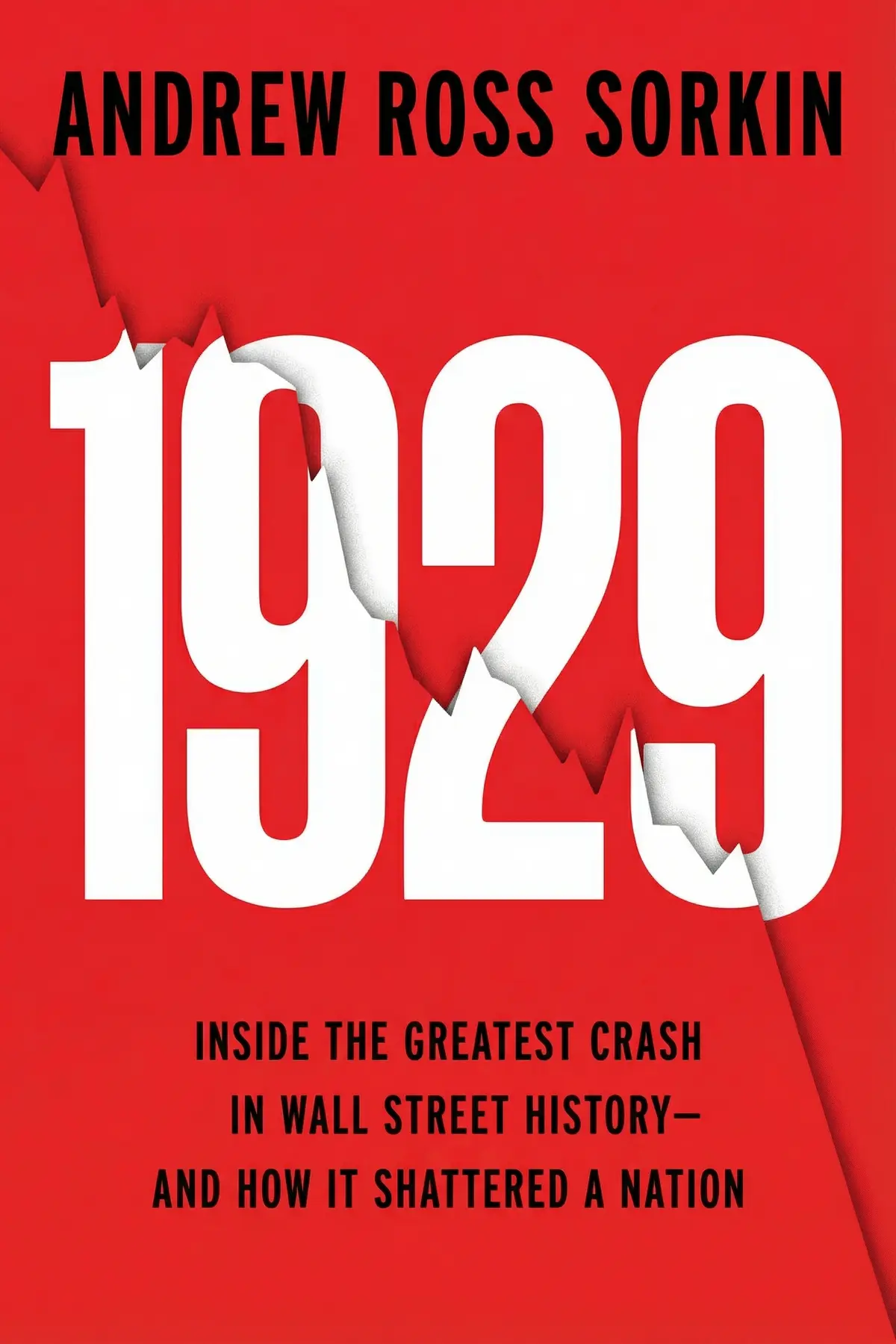
Andrew Ross Sorkin
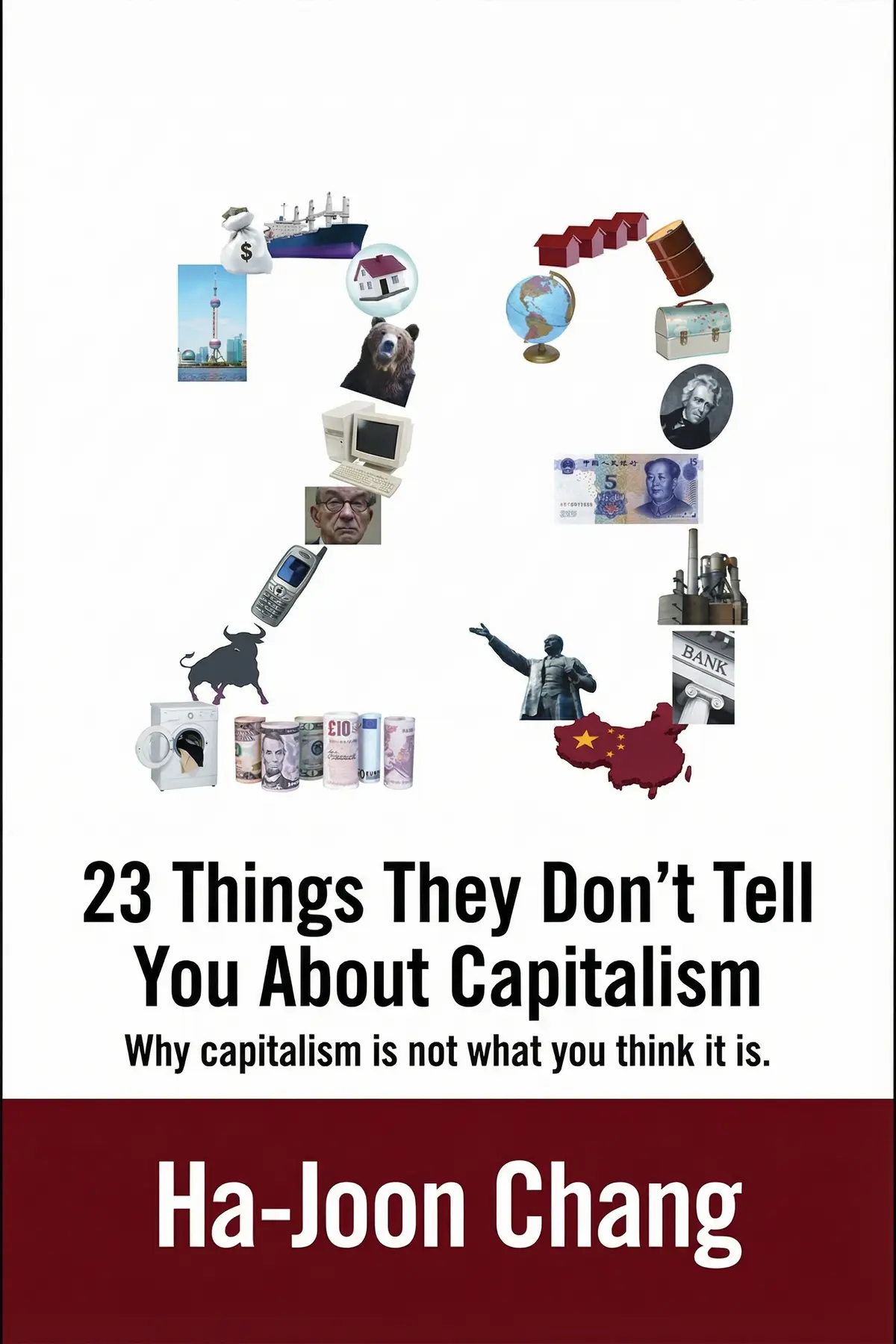
Ha-Joon Chang
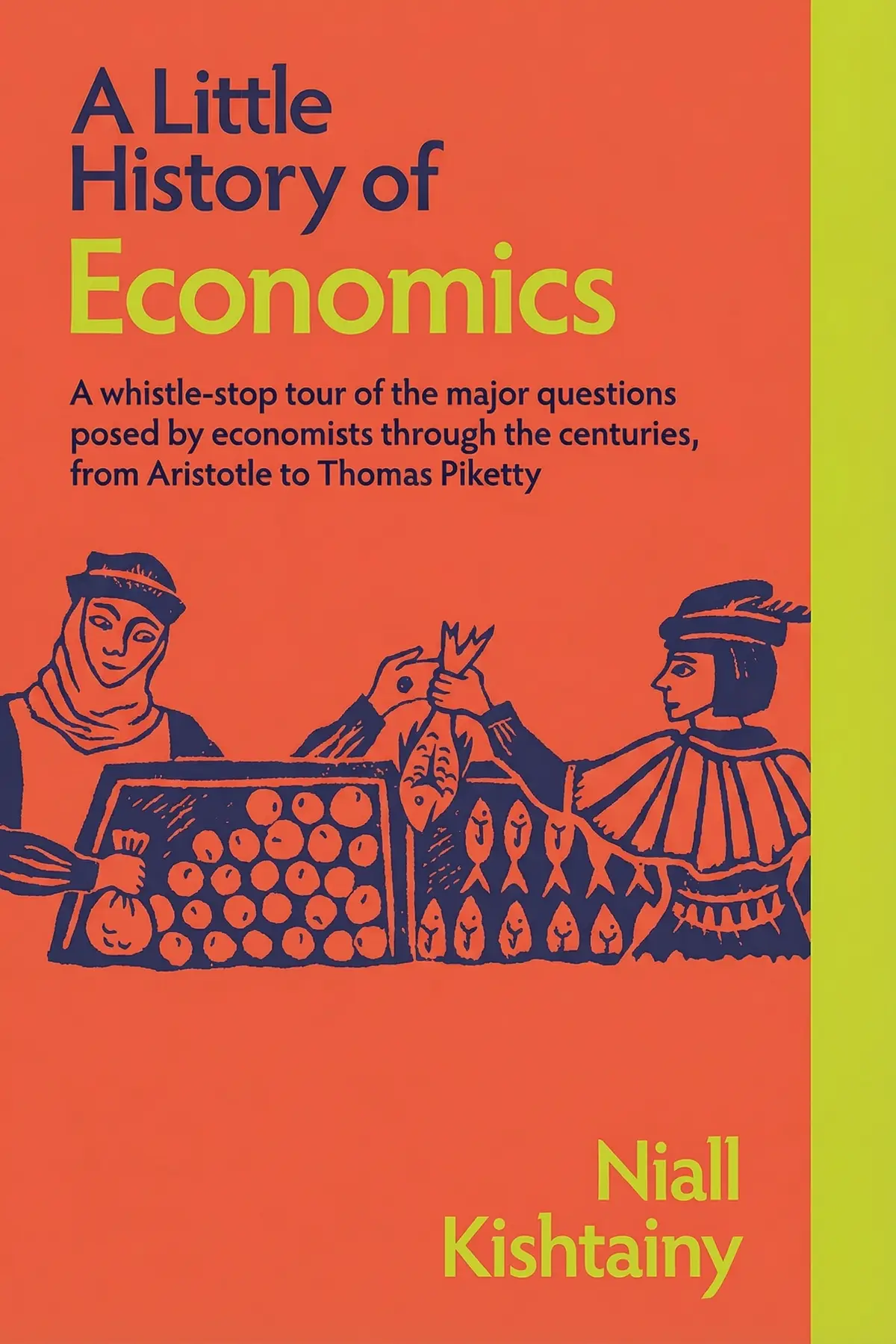
Niall Kishtainy
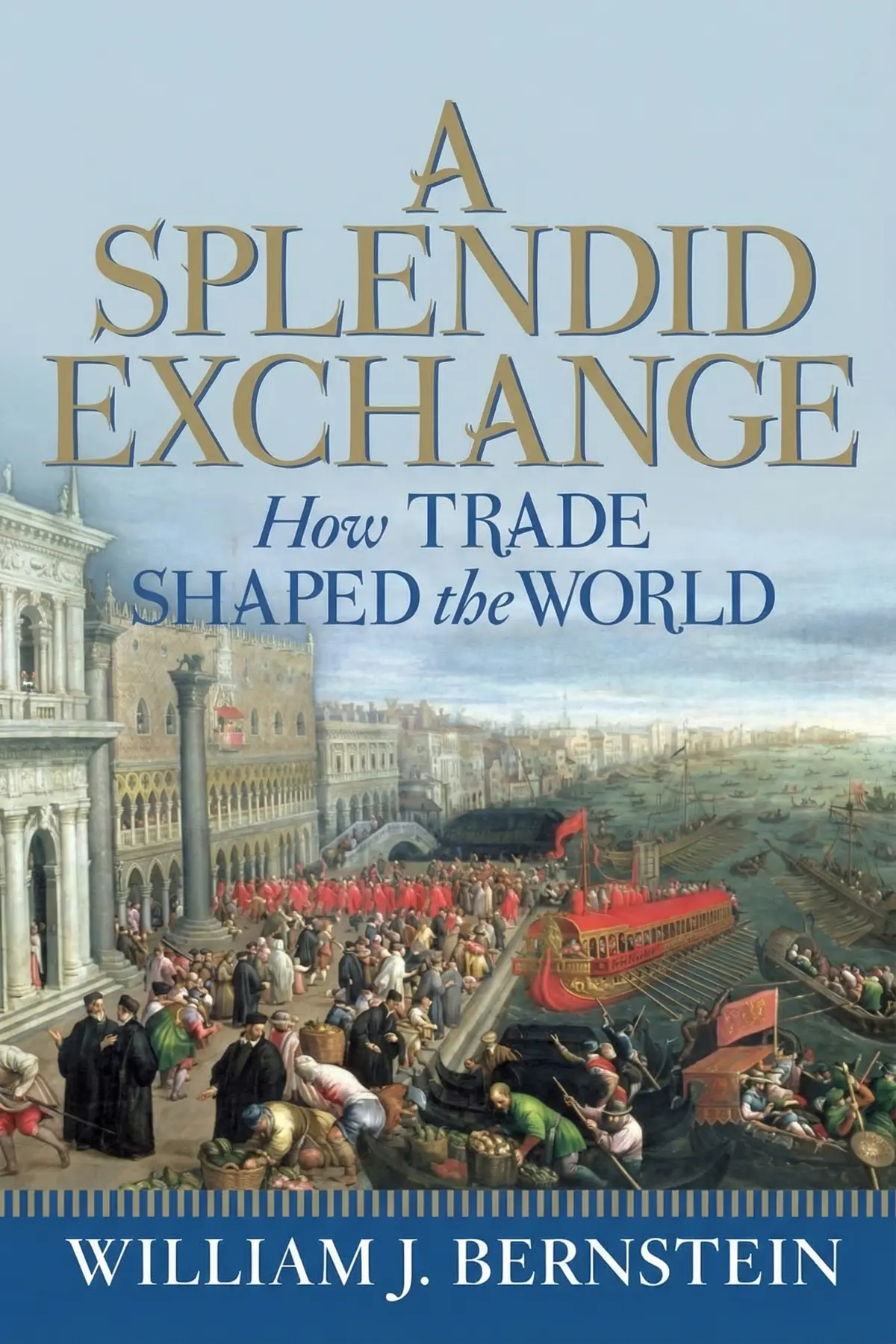
William J. Bernstein
AUDIO SUMMARY AVAILABLE
Get the key ideas from How Progress Ends by Carl Benedikt Frey, plus 5,000+ more titles in English and Thai.







