
15 min 11 sec
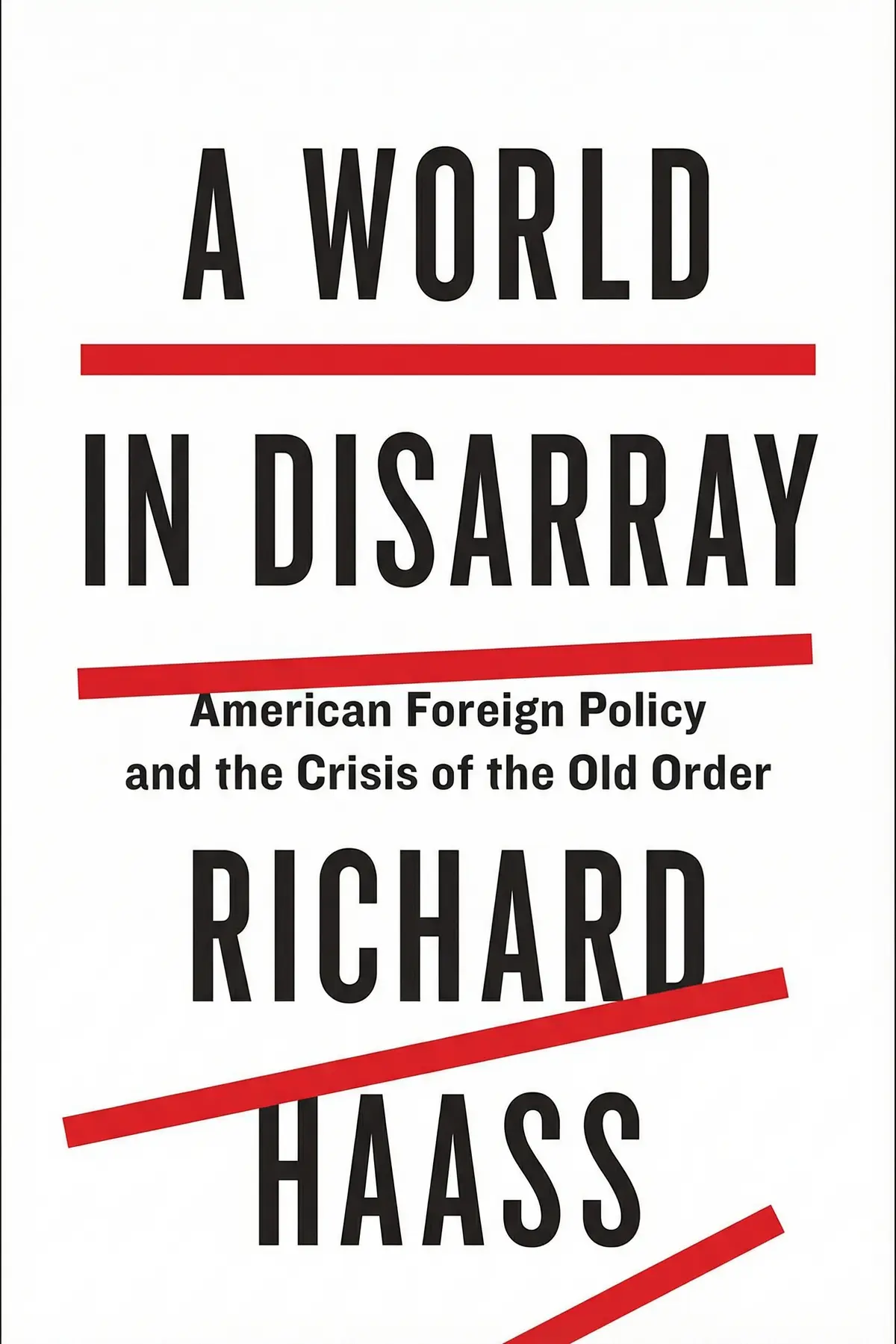
How Soccer Explains the World: An Unlikely Theory of Globalization
Franklin Foer explores how soccer serves as a powerful lens to view global politics, economic shifts, and cultural identity, proving the sport is much more than just a game played on grass.
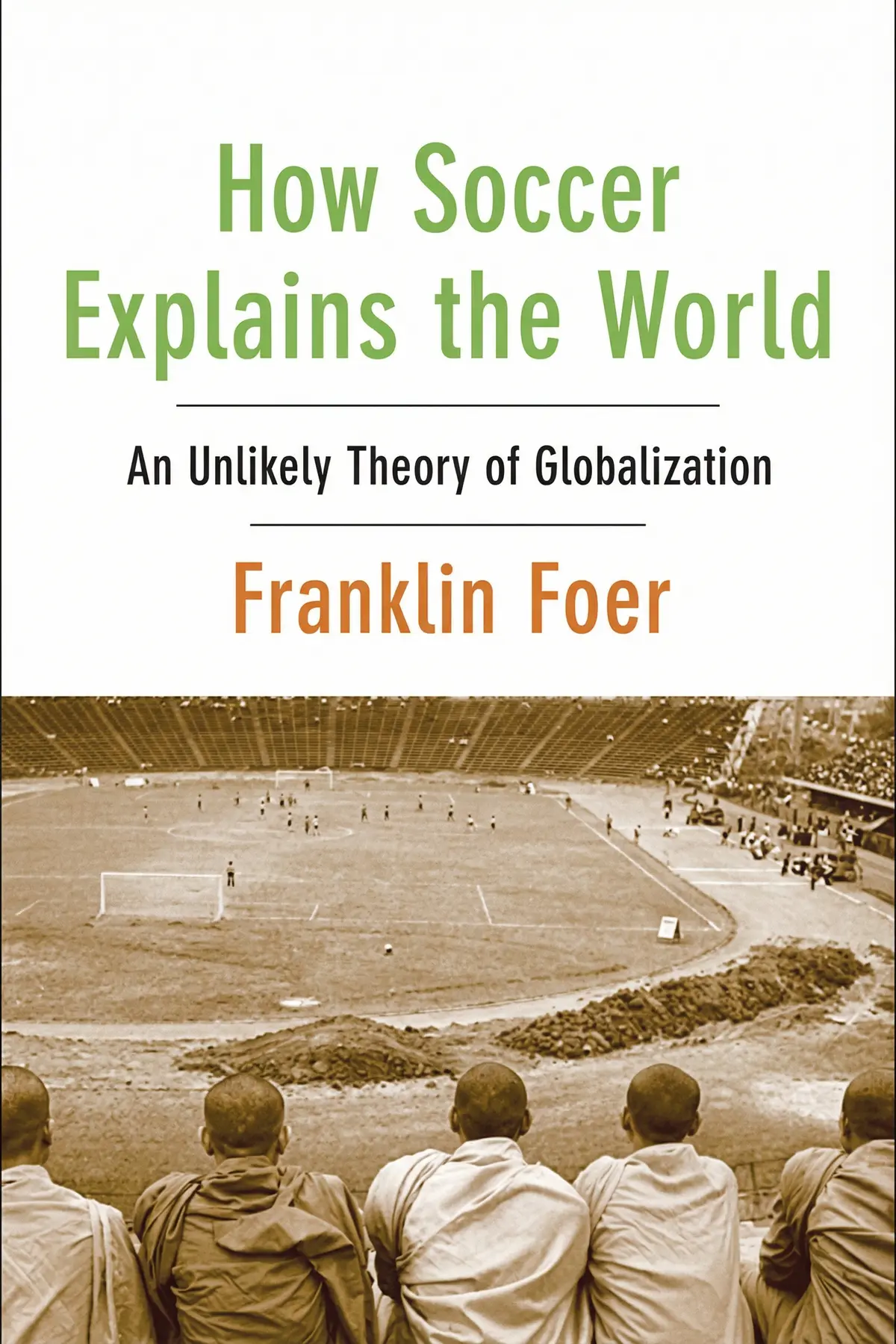
Table of Content
1. Introduction
1 min 23 sec
Have you ever paused to consider why a simple game involving twenty-two players and a ball can ignite such fierce passion that it occasionally sparks riots, dictates political campaigns, and even shapes the economic policies of entire nations? It is easy to dismiss soccer as merely a pastime or a form of mass entertainment, but if we look closer, we find that the sport functions as a perfect microcosm of our modern age. In this exploration of Franklin Foer’s work, we are going to look at the pitch not just as a field of play, but as a laboratory where the forces of globalization, tribalism, and cultural identity collide.
Our journey will take us across the globe, from the elite stadiums of Europe to the politically charged atmospheres of the Middle East and the complicated suburban landscapes of North America. The throughline here is simple yet profound: soccer provides a unique entry point into understanding the messy, complicated process of the world becoming more interconnected. We will see how the game mirrors the successes and failures of global integration, acting as a mirror for the best and worst of human society. By the time we are finished, you will see that when people talk about soccer, they are often talking about much more than a scoreline—they are talking about who they are, where they come from, and what kind of world they want to live in. So, let’s step onto the field and see how the beautiful game explains the complex world we inhabit today.
2. The Transformation of the Soccer Labor Market
2 min 29 sec
Explore how the shift from protected national icons to a globalized marketplace of players mirrored the broader economic changes of the late twentieth century.
3. The Persistence of Tribal Identity
2 min 40 sec
Discover why the promise of a borderless, unified world through globalization failed to erase the deep-seated, sectarian rivalries that define modern soccer.
4. Corruption and the Limits of Transparency
2 min 18 sec
Learn why the influx of international capital hasn’t been the ‘silver bullet’ many hoped would fix the deep-seated corruption in Brazilian soccer.
5. Soccer as a Catalyst for Social Revolution
2 min 26 sec
Follow the dramatic journey of soccer in Iran, from a tool of Westernization to a surprising platform for defiance and women’s rights.
6. The American Cultural Litmus Test
2 min 17 sec
Uncover why soccer has become a divisive symbol in the United States, representing a clash between traditional exceptionalism and a new global identity.
7. Conclusion
1 min 38 sec
As we pull back from our global tour of the soccer world, the throughline becomes clear: soccer is never just soccer. It is a mirror, a catalyst, and sometimes a shield. We’ve seen how the deregulation of the 1990s labor market mirrored the grand ambitions of globalization, only to find that deep-seated tribalism in places like Glasgow and São Paulo refused to be smoothed over by international capital. We’ve witnessed how the sport can become a revolutionary tool for social change in Iran, and how it serves as a polarizing cultural symbol in the United States.
What this teaches us is that globalization is not a simple, one-way street toward a unified world. It is a messy, friction-filled process where local identities and global forces are constantly negotiating for space. Soccer explains the world because it captures the human element of this struggle—the passion, the corruption, the hope, and the fear.
The actionable takeaway from this journey is to look past the surface of global trends. Whether you are looking at an international trade deal or a local cultural shift, ask yourself: how does this affect the ‘tribes’ people belong to? Who stands to profit, and whose identity is being challenged? By understanding the dynamics of the beautiful game, you gain a sharper lens through which to view the news, the economy, and the shifting social norms of the twenty-first century. Soccer reminds us that while we may all be playing on the same global field, we are often still playing by very different local rules.
About this book
What is this book about?
This summary investigates the complex relationship between the world's most popular sport and the forces of globalization. It traces how soccer reflects deep-seated ethnic tensions, economic corruption, and political revolutions across the globe. From the sectarian divides in Scotland to the struggle for women's rights in Iran, the narrative demonstrates that the pitch is where global conflicts are often most visible. It also examines why soccer faces unique cultural resistance in the United States and how the sport has transitioned from a local pastime to a massive global industry. Ultimately, this exploration promises to change how you view both the sport and the modern world, showing that soccer is a universal language that reveals uncomfortable truths about our shared humanity and the friction caused by a more connected planet. You will see how the game acts as a litmus test for a nation's soul and its progress toward or away from liberal modernization.
Book Information
About the Author
Franklin Foer
Franklin Foer is a journalist and author who writes on American culture and politics. He is a staff writer at the Atlantic and previously served as the editor of the New Republic. In addition to How Soccer Explains the World, Foer is the author of The Last Politician, a study of Joe Biden's administration, and the co-editor of Jewish Jocks.
Ratings & Reviews
Ratings at a glance

What people think
Listeners find this work compelling and entertaining, especially enjoying the way it utilizes soccer to examine various societies and the effects of globalization. The prose is lauded as incredible, and listeners consider it a mandatory read for soccer enthusiasts, with one review noting its journalistic perspective. They appreciate the historical depth and individual narratives, with one listener drawing attention to the detailed club histories.
Top reviews
Arnav
Finally got around to reading this classic and it’s easy to see why it’s a must-read for any football fan. Foer's ability to weave together the grit of hooliganism with the deep-seated religious tensions of the Glasgow clubs is absolutely masterful. I was particularly moved by the section on the Iranian national team and the role of women in that football culture; it felt so pertinent to today’s headlines. The book is less about the technical aspects of the game and more about the soul of the nations that play it. Some might find the lack of a cohesive 'globalization theory' annoying, but I found the loose structure refreshing. It allowed the author to follow his curiosity into the dark corners of the sport, from corrupt oligarchs to the heartbreaking reality of Pele’s legacy in Brazil. It’s an amazing, essential piece of sports journalism that I will definitely be recommending to my friends before the next World Cup starts.
Show moreEli
Wow, what a ride through the underbelly of the beautiful game. This book is an absolute masterpiece of social commentary. I was fascinated by the way Foer linked the rise of hooliganism in England to broader societal shifts, and his analysis of the situation in Iran was incredibly prescient. Every chapter feels like a new discovery. One moment you're in the middle of a sectarian clash in Glasgow, and the next you're looking at the weird, corrupt world of Italian refereeing. It captures the ecstasy and the anguish of being a fan perfectly. The book is filled with these little nuggets of history that I had never heard before, like the specific ways Hristo Stoichkov assimilated into Barcelona. If you love the sport, you'll love the passion Foer brings to the page. If you hate the sport, you might still enjoy the politics. It’s just a damn good book that manages to be both entertaining and deeply informative at the same time.
Show moreJai
This book functions as a series of sharp, journalistic snapshots rather than a unified theory. Foer’s writing style is punchy and engaging, making complex geopolitical shifts feel personal and immediate. I loved the deep dive into the Old Firm rivalry between the Glasgow Rangers and Celtic, showing how religion still dictates the pulse of the city. While the overarching 'theory' of globalization is a bit thin, the individual vignettes are masterclasses in cultural reporting. He covers everything from the corruption in Brazilian football to the surprising resilience of local identities in the face of a changing world. It is a fantastic read for anyone who wants to see the sport as something more than just twenty-two men chasing a ball for ninety minutes. To be fair, the section on the American game felt a bit like an afterthought compared to the rich histories of the European clubs, but the rest of the book more than makes up for that slight dip in quality.
Show moreBella
As someone who barely knows the difference between a striker and a sweeper, I found Foer’s storytelling incredibly accessible. He has a real knack for finding the human pulse inside these massive geopolitical movements. Picked this up for a book club and was surprised by how much I enjoyed the chapters on Barcelona and the complexities of Catalan identity. It’s a fascinating look at tribalism and how sport becomes a surrogate for war or political protest. The book is definitely dated in some areas—it was written in 2004, after all—but the core themes of corruption and national identity still ring true today. I particularly appreciated the way he handled the history of hooliganism without glamorizing it. My only gripe is that it can feel a bit fragmented at times. Still, it’s an enjoyable journey through global culture that uses soccer as a very effective Trojan horse to teach you some history.
Show moreMilk
The chapter on the Old Firm rivalry in Glasgow is worth the price of admission alone. It perfectly captures how a team's culture can remain stagnant and tribal even while the world around it changes. Foer does an excellent job of showing that while players are being bought and sold like commodities, the fans often cling to their old-world prejudices with a frightening intensity. His journalistic approach makes the prose fly by, and he isn't afraid to call out the corruption in places like Brazil and Italy. The stories about Hristo Stoichkov at FC Barcelona were especially enlightening. In my experience, most sports books are either too dry or too obsessed with stats, but Foer finds a middle ground that is both intellectual and deeply emotional. It’s a great piece of work, even if the 'explanation' of globalization feels a bit forced toward the end. Definitely a must-read for anyone who loves the beautiful game.
Show moreSiriphen
Gotta say, the section on Brazilian soccer was heartbreakingly good, especially the parts that deconstruct the myth of Pele. It’s a cynical but necessary look at how corruption can rot a nation's soul from the inside out. Foer writes with a clear passion for the game, yet he maintains enough distance to critique the toxic elements of fan culture. From the religious divides in Scotland to the racial tensions in European clubs, he covers a lot of ground in a relatively short book. The writing is top-notch—very readable and often quite funny. I appreciated the specific details about the different local 'futbol' cultures that you just don't get from watching a standard match broadcast. While I agree with other reviewers that the 'globalization' aspect is more of a loose theme than a rigorous theory, the quality of the reporting is so high that it hardly matters. It’s a fascinating, if sometimes bleak, look at our world.
Show moreSamart
Football isn't just a game; it’s a mirror held up to society, and Foer captures those reflections perfectly in this book. He explores the history of the sport with a keen eye for detail, talking to real hooligans and examining the tragedies that have shaped the modern game, like Hillsborough and Heysel. I found the section on the 'Old Firm' to be particularly enlightening, as it explains a rivalry that is about so much more than just what happens on the pitch. The writing style is fantastic—journalistic yet personal. He manages to convey the joy and despair that comes with being a supporter while also analyzing the larger political forces at play. While some of the chapters are stronger than others, the book as a whole is a fascinating exploration of how local cultures survive in a globalized era. It’s the perfect companion for anyone who wants to understand why people care so deeply about this sport.
Show moreEye
Ever wonder if the title 'How Soccer Explains the World' is a bit of an oversell? Truth is, while Foer doesn't actually provide a grand unifying theory of globalization, his individual case studies are undeniably gripping and well-researched. He fails to connect all the dots into a single thesis, but the anecdotes he provides—like the clash of cultures at Red Star Belgrade—are fascinating. You get a real sense of how local traditions refuse to die out even as players are exported and imported across borders. Personally, I found the chapters on the Middle East and the corrupt Brazilian systems to be the highlights. However, if you are looking for a dense economic text on global trade, this isn't it. It is more of a travelogue through the lens of a fan. It’s a solid three-star effort that probably would have been a five-star book if it didn't try so hard to be an academic 'explanation' of the entire world.
Show moreTeng
After hearing so much hype about this being the 'soccer bible' for intellectuals, I left feeling slightly underwhelmed. The individual stories are fine—the stuff about Red Star Belgrade and the Nigerians playing in Serbia was interesting—but they don't really add up to much. Frankly, the title feels like a bit of a bait-and-switch. He provides a series of vignettes that are fun to read, but he never quite proves his thesis about how soccer explains globalization. The society doesn't change as much as he suggests; the same old rivalries and corruptions just keep on going under new names. It’s a decent collection of anecdotes, but it lacks the 'big picture' thinking I was hoping for. The section on the US was particularly weak and felt like he was struggling to find a point to make. It’s worth a read if you’re a die-hard fan, but don't expect it to change your worldview.
Show moreStella
Not what I expected given the lofty promises made on the front cover. Look, the writing itself is decent, but the connection between the local anecdotes and the global economic shift feels incredibly flimsy at best. The title is completely misleading; soccer isn't explaining the world here, it's just being used as a backdrop for some mildly interesting stories about fan culture. He focuses way too much on European clubs and the section on America is especially weak and biased. I didn't learn much about globalization that I didn't already know, and the 'vignettes' didn't really build toward any significant conclusion. It felt like a collection of magazine articles stapled together. If you want a deep dive into soccer history, there are better books out there. If you want a theory on the global economy, this definitely isn't the one. It’s fine for a casual airplane read, but don't expect it to actually explain the world to you.
Show moreReaders also enjoyed

Abolish Rent: How Tenants Can End the Housing Crisis
Tracy Rosenthal
Ali: A Life
Jonathan Eig
Abortion: Our Bodies, Their Lies, and the Truths We Use to
Jessica Valenti

Adults in The Room: My Battle With Europe’s Deep Establishment
Yanis Varoufakis
21 Lessons for the 21st Century
Yuval Noah Harari

A Different Kind of Power: A Memoir
Jacinda Ardern
Age of Anger: A History of the Present
Pankaj Mishra
AUDIO SUMMARY AVAILABLE
Listen to How Soccer Explains the World in 15 minutes
Get the key ideas from How Soccer Explains the World by Franklin Foer, plus 5,000+ more titles in English and Thai.
- 5,000+ titles
- Listen as much as you want
- 7-day free trial
- Cancel anytime







