
21 min 46 sec
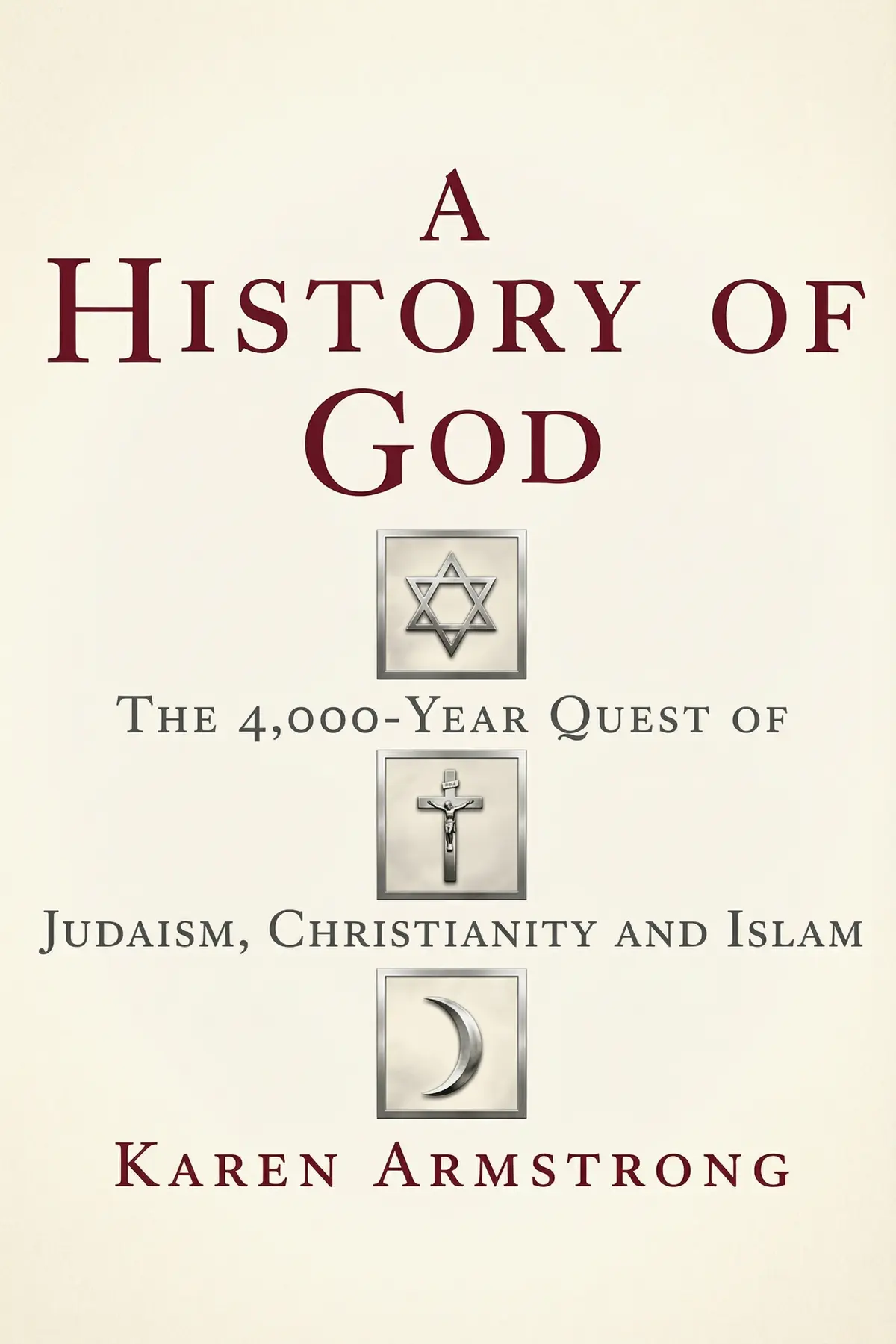
How the Word Is Passed: A Reckoning with the History of Slavery Across America
By Clint Smith
Clint Smith explores the physical landscape of American slavery, visiting historical sites to uncover how the history of bondage is remembered, distorted, or ignored in our collective national memory today.
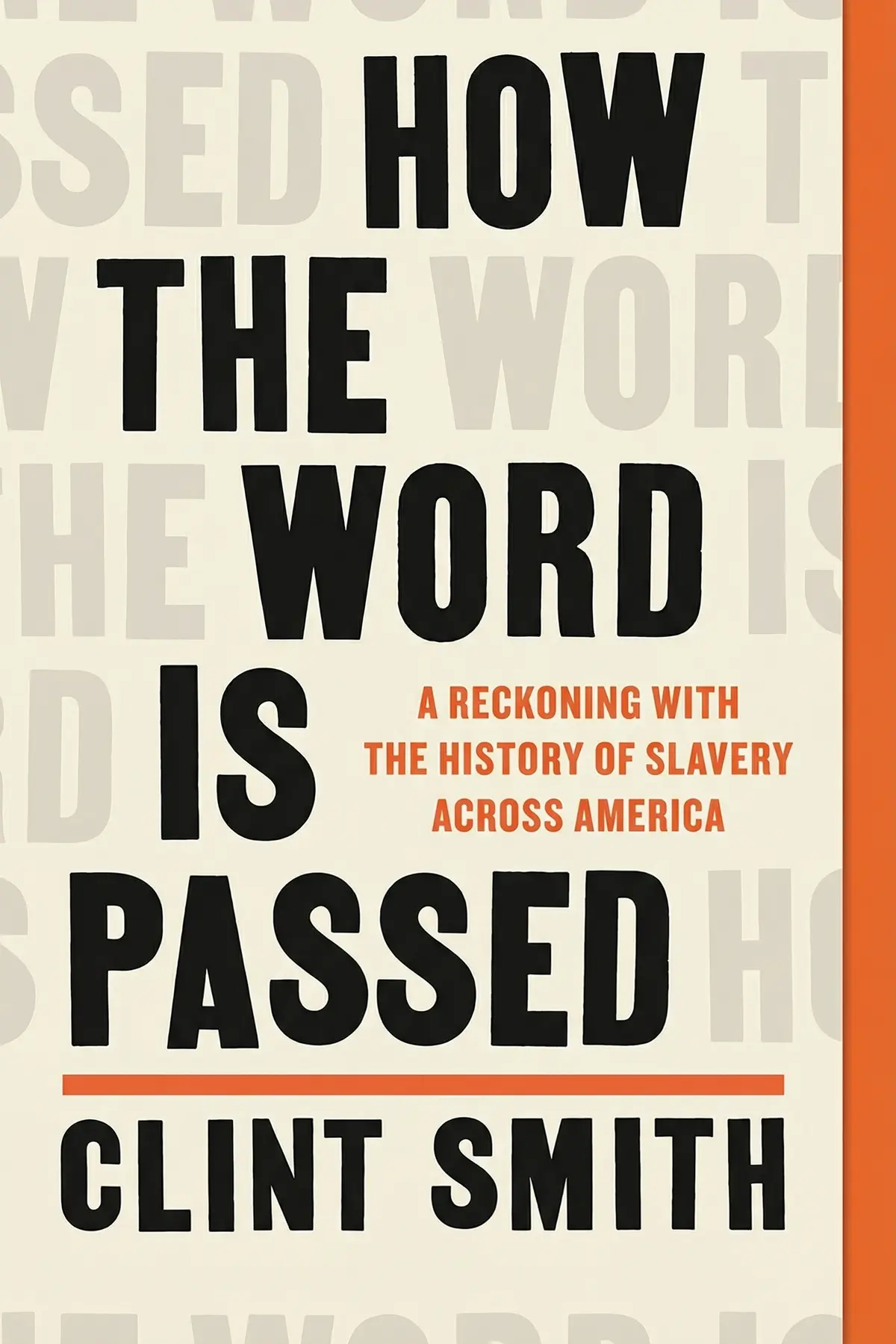
Table of Content
1. Introduction
1 min 39 sec
Think about the last time you visited a historical monument or an old, stately building. You likely felt a sense of connection to the past, a feeling that the bricks and stones were whispering stories of the people who came before us. But what happens when those whispers are incomplete? What happens when the stories we are told at these sites are sanitized, edited, or even completely fabricated?
In Clint Smith’s profound exploration, we are invited to look closer at the physical markers of American history. We often treat the past as if it were a finished book, shelved away and gathering dust. But the reality is that the history of enslavement in America is not just a chapter in a book; it is the very foundation upon which the country was built. It is woven into the names of our streets, the soil of our parks, and the structures of our legal system.
As we embark on this journey, we’ll travel alongside Smith as he visits nine distinct locations that served as touchstones for the institution of slavery. We will start in his own backyard of New Orleans and travel across the ocean to the coast of Senegal. Along the way, we will encounter people who are desperately trying to preserve the truth, and others who are working just as hard to keep it buried.
This isn’t just an academic exercise. It’s a reckoning. It’s an attempt to bridge the gap between what actually happened and what we choose to remember. Through these stories, we begin to see that the way we tell the history of slavery tells us everything we need to know about who we are as a nation today. By the end of this journey, you’ll understand why the word is passed from one generation to the next, and why getting that word right is the only way to move toward a more just future.
2. The Hidden Landscape of New Orleans
2 min 12 sec
Walk through the vibrant streets of the French Quarter to discover how one of America’s most famous cities is actually a living memorial to the slave trade.
3. The Duality of Thomas Jefferson
2 min 11 sec
A visit to the majestic Monticello plantation reveals the unsettling tension between the man who wrote about liberty and the man who profited from human bondage.
4. Focusing on the Enslaved at the Whitney Plantation
2 min 10 sec
Contrast the typical ‘pretty’ plantation tour with a visit to a site that prioritizes the lived experiences and the brutal realities of those who were held captive.
5. The Direct Line from Plantation to Prison
1 min 54 sec
Explore the unsettling parallels between chattel slavery and the modern American carceral system at the Louisiana State Penitentiary.
6. The Power of the Lost Cause Myth
2 min 01 sec
Visit a Confederate cemetery to understand how the ‘Lost Cause’ narrative was used to rewrite the history of the Civil War and justify racial segregation.
7. The Meaning of Freedom and Juneteenth
1 min 54 sec
Journey to Galveston, Texas, to witness the celebration of Juneteenth and reflect on the violent and uneven process of ending slavery in America.
8. Slavery as a Foundation of the North
1 min 55 sec
Break down the myth that slavery was only a Southern issue by exploring the deep financial and social roots of human bondage in New York City.
9. The Global Memory of the Door of No Return
1 min 55 sec
Travel to Senegal to explore the House of Slaves and consider why the emotional truth of a historical site can be more important than exact statistics.
10. History as a Living Legacy
2 min 01 sec
Smith turns the lens on his own family, realizing that the history of slavery is not a distant past, but a lived experience for the people he loves.
11. Conclusion
1 min 54 sec
As we reach the end of this journey with Clint Smith, it’s worth reflecting on the path we’ve taken. From the busy markets of New York to the quiet graves in Virginia, and from the fields of a modern prison to the shores of Senegal, we’ve seen how the history of slavery is etched into the very landscape of our world.
What we’ve discovered is that history is not a static set of dates and names. It is a living, breathing thing that we interact with every day, whether we realize it or not. We’ve seen the danger of nostalgia—the way it can be used to hide the truth and protect our own comfort. We’ve also seen the power of honest reckoning—the way it can humanize the forgotten and provide a foundation for justice.
Perhaps the most important takeaway is the realization of how close this history truly is. When we hear the words ‘I lived it’ from the generation that came just before us, we realize that the struggle for freedom and equality is not ancient history. It is a contemporary challenge. The institutions and systems that were built to support slavery did not simply vanish with the signing of a proclamation; they evolved, and they continue to influence our lives today.
So, what do we do with this knowledge? The answer lies in the title itself. We must ensure that the word is passed. We must commit ourselves to learning the true history of our communities, our cities, and our country. We must be willing to look at the ‘unhappy influences’ of our past and confront the myths we’ve been told.
This isn’t about guilt; it’s about responsibility. It’s about recognizing that we are the stewards of this history. By choosing to remember truthfully, we honor the millions who were denied their humanity, and we take a vital step toward creating a nation where ‘all men are created equal’ is not just a phrase on a piece of paper, but a lived reality for everyone. The past has shaped us, but it doesn’t have to define our future. That part of the story is still being written, and it’s up to us to get it right.
About this book
What is this book about?
How the Word Is Passed takes listeners on an immersive journey through the geographic heart of the American slave trade. Author Clint Smith visits iconic locations—from the plantations of Virginia and Louisiana to the streets of Manhattan and the coast of West Africa—to see how these places tell their own stories. Some locations attempt to honestly reckon with their dark pasts, while others lean into nostalgia or outright denial. Through these visits, the book reveals how the legacy of slavery is not a distant relic but a living force that continues to shape modern politics, economics, and social structures. It offers a profound look at the difference between history—the facts of what happened—and memory—the stories we tell ourselves to feel better about the past. Ultimately, the book promises a deeper understanding of the American identity and the necessary steps toward a true national reckoning.
Book Information
About the Author
Clint Smith
Clint Smith is a staff writer at the Atlantic and the author of Counting Descent, an award-winning book of poetry. His writing has also appeared in the New Yorker, the New York Times Magazine, the Paris Review, and Poetry, among others. Smith has been awarded fellowships from the Art for Justice Fund, Cave Canem, New America, and the National Science Foundation. He holds a BA in English from Davidson College and a PhD in Education from Harvard University.
Ratings & Reviews
Ratings at a glance
What people think
Listeners find this title to be essential reading, commending the elegant narrative style and deep research that uncovers new details in every single chapter. Furthermore, they are moved by the compelling storytelling and poignant pacing, as one listener points out its ability to facilitate sincere conversation. Additionally, listeners appreciate the exploration of why history matters, describing the book as both enlightening and intellectually stimulating.
Top reviews
Rapee
This book is a gut-punch that somehow manages to be lyrically beautiful at the same time. Clint Smith travels to various sites—from Monticello to the Whitney Plantation—to show how the story of slavery is woven into the very fabric of our landscape. I was particularly struck by the chapter on the Angola Prison, which reveals the horrific continuity of forced labor in the American South. Smith doesn’t just give you dates and figures; he introduces you to the people currently interpreting this history, showing the tension between myth and reality. The prose feels rhythmic, likely a carryover from his background in poetry, making the heavy subject matter digestible without stripping away its gravity. It's an essential reckoning that forced me to look at my own surroundings with a much sharper lens.
Show moreThawee
Wow, I am truly moved after finishing this, particularly the final chapters on Goree Island and the 'Door of No Return.' Clint Smith has a gift for taking these massive, overwhelming historical tragedies and anchoring them to specific, physical places that you can almost feel through the pages. The way he interrogates the duality of Thomas Jefferson—the man who penned the words of freedom while enslaving hundreds—is handled with such nuance and care. It’s a powerful testament to why we can’t just 'move on' from history when its architecture is still standing all around us. The pacing is deliberate, allowing the weight of each location to sink in before moving to the next. This isn't just a book you read; it's a book you experience and carry with you long after the final page.
Show moreKan
As someone who grew up in the South, I thought I knew the history of these landmarks, but Smith proved me wrong on almost every page. The chapter on Blandford Cemetery was especially haunting, highlighting how the 'Lost Cause' narrative is still being actively maintained and curated today. He has this incredible ability to talk to people on both sides of the history—tour guides trying to tell the truth and visitors who are still clinging to comfortable myths. It’s a carefully researched narrative that never feels dry because the author’s own emotional journey is so present in the text. This should be required reading in every high school history class across the country. It’s more than just a history book; it’s a tool for honest dialogue.
Show morePat
The chapter on the Angola Prison is worth the price of the book alone. Smith manages to connect the dots between the 19th-century plantation system and modern-day incarceration in a way that is both intellectually rigorous and deeply moving. He doesn’t just stay on the surface; he digs into the soil of these places to show how the past hasn't actually passed. I loved how he integrated the voices of the people he met during his travels, from those seeking the truth to those actively avoiding it. It’s a beautifully written journey that challenges you to interrogate the stories you’ve been told since childhood. If you think you know American history, this book will remind you that there is always more beneath the surface.
Show moreMeen
Finally got around to reading this after my book club recommended it, and I’m so glad I didn't wait any longer. Smith’s background as a poet shines through in every sentence, turning what could have been a dry history lesson into something that feels urgent and alive. The exploration of Galveston and the origins of Juneteenth offered so much more depth than the snippets I've seen in the news lately. He has this way of describing a scene—the heat, the moss, the stones—that makes you feel like you're standing right there next to him. This book provides the kind of context that is missing from so many textbooks. It’s a masterclass in how to teach history with empathy and honesty.
Show moreSkylar
Not what I expected at all, in the best way possible. I thought this would be a standard chronological history of slavery, but instead, it’s a geographic journey that maps the legacy of the institution across the world. The writing is stunning, and the pacing allows for moments of quiet reflection amidst the heavy data. Smith’s ability to weave his own family history into the epilogue brought the whole project home for me, showing that this isn't just about the 'past'—it's about people who are still here. It’s a moving, thought-provoking work that should be in everyone's hands. We need more writers like Clint Smith who are willing to confront the 'Door of No Return' with such bravery.
Show moreWachira
Picked this up after seeing it on every 'Best of' list, and it definitely lived up to the hype, though it's a heavy read. I found the section on New York City especially eye-opening because, like many people, I was taught that slavery was almost exclusively a Southern issue. Learning about how Wall Street and Central Park are tied to this legacy was a jarring but necessary realization. Smith’s writing style is very approachable; he blends journalistic interviews with his own personal reflections in a way that feels like a conversation rather than a lecture. My only minor gripe is that some chapters felt a bit longer than they needed to be to make their point. Still, it provides such important context for anyone trying to understand the current state of race relations in the U.S.
Show moreAkosua
To be fair, this isn’t necessarily a scholarly academic text, but it is one of the most impactful books I’ve read in years. Clint Smith takes a very personal approach, which might bother some purists who want a more detached historical analysis, but I found it made the facts hit much harder. The way he describes the descendants of Sally Hemings and the ongoing legacy of the Jefferson family was particularly well-done. It’s a real look at living history, showing how our current landscape is essentially a graveyard of secrets. I did find the transitions between some of the chapters a bit abrupt, but the quality of the storytelling makes up for it. It's a sobering but necessary look at the ugly truth of our nation's origins.
Show moreDaranee
It’s rare that a book makes me completely re-evaluate the physical spaces I walk through every day, but this one did exactly that. After reading the section on the slave trade's deep roots in the North, I can't look at certain parts of New York City the same way. The information is presented in such an engaging, narrative style that you almost don't realize how much you're learning until you're halfway through. In my experience, it’s a devastating read at times, but Smith’s voice is so compassionate that you feel guided through the darkness rather than abandoned in it. I would have liked a little more detail on some of the earlier colonial history, but as a reckoning with the American landscape, it’s nearly perfect.
Show moreLaddawan
Ever wonder why we remember some parts of history while completely erasing others? That's the core question here, and while the message is incredibly vital, I found the execution to be a little uneven at times. Smith is an amazing writer, but some of the anecdotal segments with other tourists felt repetitive after a while, hitting the same 'willful ignorance' beat repeatedly. Frankly, the research is top-notch and the information about the Whitney Plantation was completely new to me, but I wish the book had been about 50 pages shorter to keep the momentum tighter. It’s an important contribution to the conversation on systemic racism, but it felt more like a collection of long-form essays than a cohesive narrative. It's worth reading, but be prepared for a slower pace.
Show moreReaders also enjoyed
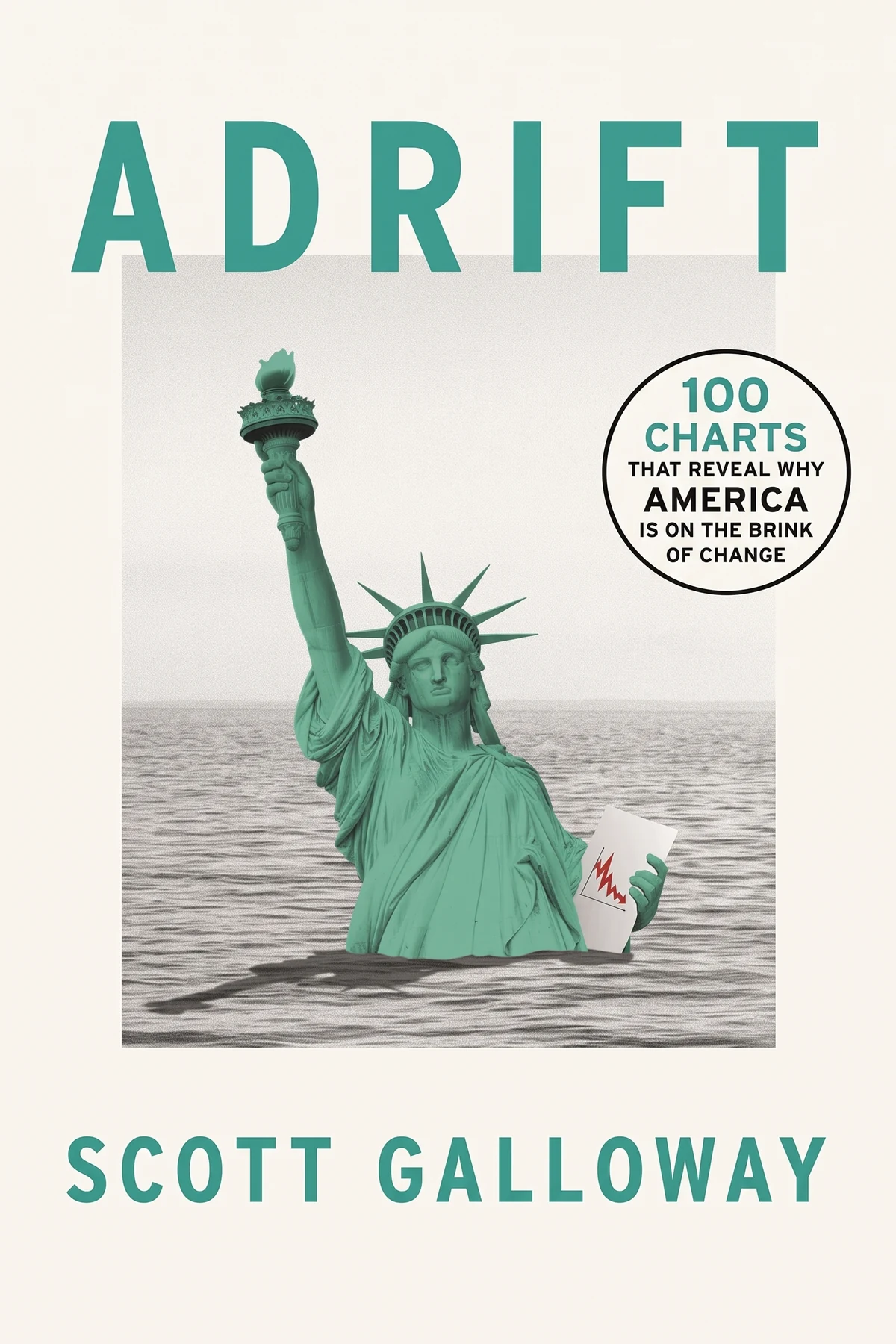
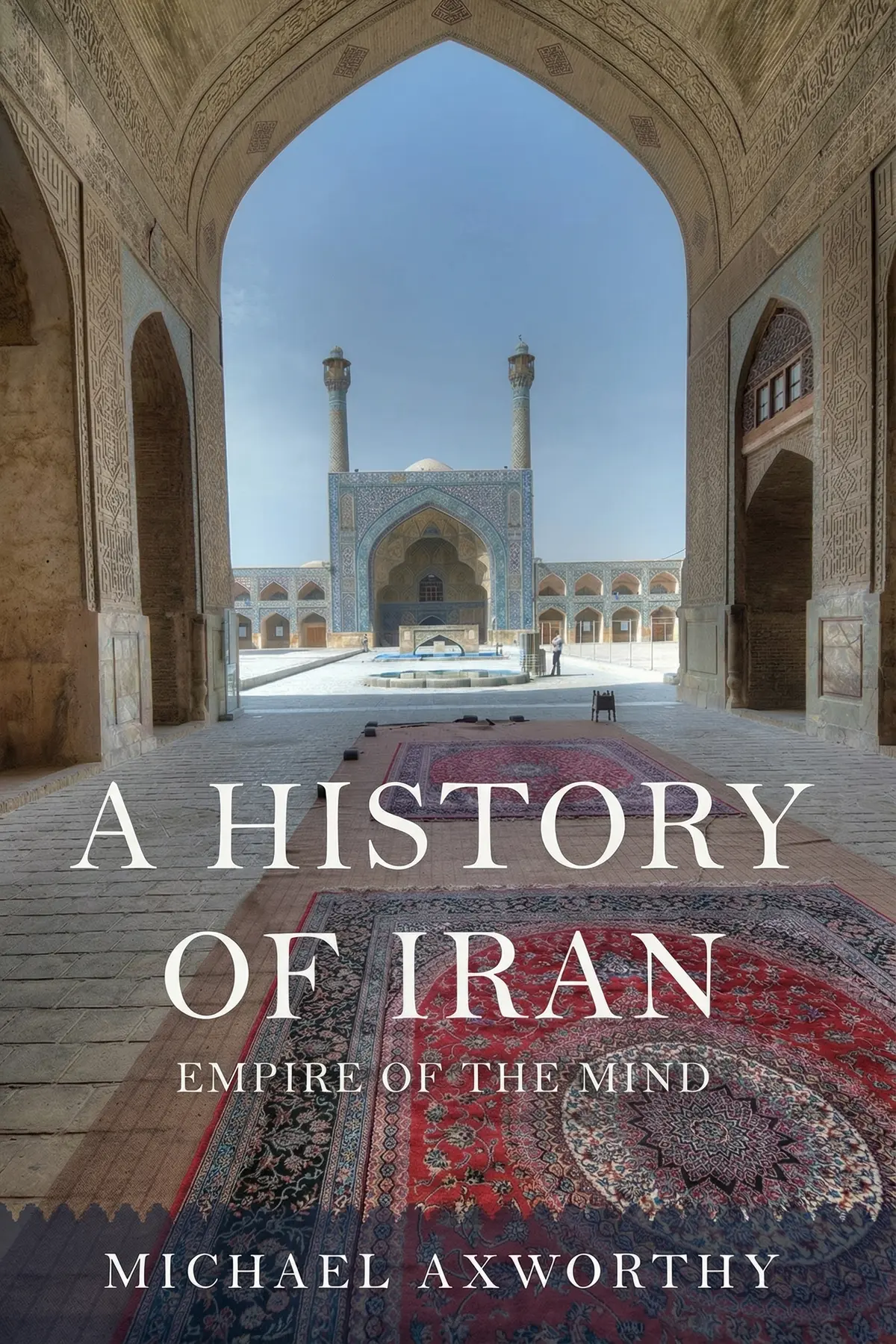
A History of Iran: Empire of the Mind
Michael Axworthy
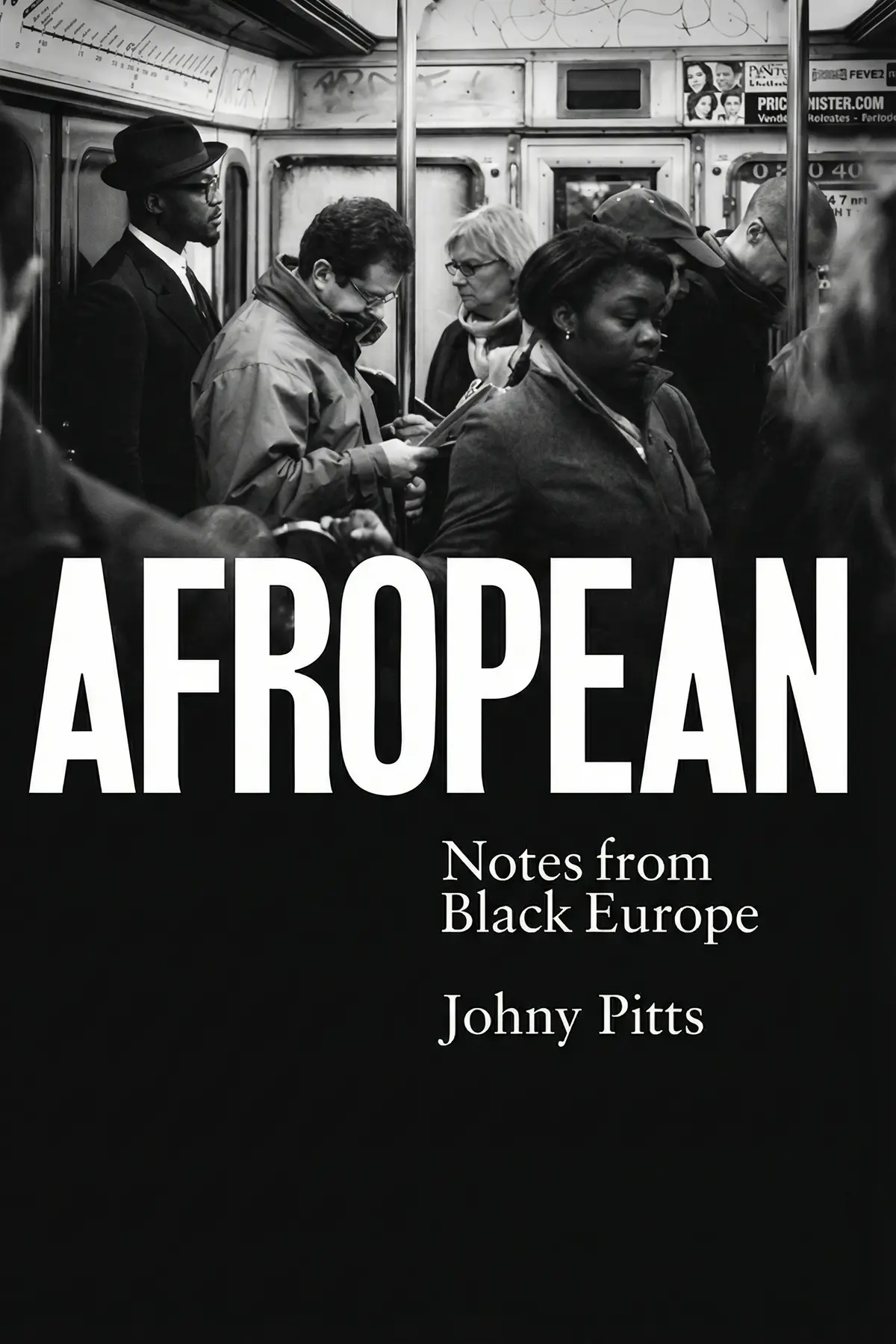
Afropean: Notes From Black Europe
Johny Pitts
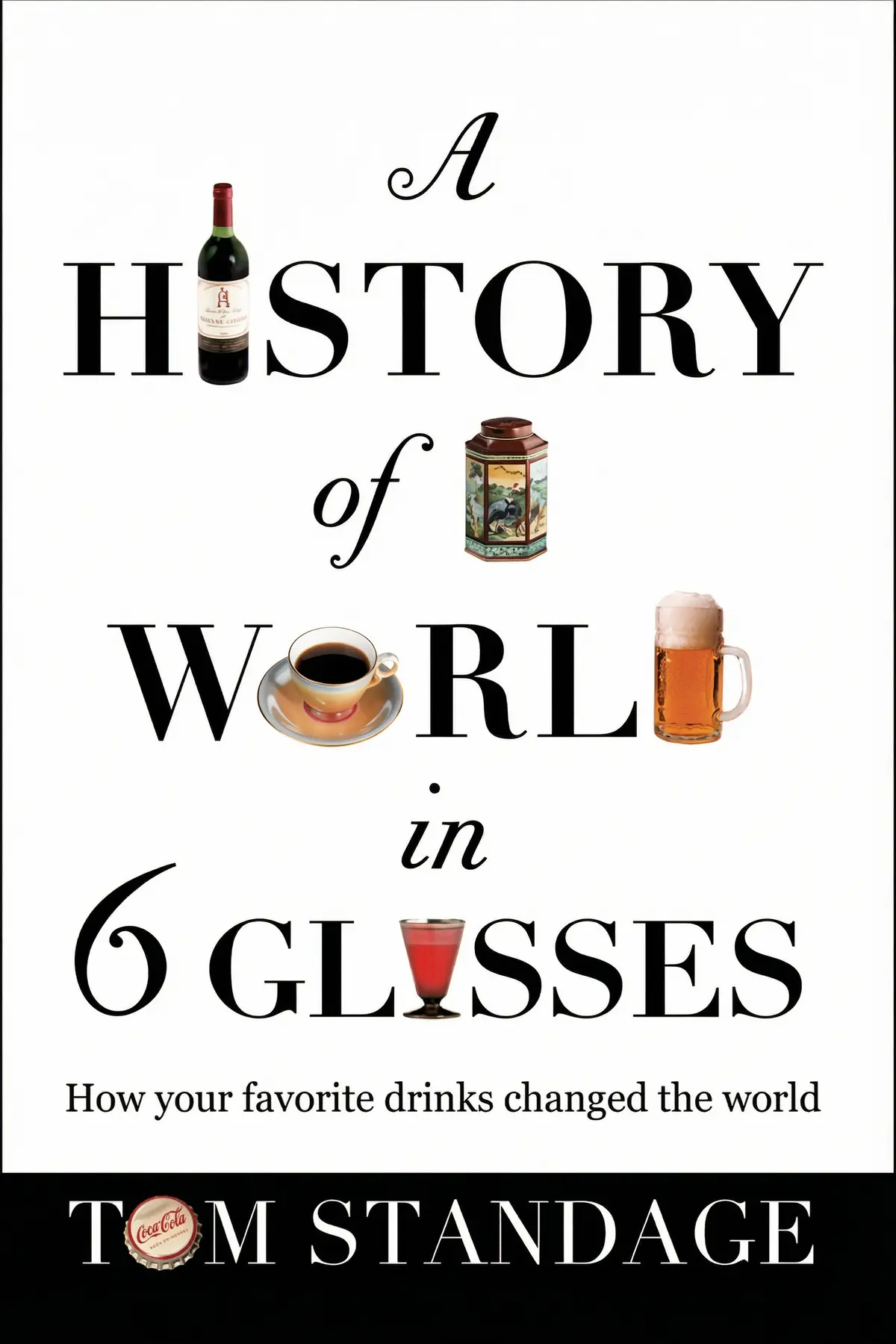
A History of the World in 6 Glasses
Tom Standage
A Long Way Gone: Memoirs of a Boy Soldier
Ishmael Beah
All About Love: New Visions
bell hooks
AUDIO SUMMARY AVAILABLE
Listen to How the Word Is Passed in 15 minutes
Get the key ideas from How the Word Is Passed by Clint Smith, plus 5,000+ more titles in English and Thai.
- 5,000+ titles
- Listen as much as you want
- 7-day free trial
- Cancel anytime







