
20 min 46 sec
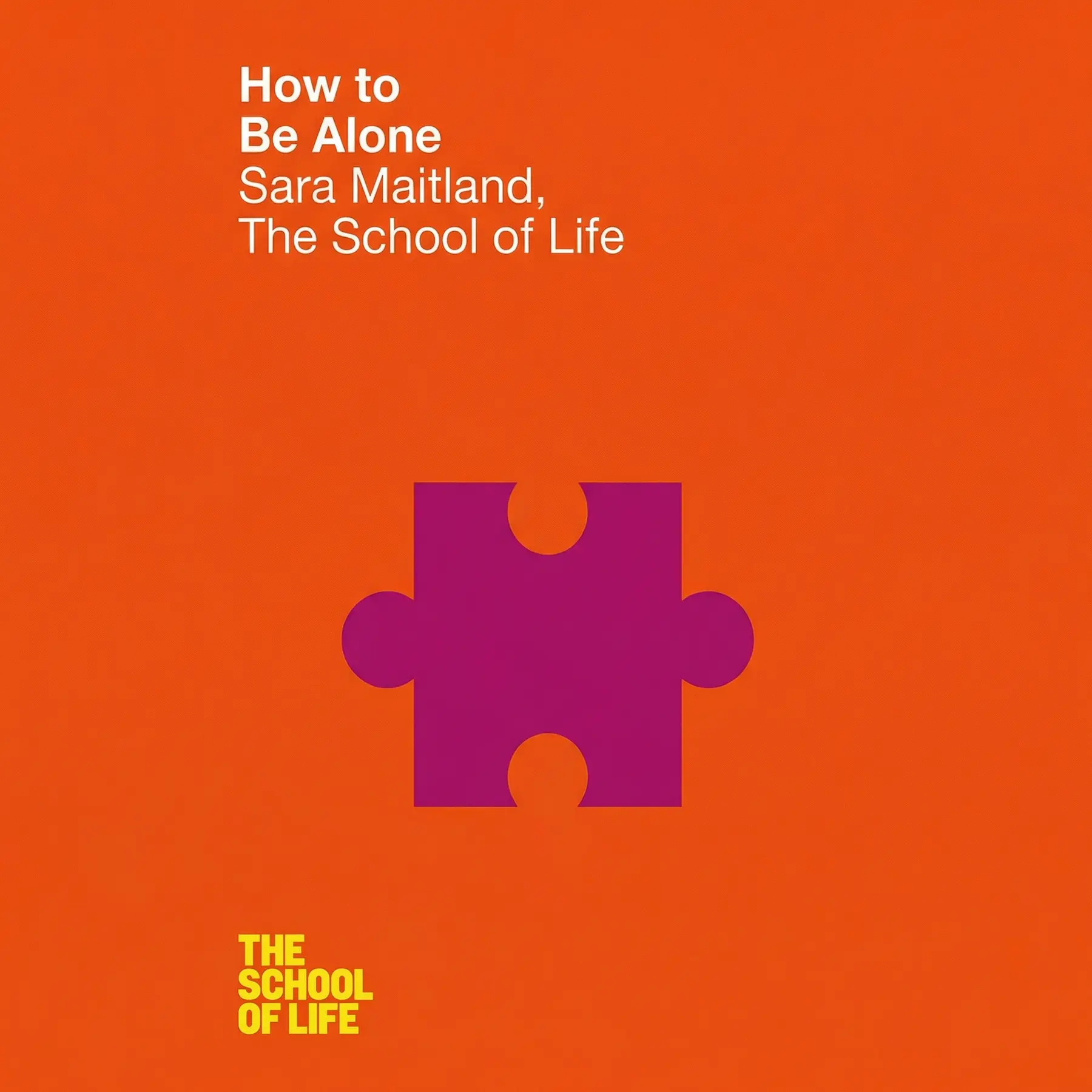
How to Be Alone: The School of Life
Explore how to transform solitude from a source of anxiety into a wellspring of creativity and self-discovery. This summary reveals why being alone is a vital skill for modern well-being and personal growth.
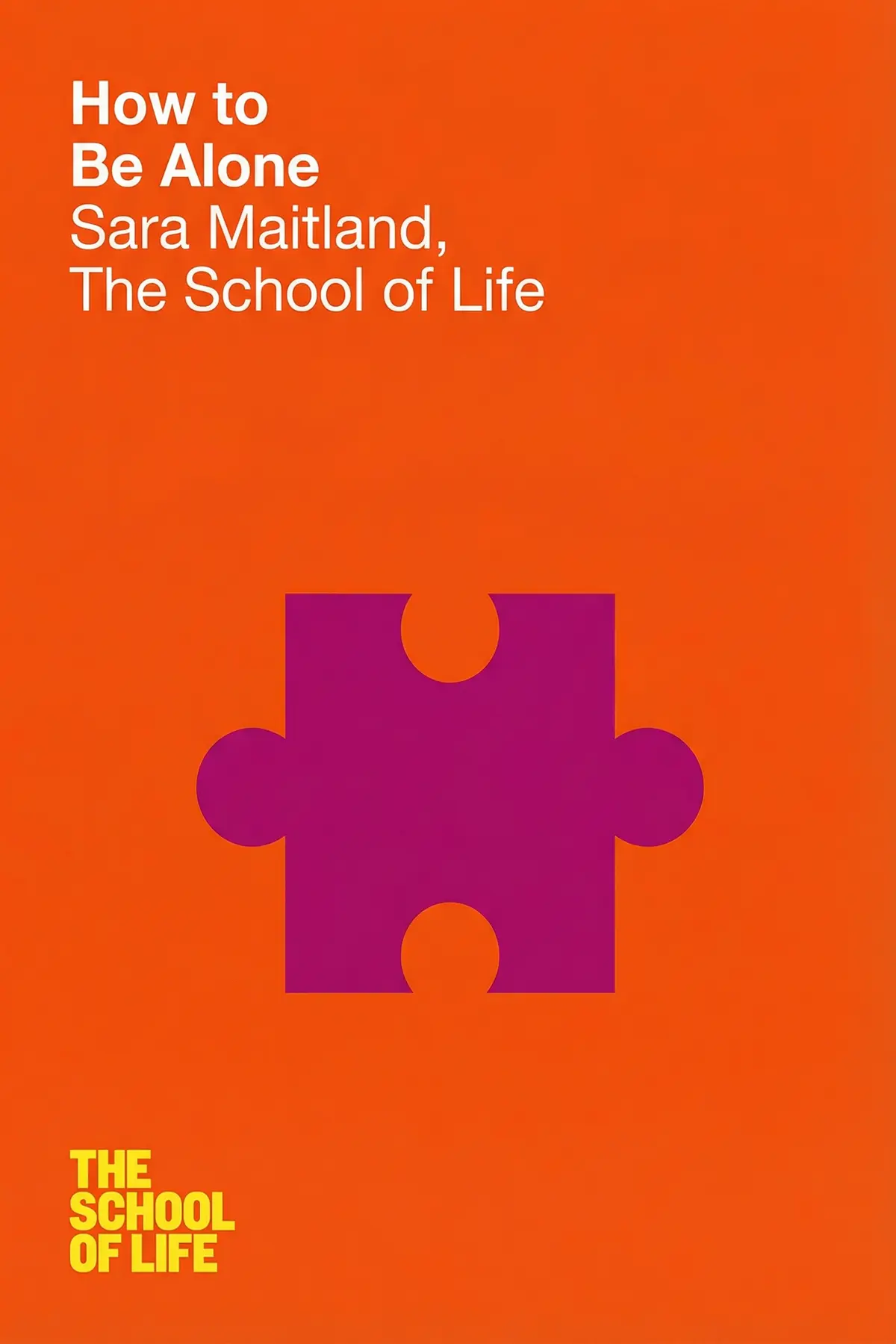
Table of Content
1. Introduction
1 min 41 sec
In our modern, hyper-connected world, we are rarely truly alone. We carry the voices of hundreds of people in our pockets, and our social calendars are often seen as a metric of our personal worth. Because of this, the person who chooses to spend time in their own company is frequently viewed with a mixture of pity and suspicion. We look at the neighbor who eats alone at a restaurant or the colleague who spends their weekends solo and we assume something must be missing from their lives. We label them as lonely, or perhaps even a bit strange.
But what if we have it all backward? What if the capacity to be alone is actually one of the most important skills a human being can develop? The reality is that solitude is not a deficit of social interaction; it is a presence of self. It is a powerful state that can lead to deeper self-knowledge, heightened creativity, and a more profound connection to the world around us. Instead of something to be avoided, solitude is something to be cultivated.
As we dive into this exploration, we will look at why our society has developed such a negative view of being alone and how we can push past those cultural barriers. We will see how some of history’s greatest thinkers and artists used their time alone to produce their most significant work. We’ll also discover that the benefits of solitude aren’t just for the “creative types” or the hermits—they are available to everyone. From simple changes in your daily routine to the way you raise your children, learning how to be alone is about finding a healthy balance that allows you to be more relaxed, more resilient, and more truly yourself. Let’s begin by uncovering why silence and space are the ultimate fertilizers for the human spirit.
2. The Hidden Link Between Solitude and Creative Breakthroughs
2 min 38 sec
Discover why some of the world’s greatest minds had to escape the crowd to find their voice, and how you can use their methods to unlock your own creative potential.
3. Experiencing Transcendence Through the Natural World
2 min 30 sec
Uncover the profound, mystical connection that can only be found when you leave the city and enter the wilderness entirely on your own.
4. Challenging the Social Stigma of the Loner
2 min 32 sec
Explore the evolutionary and cultural reasons why society fears solitude, and why choosing to be alone is actually a bold act of individuality.
5. Mastering the Art of Being Still
2 min 39 sec
Identify the hidden fears that keep you from enjoying your own company and learn simple, practical steps to build your ‘solitude muscles.’
6. Turning Daily Routine into Solo Adventures
2 min 16 sec
Learn to distinguish between merely being by yourself and true solitude, and how to plan adventures that deepen your self-reliance.
7. Revisiting the Childhood Roots of the Active Imagination
2 min 43 sec
Rediscover the lost art of daydreaming and learn how the way we raise our children can protect their future ability to be happy alone.
8. Customizing Your Personal Dose of Quiet
2 min 19 sec
Break free from the limiting labels of ‘introvert’ and ‘extrovert’ and discover the unique balance of solitude that fits your specific life.
9. Conclusion
1 min 28 sec
The journey toward being comfortable alone is ultimately a journey toward freedom. In a society that is constantly making demands on our time and attention, the choice to step away and seek solitude is a radical act of self-care. We have seen that far from being a sign of loneliness or social failure, the ability to be alone is a foundational pillar of creativity, mental health, and spiritual depth. It allows us to process our lives, connect with the natural world, and build a resilient sense of self that doesn’t depend on the shifting winds of social approval.
As you move forward, remember that solitude is a skill that can be developed. You don’t need to change your entire life overnight. You can start small—perhaps by extending your next solitary walk by fifteen minutes or by sitting in a cafe without your phone, simply observing the world. Focus on the quality of your own experience. Over time, you will find that the silence you once feared becomes a place of peace and inspiration.
The throughline of a well-lived life often includes a healthy balance between the joy of connection and the power of solitude. By reclaiming your right to be alone, you aren’t just improving your own well-being; you are becoming a more grounded and thoughtful person for everyone else in your life. Embrace the quiet, trust your own company, and discover the immense world that exists inside you when the rest of the world fades away.
About this book
What is this book about?
In a world that is constantly connected, the idea of being alone often carries a heavy social stigma. We are conditioned to view solitude as a sign of failure or sadness, yet history and psychology suggest the exact opposite. This exploration of the solitary life challenges modern assumptions, arguing that the ability to be alone is actually a fundamental requirement for a healthy, creative, and fulfilled existence. How to Be Alone provides a roadmap for navigating the shift from loneliness to productive solitude. It examines why our culture is so suspicious of the loner and offers practical ways to reintegrate quiet time into a busy schedule. By looking at historical figures, evolutionary biology, and childhood development, the book promises to help readers reclaim their inner life. Whether you are an introvert seeking validation or someone looking to overcome a fear of silence, this summary offers the tools to embrace your own company as a precious resource.
Book Information
About the Author
Sara Maitland
Sara Maitland is a highly regarded British novelist and feminist writer. Her body of work spans both fiction and nonfiction, exploring deep themes of silence and spirituality. Among her notable publications is A Book of Silence, which marked her first major foray into the subject of solitude. Her novel Daughter of Jerusalem was also a critical success, earning the prestigious Somerset Maugham Award.
Ratings & Reviews
Ratings at a glance
What people think
Listeners find the book accessible and articulate, enjoying the optimistic perspective it takes on being solitary. They appreciate the observations shared, with one listener highlighting how the content explores multiple angles including the psychological. The level of guidance provided receives varied responses from listeners.
Top reviews
Parichat
Ever wonder why our society is so terrified of a little quiet time? Sara Maitland tackles this head-on, debunking the myth that those who seek solitude are somehow broken or unlovable. This is one of the most interesting books I've read this year because it treats solitude as a healthy, active choice rather than a passive failure. The way she links silence to self-discovery and a stronger relationship with nature really resonated with my own experiences. Not gonna lie, I was worried it would be too religious, but the spiritual elements are handled with a light, inclusive touch. It’s a beautiful call to reclaim our right to be alone without feeling selfish or pathetic. If you need permission to enjoy your own company, this is the book that gives it to you.
Show moreCamila
Finally got around to reading this and it truly reframed how I view my weekends spent in solitude. This book actually changed almost everything for me. I used to feel a twinge of guilt for turning down plans, but Maitland helped me see that my desire for quiet is a path toward creativity and self-knowledge. The book is incredibly positive and manages to avoid the typical 'self-help' clichés by focusing on the art of being alone properly. I loved the sections on how silence allows us to think more clearly and become more attuned to the world around us. Not gonna lie, it made me want to move to a cottage in Scotland just like her! This is an essential read for anyone who has ever been made to feel 'weird' for wanting space.
Show moreDen
As someone who has always struggled with the pressure to be 'on' socially, Maitland’s work felt like a deep, much-needed exhale. She does a wonderful job of distinguishing between the pain of loneliness and the profound joy of true solitude, which is a distinction that many modern psychological books seem to ignore entirely these days. I particularly appreciated the references to her life in rural Scotland, which added a layer of lived authenticity to her arguments. Truth is, the book isn't a checklist of tasks, but rather a mental shift regarding how we perceive our own company. Some might find her tone a bit too spiritual, but for me, it worked perfectly to illustrate the connection between silence and the divine. It’s a slim volume, yet it carries a significant amount of psychological weight that stays with you long after the final page is turned.
Show moreKiattisak
The chapter on the Desert Fathers was a highlight for me because it connected modern isolation to an ancient, spiritual tradition that feels lost today. Maitland argues that we have pathologized a state of being that was once considered a path to enlightenment and deep self-knowledge. In my experience, the book is most successful when it looks at the historical and creative benefits of being alone. I loved the mentions of Romantic poets and how their best work emerged from quiet reflection rather than constant social interaction. However, the pacing can be a bit sluggish in the middle sections where she repeats her central thesis about the 'stigma' of solitude. It’s a thoughtful piece, but perhaps a bit more academic than I anticipated given the 'How to' title.
Show moreBun
Maitland moves from her remote Scottish home to the history of Romantic poets with an ease that makes for a very pleasant reading experience. I appreciated how she tackled the modern obsession with constant connection, noting that our current paradigm isn't actually making us happier or more fulfilled. The book is well-written and flows naturally, feeling more like a conversation with a wise friend than a lecture. To be fair, there are moments where the narrative gets bogged down in bibliographies and book recommendations, which feels like filler. Still, her insights into how solitude fosters a connection to the divine were quite moving. It’s a solid addition to the School of Life series, even if it’s more about the 'why' than the 'how.'
Show moreAstrid
While the writing is accessible and the tone is gentle, the book spends a bit too much time justifying why one might choose to be alone. I found myself nodding along for the first forty pages, but after that, the repetition started to grate on my nerves. It covers various aspects of the psychological impact of isolation, yet it lacks the 'art' of doing it that the blurb promises. To be fair, she makes some excellent points about how creativity flourishes when we aren't constantly relating to others. I just wish there were more 'how-to' and less 'here is why I am not weird for living in the middle of nowhere.' It’s an okay introduction for those feeling guilty about their introversion, but seasoned loners might find it a bit thin.
Show moreCherry
After hearing so much about The School of Life series, I had high hopes for a revolutionary take on social dynamics, but this was just 'fine.' Maitland is clearly a talented writer, and she handles the delicate balance between autobiography and social commentary quite well. However, the book feels like it’s caught between two worlds: it’s not quite a memoir and not quite a practical guide. The truth is, I enjoyed the historical anecdotes about the Desert Fathers more than the modern psychological statements. It’s an easy read that validates the introverted soul, but it lacks the 'mind-blowing' insights I’ve come to expect from this series. If you're looking for a gentle nudge to spend more time alone, it’s worth a look, but don't expect much in the way of scientific data.
Show moreMax
Frankly, I was expecting a practical manual with concrete habits to improve my daily routine, rather than a philosophical defense of solitary living. The School of Life usually provides more actionable advice, but this felt more like a collection of personal justifications for the author's own lifestyle choices. While the writing is undeniably elegant and easy to digest, it doesn't offer the scientific rigor I was hoping for in a contemporary guide. Maitland spends far too much time trying to convince the reader that being alone doesn't make you 'bad, mad, or sad.' If you already enjoy solitude, you don't need the validation; if you hate it, this likely won't change your mind. It’s a decent read for bibliophiles, though, as her reading recommendations are quite solid.
Show morePracha
To be fair, the bibliography is excellent and points toward some fascinating literature, but the actual content felt like it was trying too hard to convince me that being alone isn't a pathology. I already believe that solitude is healthy, so spending half the book debunking the 'sad and lonely' trope felt like a waste of my time. I wanted more on the psychological mechanics of how to thrive in isolation when you aren't a hermit. The advice level is hit-or-miss, leaning heavily on the author’s personal anecdotes about moving to the woods after her divorce. It’s a quick read, but I didn't walk away with many new tools for my daily life. It’s interesting enough for a lazy afternoon, but don't expect it to change your life or your habits significantly.
Show morePrasarn
Look, this is basically a long-winded personal essay disguised as a self-help guide, and it failed to deliver on its premise. I am a big fan of solitude myself, yet I am looking for scientific and trustworthy answers rather than the mere experience of a 'spiritual' lady living in Scotland. The author seems to have an axe to grind against those who question her lifestyle, making the book feel more like an answer key for her critics than a helpful resource for readers. There are almost no tips on actual habits that make being alone easier or more productive in a modern, urban setting. It is easy to be alone when you live a quarter-mile from the nearest road, but what about the rest of us? This narrative felt very disconnected from everyday reality.
Show moreFeatured in
Readers also enjoyed
59 Seconds: Change Your Life in Under a Minute
Richard Wiseman
A Guide to the Good Life: The Ancient Art of Stoic Joy
William B. Irvine
A High-Performing Mind: Strengthen Your Mind and Live Your Best Life
Andrew D. Thompson
Abundance: The Inner Path to Wealth
Deepak Chopra
AUDIO SUMMARY AVAILABLE
Listen to How to Be Alone in 15 minutes
Get the key ideas from How to Be Alone by Sara Maitland, plus 5,000+ more titles in English and Thai.
- 5,000+ titles
- Listen as much as you want
- 7-day free trial
- Cancel anytime







