
22 min 18 sec
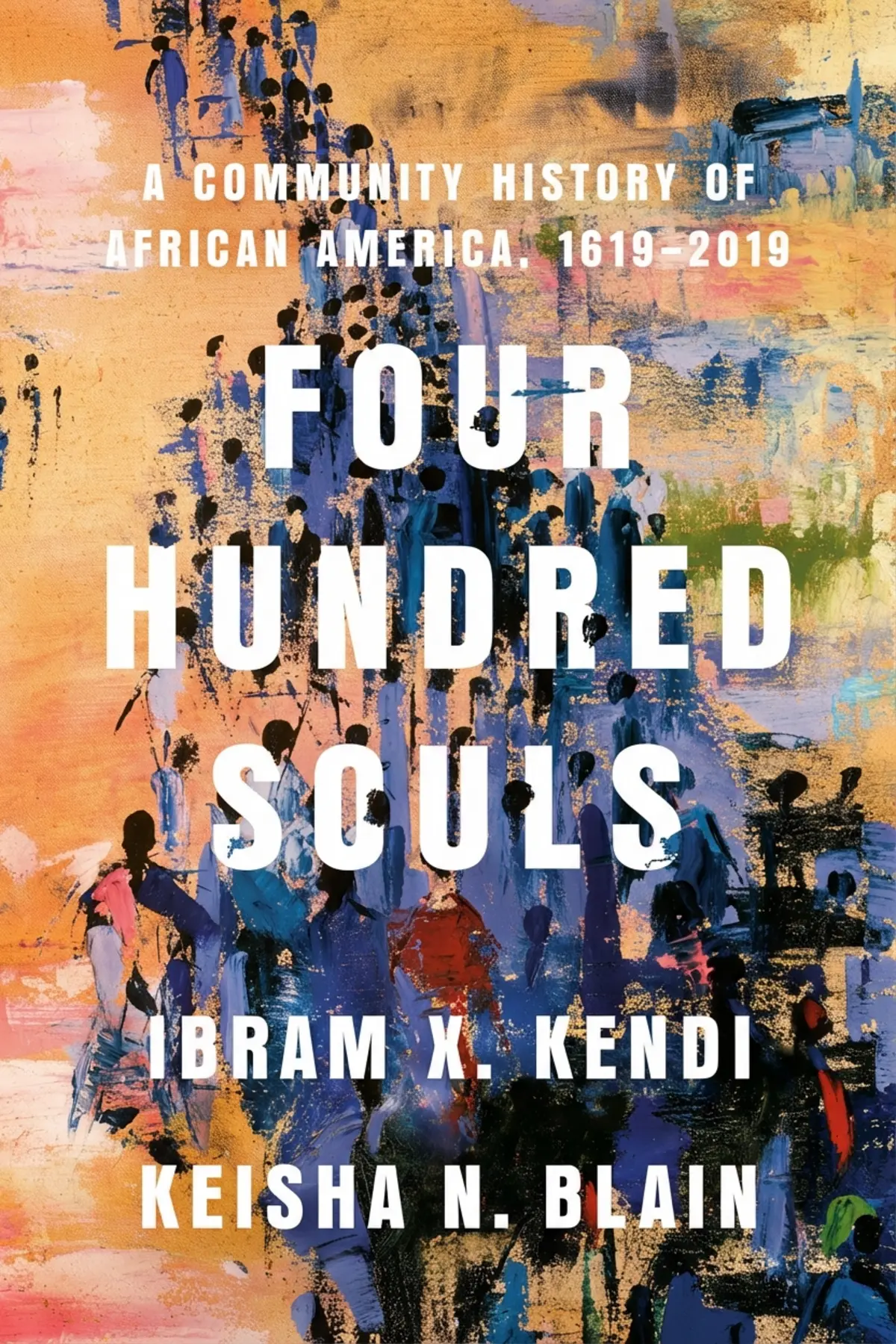
How to Be an Antiracist
Explore a revolutionary framework for understanding racial justice. This guide moves beyond the passive label of being not racist, offering a proactive blueprint for dismantling systemic inequality through policy, culture, and self-reflection.
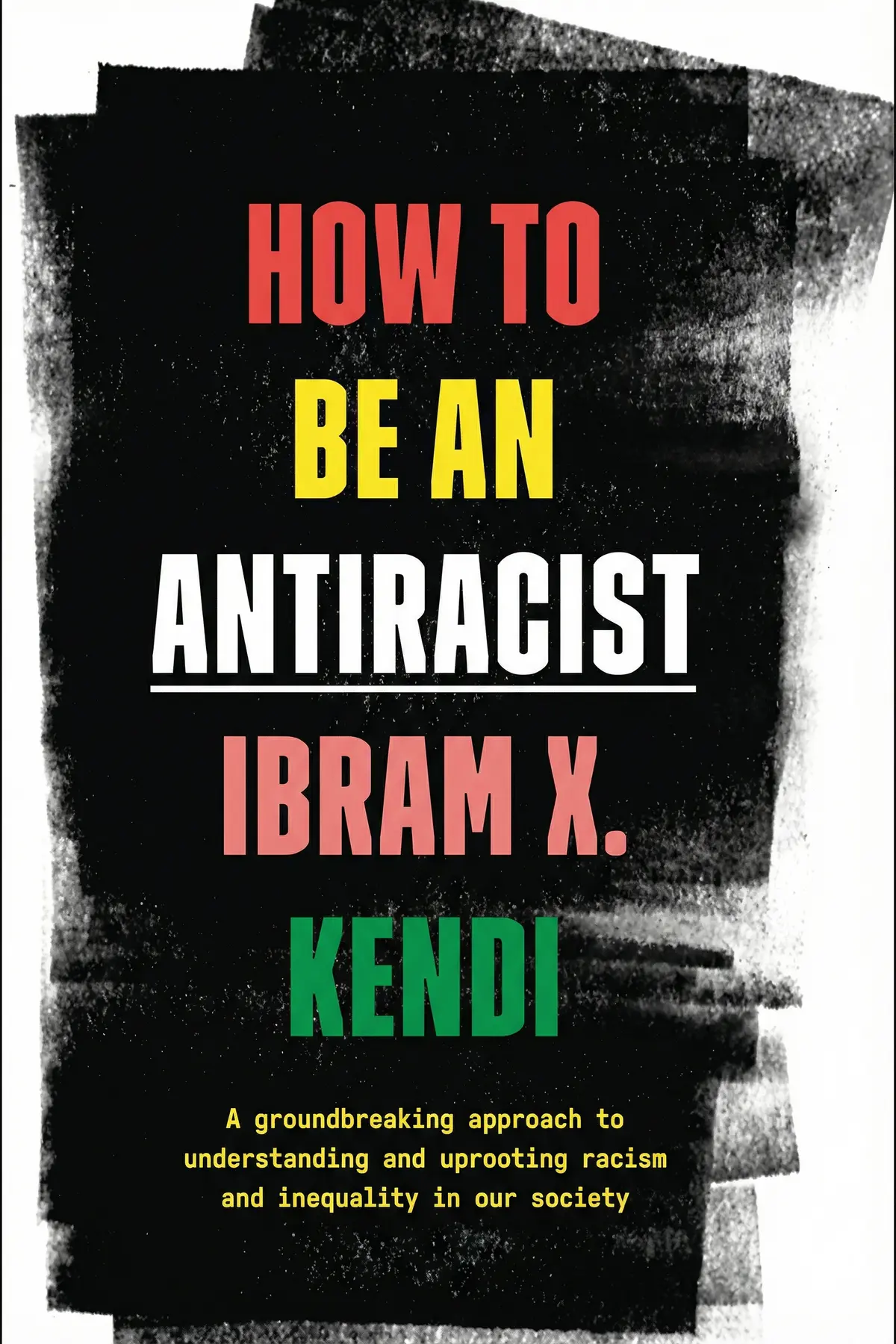
Table of Content
1. Introduction
2 min 04 sec
In the wake of harrowing events like the 2015 shooting of church members in South Carolina, or the persistent headlines documenting police brutality and the rise of polarized political movements, it is easy to feel overwhelmed. Many of us look at the state of the world and feel a deep sense of injustice, yet we often lack the specific vocabulary or the structural framework to effect real change. We see society fracturing along racial lines and wonder how we can move past the toxic legacy of our shared history. The problem is that most of us have been taught to be “not racist,” a passive stance that does very little to move the needle toward actual equity. This journey is about something far more active and challenging: the path toward becoming an antiracist.
To begin this transformation, we have to cast off our oldest assumptions. We need to stop looking at race as a collection of personal feelings or individual moral failings and start seeing it as a system of power. In these segments, we are going to explore a range of perspectives that cover everything from the myth of biological differences to the hidden hierarchies of skin tone and the dangers of cultural assimilation. We will see how racism has woven itself into our laws, our beauty standards, and even our own self-perceptions. By combining history, sociology, and a deeply personal narrative, we can begin to see the world through a new lens.
This isn’t just an academic exercise. It’s a guide for anyone who wants to see a more just and equal world. Along the way, we’ll dive into the specific definitions that separate those who uphold the status quo from those who challenge it. We will explore why some people mistakenly believe that marginalized groups cannot be racist, and we will examine a striking comparison between the spread of societal injustice and the biological spread of a life-threatening illness. By the end of this discussion, you will have a better understanding of how to identify racist policies in your community and how to cultivate an antiracist identity within yourself. It is about moving from a state of denial to a state of action, and it starts with a fundamental shift in how we define the problem.
2. Redefining Racism and Policy
3 min 18 sec
What if the way we think about racism is fundamentally flawed? Discover why being “not racist” is a myth and how the real battleground for equality lies in policy rather than individual hearts.
3. The Trap of Cultural Assimilation
2 min 21 sec
Why is trying to “fix” marginalized cultures actually a form of prejudice? Learn the hidden dangers of assimilationist thinking and why true equality requires accepting all cultures.
4. The Scientific Illusion of Race
2 min 26 sec
Explore the shocking scientific truth behind our perceptions of race. If our DNA is almost identical, where did the idea of racial difference come from, and why do we still believe in it?
5. The Hierarchy of Colorism
2 min 13 sec
Beauty standards and justice systems often favor those with lighter skin, even within the same racial group. Understand the insidious nature of colorism and how it creates hidden divisions.
6. Rejecting Anti-White Racism
3 min 32 sec
Can racism be directed toward any group, regardless of their skin color? Explore the author’s journey through anger and the realization that true antiracism rejects all forms of hatred.
7. Confronting Internalized Racism
2 min 13 sec
When does a community begin to police itself based on racist standards? Dive into the complex reality of internalized racism and why acknowledging agency is actually a form of empowerment.
8. Racism as a Malignant Disease
2 min 18 sec
Using a powerful medical metaphor, we see how society can heal from its oldest sickness. If racism is like a stage-four illness, what are the radical steps required for us to reach remission?
9. Conclusion
1 min 53 sec
As we reach the end of this exploration, the central message is clear: the fight for racial justice is not about being a “good person” in a passive sense. It is about the active work of dismantling the structures that create inequality. We have seen that racism is not a static identity but a set of actions and supports for specific policies. We’ve learned that race itself is a scientific illusion, a social invention used to justify the pursuit of power. We have also seen how this poison can seep into our own communities through colorism and internalized prejudice, and how even our anger can lead us toward the very logic we seek to escape.
The comparison to a life-threatening illness reminds us of the urgency of this moment. We cannot afford to be in denial any longer. Whether we are looking at housing gaps, beauty standards, or the legal system, we must ask ourselves a simple question: is this policy creating more equity or more inequity? If it’s the latter, then our job as antiracists is to challenge it, replace it, and promote a new way of living that values all groups equally. This requires a constant state of self-reflection and a willingness to admit when we are wrong.
Becoming an antiracist is a lifelong journey. It is a commitment to seeing the world as it truly is, rather than how we wish it to be. It means standing up when it’s uncomfortable and choosing action over apathy. While the road ahead may seem daunting and the statistics may look grim, remember that change is possible. Just as a body can heal from the most advanced disease, a society can transform its oldest and deepest wounds. By choosing the path of antiracism, you are joining a movement that seeks not just to survive the current crisis, but to build a future where justice and opportunity belong to everyone. The treatment has begun; now, the real work of recovery continues.
About this book
What is this book about?
This summary explores a transformative approach to racial justice that challenges traditional definitions of prejudice and equity. It argues that there is no middle ground in the fight against inequality; one is either a racist or an antiracist. By shifting the focus from individual hearts to systemic policies, it provides a clear roadmap for identifying and uprooting the rules and ideas that maintain racial hierarchies. The text delves into various forms of discrimination, including biological racism, cultural assimilation, and colorism, while also addressing the complexities of internalized prejudice within marginalized communities. Through a blend of personal memoir and sociological analysis, it promises to change how you view the world's social structures. It ultimately uses a powerful personal health crisis as a metaphor for the urgent, radical treatment needed to heal a society plagued by systemic injustice.
Book Information
About the Author
Ibram X. Kendi
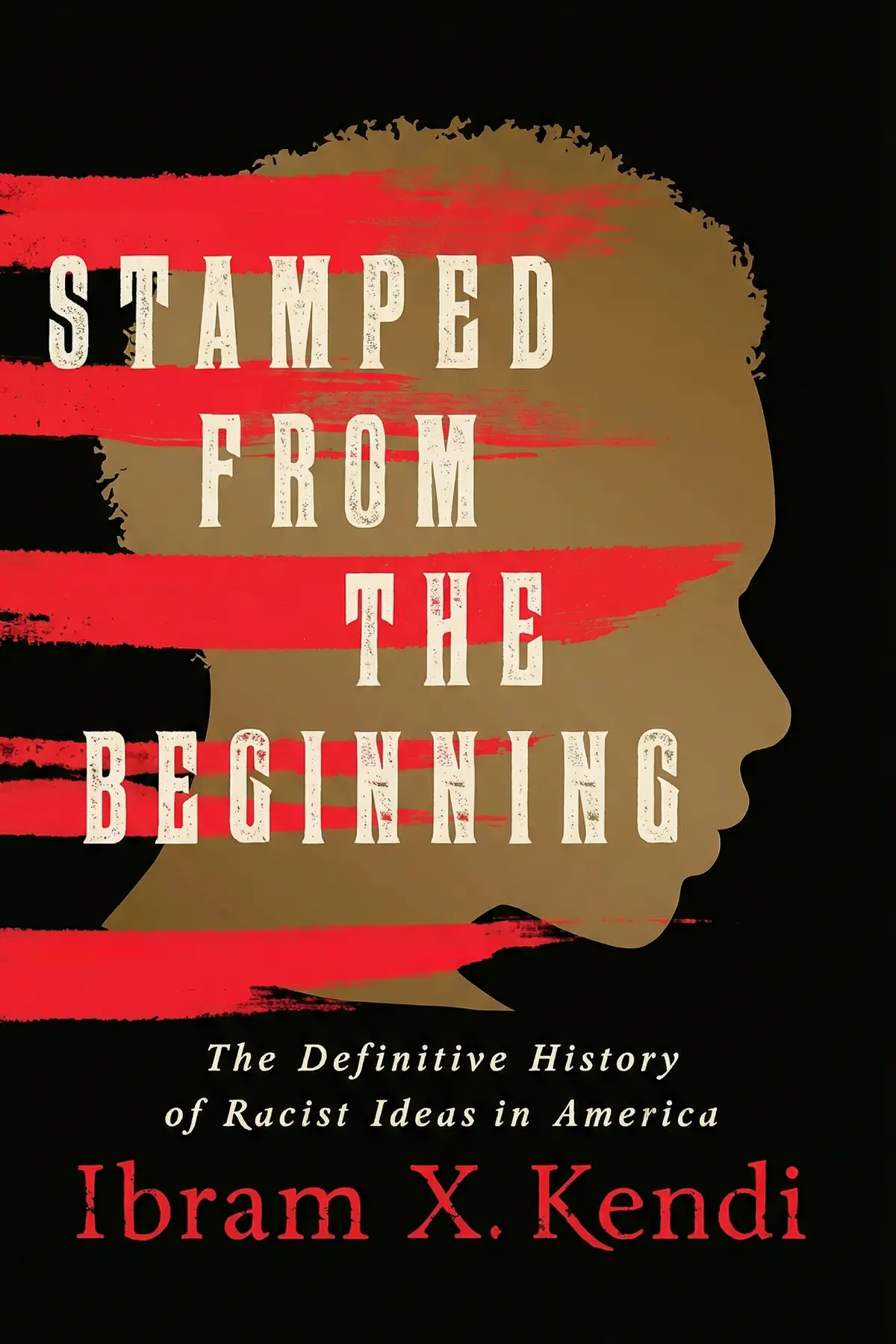
Ibram X. Kendi is an American author and academic. His book Stamped from the Beginning: The Definitive History of Racist Ideas in America won the 2016 National Book Award for Nonfiction. Kendi is the founding director of the Antiracist Research and Policy Center at American University.
Ratings & Reviews
Ratings at a glance
What people think
Listeners find this work to be a compelling and vital listen, featuring thoroughly researched and broad material that directs people toward new perspectives on racism and antiracism. The prose flows smoothly, and listeners value the blending of autobiographical stories with scholarly analysis, which prompts deep self-reflection. They view it as a fundamental piece of antiracist thought providing practical steps for tackling racism, cementing its status as a necessary listen for all.
Top reviews
Rome
The brilliance of Kendi’s work lies in his refusal to accept the middle ground of 'non-racist.' By arguing that we are either actively dismantling policy or passively allowing it to exist, he forces a level of introspection that most books in this genre shy away from. I particularly appreciated the fluid writing style that transitions seamlessly between rigorous historical analysis and deeply vulnerable personal anecdotes. The chapter on 'Failure' was a standout for me, as it highlights why simply changing hearts and minds isn't enough—we need to target the actual power structures and policies. Some might find his definitions repetitive, but it feels intentional, almost like a textbook for a new way of living. It is a dense read but remains riveting throughout because of how much he puts himself on the line. This is truly an essential work of philosophy for the 21st century.
Show moreRapee
Finally got around to this after seeing it everywhere, and I now understand why it’s considered mandatory reading. This isn't just a book you read to feel enlightened; it’s a manual for change. Kendi’s definition of an antiracist as someone who supports policy through their actions or expressions is a high bar, but it feels like the only honest way forward. I loved the short, punchy definitions at the start of each chapter. They provide a clear roadmap through very complex sociological territory. Frankly, the vulnerability he shows regarding his own homophobia and how he moved past it was one of the most impactful parts for me. It shows that being an 'antiracist' is a journey, not a fixed destination where you eventually 'arrive.' The writing is accessible and avoids the overly academic jargon that usually bogs down these types of manifestos. It’s an essential guide for anyone who actually wants to do the work.
Show morePan
Wow, what a punch to the gut in the best way possible. This book completely upended my understanding of what it means to be 'not racist.' Kendi’s prose is sharp and direct, and he doesn't pull any punches when describing the history of racist policy in America. I loved the intersectional approach, especially how he touches on gender and sexuality alongside race. It’s rare to find a book that is this intellectually rigorous while also being so readable. Look, if you’re looking for a comfortable read that pats you on the back for your good intentions, this isn't it. But if you want a riveting guide on how to actually dismantle the structures around you, this is a must-read. The personal narrative makes the academic parts feel so much more urgent and real. I'm recommending this to everyone in my circle.
Show moreKwan
As someone who has always considered themselves an 'ally,' this book made me realize how much more I have to learn. Kendi’s argument that 'racist' and 'antiracist' are not fixed identities but rather descriptions of our actions in the moment is incredibly freeing but also daunting. It takes away the shame of the label and replaces it with a constant responsibility to do better. Not gonna lie, some of the sections on internalized racism were hard to read because of how much I saw my own past thoughts reflected there. The way Kendi uses his own biography to illustrate these points is a masterclass in vulnerability. He isn't talking down to you; he’s inviting you to join him on a path he’s still walking. The connection he makes between the health of our society and the physical health of his own family at the end was gut-wrenching. Truly a monumental work that offers real, actionable ways to fight back.
Show moreKasemsan
This book is a masterclass in clarity. Kendi takes the muddled, defensive conversations we usually have about race and strips them down to a simple, powerful binary: you are either supporting racist policy or antiracist policy. There is no such thing as being 'not racist.' That realization alone is worth the price of the book. The writing is engaging and the research is incredibly thorough, making it a perfect recommendation for both skeptics and believers. Personally, I found the chapter on 'Queer Antiracism' to be one of the most important, as it highlights how these struggles are all connected. It’s a riveting, introspective, and ultimately hopeful book. Kendi doesn't just point out the problems; he offers a clear, actionable vision for a different kind of future. If you only read one book on social justice this year, make it this one. It's an absolute must-read.
Show moreJonathan
Kendi offers a refreshingly honest look at his own evolution, which makes the medicine of his message much easier to swallow. It’s rare to see an author admit to their own past racist ideas with such clarity. I found the section on the intersection of capitalism and racism to be the most challenging part of the book, even if I don’t fully agree that they are 'conjoined twins.' Truth is, some of the cultural relativity arguments felt a bit shaky to me, especially when discussing universal human rights. However, his breakdown of why 'colorblindness' is actually harmful changed my perspective entirely. The way he weaves together his own battle with cancer and the 'cancer' of systemic racism in the final chapters was incredibly moving and powerful. While I think some of his stances on 'reverse racism' are debatable, the overall framework for action is undeniable. It's a solid 4-star read that I’ll be thinking about for a long time.
Show moreWittaya
The chapter on the history of the SAT was an absolute eye-opener for me. I never realized how deeply ingrained racist ideology was in the very tools we use to measure 'intelligence.' Kendi does a fantastic job of taking these big, abstract concepts and grounding them in historical facts and personal experiences. The book is very well-documented, which I appreciated as someone who likes to see the receipts. To be honest, I did find the repetition of definitions a bit tedious toward the middle of the book, but I can see why he does it—to ensure everyone is on the exact same page. His call for focusing on policy change rather than just trying to 'fix' people's minds is a game-changer for activists. It moves the conversation from the individual's soul to the collective's laws. It’s introspective and challenging. Definitely a book that requires a highlighter and a lot of follow-up discussion.
Show morePakpoom
After reading White Fragility, I wasn't sure what to expect from this, but I found Kendi's approach much more constructive and empowering. Unlike other books that focus purely on white guilt, Kendi addresses everyone and demands accountability from every racial group. His willingness to critique Black assimilationists and his own past views is what makes this book feel authentic. The chapter titled 'Black' was particularly brave, addressing the complexities of power within marginalized communities. Personally, I think he brushes past some of the nuances of class a bit too quickly, but his main thesis on policy vs. ideas is brilliant. The writing is incredibly fluid, making complex sociological theories feel like a conversation over coffee. It’s an essential work of antiracist philosophy that focuses on building something new rather than just tearing things down. I walked away with a much clearer understanding of how to be an active participant in change.
Show moreSai
Does every book on race need to be a memoir? In Kendi’s case, the answer is a resounding yes. Without the personal stories of his childhood and his parents' lives, the academic definitions might have felt too dry. Instead, they feel urgent. I was particularly struck by his discussion on colorism—how light-skinned and dark-skinned people interact within the Black community. It’s a level of introspection that you don’t often see in mainstream bestsellers. My only real gripe is that the book can feel a bit repetitive in its structure, but the core message is so vital that it’s easy to overlook. The truth is, Kendi has provided a lexicon for a movement. By giving us the words to describe what we are seeing, he has given us the tools to change it. It is a riveting read that bridges the gap between the classroom and the street. Definitely worth the time for anyone trying to navigate our current social climate.
Show moreBoss
While I appreciate the central premise that passivity is a problem, I found myself clashing with several of Kendi's foundational arguments. Specifically, his rejection of the 'prejudice plus power' definition of racism felt like a step backward for those of us who have spent years studying systemic oppression. By claiming that marginalized groups can be 'racist' toward the dominant group, he risks oversimplifying the power dynamics that maintain white supremacy. To be fair, his writing is fluid and his personal story is compelling, but the logic felt circular in certain chapters, especially regarding 'White' and 'Black' identities. I also felt the rejection of 'non-racist' as a category was a bit of a rhetorical trap. It’s a well-documented book and Kendi is obviously brilliant, but I preferred the nuance in works like Why I’m No Longer Talking to White People About Race. It's a provocative read, but I’m not sure all the solutions offered are as actionable as they are presented.
Show moreReaders also enjoyed


A Room of One’s Own
Virginia Woolf
Abolish Rent: How Tenants Can End the Housing Crisis
Tracy Rosenthal
Abortion: Our Bodies, Their Lies, and the Truths We Use to
Jessica Valenti

Afropean: Notes From Black Europe
Johny Pitts
All About Love: New Visions
bell hooks
AUDIO SUMMARY AVAILABLE
Listen to How to Be an Antiracist in 15 minutes
Get the key ideas from How to Be an Antiracist by Ibram X. Kendi, plus 5,000+ more titles in English and Thai.
- 5,000+ titles
- Listen as much as you want
- 7-day free trial
- Cancel anytime







