
24 min 33 sec
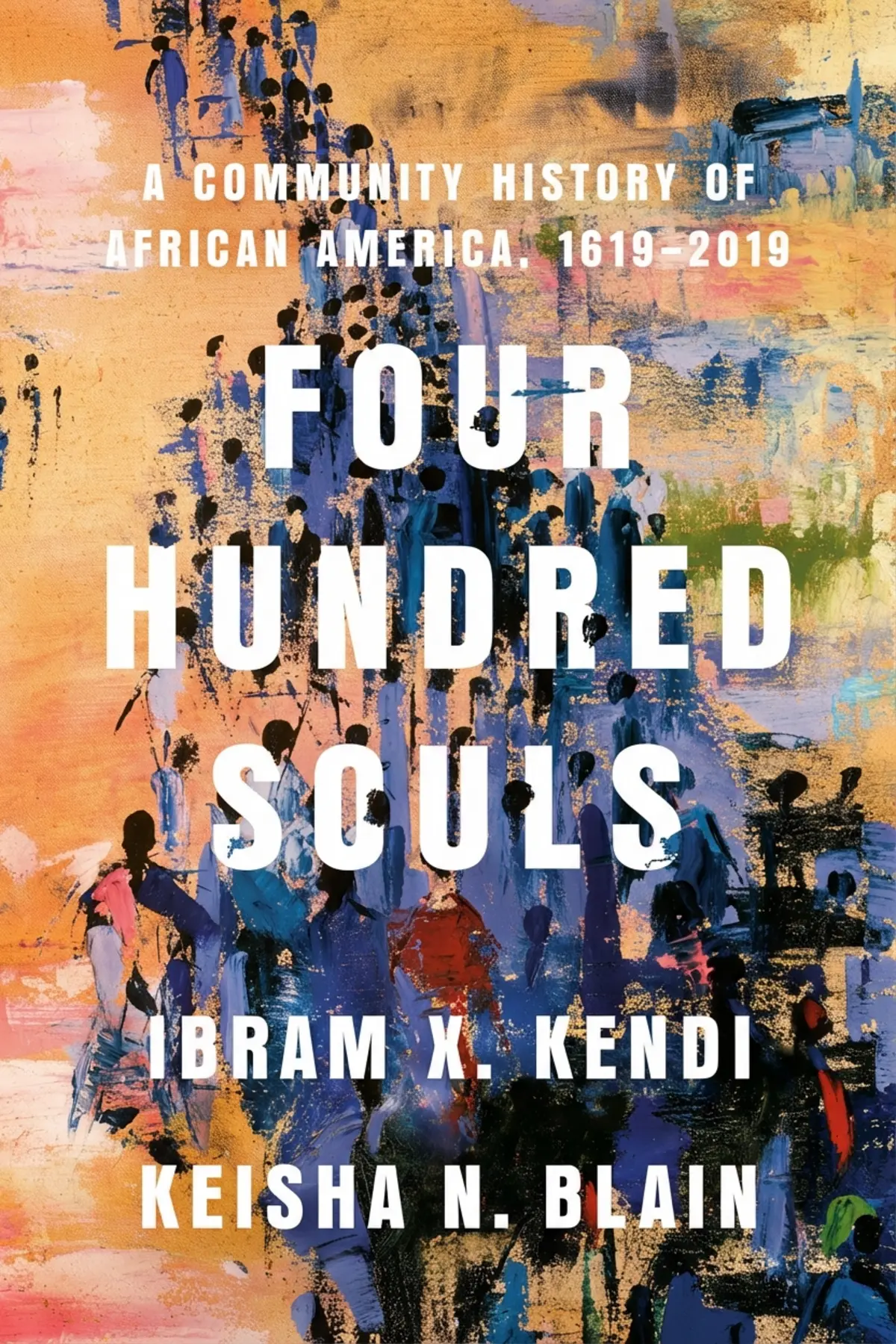
Stamped from the Beginning: The Definitive History of Racist Ideas in America
A comprehensive exploration of how racist ideas were systematically constructed in America to protect power and justify discriminatory policies, tracing history through the lives of five influential figures.
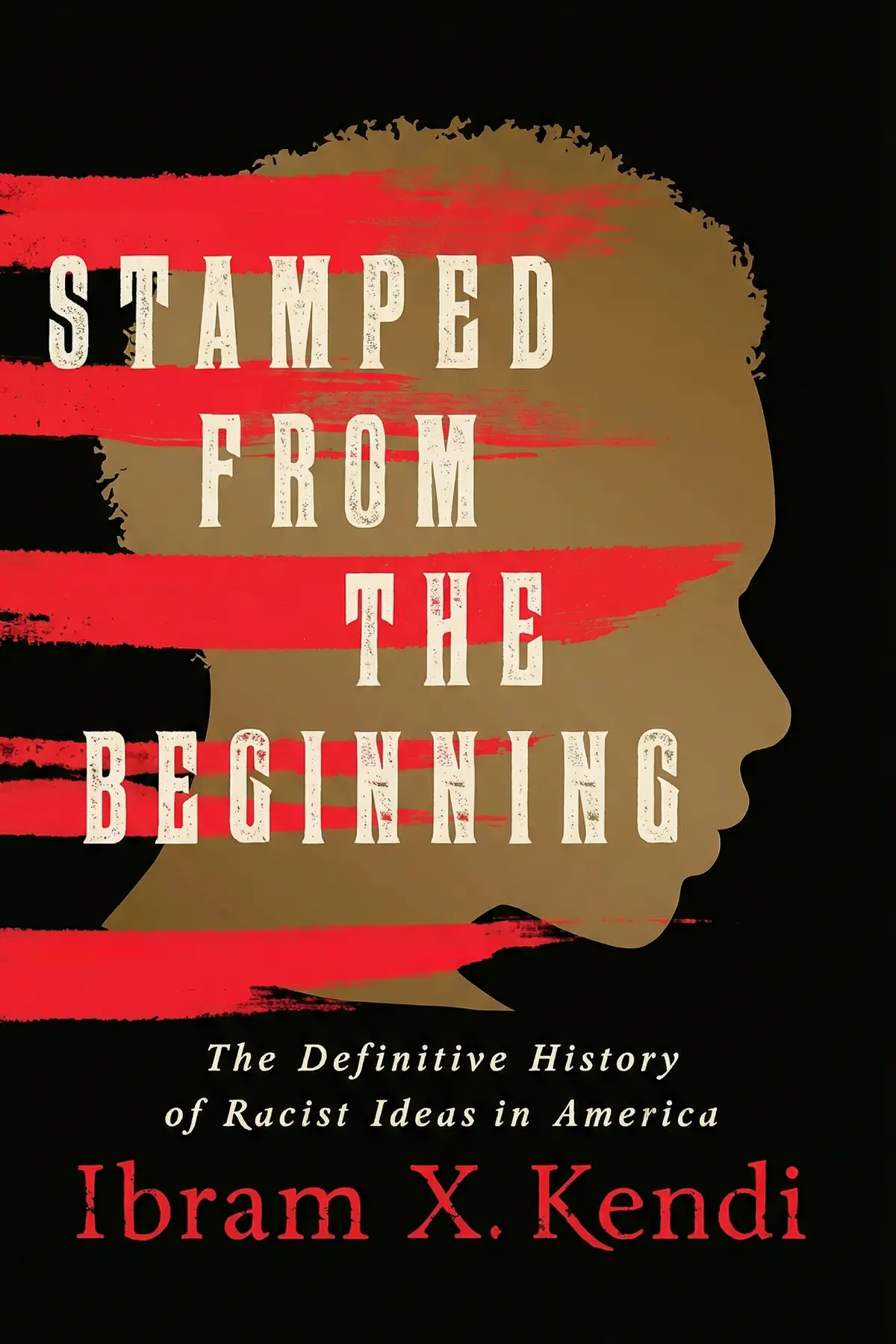
Table of Content
1. Introduction
2 min 03 sec
When we look at the landscape of American history, we often see a recurring and frustrating pattern. We see moments of profound social advancement followed almost immediately by a sharp, defensive reaction. Think about the transition from the optimistic ‘hope and change’ of the Obama years to the starkly different rhetoric of the administration that followed. For many, this feels like a sudden detour, but if we look closer at the historical record, we start to see that it isn’t a glitch in the system. It is the system.
We are often told that racism is the result of people being uneducated or filled with irrational hate. We believe that if we just teach people better or show them the truth, the racist ideas will wither away. But what if we have it backward? What if the ideas didn’t create the discrimination, but the discrimination created the ideas?
In this exploration of American history, we are going to look at the work and lives of five pivotal figures who represent different eras and mindsets: the Puritan minister Cotton Mather, the founding father Thomas Jefferson, the abolitionist William Lloyd Garrison, the scholar W.E.B. Du Bois, and the activist Angela Davis. Through their experiences, we will see how racist ideas were not just accidental misunderstandings, but carefully produced intellectual tools designed to justify policies that kept power in specific hands.
We will move through centuries of thought, from the early religious justifications for slavery to the sophisticated ‘color-blind’ policies of the modern era. Along the way, we will identify the three main camps of racial thought—segregationism, assimilationism, and anti-racism—and see how even those who claimed to be fighting for equality often carried the seeds of racist ideology within their own strategies. This isn’t just a history of what happened; it’s a history of the stories we told ourselves to make what happened seem acceptable. By understanding the origins of these ideas, we gain the clarity needed to finally break the cycle and look toward a future defined by genuine equity.
2. The Three Pillars of Racial Thought
2 min 47 sec
Discover the hidden distinctions between the three major ideological camps that have defined the American racial struggle for centuries, and why some forms of ‘help’ are actually harmful.
3. Policies Precede Ideology
2 min 27 sec
Explore the counterintuitive reality that racist ideas are born from self-interest and political strategy rather than simple ignorance or hatred.
4. The Puritan Paradox and the Invention of White Souls
2 min 19 sec
Learn how the influential minister Cotton Mather used religion to justify slavery while simultaneously offering a path to ‘spiritual whiteness.’
5. Jefferson and the Hypocrisy of the Enlightenment
2 min 09 sec
Examine the deep contradictions of Thomas Jefferson, a man who penned words of freedom while entrenching the systems of slavery.
6. The Trap of Uplift Suasion and the Abolitionist Struggle
2 min 14 sec
Uncover why even the most passionate anti-slavery advocates like William Lloyd Garrison often hindered the cause of true equality.
7. Reconstruction and the Invention of Reverse Discrimination
2 min 01 sec
See how the end of the Civil War gave birth to new, more sophisticated forms of racism that continue to plague American politics today.
8. W.E.B. Du Bois and the Evolution of the Anti-Racist Mind
2 min 03 sec
Follow the intellectual transformation of one of America’s greatest thinkers as he moved from elitist assimilationism to radical anti-racism.
9. The Civil Rights Era and the Shift to Coded Language
2 min 20 sec
Examine how the victories of the 1960s forced racist ideas to go ‘underground,’ evolving into subtle dog whistles and the destructive War on Drugs.
10. The Failure of Color-Blindness and the Path Forward
2 min 27 sec
Analyze the modern myths of ‘personal responsibility’ and ‘post-racialism’ to understand why only policy-driven anti-racism can truly end the cycle.
11. Conclusion
1 min 43 sec
In tracing the long and often painful history of racial thought in America, one truth stands out above all others: racism is not a natural human condition. It is a manufactured tool. From the early Portuguese explorers to the modern-day architects of mass incarceration, racist ideas have been produced with a specific purpose: to justify the exploitation and exclusion of Black people for political and economic gain.
We have seen how the pendulum of history swings between progress and backlash. We have seen how even the most well-meaning leaders can be led astray by the allure of assimilationism, mistakenly believing that Black people must change themselves to earn the rights that should be theirs by birth. But the lessons of figures like W.E.B. Du Bois and Angela Davis teach us that the problem was never the people. The problem has always been the power structures.
If there is one actionable takeaway from this journey, it is this: we must stop focusing on changing minds and start focusing on changing laws. We cannot wait for the ‘hearts and minds’ of the nation to magically align before we demand equity. The ideas will follow the reality. If we create a society where discrimination is impossible, the ideas that justify that discrimination will eventually wither away for lack of use.
As you move forward, look at the world around you with a critical eye. When you see a disparity in wealth, health, or justice, don’t ask what is wrong with the people on the losing end. Ask what policy is producing that outcome. Be an anti-racist, not just in your thoughts, but in your political and social demands. The cycle of racist ideas has been ‘stamped’ onto the American story from the beginning, but it is within our power to write a new ending.
About this book
What is this book about?
This summary provides a deep dive into the historical machinery of American racism. It challenges the conventional wisdom that racism stems from simple ignorance or personal hatred. Instead, it illustrates how intellectuals and politicians throughout history have deliberately crafted racist narratives to defend economic and political structures that benefit those in power. By examining the evolution of these ideas from the colonial era to the present day, the text reveals the persistent cycle of progress followed by immediate racist backlash. Listeners will learn about the three primary schools of thought that have shaped the American racial landscape: segregationism, assimilationism, and anti-racism. Through the stories of figures like Cotton Mather and Angela Davis, the summary explains how even well-intentioned movements often fell into the trap of blaming Black people for their own oppression. Ultimately, the book offers a roadmap for true change, suggesting that we must dismantle discriminatory policies first if we ever hope to erase the racist ideas that justify them.
Book Information
About the Author
Ibram X. Kendi
Ibram X. Kendi is an assistant professor of African-American history at the University of Florida. He is a prominent scholar of racism and social policy. In addition to this work, he is the author of the award-winning book, The Black Campus Movement: Black Students and the Racial Reconstitution of Higher Education, 1965-72.
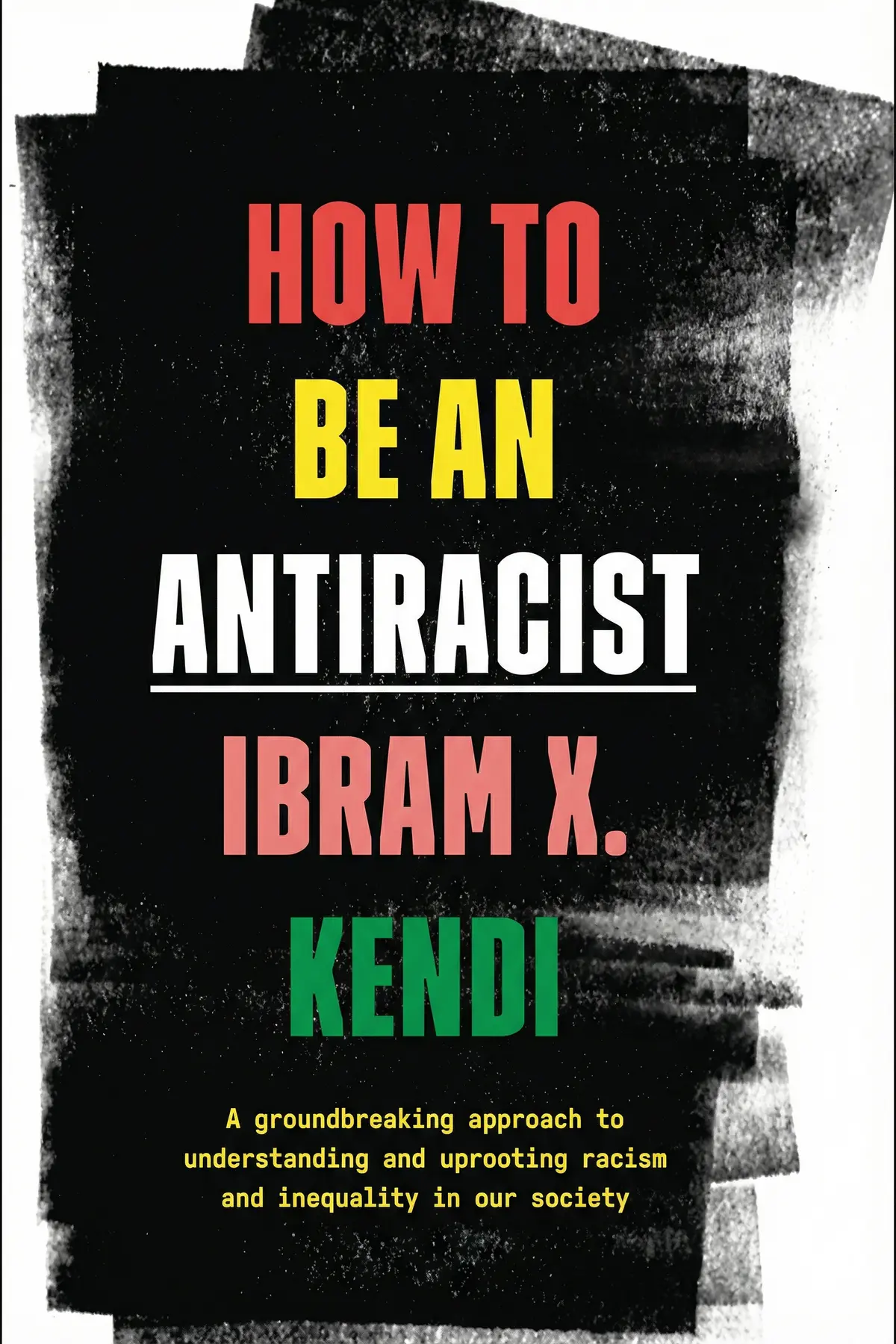
How to Be an Antiracist
Ibram X. Kendi
Ratings & Reviews
Ratings at a glance
What people think
Listeners view this book as a must-read for history students, full of analysis and facts, with one listener noting its approachability for non-historians. It provides a comprehensive record of the history of white supremacy and slavery, creating a thought-provoking and enlightening look at racist concepts throughout the American past. The author’s writing style receives acclaim, with one listener describing it as beautifully easy to manage prose. Though many find the work very factual, perspectives regarding its authenticity are mixed.
Top reviews
Claire
Few books manage to dismantle centuries of intellectual history with such surgical precision. Kendi structures this massive narrative around five representational figures, from Cotton Mather to Angela Davis, which keeps the dense research grounded for the reader. It was eye-opening to see how even those we consider historical heroes often harbored assimilationist views that reinforced Black inferiority. To be fair, the sheer volume of information can be overwhelming for a casual reader looking for a quick summary. However, the core argument—that racist policies lead to racist ideas, not the other way around—is fundamentally life-changing. I found myself highlighting passages on nearly every page of this beautifully written, albeit long, history of the American mind. It is a work of dazzling erudition.
Show moreWoramet
I sat with this book for nearly two months, processing it in small, heavy chunks because it is just that intense. This isn’t a light history; it’s a sobering deep dive into how white supremacy was intentionally designed through law and culture. Learning about the 'extraordinary Negro' concept was particularly painful because I saw how that logic is still used today to ignore systemic issues. Truth is, I sobbed into my pillow a few times realizing how much of this was never taught in my 16 years of schooling. While Kendi’s tone is academic, his passion for true anti-racism shines through every chapter. It’s a heavy lift but absolutely necessary for anyone trying to understand why our society looks the way it does.
Show moreSophia
As a student of history, I was shocked by how many gaps existed in my education regarding the systemic nature of racist ideas. We are often taught that racism is just about 'hate' or 'ignorance,' but Kendi proves it was a calculated tool for economic gain. The chapter on Thomas Jefferson and his contradictions was particularly illuminating and deeply frustrating to read. I appreciate how Kendi doesn't just focus on the obvious villains but interrogates the ideas of abolitionists and reformers as well. My only complaint is that the ending felt a bit rushed compared to the meticulous detail of the earlier sections. Still, this is a must-read for anyone serious about social justice and understanding our nation's past. The research is absolutely top-tier.
Show moreHunter
This isn't just a book; it's a comprehensive map of the American mind that I wish I'd had years ago. Kendi has this amazing ability to take complex sociological concepts and make them feel immediate and personal for the reader. I was particularly fascinated by the section on the 'ballot or the bullet' and the legacy of Malcolm X. It’s a very factual account, yet it hits you emotionally because the cycle of discrimination is so clear. Frankly, some of the ideological labels he uses are a bit rigid, which might put off some skeptical readers. But if you can look past that, the historical insights are invaluable. I highly recommend checking out the audiobook if the physical copy feels too daunting. It’s a masterpiece of historical analysis.
Show moreAim
Wow—this should be mandatory reading in every high school and university across the country without exception. Kendi’s writing style is beautifully easy to manage, which is a feat given the 500+ pages of history he covers. He doesn't pull any punches, especially when discussing how the 'talented tenth' idea actually served to reinforce racial hierarchies. I felt the weight of every sentence, especially the parts about the brutalizing of Black bodies throughout the centuries. It’s a painful read, but it’s also an empowering one because it gives you the tools to actually name the racism you see. It totally changed my perspective on what it means to be an anti-racist in a post-2020 world. Simply brilliant and deeply necessary.
Show moreVilaiporn
Kendi turns the traditional historical narrative on its head by focusing on the evolution of ideas rather than just chronological events. By using figures like William Lloyd Garrison and Cotton Mather, he shows how even 'enlightened' people could be deeply racist. The book is incredibly packed with facts and analysis, making it a gold standard for understanding American white supremacy. To be fair, some of the modern comparisons toward the end felt a bit more subjective than the earlier historical chapters. But the research is so vast that it’s hard to argue with the overall trajectory he maps out. A dazzling work of scholarship that will stay with me for a long time. It is a perturbing but essential experience for any serious reader.
Show moreMuk
Picked this up after seeing it on every 'must-read' list of the last few years, and I definitely see why. The way Kendi breaks down the three schools of thought—segregationists, assimilationists, and antiracists—is a brilliant way to categorize American history. I will say, though, that he is very quick to label almost everyone as an assimilationist, and thus a racist. Sometimes it felt like he was being a bit too blunt with historical figures who were arguably products of their specific eras. Despite that minor frustration, the facts here are undeniable and the research is stellar. It’s a dense read but manages to stay engaging throughout most of the 500-plus pages. Definitely worth the effort for the historical context alone.
Show moreRotjanee
Finally got around to listening to the audiobook version, and I’m glad I opted for the audio over the massive physical tome. Even at 18+ hours, the narrative has a momentum that keeps you hooked from the sermons of Cotton Mather to the activism of Angela Davis. One of the most striking parts was his deconstruction of 'To Kill a Mockingbird' as an assimilationist text. It really forced me to look at my favorite 'white savior' stories through a much more critical and uncomfortable lens. Look, it’s not an easy listen by any means, but the prose is surprisingly manageable for such a factual, data-driven book. It’s foundational for anyone trying to understand the roots of slavery and mass incarceration. A bit repetitive at times, but very powerful.
Show moreBo
Ever wonder why certain stereotypes about Black people persist even when facts suggest otherwise? Kendi’s work answers that by showing how racist ideas were manufactured to justify discriminatory policies like slavery and Jim Crow. I found the 'three schools' framework very useful for identifying modern rhetoric in political speeches today. Not gonna lie, the book is a monster to get through, and some chapters feel a bit repetitive in their structure. However, the section on Angela Davis and the 1990s was worth the wait and felt very relevant to our current political climate. It’s a powerful, sobering, and educational experience that demands your full attention. Take your time with this one and don't rush it. It's too important to skim.
Show moreHarper
While I found Kendi's historical documentation impressive, his ideological framework left me with more questions than answers at times. The book is at its strongest when it sticks to the evolution of ideas from the early colonial period through the Civil Rights movement. However, his definition of 'assimilationism' feels far too wide, often catching anyone who suggests personal responsibility or cultural adaptation in its net. Personally, I struggled with how he dismissed figures like DuBois in his earlier years so harshly. It’s a polemical piece of advocacy that sometimes feels like it’s only preaching to the choir rather than inviting a broader conversation. It is a monumental work of scholarship, but I think a little more nuance would have made the argument more persuasive. Still, the historical facts are quite enlightening.
Show moreReaders also enjoyed

Alexander the Great
Philip Freeman


A History of Iran: Empire of the Mind
Michael Axworthy
Afropean: Notes From Black Europe
Johny Pitts

A History of the World in 6 Glasses
Tom Standage

A Long Way Gone: Memoirs of a Boy Soldier
Ishmael Beah
AUDIO SUMMARY AVAILABLE
Listen to Stamped from the Beginning in 15 minutes
Get the key ideas from Stamped from the Beginning by Ibram X. Kendi, plus 5,000+ more titles in English and Thai.
- 5,000+ titles
- Listen as much as you want
- 7-day free trial
- Cancel anytime







