
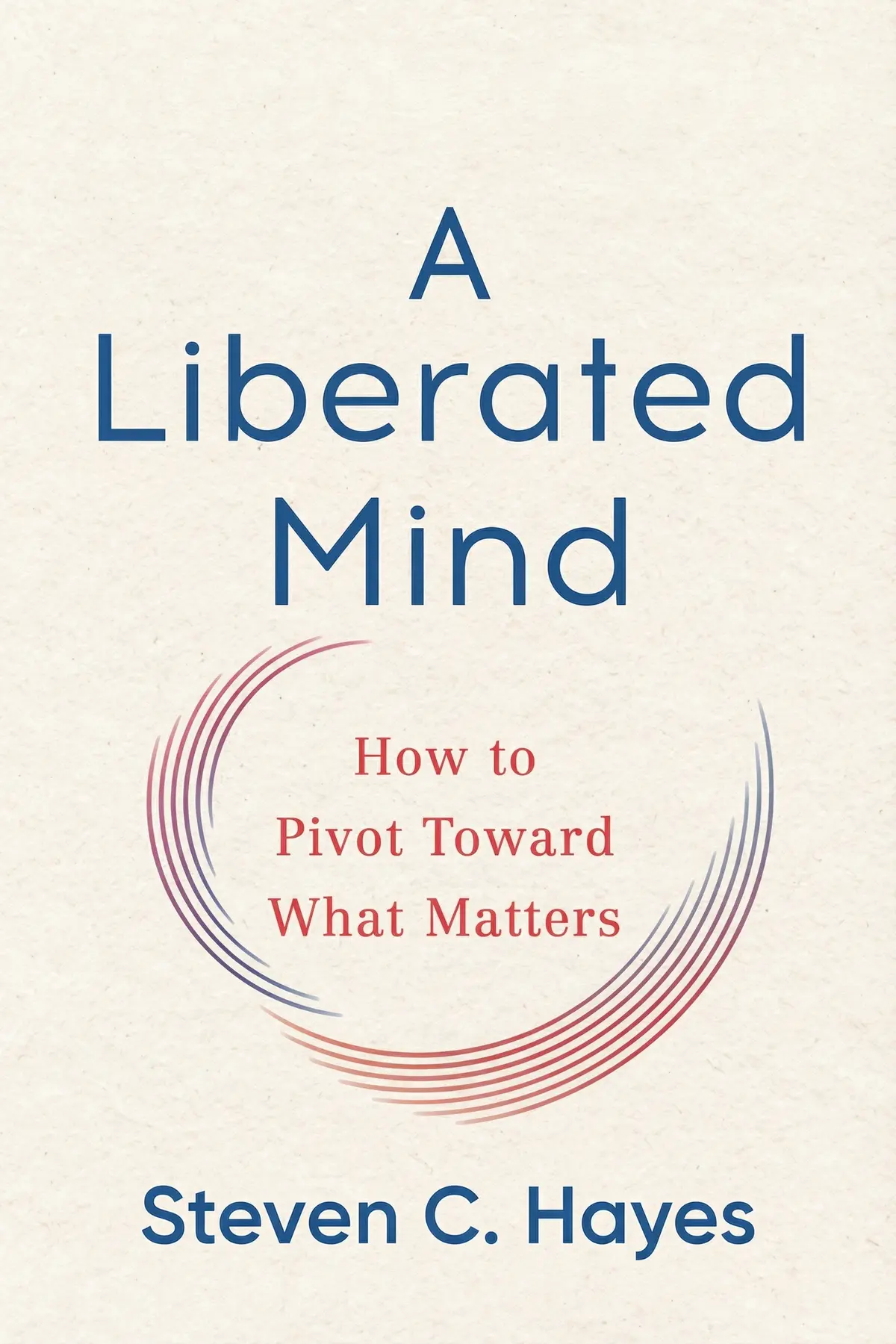
A Liberated Mind: How to Pivot Toward What Matters
Steven C. Hayes
Discover how to transform your inner critic into a compassionate ally. This guide explores overcoming perfectionism and self-doubt to embrace a life of authenticity, meaningful progress, and genuine self-acceptance.
1 min 38 sec
Imagine for a moment that you are carrying an invisible backpack, and every time you make a minor mistake or fail to meet an impossibly high standard, a heavy stone is added to it. For many of us, this is what daily life feels like. We are driven by a force that looks like ambition from the outside but feels like a constant state of deficiency from the inside. This is the weight of perfectionism. It tells us that we are only as good as our last achievement and that any slip-up is a catastrophic revelation of our true unworthiness.
But what if there was a way to set that backpack down? What if the secret to doing your best work and living your best life wasn’t more pressure, but more self-acceptance? This summary explores the profound shift from a life of ‘shoulds’ to a life of authenticity. We are going to look at why we criticize ourselves so harshly and how that voice actually hinders the very goals we are trying to reach.
The throughline of our journey today is the concept of ‘enoughness.’ We will explore how to transition from a mindset of lack to one of wholeness. We’ll cover strategies for quieting your inner critic, moving from rigid rules to meaningful values, and breaking the paralysis that so often accompanies high stakes. By looking at real-world examples and psychological insights, we will find a path forward that doesn’t ask you to lower your quality of work, but rather to change the relationship you have with yourself. Let’s begin by uncovering the central contradiction that keeps so many high-achievers stuck in a cycle of dissatisfaction.
2 min 33 sec
Explore why the drive for perfection is rarely about excellence and almost always about a fear of being inadequate, and how your inner critic might actually be trying to protect you.
2 min 20 sec
Your inner critic is sabotaging your success. Discover why self-compassion—not self-criticism—unlocks creativity, resilience, and the deeper connections you actually crave.
2 min 28 sec
Your rigid rulebook feels safe, but it’s actually fragile. Discover how trading “musts” for values transforms you from a perfectionist on the verge of collapse into someone genuinely free.
2 min 39 sec
Your perfectionist brain is sabotaging you—but not how you think. Discover why self-forgiveness, absurdly tiny steps, and befriending your future self are the real keys to breaking free from procrastination’s grip.
2 min 25 sec
Stop performing for an invisible audience and discover why dropping the mask is the only path to genuine connection and belonging.
1 min 27 sec
As we wrap up our journey through the landscape of perfectionism and self-acceptance, let’s reflect on the core shifts we’ve explored. We’ve learned that the relentless drive to be perfect is not a badge of honor, but a heavy burden born of the fear that we are fundamentally insufficient. By understanding the perfectionist paradox, we can see that our inner critic is often just a misguided protector that needs to be replaced with a voice of compassion.
We’ve seen that the rigid rules we live by can be transformed into flexible, life-affirming values that guide us without breaking us. We’ve discovered that procrastination is an emotional signal, not a character flaw, and that we can move forward through the power of tiny, manageable steps. Finally, we’ve looked at the importance of dropping the mask and choosing authenticity over comparison.
The path to being ‘enough’ doesn’t require you to change who you are; it requires you to change how you see yourself. It’s about recognizing that your worth is intrinsic—it isn’t something you have to earn through endless achievement. Today, try to notice one ‘should’ in your mind and see if you can replace it with a value. Notice one moment where you are being hard on yourself and offer a word of kindness instead. When you embrace your authentic, imperfect self, you don’t just become more productive or less stressed—you finally become free. You are, and have always been, enough.
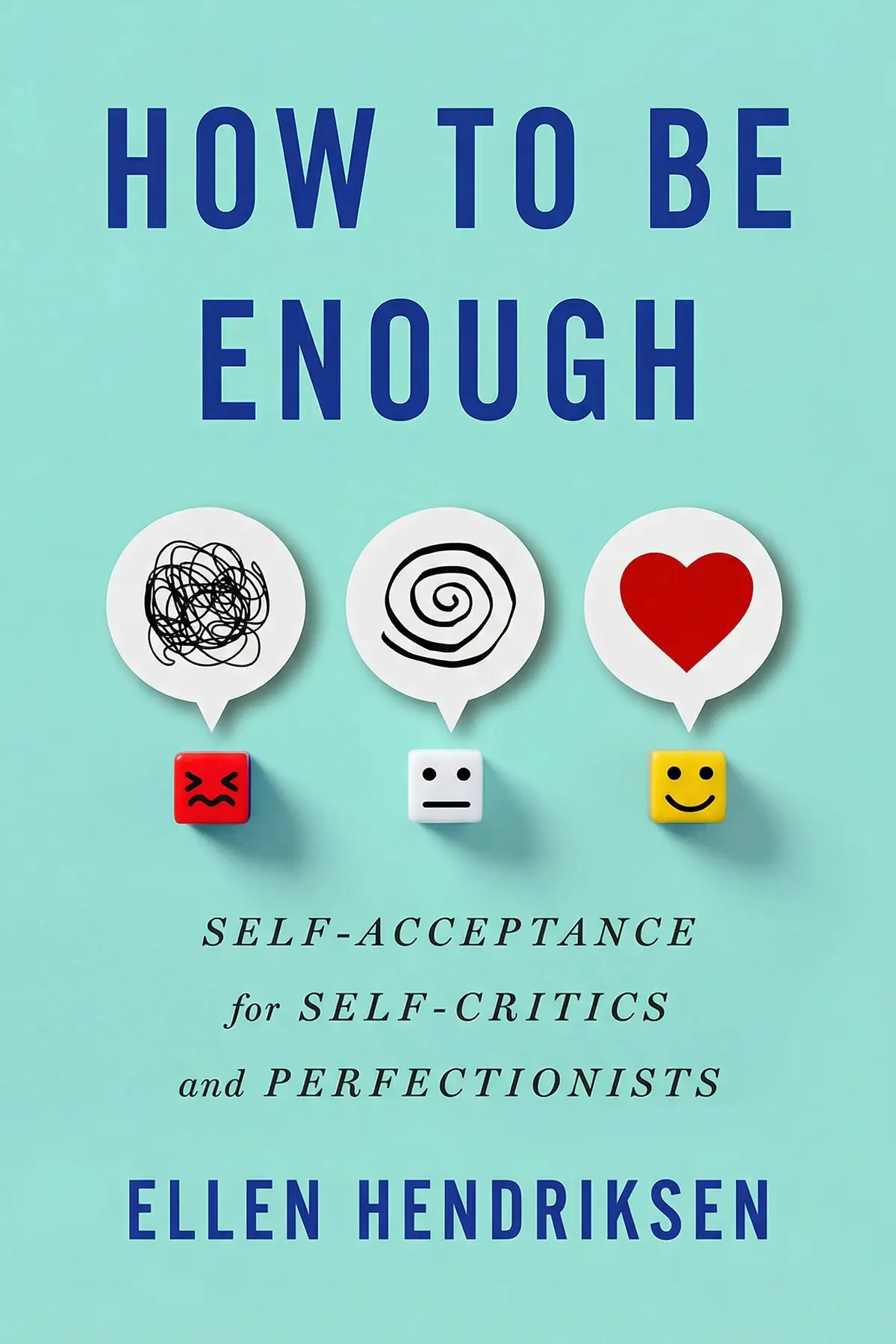
Do you ever feel like no matter how much you achieve, it is never quite enough? Many of us live under the thumb of a relentless inner critic that demands perfection in every area of life, from our professional output to our social interactions. This pressure often leads to burnout, procrastination, and a profound sense of isolation. This exploration delves into the psychological roots of perfectionism, revealing that it isn't actually about a drive for excellence, but rather a deep-seated fear of inadequacy. Through a series of transformative mindset shifts, you will learn how to replace rigid internal rules with flexible values and harsh self-judgment with genuine compassion. The book promises a practical path toward breaking the cycle of procrastination and social comparison. By the end, you will understand how to dismantle the impossible standards you have set for yourself and others, allowing you to live a more authentic, connected, and fulfilling life where being 'enough' is finally a reality.
Ellen Hendriksen is a respected clinical psychologist working at the Center for Anxiety and Related Disorders at Boston University. She is a specialist in the fields of social anxiety and perfectionism. Her previous work includes the internationally recognized book How to Be Yourself, and her insights have been featured in prominent publications like the New York Times, BBC News, and the Harvard Business Review. She also contributes regularly to Scientific American and Psychology Today.
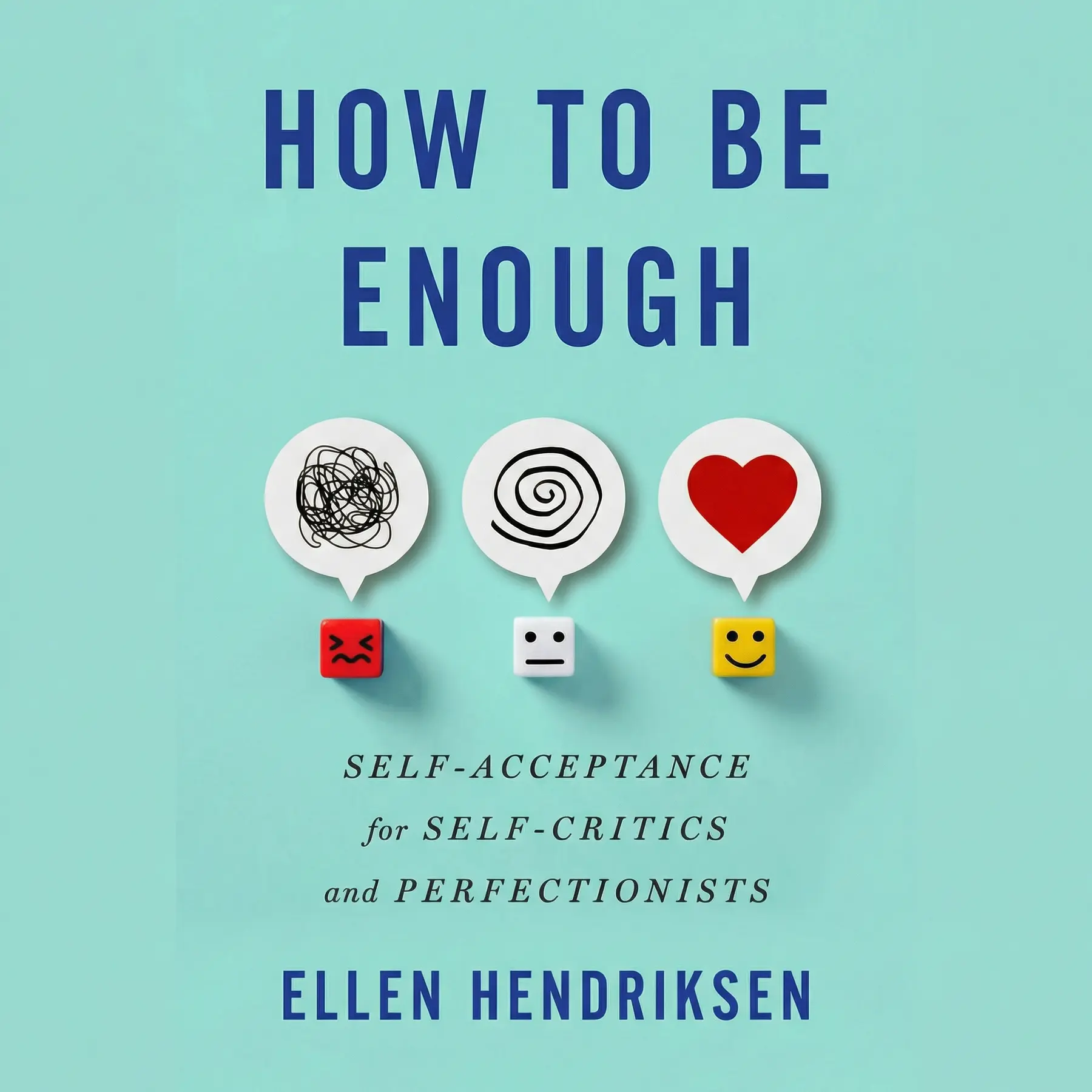
Listeners describe the work as both accessible and easy to relate to, and one listener highlights it as essential reading for anyone struggling with perfectionism. The guidance offered is highly valued, particularly by one listener who points out that it offers entirely new methods for experiencing a richer life. There is strong praise for the caliber of the information presented, as one listener characterizes the text as "chock full of brilliant research."
As someone who has spent years trying to be 'perfect' and failing miserably, this book felt like a massive relief. Hendriksen doesn't tell you to stop being ambitious; she tells you to stop emotionally bludgeoning yourself in the process. The way she explains how our brains create shortcuts based on past praise was a total lightbulb moment for me. It’s not just about 'trying harder'—it’s about learning cognitive flexibility. I particularly appreciated the Fred Rogers quotes toward the end of the book. They served as a gentle, much-needed reminder that our worth isn't tied to our daily output or performance. This is a must-read for the 'recovering' perfectionists who need a nudge toward kindness. I'm already feeling more enough than I did yesterday.
Show morePicked this up on a whim and I’m so glad I did. Hendriksen explains perfectionism as a complex mix of nature and nurture, which helped me stop blaming myself for having these traits in the first place. The 'seven shifts' are easy to digest, and the writing is engaging enough to keep you turning pages even through the science-heavy parts. I found the section on 'should-ing' your life away to be particularly convicting. We live in a world that constantly demands production, so having a professional give you permission to rest is invaluable. It’s research-heavy but remains accessible, making it one of the better self-help titles I've picked up this year. It's chock full of brilliant insights.
Show moreAfter hearing so many good things about Dr. Hendriksen's previous work, I had high hopes for this, and she absolutely delivered. This book is chock full of brilliant research but reads like a conversation with a wise, compassionate friend. I finally understand the link between my anxiety and my constant need for control over every tiny detail. The chapters on 'shifting' your perspective are incredibly helpful for someone like me who tends to be very rigid in my thinking. It’s not about lowering your standards or becoming lazy; it’s about redirecting that energy toward things that actually bring joy. I’ll be recommending this to every 'anal-retentive' friend I have—and I mean that with the utmost love!
Show moreDr. Hendriksen writes like a friend who actually understands the 'Type A' spiral. The seven shifts are practical, even if some of the exercises felt a bit like heavy homework I wanted to skip in favor of a nap. I loved the 'inner rulebook' section; it’s terrifying to see how many arbitrary laws I’ve written for my own life that sound like they came from a supervillain HR department. She manages to balance hard science with a lighthearted tone that keeps it from feeling like a dry clinical textbook. There were moments where the puns were a bit too much for my taste, but the core message—that we can turn down the volume on that screaming inner critic—really landed. It’s a solid resource for anyone who feels they are never doing enough.
Show moreTruth is, I never considered myself a perfectionist until I read the chapter on the over-evaluation of performance. I realized I spend more time reliving my social mistakes than actually enjoying my wins. The advice here is actionable and grounded in psychological reality, not just fluffy 'love yourself' platitudes that don't actually work. I especially liked the 'donut' analogy—the idea of being called out on your behavior but still being cared for. My only minor gripe is that some of the case studies felt a little too tidily resolved for my liking. Real life is messier than a 200-page book can capture, but it's a fantastic starting point for changing your internal monologue. Definitely worth picking up if you're your own worst critic.
Show moreNot what I expected, but in a very good way. I thought this would be another lecture on being more organized, but it’s actually about being more human. The author’s own struggles with perfectionism make her a trustworthy narrator; she’s in the trenches with us. I really connected with the idea of the 'inner critic' acting like an inflexible judge. That image alone will stick with me for a long time. Some of the similes were a bit cheesy (prepare for some pun-induced eye-rolls), but the strategies for building self-acceptance are top-tier and easy to implement. It’s a life raft for anyone currently drowning in their own high expectations and constant need for external validation.
Show moreEver wonder why you’re your own worst enemy? This book breaks it down with a great mix of wit and clinical expertise. The section on 'self-acceptance for self-critics' provides some never-before-seen strategies that go beyond the usual positive affirmations you find on Instagram. I loved the focus on flexibility—understanding that a 'bad' day doesn't make you a 'bad' person. It's a vital distinction that most of us forget. The book could have used a quick summary guide or a workbook at the end for easy reference, but the core content is brilliant. It’s a compassionate and deeply researched look at a very common, very exhausting struggle. I'll definitely be coming back to my highlighted sections.
Show moreFinally got around to finishing this, and while I appreciate the depth of research, it felt a bit repetitive in the middle sections. The author is clearly knowledgeable as a psychologist, but some chapters dragged on longer than necessary. I did find the distinction between values and goals helpful; focusing on who I want to be rather than just what I want to achieve is a necessary shift for my mental health. However, the tone was a bit dry at times, and I found myself skimming the client anecdotes. It’s a decent guide if you’re new to the concept of self-compassion, but it might feel like a repeat if you’ve read a lot of other self-help titles. It's a good book, just not a life-changing one for me personally.
Show moreLook, there is some excellent information in here, but I struggled with the framing of certain 'success stories.' Comparing my daily struggles to high-profile figures like Steve Jobs felt a bit alienating because I'm not a tech billionaire; I'm just a person trying to get through the work week without a panic attack. To be fair, the psychological principles regarding cognitive flexibility are sound. The exercises on defining core values were cathartic and helped me see where I was misplacing my energy. But I found the tone a bit too 'therapist-y' in certain spots, which made it harder to stay engaged during the longer chapters. It’s worth a read for the practical tips, but it didn’t quite hit the 5-star mark for me.
Show moreStop holding up narcissists as idols. I was hopeful for a guide on self-acceptance, but using Steve Jobs and Walt Disney as models of 'perfectionism' felt fundamentally wrong to me. Mentioning Disney's treatment of his staff in a single off-handed sentence while asking the reader to relate to his 'suffering' is a massive oversight. If being a perfectionist means being a 'narcissistic despot' to your family and employees, I don't want the advice. The book tries to be compassionate toward the reader, but it simultaneously gives a pass to behavior that is just plain rude and derogatory. I couldn't get past the idea that we should sympathize with these 'geniuses' while they berate the people around them. It felt like an excuse for being a jerk under the guise of high standards. Not for me.
Show moreSteven C. Hayes
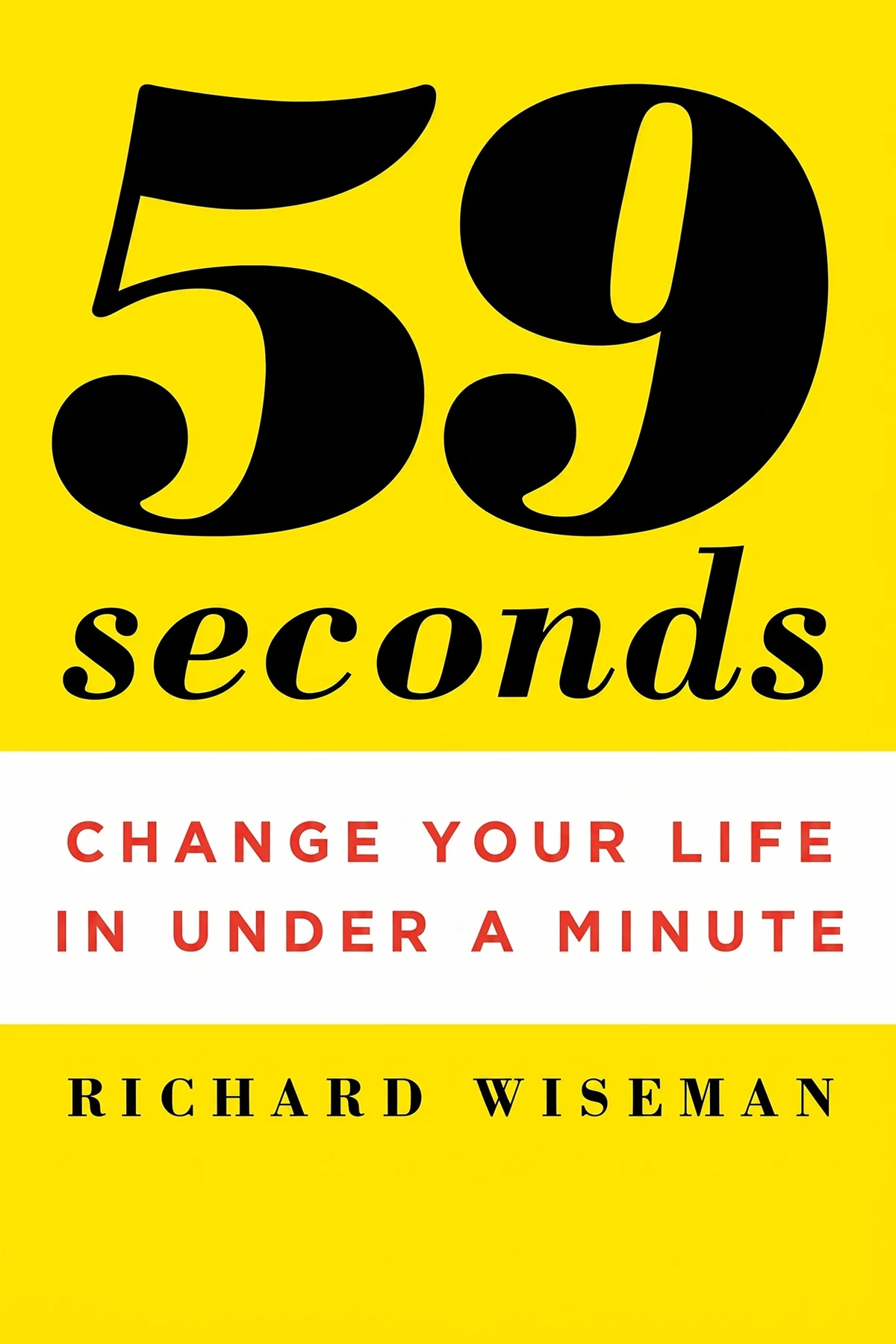
Richard Wiseman
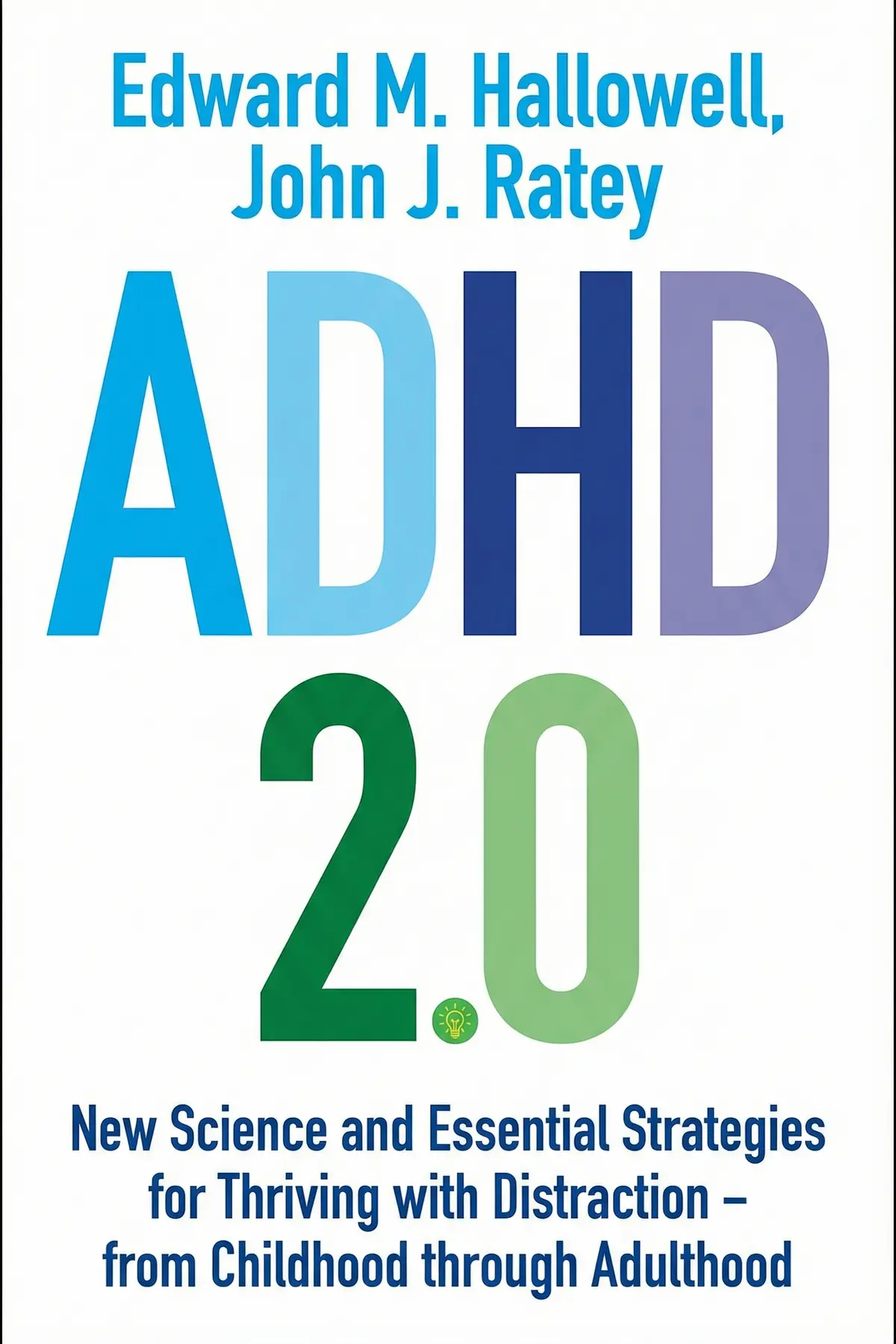
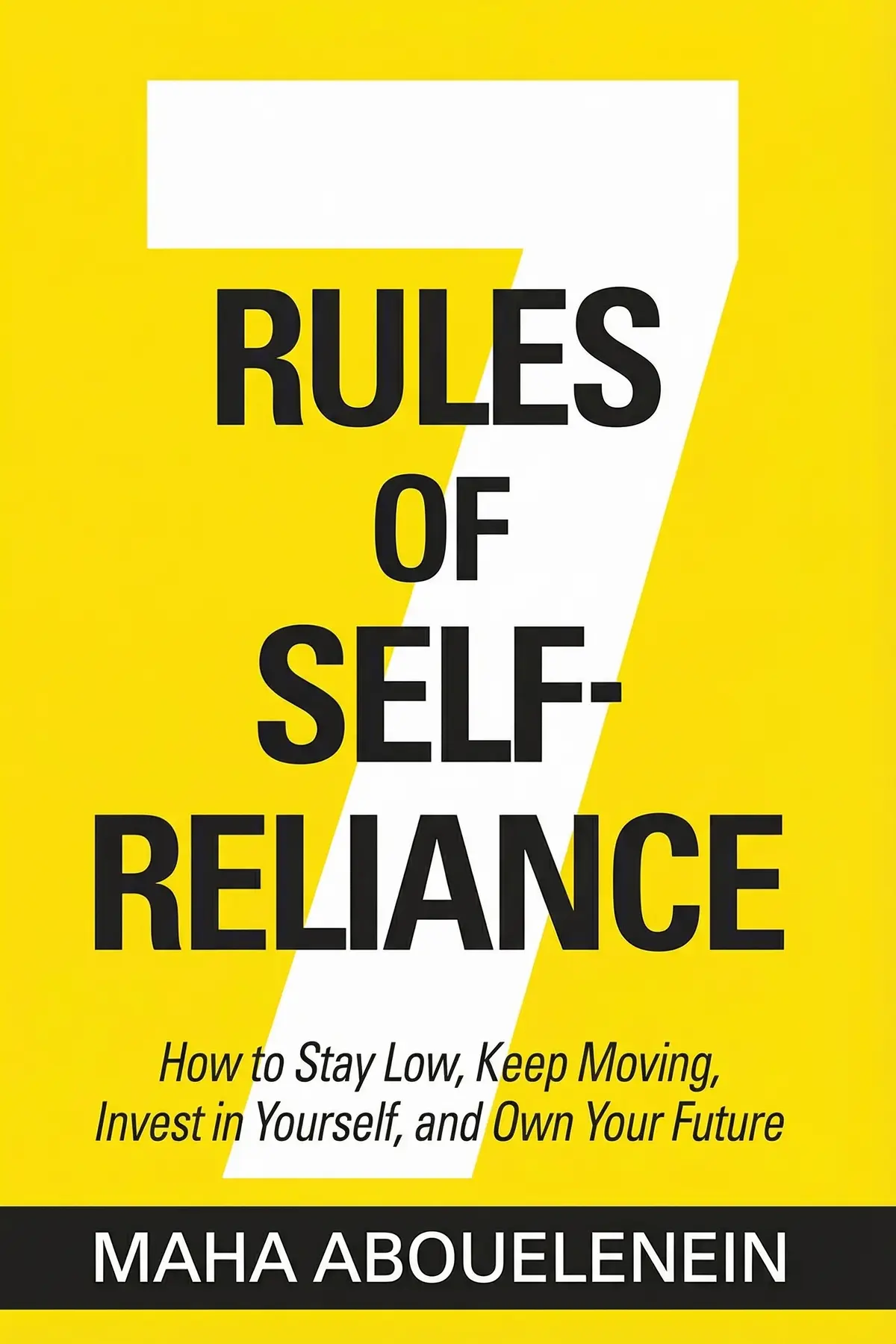
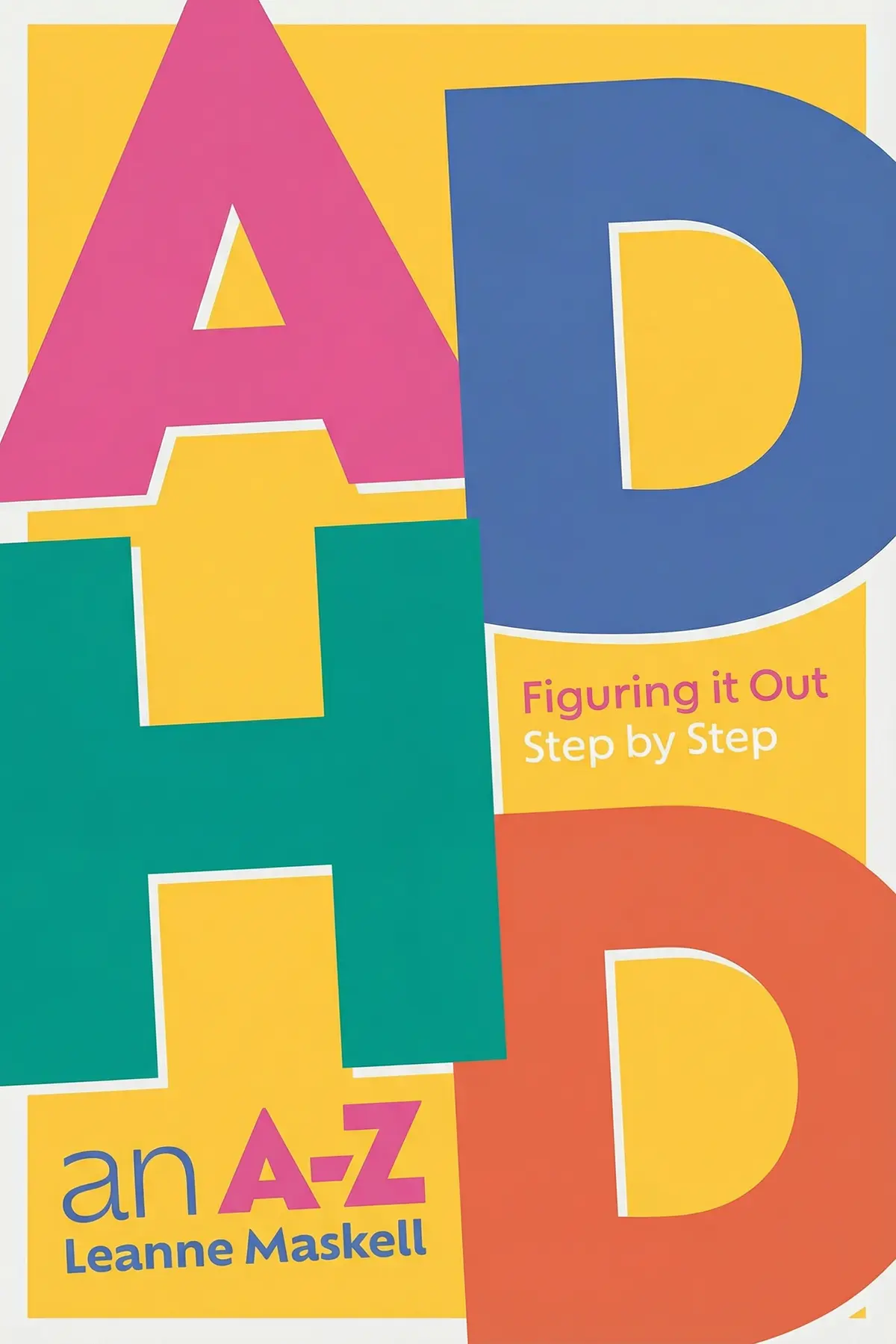
Leanne Maskell
AUDIO SUMMARY AVAILABLE
Get the key ideas from How to Be Enough by Ellen Hendriksen, plus 5,000+ more titles in English and Thai.







