
17 min 37 sec
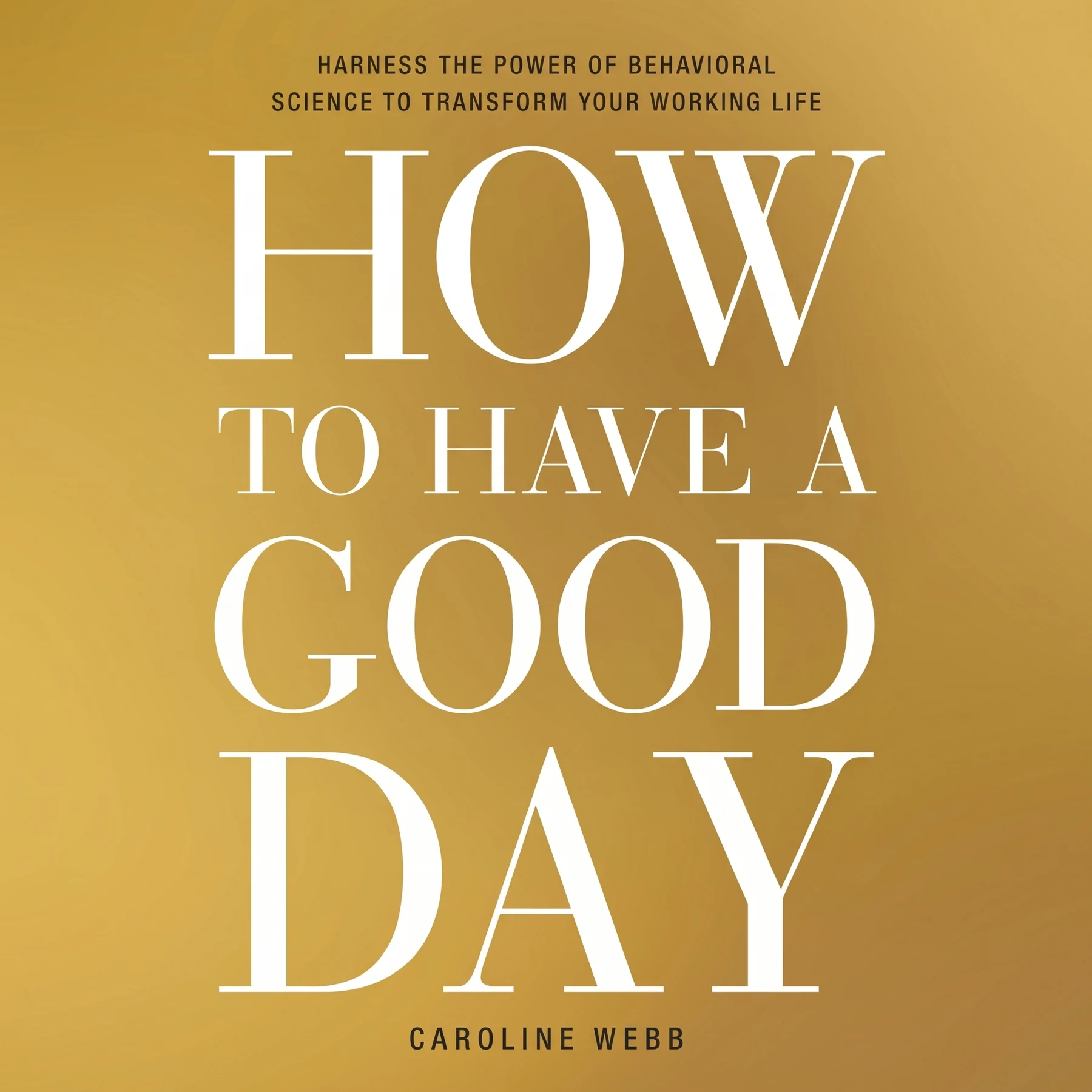
How To Have A Good Day: Harness the Power of Behavioral Science to Transform Your Working Life
Discover a science-based approach to transforming your professional life. Learn how to master your focus, navigate workplace dynamics, and maintain high energy levels to ensure every workday is productive and fulfilling.
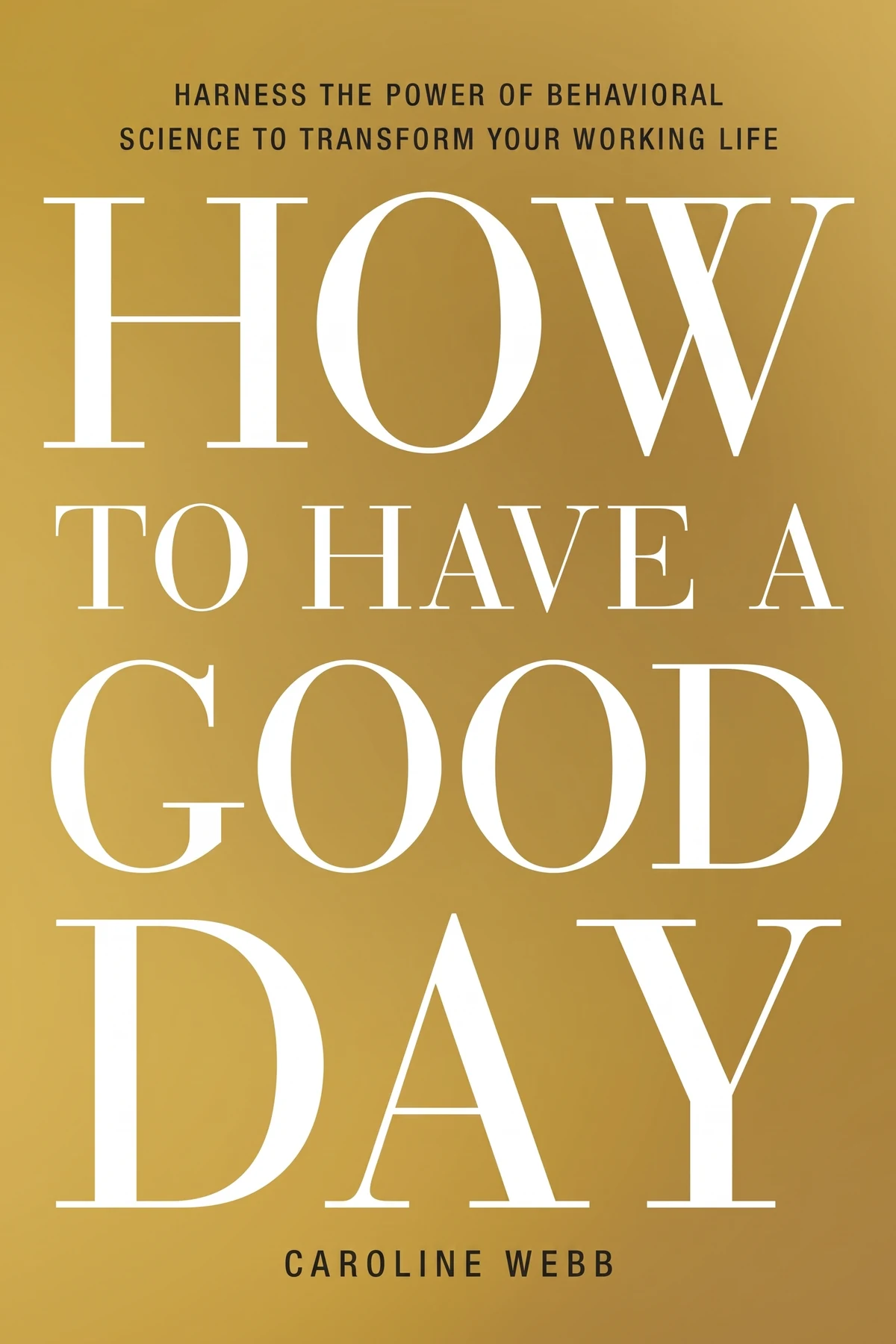
Table of Content
1. Introduction
1 min 33 sec
We have all experienced those rare, golden days at the office where everything seems to click. You arrive with a clear head, you tackle your most daunting tasks with surprising ease, and even the most difficult personalities in the building don’t seem to rattle you. On these days, your ideas are sharp, your focus is unbreakable, and you leave the office feeling energized rather than drained. Most people view these days as happy accidents—moments of alignment that we simply hope will happen more often. But what if a great day wasn’t something you had to wait for? What if you could actually design it?
This exploration into the mechanics of a successful workday suggests that our performance and our mood are governed by specific psychological principles. By understanding how our brains process information, react to stress, and interact with others, we can begin to influence our environment rather than being at its mercy. This isn’t about working more hours or pushing yourself to the point of exhaustion; it is about working in harmony with your biology.
Throughout this journey, we will look at how to set the right mental filters, how to handle the inevitable waves of overwhelm, and how to build a social environment that supports your goals. We will see how small shifts in how we frame our tasks and how we communicate with colleagues can lead to massive improvements in our daily experience. The goal is to move from a life of busy-ness to a life of intentionality, where you consistently feel at the top of your game. Let’s dive into the practical, science-backed strategies that can turn your typical workday into a masterpiece of productivity and satisfaction.
2. Mastering Your Daily Intentions
2 min 18 sec
Discover how setting proactive goals and identifying personal distractions can prevent that sinking feeling of a wasted day.
3. Navigating Overload and Maintaining Focus
2 min 17 sec
Learn why the elite perform in short bursts and how breaking down daunting tasks can eliminate the urge to procrastinate.
4. The Power of Professional Rapport
1 min 50 sec
Discover why finding common ground with colleagues is more than just polite—it is a strategic advantage for your career.
5. Solving Complex Problems with Logic Trees
2 min 16 sec
Explore a systematic way to deconstruct difficult decisions and use diverse feedback to avoid blind spots.
6. Communicating with Clarity and Impact
1 min 51 sec
Learn how to capture an audience’s attention by giving them agency and using real-time visuals over static slides.
7. Navigating Interpersonal Tension and Conflict
1 min 45 sec
Find out how a real estate advisor turned a frustrating client relationship around by choosing transparency over resentment.
8. Building Resilience and Sustaining Energy
2 min 07 sec
Unlock techniques for mental distancing and energy management that help you stay cool and motivated under pressure.
9. Conclusion
1 min 40 sec
As we have seen, the quality of our working life is not something that is handed to us; it is something we build, piece by piece, through the habits we cultivate and the way we choose to view our world. By taking control of your intentions every morning, you set a course that prevents you from being tossed around by the whims of others. By respecting your brain’s need for focused blocks of time and regular recovery, you ensure that your output remains high without leading to burnout.
We have explored how the simple act of finding common ground can transform professional relationships and how a structured approach to decision-making can take the sting out of complex problems. We have also seen that resilience is a skill that can be practiced, whether through psychological distancing or by managing our energy levels with gratitude and physical movement.
To put this into immediate practice, consider one final, actionable strategy: the way you handle your digital environment. Constant notifications are one of the greatest enemies of a good day. Try setting specific intervals for checking your messages rather than leaving your inbox open all day. This small boundary protects your focus and allows you to finish your most important work with a sense of mastery.
A good day is essentially a series of small, intentional victories. It is about knowing yourself well enough to recognize when you need a break, when you need to reach out to a colleague, and when you need to take a step back and breathe. By applying these science-backed strategies, you don’t just improve your productivity—you transform your entire relationship with your work, turning the daily grind into a source of energy and satisfaction.
About this book
What is this book about?
Have you ever wondered why some workdays feel like an effortless flow of creativity while others are a grueling uphill battle? This guide explores the psychological and neurological foundations of productivity to show that a great day is not a matter of luck, but a result of intentional choices. It provides a toolkit for managing the modern professional environment, from the way we frame our morning goals to the manner in which we handle high-stakes conflicts. By applying insights from behavioral science, you will learn how to sharpen your decision-making, build stronger professional relationships, and communicate your ideas with greater impact. The book promises a roadmap for reclaiming your schedule and your mental well-being, moving away from reactive habits and toward a proactive, energized state of mind. Whether you are struggling with procrastination, difficult colleagues, or overwhelming to-do lists, these strategies offer a clear path to feeling better and performing at your peak.
Book Information
About the Author
Caroline Webb
Caroline Webb is a highly regarded management consultant who spent twelve years as a partner at McKinsey before founding her own firm, Sevenshift. Her expertise lies in helping organizations and individuals improve their productivity, energy, and enthusiasm by applying behavioral science. Her insights and research have been featured in major publications, including the New York Times and Forbes.
Ratings & Reviews
Ratings at a glance
What people think
Listeners find the book provides actionable advice backed by fascinating research, resulting in a highly pleasant and accessible experience. Furthermore, the narrative approach is quite pragmatic, and listeners value the inspiring elements, including one individual who highlighted its ability to pinpoint the origin of stress. The title also earns praise for boosting efficiency; notably, one listener credited the material with helping them successfully complete their PhD.
Top reviews
Sarawut
This book was exactly what I needed while finishing my graduate studies. To be fair, I was drowning in deadlines and the chapter on sharpening focus felt like a lifeline in a sea of academic stress. Webb translates dense behavioral science into actual steps that don’t feel like chores. It’s not just fluffy motivation; the advice is grounded in how our brains actually filter reality. I found myself hitting my word counts much faster once I started applying the "intentionality" techniques she describes. If you're struggling to get through a massive project like a PhD, this manual is gold. The practical tips on energy management changed my entire workflow.
Show moreCamila
Wow, the relationship section in this book is worth the price of admission alone. I’ve always struggled with setting boundaries without sounding like a jerk, but Webb’s "positive no" technique is life-changing. Delivering disappointing news with warmth and clarity has saved me so much social anxiety this month. It’s rare to find a book that addresses both the science of our neurons and the messy reality of human interaction so seamlessly. I appreciated that she didn't just tell me to "be positive" but explained the evolutionary reasons why we perceive threats. Every manager should have a copy of this on their desk. Highly recommended for the interpersonal tips.
Show moreSirirat
Caroline Webb has written an incredibly enjoyable manual that manages to be both heavily researched and light on its feet. Most of the content is tailored for the workplace, but even as a stay-at-home parent, I found a wealth of applicable knowledge. The way she breaks down the science of behavior and attitudes makes the daunting task of "self-improvement" feel entirely achievable. Her conversational tone makes the complex neurological concepts feel like a chat with a very smart friend. I’ve already recommended it to several people who were feeling stagnant in their careers. It’s an investment in your mental well-being that actually pays off. Absolutely worth the time to read.
Show moreKasemsan
As someone who works in a high-pressure corporate environment, the McKinsey-informed perspective really resonated with me. Webb understands that our workplaces often feel like strange social experiments where stress levels dictate our intelligence. The "discover-defend axis" concept was a game-changer for how I view my morning meetings. Not gonna lie, I used to walk into the office ready for a fight, but shifting into "discovery mode" has noticeably improved my team's output. The book is quite long and the middle sections can drag a bit, but the professional utility is undeniable. It's a great starting point for those unfamiliar with behavioral science.
Show moreMadison
Ever wonder why some days feel like an uphill battle while others just click? This manual dives into the "mind-body loop" and the two-system brain to explain that frustrating inconsistency. I loved the section on mimicking physical actions to trick the brain into a state of confidence. Personally, it felt a little weird at first, but the science behind it seems robust enough to warrant a try. The writing style is practically oriented, avoiding the typical vague metaphors found in this genre. While it’s heavily researched, it never feels like a dry textbook. It’s a helpful guide for identifying the source of your daily stress.
Show moreMikael
After hearing so much about the "seven building blocks," I was curious to see if they were actually actionable. The book is divided logically into sections like resilience, energy, and impact, which makes it easy to jump to what you need. I particularly benefited from the part about maximizing impact through strategic organization. Frankly, my desk was a disaster and my calendar was worse until I applied her filtering techniques. The tone is encouraging without being saccharine, and the humor injected throughout keeps the density of the research manageable. It’s a highly practical manual for the modern professional seeking better productivity. Not a quick read, but definitely a worthwhile one.
Show moreIngrid
Having a good day shouldn't feel like a mystery, and this book does a fantastic job of deconstructing the mechanics of stress. I found the explanation of how we experience a "simplified version" of reality particularly eye-opening for my personal life. It helped me realize that my reactions to my partner were often based on my brain's filtered perception rather than objective truth. The section on resilience gave me tools to bounce back from minor setbacks that used to ruin my entire afternoon. It’s a bit repetitive in places, but the core message is incredibly empowering for anyone feeling burnt out. The science is presented in a way that feels very accessible.
Show moreWittaya
Picked this up because a colleague wouldn't stop raving about it. Truth is, if you've read Thinking, Fast and Slow or any basic habit-building books, most of this will feel like a retread. It’s a solid compilation of existing research, but I struggled to find that "eureka" moment where a truly original idea appeared. Webb’s writing is conversational and pleasant, making it an easy afternoon read. However, I didn’t feel particularly enlightened by the suggestion to prioritize my workload. It’s a great introductory text for someone new to applied psychology, but seasoned self-help readers might find it redundant. A bit too much of a blog-post vibe for me.
Show moreDivya
Finally got around to finishing this, and I have mixed feelings. On one hand, the evidence-based approach is refreshing in a field dominated by "vibe-based" self-improvement. On the other hand, several chapters felt like reading a series of high-quality blog posts rather than a cohesive narrative. Webb is clearly brilliant, yet some of the advice boils down to things we already know, like getting more sleep. Look, the practical tips for diffusing tense situations are useful, but the book could have been fifty pages shorter without losing much impact. It's a decent reference guide, but it won't necessarily tell you anything revolutionary if you're already well-read in psychology.
Show moreNina
This book was recommended by a friend, but I honestly found it underwhelming. Where is the revolutionary idea that the cover seems to promise? I don't think I learned anything that a basic "common sense" approach to life wouldn't already cover. Change your attitude, get some sleep, and prioritize your tasks—we’ve heard these platitudes a thousand times before. Maybe I missed the hidden depth, but I didn't feel enlightened at all. To be fair, if you want a better day, you're probably better off quitting a toxic job than reading 400 pages on how to cope with it. It felt like a very long McKinsey presentation.
Show moreReaders also enjoyed

AUDIO SUMMARY AVAILABLE
Listen to How To Have A Good Day in 15 minutes
Get the key ideas from How To Have A Good Day by Caroline Webb, plus 5,000+ more titles in English and Thai.
- 5,000+ titles
- Listen as much as you want
- 7-day free trial
- Cancel anytime







