
23 min 27 sec
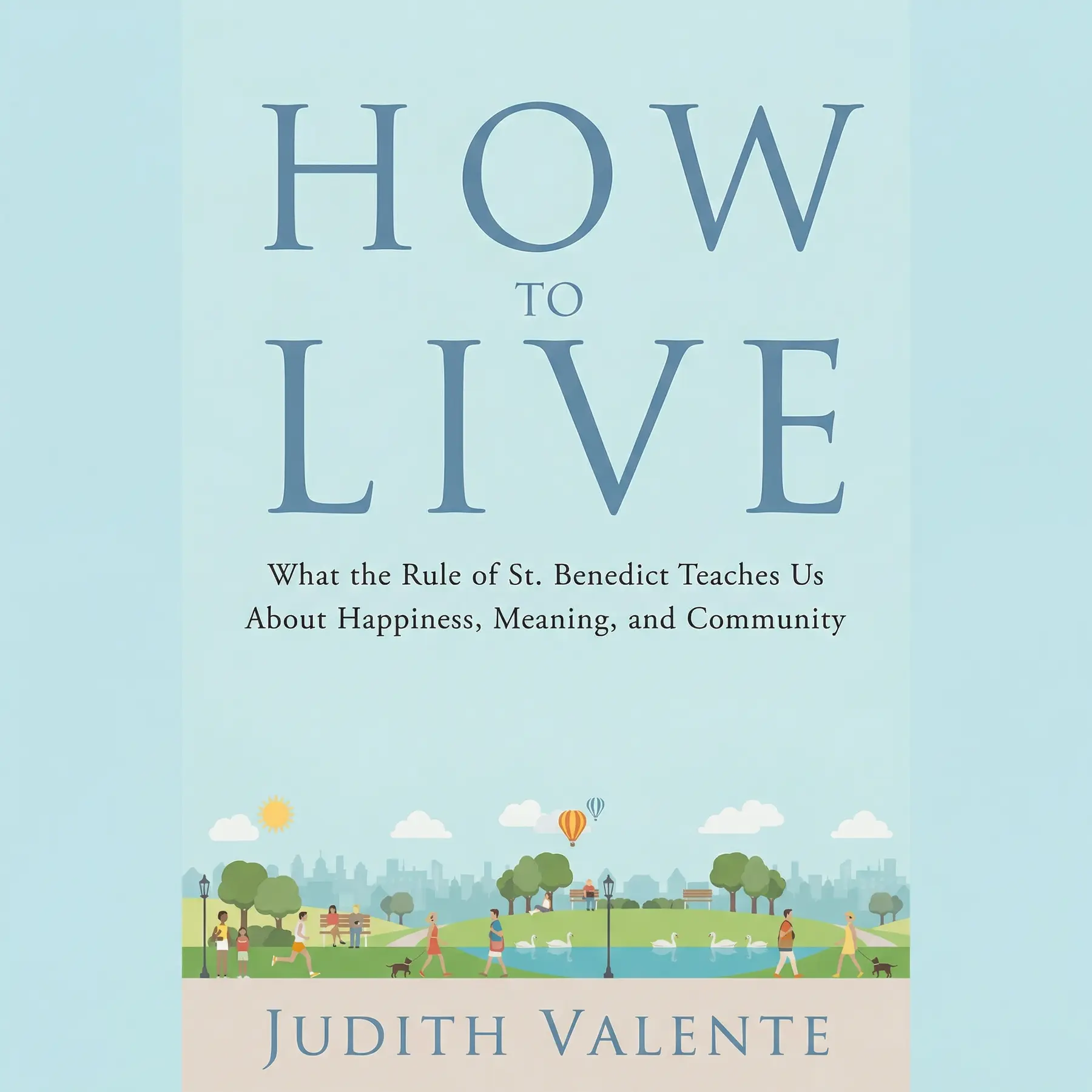
How to Live: What the Rule of St. Benedict Teaches Us About Happiness, Meaning, and Community
A guide to applying the 6th-century Rule of St. Benedict to modern life. It explores how ancient monastic wisdom helps us find balance, practice deep listening, and live with intentional purpose.
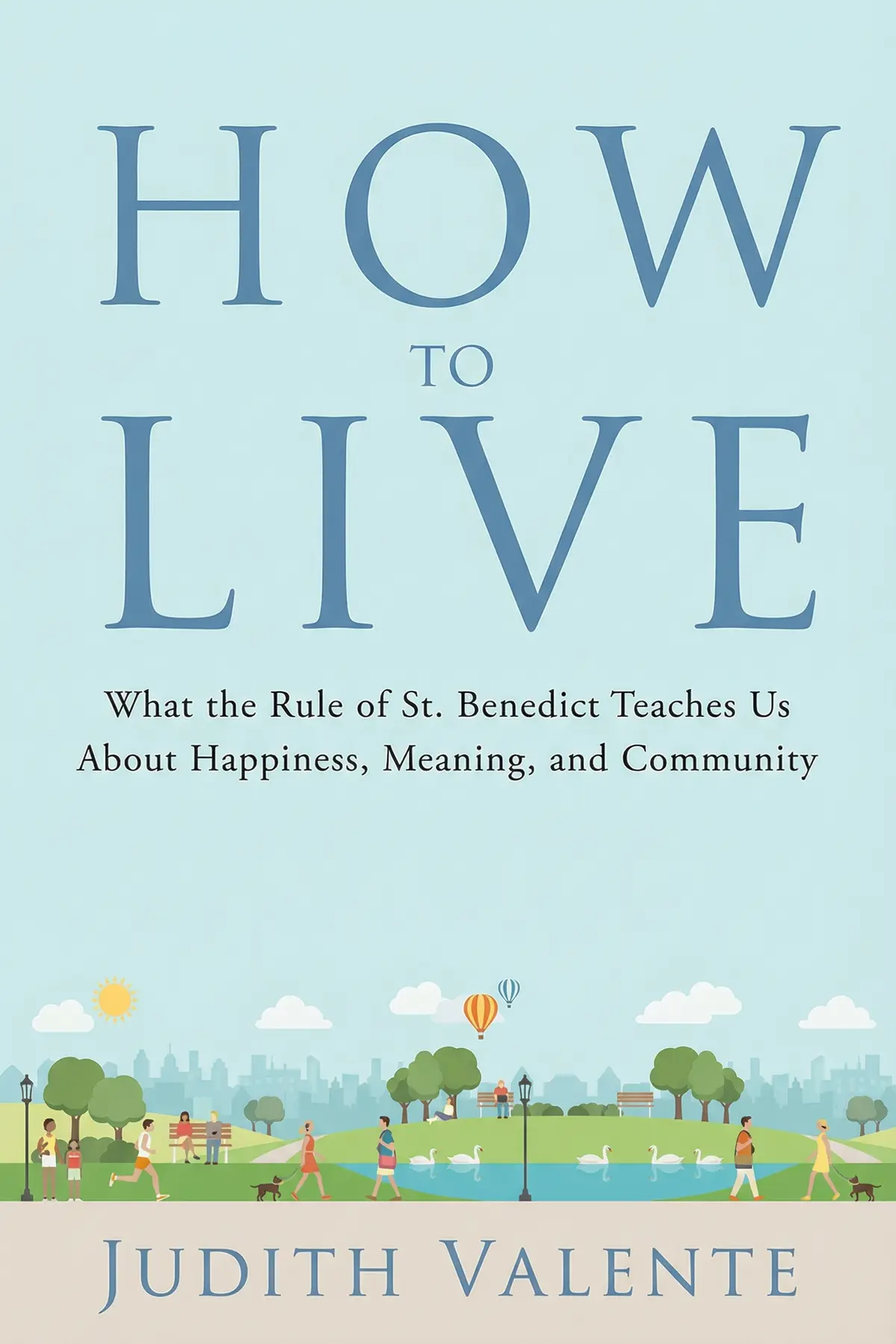
Table of Content
1. Introduction
2 min 03 sec
In a world that feels increasingly fractured and frantic, it is easy to assume that the answers to our modern problems must lie in modern solutions. We look to the latest technology, the newest productivity apps, or the most recent political movements to find stability. But what if the most effective guide for navigating the complexities of the twenty-first century was written fifteen hundred years ago? It might seem counterintuitive to look to a sixth-century monk for life advice, but the world inhabited by Benedict of Nursia was surprisingly similar to our own. It was a time of immense social transition. The Roman Empire was shifting, political trust was eroding, and deep divisions regarding religion and identity were pulling society apart at the seams.
Amidst this historical turmoil, Benedict believed that humanity needed a better way to coexist—a way to build communities that weren’t defined by greed or injustice, but by harmony and shared purpose. He established a monastery and drafted what became known as the Rule of St. Benedict. This was not just a list of chores for monks; it was a comprehensive philosophical framework for living well. While it consists of seventy-three chapters, its core throughline is about intentionality. It is about waking up to the reality of our lives and learning how to treat ourselves, our neighbors, and our environment with a radical kind of respect.
As we explore these insights, we will see how ancient monastic practices like silence, humility, and hospitality can be translated into our modern context. We will discover how a linguist’s attempt to communicate with aliens mirrors our own need for deep listening, and why acknowledging the finite nature of our time can actually make us feel more alive. This journey isn’t about becoming a monk or retreating from society; rather, it’s about bringing the peace of the monastery into the chaos of the everyday. By the end of this exploration, you will see how these ancient ground rules offer a timeless map for anyone seeking happiness, meaning, and a true sense of community.
2. The Art of Deep Listening
2 min 37 sec
Discover how a 1,500-year-old concept called listening with the ear of the heart can transform your relationships and bridge modern social divides.
3. Awakening to Life and Mortality
2 min 36 sec
Learn why confronting the inevitability of death is not a gloomy practice, but a vital tool for living each day with maximum enthusiasm and awareness.
4. The Power of Silence and Humility
2 min 27 sec
Explore how quieting the noise of social media and practicing patience can lead to a more peaceful internal and external existence.
5. Finding Harmony in Work and Rest
2 min 26 sec
Unlock the secret to a sustainable work-life balance through the Benedictine motto of ‘pray and work,’ turning daily tasks into sacred acts.
6. The Path of Forgiveness and Hospitality
2 min 20 sec
Learn why holding a grudge is like carrying a heavy sack of stones and how a policy of radical hospitality can heal personal and social wounds.
7. Leadership as a Form of Service
2 min 13 sec
Re-examine the role of power in your life and learn why St. Benedict believed that the best leaders are actually servants to their community.
8. Living with Awe and Stewardship
2 min 17 sec
Discover why treating your everyday tools as ‘sacred vessels’ can change your relationship with the environment and the world around you.
9. The Ongoing Journey of Transformation
2 min 36 sec
Explore the concept of ‘conversatio morum’ and understand why personal growth isn’t a destination, but a daily, messy struggle.
10. Conclusion
1 min 52 sec
As we conclude this exploration of the Rule of St. Benedict, the throughline becomes clear: a meaningful life is not something we stumble upon by accident, but something we build through daily, intentional choices. Judith Valente has shown us that the wisdom of a sixth-century monk is not a relic of the past, but a living, breathing guide for the present. By learning to listen with the ‘ear of the heart,’ we can heal the divisions in our communities. By embracing our mortality, we can find the courage to live with true enthusiasm. And by balancing our work with contemplation, we can escape the modern trap of burnout and find a sense of sacred purpose in our everyday tasks.
The Benedictine way is not a call to escape from the world, but a call to engage with it more deeply. It asks us to treat our neighbors with radical hospitality, to lead others with the heart of a servant, and to care for our environment as if it were a sacred trust. Most importantly, the concept of ‘conversatio morum’ reminds us that perfection is not the goal. The goal is the ongoing effort—the daily turning toward a more virtuous and aware version of ourselves.
As you move forward into your own life, try to take one small monastic practice with you. Perhaps it is a five-minute pause for a haiku during a busy afternoon, or a commitment to resolve a disagreement before the sun sets. These small actions, when practiced consistently, have the power to transform not only your own life but the world around you. You don’t need a monastery to find peace and meaning; you simply need the willingness to wake up, to listen, and to live with the intention that Benedict so clearly laid out fifteen hundred years ago. The rules for happiness haven’t changed; we simply need to remember how to follow them.
About this book
What is this book about?
This book bridges the gap between ancient monastic traditions and the frantic pace of the 21st century. It takes the Rule of St. Benedict—originally a guide for monks—and translates it for anyone seeking a more meaningful existence. By focusing on core values like humility, silence, and hospitality, the author shows that happiness isn't found in external achievements but in how we relate to ourselves and our communities. Throughout the narrative, the wisdom of the sixth century is revealed as a blueprint for modern harmony. The promise is simple yet profound: by adopting monastic disciplines like deep listening and structured rest, we can escape the cycle of burnout and division. It offers a path to living with greater awareness, teaching us to treat every interaction and every tool as sacred, ultimately leading to a life of peace and purposeful action.
Book Information
About the Author
Judith Valente
Judith Valente is an award-winning journalist, essayist, and poet who’s been a staff writer for publications including the Wall Street Journal and the Washington Post. She has also worked in television and radio and has undertaken speaking engagements and led retreats on the power of poetry and leading a more meaningful work life. Her other books include The Art of Pausing: Meditations for the Overworked and Overwhelmed.
Ratings & Reviews
Ratings at a glance
What people think
Listeners find this work to be a superb manual for the Benedictine Rule, and one listener points out how successfully it translates these tenets into a work environment. The book is approachable and stimulating, with one listener describing it as a lovely meditation on Benedictine spirituality. They value the author's perspective; one review emphasizes the parallel drawn between life in the Roman Empire and the present day, while another remarks on its significance during difficult periods.
Top reviews
Adam
Ever wonder how ancient monk wisdom translates to a corporate cubicle? This book bridges that gap perfectly. Valente uses her background as a high-stakes journalist to show that the Rule of St. Benedict isn't just for people in robes. To be fair, I was skeptical about how 'silence' would work in my busy office, but the chapters on listening and humility really hit home. It’s an excellent guide for anyone trying to maintain their soul while navigating a 9-to-5. The reflections at the end of each section are actually useful, not just filler. I found myself rethinking my leadership style immediately after finishing the chapter on service. It's a beautiful, practical reflection on making work meaningful again.
Show moreBrooklyn
After hearing a lot about Benedictine spirituality, I decided to give this a try as my morning devotional. What a gem! Valente breaks down the Rule into manageable themes like 'awe' and 'balance,' making it feel totally accessible to a non-monastic. I especially loved the focus on the value of 'conversatio'—the idea of constant turning toward a better way of being. Look, it’s not a dry theological text; it’s an invitation to a different rhythm of life. The way she describes the Benedictine sisters she visits is so moving and grounded. It made me want to go on a retreat immediately. This is a book I’ll definitely be revisiting whenever I feel my ego getting too loud.
Show moreYanin
Wow. This was exactly what I needed during a very stressful transition in my life. Valente’s writing is like a cool glass of water. She manages to take these old monastic rules and make them feel like they were written specifically for our 21st-century struggles. The focus on 'listening'—truly listening to others—is a lesson I'm trying to apply every day now. I've read other books on spirituality that felt too abstract, but this one is incredibly practical. It’s an easy read that doesn’t sacrifice depth for accessibility. Truly a beautiful reflection on how to stay grounded when the world feels like it's spinning out of control.
Show moreYok
Finally got around to reading this, and I’m so glad I did. It’s rare to find a book that feels both intellectual and deeply emotional. Valente’s background in journalism gives the prose a crispness that you don't always get in spiritual writing. She highlights how the Rule of St. Benedict offers a 'narrow path' that is actually incredibly freeing once you commit to it. Not gonna lie, I was moved to tears by some of the stories about forgiveness and hospitality. It’s a testament to the fact that human nature hasn't changed in 1,500 years. We still need the same anchors of community and contemplation to stay sane.
Show moreWatcharin
This book is a masterclass in applying ancient wisdom to the modern grind. I particularly appreciated the sections on how we should view our work not just as a job, but as a calling to serve others. Valente is a Catholic writer, but her insights here are broad enough that I think anyone seeking meaning would find value in them. Truth is, we all struggle with ego and the desire for more, more, more. This book teaches you how to be content with 'enough.' The stories about the Benedictine nuns were a highlight for me—they provide such a clear contrast to the hectic pace of our modern society. Highly recommended for any seeker.
Show moreWissanu
Picked this up because I’ve been feeling burnt out by the constant noise of the digital age. Valente’s perspective as both a poet and a journalist offers a unique lens on the 6th-century Rule. She draws fascinating parallels between the chaos of the declining Roman Empire and our own turbulent times, suggesting that we need these boundaries now more than ever. Not gonna lie, some of her takes on Church tradition might ruffle feathers if you're a strict traditionalist. She definitely leans into a more progressive interpretation of the Magisterium. But if you can look past the occasional political slant, there’s a lot of gold here regarding hospitality and forgiveness. The writing is lyrical and moves at a steady pace.
Show moreLook
Valente writes with the precision of a seasoned reporter, yet she infuses every page with a quiet sense of wonder. I appreciated how she didn't shy away from the 'boring' parts of the Rule, like how we treat our tools and belongings. It turns out that living with awe starts with how we handle a kitchen knife or a laptop. Frankly, I didn't connect with every single anecdote, and some chapters felt a bit repetitive towards the end. But the overall impact is one of deep peace and intentionality. It's a solid 4-star read for anyone tired of the usual 'productivity' hacks and looking for something more ancient and substantial.
Show moreLaddawan
As someone who has always been fascinated by the 'monastery of the heart' concept, I found this to be a very thoughtful companion. Valente is an oblate, so she speaks from experience about trying to balance secular work with spiritual discipline. The chapter on facing our faults was particularly challenging but necessary. Personally, I think the book shines when she discusses the power of silence and the need to 'awake' to our surroundings. To be fair, the lack of a bibliography is a bit of a letdown for a book that quotes so many other authors. Still, the questions for reflection at the end of the chapters make this an excellent choice for a small book club or a prayer group.
Show morePridi
The truth is, I wanted more of St. Benedict and a little less of Judith Valente. While the author is clearly a talented writer with an impressive professional resume, the volume of personal stories often drowned out the actual spiritual guidance. Some parts felt less like a guide to 'How to Live' and more like a memoir of her career at the Wall Street Journal. I also found the lack of a formal bibliography frustrating because she references so many other great thinkers; it's a pet peeve of mine. However, the core message about slowing down and 'listening with the ear of the heart' is still very much worth reading. It’s a decent entry point for laypeople, but be prepared for a lot of 'I' statements.
Show morePisit
Wait, wasn't this supposed to be about the Rule of St. Benedict? I found myself quite disappointed by the tone of this book. For a work ostensibly about humility, the author spends a significant amount of time reminding us of her professional accolades and status as a 'keeper of a sacred trust.' It felt a bit self-important for a book based on monastic life. Additionally, the text frequently veers into political territory that feels out of place in a spiritual guide. I was looking for a faithful exploration of traditional wisdom, but instead, I got a series of essays that treat the Magisterium like a democracy. If you want a deep dive into Benedictine life, there are better, more humble sources out there.
Show moreReaders also enjoyed
A Force for Good: The Dalai Lama's Vision for Our World
Daniel Goleman
A New Earth: Awakening to Your Life’s Purpose
Eckhart Tolle
A Return to Love: Reflections on the Principles of a Course in Miracles
Marianne Williamson
Abundance: The Inner Path to Wealth
Deepak Chopra
Aflame: Learning from Silence
Pico Iyer
Alcoholics Anonymous
Alcoholics Anonymous World Services

All My Knotted-Up Life: A Memoir
Beth Moore
Autobiography of a Yogi
Paramahansa Yogananda
AUDIO SUMMARY AVAILABLE
Listen to How to Live in 15 minutes
Get the key ideas from How to Live by Judith Valente, plus 5,000+ more titles in English and Thai.
- 5,000+ titles
- Listen as much as you want
- 7-day free trial
- Cancel anytime







