
15 min 51 sec
How to Smell a Rat: The Five Signs of Financial Fraud
Protect your wealth by learning the warning signs of financial fraud. This guide reveals how con artists manipulate trust and how independent oversight is your best defense against predatory investment schemes.
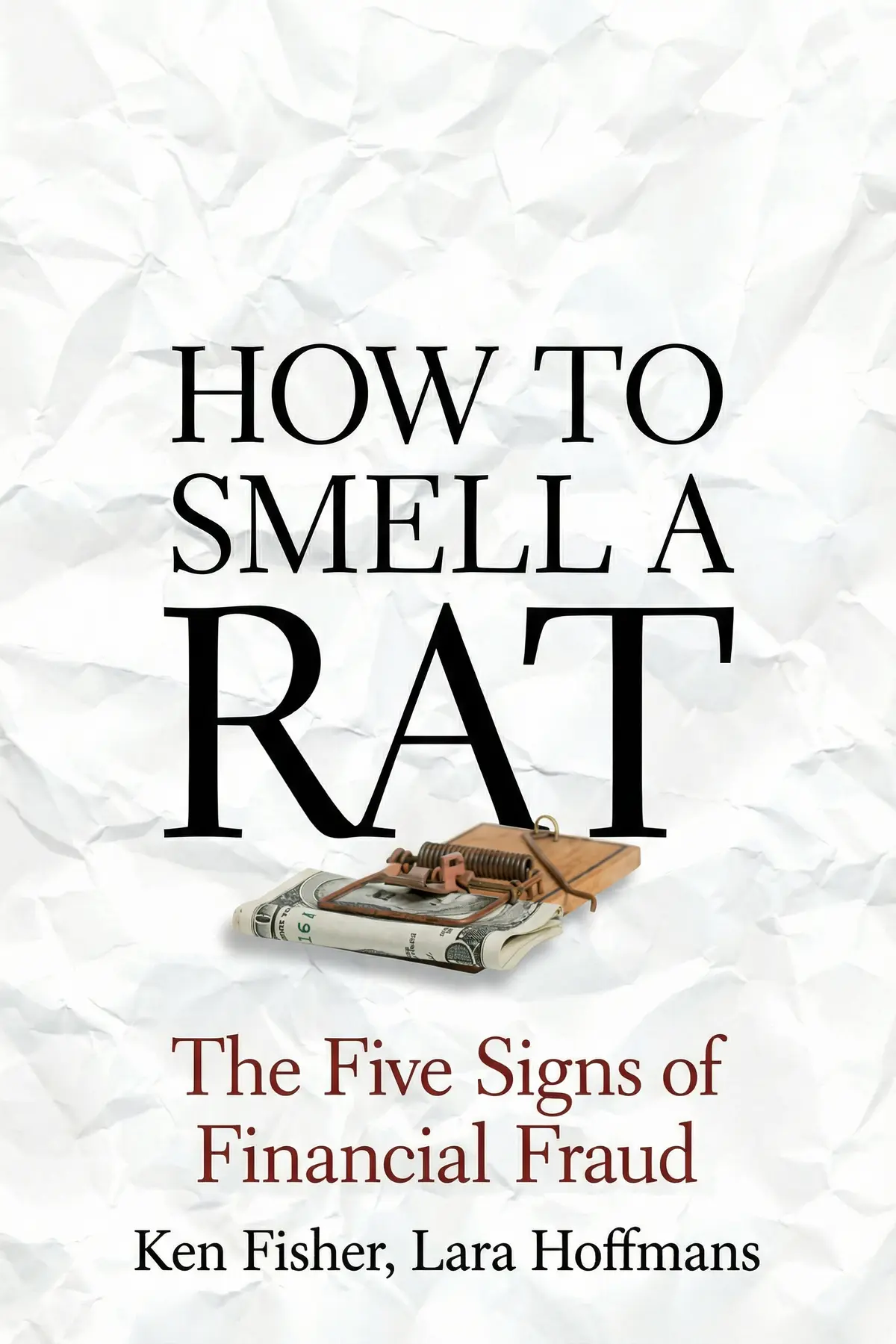
Table of Content
1. Introduction
1 min 30 sec
Imagine waking up to discover that every dollar you ever saved—every cent set aside for retirement, your children’s education, or your family’s security—has simply vanished. It is a chilling thought, one that feels more like a nightmare than a reality. Yet, for thousands of people caught in the web of massive Ponzi schemes, this nightmare became a devastating truth. The world of finance can sometimes feel like a dark forest, filled with predators who use charm, complexity, and the illusion of prestige to lead unsuspecting investors astray.
How do individuals like Bernie Madoff or Allen Stanford manage to maintain their charades for years, convincing even the most intelligent people to hand over their fortunes? It isn’t just about greed; it’s about a calculated manipulation of trust and a lack of fundamental safeguards. In this exploration, we are going to look at the mechanics of financial deception and, more importantly, the specific red flags that can help you identify a ‘rat’ before they have a chance to touch your money.
We will move beyond the fear and focus on empowerment. You will learn why a ‘trusted’ reputation isn’t enough, why certain types of performance are literally too good to be true, and why you must become your own best advocate. By understanding the common threads that link the world’s most successful frauds, you can build a defensive perimeter around your wealth that no con artist can breach. The goal isn’t just to be cautious; it’s to be informed, skeptical in the right ways, and structurally protected.
2. The Necessity of Independent Custody
1 min 49 sec
Discover why the biggest mistake an investor can make is letting their advisor hold their money, and how a third-party custodian provides a vital safety net.
3. The Red Flag of Perfect Performance
2 min 00 sec
Uncover why a portfolio that always goes up, regardless of market conditions, is one of the most reliable indicators of a fraudulent scheme.
4. Strategy Must Be Simple and Transparent
1 min 51 sec
Learn to distinguish between complex jargon and actual investment strategy, and why you should never invest in what you don’t understand.
5. The Illusion of Exclusivity and Prestige
1 min 51 sec
See through the psychological tricks of ‘elite’ memberships and flashy office spaces used to distract you from the numbers.
6. The Mirage of Reputation and Good Deeds
1 min 51 sec
Don’t be fooled by charitable donations or a ‘nice’ personality; learn why a good reputation is easy to buy and hard to verify.
7. The Dangers of Social and Affinity Trust
1 min 44 sec
Understand why your friends’ recommendations and shared community bonds are often the weakest links in your financial security.
8. The Limits of Government Oversight
1 min 51 sec
Recognize that the SEC is a safety net with holes, and why personal responsibility is your final line of defense against fraud.
9. Conclusion
1 min 24 sec
In the end, protecting your wealth isn’t about having a complex understanding of the stock market or being a financial genius. It is about understanding human nature and the basic structures that keep money safe. We have seen that the most dangerous predators don’t look like criminals; they look like successful, charitable, and exclusive professionals. They use our own psychological biases—our desire for stability, our trust in friends, and our attraction to prestige—against us.
The ‘throughline’ of financial safety is simple: trust, but verify. This starts with ensuring a total separation between the person who advises you and the institution that holds your assets. It continues with a healthy skepticism of any performance that seems to ignore the natural ups and downs of the market. And it requires the courage to ask simple questions and demand clear, jargon-free answers.
Don’t let the complexity of the financial world intimidate you into silence. Your advisor works for you, and if they cannot provide transparency, they do not deserve your business. By applying the five signs of fraud we’ve discussed, you aren’t just being paranoid; you are being professional about your own future. The SEC and other regulators provide a framework, but you are the primary guardian of your assets. Keep your eyes open, watch for the telltale signs of the ‘rat,’ and you will be well-equipped to navigate the world of investing with confidence and security.
About this book
What is this book about?
How to Smell a Rat is an essential guide to safeguarding your financial future by identifying the subtle and overt red flags of investment fraud. Authors Ken Fisher and Lara Hoffmans break down the psychological and structural tricks used by notorious fraudsters like Bernie Madoff and Allen Stanford to deceive even the most sophisticated investors. The book promises to strip away the mystery of high-finance scams, providing readers with a practical framework for vetting advisors. From understanding the importance of third-party custodians to recognizing the impossibility of perfectly consistent returns, it offers a roadmap for due diligence. It explores why you cannot rely solely on government agencies like the SEC or the recommendations of friends to protect your money. By the end, you will understand how to look past flashy offices and elite reputations to see the underlying reality of an investment strategy, ensuring that your hard-earned assets remain secure from those who would exploit your trust.
Book Information
About the Author
Ken Fisher
Ken Fisher is the founder, CEO, and Chairman of Fisher Investments, a major global money management firm. A prolific author, his work includes New York Times bestsellers such as The Only Three Questions That Count and The Ten Roads to Riches. He is also well-known for his long-running Portfolio Strategy column in Forbes, which he penned for thirty-two years. Lara Hoffmans is a content manager at Fisher Investments and a regular collaborator on Fisher’s books. She also serves as a contributing editor for MarketMinder.com.
Ratings & Reviews
Ratings at a glance
What people think
Listeners find the book straightforward to grasp and a very worthwhile read. They value the advice provided, with one listener mentioning it is appropriate for investors of all experience levels and helps raise financial IQ. The work is also praised for enabling people to sidestep financial snares and pitfalls.
Top reviews
Aisha
Finally got around to reading this and I feel much more confident about my retirement savings now. This is a savvy guide to avoiding the charlatans and crooks who infest the financial world. Fisher makes a compelling case that we are often our own worst enemies when we fail to perform due diligence because of a 'trusted intermediary.' I loved the breakdown of why exclusivity is a red flag—it really changed how I view 'boutique' investment firms. The book is written in a very accessible way, making complex market trends and asset allocation easy to grasp for someone like me who doesn't have a finance degree. It’s well worth reading for the peace of mind alone. This is an essential manual for protecting what you've worked hard to build.
Show moreNathan
Protecting your wealth is just as important as growing it, and this guide makes that reality crystal clear. After hearing so many horror stories from 2008, I wanted a clear set of rules to evaluate my current advisor. This book delivered exactly that. The five signs of fraud are explained with great clarity, and I particularly appreciated the discussion on how fraudsters use social proof and exclusivity to bypass our natural defenses. Some might find the style a bit repetitive, but for a subject this important, a little repetition helps the lessons stick. It’s an easy read that manages to be both entertaining and deeply educational. I feel like my financial IQ has jumped a few points after finishing this. Highly recommended for anyone who wants to avoid financial pitfalls.
Show moreMadison
Ever wonder if your financial advisor is actually a wolf in sheep's clothing? This book serves as a fantastic wake-up call for anyone who delegates their investment decisions to others. Fisher and Hoffmans lay out five very clear, non-negotiable warning signs that should make any investor run for the hills. The most important takeaway for me was the rule about asset custody; if your advisor also holds the keys to the vault, you're asking for trouble. While some of the advice feels like common sense, the Madoff scandal proved that even smart people ignore the basics when they're dazzled by 'exclusive' opportunities. It’s a quick, punchy read that definitely helped boost my financial IQ. I’d recommend it to any novice investor who wants a solid defensive strategy.
Show moreTeng
Ken Fisher has a very distinct, almost aggressive voice that won't appeal to everyone, but his logic is hard to argue with. Look, the financial world is full of rats, and this book gives you the cheese to bait the trap. I found the section on the 'Minds That Made the Market' in the appendix to be surprisingly enlightening compared to the rest of the text. The primary value here is the reinforcement of basic safety rules: don’t give custody to your advisor, and don’t buy into strategies you don’t understand. It’s a simple, straightforward primer on how to spot shucksters before they can do real damage to your portfolio. While it’s aimed at novices, even experienced investors can benefit from a refresher on why 'perfect' returns are usually a sign of fraud.
Show moreYulia
As someone who isn't a Wall Street pro, I appreciated how accessible Fisher made these concepts without making me feel like an idiot. The book provides a very helpful framework for identifying potential scams, focusing on things like the lack of an independent custodian and 'murky' investing strategies. Personally, I think the advice on avoiding accounting fraud was the highlight. It isn't a particularly 'deep' book, and if you're looking for complex financial analysis, you'll be disappointed. But for the average person trying to make sense of the investment landscape, it’s a great tool. It’s a bit repetitive, yes, but the message is vital enough that it’s worth wading through the extra verbiage. A solid guide for staying safe in a risky market.
Show moreCharlotte
The advice in this book is absolute gold, but the delivery is a bit of a slog to get through. Not gonna lie, I found myself getting frustrated with how often the author repeats himself within the same chapter. It feels like this could have been a very impactful thirty-page pamphlet rather than a full-length book. To be fair, the five signs of a financial rat are essential knowledge—especially the warnings about 'too good to be true' returns and murky investment strategies. I appreciated the chapter on the history of scams, but I wish there was more technical detail on how to spot accounting red flags. It’s a very good reminder for seasoned investors and a decent primer for beginners, even if the tone is a bit overly conversational and self-promotional at times.
Show moreSuphan
Listening to the audiobook version was probably the right move for this particular title because the conversational tone translates better to audio than to paper. In my experience, Ken Fisher’s writing can be a bit polarizing because he is constantly reminding you of his pedigree and his other publications. However, the core message here is undeniably sound. The five warning signs—especially the one about investment strategies that sound like 'gobbly-gook'—are practical tools that every person should have in their kit. The book can be incredibly repetitive, which is why I’m giving it three stars instead of four. It’s informative and occasionally even exciting when he’s detailing old-school cons, but it definitely needed a more aggressive editor to trim the fat.
Show moreTalia
Truth is, you could probably summarize the entire thesis of this book on a single index card and not lose much of the value. It feels quite bloated with 'half-sentences' and exclamation points that make it feel more like a transcribed speech than a polished book. That said, I cannot deny that the 'five signs' are crucial for any investor to internalize. I actually found the recommended reading sections at the end of each chapter to be the most valuable part of the whole experience. Fisher points you toward some truly great classics on market history and psychology. If you can tolerate the constant self-promotion and the disjointed structure, there is a very solid core of advice here. It’s a decent enough read, but far from a masterpiece of financial literature.
Show moreBunyarit
Let's be real about the writing style here. This book reads exactly like a series of dictated notes taken during a long commute, then hastily slapped together into a manuscript. It is incredibly repetitive, hitting the same three points over and over until you're tempted to skip ahead several pages just to find a new thought. Fisher spends a huge amount of time patting himself on the back and referencing his own other works, which gets old very fast. Frankly, the only redeeming quality is the curated list of recommended reading at the ends of chapters. If you want a deep dive into the mechanics of fraud, you'll be disappointed by the surface-level anecdotes provided here. It’s not a complete waste of time, but it certainly isn't the masterclass it pretends to be.
Show moreLaor
Picked this up hoping for a deep dive into forensic accounting or a play-by-play of the Madoff scandal, but what I got was much thinner. Glancing at the title, you’d assume Fisher would walk you through financial statements or provide technical hints on how to catch a fraudster in the act. Instead, the book stays strictly at the surface level, offering broad generalizations that most savvy people probably already know. The stories of various scams are told in bits and pieces rather than cohesive case studies. It feels more like a long advertisement for Fisher’s firm than a serious educational tool. If you are totally new to investing, you might get something out of it. Otherwise, you’re better off reading the books Fisher recommends in his own bibliography, as they have much more substance.
Show moreReaders also enjoyed

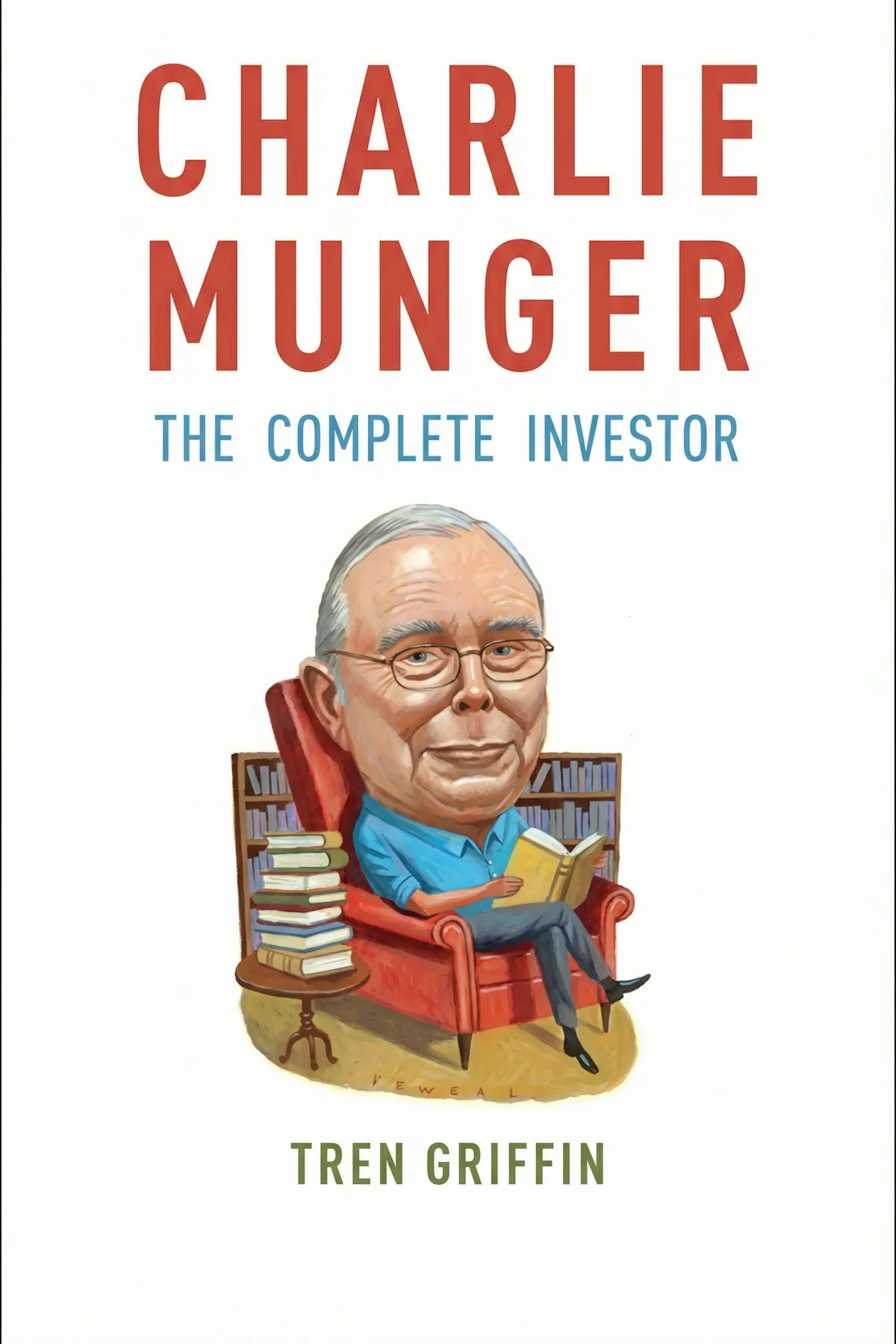
Charlie Munger: The Complete Investor
Tren Griffin
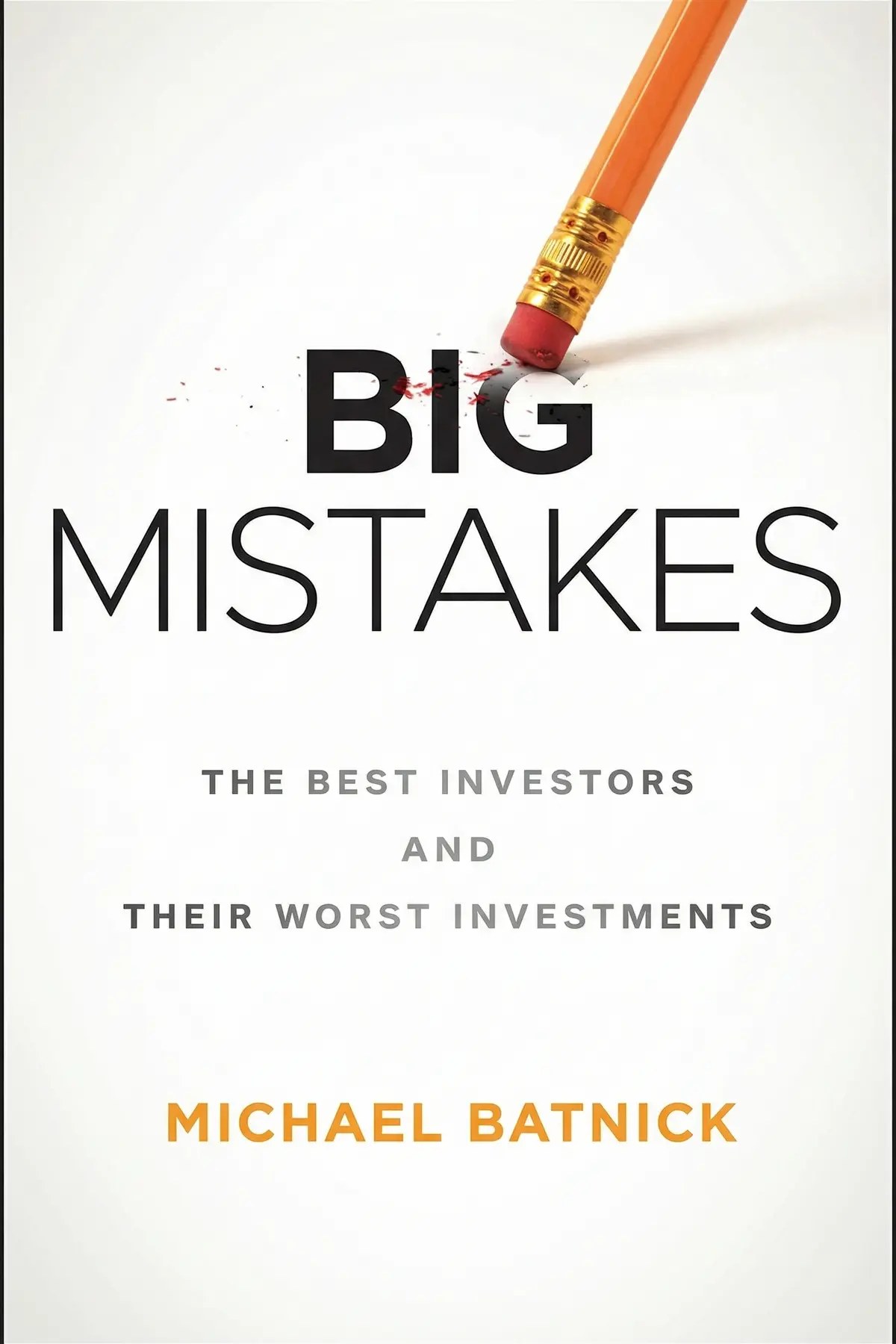
Big Mistakes: The Best Investors and Their Worst Investments
Michael Batnick
AUDIO SUMMARY AVAILABLE
Listen to How to Smell a Rat in 15 minutes
Get the key ideas from How to Smell a Rat by Ken Fisher, plus 5,000+ more titles in English and Thai.
- 5,000+ titles
- Listen as much as you want
- 7-day free trial
- Cancel anytime







