

Alien Earths: The New Science of Planet Hunting in the Cosmos
Lisa Kaltenegger
Explore the biological and psychological mechanisms behind human cognition. This summary reveals how our brains act as sophisticated learning machines, outpacing artificial intelligence through biological plasticity, social intuition, and the transformative power of education.
1 min 34 sec
The human brain is often described as the most complex structure in the known universe, but its greatest feat isn’t just its complexity—it is its capacity for change. From the moment we are born, our minds are on a relentless quest to make sense of the chaos around us. We aren’t just passive recorders of information; we are active scientists, constantly forming hypotheses about the world and testing them against reality. This process, which we call learning, is far more than just a schoolroom activity. It is the fundamental biological process that defines our species.
In this exploration of Stanislas Dehaene’s work, we are going to pull back the curtain on the neural machinery that makes this possible. We will look at how the brain constructs internal simulations of reality and why those simulations are so much more efficient than the algorithms used by even the most advanced artificial intelligence. We will also see how culture and education act as a kind of ‘software’ that upgrades our biological ‘hardware,’ allowing us to master skills like reading and mathematics that our ancestors could never have imagined.
By the time we finish, you’ll understand that learning isn’t a mysterious, intangible event. It is a series of specific, manageable steps that involve focus, curiosity, and the courage to be wrong. This journey through the mind will show you not just how we learn, but how we can learn better, ensuring that we maximize the incredible potential housed within our own skulls.
2 min 39 sec
Discover how your mind doesn’t just see the world, but actively simulates it using dynamic internal models that allow for prediction, navigation, and even dreaming.
2 min 35 sec
While computers can process billions of data points, they lack the human ability to learn from single examples and grasp the deep logic of abstract concepts.
2 min 35 sec
Education is more than just memorizing facts; it is a physical intervention that rewires the brain, expanding our natural intuitions into complex cognitive tools.
2 min 28 sec
Human pedagogy is unique because it relies on our ability to look inside another person’s mind and address their specific knowledge gaps.
2 min 38 sec
By focusing on attention, active engagement, and the power of mistakes, we can create environments that harness the brain’s natural plasticity.
1 min 35 sec
In concluding our look at How We Learn, we see that the brain is not a static organ, but a dynamic, ever-evolving prediction machine. We’ve explored how our minds build simulations of reality that allow us to navigate the world with incredible efficiency, surpassing the capabilities of modern artificial intelligence. We’ve seen how the simple act of education physically carves new pathways in our brains, turning vague intuitions into the precise tools of logic and literacy.
Perhaps the most important takeaway is that learning is a deeply social and active process. It isn’t something that happens to us passively; it requires our focused attention, our active engagement, and a willingness to embrace our mistakes as the catalysts for growth. Human teaching, powered by our unique ability to understand the minds of others, remains our most powerful tool for passing the torch of knowledge from one generation to the next.
As you move forward, remember that your brain is designed for this. It is never too late to refine your internal models or to dive into a new subject. By fostering environments that prioritize attention and encourage the ‘trial and error’ nature of the mind, we can all become more effective learners. The capacity for growth is literally wired into our biology; our job is simply to provide the right environment and the curiosity to let that biology do its work.
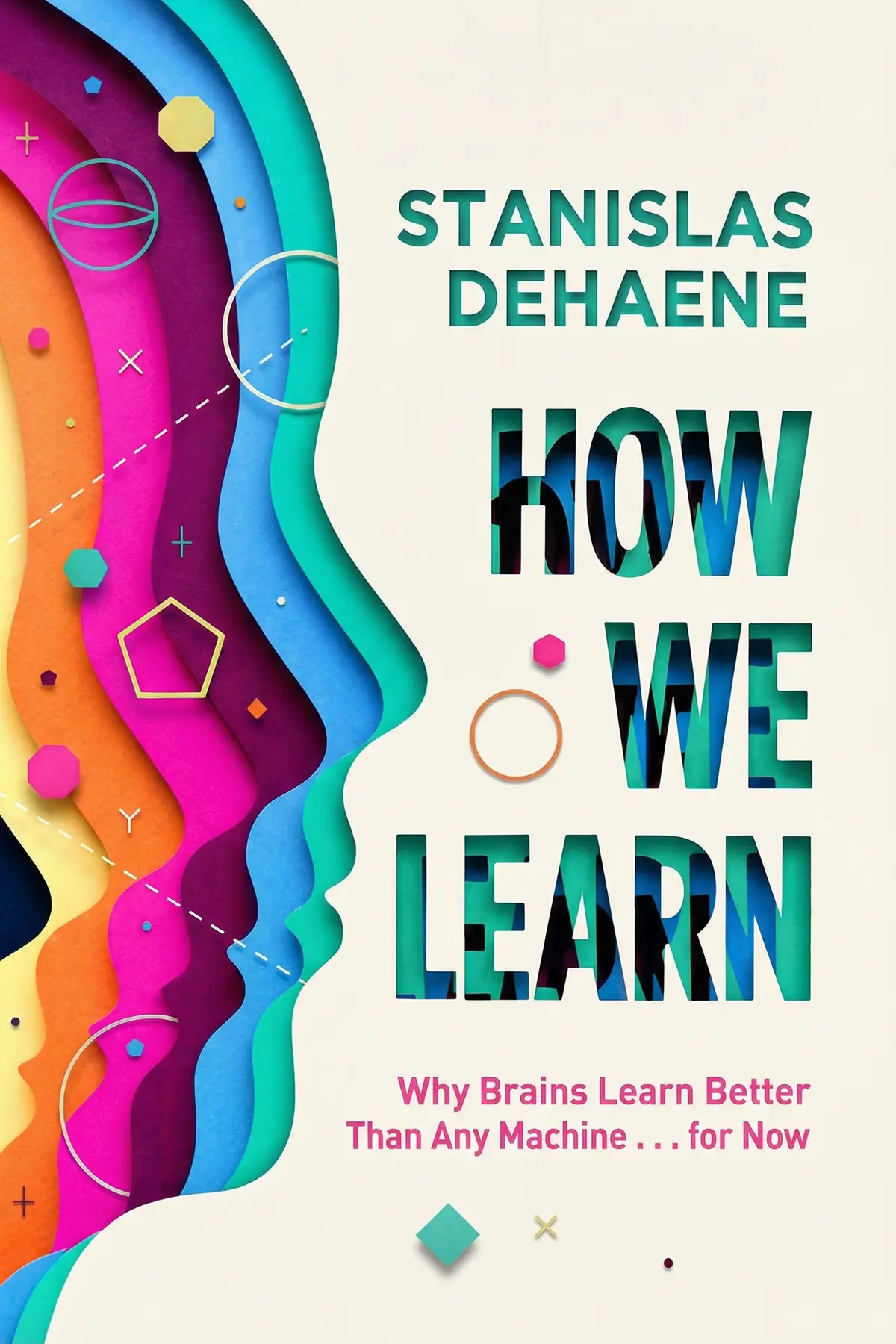
Have you ever marveled at how a toddler can learn a language with seemingly no effort, while the most powerful computers struggle with basic context? How We Learn investigates the extraordinary algorithms of the human brain. Cognitive neuroscientist Stanislas Dehaene takes us inside the neural pathways to explain how we move from blank slates to complex thinkers. The book bridges the gap between hard neuroscience and practical application, showing how our internal models of the world are built, tested, and refined through experience. You will discover why the human mind is the most advanced learning device in existence and how education physically reshapes our biology. By understanding the core pillars of learning—ranging from the importance of focused attention to the role of sleep and error correction—you will gain a new perspective on human potential. Whether you are a parent, an educator, or a lifelong learner, this exploration offers a roadmap to optimizing the way we acquire knowledge and how we can better support the intellectual growth of the next generation.
Stanislas Dehaene is a leading cognitive psychologist and neuroscientist who holds the chair of Experimental Cognitive Psychology at the Collège de France in Paris. He is the director of the INSERM-CEA Cognitive Neuroimaging Unit at NeuroSpin, one of the world's premier brain-imaging research facilities. A giant in his field, Dehaene was honored with the Grete Lundbeck Brain Prize in 2014, an award often likened to the Nobel Prize for neuroscience. His influential work includes the best-selling titles Consciousness and the Brain and Reading in the Brain.
Listeners find this book offers an excellent summary of learning science while bridging the implications of cognitive research. They value its readability, with one listener highlighting it as particularly ideal for Brain and Teaching enthusiasts. The content earns praise for its logical structure and high writing quality.
Ever wonder why certain study habits just don't stick despite all the late nights and caffeine? Dehaene provides a brilliant roadmap through the brain’s architecture, specifically highlighting what he calls the four pillars: attention, active engagement, error feedback, and consolidation. As a parent, seeing the biological reality behind why my kids struggle with certain tasks was incredibly eye-opening. The way the author explains how sleep actually serves as a period of active data processing changed how I view our nightly routines. It’s a dense read in parts, particularly when he dives into the neural imaging data, but the payoff is worth the effort for anyone interested in the mechanics of the mind. This isn't just another self-help book; it is a rigorous, evidence-based exploration of what makes us human.
Show moreThis book is an absolute game-changer for anyone struggling to teach their kids the basics of math or reading. I’ve been trying to help my sons navigate their developmental hurdles, and Dehaene’s insights into the 'pre-wired' nature of the infant brain were incredibly comforting. We aren't just blank slates; we come equipped with sophisticated machinery that thrives on specific types of input and social interaction. I particularly enjoyed the sections on how curiosity acts as a dopamine-driven engine for growth. The writing style is surprisingly accessible for such a heavy subject, making it feel more like a conversation with a brilliant mentor than a dry academic lecture. Every teacher and school administrator needs to have a copy of this on their desk immediately.
Show moreAs someone who spends every day in a classroom, I found Dehaene’s breakdown of the four pillars of learning incredibly validating and insightful. We often rely on intuition when teaching, but this book provides the hard biological evidence needed to justify why active engagement beats passive listening every single time. The way he debunks the myth of 'discovery learning'—the idea that kids should just stumble upon truths unaided—is a much-needed correction for modern education. I loved the technical depth regarding how the hippocampus and cortex communicate to turn short-term experiences into permanent knowledge. It is rare to find a book that satisfies both the scientific itch and the need for practical, real-world application. I’ll be recommending this to every colleague in my department this year.
Show moreDehaene masterfully bridges the gap between complex cognitive research and the everyday reality of how we process information in this volume. I was particularly fascinated by the section on the 'reading circuit' and how the brain recycles older visual areas to accommodate the modern invention of writing. It’s a stunning example of neuroplasticity in action. Throughout the book, the author maintains a perfect balance between high-level theory and grounded examples that any reader can relate to. Whether you're a student trying to ace exams or a professional trying to keep up with a shifting industry, the lessons here are universal. It is one of those rare books that actually changes the way you think about thinking. It’s truly a must-read for the 21st century.
Show moreAfter hearing a friend rave about this, I decided to see if the hype was justified for myself. Dehaene is clearly a master of his craft, and his ability to bridge the gap between abstract cognitive science and practical classroom application is impressive. To be fair, I found the early chapters comparing human brains to artificial intelligence a bit repetitive and perhaps a little too optimistic about current AI capabilities. However, once he gets into the meat of neuroplasticity and the way our synapses adjust to new environments, the book becomes impossible to put down. It’s a fantastic resource for educators who want to move past outdated 'learning style' myths and focus on what actually works. Highly recommended for those who don't mind a bit of technical jargon.
Show moreThe chapter on sleep changed my entire perspective on what it means to have a productive day of study. Dehaene explains that our brains are essentially replaying the day’s lessons while we’re unconscious, which is a powerful argument against the 'cramming' culture prevalent in most universities. I found the discussion on error feedback particularly useful for my own professional life in tech, where we often treat mistakes as failures rather than essential data points. My only real gripe is that the author’s enthusiasm sometimes leads to slightly oversimplified metaphors that might annoy more seasoned researchers. Still, the core message regarding evidence-based pedagogy is too important to ignore in our current educational climate. It's a solid, thought-provoking read that will stay with you long after the final page.
Show moreWow. I didn't expect a neuroscientist to write something that feels as gripping as a well-paced documentary on the human condition. Dehaene takes us from the womb to the classroom, showing how our 86 billion neurons work in concert to model the world around us. Not gonna lie, some of the stuff about Bayesian probability and mental parameters went a little over my head at first. But the author always brings it back to the human element, like why we are so much more efficient at learning than the most powerful computers. It’s a fascinating look at our 'hidden gem' of an organ. This book really makes you appreciate the sheer complexity of the simple act of reading a sentence or solving a basic math problem.
Show moreFinally got around to reading this after seeing it cited in almost every education blog I follow recently. Dehaene’s work is vital because it slaughters the sacred cows of liberal education, like the idea of different 'learning styles' which have no basis in neurology. Instead, he focuses on universal mechanisms that apply to everyone, regardless of age or background. I’ve started applying his 'spaced repetition' advice to my own professional development and the results have been genuinely surprising. The book is well-structured and the writing is clear, though I do think he could have spent less time on the AI comparisons. Regardless, it is an essential piece of reading for anyone who wants to optimize their own brain’s potential.
Show moreFrankly, I was skeptical about another 'science of learning' book, but the depth here is far superior to the usual self-help fluff. Dehaene is a serious researcher, and that shows in how he handles the nuances of brain development and the limitations of our current understanding. I appreciated his honesty regarding what we don't know yet, even as he champions the breakthroughs in neural imaging. The focus on 'active verification' of knowledge as a filter against hearsay is a particularly timely message in the age of misinformation. My only minor complaint is that the tone can occasionally veer into 'TED-talk' territory with its grand analogies. But overall, the quality of the research and the clarity of the explanations make it a standout in the genre.
Show morePicked this up expecting a practical guide but found the first hundred pages a bit of a slog through machine learning theory. While I appreciate the author's expertise, the constant analogies to deep-learning algorithms felt a bit forced and potentially dated given how fast that field moves. Truth is, I almost gave up before reaching the sections on human development. I’m glad I stuck with it though, as the latter half of the book offers excellent insights into how we consolidate memory through sleep and repetition. It’s definitely a valuable contribution to the field, but it requires a lot of patience to sift through the more speculative AI comparisons. If you’re looking for quick study tips, you might find this a bit too theoretical for your liking.
Show moreLisa Kaltenegger
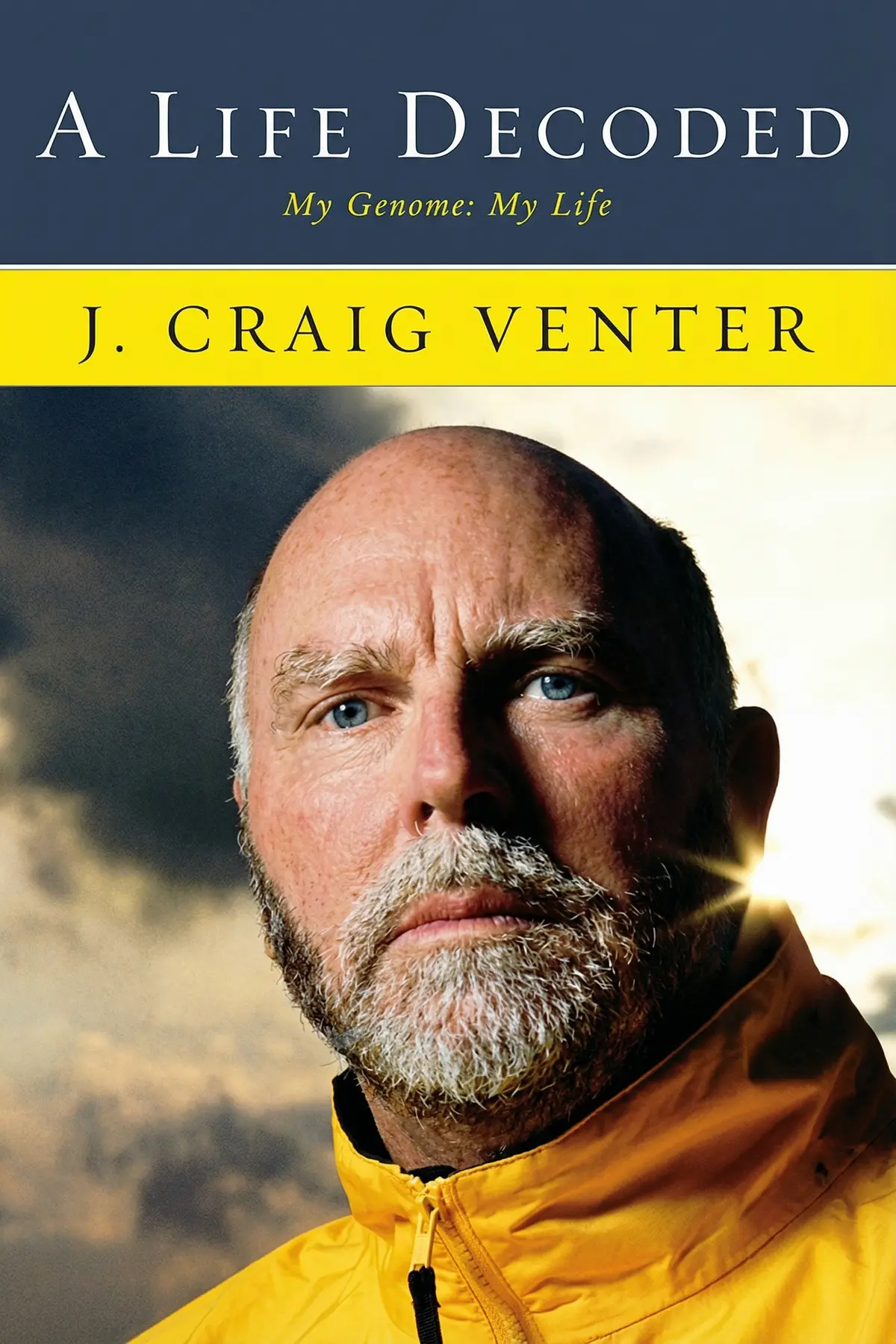
J. Craig Venter
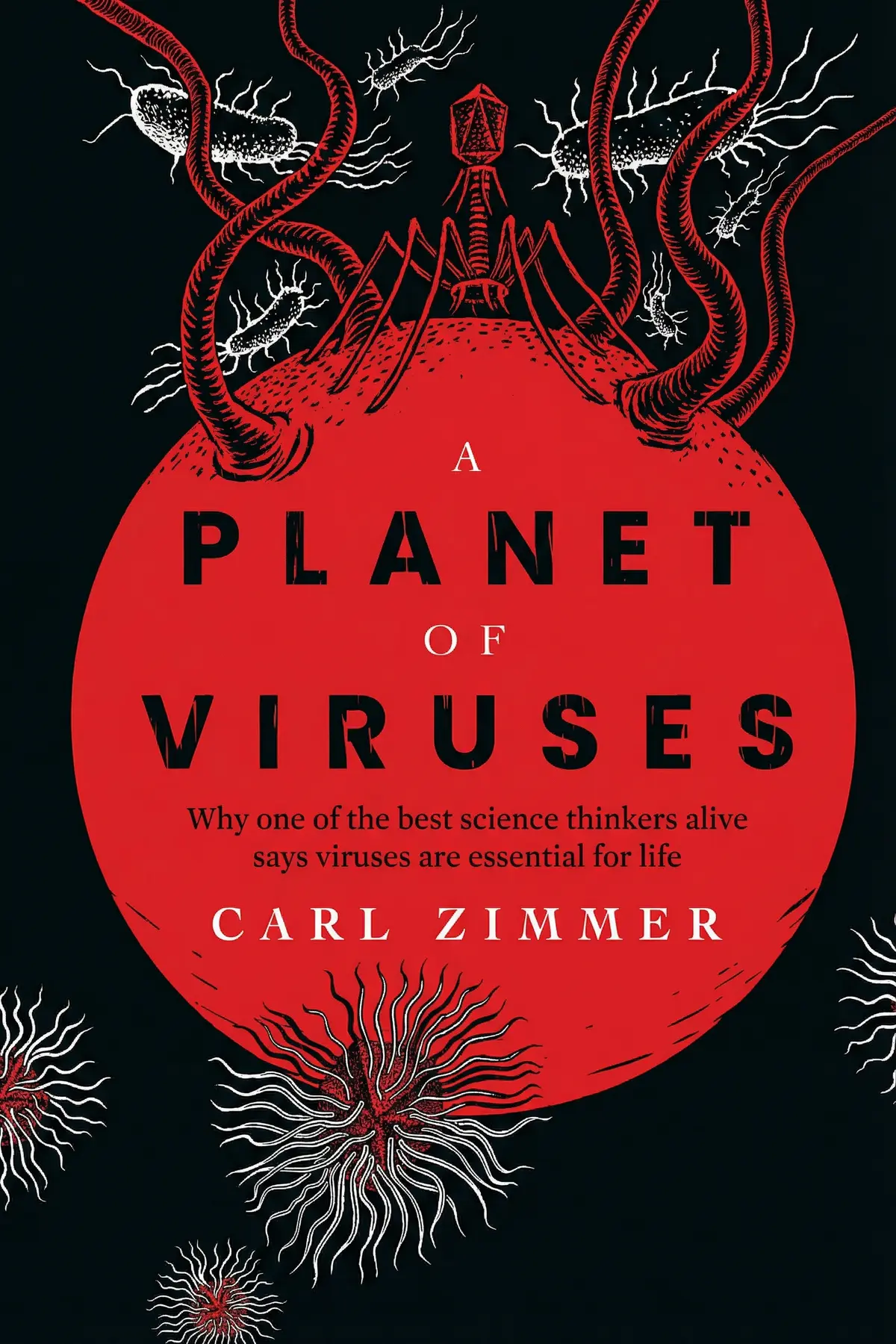
Carl Zimmer
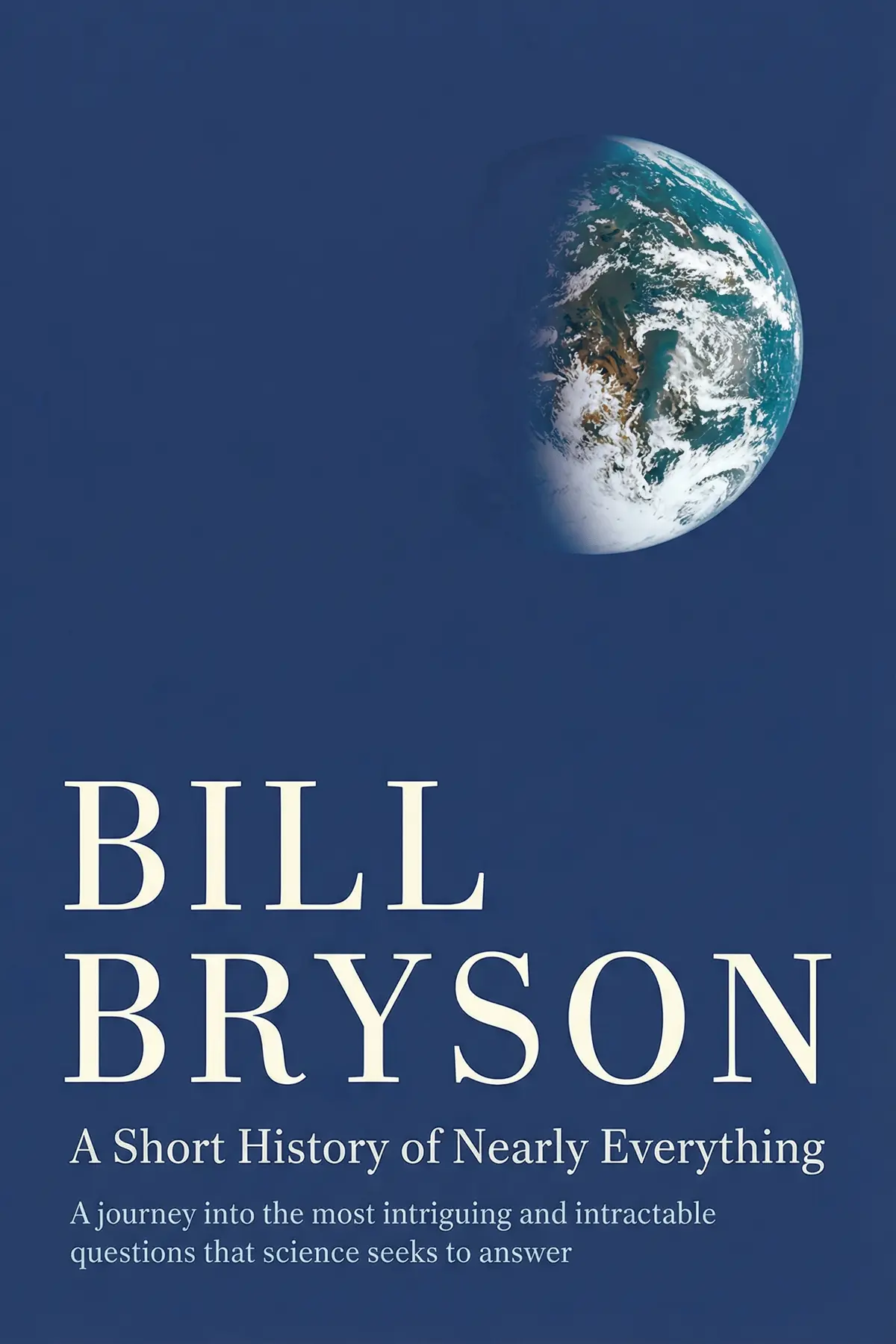
Bill Bryson
AUDIO SUMMARY AVAILABLE
Get the key ideas from How We Learn by Stanislas Dehaene, plus 5,000+ more titles in English and Thai.







