
A Spy Among Friends: Philby and the Great Betrayal
Ben Macintyre
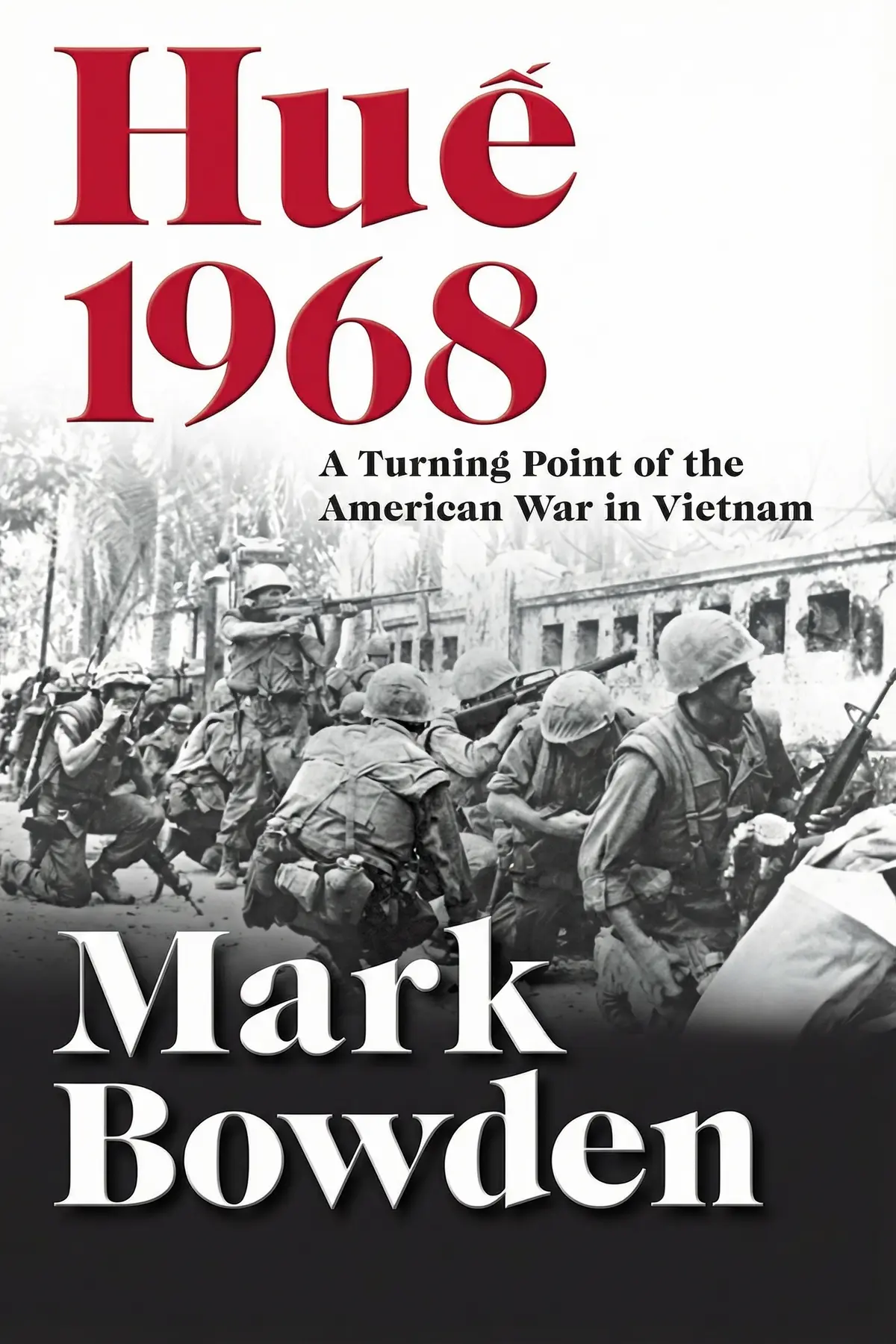
Hue 1968 explores the most pivotal battle of the Vietnam War, detailing how the bloody struggle for an ancient city shattered American political certainty and fundamentally changed the course of the conflict.
1 min 26 sec
The Vietnam War remains a powerful and often painful fixture in the global memory, particularly within the American psyche. It stands as a profound symbol of the complexities and eventual frustrations of Cold War foreign policy. For years, the narrative in the United States was one of duty and winnable conflict, a mission to halt the spread of Communism through sheer military force. However, that perception underwent a radical transformation in 1968.
Before that year, many Americans viewed the intervention in Vietnam as a just cause that would surely end in victory. But the events in the ancient city of Hue changed everything. It was a battle that stripped away the illusions of progress and revealed the sheer grit of the North Vietnamese resistance. This wasn’t just another skirmish in the jungle; it was a brutal, urban struggle for the cultural heart of the nation.
In this exploration of Hue 1968, we will look at how this single battle became the pivot point for the entire war. We will trace the path from colonial history to the surprise of the Tet Offensive, examining why military leaders were so blindsided and how the media finally began to tell a story that differed from the official government line. Through the lens of this conflict, we see the shift in American politics, the fall of a presidency, and the birth of a deep skepticism regarding military intervention that still resonates today. Let’s look at the battle that redefined a war and a generation.
2 min 00 sec
Uncover how centuries of colonial rule and a broken promise of national elections set the stage for a long and bloody civil war in Vietnam.
1 min 42 sec
Explore why the massive American bombing campaigns and mounting troop numbers failed to break the will of a predominantly agricultural society.
1 min 42 sec
See how both American and North Vietnamese leadership entered 1968 with dangerously inaccurate beliefs about their own inevitable victory.
1 min 33 sec
Discover why the ancient city of Hue was chosen as a primary target for the North’s most ambitious military operation.
1 min 35 sec
Relive the chaotic night the Tet Offensive began, catching the city of Hue completely unprepared for a full-scale invasion.
1 min 38 sec
Witness the chilling aftermath of the takeover as the expected popular uprising fails to occur, leading to a brutal purge of the city’s inhabitants.
1 min 32 sec
See how General Westmoreland’s refusal to believe the severity of the crisis led to disastrous military decisions and unnecessary loss of life.
1 min 35 sec
Follow the journey of journalist Gene Roberts as he bypasses official censorship to reveal the true scale of the battle to the world.
1 min 40 sec
Learn about the specialized urban warfare tactics the Marines had to invent on the fly to retake the city from entrenched defenders.
1 min 34 sec
See how the ‘most trusted man in America,’ Walter Cronkite, catalyzed a massive shift in the nation’s support for the war.
1 min 34 sec
Follow the final, desperate struggle for the Citadel, where ancient walls and modern bombs collided in a fight to the finish.
1 min 46 sec
Analyze the devastating human cost of the battle and how it ultimately led to the total collapse of the American mission in Vietnam.
1 min 23 sec
The Battle of Hue in 1968 stands as one of the most significant and sobering episodes in the history of modern warfare. It was the moment when the optimistic narrative of the Vietnam War collided with a brutal, unavoidable reality. Through Mark Bowden’s account, we see how strategic blindness at the highest levels of command led to a catastrophe that could have been mitigated, and how the courage of journalists and soldiers alike eventually forced a nation to face the truth.
The takeaway from this history is not just a list of tactical errors, but a broader lesson about the importance of transparency and the dangers of ideological certainty. Hue showed the world that even the most powerful military could be humbled when it loses touch with the reality of the conflict it is fighting. The battle changed the trajectory of the Cold War and left a lasting mark on American politics, creating a legacy of skepticism toward military intervention that persists to this day.
As we reflect on the ruins of the Citadel and the thousands of lives lost in those twenty-three days, the story of Hue serves as a call to value truth over propaganda and to recognize the immense human cost that always accompanies the pursuit of geopolitical goals. It is a reminder that in war, the greatest casualties are often the very people and cultures the conflict claims to be protecting. Ultimately, Hue was a battle that was won in the streets, but lost in the hearts and minds of a watching world.
This summary provides a deep dive into the Battle of Hue, a twenty-three-day urban conflict that served as the centerpiece of the 1968 Tet Offensive. It moves beyond simple military tactics to examine the broader historical roots of the Vietnam War, the devastating human cost on both sides, and the profound disconnect between military reports and the reality on the ground. Listeners will learn how the North Vietnamese launched a meticulously planned surprise attack that caught American leadership off guard, and how the subsequent struggle to retake the city forced a shift in US strategy. The narrative covers the rise of anti-war sentiment, the role of courageous journalism in revealing the truth, and the political fallout that eventually led to the end of the American intervention in Southeast Asia. It is a story of strategic miscalculation, civilian tragedy, and the moment a superpower realized a war could no longer be won.
Mark Bowden is a highly regarded American journalist and author whose work has appeared in major publications like the New Yorker, the Atlantic, and Rolling Stone. He is best known for his meticulously researched narrative non-fiction, including the acclaimed Black Hawk Down: A Story of Modern War.
Listeners find this account captivating and extensively documented, featuring a fair narrative that explores perspectives from both sides of the war. The prose is celebrated for its novelistic flow, and listeners especially value the meticulous reports of the fighting, with one listener remarking on how it immerses them directly in combat operations. Listeners prize the work's diverse viewpoints and strategic background, which makes it highly suggested for history buffs.
Mark Bowden has a gift for turning dense historical facts into a narrative that pulses with life. By weaving together the experiences of U.S. Marines, NVA soldiers, and the terrified civilians of Hue, he creates a 360-degree view of the carnage. It’s haunting to read about the systematic "purges" conducted by the communists alongside the absolute denial of General Westmoreland back in Saigon. The writing feels like a thriller, yet the weight of the 10,000 casualties never leaves your mind. I was particularly struck by the stories of female North Vietnamese infiltrators, providing a perspective often ignored in Western accounts. It’s a massive book, but the pacing is so relentless that the pages fly by. Truly a masterpiece of modern military history that doesn't shy away from the ugly truths on both sides.
Show moreThe sheer intensity of the house-to-house fighting in the Citadel is something I won’t soon forget. Bowden’s ability to put you right in the middle of the "shit storm" is unparalleled, capturing the smell, the noise, and the sheer terror of urban combat. You feel the desperation of the young sergeants as they watch their friends literally turned into "pink mist" by incoming fire. What makes this stand out is that it isn't a jingoistic "America first" story; the NVA survivors are given just as much humanity and complexity as the Marines. The tragedy of the civilian population, caught between two sides that grew increasingly indifferent to their lives, adds a layer of heartbreak to the tactical maps. If you want to understand why Vietnam became such a quagmire, this is the book you need to read.
Show moreThis isn't just a military history; it's a profound look at how a single month changed the American psyche forever. Bowden masterfully illustrates the moment when the public's trust in their leaders finally snapped. The contrast between the rosy reports from Westmoreland and the grim reality of the body bags coming out of the Citadel is staggering. I found the personal histories of the Vietnamese civilians particularly moving, as they watched their beautiful, historic city be reduced to 80% rubble. It’s a gut-wrenching read that manages to stay objective while still honoring the incredible bravery of the soldiers on the ground. The book leaves you pondering the "what ifs" of the war long after the final page. This is essential reading for anyone trying to make sense of the 1960s.
Show moreFans of Black Hawk Down will find the same gritty, boots-on-the-ground realism here, but on a much larger canvas. Bowden’s journalism background shines through in his ability to get survivors to open up about their most traumatic moments. The way he describes the Marines using old pamphlets to learn how to fight in a city is just one of those perfect, telling details. You see the transition from idealistic young men to hardened soldiers who viewed everyone as an enemy out of sheer survival instinct. It’s a brutal, honest look at the failures of leadership and the exploitation of loyalty. The author doesn't have an axe to grind; he just presents the facts and lets the tragedy speak for itself. It’s easily one of the best books on Vietnam I’ve ever picked up.
Show moreTruth is, we are still living with the political fallout of 1968, and Bowden perfectly illustrates why the trust in our institutions fractured. He captures that specific moment when the official narrative of "winning" collided head-on with the reality of the evening news. The bravery of the journalists on the ground, who risked everything to show the truth of the Citadel, is a major highlight. It’s rare to find a book that can handle small-scale tactics and large-scale cultural shifts with equal skill. The ending, focusing on the lasting tragedy and betrayal of the soldiers’ idealism, is particularly poignant. I walked away with a much deeper understanding of the "quagmire" and the impossible choices faced by those on the front lines. Highly recommended.
Show moreHow did the American leadership get it so wrong? Bowden meticulously documents the "willful blindness" of the high command during the Tet Offensive, particularly the refusal to believe Hue had actually fallen. Seeing the Marines forced to relearn urban warfare on the fly—literally digging through old manuals for tips on street fighting—was both fascinating and infuriating. The inclusion of the Ontos armored vehicle’s role was a great tactical touch that brought the technical side of the battle to life. My only real complaint is that the middle section can feel a bit repetitive as the block-by-block fighting drags on. Still, the way it connects the tactical failures to Walter Cronkite’s eventual broadcast makes the strategic stakes crystal clear. It is a sobering reminder of what happens when ideology trumps intelligence.
Show moreMost Vietnam books ignore the people living in the crossfire, but Bowden gives the citizens of Hue a voice. Hearing about the teachers and merchants who were executed for being "perceived supporters" of the Americans was absolutely chilling. The author balances these atrocities with the casual racism and "free fire zones" of the US forces, showing a conflict where there were no easy heroes. The prose is sharp and avoids the dry, academic tone you find in many history books. It reads more like a novel, yet you know every horrific detail is backed by years of interviews. I did find the transition between the different fronts a bit jarring at times, but the maps helped keep things oriented. A very strong four-star read that highlights the human cost of political arrogance.
Show moreFinally got around to this massive tome and it’s clear why it’s considered the definitive account of the Tet Offensive's bloodiest battle. The book does an excellent job explaining why Hue was the "pivot point" for the entire war. Before Hue, victory seemed possible; after Hue, the only question was how to leave. I was fascinated by the descriptions of the NVA’s tactical ingenuity, especially their ability to move thousands of troops undetected across Southern Vietnam. However, the sheer size of the book can be intimidating, and some of the political detours felt a bit long-winded. Still, the emotional payoff of seeing the survivors' lives decades later makes it feel complete. It’s a dense, rewarding experience for any history buff willing to put in the time.
Show moreWhile the research here is undeniably impressive, the book occasionally gets bogged down in the minute details of every single platoon movement. There are so many names and small-unit actions to track that the narrative started to blend together for me after a while. I appreciated the balanced perspective, especially the sections on the NVA's expectations of a popular uprising that never actually happened. However, I found myself skimming some of the more repetitive combat sequences to get back to the larger political analysis. The chapters on the media's role and the eventual fallout in Washington were the highlights for me. It’s a solid history, but you definitely need a high tolerance for granular military movements to enjoy it fully. A bit of editing could have made the story tighter.
Show moreI really wanted to love this, but the sheer volume of names and shifting perspectives made it impossible for me to stay grounded in the story. Every few pages we are introduced to a new corporal or a local villager, only for them to disappear or be killed off immediately. It felt more like a collection of disjointed anecdotes than a cohesive narrative of a battle. While I respect the effort that went into the research, the graphic descriptions of "pink mist" and carnage felt a bit gratuitous after the tenth time. I was looking for more of a high-level strategic overview, but this is very much in the weeds of the foxholes. If you like "grunt" level detail, you'll love it, but for a casual history reader, it was a slog.
Show moreBen Macintyre
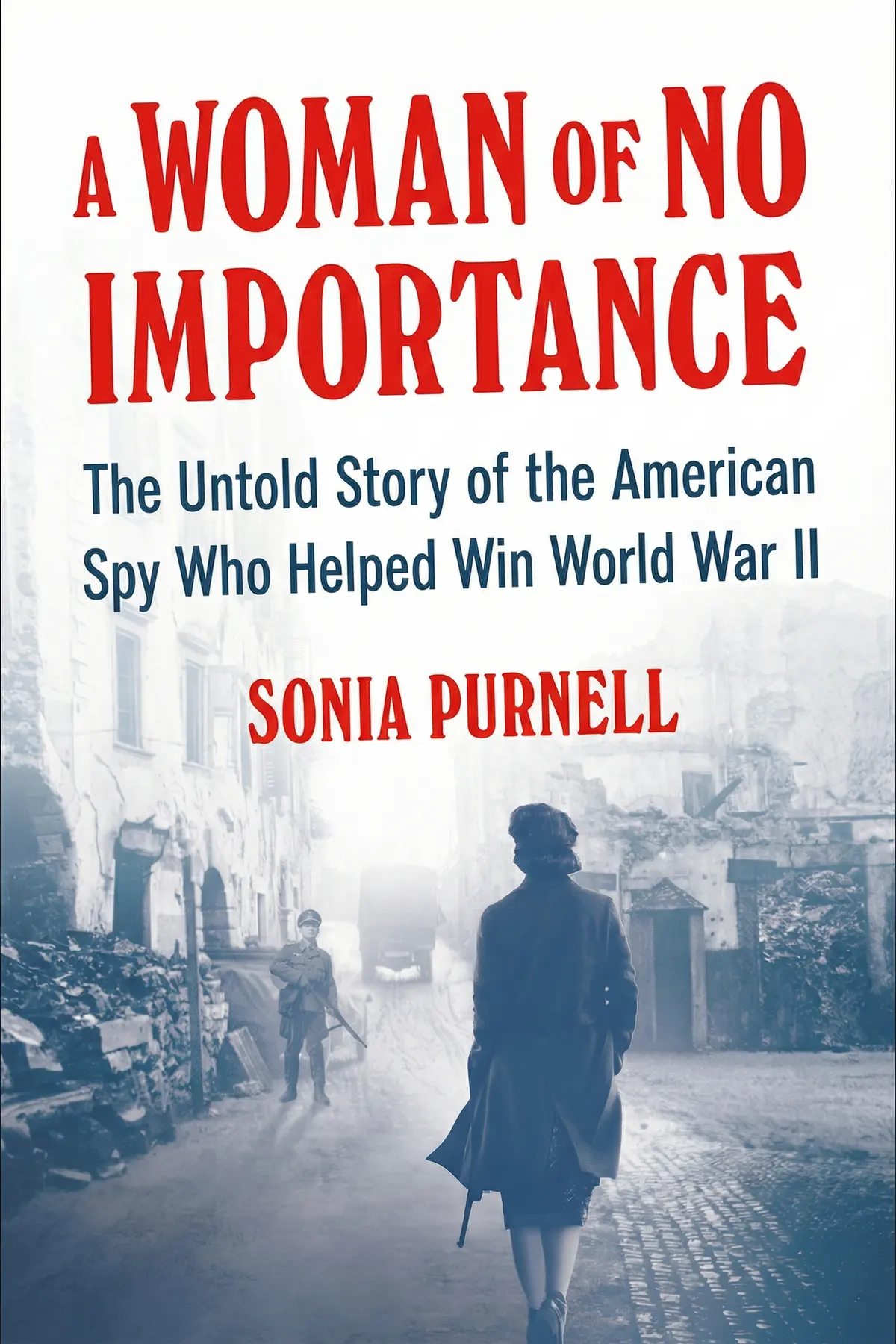
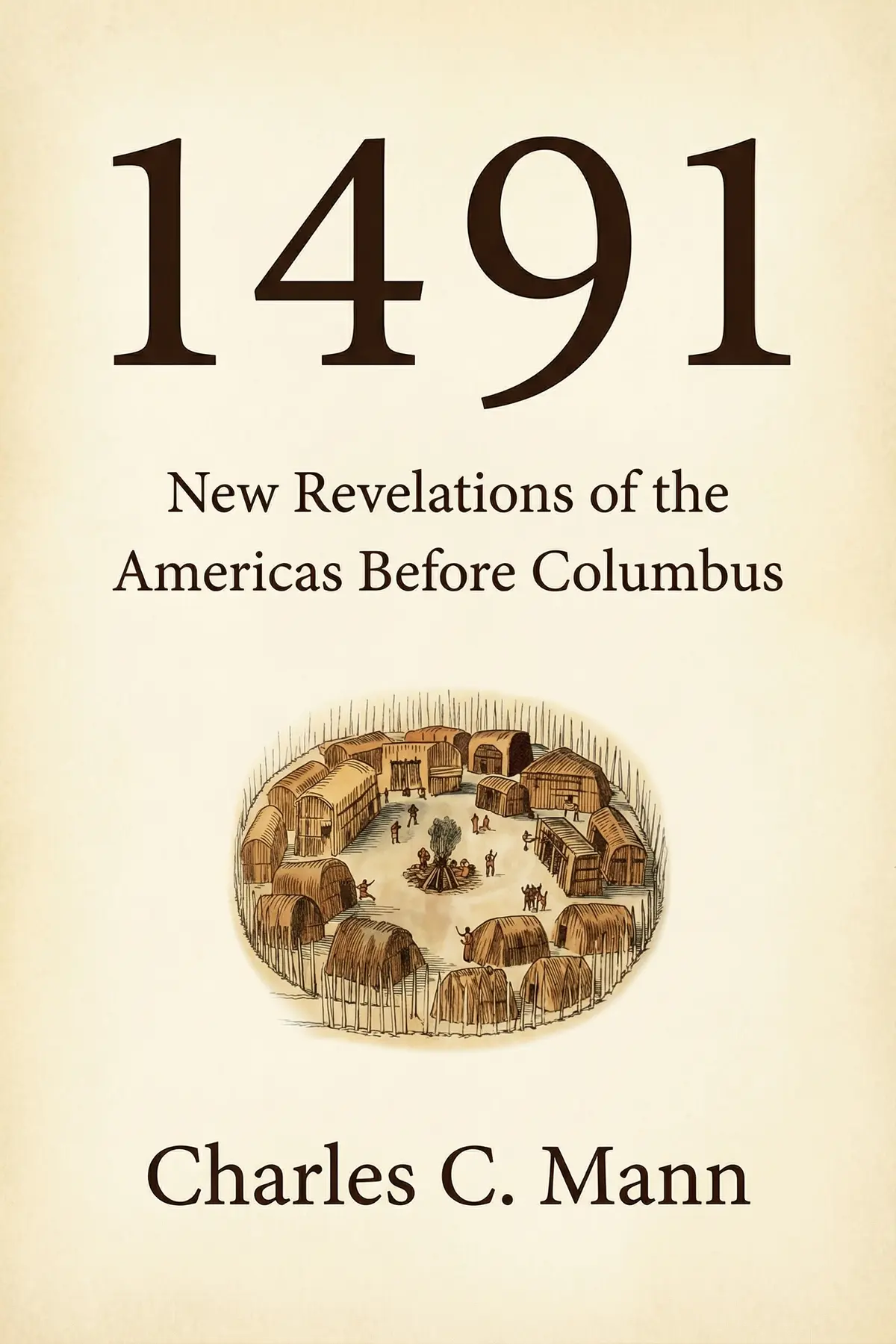
Charles C. Mann
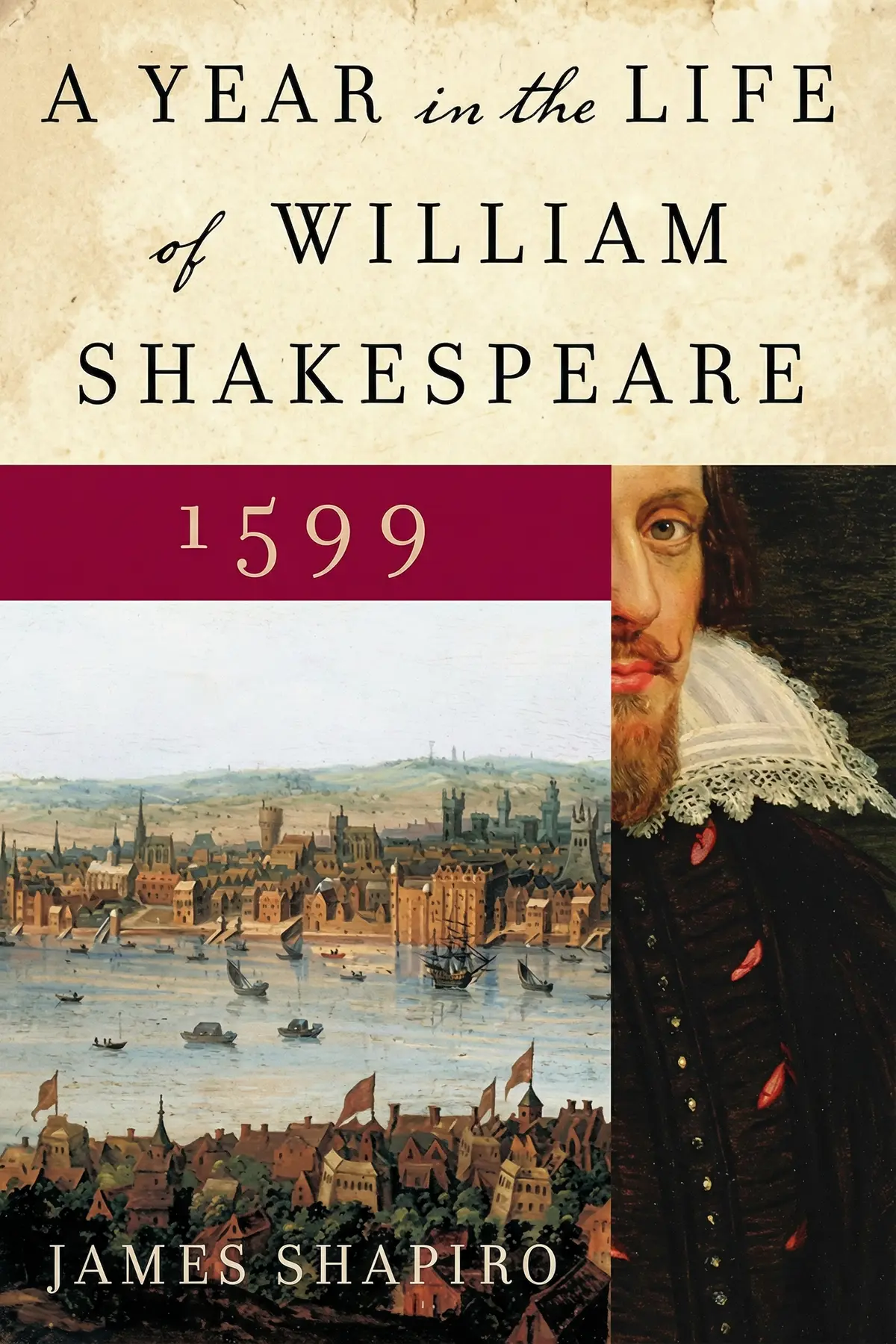
James Shapiro
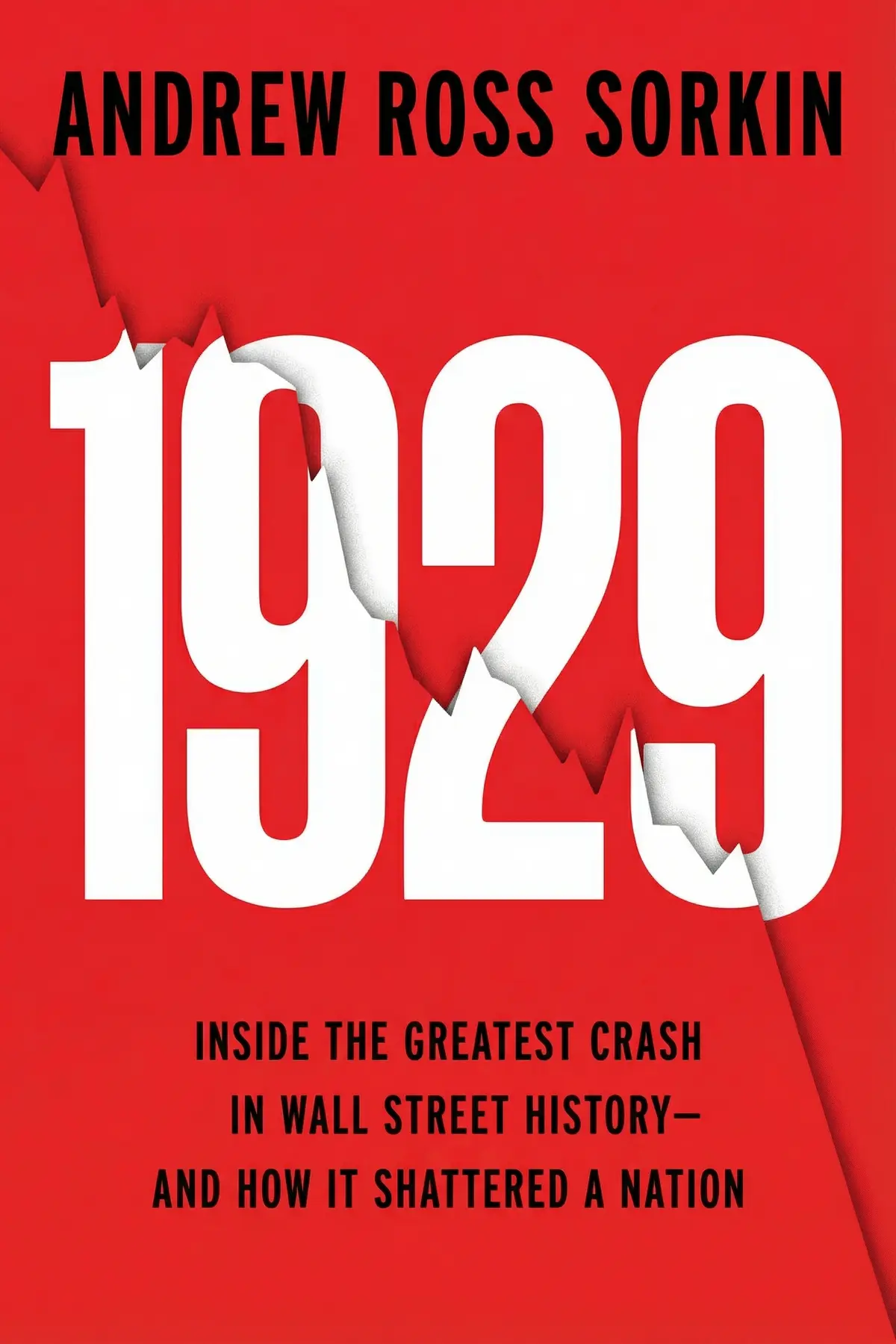
Andrew Ross Sorkin
Pankaj Mishra

Fay Bound Alberti
Ben Macintyre
AUDIO SUMMARY AVAILABLE
Get the key ideas from Hue 1968 by Mark Bowden, plus 5,000+ more titles in English and Thai.







