
17 min 39 sec
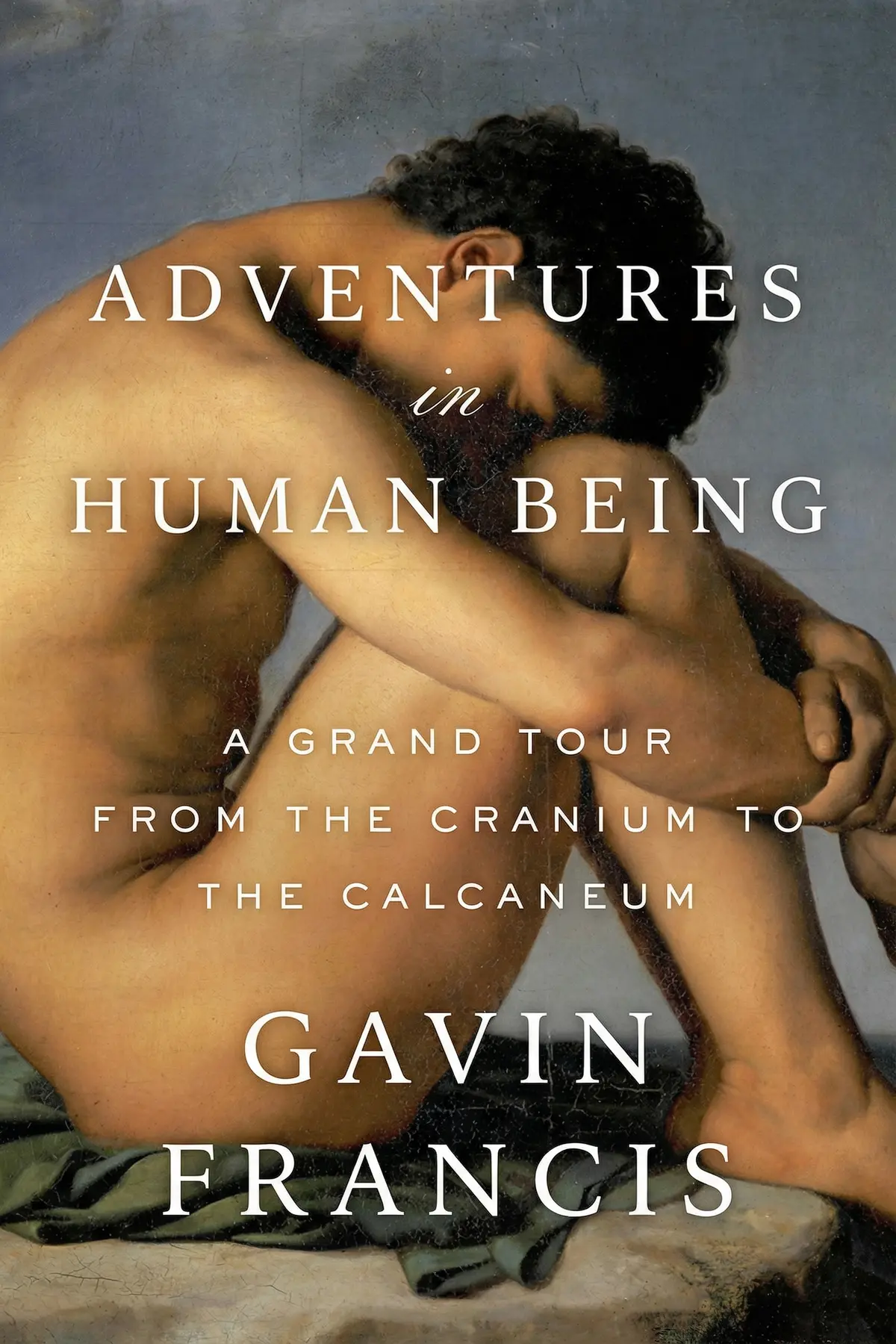
I Can Hear You Whisper: An Intimate Journey Through the Science of Sound and Language
Explore the intersection of science and soul as a mother investigates the mechanics of hearing, the history of deaf culture, and the complex choices surrounding medical technology for her son.
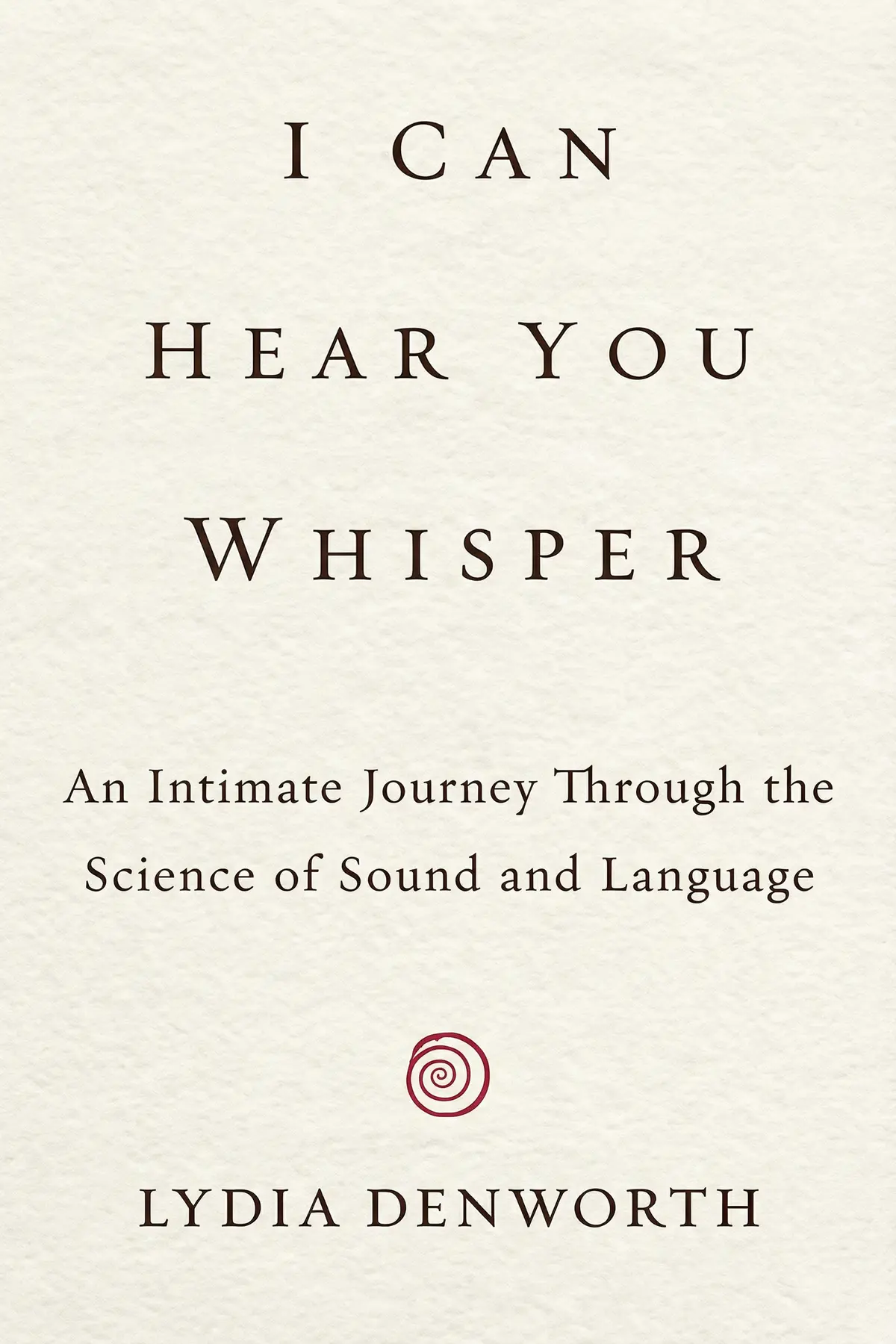
Table of Content
1. Introduction
1 min 38 sec
Imagine for a moment that the world around you is filtered through a heavy, invisible curtain. You see the lips of your loved ones moving, you see the vibration of a guitar string, and you see the rustle of leaves in the wind—but the auditory dimension that ties these experiences together is absent or altered. For millions of people, this isn’t a thought experiment; it is the fundamental reality of their lives.
In this journey, we follow the story of a mother, Lydia Denworth, who was thrust into the complex world of auditory science when she discovered her son was losing his hearing. What began as a personal quest for answers turned into a deep dive into the history, biology, and culture of sound. This isn’t just a book about a medical condition; it’s an investigation into how we connect as human beings. Through the lens of her son’s experience, we explore how the brain processes language, how technology attempts to replicate nature, and how a vibrant community has fought to define itself on its own terms.
Over the next few minutes, we will look at the astonishing mechanics of the human ear and why the process of hearing is so fragile. We’ll trace the centuries-old battle over how deaf children should be educated—a conflict that pits the beauty of sign language against the drive for oral communication. We’ll also examine the high-stakes world of cochlear implants, which some see as a miracle of modern medicine and others view as a threat to a unique cultural heritage. By the end, you’ll see that the ability to hear is not just about detecting noise; it’s about the very foundations of how our minds develop and how we find our place in the world.
2. The Intricate Biological Dance of Hearing
2 min 01 sec
Sound is more than just noise; it is a complex transformation of energy that begins with a simple vibration and ends as a thought in the brain.
3. The Biological Clock of Language Development
1 min 51 sec
The human brain is uniquely primed for communication, but this window of opportunity is sensitive to timing and exposure.
4. The Long History of Misunderstanding Deafness
1 min 46 sec
For centuries, the lack of hearing was wrongly equated with a lack of intelligence, leading to long-standing educational debates.
5. The Influence of Alexander Graham Bell
1 min 44 sec
The inventor of the telephone played a surprising and controversial role in the history of deaf education.
6. From Telephone Receivers to Cochlear Implants
1 min 53 sec
The path to modern hearing technology was paved with crude experiments and a growing understanding of the brain’s electricity.
7. The Malleable Brain and the Power of Experience
1 min 38 sec
Hearing is not just a biological given; it is a skill that the brain must learn through consistent exposure and practice.
8. The Cultural Controversy of 'Curing' Deafness
1 min 58 sec
As technology advanced, a new movement emerged to defend deafness as a vibrant culture rather than a medical defect.
9. The Reality of Modern Deaf Education
1 min 47 sec
Despite the rise of implants, the educational success of deaf children remains dependent on a variety of social and environmental factors.
10. Conclusion
1 min 23 sec
In the end, the journey through the science of sound and language brings us back to a simple truth: communication is the heartbeat of the human experience. Whether that communication happens through the vibration of air molecules in the ear or the graceful movement of hands in the air, its purpose remains the same—to bridge the gap between two minds.
Lydia Denworth’s exploration shows us that while technology like the cochlear implant is an incredible feat of human ingenuity, it is not a replacement for the rich tapestry of culture and identity that the deaf community has built over centuries. We have seen that the brain is a remarkably adaptable organ, capable of weaving meaning out of the most diverse inputs, provided it is given the chance to do so early in life.
The takeaway for all of us, whether we hear perfectly or not, is to recognize the profound importance of the ‘window of opportunity’ in development. We must value the diverse ways in which humans connect and ensure that every child has the linguistic tools they need to flourish. Deafness is not just a medical category; it is a testament to human resilience and the creative ways we find to whisper—and to be heard—in a world that is often very loud. As we move forward, the goal should not be to eliminate difference, but to build a world where every form of language is celebrated as a vital part of the human story.
About this book
What is this book about?
This summary follows the journey of Lydia Denworth as she navigates the world of sound and language following her son’s diagnosis of hearing loss. It serves as both a scientific exploration and a deeply personal narrative. You will learn about the intricate biological processes that allow us to perceive sound and the historical evolution of how society treats the deaf community. The book promises a comprehensive look at the debate between sign language and oralism, the invention and controversy of the cochlear implant, and the ways in which our brains adapt to language. It ultimately reveals that hearing is more than just a physical sense—it is a cornerstone of human connection and identity.
Book Information
About the Author
Lydia Denworth
Lydia Denworth is an accomplished science writer whose work has appeared in prestigious publications such as the New York Times, Newsweek, and the Wall Street Journal. She has also shared her expertise as an adjunct professor of journalism at Fordham University and Long Island University. I Can Hear You Whisper is her second best-selling book.
Ratings & Reviews
Ratings at a glance
What people think
Listeners find this book to be meticulously researched and remarkably well composed, offering an immersive narrative that merges scientific exploration with a personal story. The work delivers lucid explanations of hearing loss and language while presenting a short history of Deaf culture. They value the book's sincere and hopeful tone, and one listener pointed out its outstanding information on language acquisition.
Top reviews
Samart
Have you ever considered what silence actually sounds like to a child who has never known anything else? Denworth’s exploration of her son’s diagnosis is both a scientific detective story and a moving memoir. I was fascinated by the descriptions of how sound waves are converted into electrical signals for the brain. It makes you realize what a miracle hearing actually is. The book doesn't shy away from the controversial aspects of Deaf culture, which I found incredibly respectful and nuanced. Seeing the world through Alex’s eyes as he navigated his new cochlear implant was the highlight for me. The author’s writing style is sophisticated yet accessible, making complex biological processes easy to visualize. It’s rare to find a book that feeds both the brain and the heart so effectively. This is a must-read for anyone interested in linguistics or human development.
Show moreYok
The chapter on the history of cochlear implants was a total revelation for me. I had no idea how much resistance there was to this technology in the beginning. Lydia Denworth writes with the precision of a journalist and the soul of a mother. Her son Alex is a charming central figure, and his small victories feel like your own as you turn the pages. I was particularly impressed by the way she explained the neuroscience of how we learn to listen. It’s not just about the ears; it’s about the brain’s ability to map sound to meaning. This book is a beautiful blend of personal struggle and scientific triumph. It’s honest about the frustrations of therapy and the fear of the unknown, yet it remains fundamentally optimistic. I finished it feeling much more aware of the invisible challenges faced by the hard-of-hearing community.
Show morePrapaiwan
Finally finished this incredible journey and I'm left feeling so much more informed about the invisible struggles of hearing loss. Denworth is such a talented writer. She takes you from the quiet realization that something is 'off' with her son’s speech to the high-tech operating rooms where his world changes forever. The research is impeccable, covering everything from the evolution of the ear to the sociology of sign language. I especially loved the sections on the 'plastic' nature of the developing brain. It’s a heartening story of a family doing everything they can to give their child every possible advantage. The book is dense with information, yes, but the prose is so clear that it never feels overwhelming. I think this should be required reading for anyone in the education or medical fields. It’s a masterpiece of popular science writing.
Show moreStella
Picked this up because I was curious about how the brain processes sound, but I stayed for the heart-wrenching story of Alex. Lydia Denworth manages to strike a difficult balance between being a mother in crisis and a journalist on a mission. The way she describes the moment she realized her son couldn't hear her is gut-wrenching, yet she pivots quickly into the mechanics of the inner ear. I learned so much about the 'critical window' for language acquisition that I never knew existed. To be fair, some of the sections on the history of acoustic science felt a little dry compared to the family drama. However, the insight into the Deaf community and the debate over cochlear implants was eye-opening. It’s a beautifully written bridge between the medical world and the lived experience of hearing loss. I’d recommend it to any parent or science buff.
Show moreWaree
As someone who works in speech therapy, I found Denworth’s exploration of language acquisition to be spot on and incredibly well-researched. She does a fantastic job of explaining why early intervention is so critical for children with hearing impairment. The way she documents her son’s journey with cochlear implants provides a helpful roadmap for other families in similar situations. Frankly, the intersection of technology and biology is the most compelling part of the narrative. I liked how she interviewed various specialists to give a well-rounded view of the field. My only gripe is that the book occasionally gets bogged down in the minutiae of the Deaf community's political history. While important, it sometimes distracted from the main narrative arc of Alex’s development. Overall, it’s a very informative and hopeful read that I’ll be suggesting to colleagues.
Show moreSuda
Frankly, Denworth manages to do something rare here: she makes complex neuroscience feel accessible without stripping away the nuance. I've been interested in how language forms in the brain for a while, and this book provided some of the best explanations I've encountered. The story of her son’s diagnosis serves as the perfect emotional anchor for all the data. You really feel for her as she navigates the difficult choices regarding surgery and schooling. To be fair, some of the metaphors she uses to explain sound frequencies are a bit repetitive, but they do help the layperson understand the physics involved. It’s a very solid 4-star read that offers a lot of educational value. It’s more than just a memoir; it’s a comprehensive look at what it means to live in a world built for the hearing when you are struggling to catch every whisper.
Show moreSuthinee
After hearing so much about the controversy of cochlear implants, it was refreshing to read a perspective that is both deeply personal and scientifically rigorous. This isn't just a mother's diary; it's a deep dive into the very nature of human communication. Denworth's son, Alex, is the heart of the story, and his progress is documented with such care and honesty. I appreciated that she didn't sugarcoat the difficulties of the process. Learning to 'hear' through an implant is clearly an exhausting mental task. My only minor complaint is that the middle sections on the history of sign language schools felt a little long-winded compared to the rest of the book. In my experience, memoirs that lean this heavily into history can lose their momentum, but the strength of the personal story kept me engaged. A very worthwhile read for anyone interested in the wonders of the human brain.
Show moreSombat
The truth is, while the information regarding cochlear implants is exhaustive, the pacing felt disjointed at times. I really appreciated the scientific depth, especially the parts about neuroplasticity and how the brain adapts to sound. Denworth is clearly a talented researcher. But honestly, the transitions between her personal life and the technical history of hearing aids felt jarring. One minute we are at a playground, and the next we are reading a dense lecture on 19th-century physiology. I found myself skimming some of the more academic chapters just to get back to Alex’s progress. It’s a solid resource for those specifically interested in audiology, but for a casual reader, it might feel a bit like a textbook. Not gonna lie, the medical jargon got a bit heavy in the middle, making it a slow read for me.
Show morePear
Wait, I didn't realize how much tension existed between the Deaf community and the medical world until I read this. Denworth dives deep into the 'culture vs. cure' debate, which was definitely the most interesting part of the book for me. However, I found the writing style to be a bit inconsistent. Some chapters are very emotional and intimate, while others feel like they were pulled straight from a science journal. Personally, I struggled with the heavy focus on the history of Gallaudet University; it felt like a bit of a detour from the family's personal story. It is a well-rounded book, but you have to be prepared for a lot of technical explanation. It’s not a light read by any means, but it does offer a very thorough introduction to the world of hearing loss and the technology behind it.
Show moreRafael
This book was a struggle for me to get through because it felt far too much like a clinical report. I was expecting more of a memoir about raising a child with hearing loss, but instead, I got pages upon pages of technical history. While I respect the amount of research Denworth put into this, it just wasn't what I was looking for. Look, the parts about her son Alex were touching, but they felt buried under mountains of data about the anatomy of the ear. I also found the inclusion of some profanity unnecessary for a book that is otherwise quite academic in tone. I forced myself to finish it because the topic is important, but the dry delivery made it feel like a chore. If you love deep dives into medical history, you might enjoy it, but I found it way too dense.
Show moreReaders also enjoyed

Alien Earths: The New Science of Planet Hunting in the Cosmos
Lisa Kaltenegger

A Life Decoded: My Genome: My Life
J. Craig Venter
A Planet of Viruses
Carl Zimmer
A Short History of Nearly Everything
Bill Bryson
AUDIO SUMMARY AVAILABLE
Listen to I Can Hear You Whisper in 15 minutes
Get the key ideas from I Can Hear You Whisper by Lydia Denworth, plus 5,000+ more titles in English and Thai.
- 5,000+ titles
- Listen as much as you want
- 7-day free trial
- Cancel anytime







