
21 min 25 sec
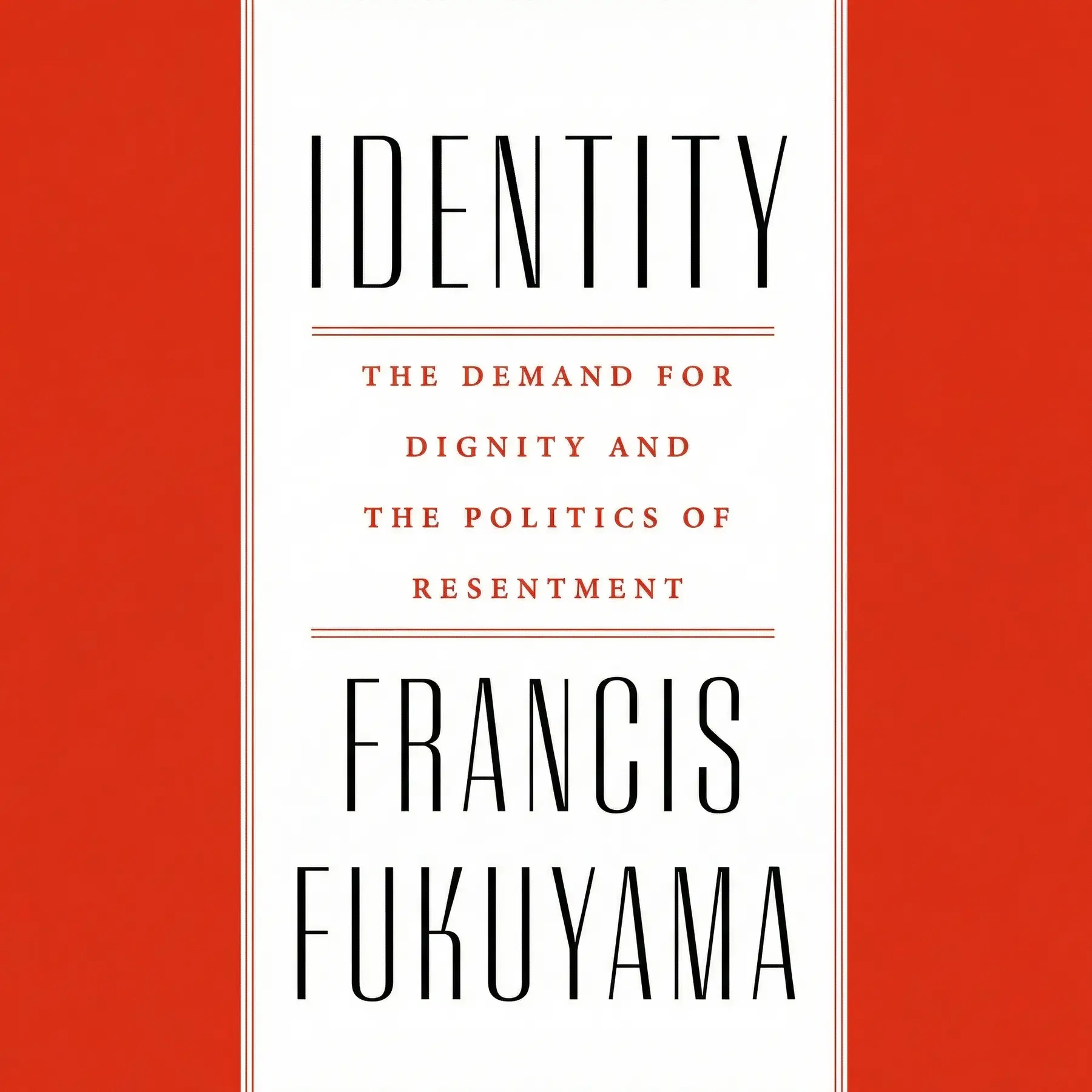
Identity: The Demand for Dignity and the Politics of Resentment
A profound look at how the universal human quest for dignity has transformed into modern identity politics, exploring the history of individualism and the ways collective resentment now shapes our global political landscape.
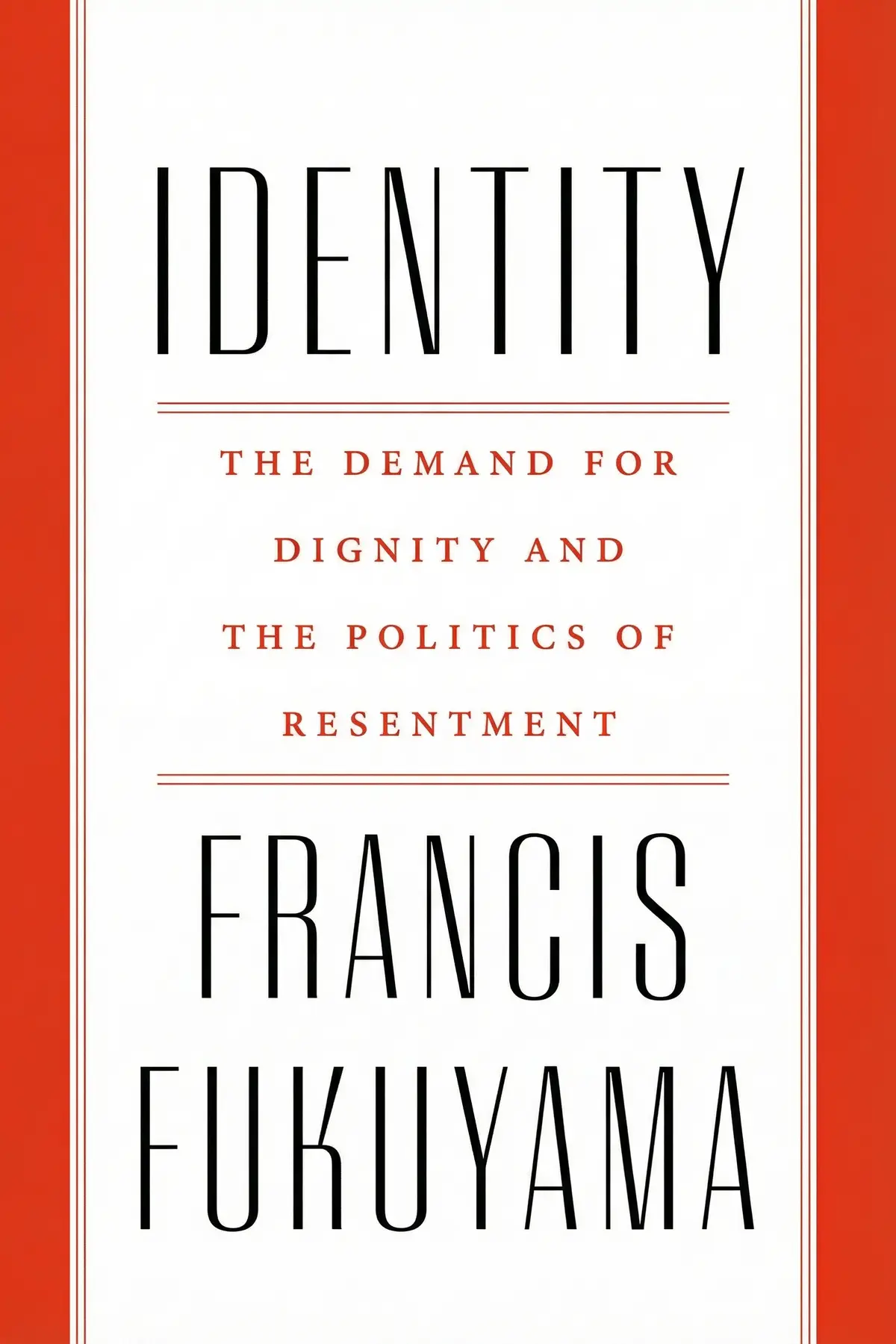
Table of Content
1. Introduction
1 min 49 sec
Have you ever paused to consider why political debates today feel less like discussions about policy and more like battles over who we are? It seems as though every headline, every protest, and every social movement is anchored in a deep-seated demand to be seen, heard, and respected. We look around at our modern liberal democracies and see a paradox. On one hand, we live in an era where legal protections for equality are stronger than ever before. We have witnessed the rise of movements like Black Lives Matter and #MeToo, which have brought long-overdue attention to systemic racism and workplace harassment. Yet, despite this progress, our societies feel more fractured and polarized than they have in generations.
What is driving this intense focus on the self and the group? In this exploration of Francis Fukuyama’s work, we are going to dive into the historical and philosophical roots of what we now call identity politics. We will see that this isn’t just a modern fad or a passing trend. Instead, it is the latest chapter in a very long story about the human soul and its quest for dignity. We’ll trace the evolution of the “inner self” from the religious revolutions of the sixteenth century to the secular philosophies of the Enlightenment.
More importantly, we will look at how the demand for individual recognition eventually morphed into a demand for group recognition. This shift has fundamentally changed the landscape of the political left and the right, and it has introduced new challenges for how we maintain stable, trusting communities. Through this journey, the goal is to understand the “politics of resentment”—the anger that arises when people feel their identity is being undervalued—and to find a way toward a more inclusive future. By the end, we will see that while identity is an inescapable part of the human experience, how we choose to define it will determine whether our societies thrive or continue to pull apart at the seams. Let’s begin by looking at the ancient concept that serves as the foundation for this entire struggle.
2. The Ancient Roots of Human Dignity
2 min 07 sec
Ancient philosophers identified a specific part of the human spirit that craves validation, explaining why we react with such intensity when we feel ignored or undervalued.
3. The Rise of the Inner Self
2 min 05 sec
The modern idea of identity was born from a historical shift that placed the ‘internal’ world of the individual above the rules of external society.
4. The French Revolution and the Demand for Equality
2 min 02 sec
The struggle for dignity moved from the personal to the political during the French Revolution, creating two distinct paths for identity to follow.
5. Nationalism and the Power of Shared Culture
1 min 57 sec
Cultural identity can be a source of pride and unity, but when it becomes exclusive, it often leads to conflict and extremism.
6. The Therapeutic Turn of the Modern State
1 min 41 sec
Governments have moved beyond protecting basic rights to taking responsibility for the psychological well-being and self-esteem of their citizens.
7. From Universal Equality to Group Pride
1 min 55 sec
Social movements in the 1960s transformed the fight for justice from a demand for equal treatment into a celebration of unique group identities.
8. The Fragmentation of the Political Left
1 min 57 sec
By focusing on the specific needs of smaller identity groups, the political left has struggled to maintain a broad coalition for economic change.
9. The Case for a More Inclusive National Identity
2 min 01 sec
Rather than abandoning identity, we should strive to create broad, national identities that provide security, trust, and effective governance.
10. Practical Steps Toward Social Cohesion
2 min 01 sec
Creating a unified society requires concrete policies that end discrimination while encouraging a shared sense of duty and integration.
11. Conclusion
1 min 50 sec
As we reach the end of this journey through the landscape of identity and recognition, it becomes clear that the challenges we face today are not just about policy disagreements. They are about the most fundamental parts of being human: the need to feel worthy and the desire to belong. From the ancient concept of thymos to the modern therapeutic state, the quest for dignity has been the driving force behind our greatest achievements and our deepest conflicts.
We have seen how the rise of individualism allowed us to value the inner self, but also how that focus on the self has sometimes led to a fragmented and polarized society. The shift from universal rights to group-based identity has brought attention to real injustices, but it has also made it harder to find common ground and fight for broad economic progress. The politics of resentment is a powerful force, but it doesn’t have to be our destiny.
The path forward involves a delicate balance. We must continue to fight for the dignity of every individual and group that has been marginalized, but we must do so in a way that points back toward a shared center. By building strong, inclusive national identities based on democratic values, we can create societies where everyone feels they have a place. We can build trust, improve our governments, and ensure our security.
In the end, identity is not something to be feared or suppressed. It is a part of who we are. But if we want our democracies to survive and thrive in the twenty-first century, we must find a way to define our identities in a way that brings us together rather than tearing us apart. It’s a challenge that requires patience, empathy, and a renewed commitment to the idea that despite our differences, we are all part of a larger, shared human story. Let’s take these insights and use them to build more stable, respectful, and unified communities for everyone.
About this book
What is this book about?
Identity explores the deep-seated human need for recognition, tracing its evolution from ancient Greek philosophy to the modern political area. Francis Fukuyama examines how this drive for dignity, once a quest for individual rights, has shifted toward the recognition of specific group identities, sometimes at the expense of social cohesion. Through an analysis of the Protestant Reformation, the French Revolution, and the cultural shifts of the 1960s, the book illustrates how our internal sense of self became the primary focus of politics. It offers a framework for understanding contemporary movements and provides a roadmap for building more inclusive national identities that can bridge the divides of resentment.
Book Information
About the Author
Francis Fukuyama
Francis Fukuyama is an internationally recognized academic, specializing in political science and currently teaching at Stanford University. His 1992 book The End of History and the Last Man was a global bestseller and argued that liberal democracies and free market capitalism might be the final type of human government.
Ratings & Reviews
Ratings at a glance
What people think
Listeners find the work insightful, as one listener notes the deep connection it draws between psychological and political aspects. Furthermore, the academic analysis is praised, with one listener emphasizing its informative history of the concept. They also value its readability, the compelling exploration of human dignity, and the brilliant breakdown of identity politics. While the book is deemed significant and useful, listeners hold varied opinions regarding its pacing.
Top reviews
Phimwan
As someone who values rigorous political theory, I found Fukuyama’s latest work to be a profound bridge between psychology and modern sociology. He tracks the evolution of Western civilization. He explores the shift from rigid village structures to the atomized, inner-focused identities that define our modern lives. Truth is, his explanation of 'thymos'—the innate human desire for recognition—clarifies the current political polarization better than any op-ed I have seen recently. The middle drags. However, the historical synthesis of Luther, Kant, and Hegel remains masterful. It is a brilliant, necessary analysis of why dignity has become the central battlefield of 21st-century governance. Read it.
Show moreJoshua
The chapter on the evolution of dignity is worth the price of the book alone. It’s brilliant. Fukuyama connects the dots between the Protestant Reformation and the modern obsession with the 'inner self' being more real than the external world. I love how he breaks down identity into three parts: thymos, the inner/outer distinction, and the universalization of dignity. It is a deeply insightful look at how we reached 'the end of history' only to find ourselves stuck in a cycle of resentment. Some might find his tone a bit dry. I didn't. The scholarly depth here is exactly what we need in an era of shallow social media shouting matches.
Show morePing
I’ve been following the debate over identity politics for years, and this is the most balanced, scholarly analysis of the topic I have encountered. It’s essential. Fukuyama isn't just complaining about the current state of the world; he is providing a deep, historical context for how we arrived at this point. The link between the psychological need for respect and the political rise of populist leaders is handled with incredible nuance. It’s rare to find a book that is this readable while still maintaining such high academic standards. If you want to understand the 'politics of resentment' without the usual partisan vitriol, you absolutely need to read this book immediately.
Show moreWatcharin
This book provides an incredibly informative history of how 'identity' became a political weapon in the modern era. It is deep. Fukuyama explains that people started measuring their worth by their inner lives rather than community ties as society fragmented during the industrial revolution. I particularly appreciated the scholarly analysis of the 'politics of resentment' and how it fuels movements like Trumpism and Brexit. Look, the solutions feel dated. He advocates for national service, which seems idealistic in our current fractured climate. Still, the psychological link is vital. It is a highly readable account that puts the 'creedal' identity back at the center of the conversation.
Show morePot
Ever wonder why political discussions feel so much more emotional and personal lately? Fukuyama argues that the quest for recognition has superseded economic interest as the primary driver of political behavior in liberal democracies. He makes sense. Personally, I found the first few chapters on the philosophical roots of dignity to be the strongest part of the text. He manages to make complex ideas from Nietzsche and Rousseau accessible without stripping away their intellectual weight. My only gripe is that he occasionally oversimplifies the origins of movements like #MeToo or Black Lives Matter. He lumps them into a broad 'identity politics' bucket. It is a compelling discussion regardless.
Show moreDavid
Finally got around to reading this, and I have to say Fukuyama is onto something regarding the 'particularization' of society. He warns that when we focus on increasingly smaller marginalized groups, we lose the meta-narratives that actually bind a democracy together. We need unity. The book is an important call to return to a 'creedal' identity based on shared values like the rule of law rather than ethnic silos. I don’t agree with his skepticism toward dual citizenship. However, his core argument is solid. It is a valuable piece of the puzzle for understanding why our democratic systems feel like they are currently breaking apart at the seams.
Show moreManika
After hearing so many critiques of 'The End of History,' it was fascinating to see Fukuyama grapple with the current retreat of liberal democracy. He makes a compelling case that we’ve ignored the human need for dignity in our focus on economic globalization. Dignity matters. The book is incredibly insightful when discussing how 'isothumia'—the demand to be seen as equal—can easily turn into 'megalothumia'—the desire to be superior. While I found the pacing a bit uneven toward the end, the overall analysis of how identity can both divide and integrate us is very powerful. It is a scholarly yet accessible roadmap for our current cultural moment.
Show moreMia
Picked this up hoping for a follow-up to 'Political Order and Political Decay,' but this feels much more like a long-form essay than a dense historical tome. It’s light. The first half is a brisk and illuminating walk through Western history, highlighting the shift from Catholic communalism to the Reformation's focus on the inner self. Unfortunately, the book loses steam when Fukuyama begins offering his own solutions to the polarization crisis. He's a hard assimilationist. He advocates for things like ending bilingual education, which many will find off-putting or simply unrealistic in a de facto multicultural society. The theory is sharp, but the prescriptions feel rushed.
Show moreEye
Wow, this was a real mixed bag for me. The beginning is a fantastic, speedy synthesis of how identity went from being tied to your village to being a purely internal quest for self-worth. It’s fast. However, Fukuyama’s solutions for fixing our polarized society feel remarkably disconnected from the modern reality of race and class in America. He argues for a melting pot model that seems to ignore why groups felt the need to retreat into specific identities in the first place. The truth is, his historical overview is brilliant, but his political prescriptions are likely to alienate the very people he is trying to reach. Read for the history, skip the advice.
Show moreKofi
Not what I expected from a thinker of Fukuyama’s stature, particularly regarding the historical accuracy of his claims about the American Civil Rights movement. He characterizes MLK as someone who didn't want radical change. This is wrong. It completely ignores the economic and systemic redress King actually demanded. Frankly, the narrative feels like it was written from a position of extreme privilege that fails to understand the 'lived experience' of marginalized groups. While the writing is readable, his dismissal of gender and race reform as mere 'feelings' is intellectually lazy. It feels like he is trying to blame the left for a beast they didn't actually create. I was disappointed.
Show moreReaders also enjoyed

A Biography of Loneliness: The History of an Emotion
Fay Bound Alberti
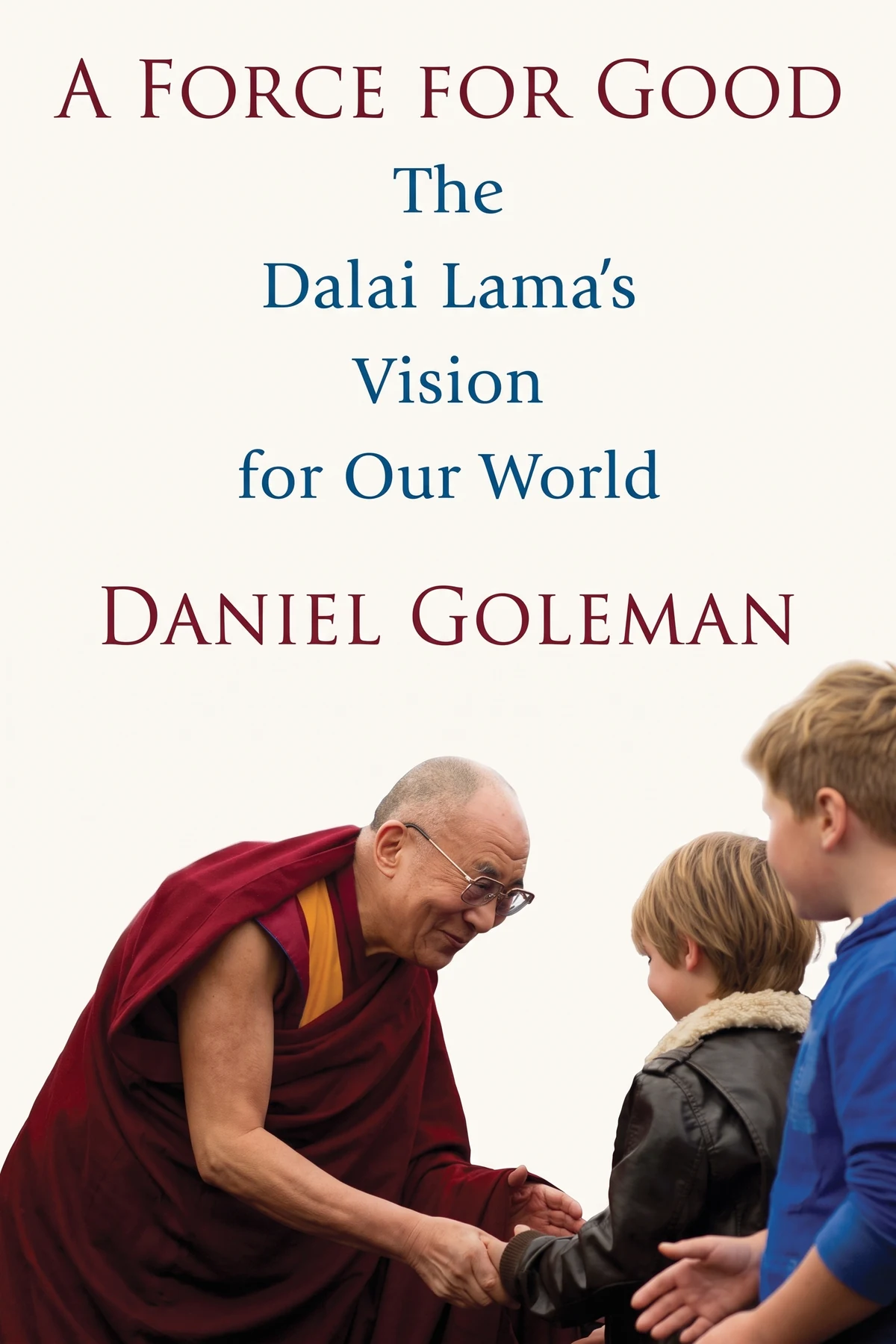
A Force for Good: The Dalai Lama's Vision for Our World
Daniel Goleman
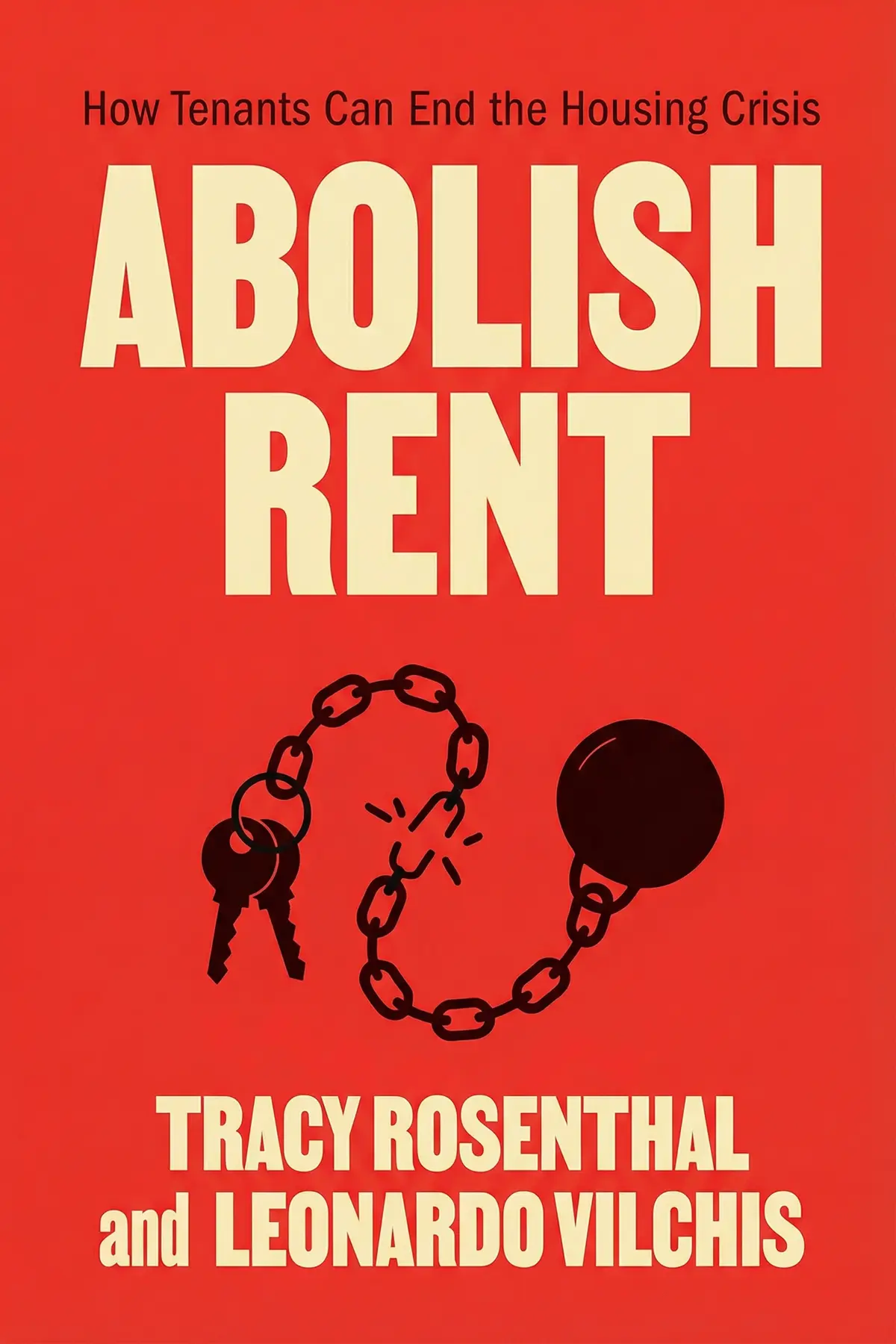
Abolish Rent: How Tenants Can End the Housing Crisis
Tracy Rosenthal

A Room of One’s Own
Virginia Woolf

Abortion: Our Bodies, Their Lies, and the Truths We Use to
Jessica Valenti

Adults in The Room: My Battle With Europe’s Deep Establishment
Yanis Varoufakis
AUDIO SUMMARY AVAILABLE
Listen to Identity in 15 minutes
Get the key ideas from Identity by Francis Fukuyama, plus 5,000+ more titles in English and Thai.
- 5,000+ titles
- Listen as much as you want
- 7-day free trial
- Cancel anytime







