
23 min 41 sec
Ignorance: How It Drives Science
Stuart Firestein argues that science thrives not on established facts, but on the pursuit of what we don’t know. This summary explores how ignorance and curiosity drive humanity's greatest discoveries.
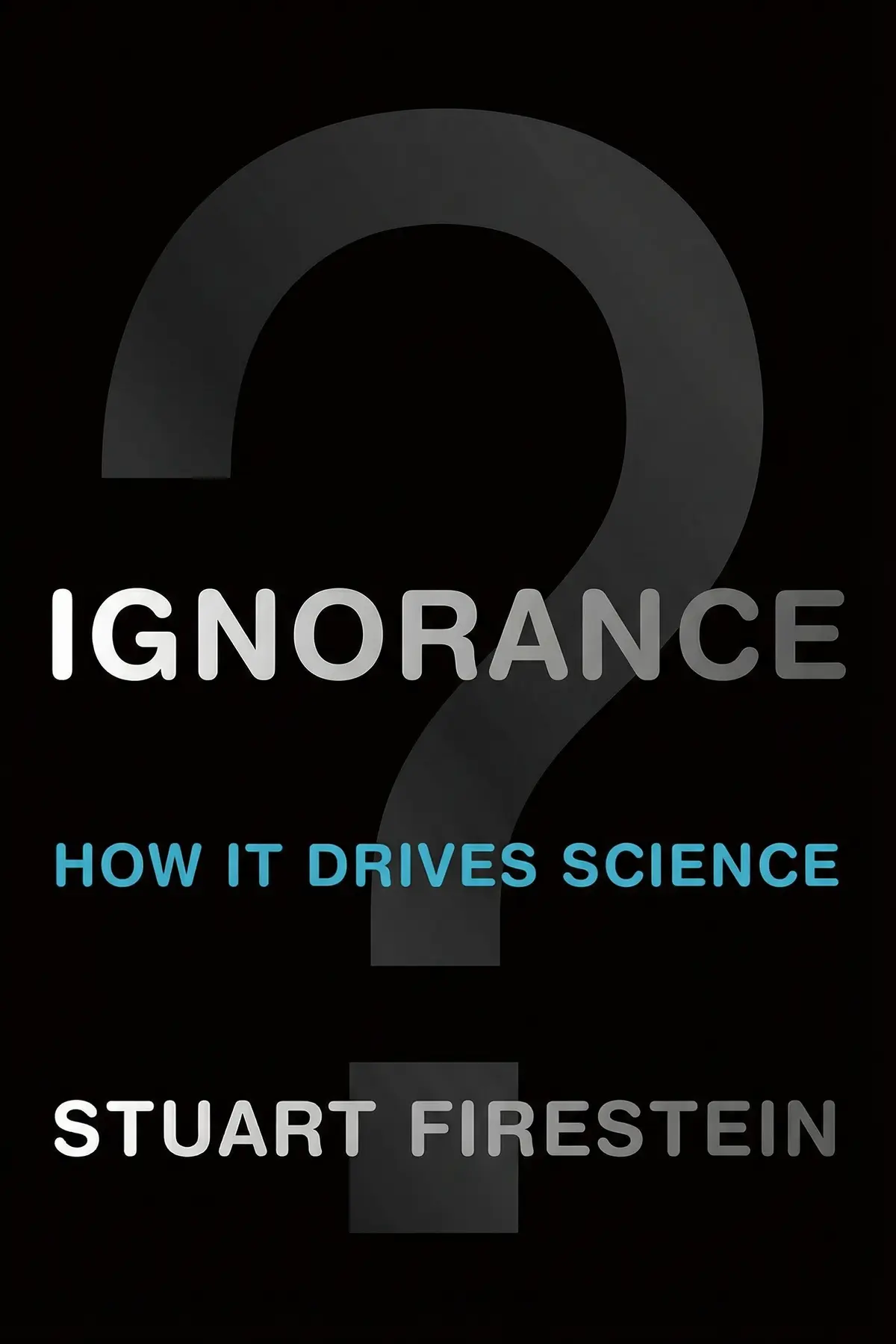
Table of Content
1. Introduction
1 min 35 sec
In an era where we feel as though every answer is just a few keystrokes or a voice command away, we have developed a bit of a misunderstanding about the nature of science. We often view science as a massive, dusty library filled with absolute truths—a finished collection of facts that we simply need to memorize. But if you talk to the people actually working in the laboratories and out in the field, they’ll tell you a very different story. To them, the most exciting thing isn’t what is already in the books; it’s everything that isn’t.
Stuart Firestein argues that the true lifeblood of discovery is ignorance. This isn’t the kind of ignorance that stems from a lack of intelligence or a refusal to learn. Rather, it is a high-quality, productive ignorance—the kind that allows a researcher to look at a map of the world and find the blank spots where no one has traveled yet. This summary will take you through a journey of why the unknown is actually more valuable than the known.
We will explore the throughline of this work: the idea that science is a deeply human, often messy, and perpetually unfinished project. We’ll see how asking a sophisticated question can be more revolutionary than finding a single answer. By looking at historical breakthroughs and modern dilemmas in physics and biology, we’ll establish a new expectation for how to view the world. Instead of seeing gaps in our knowledge as failures, we will learn to see them as the only real way forward. It’s time to shift our focus from the spotlight of what we know to the vast, intriguing darkness of what we have yet to discover.
2. The Human Element in Scientific Truth
2 min 22 sec
Explore why the pursuit of objectivity is a noble but inherently flawed human endeavor, and how our personal biases shape the very facts we discover.
3. The Challenge of Looking Forward
2 min 12 sec
Discover why scientific rules are great for explaining the past but often fail miserably when we try to predict the future of technology and human life.
4. The Catalyst of Productive Ignorance
2 min 12 sec
Learn to distinguish between willful stupidity and the high-quality ignorance that serves as the essential starting point for every major research project.
5. The Strategy of Thinking Small
2 min 10 sec
How breaking massive, overwhelming mysteries into tiny, manageable pieces allows scientists to slowly build a picture of the entire universe.
6. Observing the Animal Mind
2 min 14 sec
The story of a counting horse and some moody dolphins reveals how admitting our ignorance about animal intelligence led to profound cognitive insights.
7. String Theory and the Great Divide
1 min 58 sec
Explore the massive gap in our understanding of physics and how string theory attempts to reconcile the laws of the very big with the laws of the very small.
8. The Paradox of Memory and Forgetting
2 min 04 sec
Uncover the mystery of how our brains store vast amounts of data despite a limited number of connections, and why forgetting is essential for intelligence.
9. Breaking the Language Barrier
1 min 54 sec
Why the modern tendency to hide science behind dense jargon is a mistake, and what we can learn from the revolutionary communicators of the past.
10. A New Philosophy for Education
1 min 46 sec
Discover why our current focus on testing and memorization is failing students, and why the most important skill for the future is the ability to ask the right questions.
11. Embracing the Mystery as a Way of Life
1 min 36 sec
A concluding look at how shifting our mindset from ‘finding answers’ to ‘seeking questions’ can lead to a more fulfilling and intellectually honest life.
12. Conclusion
1 min 38 sec
As we wrap up our journey through the landscape of the unknown, it becomes clear that the heart of science is not found in the certainty of a textbook, but in the persistent itch of curiosity. Stuart Firestein has shown us that while facts are useful tools, they are ultimately just the scaffolding for the real work: the pursuit of the unanswered. We’ve seen how human bias and sensory limits define our boundaries, how the failures of prediction point toward better questions, and how the very way our brains store memories is designed for constant renewal through forgetting.
The throughline of this entire exploration is the transformative power of a well-framed question. Whether it’s the bridge provided by string theory or the humble grant proposal focusing on a single Ugandan crop, the methodology of science is a dance with the darkness. We have learned that to be a scientist—or simply a person who thinks like one—you must be willing to stand at the edge of the light and look outward.
The actionable takeaway from this work is simple yet profound: stop chasing the comfort of the ‘right answer.’ Instead, practice the art of identifying what you don’t know. In your own work, in your education, and in your daily life, cultivate a high-quality ignorance. When you encounter a mystery, don’t rush to fill it with a half-baked explanation; sit with the question. It is only by embracing the gaps in our knowledge that we can ever hope to fill them with something truly revolutionary. Science is a story that never ends, and as long as we remain productively ignorant, there will always be a new chapter waiting to be written.
About this book
What is this book about?
Ignorance: How It Drives Science challenges the conventional view of science as a mere collection of facts. Author Stuart Firestein, a neurobiologist, explains that the true engine of scientific progress is not knowledge itself, but the vast, unexplored territory of the unknown. By shifting the focus from what is already understood to the questions that remain unanswered, Firestein reveals a more dynamic and human side of the scientific process. The book provides a promise of a new perspective: that admitting what we don't know is the most powerful tool for innovation. Through diverse examples—ranging from the behavior of dolphins and the counting abilities of horses to the complexities of string theory and the inner workings of human memory—the text demonstrates how the most elegant theories emerge from gaps in our understanding. It serves as a guide for scientists, students, and curious minds to embrace uncertainty and use it as a catalyst for breakthrough thinking.
Book Information
About the Author
Stuart Firestein
Stuart Firestein is the head of the Department of Biology at Columbia University, where his laboratory is investigating the mammalian olfactory system. In addition, Firestein was the recipient in 2011 of the Lenfest Distinguished Columbia Faculty Award for excellence in scholarship and teaching.
Ratings & Reviews
Ratings at a glance
What people think
Listeners find this work highly captivating and skillfully authored, offering excellent perspectives on the way scientific research is conducted. Furthermore, they value its intellectually stimulating quality; one listener points out its ability to foster critical thinking skills, while another observes how the ideas progress smoothly from chapter to chapter. Listeners also appreciate the way information is presented, with one review highlighting how it conveys the actual experience of dealing with ignorance, while another notes how it turns the tables on the idea of ignorance.
Top reviews
Narong
Firestein completely flips the script on how we perceive scientific discovery in this engaging work. Instead of seeing science as a cold accumulation of data, he presents it as a messy, human, and deeply exciting hunt for better questions. I was particularly struck by the discussion on how successful facts can be 'worrisome' because they stop people from asking new things. The writing is witty and accessible, moving at a brisk pace that never feels bogged down by jargon. It’s incredibly refreshing to see an author celebrate what we don't know rather than just listing what we do. This book encourages critical thinking skills by teaching readers to look beyond the textbook answers. Truly, it’s a wonderful reminder that the most interesting part of any experiment is usually the part that didn't work. Highly recommended for anyone who thinks science is just about memorization.
Show moreCarlos
Finally got around to reading this after seeing it on a 'Science' journal reading list. It’s a punchy, short book that doesn’t overstay its welcome. Firestein’s use of the Faraday quote—comparing a new discovery to a newborn baby—is absolutely brilliant and sticks with you long after you close the cover. He argues that science isn't a mountain of facts, but an expanding horizon of what we don't understand. Personally, I found the chapter on the history of the brain cell count to be a staggering example of how 'facts' can be wrong for decades. While the writing occasionally feels like a transcribed lecture, the energy of the ideas carries it through. This should be required reading for every undergrad before they step into a lab. It gives you the courage to be wrong, which is the most important tool a researcher can have.
Show moreArt
Wow, I am still chewing on the idea that facts are just the jumping-off point for the truly interesting work. Firestein does a masterful job of conveying the experience of dealing with ignorance as a productive force. The reference to C.S. Peirce and the idea of 'communal gaps' in knowledge added a depth that I wasn't expecting from such a short volume. It turns the tables on the idea of ignorance being a negative trait. Instead, it’s the very fuel that keeps the scientific engine running. The writing is clear, funny, and deeply insightful, making complex philosophical points feel like common sense. I loved the emphasis on how scientists really communicate when the cameras aren't rolling. It makes the world of research feel much more accessible and human. This is easily one of the most thought-provoking books I’ve read this year.
Show moreEli
Ever wonder why textbooks are so boring while real research feels like an addiction? Stuart Firestein suggests it’s because we focus on the wrong end of the telescope, obsessing over established facts rather than the delicious mystery of the unknown. His metaphor of the black cat in a dark room—where there might not even be a cat—is a hauntingly perfect description of the scientific frontier. I loved the way he reframes ignorance not as a lack of intelligence, but as a communal gap in knowledge that demands exploration. To be fair, some sections feel a bit repetitive, and he hammers the central point home perhaps a few too many times. However, the insight into how scientists actually talk over a beer versus how they write in journals is worth the price of admission. It’s a quick read that will fundamentally change how you view your own uncertainty.
Show moreRome
As someone who spent years in a lab, I found this perspective incredibly refreshing and authentic. Firestein captures that specific feeling of 'managing ignorance' that defines the daily life of a working scientist. We spend our time at the edge of the map, and this book does a great job of explaining that to the layperson without being condescending. The story about the miscounted brain cells was a particular highlight for me. It shows how easily we can be led astray by 'impregnable' facts that turn out to be completely wrong. My only complaint is that the case histories felt a bit disconnected from the philosophical punch of the introduction. They are interesting on their own, but the transitions could have been smoother. Regardless, the book is a great insight into how science is conducted in the real world.
Show moreKamol
The core argument here—that science is driven by what we don't know rather than what we do—is handled with surprising wit. I’ve always been bothered by how science is taught as a finished story, so seeing someone prioritize 'knowledgeable ignorance' was fantastic. Firestein’s prose is conversational and moves quickly, though it occasionally feels like you’re sitting in the back of a slightly disorganized classroom. He avoids the typical arrogance found in pop science, opting instead for a humble look at the limitations of human perception. The section on how we might be conceptually blind to certain dimensions was particularly mind-bending and well-written. I think students would benefit immensely from this perspective before they get burnt out on rote learning. It’s a small book that manages to turn a massive concept on its head. A few more diagrams or illustrations might have helped, but the writing is strong enough to carry it.
Show moreNook
Look, this is a tiny book, but it packs a significant punch regarding how we educate students. Firestein argues that we should be teaching 'how the data frames the unknown' rather than just asking kids to memorize lists of discoveries. The way he reframes the conflict between Galileo and the Church was particularly fascinating and offered a perspective I hadn't encountered before. The book is thoroughly engaging and well-written, even if it feels a little disorganized in the latter half. I found the ideas flowed nicely from chapter to chapter in the beginning, but the case studies felt a bit like a detour. Still, the underlying message about embracing doubt is something we desperately need more of in today's world. It’s a great piece for anyone looking to sharpen their critical thinking skills. It makes you realize that being ignorant isn't a failure—it's an opportunity.
Show moreMattanee
To be fair, the premise is absolutely brilliant, yet the execution left me feeling a bit adrift. The first few chapters are electric, exploring the 'Negative Capability' and why certainty is the enemy of discovery. However, the narrative eventually starts to feel like a collection of lecture notes that haven't been fully polished for a general audience. The prose is a bit messy in places, with some paragraphs feeling like misshapen lumps that circle back on themselves. I enjoyed the case histories in theory, but some were far more engaging than others. It’s a short book, which is a blessing, because the central thesis is essentially exhausted by the midpoint. It is certainly thought-provoking, but it feels more like a long essay that was stretched into a book. If you are looking for a deep dive, this might feel a little thin.
Show moreKavya
Picked this up because the concept of 'knowledgeable ignorance' sounded like the perfect antidote to current social media certainty. There are some gems in here, especially the parts about the 'negative capability' and the danger of being too sure about an experiment's outcome. However, the book didn't quite live up to the hype for me. The rambling style went around in circles at times, and I found myself checking how many pages were left in the case history sections. To be fair, Firestein is a great storyteller, but the transitions between anecdotes and theory are a bit jarring. It’s a good book that could have been a great one with a more rigorous editor to trim the repetitive bits. I’d recommend it for the first fifty pages alone, but don’t expect a life-changing epiphany in the second half. It's a solid, interesting perspective, but ultimately feels a bit unfinished.
Show moreMonthon
Not what I expected from a book with such a provocative title and high praise. While the initial few chapters hit hard, the middle section felt like a collection of lecture notes that hadn't been properly adapted for a book. There were several moments where the prose drifted into a kind of academic monotony that made it difficult to stay engaged. The 'case histories' were a great idea in theory, but they didn't always bridge the gap between abstract philosophy and concrete application. Frankly, I think the author’s classroom seminar probably offered a more vibrant experience than these misshapen lumps of paragraphs. It’s a short read, which is a mercy, but I was hoping for much more cohesion. It feels like a brilliant 20-page essay padded out to 100 pages just to justify a hardcover price. I'd skip this and look for a summary online instead.
Show moreReaders also enjoyed
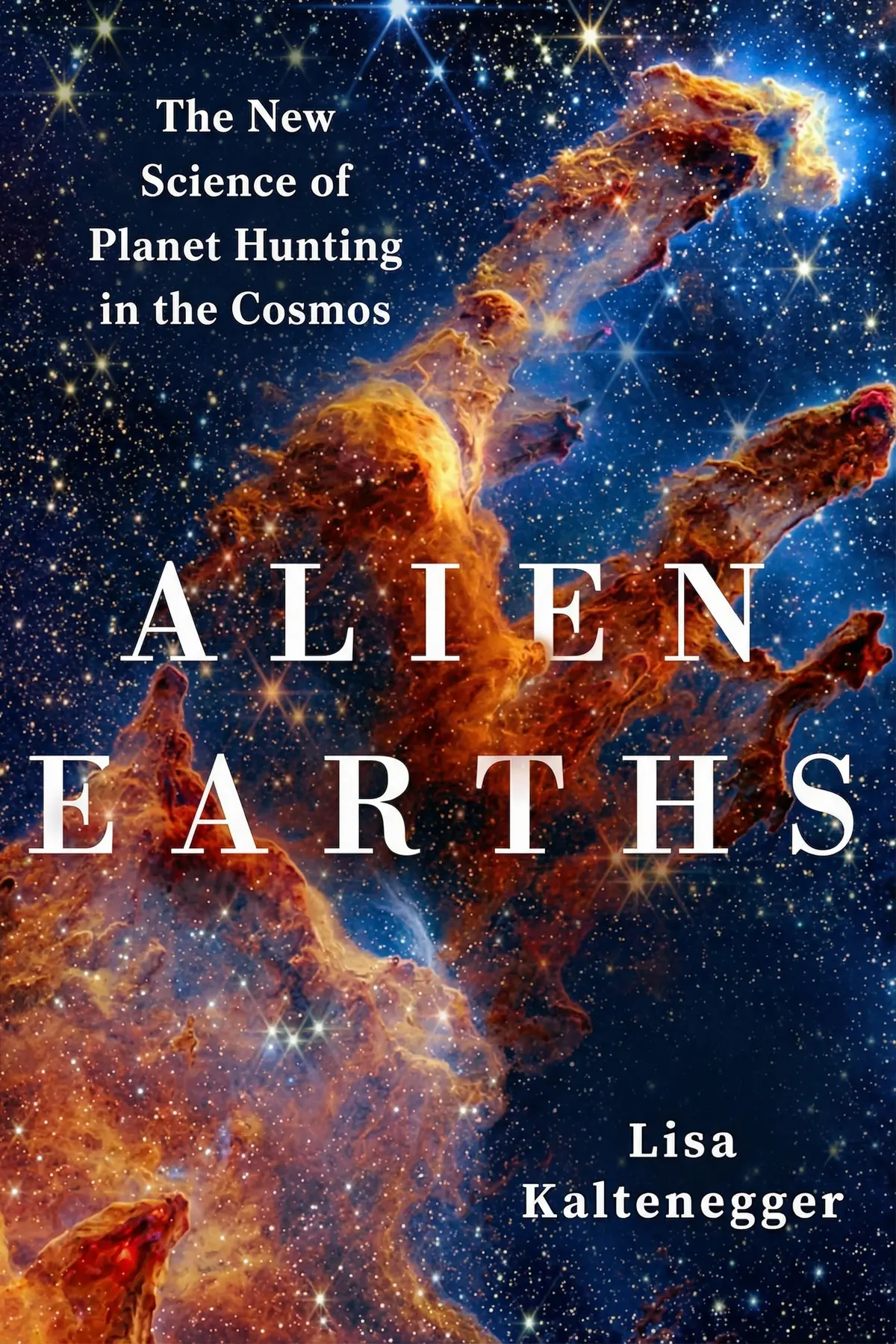
Alien Earths: The New Science of Planet Hunting in the Cosmos
Lisa Kaltenegger
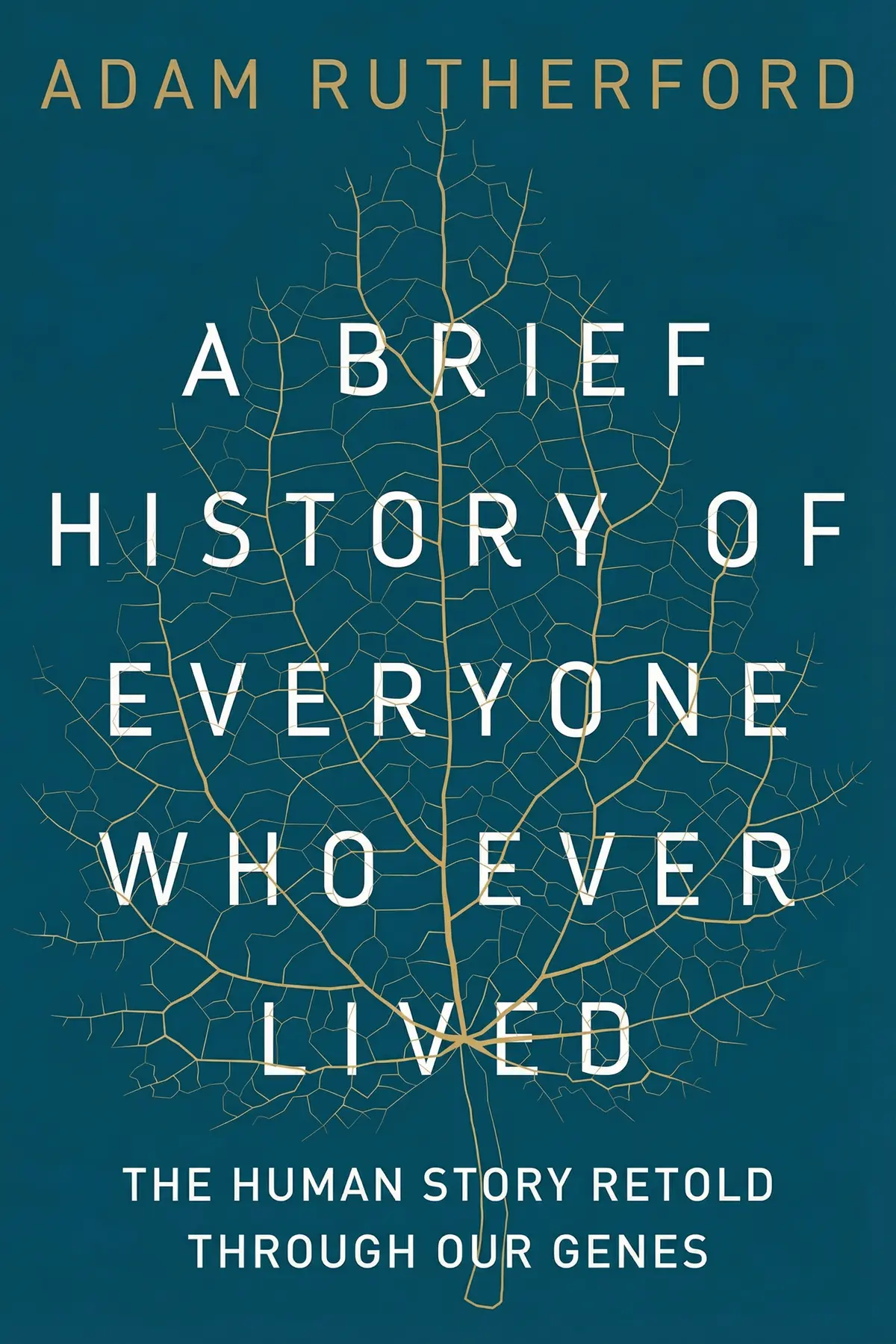
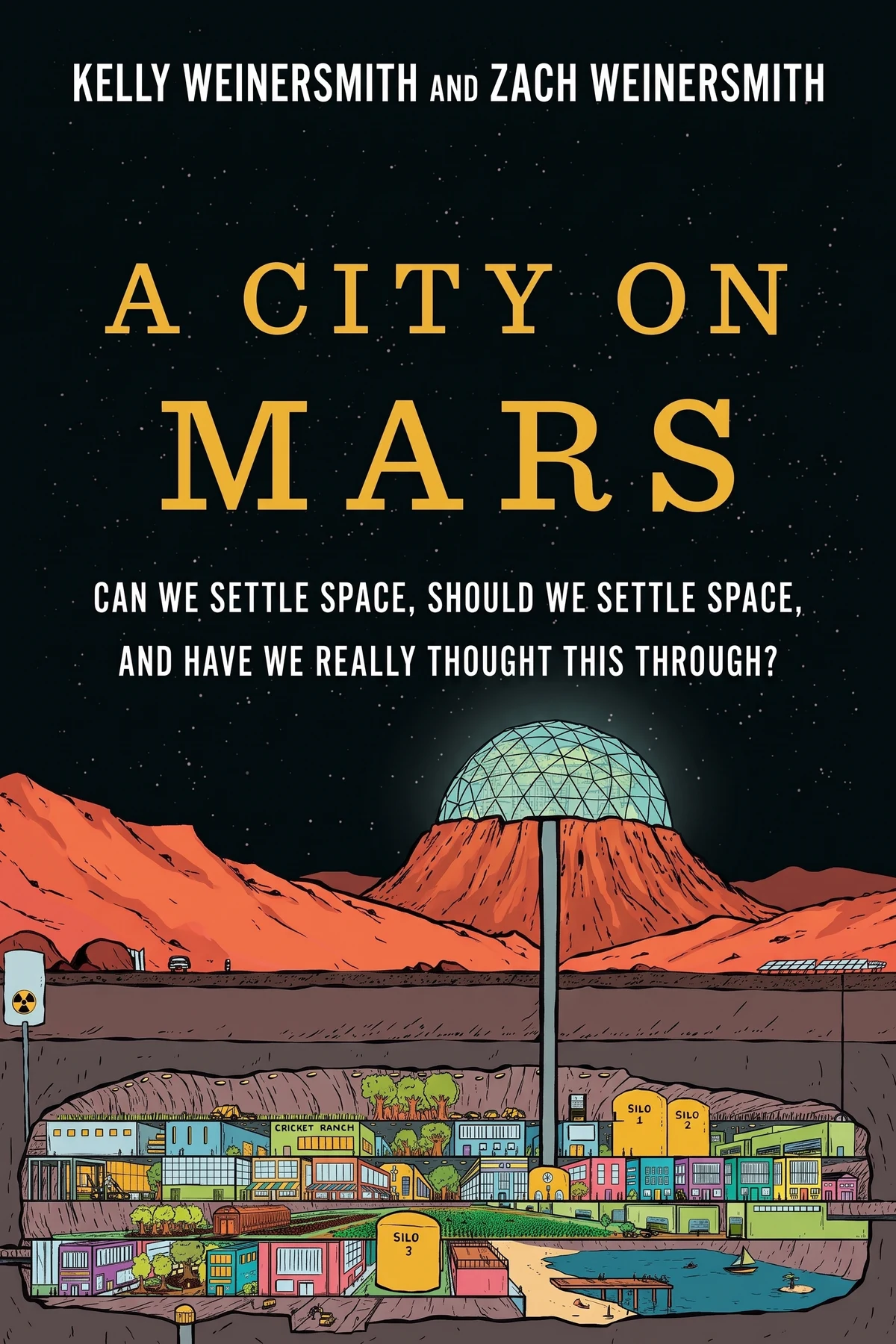
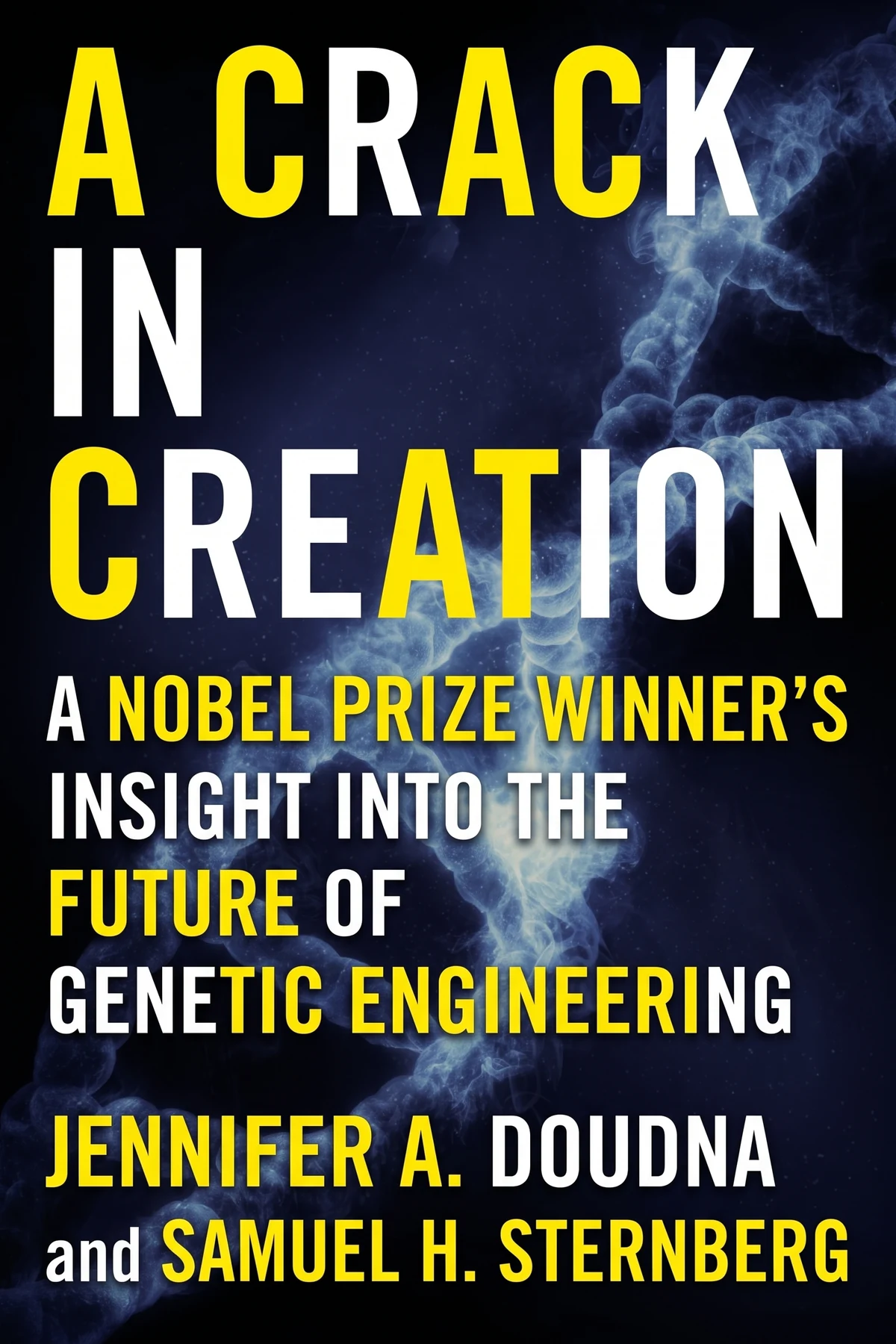
A Life Decoded: My Genome: My Life
J. Craig Venter
A Planet of Viruses
Carl Zimmer
A Short History of Nearly Everything
Bill Bryson
AUDIO SUMMARY AVAILABLE
Listen to Ignorance in 15 minutes
Get the key ideas from Ignorance by Stuart Firestein, plus 5,000+ more titles in English and Thai.
- 5,000+ titles
- Listen as much as you want
- 7-day free trial
- Cancel anytime







