
23 min 03 sec
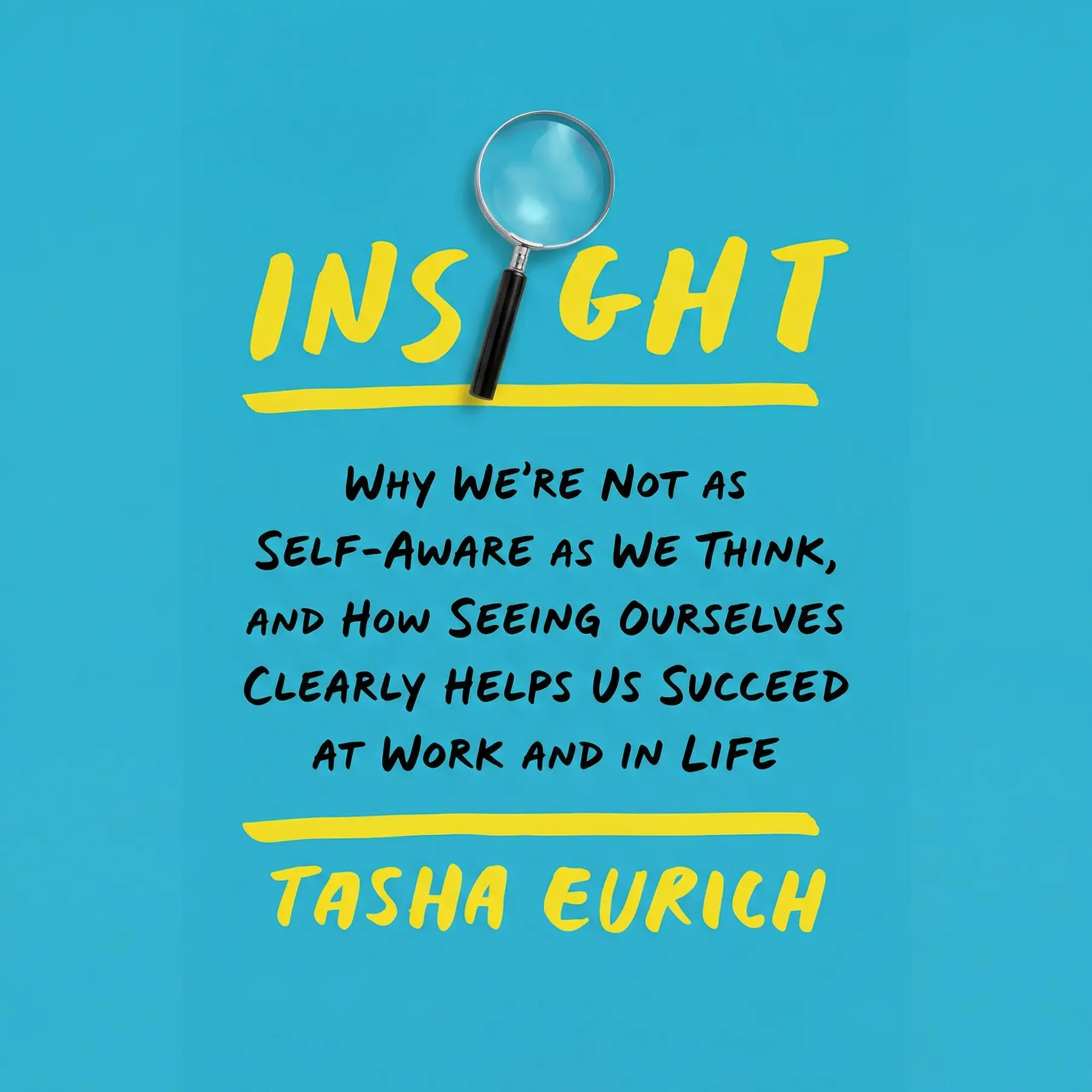
Insight: The Surprising Truth About How Others See Us, How We See Ourselves, and Why the Answers Matter More Than We Think
By Tasha Eurich
Insight explores why we often lack self-awareness despite our best efforts. Tasha Eurich provides a practical roadmap for understanding ourselves, managing feedback, and seeing how others truly perceive our behaviors.
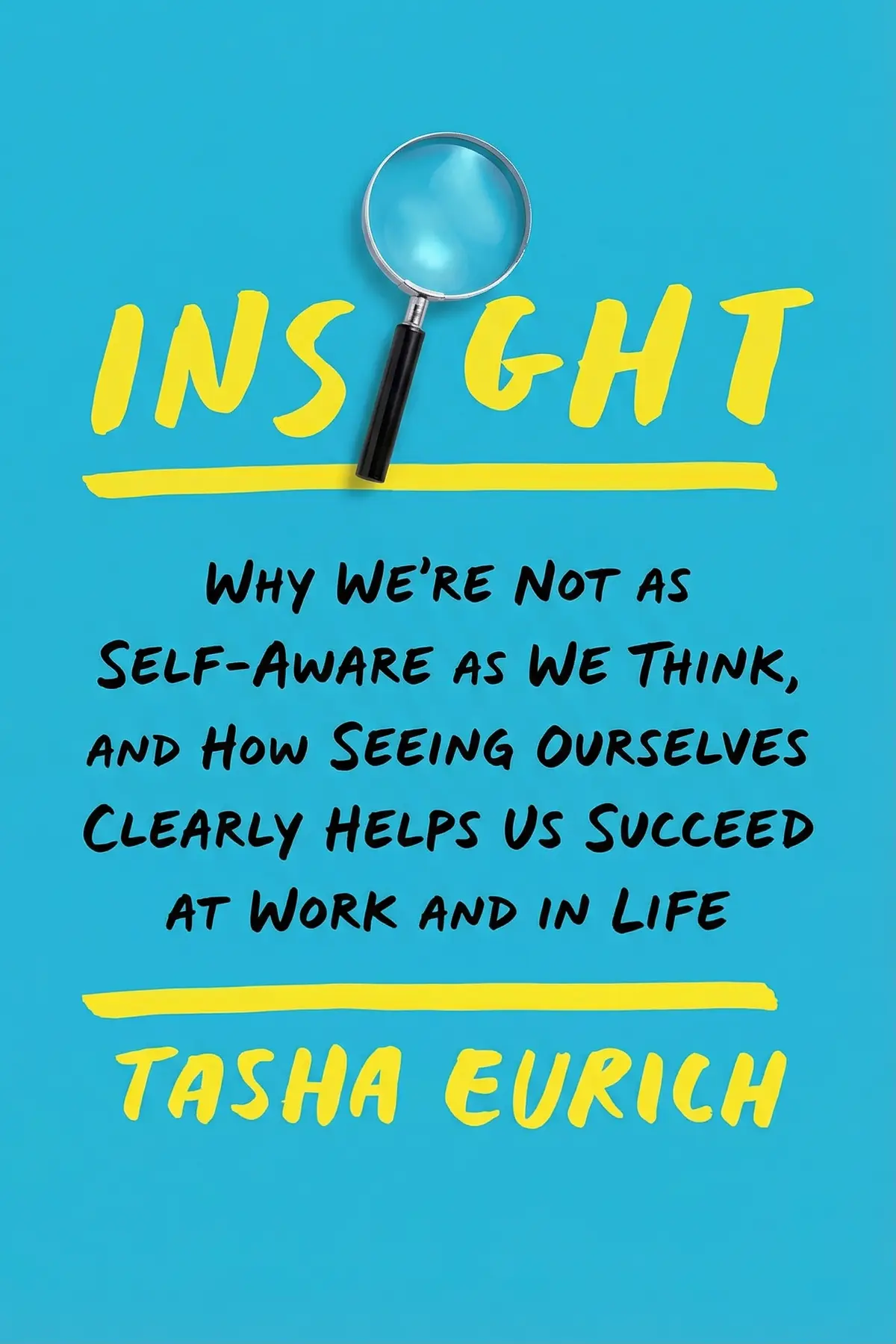
Table of Content
1. Introduction
1 min 31 sec
We often take it for granted that we are the foremost experts on our own lives. After all, we live inside our own heads every single minute of every day. But what if that proximity is actually a disadvantage? What if the very fact that we are so close to our thoughts and feelings makes it harder to see them clearly? This is the fundamental challenge of self-awareness, a human trait that is as vital as it is elusive. Most of us believe we possess a high degree of self-knowledge, yet when we look at the data, a different picture emerges. There is often a significant disconnect between our internal identity and the external image we project to the world.
In this exploration of self-discovery, we will look at why self-awareness is such a powerful tool for success. It isn’t just about being in touch with your emotions; it is a complex skill that involves understanding your values, your impact on others, and the environments where you thrive. We will uncover why traditional methods of looking inward often fail us and how we can replace them with more effective techniques.
Throughout this summary, we will see how self-awareness acts as a throughline for professional achievement and personal satisfaction. We will discuss the roadblocks that prevent us from seeing the truth, from the subtle biases of our own brains to the social pressures that keep others from being honest with us. Whether you are leading a team or simply trying to navigate your personal relationships more effectively, understanding the mechanics of insight is the first step toward a more authentic and successful life. Let’s begin by looking at the two distinct sides of the self-awareness coin.
2. The Dual Nature of Self-Awareness
2 min 05 sec
Discover why knowing your inner world doesn’t guarantee you know how others see you, and why balancing both perspectives is the secret to true insight.
3. The Seven Pillars of Personal Insight
2 min 00 sec
Uncover the specific areas of your life where self-knowledge is most critical, from the values that drive you to the impact you leave on others.
4. Overcoming the Three Types of Blindness
1 min 53 sec
Learn about the psychological barriers that prevent us from seeing our true selves and why our brains are wired to keep us in the dark.
5. The Trap of Asking Why
1 min 57 sec
Explore why the most common way we try to understand ourselves—asking ‘why’—is actually a dead end for personal growth.
6. Mindfulness Beyond the Meditation Mat
1 min 53 sec
Discover practical, everyday techniques to increase your presence and self-knowledge without needing hours of quiet contemplation.
7. The Challenge of Honest Feedback
1 min 46 sec
Learn why the people closest to you are often the least likely to tell you the truth and how to break through the wall of silence.
8. The 3R Model for Processing Feedback
2 min 17 sec
Master the art of receiving criticism without getting defensive by using a simple three-step framework for personal growth.
9. Building Self-Awareness Within a Group
1 min 56 sec
Discover how teams can develop a collective sense of self-knowledge and why this leads to higher performance and fewer conflicts.
10. Creating a Culture of Truth
1 min 51 sec
Learn the organizational secrets of high-performing companies like Pixar that build honesty and safety into their daily routines.
11. Navigating the Three Types of Delusion
2 min 13 sec
Understand how to deal with the ‘un-self-aware’ people in your life, from those who can be nudged toward growth to those who are lost causes.
12. Conclusion
1 min 41 sec
As we conclude this journey into the mechanics of self-awareness, it is clear that knowing ourselves is not a destination, but a lifelong practice. We have seen that self-awareness is a dual-sided coin, requiring us to balance our internal values with an honest understanding of how the world perceives us. We have unmasked the ‘blindnesses’ that often keep us in the dark and learned why the simple act of asking ‘what’ instead of ‘why’ can be the difference between stagnant rumination and genuine growth.
The throughline of all these insights is that clarity is a choice. It is a choice to seek out the truth even when it’s uncomfortable, and a choice to create environments where others feel safe enough to be honest with us. Whether you are applying the 3R model to a difficult performance review or helping a ‘Nudgable’ colleague see their impact, you are taking active steps to bridge the gap between perception and reality. This bridge is where true success and authentic relationships are built.
For an immediate way to apply these ideas, consider your digital life. Many of us fall into the trap of being ‘Meformers’—people who use social media primarily to broadcast self-focused information. This can reinforce a shallow, self-absorbed version of ourselves. Try to shift toward being an ‘Informer.’ This means focusing your attention outward, sharing information about the world, and engaging with the ideas of others. This simple change in focus can help shift your mindset from self-absorption to genuine awareness. By looking outward more often, we paradoxically gain a much clearer view of the person looking back at us in the mirror.
About this book
What is this book about?
Insight is an exploration of the vast gap between how we perceive ourselves and how the rest of the world sees us. Most people believe they are self-aware, yet research suggests that true self-knowledge is a rare commodity. This book identifies the internal and external barriers that cloud our judgment and explains why common habits like traditional introspection can actually lead us further away from the truth. The book promises a path to greater clarity, better relationships, and improved professional performance. By breaking down self-awareness into seven distinct categories and offering actionable strategies for requesting and processing feedback, Eurich provides a toolkit for personal growth. It moves beyond individual development to show how collective self-awareness can transform teams and organizations, fostering a culture of honesty and psychological safety. Ultimately, it is a guide for anyone looking to bridge the divide between their self-image and reality.
Book Information
About the Author
Tasha Eurich
Dr. Tasha Eurich is a researcher and organizational psychologist with a PhD in industrial-organizational psychology from Colorado State University. A bestselling author, her work has appeared in peer-reviewed journals and popular outlets like Entrepreneur, CNBC.com, and The Huffington Post. She has been recognized as a Top 100 Thought Leader by Trust Across America and a Leader to Watch by the American Management Association. Her TEDx talk on self-awareness has reached millions of viewers worldwide.
Ratings & Reviews
Ratings at a glance
What people think
Listeners consider this work essential reading because of its high-quality research and material, while one reviewer mentions that the scientific foundations enhance the subject's appeal. Furthermore, it provides valuable frameworks for growth in both private and career life, as one listener points out its functional methods for uncovering one's true self. The prose is also highly regarded; listeners like the pertinent anecdotes and accessible illustrations that ensure the lessons apply to human connections worldwide. Listeners prize the insights into self-awareness, with one particular review noting its effectiveness in helping people process feedback without becoming defensive.
Top reviews
Den
Picked this up because I was struggling with giving and receiving feedback at my new management job. Eurich’s distinction between internal and external self-awareness was a total lightbulb moment for me. I always thought I knew myself well, but I hadn't considered how my team actually perceived my constant interruptions. The shift from asking "why" something happened to "what" I can do next is a simple but profound cognitive tool. Truth is, the worksheets in the back are worth the price of the book alone. Some might find the "unicorn" label a bit cheesy, but the data-driven approach kept me engaged throughout the chapters. It’s a rare professional development book that actually offers a roadmap instead of just vague platitudes. I’ve already started using the daily check-in exercise, and the results are surprisingly immediate.
Show moreKaen
Ever wonder why that one coworker is so incredibly oblivious to their own toxicity? This book explains exactly why that happens. More importantly, it shows you how to ensure you aren't that person. The breakdown of "Meformers" versus "Informers" on social media was a fascinating look at how our digital lives feed our ego. I've spent years "introspecting" by asking myself why I feel certain ways, only to find out from Eurich that I’ve been doing it wrong the whole time. The shift to "what" questions has genuinely changed my morning journaling routine. While the tone is casual, the research feels grounded in real-world application. I’ve already recommended this to my entire leadership team because we desperately need a shared language for feedback. It’s a required read for anyone who cares about interpersonal dynamics.
Show morePrapaiwan
Wow, this was exactly the kick in the pants I needed to re-evaluate my leadership style. The truth is, most of us are flying blind when it comes to how our teams see us, and Eurich provides the flashlight. I found the chapter on the "Seven Pillars of Insight" to be a perfect framework for auditing my own behaviors. The book is filled with actionable material that you can start using the very next day in a professional setting. While some critics might find the anecdotes "neat," I found them to be helpful illustrations of the principles being discussed. It’s rare to find a book that manages to be this practical while still feeling grounded in research. This should be required reading for anyone in a management position or anyone who wants to improve their interpersonal relationships. It’s a game-changer.
Show moreSkylar
Finally got around to reading this after it sat on my shelf for six months, and I'm kicking myself for waiting so long. The book offers such a clear path toward self-discovery without the usual "woo-woo" nonsense found in this genre. I particularly loved the section on how to ask for feedback from "loving critics" rather than just people who will tell you what you want to hear. The worksheets are incredibly detailed and forced me to confront some uncomfortable truths about my own career trajectory. Sentence for sentence, it’s one of the most useful books I’ve read this year. Every point made is backed up by either a study or a clear, relatable example that makes the concept stick. It’s a fantastic resource for anyone who feels stuck and doesn't know why. Highly recommended for the worksheets alone, but the text is just as valuable.
Show moreCaleb
As an organizational psychologist myself, I found Tasha Eurich’s take on the "science" of self-awareness to be a refreshing, albeit anecdotal, entry into the field. She does a great job of breaking down why our own brains are essentially wired to lie to us about our performance. The stories about her consulting clients—while occasionally feeling a bit too polished—serve as effective mirrors for our own professional blind spots. I particularly appreciated the section on "Alarm Clock Events" and how they force us to confront reality. To be fair, if you’re looking for a dense academic text like Kahneman, you might find this a bit light on theory. However, for the average professional looking to stop sabotaging their own career, the advice here is incredibly solid. It’s readable, actionable, and doesn't get bogged down in too much jargon.
Show moreSomboon
After hearing about the "power of feedback" for years, I finally found a book that explains how to actually hear it without getting defensive. Eurich’s approach is practical and doesn't shy away from the fact that hearing the truth about yourself hurts. I found the section on how to handle unhelpful feedback just as valuable as the parts about seeking out the truth. The book is globally applicable because, at the end of the day, we all have to deal with other humans. My only gripe is that some of the "war stories" from her consulting career feel a bit repetitive by the end of the second act. Still, the insight into how our self-perception differs from our reputation is invaluable. It’s a solid 4-star read that I’ll likely revisit when I feel like I'm hitting a wall at work.
Show moreWichai
This is not your typical fluffy self-help book, even if the cover makes it look that way. The scientific basis for why we aren't as self-aware as we think is presented in a way that is both accessible and intellectually stimulating. I appreciated that Eurich didn't just tell us to "be more aware" but actually broke down the mechanics of how to get there. The relatable examples of people failing—and then succeeding—made the advice feel much more attainable for a regular person. In my experience, most career books focus on external skills, so focusing on the internal landscape felt like the missing piece of the puzzle. I did find the author's writing style a bit too breezy at times, which occasionally undermined the seriousness of the research. Regardless, the content is top-tier for personal development.
Show moreYindee
Finalizing my thoughts on this one was tough because it's such a mixed bag. On one hand, the actual tools and worksheets provided in the appendices are fantastic and provide a lot of clarity for self-discovery. On the other hand, the writing is frequently interrupted by self-aggrandizing anecdotes that feel borderline fictional in their perfect resolutions. I struggled with the "unicorn" terminology and the way the author inserts herself into every case study. Frankly, the book is about twice as long as it needs to be due to all the repetition. That said, the core concepts—like the difference between internal and external awareness—are genuinely useful for anyone working in a corporate environment. If you can ignore the management-lesson-as-a-novel vibe, there is gold in here. Just be prepared to skim through the folksy segments to get to the actual science.
Show moreGioia
The premise is great, but the execution felt like reading a 300-page LinkedIn post. I wanted more hard data and less about the author's personal interactions with her friends or her "unicorn" subjects. It is deeply ironic that a book about self-awareness feels so self-indulgent at times. The writing style lacks the maturity I expected from someone with her credentials, frequently relying on cutesy metaphors that distract from the actual psychology. Look, there are some decent takeaways about feedback loops and the dangers of introspection, but you have to wade through so much fluff to find them. It could have been a brilliant 50-page essay. Instead, it’s a repetitive slog that feels like a marketing brochure for her consulting firm. If you’re a managerial worker in the US, you might find some value, but everyone else can probably skip it.
Show moreOtt
I really wanted to love this, but I ended up feeling like I was being sold a consulting package the entire time. For a book that claims to be about the "science" of insight, it relies far too heavily on anecdotal evidence and personal stories that feel suspiciously convenient. The author's voice is a bit too self-absorbed for a book on this topic, which makes for an ironic reading experience. I kept waiting for a deep dive into neurological studies or psychological theory, but it never really moved past the surface level. It feels like a collection of blog posts stitched together with some worksheets at the end. Not gonna lie, I found myself rolling my eyes at the "self-awareness unicorns" concept more than once. There are much better books on the market if you want to understand the actual mechanics of the human mind.
Show more

Readers also enjoyed
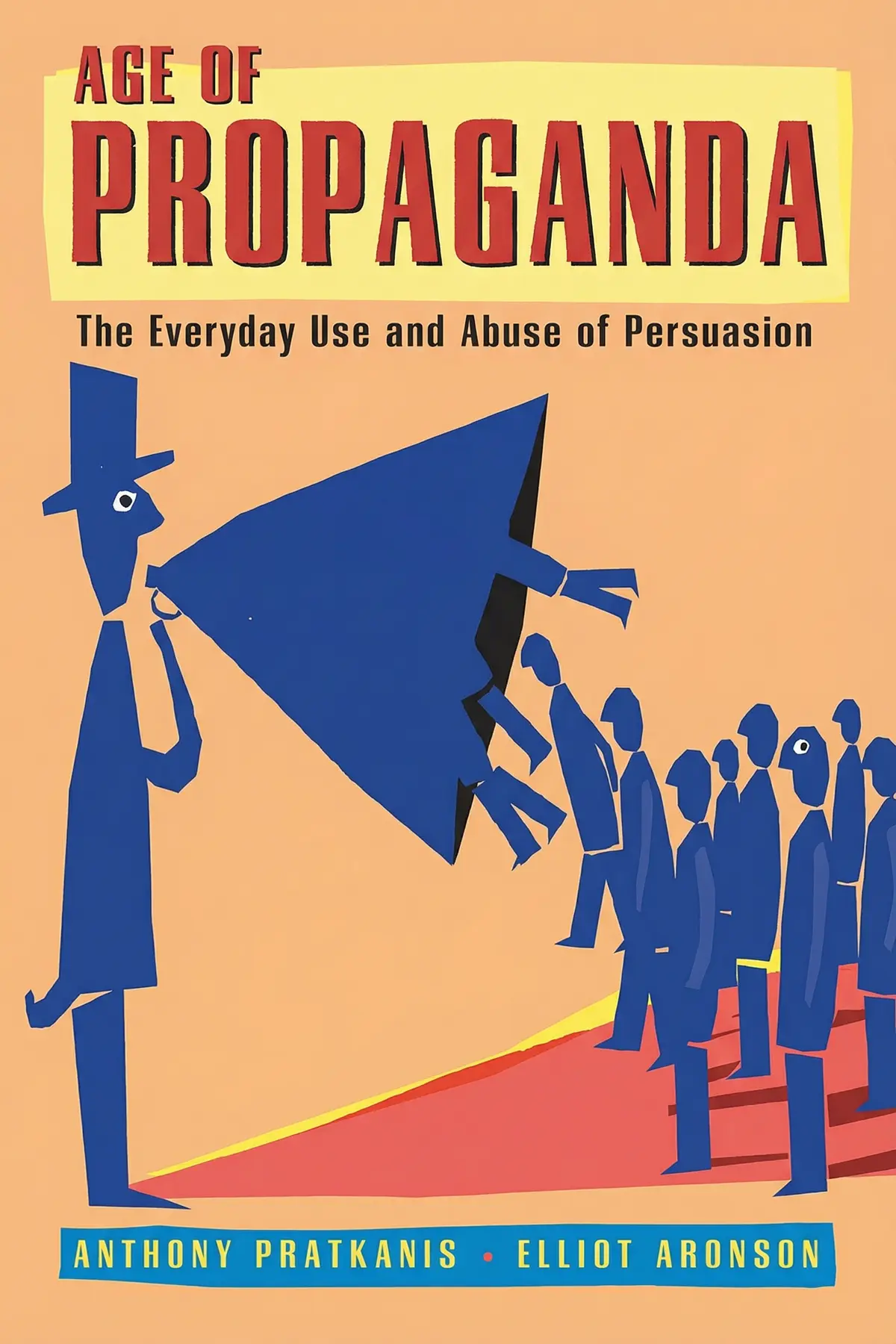
Age of Propaganda: The Everyday Use and Abuse of Persuasion
Anthony Pratkanis
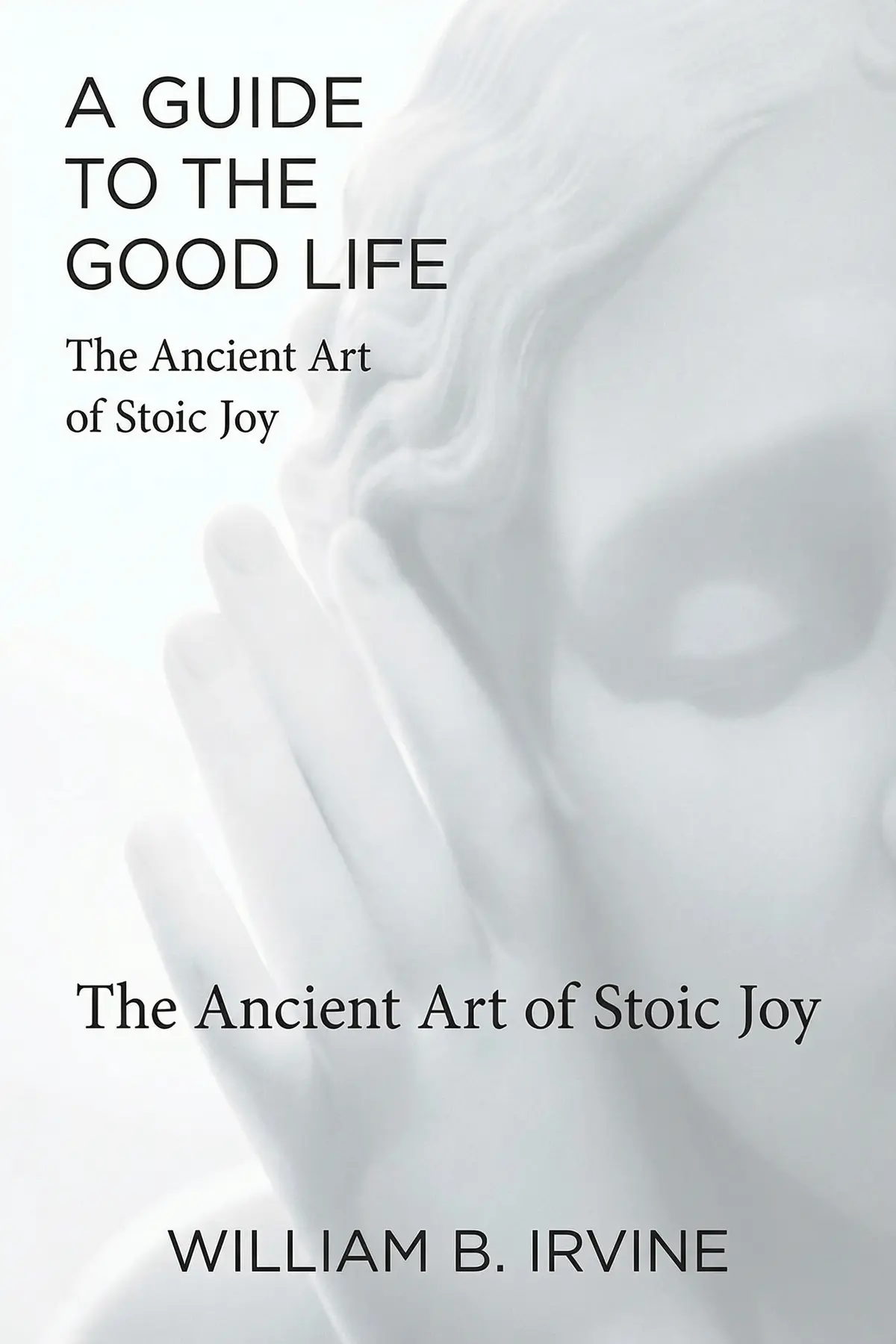
A Guide to the Good Life: The Ancient Art of Stoic Joy
William B. Irvine
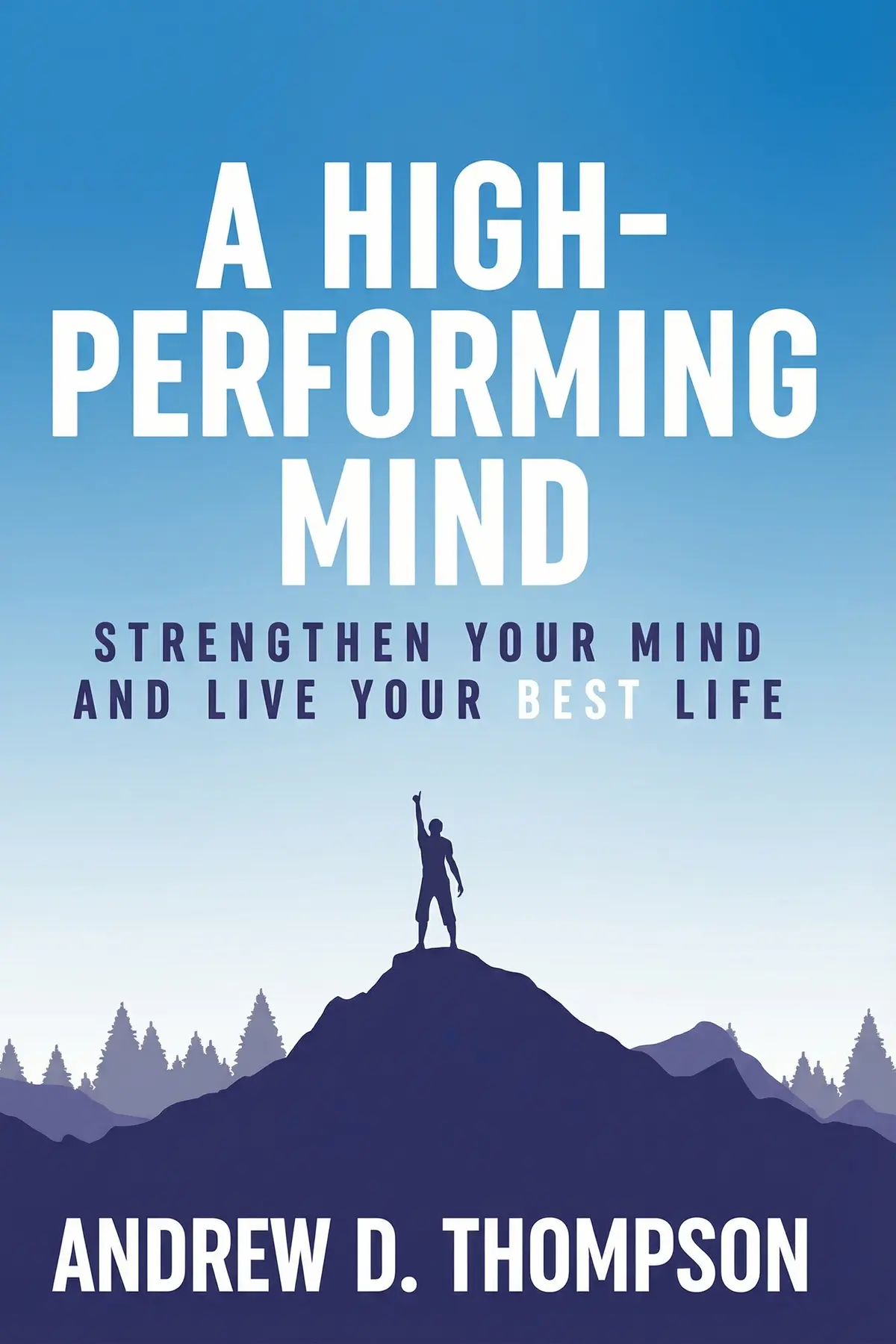
A High-Performing Mind: Strengthen Your Mind and Live Your Best Life
Andrew D. Thompson
Abundance: The Inner Path to Wealth
Deepak Chopra
AUDIO SUMMARY AVAILABLE
Listen to Insight in 15 minutes
Get the key ideas from Insight by Tasha Eurich, plus 5,000+ more titles in English and Thai.
- 5,000+ titles
- Listen as much as you want
- 7-day free trial
- Cancel anytime







