
14 min 13 sec
Intelligent Disobedience: Doing Right When What You’re Told to Do Is Wrong
By Ira Chaleff
Learn when to stop following orders and start acting on your conscience to prevent disaster, protect your organization, and foster a culture of healthy, constructive dissent.
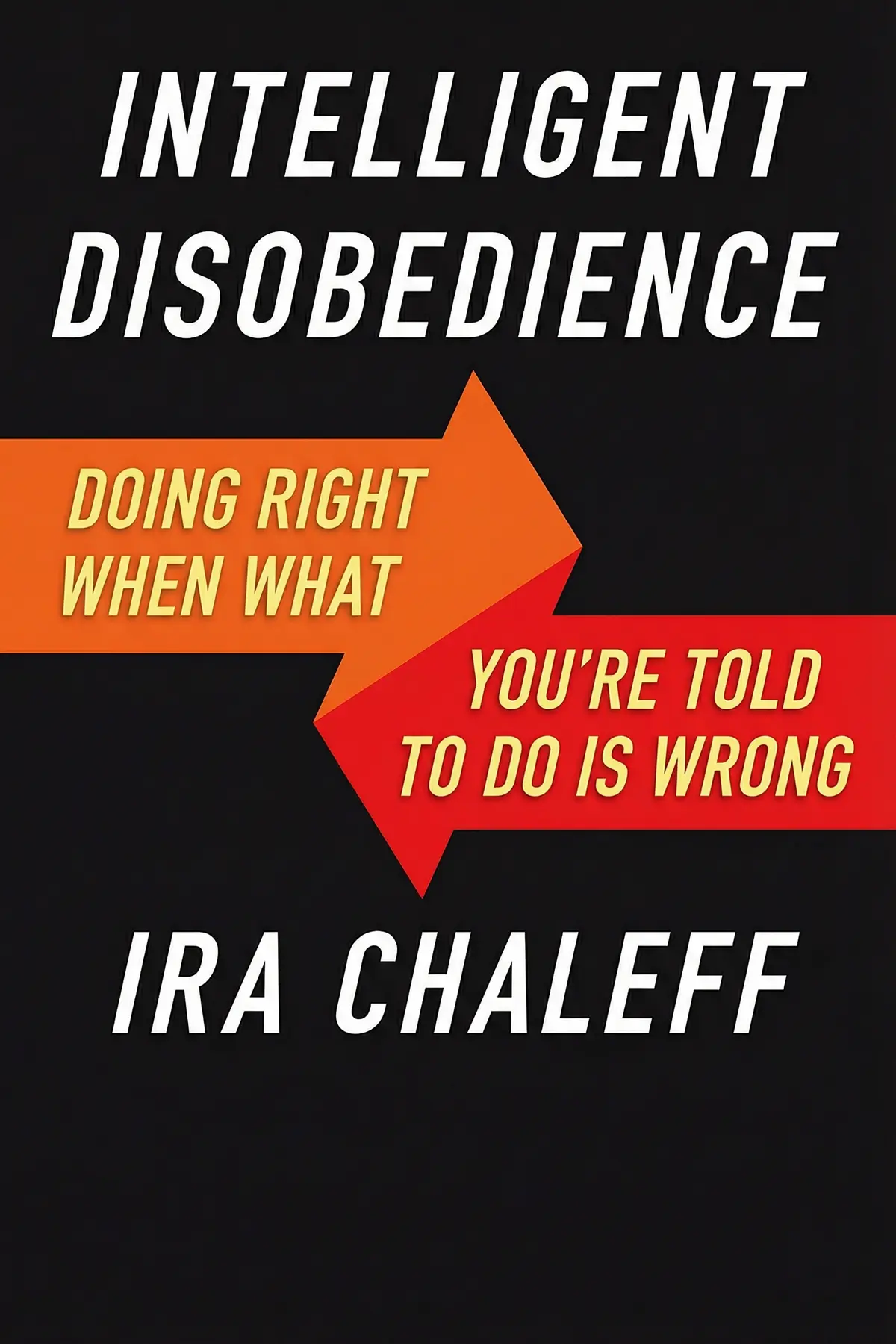
Table of Content
1. Introduction
1 min 36 sec
In our everyday lives, obedience is the silent engine that keeps the world turning. When we see a red light, we stop. When a flight attendant asks us to stow our luggage, we comply. This social contract of following instructions is generally a good thing; it creates order, safety, and efficiency. From childhood, we are taught that being ‘good’ usually means doing what we are told. However, what happens when the instructions we receive lead directly toward a cliff? What do we do when the person in charge is making a mistake that could cost lives, lose money, or violate fundamental human rights?
This is where the concept of intelligent disobedience comes into play. It is the sophisticated, high-stakes skill of knowing when the rules no longer apply or when a specific command must be rejected in favor of a higher goal. This isn’t about being a rebel for the sake of it, nor is it about being difficult or unprofessional. Instead, it is a form of deep loyalty—loyalty to the mission, to safety, and to the values of the organization.
In the following discussion, we will explore why our brains are so wired to obey, even when it’s dangerous, and how we can retrain ourselves to evaluate the commands we receive. We will look at the specific criteria that define legitimate authority and the communication techniques that allow us to push back without burning bridges. Ultimately, we’ll see how fostering this skill in ourselves and our children is essential for a safer, more ethical society. By the end, you’ll understand that sometimes, the most responsible thing you can do is refuse to comply.
2. The Three Pillars of Legitimate Authority
2 min 21 sec
Uncover the specific conditions that must be met before an order truly deserves your compliance and why some commands lack a moral foundation.
3. The Hidden Costs of Silent Compliance
1 min 58 sec
Explore why the path of least resistance—simply doing what you’re told—can often be the most dangerous route for both individuals and organizations.
4. A Framework for Evaluating the Moral Weight of Commands
2 min 26 sec
Discover the specific questions you should ask yourself to determine if a rule is worth breaking and how to distinguish dissent from disruption.
5. Mastering the Spectrum of Assertive Communication
2 min 14 sec
Learn how to use situational awareness to choose between subtle persuasion and blunt refusal when lives or livelihoods are on the line.
6. Teaching the Next Generation to Question Wisely
2 min 13 sec
Explore why blind obedience in children can lead to dangerous outcomes and how we can raise them to be both respectful and critically minded.
7. Conclusion
1 min 25 sec
The throughline of all we’ve discussed is the realization that responsibility cannot be delegated. While it is comfortable to hide behind the instructions of others, the reality is that we are the final arbiters of our own actions. Intelligent disobedience is not a call for chaos or a rejection of structure; rather, it is the highest expression of accountability. It recognizes that for an organization or a society to remain healthy, it needs individuals who are willing to be the ‘loyal opposition’—people who care enough about the mission to risk the discomfort of a disagreement.
As you move forward in your professional and personal life, carry this framework with you. Start by building your situational awareness, staying mindful of the gap between what you are told and what you see. Practice the art of mitigated language for the small things, and prepare yourself to be assertive when the stakes are high. If you are a leader, foster an environment where your team feels safe telling you that you’re wrong. Remember that a team of ‘yes-people’ is a team destined for a blind spot.
Ultimately, the goal is to be like the well-trained guide dog: loyal, attentive, and ready to follow, but possessing the wisdom to stop dead in your tracks when the path ahead is dangerous. By mastering the balance between compliance and dissent, you ensure that your actions are always aligned with your values and the greater good. Don’t just do what you’re told—do what is right.
About this book
What is this book about?
Intelligent Disobedience examines the hidden danger of blind compliance in our modern world. While society is built on the foundation of following rules and respecting authority, Ira Chaleff argues that there are critical moments where the most virtuous act is to say no. Drawing on real-world examples from aviation, medicine, and historical events, the book explores the specific conditions that make disobedience necessary and moral. Readers will learn the 'throughline' of responsibility: the idea that we are always accountable for our actions, regardless of who issued the command. The book provides a practical framework for evaluating authority, understanding situational hazards, and communicating dissent in a way that preserves professional relationships while preventing catastrophe. It is a guide for leaders who want to build resilient teams and for individuals who want to reclaim their moral agency.
Book Information
About the Author
Ira Chaleff
Ira Chaleff is an author, executive coach and consultant who has been named one of the 100 Best Minds on Leadership. His other works include The Courageous Follower and The Art of Followership.
Ratings & Reviews
Ratings at a glance
What people think
Listeners find the work thought-provoking, especially valuing the included examples of Intelligent Disobedience. Additionally, the standard of writing is lauded, as one listener noted the author’s spirited prose style. The transmission of the central message also earns praise, with one review mentioning how successfully the author links the anecdotes within the preface.
Top reviews
Somboon
Wow. This book completely changed how I view the concept of a 'good employee' or a 'good citizen.' Chaleff uses the fascinating analogy of guide dog training to explain why blind obedience is actually a dangerous trait in humans. It’s not just about being a rebel for the sake of it, but about maintaining personal accountability for your actions regardless of who gave the order. The specific four-step formula for evaluating an instruction against organizational values is a total game-changer. Truth is, we are socially programmed to say yes, but learning when to say no is what actually saves lives and protects integrity. This is essential reading for anyone in a leadership position or working in high-stakes environments where the status quo is failing.
Show moreRodrigo
Finally got around to reading this, and I’m honestly blown away by how relevant it is to current events like the #MeToo movement and political corruption. Chaleff dives deep into why we stay silent—fear of consequences or groupthink—and provides a roadmap for courageous action. The chapter detailing the horrors at Abu Ghraib served as a sobering reminder of what happens when intelligent disobedience is absent. I’ve already started discussing these concepts with my teenager because I want them to understand that authority isn't always right. It is a well-written, easy-to-follow guide that manages to be thorough without becoming tedious. Every high school student should have this on their curriculum to prepare them for the real world. This is a five-star must-read.
Show moreAubrey
The chapter on the difference between 'blind obedience' and 'intelligent disobedience' is something I will be thinking about for a very long time. Ira Chaleff manages to weave together psychological studies and guide dog training in a way that feels surprisingly cohesive. It’s not just a book for managers; it’s a book for anyone who wants to live with integrity in a world that demands conformity. I loved the emphasis on assuming personal accountability and the courage it takes to pause and examine a problematic order. The writing is clear and the message is delivered with a sense of urgency that makes it hard to put down. Truly an incredible and necessary read for the modern age. I can't wait to share this with my team.
Show morePatchara
After hearing so much about the Milgram shock experiments in college, I found Chaleff’s take on how to practically resist such pressures incredibly refreshing. He moves beyond the theory and provides a vigorous framework for how to disagree without being unnecessarily combative or losing your job. I particularly enjoyed the section on giving superiors the 'space to maneuver' or save face when they make a mistake. Look, it’s not always easy to swim against the tide when everyone else is just nodding along. This book gives you the tools to identify that internal warning light and act on it with professional grace. It’s a solid addition to any corporate library and offers a much-needed perspective on modern office dynamics and ethics.
Show moreYothaka
As someone who has always struggled with the idea of ultimate authority, this book provided the validation I didn't know I needed. Chaleff explains that we are basically programmed to respect the hierarchy, even when that hierarchy is leading us off a cliff. The writing style is vigorous and engaging, successfully connecting various anecdotes from the preface to the broader moral arguments. I liked the focus on 'conscious choice'—recognizing that you are still responsible for your actions even if you’re 'just following orders.' While some sections felt a bit too detailed for the average reader, the practical tips on how to offer acceptable alternatives are gold. It’s a very timely piece of work that I’ll be recommending to my colleagues.
Show moreIvan
Ever wonder why smart people do such stupid things just because a boss told them to? This book tackles that head-on by exploring the psychology of compliance and the necessity of pushback. The author does a great job of showing how to be disobedient while also protecting yourself from professional fallout. I found the section on aviation safety and co-pilots particularly interesting because it shows the literal life-or-death stakes of this topic. Not gonna lie, I wish there were even more examples from the modern tech world, but the historical context provided is very solid. It’s an engaging read that adds a lot of value to a complex discussion about ethics and power. Definitely worth your time if you want to be a better leader.
Show moreAndrei
Not what I expected, but in a good way. I thought this would be a dry academic text, but Chaleff’s style is actually quite vigorous and accessible for the casual reader. He does an excellent job of taking a complex concept and distilling it into something actionable for the workplace. The way he connects the early anecdotes to the final conclusions shows a lot of thought went into the structure of the narrative. My only minor gripe is that it took a while to get through some of the more repetitive guide dog stories in the middle. Still, the underlying message about doing right when you're told to do wrong is a vital one. It empowers the reader to trust their own moral compass over a title or rank.
Show moreAnchalee
The core message here is undeniably important, but the execution left me wanting more precision in the writing. For example, the author’s use of certain scientific terms like 'postulates' feels slightly off-base and distracted me from the otherwise compelling arguments. While I appreciate the guide dog stories, I felt the book leaned a bit too heavily on that one specific metaphor throughout the chapters. To be fair, the real-world examples involving plane crashes and historical scandals are chilling and illustrate the point well. It’s a decent read with a powerful central theme, though the pacing can feel a little sluggish at times during the more academic sections. I think it could have been trimmed down significantly without losing much of the primary impact.
Show morePalm
In my experience, books on leadership tend to ignore the importance of the 'follower' being a critical thinker, so I appreciated the premise here. The four-step formula for intelligent disobedience is practical and easy to remember for real-world application. However, I agree with other reviewers that the language can be a bit sloppy in places, which occasionally undermined the author's credibility. It’s also quite a long read for what is essentially one big idea repeated across different contexts. That said, the core sentiment—that we must align our actions with mission and values—is something every professional should hear. A bit more editing would have made this a top-tier book, but it's still worth skimming for the main takeaways and the dog training insights.
Show moreOrathai
Picked this up hoping for a deep dive into corporate ethics, but I found the content quite repetitive after the first few chapters. The author seems obsessed with the guide dog analogy, and while it's a cool concept initially, it wears thin after the tenth mention. Frankly, the book could have been a long-form article or a short summary rather than a full-length publication. I also struggled with some of the phrasing which felt a bit imprecise for a book that tries to be authoritative on such a serious topic. If you're looking for something with more variety in its examples beyond basic dog training and the same old historical scandals, you might find this one a bit of a bore.
Show moreReaders also enjoyed
All In: How Great Leaders Build Unstoppable Teams
Mike Michalowicz
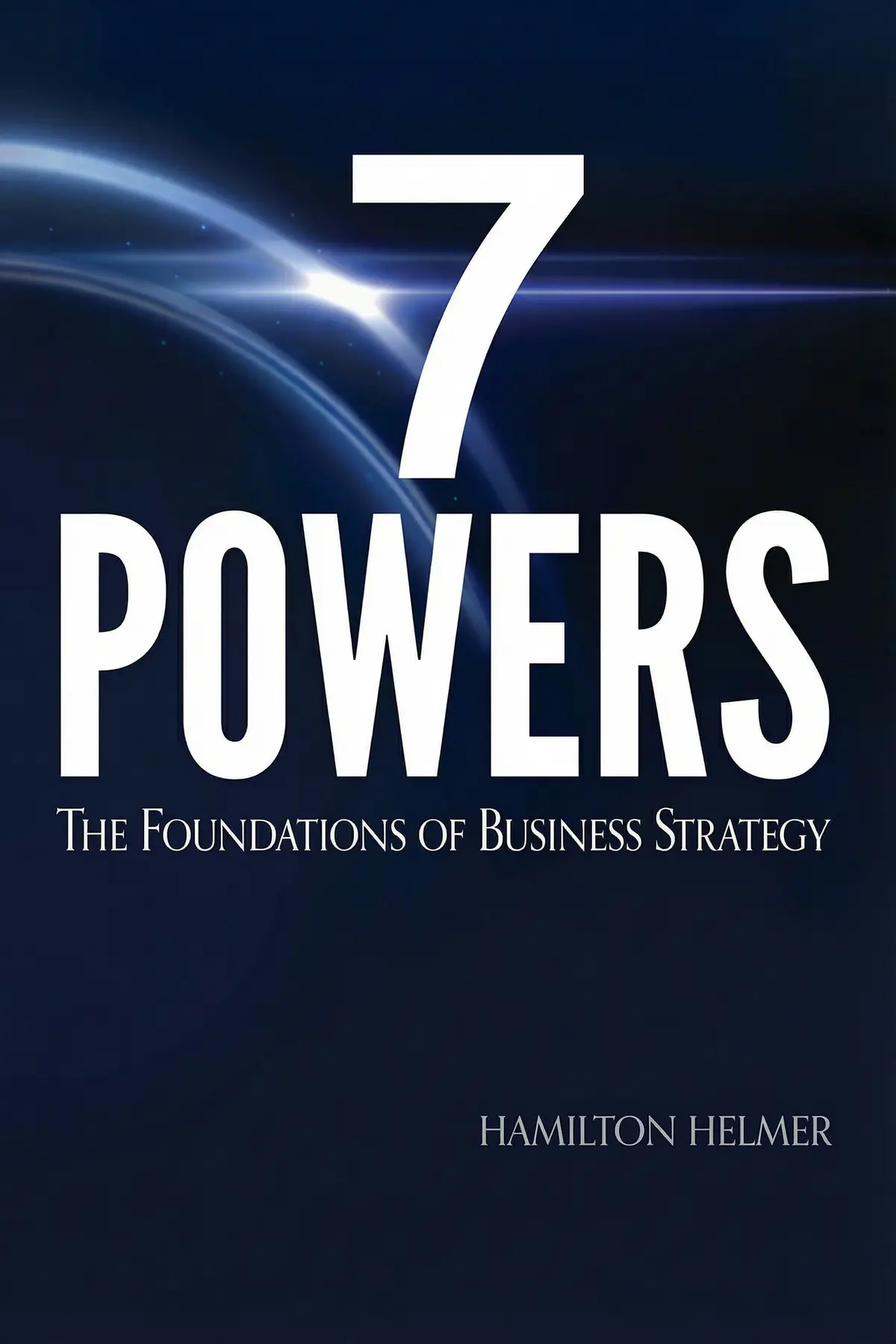
7 Powers: The Foundations of Business Strategy
Hamilton Helmer

A Bigger Prize: How We Can Do Better Than the Competition
Margaret Heffernan
AUDIO SUMMARY AVAILABLE
Listen to Intelligent Disobedience in 15 minutes
Get the key ideas from Intelligent Disobedience by Ira Chaleff, plus 5,000+ more titles in English and Thai.
- 5,000+ titles
- Listen as much as you want
- 7-day free trial
- Cancel anytime







